迪卡侬

Search documents
1200亿,哈根达斯要卖了
投资界· 2025-08-04 07:28
Core Viewpoint - The article discusses the impending sale of Häagen-Dazs, with Goldman Sachs preparing to acquire the ice cream manufacturer Froneri for an estimated valuation of €15 billion (approximately ¥120 billion) [3][4]. Company Overview - Froneri was established in 2016 as a joint venture between Nestlé and PAI Partners, consolidating their ice cream businesses in Europe. Subsequently, Nestlé's U.S. ice cream assets were integrated into Froneri, making Häagen-Dazs a significant asset within the company [4][6]. - Häagen-Dazs, founded in 1961, was once a leading brand globally and in China but has seen a decline in market presence and consumer interest [4][6]. Market Challenges - Häagen-Dazs is facing significant challenges in the Chinese market, with a reduction in store numbers from over 400 at its peak to just 263 currently. The brand's sales have been declining, with a double-digit percentage drop in customer traffic reported in the second quarter of fiscal year 2025 [11][12]. - The high-end ice cream market in China is experiencing a downturn, with increased competition from local brands and changing consumer preferences leading to a decrease in demand for premium products [12]. Financial Performance - General Mills, which retains global brand ownership of Häagen-Dazs, reported a 5% decline in net sales year-over-year for fiscal year 2025, with international sales down 3%. The Chinese and Brazilian markets were identified as significant contributors to this decline [12]. - The decision to sell Häagen-Dazs in China is part of General Mills' strategy to divest low-margin assets, reflecting a broader trend of companies shedding underperforming divisions [11][12]. Industry Trends - The article highlights a wave of mergers and acquisitions in the consumer sector, with several well-known brands, including Starbucks and Decathlon, also exploring sales of their Chinese operations due to intensified competition [13][15]. - The current economic climate has created opportunities for buyers with cash reserves to acquire undervalued assets in the consumer industry, which is traditionally seen as resilient during economic fluctuations [16].



不卷UPF,防晒衣还有什么故事可讲?
Hu Xiu· 2025-08-03 02:14
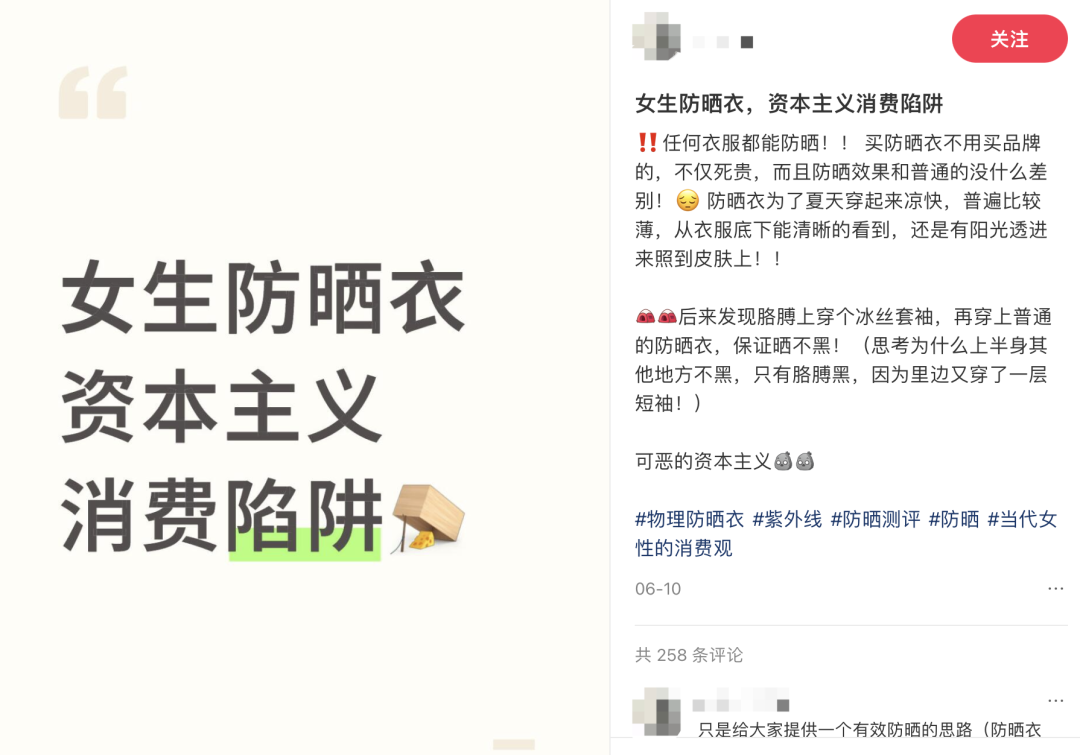
Core Viewpoint - The sunscreen clothing market is experiencing a shift as consumers become more discerning about marketing claims and product effectiveness, leading to a decline in the reliance on high-tech narratives and premium pricing strategies [4][12][28]. Group 1: Market Trends - There is a growing trend of brands expanding their product lines from sunscreen clothing to include items like sunscreen hats, face masks, and creams [3][36]. - Despite the skepticism surrounding sunscreen clothing, the overall interest in sun protection continues to rise, with consumers increasingly linking it to anti-aging benefits [12][27]. - The popularity of outdoor activities such as hiking and climbing is influencing consumer preferences for sunscreen products, leading to a demand for stylish and functional designs [30][31]. Group 2: Consumer Behavior - Consumers are becoming more knowledgeable and critical of marketing claims related to UPF (Ultraviolet Protection Factor) and other performance metrics, leading to a decline in the perceived value of high-priced sunscreen clothing [7][19]. - Many consumers are opting for lower-priced alternatives or substituting sunscreen clothing with regular shirts and cover-ups due to doubts about the effectiveness of marketed products [19][26]. - The skepticism extends to the claims of cooling effects and other performance indicators, with consumers increasingly questioning the validity of these assertions [17][18][24]. Group 3: Regulatory and Compliance Issues - Reports have surfaced indicating that many sunscreen clothing items on the market do not meet national standards for UV protection, with some brands falsely advertising their UPF ratings [10][22]. - The prevalence of misleading marketing practices and non-compliance with regulations is eroding consumer trust in the sunscreen clothing category [21][23]. Group 4: Product Development and Innovation - Brands are now focusing on creating aesthetically appealing products to meet consumer demands for both functionality and style, as the previous emphasis on technological claims is losing effectiveness [29][35]. - New product categories such as sunscreen shirts and pants are emerging, with brands like Xiaoye Hezi and Camel launching innovative designs to capture market interest [35][43]. - The introduction of face masks as fashionable items demonstrates a shift in consumer perception, with brands capitalizing on this trend to enhance their product offerings [37][44].
羽毛球价格飙升,平替品卖断货!未来市场谁主沉浮?
Qi Lu Wan Bao Wang· 2025-08-02 11:17
Core Insights - The price of badminton has increased significantly over the past six months, with many brands raising prices by 20-30 yuan per barrel, leading to concerns among enthusiasts about affordability [2][3][5] - The rise in prices is attributed to a shortage of raw materials, particularly duck and goose feathers, which are essential for manufacturing high-quality feather shuttlecocks [7][10] - Despite the price hikes, sales volume for badminton products remains stable or even shows an upward trend, indicating that consumer enthusiasm for the sport persists [5][10] Price Trends - Specific examples of price increases include the Yonex AS-05 shuttlecock, which rose from 180 yuan to 218 yuan per barrel, and the AS-9 from 160 yuan to 185 yuan, reflecting a price increase of 20-35 yuan [5] - Other brands such as Victor, Decathlon, and RSL have also experienced slight price increases, with Decathlon's shuttlecocks now priced between 89.9 yuan and 249.9 yuan [5] Supply Chain Issues - The decline in duck and goose farming has led to a significant reduction in the supply of feathers, causing a spike in prices for shuttlecock materials [7] - The production of nylon shuttlecocks has seen a slight increase in sales as consumers look for more affordable alternatives, with prices remaining stable around 90 yuan per barrel [8] Market Dynamics - The current high prices of traditional feather shuttlecocks are expected to remain as the supply chain struggles to recover, indicating a potential new price baseline for the industry [10] - The market for synthetic shuttlecocks, such as nylon and carbon fiber options, is anticipated to grow, driven by technological advancements and consumer acceptance [10][11]

通达集团(00698):即时点评:2025H1净利润增长超360%,业绩进入快速增长轨道
Guoyuan International· 2025-07-31 08:43
Investment Rating - The report indicates a strong positive outlook for the company, suggesting active monitoring of its performance due to significant profit growth [1][3]. Core Insights - The company is expected to report an unaudited profit attributable to owners between approximately HKD 60 million to HKD 65 million for the first half of 2025, representing an increase of about 367.2% to 406.2% compared to HKD 12.842 million for the same period in 2024 [1]. - The substantial increase in net profit is attributed to a significant reduction in operating costs [2]. - The company's mobile glass fiber back cover and smart home business are projected to drive sustained growth, with increasing demand for thinner and more durable materials in mobile devices [2]. - The smart home segment, which supplies various plastic components to major clients like IKEA and Decathlon, is also expected to contribute positively to revenue growth [2]. - The company has successfully upgraded its production lines to smart manufacturing, enhancing operational efficiency and reducing the impact of international policy uncertainties [2]. - The report emphasizes the long-term growth potential of the company's mobile and smart home businesses, with expectations of achieving operating profits above the industry average [3]. Summary by Sections - **Financial Performance**: The company repaid most of its long-term bank loans in 2024, leading to a significant reduction in financial expenses and bank charges [4]. - **Cost Management**: The sale of the precision components business in April 2024 eliminated related R&D expenses, and the company has focused its R&D resources on core businesses, resulting in a substantial decrease in R&D costs [4]. - **Operational Efficiency**: Despite facing intense market competition, the company benefited from reduced depreciation expenses due to fixed asset impairment conducted in 2024 [4].
180亿,刘强东买走了
投资界· 2025-07-31 08:21
Core Viewpoint - JD.com has announced the acquisition of CECONOMY, Germany's largest consumer electronics group, for approximately €2.2 billion, equivalent to over ¥180 billion, marking a significant step in its international expansion strategy [1][3][8]. Group 1: Acquisition Details - The acquisition aims to enhance CECONOMY's growth while maintaining its independent operations, with plans to transform it into a leading omnichannel consumer electronics platform in Europe [7][11]. - CECONOMY operates over 1,000 stores across 12 European countries, with its core brands MediaMarkt and Saturn holding over 30% market share in Germany [5][6]. - The deal is seen as a strategic move for JD.com to quickly establish a local presence in Europe, leveraging CECONOMY's existing store network and supply chain capabilities [11][12]. Group 2: Market Context - The competitive landscape in the retail sector is intensifying, with JD.com facing rivals like Alibaba, Pinduoduo, SHEIN, and TikTok in the global e-commerce arena [12][14]. - The acquisition reflects a broader trend of consumer mergers and acquisitions, as companies seek to strengthen their market positions amid increasing competition [15][19]. - JD.com’s strategy emphasizes a combination of self-built infrastructure and acquisitions to navigate the complexities of the European market [11][12].

又丑又贵的溯溪鞋,萨洛蒙和迪卡侬争着抢
36氪· 2025-07-30 09:11
Core Viewpoint - The article discusses the rising popularity of "ugly shoes," particularly creek shoes, driven by a shift in consumer preferences towards comfort and practicality over traditional aesthetics, highlighting significant market growth and consumer engagement in this segment [5][10][20]. Group 1: Market Trends - Creek shoes have gained substantial traction, with Tmall reporting a 75% year-on-year increase in transaction value and over 120% growth in transaction volume for outdoor footwear in 2024 [10]. - The popularity of creek shoes is reflected in social media engagement, with discussions on platforms like Xiaohongshu exceeding 80 million views and nearly 40,000 participants [10][12]. - The creek shoe market is characterized by a diverse price range, allowing consumers greater freedom in selection, which contrasts with the dominance of Crocs in the clog market [13][15]. Group 2: Consumer Behavior - Young consumers are increasingly drawn to creek shoes as they seek comfort and a break from traditional beauty standards, aligning with a broader cultural shift towards self-expression and individuality [20][21]. - The trend of "ugly shoes" is seen as a response to societal pressures, with brands like Crocs and KEEN embracing this aesthetic to resonate with younger audiences [25][27]. - The article notes that the appeal of creek shoes lies in their versatility, allowing for seamless transitions between outdoor activities and everyday wear, which is particularly attractive to younger consumers [16]. Group 3: Competitive Landscape - The creek shoe market is becoming increasingly competitive, with numerous brands entering the space, leading to a fragmented market compared to the more concentrated clog market dominated by Crocs [13][34]. - Price segmentation is evident, with top-tier brands like KEEN priced between 1200-2300 RMB, while mid-tier options range from 400-1200 RMB, and budget-friendly choices from domestic brands fall between 150-450 RMB [15]. - Despite the growth, there are concerns about the sustainability of creek shoes' popularity, as they may be susceptible to changing consumer preferences and economic conditions [30][34]. Group 4: Challenges - The article highlights potential pitfalls for creek shoes, including quality issues reported by consumers, which could hinder broader acceptance and market penetration [37]. - The overall economic environment is shifting towards cautious consumer spending, which may impact the sales of creek shoes and other non-essential footwear [34][35]. - Brands must prioritize consumer needs and quality to maintain their market position, as neglecting these aspects could lead to a decline in popularity [37].

2025年第29周:服装行业周度市场观察
艾瑞咨询· 2025-07-27 13:45
Core Insights - The luxury goods market is facing challenges with a projected decline in global high-end personal luxury goods market size by 1% to €364 billion in 2024, and further expected decline of 2%-5% in 2025 due to economic downturn and geopolitical tensions [2] - High-end brands are shifting towards a more minimalist aesthetic, reducing logo prominence and focusing on classic tailoring, which may lead to decreased brand recognition and increased homogenization [3] - The rise of functional clothing, such as sun-protective garments, reflects a growing health consciousness and outdoor lifestyle among consumers, with the Chinese apparel industry producing over 70 billion pieces annually [4] - Adult women are increasingly purchasing larger children's clothing sizes due to issues with women's sizing and pricing, indicating a demand for better fit and value in women's fashion [5] - Luxury brands are increasingly investing in film and entertainment to enhance cultural influence, with companies like Saint Laurent and LVMH establishing film production arms [6] - Emerging brands are focusing on natural fibers and traditional craftsmanship, creating unique aesthetic identities amidst a trend of logo-less luxury [8] - The new consumer giants are leveraging emotional value and community recognition to thrive in a competitive market, with brands like Labubu and Mxue Ice City gaining traction [9] - South Asian culture is becoming a source of inspiration for luxury fashion, with brands incorporating traditional craftsmanship into their collections [10] - Street retail is gaining importance as brands seek to connect with consumers through community engagement and experiential shopping [12] - High-end sports brands are taking over core shopping districts as luxury brands withdraw, with a focus on experiential retail [13] - L'Oréal's CEO emphasizes the company's diverse portfolio beyond luxury, highlighting growth in emerging markets and a commitment to innovation [14] - COS has successfully repositioned itself as a mid-range brand by balancing quality and affordability, appealing to the rational consumer [15] - Bosideng reported strong financial performance with an 11.6% revenue increase to ¥25.902 billion and a 14.3% net profit increase to ¥3.514 billion, driven by technological empowerment and supply chain optimization [16] - Nike's new Ava Rover shoe combines technology and design for urban exploration, showcasing a trend towards high-performance casual footwear [17] - Luxury brands are embracing digital transformation through KOLs (Key Opinion Leaders) to enhance consumer engagement and trust [18] - Daydream launched an AI shopping assistant for personalized fashion recommendations, indicating a shift towards technology-driven retail experiences [20] - The luxury sector lost approximately 15 million customers last year, with a significant decline in sales expected in 2024, highlighting the need for brands to rebuild consumer trust [21] - Local luxury brands are gaining popularity, driven by emotional value and competitive pricing, as international brands face challenges [22] - Decathlon's new store in Nanjing adopts an innovative operational model focusing on community engagement and sustainability [24] - Shein is preparing for a potential IPO in Hong Kong, navigating geopolitical risks and supply chain transparency issues [25] - Baozun's acquisition of Sweaty Betty's China operations reflects a strategy to enhance its e-commerce portfolio amid competitive pressures in the activewear market [26] - Pop Mart's expansion into jewelry with its popop brand has generated consumer interest, though market volatility raises questions about long-term sustainability [28]





马云带火的“自行车爱马仕”,二手炒到15万
创业邦· 2025-07-26 09:23
Core Viewpoint - The article discusses the recent surge in popularity of the British folding bicycle brand BROMPTON, particularly following a public appearance by Alibaba founder Jack Ma, who was seen riding a BROMPTON bicycle, leading to increased consumer interest and inquiries about the product [4][7][10]. Group 1: BROMPTON's Market Position - BROMPTON, founded in 1975, is known as the "Hermès of bicycles," with each bike frame hand-welded in London, resulting in high prices, with entry-level models starting at over 10,000 yuan [10][11]. - The brand has gained significant traction in China, becoming a status symbol among the elite, with a notable increase in demand, especially post-2020, when global outdoor cycling surged [14][15]. - In 2023, China became BROMPTON's largest market, with supply quotas increasing to 28,000 units, accounting for one-third of global supply, up from just 800 units in 2018 [15]. Group 2: Sales and Financial Performance - BROMPTON's global revenue rose from under 60 million pounds (approximately 570 million yuan) in 2020 to 131 million pounds (approximately 1.26 billion yuan) in 2023, indicating strong growth during the pandemic [14]. - However, the company faced a decline in sales in 2024, with a 5.3% drop in global sales to 122.6 million pounds (approximately 1.17 billion yuan) and a significant profit decrease of over 99% [23]. Group 3: Market Trends and Consumer Behavior - The cycling market is experiencing a shift, with high-end brands like BROMPTON facing price reductions due to decreased demand and increased competition from more affordable brands [16][19]. - The article notes that the cycling market is returning to rational consumption patterns, with many high-end bicycles seeing price cuts of up to 50% [18]. - There is a growing trend towards domestic brands that offer better value for money, particularly in the folding bicycle segment, which is becoming more competitive [21].

为什么运动品牌的Slogan都不鼓励卷了?
Hu Xiu· 2025-07-26 00:53
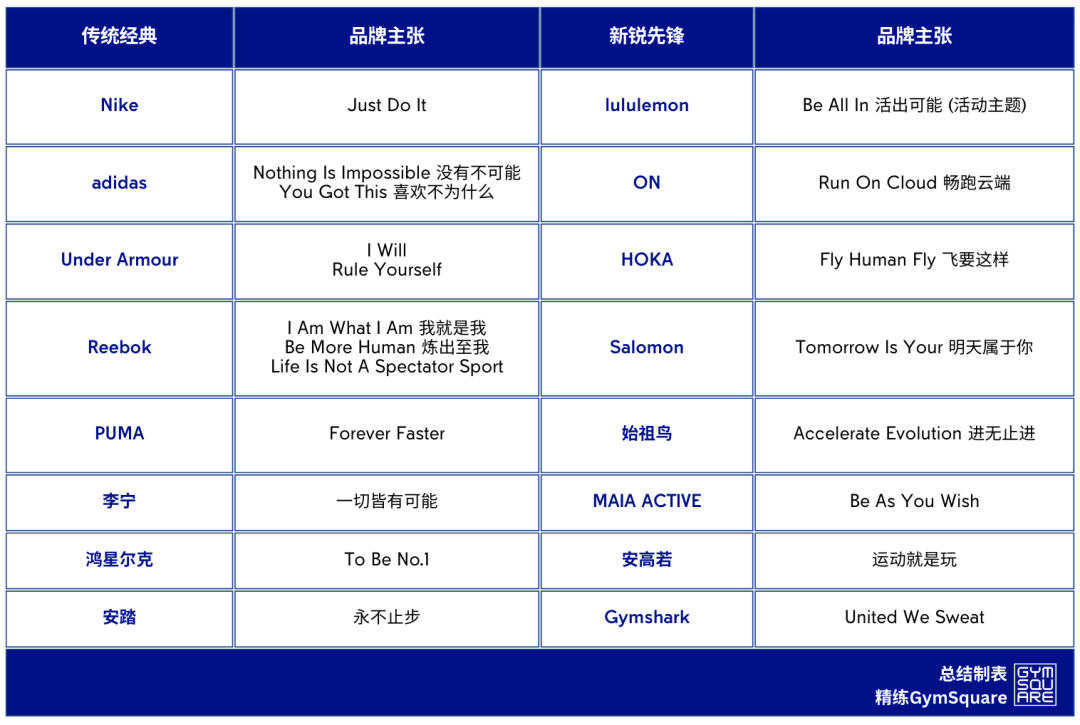
Group 1 - The core viewpoint of the article highlights a shift in the branding strategies of sports companies, moving from a focus on extreme competition to a more inclusive and enjoyable approach to sports, particularly appealing to Generation Z [1][2][16] - Adidas has updated its long-standing slogan from "Impossible Is Nothing" to "You Got This," emphasizing personal sports experiences rather than extreme challenges [1][8] - Other brands like HOKA and lululemon have also changed their slogans to reflect a focus on enjoyment and personal experience in sports, indicating a broader trend among both established and emerging brands [3][12][13] Group 2 - The changing slogans of major sports brands reflect a transformation in brand identity, targeting the new consumer base of Generation Z, who prioritize personal experience over celebrity endorsements [3][19][30] - The standards for what constitutes "good" in sports are becoming more diverse and inclusive, moving away from a strict focus on performance to a broader acceptance of various forms of participation [4][25][32] - The rise of community-focused flagship stores and the emphasis on inclusivity in marketing strategies are becoming essential for brands to foster a sense of belonging among consumers [6][31][33] Group 3 - The trend of prioritizing personal experience and enjoyment in sports aligns with the growing popularity of "self-pleasing consumption" among younger generations [20][34] - Brands are increasingly recognizing the importance of mental well-being alongside physical fitness, with a significant portion of consumers engaging in sports for emotional management [34][36] - The article notes that traditional sports brands are facing challenges in growth and are adapting by embracing lifestyle branding, which blurs the lines between sports and everyday life [26][35]
人工智能与可持续发展:新的创新引擎
3 6 Ke· 2025-07-25 06:56
Core Insights - The integration of AI and sustainability is seen as a strategic necessity for future competitiveness, rather than an optional approach for companies [9][10] - Companies that embrace the "AI + sustainability" model are expected to gain a competitive edge in addressing global challenges such as climate change and regulatory demands [4][9] Group 1: AI and Sustainability Synergy - AI is viewed as a powerful engine for productivity enhancement, while sustainability is often perceived as a cost burden; combining both can create significant synergies [2] - The global race in AI innovation is accelerating, with governments and companies striving to push boundaries, but neglecting sustainable infrastructure could be shortsighted [2][10] - Successful integration of AI into sustainable practices allows companies to optimize operations and accelerate the adoption of low-carbon technologies [4][5] Group 2: Industrial AI and Market Transformation - A report by Reuters and Siemens highlights the potential of industrial AI to reshape industries and drive large-scale sustainable development [5] - AI can act as a "super booster" for industrial transformation, aiding in the deployment and optimization of renewable energy, energy-efficient manufacturing, and electric transportation [5] - Companies need to invest in technology, talent, and data infrastructure to fully unlock the value of AI in sustainability [5][6] Group 3: AI's Impact on Emission Reduction - A simulation study by SystemiQ indicates that AI could help reduce global carbon emissions by up to 6 billion tons by 2035 through accelerated deployment of low-carbon technologies [6] - AI applications in renewable energy optimization, alternative protein production, and predictive maintenance are crucial for achieving significant emission reductions [6] Group 4: Urban Infrastructure and Mobility - AI is significantly influencing urban infrastructure and transportation systems, as seen in projects like Saudi Arabia's NEOM, which integrates AI for energy efficiency and carbon-free transportation [7] - Singapore has implemented AI traffic management systems to reduce congestion and carbon emissions, contributing to a smarter and greener urban environment [7] Group 5: Global Trends and Opportunities - Different regions are advancing the integration of AI and sustainability in various ways, with China embedding AI in key green industries and the EU promoting a dual transformation strategy [10] - Companies that can quickly adapt to AI-driven sustainable development will define future standards for innovation, environmental responsibility, and long-term competitive advantage [10]