零跑汽车

Search documents
中泰国际每日晨讯-20260209
ZHONGTAI INTERNATIONAL SECURITIES· 2026-02-09 02:48
Market Overview - The Hong Kong stock market experienced a decline last Friday, with the Hang Seng Index closing at 26,559.95 points, down 1.2%, and the Hang Seng China Enterprises Index at 9,031.38 points, down 0.7% [1] - The total turnover in the Hong Kong market was HKD 247.9 billion, a decrease of 21.3% from HKD 315.1 billion the previous Thursday, indicating a lack of investor confidence in the outlook [1] - In sector performance, energy and consumer staples indices rose by 1.3% and 0.1%, respectively, while financials, consumer discretionary, and information technology sectors fell by 1.8%, 1.6%, and 1.3% [1] Company Dynamics - NIO (9866 HK) announced a forecast for Q4 2025 operating profit between RMB 200 million and RMB 700 million, exceeding market expectations. The company also reported a Q4 Non-GAAP operating profit of RMB 700 million to RMB 1.2 billion, marking its first quarterly profit under both Non-GAAP and GAAP measures [4] - The strong performance of NIO is attributed to an improved product mix and increased economies of scale, leading to a 6.9% rise in its stock price, which positively influenced other electric vehicle companies like Li Auto (2015 HK) and Leap Motor (9863 HK), which saw stock increases of 3% to 6% [4] - In the healthcare sector, the Hang Seng Healthcare Index fell by 0.4%, with major companies showing little volatility. However, Hansoh Pharmaceutical (3692 HK) is expected to maintain rapid sales growth, with potential increases in promotional efforts in the second half of 2025 [4] Industry Trends - The new energy vehicle sector showed strength last Friday, driven by NIO's positive earnings forecast, which is expected to lead to a broader recovery in the automotive industry [4] - The uranium market has seen a decline, with prices dropping from USD 102 at the end of January to USD 86 last week, impacting companies like China General Nuclear Power (1164 HK), which fell by 4.3% [5] - The new energy and utilities sectors are currently experiencing mixed performance, lacking a clear direction, but may benefit from increased energy demand driven by developments in the AI industry [5]
国海证券晨会纪要-20260209
Guohai Securities· 2026-02-09 02:28
Group 1: Internet & Technology Sector Insights - The Hang Seng Technology sector has seen a valuation recovery since early 2025, with a PE-TTM of 20.05, below historical averages, indicating potential for value investment [3] - Southbound capital has accelerated inflow into Hong Kong stocks, with significant increases in holdings of major internet companies, suggesting a focus on profitability and technology business realization [4] - The internet industry is stabilizing in user traffic, with a shift towards high-quality growth driven by generative AI, which is expected to reshape valuations [5] Group 2: Lithium Battery Industry Strategy - The lithium battery industry is entering a new cycle with strong demand driven by policy support and technological advancements, particularly in energy storage and electric vehicles [7] - The supply-demand relationship is improving, leading to price recovery across the lithium battery supply chain, with significant potential for material price increases in 2026 [9] - New technologies, such as solid-state batteries and sodium-ion batteries, are expected to accelerate industrialization, enhancing the growth prospects of the lithium battery sector [10] Group 3: BYD Company Analysis - BYD's January 2026 sales reached 210,000 units, with a strong performance in overseas markets, indicating a robust growth engine for the company [15] - The company is launching new models aimed at high-end markets, which are expected to enhance market share and brand influence [18] - Revenue forecasts for BYD from 2025 to 2027 are projected at 854.9 billion, 995.9 billion, and 1,111.7 billion yuan, with corresponding net profits of 35.73 billion, 50.19 billion, and 62.65 billion yuan [18] Group 4: Leap Motor Company Insights - Leap Motor delivered 32,000 vehicles in January 2026, marking a 27.4% year-on-year increase, with plans to reach a sales target of 1 million units for the year [19] - The company is set to launch several new models, enhancing its product lineup and market presence [20] - Revenue projections for Leap Motor from 2025 to 2027 are estimated at 66.27 billion, 104.12 billion, and 135.41 billion yuan, with significant growth anticipated [20] Group 5: Geely Automobile Performance - Geely's January 2026 sales reached 270,000 units, a 1.3% year-on-year increase, with strong performance in both fuel and electric vehicle segments [23] - The company is expanding its global strategy with new model introductions in overseas markets, which are expected to drive future growth [25] - Revenue forecasts for Geely from 2025 to 2027 are projected at 331.2 billion, 421.8 billion, and 485.8 billion yuan, with a focus on electric and high-end vehicle segments [25] Group 6: Long Wall Motor Company Overview - Long Wall Motor's January 2026 sales were 90,000 units, with a target of 1.8 million units for the year, indicating a positive sales trajectory [27] - The company is investing in new channels and models, which may impact short-term profitability but is expected to enhance long-term growth [28] - Revenue projections for Long Wall from 2025 to 2027 are estimated at 222.8 billion, 275.5 billion, and 309.8 billion yuan, with a focus on international expansion [29] Group 7: SpaceX and Commercial Aerospace Developments - SpaceX's acquisition of xAI and the approval of a million-satellite application signify a strategic push towards space-based computing and energy solutions [31][32] - The integration of AI and satellite technology is expected to drive significant advancements in space energy demand, particularly solar energy [34] - The commercial aerospace sector is anticipated to grow rapidly, with a focus on solar energy solutions and satellite deployment [35]
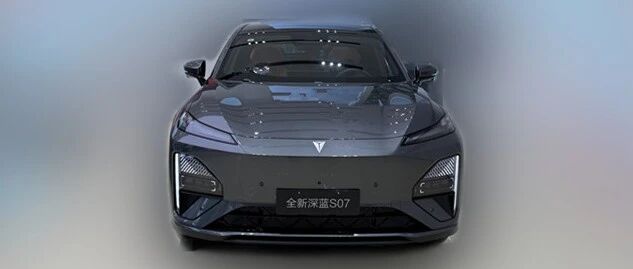
全新深蓝S07:看中这车的都是年轻人,竞品有一半是比亚迪
车fans· 2026-02-09 00:30
Core Viewpoint - The article discusses the current market situation for the 2026 model of the S07, highlighting challenges in the new energy vehicle sector and detailing customer preferences and sales dynamics. Group 1: Market Situation - The new year has started with a cold market for new energy vehicles, with many dealers expressing frustration over low sales and customer traffic [2][3] - The dealership experiences about 4-5 customer groups on weekdays and slightly more on weekends, with 15%-20% of visitors interested in the S07 [3] Group 2: Product Features and Pricing - The 2026 S07 comes in eight configurations, but only three are popular: 230 Ultra, 300 Ultra, and 550 Ultra, with the 230 Ultra priced at ¥166,900 [4] - Significant upgrades from the previous model include standard Huawei smart driving, improved chip and memory specifications, and enhanced audio systems [4][5] - The most challenging model to sell is the pure electric 630 series, primarily due to intense competition in the ¥174,900 price range [7] Group 3: Customer Demographics - The primary customer demographic for the S07 is young individuals aged 20-35, many of whom are early in their careers [10] - Customers often compare the S07 with competitors like BYD and Leap Motor, with a notable preference for BYD due to its sales reputation [17][18] Group 4: Customer Feedback and Concerns - Common customer complaints include the rapid changes in policies affecting the automotive market and the maintenance costs associated with the vehicle [25] - The first maintenance is required within 180 days or 5,000 km, with subsequent maintenance annually or every 10,000 km, costing around ¥400 for oil changes [25]

突发!港股科技板块一跌再跌!阿里腾讯百度集体“跳水”,而新能源车却逆势猛涨
Sou Hu Cai Jing· 2026-02-08 20:43
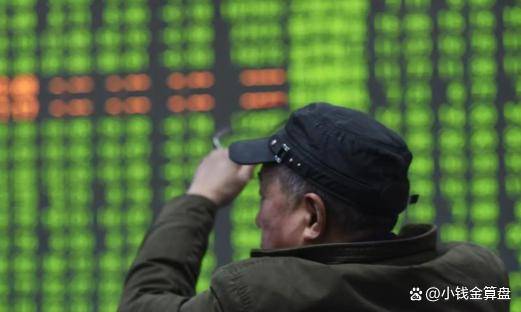
2026年2月6日,港股收盘时,一组数字让不少投资者心里一凉。 恒生指数跌了1.21%,恒生科技指数跌了1.11%。 阿里跌了近3%,腾讯、百度跌了近 2%,京东也跌超1%。 一片绿油油的行情里,新能源车却涨得红火,蔚来涨了近7%。 时间往回倒几天,情况更刺激。 2月3日,腾讯的股价在盘中一度暴跌超过6%,眼看着三千多亿港元的市值就蒸发了。 引发这场震荡的,不是什么惊天动 地的官方政策,而是两则在网络上流传、内容经不起推敲的"小作文"。 一篇说,平台型互联网企业可能不再享受高新技术企业的15%优惠税率。 另一篇更夸张,说游戏行业的税率要向白酒行业看齐,可能从现在的6%左右猛 增到32%。 就是这些没头没尾的消息,叠加了全球市场的不安情绪,瞬间点燃了抛售的导火索。 为什么几句漏洞明显的传言,能有如此巨大的威力? 答案可能不在于传言本身,而在于市场早已脆弱不堪的神经。 当大家都紧绷着的时候,一点风吹草 动,就足以引发一场雪崩。 我们来看看2月6日当天具体的市场表现。 阿里巴巴港股收盘下跌2.88%,股价报68.45港元。 百度集团港股下跌2.20%,股价收在98.70港元。 腾讯控股报 547.50港元,下跌1. ...
斯泰兰蒂斯的222亿欧元代价
Xin Lang Cai Jing· 2026-02-08 16:27
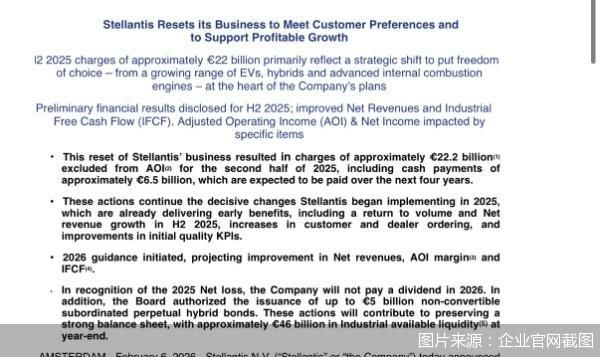
Core Viewpoint - Stellantis, the world's fourth-largest automotive manufacturer, faces financial and stock price challenges due to misjudgments in its electrification strategy, leading to a €22.2 billion restructuring charge in the second half of 2025 and a shift away from aggressive electrification targets [1][2] Group 1: Financial Impact - Stellantis' stock price dropped over 20% in a single day, resulting in a market value loss of over $6 billion [1][2] - The company plans to recognize approximately €22.2 billion in restructuring costs, including about €6.5 billion in cash payments primarily for supplier compensation [2] - A projected net loss of €21 billion is expected in the second half of 2025, with an annual operating profit margin anticipated to be in the low single digits [2] Group 2: Strategic Adjustments - Stellantis will no longer pursue aggressive electrification goals, instead allowing market demand to dictate the pace of its electric vehicle (EV) transition [3] - The company announced its exit from the joint venture with LG Energy in Canada, with LG acquiring Stellantis' 49% stake [3] Group 3: Focus on China - Stellantis is intensifying partnerships with Chinese companies, investing approximately €1.5 billion in Leap Motor and establishing a joint venture to manage global sales and local manufacturing outside Greater China [4] - The company is collaborating with Pony.ai to develop L4 autonomous vehicles for the European market, starting with light commercial vehicles [4] - Despite these efforts, Stellantis' brands are becoming marginalized in the Chinese market, with Jeep transitioning to a pure import model and Maserati's sales remaining low [5][6] Group 4: Market Challenges - Stellantis faces significant challenges in the Chinese market, including a lack of brand strength and competition from domestic manufacturers [6] - The company has been criticized for its slow response to market changes and internal competition among its brands [6] - Experts suggest that focusing on the Chinese market could help Stellantis overcome its transformation challenges, leveraging the country's robust EV infrastructure and supply chain [6]
从全面收缩到中国借力:斯泰兰蒂斯222亿欧元代价下的电动转型求生路
Bei Jing Shang Bao· 2026-02-08 12:07
Core Insights - Stellantis, the world's fourth-largest automaker, is facing financial and stock price challenges due to a misjudgment in its electrification strategy, leading to a €22 billion restructuring charge in the second half of 2025 and a significant stock price drop of over 20% in one day, resulting in a market value loss of over $6 billion [1][3] Group 1: Financial Impact - The restructuring charge of approximately €22.2 billion includes around €6.5 billion in cash payments expected over the next four years, with a projected net loss of €21 billion for the second half of 2025 and a low single-digit operating profit margin for the year [2][3] - The company will not pay a dividend in 2026 due to the anticipated net loss for 2025, and it has authorized the issuance of up to €5 billion in non-convertible subordinated perpetual hybrid bonds to maintain a strong balance sheet [2] Group 2: Strategic Shift - Stellantis is scaling back its electric vehicle (EV) ambitions, exiting joint ventures like NextStar Energy with LG Energy in Canada, and focusing on a more market-driven approach to electrification rather than aggressive targets [4][5] - The company plans to deepen local R&D in China and view the Chinese market as a critical accelerator for its electrification goals, recognizing the significant potential in this market [1][8] Group 3: Market Position and Challenges - Stellantis has been marginalized in the Chinese market, with brands like Jeep and Maserati struggling to maintain sales, and the company is facing internal competition among its various brands [6][7] - The company is attempting to strengthen its position in China through strategic investments, such as a €1.5 billion stake in Leap Motor and a partnership with Pony.ai for autonomous vehicle development [5][6] - Analysts highlight that Stellantis's slow response to market changes and reliance on outdated strategies have hindered its competitiveness, particularly in the rapidly evolving Chinese automotive landscape [8]
比亚迪官宣“领汇”品牌,特斯拉第三代机器人将亮相
CMS· 2026-02-08 10:42
Investment Rating - The report maintains a "Recommendation" rating for the automotive industry, indicating a positive outlook for the sector [3]. Core Insights - The automotive industry experienced an overall increase of +0.5% from February 1 to February 7, with various companies reporting significant delivery numbers for January, including Geely with 260,000 units (+14% month-on-month), Chery with 200,000 units (120,000 units exported), and Xiaomi with over 39,000 units (+70% year-on-year) [1][2][6]. - Key developments include BYD announcing its new brand "Linghui" focused on B-end markets, Tesla's third-generation robot set to debut with a production target of one million units, and Waymo completing a $16 billion funding round [6][19][20]. Market Performance Overview - The automotive sector's secondary segments mostly saw gains, with the automotive services sector leading at +0.9%, while passenger and commercial vehicle segments rose by +0.5% and +0.4%, respectively [2][9]. - Individual stock performance varied, with notable gains for Kailong Gaoke (+72.8%), Xingmin Zhitong (+21.3%), and Yinlun Co. (+17.1%), while Spring X Precision (-13.6%) and Jingjin Electric (-10.2%) faced significant declines [12][14]. Industry Dynamics - The report highlights the automotive industry's growth potential, particularly in electric vehicles and autonomous driving technologies, with companies like Xpeng and WeRide making strides in new vehicle launches and strategic partnerships [19][22][24]. - Investment recommendations focus on companies with strong sales performance or potential blockbuster vehicles, such as BYD and Great Wall Motors, as well as commercial vehicle manufacturers like Yutong Bus and China National Heavy Duty Truck [6][19].


一周新车盘点 | 小鹏GX(G01)配双动力 理想L9 Livis搭全线控底盘
Xin Lang Cai Jing· 2026-02-08 08:42
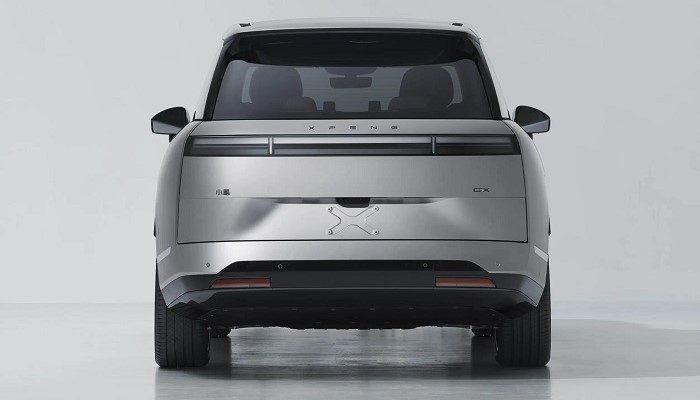
Group 1 - The core product is the Xiaopeng GX (G01), which will be available in both extended-range and pure electric versions, targeting the high-end large SUV market [1][5] - The vehicle features a six-seat layout and is built on the new SEPA 3.0 architecture, with a design that includes a minimalist front, split headlight design, and a prominent grille for energy efficiency [1][3] - The dimensions of the Xiaopeng GX are 5265mm in length, 1999mm in width, and 1800mm in height, with a wheelbase of 3115mm, indicating a full-size SUV presence [1][3] Group 2 - The extended-range version is powered by a 1.5T engine with a maximum power of 150 horsepower, while the dual-motor system in the pure electric version can output up to 585 horsepower [5] - The vehicle is equipped with an 800V platform and features advanced technologies such as line control steering and rear-wheel steering, with a potential for L4 autonomous driving capabilities [5][8] - The Xiaopeng GX is expected to be priced above 300,000 yuan, entering a highly competitive segment with established players like Li Auto and Aito [7][8] Group 3 - The design includes a range of color options and a two-tone body, with high-end features such as hidden door handles and panoramic sunroofs to enhance its premium positioning [3][5] - The market for large SUVs in China is crowded, with various brands competing in the price range from 200,000 to 1,000,000 yuan, making differentiation crucial for Xiaopeng [7][8] - The success of the Xiaopeng GX will depend on its ability to offer tangible features and experiences that justify its high-end positioning in a competitive market [8]
从疯狂开店到主动关店:车企渠道“瘦身”求生
经济观察报· 2026-02-08 06:36
不仅是新势力车企,随着中国汽车市场发生结构性转变,传统 车企的渠道也在持续调整,呈现出全新的发展态势。一场覆盖 全行业的渠道变革已然上演。 作者:周菊 封图:图虫创意 近日,理想汽车对销售渠道进行调整,计划在2026年上半年关闭约100家效益较低的零售门店, 部分一二线城市商超核心地段的门店也在其中。尽管理想汽车回应称,仅会调整关闭少量低效门 店,"关闭100家门店"系不实信息,但新势力车企调整缩减销售渠道已成为一个显著的行业现 象。 除了理想汽车,特斯拉、小鹏及蔚来等企业也有类似的渠道收缩举动。2025年,蔚来整合旗下三 个品牌的渠道和服务,乐道和萤火虫的车辆在蔚来NIOHouse展示销售,并关闭了部分商超门店; 广汽融合旗下埃安和昊铂两个新能源品牌的渠道;特斯拉减少了一线城市商超体验店数量,在传统 汽车商圈增设更多传统4S店形态的销售网点;小鹏早在2023年就推进"木星计划",关闭经营不 善、效率低下的直营门店,扩大授权经销商规模。"这标志着新势力已经从'跑马圈地'进入'精耕细 作'期。这个变化的核心是商业逻辑变了,以前烧钱换流量,现在必须算细账。高昂租金换不来销 量就是浪费,车企开始回归商业本质,砍掉低 ...


恒生医疗低开高走,逆势收涨,截至收盘上涨0.45%。其中药明康德上涨1.68%,中国生物上涨0.78%,药明生物上涨0.43%。
Ge Long Hui· 2026-02-07 21:29
开盘后直线跳水,一条直线直接打到-2.2%,随后触底反弹,截至收盘恒生指数下跌1.21%。互联网跌幅 居前,大消费、科技等紧随其后,恒生医疗逆势红盘。 恒生互联网大幅低开后冲高回落,盘中一度大跌2.17%,截至收盘下跌1.19%。阿里巴巴下跌2.88%美团 下跌2.56%,快手下跌2.4%,地平线机器人、网易、百度等股跌幅均在2%上方。 大消费低开高走但整体弱势,截至收盘下跌0.93%。名创优品下跌4.42%,京东健康、老铺黄金、百济 神州、康师傅控股等跌幅均在2%上方;零跑汽车逆势上涨5.84%,理想汽车、蒙牛乳业等股涨幅均在 3%上方。 恒生医疗低开高走,逆势收涨,截至收盘上涨0.45%。其中药明康德上涨1.68%,中国生物上涨0.78%, 药明生物上涨0.43%。 内容只是个人观点,仅供参考,不作为投资依据!欢迎关注交流,互相学习、共同探讨! ...