古茗

Search documents
霸王茶姬考虑在香港上市?公司回应
Di Yi Cai Jing Zi Xun· 2026-01-08 06:33
Core Viewpoint - The Chinese tea beverage brand, Bawang Chaji, is reportedly considering a secondary listing in Hong Kong, with preliminary discussions with investment banks indicating a potential fundraising of several hundred million dollars, although the company has stated there are no current plans for such a listing [1]. Company Overview - Bawang Chaji was founded by Zhang Junjie in June 2017 in Kunming and has since opened over 7,000 stores globally, with registered membership exceeding 200 million [1]. - Zhang Junjie, who entered the milk tea industry at the age of 17, became the youngest "dark horse" on the 2025 Hurun Rich List with a wealth of 13.5 billion yuan [1]. Market Context - The competition in the tea beverage market has intensified, with several companies such as Hushang Ah Yi, Mixue Group, Guming, Chabaidao, and Nayuki Tea having successfully listed in Hong Kong [1]. - Bawang Chaji is notable for being the first Chinese new tea beverage brand to list on the NASDAQ [1].
霸王茶姬考虑在香港上市?公司回应
第一财经· 2026-01-08 06:27
Core Viewpoint - The Chinese tea beverage brand Bawang Chaji is reportedly considering a secondary listing in Hong Kong, with preliminary discussions with investment banks indicating a potential fundraising of several hundred million dollars, although the plan may not proceed and requires regulatory approval [1]. Company Overview - Bawang Chaji was founded by Zhang Junjie in June 2017 in Kunming and has since opened over 7,000 stores globally, with registered members exceeding 200 million [2]. - Zhang Junjie, who entered the milk tea industry at the age of 17, became the youngest individual on the 2025 Hurun Rich List with a wealth of 13.5 billion yuan [2]. Market Competition - The tea beverage market has become increasingly competitive, with several companies such as Heytea, Mixue Group, Guming, Cha Baidao, and Nayuki having successfully listed in Hong Kong [2]. - Unlike other tea brands that have gone public in Hong Kong, Bawang Chaji is the first Chinese new tea beverage brand to list on the NASDAQ [2].

市值蒸发超120亿!门店超8000家的茶百道,为何难获市场青睐?
Sou Hu Cai Jing· 2026-01-08 01:45
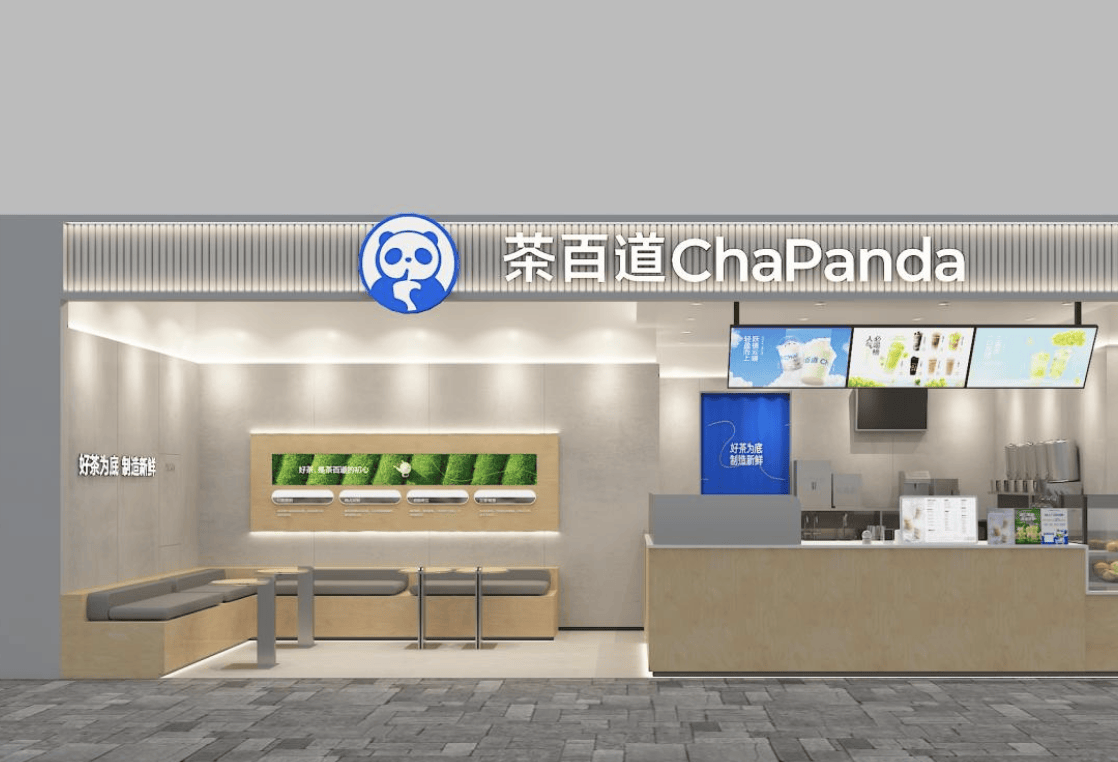
Core Viewpoint - The new tea beverage market is entering a phase of elimination, with Cha Bai Dao, known as the "second stock of new tea drinks," facing significant challenges in growth compared to competitors like Mi Xue Bing Cheng and Gu Ming [1][3]. Financial Performance - In the first half of 2025, Cha Bai Dao achieved a revenue of 2.5 billion yuan, a year-on-year growth of 4.33%, and a net profit of 352.9 million yuan, with a year-on-year increase of 37.48% [1]. - In contrast, Gu Ming reported a revenue of 5.663 billion yuan with a growth rate of 41.24%, and a net profit of 1.625 billion yuan, showing a remarkable increase of 121.51% [3]. Market Position and Stock Performance - Cha Bai Dao's stock price closed at 6.44 HKD per share, with a total market value of 9.5 billion HKD, reflecting a significant decline from its historical high of 15.196 HKD per share, resulting in a market value loss exceeding 12 billion HKD [3]. Business Model and Expansion - Cha Bai Dao, founded in 2008, shifted to a franchise model in 2016, leading to rapid expansion, with the number of franchise stores increasing tenfold to 5,070 by 2021 [4]. - As of 2024, the total number of franchise stores reached 8,376, with a market share of 6.8% in China's ready-to-drink tea market, which was valued at 247.3 billion yuan in 2023 [4]. Supply Chain Challenges - Over 99% of Cha Bai Dao's stores are franchises, and the company has shifted its focus from selling tea to selling raw materials to franchisees, with raw material sales accounting for 94.78% of its revenue [5]. - The company faces significant supply chain issues, relying heavily on external suppliers for key ingredients, which has led to food safety concerns and operational challenges [5][6]. Competitive Landscape - Cha Bai Dao's main price range of 10-20 yuan is highly competitive, facing pressure from brands like Mi Xue Bing Cheng and Gu Ming, resulting in a high franchisee attrition rate of 16.61% and a closure rate of 10.62% in 2024 [6]. Supply Chain Improvements - In response to supply chain issues, Cha Bai Dao has slowed its store expansion, adding only 49 new stores in the first half of 2025, compared to previous years [7]. - The company has increased its logistics capabilities, with 93.8% of stores achieving next-day delivery and improving its fruit supply chain efficiency [7][8]. International Expansion - Cha Bai Dao is exploring international markets, having opened over 10 stores in South Korea, aiming to tap into the growing Southeast Asian ready-to-drink tea market, which is projected to grow from 32.9 billion yuan in 2023 to 78.3 billion yuan by 2028 [10]. Future Outlook - Despite current challenges, there is optimism that improvements in supply chain capabilities will enable Cha Bai Dao to achieve greater success in the future [11].
霸王茶姬“手打奶茶”固废预警,新茶饮遇ESG挑战
2 1 Shi Ji Jing Ji Bao Dao· 2026-01-07 12:20
Core Viewpoint - The new tea beverage industry is facing significant challenges regarding waste management and ESG (Environmental, Social, and Governance) compliance, highlighted by a recent incident involving improper handling of waste materials at a store, which raises food safety concerns [2][8]. Group 1: ESG Reporting and Waste Management - The incident at Bawang Tea Ji occurred shortly after the company released its first ESG report, which promised compliance in waste disposal but lacked specific data [2]. - Waste management is a critical topic in ESG disclosures, with the Chinese government emphasizing solid waste management in its recent action plans [2][6]. - Despite over 3,000 new tea brands in China, only a few leading companies have published ESG reports, indicating a lack of transparency in the industry [2][6]. Group 2: Disclosure Standards and Challenges - There is a lack of unified standards for waste and packaging material disclosures among new tea beverage companies, leading to inconsistencies in data reporting [3][6]. - Among six major new tea brands, only two (Hushang Ayi and Bawang Tea Ji) did not disclose quantitative data on waste and packaging materials, while others like Nayuki Tea and Mixue Ice City provided detailed disclosures [3][4]. - The reporting practices often lack specific tracking data and quantifiable results, making it difficult to assess the effectiveness of environmental initiatives [6]. Group 3: Waste Types and Management Issues - The solid waste generated by new tea beverage companies primarily includes food and beverage material residues and packaging materials, which pose food safety risks if not handled properly [10][11]. - The unique characteristics of waste from the tea beverage industry complicate recycling efforts, as the materials used are often low-value and less appealing for recyclers [7][11]. - The franchise model of many new tea brands complicates waste management, as effective oversight and compliance at individual franchise locations are challenging [8][9]. Group 4: Recommendations for Improvement - Experts suggest that new tea companies should focus on reducing waste at the source, encouraging customers to use reusable cups, and improving waste sorting practices at stores [7][10]. - There is a need for better classification and management of waste materials, particularly in regions with strict regulations [11]. - Companies should establish clear guidelines for waste disposal and recycling to enhance compliance with environmental regulations and improve overall sustainability [10][11].
2026年的暴富密码,藏在2025的“意想不到”中
Sou Hu Cai Jing· 2026-01-07 08:56
Group 1 - The film "Nezha 2" achieved a record-breaking box office of 15.4 billion, ranking among the top five globally, showcasing the high industrial standards of Chinese animation and promoting Chinese culture [1][4] - The rapid adoption of artificial intelligence (AI) throughout the year has transformed various industries, with significant advancements in AI applications such as healthcare, education, e-commerce, and finance [3][4] - China has become the world's largest exporter of new energy vehicles, with domestic brands increasing their market share in Europe and Southeast Asia [5][6] Group 2 - The competitive landscape in the food delivery sector intensified as major internet companies engaged in aggressive subsidy wars, leading to significant price reductions for consumers [6][8] - The tea beverage industry saw a surge in IPOs, with brands like Mixue Ice City and others expanding internationally, indicating a strong growth trend in the sector [6][8] - The financial sector experienced a slight increase in average salaries among listed banks, while the total number of employees in major state-owned banks decreased [9] Group 3 - The A-share market saw an 18% increase, reaching a ten-year high with total market capitalization surpassing 100 trillion [9] - The micro-short drama industry surpassed the film industry, achieving a scale of 50 billion, indicating a shift in consumer entertainment preferences [9][11] - Predictions for 2026 include continued growth in AI integration across industries, increased exports of new energy vehicles, and the emergence of new popular IPs in the cultural sector [11][12]

政策刺激哪些消费最有效
2026-01-07 03:05
Summary of Conference Call Records Industry Overview - The records primarily focus on the **tourism, restaurant, hotel, and duty-free industries** in the context of post-pandemic recovery and government stimulus policies [1][2][4]. Key Points and Arguments Tourism Industry - Post-pandemic, the tourism penetration rate has increased significantly, with **Ctrip's stock performing strongly** and scenic area data showing high activity levels, indicating a robust tourism industry [1][2]. - Government subsidies for service consumption, particularly in tourism, have a notable multiplier effect, with regions like Gansu and Harbin successfully stimulating economic growth through tourism [1][2]. - The **OTA (Online Travel Agency) market** is expected to maintain rapid growth, with the top five OTAs holding over **90% market share**, and Ctrip nearing **50%** [2][10]. Restaurant Industry - The restaurant sector is benefiting from the recovery of the tourism market and subsidies from delivery platforms, leading to significant growth, especially in lower-tier markets [2][12]. - High-frequency, low-cost consumer goods like tea and coffee are showing strong demand elasticity, with double-digit growth rates expected [12][19]. - Recommended stocks include **Haidilao, Xiaocaiyuan, and Guoquan**, which are expected to perform well due to their competitive advantages [19]. Hotel Industry - The hotel sector is experiencing a narrowing decline in performance, with **H World** reporting stable data and **Jinjiang Inn** showing signs of recovery [6][7]. - The supply expansion rate is expected to decrease in the coming years, which may alleviate pressure on RevPAR (Revenue per Available Room) if demand remains stable [6]. - Jinjiang Inn is projected to recover from losses, with significant potential for revenue growth in the coming years [7][8]. Duty-Free Market - The duty-free market has shown positive performance since September, aided by low base effects and new policies, with expectations for continued growth if further supportive measures are implemented [5]. - The Hainan government aims for a duty-free market size of **60 billion** by 2027, up from **58 billion** in 2023, indicating a recovery trend [5]. Future Trends - The tea beverage industry is expected to grow significantly in 2025, driven by delivery subsidies and a rebound in scenic areas, with growth rates approaching high double digits [11][13]. - Head companies like **Mixue Ice City** and **Guming** are expanding rapidly, with strong supply chain capabilities and competitive pricing strategies [14][15][17]. - The restaurant industry is anticipated to see a recovery in demand, particularly during holidays, with a focus on high-value, chain-operated businesses that can manage supply chains effectively [18][19]. Additional Important Insights - The **duty-free market** is influenced by government policies and consumer behavior, with a notable impact from promotional activities and consumer awareness campaigns [5]. - The **OTA industry** is adapting to market changes by focusing on niche segments and enhancing customer engagement through innovative offerings [10]. - The overall sentiment in the restaurant and tourism sectors is optimistic, with expectations for sustained growth driven by consumer demand and strategic business expansions [12][19].
祸从天降,茶饮圈跟风玩梗“徒手制茶”,多品牌被中伤
3 6 Ke· 2026-01-07 00:42
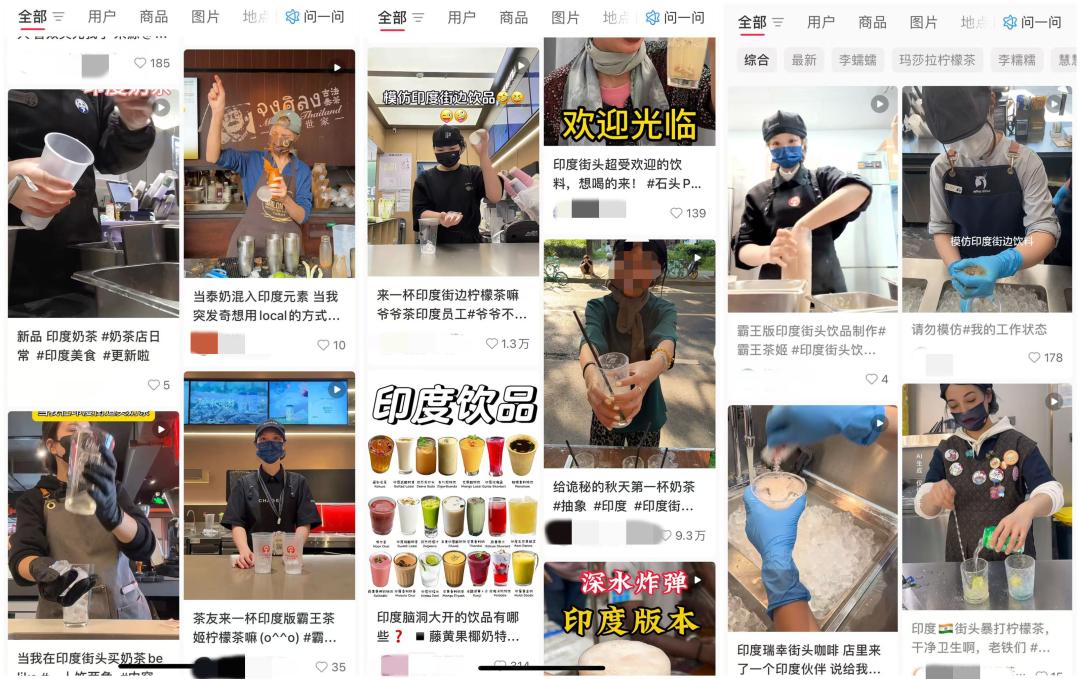
Core Viewpoint - The incident involving employees from various tea brands, including Bawang Chaji and Luckin Coffee, mimicking a viral video of making drinks without proper hygiene practices has sparked significant consumer backlash and raised concerns about food safety standards in the industry [1][3][10]. Group 1: Incident Overview - A viral video showed a staff member from a tea brand preparing drinks without gloves, leading to widespread criticism and concerns about hygiene [1][10]. - The brands involved quickly responded, with Bawang Chaji announcing an indefinite closure of the affected store and disciplinary actions against responsible personnel, emphasizing that food safety is a non-negotiable priority [3][10]. Group 2: Consumer Reactions - Many consumers expressed distrust, questioning the hygiene practices behind the drinks they purchase, with comments reflecting a zero-tolerance attitude towards perceived food safety violations [10][12]. - Some consumers acknowledged the incident as an extreme case but emphasized the need for brands to demonstrate effective corrective actions to restore trust [16]. Group 3: Industry Implications - The incident highlights a broader issue within the tea industry, where the actions of individual employees can significantly impact brand reputation and consumer trust [9][19]. - The need for brands to establish and enforce strict food safety standards is underscored, as the industry has evolved beyond its initial growth phase and now requires robust management practices [17][20]. Group 4: Management and Brand Image - The incident serves as a reminder that employees represent the brand at all times, and any actions perceived as unprofessional can lead to rapid negative backlash [19][21]. - Brands must address management blind spots, particularly regarding employee behavior on social media and during work hours, to prevent similar incidents in the future [20].

高端酸奶的“泡沫” ,破了
3 6 Ke· 2026-01-06 12:13
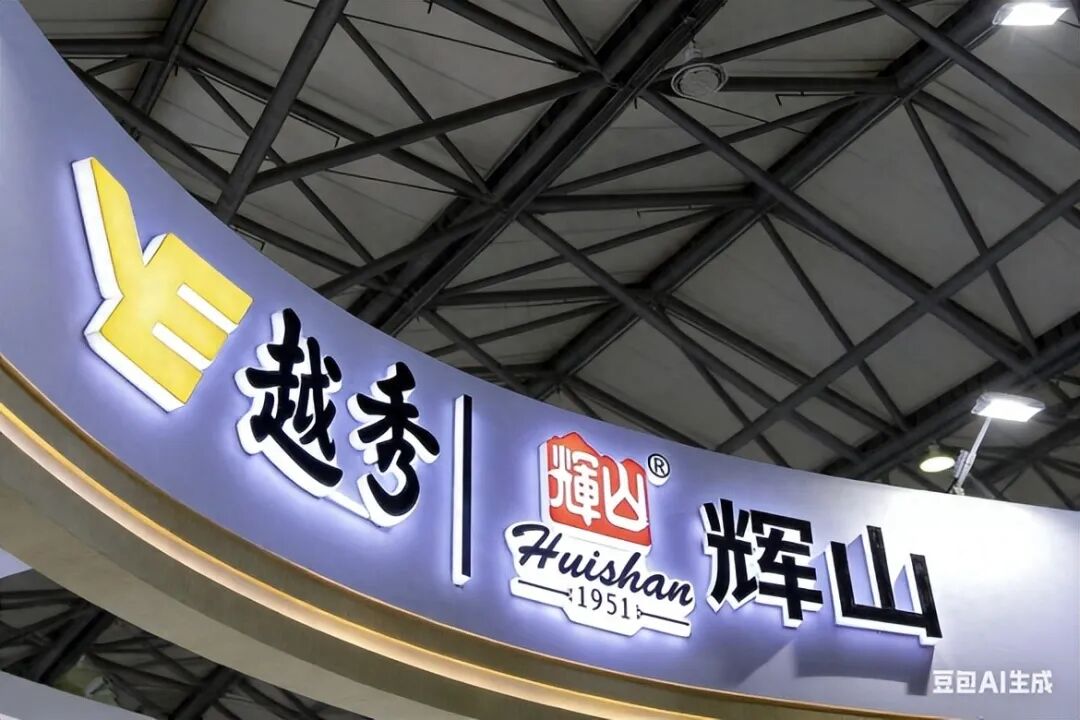
Core Insights - The high-end consumer goods industry has entered a "deep winter" in 2025, leading to widespread price reductions across various brands, including luxury cars, beauty products, and alcoholic beverages, with price drops exceeding 20% from peak levels [1] - The dairy industry, particularly high-end products, has also experienced significant price cuts, with reductions ranging from 30% to 50%, and some products seeing drops as high as 70% [1][3] Group 1: Market Dynamics - The decline in demand for high-end dairy products is not due to a general aversion to premium goods, but rather a failure of traditional brands to engage consumers effectively [4][5] - Consumers have become more rational and discerning, focusing on product quality and effectiveness rather than marketing narratives [5][6] Group 2: Marketing Strategies - Traditional marketing approaches, such as high-profile sponsorships and storytelling, are becoming less effective in reaching today's consumers, who are more skeptical and have diverse media consumption habits [9][10] - Brands like 越秀辉山 and Blueglass have struggled with outdated marketing strategies, leading to penalties and diminished brand reputation [7][8] Group 3: Product Differentiation - The dairy sector faces challenges in product differentiation, as many offerings are similar in taste and nutritional content, making it difficult to justify premium pricing [13][14] - To succeed, brands must find ways to enhance perceived value, such as emphasizing unique nutritional benefits or superior sourcing practices [17][27] Group 4: Future Opportunities - The aging population is expected to increase demand for high-quality nutritional products, presenting a cyclical opportunity for brands like 越秀辉山 to innovate and improve their offerings [28][29] - Companies should focus on modernizing marketing strategies and ensuring product quality to remain competitive in a changing market landscape [18][26]



古茗(01364) - 截至2025年12月31日止之股份发行人的证券变动月报表
2026-01-06 11:18
FF301 股份發行人及根據《上市規則》第十九B章上市的香港預託證券發行人的證券變動月報表 截至月份: 2025年12月31日 狀態: 新提交 致:香港交易及結算所有限公司 公司名稱: 古茗控股有限公司(於開曼群島註冊成立的有限公司) 呈交日期: 2026年1月6日 I. 法定/註冊股本變動 | 1. 股份分類 | 普通股 | 股份類別 | 不適用 | | 於香港聯交所上市 (註1) | | 是 | | | --- | --- | --- | --- | --- | --- | --- | --- | --- | | 證券代號 (如上市) | 01364 | 說明 | | | | | | | | | | 法定/註冊股份數目 | | | 面值 | | 法定/註冊股本 | | | 上月底結存 | | | 5,000,000,000 | USD | 0.00001 | USD | | 50,000 | | 增加 / 減少 (-) | | | 0 | | | USD | | 0 | | 本月底結存 | | | 5,000,000,000 | USD | 0.00001 | USD | | 50,000 | 本月底法定 ...
太平洋证券:建议关注餐饮链低基数下的修复 四大方向把握明年消费投资脉络
智通财经网· 2026-01-06 01:56
Core Viewpoint - The report from Pacific Securities suggests that the food and beverage sector, particularly frozen food, is expected to recover due to low base effects and reduced competition, leading to improved profitability. The sector's low valuation may benefit from a "Davis Double" effect as demand recovers and leading companies explore new product opportunities [1][3]. Group 1: Industry Performance and Trends - In 2025, consumer demand is under pressure, with the liquor and restaurant chains lagging behind. The overall consumption has been flat, with retail sales and CPI data at low levels, impacting traditional consumption [2]. - The liquor sector has shown a decline in performance, with major brands like Moutai experiencing a drop in prices from 2200 yuan to 1550 yuan. Most liquor companies, except for a few leaders, have reported declining revenues and profits [2]. - The snack and beverage sectors have shown resilience, characterized by high-frequency consumption and low average transaction values. New products and channels have positively impacted their performance [2][3]. Group 2: Future Outlook and Recommendations - The central economic work conference has prioritized boosting domestic demand, with expectations for policy support to stimulate recovery. There is potential for improvement in consumer spending if housing prices stabilize and supportive policies are implemented [3]. - For 2026, the focus is on the recovery of the restaurant chain sector, particularly frozen foods, as competition eases and profitability improves. The beverage sector, especially low-cost and high-frequency items, is also expected to perform well [3][4]. - Investment opportunities are identified in four areas: overseas demand, cost benefits, new product launches, and value-for-money consumption. Companies like Moutai, Anqi Yeast, and various beverage brands are highlighted for their potential [4].