瑞幸咖啡

Search documents
到底是谁还在花钱?
创业家· 2026-01-16 10:16
Core Insights - Emerging markets are beginning to dominate consumer discourse, with cities like Changsha leading new consumption trends due to a combination of reasonable income and leisure time [4][8][20] - The shift in consumer behavior is characterized by a move from seeking external validation to pursuing self-value and emotional fulfillment, marking the beginning of China's fifth consumption era [22][24] Group 1: Consumption Trends - Cities like Changsha and Guiyang are becoming consumption leaders, with Changsha's comedy clubs and tea houses attracting significant foot traffic and demonstrating a willingness to spend on leisure [10][11][18] - The coffee culture in Guiyang has flourished, with over 3,000 coffee shops catering to a population of about 6 million, indicating a strong local demand for quality products [18] - Other cities like Yibin and Bengbu are also showing unique consumption patterns, such as high demand for fresh salmon and specialty cakes, reflecting a desire for quality and novelty in daily life [19][20] Group 2: Emotional and Health-Oriented Consumption - Emotional consumption is becoming a significant driver, with the market expected to grow from 2.31 trillion yuan in 2024 to 2.72 trillion yuan in 2025, and surpassing 4.5 trillion yuan by 2029 [24] - Health-conscious consumption is on the rise, with 71% of consumers actively researching product ingredients, leading to increased sales of health-oriented products [26][29] - The trend of "self-reward" is evident, with sales of flowers and desserts increasing, indicating a shift towards more diverse and emotionally fulfilling purchases [25] Group 3: Market Dynamics and Brand Strategies - The consumer base is shifting from first-tier cities to emerging markets, with retail growth in lower-tier cities outpacing that of major urban centers [35][38] - Brands like Domino's Pizza are successfully tapping into these markets by offering affordable and innovative products, achieving record sales in new locations [40] - Retailers like Hema are expanding into new cities, focusing on high-end products to meet the evolving demands of consumers in these regions [41][45] Group 4: Supply Chain Innovations - Hema has established a robust supply chain with multiple centers and direct sourcing bases, enabling efficient distribution of fresh products to emerging markets [45] - The company is transforming local specialties into urban bestsellers, demonstrating the potential for regional products to gain national traction [45][46] - This new retail model positions companies as essential infrastructure, connecting global supply chains with local consumer needs [46]


鸣鸣很忙上市背后:万店连锁告别草莽
Sou Hu Cai Jing· 2026-01-16 02:25
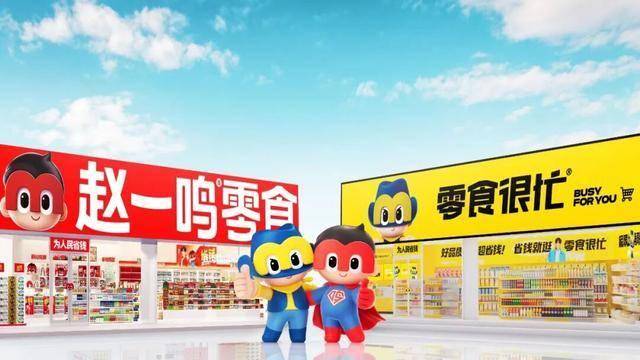
Core Insights - The article emphasizes that after reaching a network of 20,000 stores, the focus shifts from mere expansion to efficiency advantages in the retail sector [3][12][14] Group 1: Company Performance - As of September 30, 2025, the company achieved a GMV of 66.1 billion RMB, a year-on-year increase of 74.5%, and revenue of 46.371 billion RMB, up 75.2% [7] - The adjusted net profit for the same period was 1.81 billion RMB, reflecting a significant increase of 240.8%, with operating cash flow netting 2.19 billion RMB [7][8] - The company’s revenue is projected to grow from 4.286 billion RMB in 2022 to 39.344 billion RMB in 2024, with adjusted net profit rising from 0.081 billion RMB to 0.913 billion RMB [10] Group 2: Store Network and Market Strategy - The company operates 19,517 stores across 28 provinces and all major cities, with approximately 59% located in county towns and rural areas, indicating a strategic focus on high-frequency, cost-sensitive markets [10][12] - The company has signed contracts for over 20,000 stores as of September 2025, positioning itself as the largest chain retailer in the Chinese snack food and beverage sector [12][14] - The membership base exceeds 180 million, with a 77% repurchase rate over the past 12 months, indicating strong customer loyalty [10] Group 3: Efficiency and Supply Chain Management - The company’s operational efficiency is highlighted by a stock turnover period of 11.6 days and logistics costs accounting for approximately 1.7% of revenue [16] - The company collaborates with over 2,500 suppliers and maintains a SKU count of 3,997, with about 34% being custom products, which helps stabilize price differences [16][20] - The company employs a digital infrastructure that integrates procurement, warehousing, transportation, and store operations, enhancing overall efficiency [22] Group 4: Franchise Model and Management - The company has shifted its franchise model by eliminating franchise and management fees, focusing on long-term operational quality rather than short-term revenue [26][28] - The company emphasizes a comprehensive support system for franchisees, including site selection, standardized training, and ongoing operational guidance, aiming to ensure franchisee profitability [28] - The approach to franchising is evolving, with a focus on making the franchise process a controllable system, thereby challenging the traditional negative perceptions associated with franchising in the industry [26][28]
2026组织迭代,迈向共识型组织|2026杰出雇主认证榜单发布
Xin Lang Cai Jing· 2026-01-15 13:17
Core Insights - The article emphasizes the shift towards "consensus organizations" where collaboration, value, and clarity take precedence over speed and scale in response to economic uncertainty and technological change [3][4][11]. Group 1: Trends in Organizational Design - **Mission in Practice**: Organizations are moving beyond mere declarations of mission to integrate it into decision-making, leadership, and values [6][8]. - **Responsible AI Application**: The focus is shifting from the speed of AI adoption to its ethical and responsible integration, ensuring it supports human judgment and organizational values [7][9]. - **Structured Flexibility**: Flexibility is now a basic expectation, requiring organizations to design mechanisms that support collaboration and employee well-being while maintaining fairness and performance [9][10]. Group 2: Organizational Effectiveness - **Efficiency-Oriented Design**: Organizations must redirect resources towards activities that create the most value, as economic pressures and skill shortages persist [10][11]. - **Stability Paradox**: Organizations face the challenge of balancing employee safety and adaptability in a rapidly changing environment, with stability becoming a foundation for confidence and agility [11][12]. Group 3: Recognition of Outstanding Employers - A total of 168 companies in China have been certified as "Outstanding Employers 2026," reflecting their commitment to building consensus organizations that prioritize employee well-being and sustainable development [4][18].
联名狂热退潮,看元气森林如何通过精选IP与年轻人深度共鸣
Jin Rong Jie Zi Xun· 2026-01-15 11:33
Core Insights - The opening of the "Yuanqi Forest Atlantis" youth music nightlife space in Hefei marks a significant move in Yuanqi Forest's cross-industry collaboration strategy, aligning with local economic initiatives [1] - Yuanqi Forest's approach to cross-industry partnerships has shifted from aggressive collaboration to a more measured and strategic focus on long-term engagement with consumers [10] Group 1: Cross-Industry Collaborations - The new Hefei location is part of Yuanqi Forest's strategy to create unique IPs, such as the Yuanqi Forest livehouse, which emphasizes youth culture and music [1] - In 2025, Yuanqi Forest engaged in various collaborations, including partnerships with music festivals, educational products from recycled materials, and gaming IPs, but the number of collaborations has significantly decreased to single digits [7][9] - The trend of high-frequency collaborations in the beverage industry is declining, with a reported drop of over 50% in collaboration events in the new tea beverage sector from the previous year [9] Group 2: Consumer Engagement and Market Trends - A survey indicated that a significant portion of consumers (23.85%) felt indifferent towards IP collaborations, suggesting a growing fatigue with frequent brand partnerships [10] - Yuanqi Forest's strategy now focuses on building long-term emotional connections with consumers rather than merely leveraging short-term traffic from collaborations [10] - The emphasis on deep interaction and immersive experiences reflects a broader trend among new consumer brands moving towards sustained partnerships rather than one-off collaborations [10]

中国宣布取消太阳能及电池产品出口增值税退税-China Bubble & Brew_ What‘s happening_ Our views, and takeaways from the expert call
2026-01-15 06:33
Summary of Key Points from the Conference Call Industry Overview - The focus is on the food delivery and quick commerce sector in China, particularly regarding the investment strategies of major players like Alibaba, Guming, and Mixue [2][4]. Core Insights - **Shift to Organic Fundamentals**: The investment thesis for the China food delivery sector is increasingly based on organic growth fundamentals rather than external factors like delivery subsidies [2][2]. - **Alibaba's Investment Plans**: On January 8, Alibaba announced plans to increase investments in food delivery, exceeding market expectations, which positively impacted Guming's stock while negatively affecting Chagee [4][4]. - **Regulatory Developments**: The Chinese State Council is launching an investigation into food delivery platforms to ensure fair competition, with major companies like Meituan and JD.com pledging cooperation [4][4]. - **Same Store Sales Growth (SSSG)**: SSSG remained strong in Q4 2025, despite a reduction in overall subsidy scale, indicating resilience in consumer demand [4][4]. - **Product Innovation**: Guming demonstrated strong product innovation, launching new series that contributed to high SSSG levels, while Mixue is improving its product offerings [4][8]. Financial Metrics - **Mixue's Performance**: - Daily GMV per store increased from RMB 3.9k in 2024 to RMB 4.6k in 2025, an 18% YoY growth. - Delivery mix rose from 28% in 2024 to 40% in 2025, with expectations to normalize around 40% in 2026 [5][7]. - Average Selling Price (ASP) per cup slightly increased from RMB 6.4 to RMB 6.5, while Average Order Value (AOV) rose by 18% to RMB 13 [5][7]. - The number of items per order increased from 1.7 to 2.0, reflecting a richer product offering [7][7]. Expansion Plans - **Store Expansion**: - Mixue plans to expand its store count significantly, targeting 15,000 stores in ASEAN by 2029-2030, implying a CAGR of 25-32% [5][8]. - The estimated store count for Mixue is projected to grow from 52.7k in 2025 to 58.7k in 2026, with a focus on both domestic and international markets [6][6]. Competitive Landscape - **Market Dynamics**: The competitive landscape is evolving with brands like Guming and Mixue exploring new product categories such as coffee, bakery items, and snacks to enhance customer engagement and drive sales [4][8]. - **Delivery Order Mix**: The delivery order mix is expected to stabilize after the subsidy-driven spike, indicating a return to more sustainable growth patterns [7][7]. Conclusion - The food delivery sector in China is poised for growth driven by organic fundamentals, regulatory support, and innovative product offerings. Companies like Guming and Mixue are strategically positioning themselves for expansion both domestically and internationally, with a focus on enhancing customer experience through diverse product lines and improved service delivery.

生鲜生意还值得资本下注吗
3 6 Ke· 2026-01-15 03:46
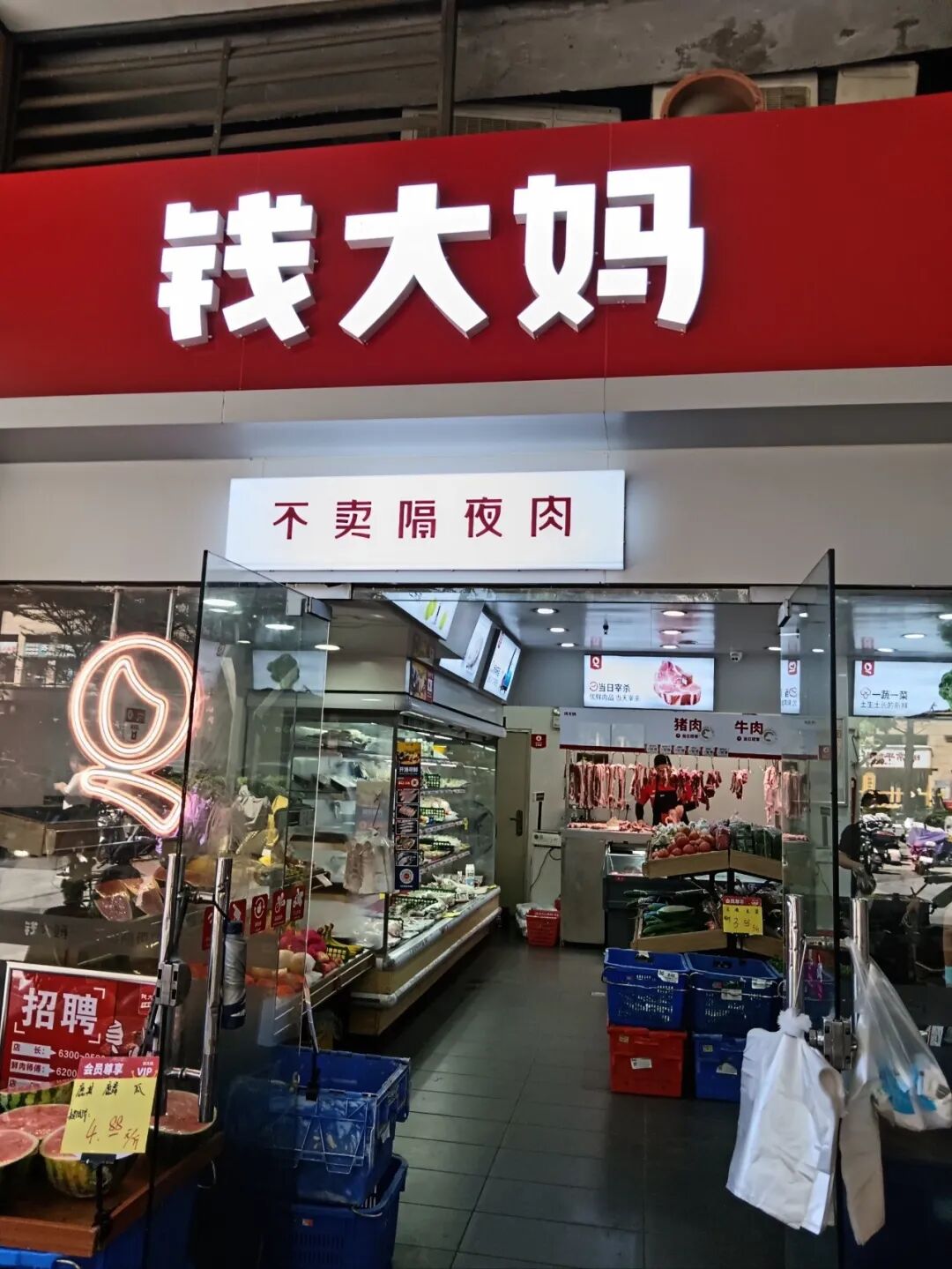
Core Insights - The company, Qian Dama, has experienced a rapid growth trajectory, crossing the 10 billion RMB revenue mark in 8 years, but has faced significant challenges leading to a net loss of 288 million RMB in the first three quarters of 2025 after previously earning 288 million RMB annually [1][9][11] - The fresh food industry is notoriously difficult, with many companies, including Dingdong Maicai and Hema Fresh, struggling despite large-scale financing and initial high growth expectations [2][4] - Qian Dama's recent attempt to list on the Hong Kong stock exchange reflects a desperate need for capital amid financial pressures and a competitive landscape [5][17] Company Overview - Qian Dama was founded in 2012 in Dongguan, initially focusing on pork sales, and expanded to over 3,700 stores nationwide, achieving peak revenue of over 11.7 billion RMB [6][8] - The company adopted a "daily fresh" model, significantly reducing inventory turnover time to under 12 hours, which is much lower than the industry average of 2-4 days [12][13] - Despite its initial success, Qian Dama's revenue growth has stagnated, with a notable decline in net profit, attributed to a shift in consumer behavior towards only purchasing fresh goods [9][14] Financial Performance - In 2023, Qian Dama reported a revenue of 11.744 billion RMB, with a slight increase projected for 2024, but a decline of 4.2% expected in the first nine months of 2025 [11] - The company's gross profit margins are significantly lower than the industry average, with 2023 and 2024 margins at 9.8% and 10.2%, respectively, compared to the typical 15%-20% [14] - The number of stores has decreased to approximately 2,900 by September 2025, with a higher number of franchise terminations than new openings in recent years [16] Industry Context - The fresh food retail sector is highly competitive, with established players like Alibaba, JD, and Pinduoduo solidifying their positions, while Qian Dama's traditional model appears outdated [20][22] - Competitors such as Dingdong Maicai and Hema Fresh have shown signs of recovery and profitability, contrasting with Qian Dama's ongoing financial struggles [21][22] - The shift in consumer preferences towards price sensitivity has raised concerns about customer loyalty and profitability for Qian Dama, as many customers now only buy discounted fresh goods [16]
中企挂牌美国OTC大盘点,848家企业抢占上市先机
Sou Hu Cai Jing· 2026-01-15 03:34
Core Insights - By 2025, a total of 848 Chinese companies are expected to be listed on the US OTC market, covering diverse sectors such as renewable energy, biomedicine, and intelligent manufacturing, but showing a stark disparity with "80% concentrated at lower levels, and less than 1% at higher levels" [1] Group 1: Market Overview - The OTC market in the US is undergoing structural changes, with a total of 12,299 listed companies in 2025, a slight decrease of 0.85% from the previous year, but the participation of Chinese companies continues to rise, with a 45% increase in listings compared to 2024, reaching 848 companies, accounting for nearly 20% of the total Asian OTC listings [3] - The OTC market serves as a critical platform for Chinese companies to access cross-border capital, especially in light of new Nasdaq regulations raising entry barriers and the optimization of cross-border financing policies for Chinese firms [3] Group 2: Tier Distribution - The tier distribution of Chinese companies in the OTC market resembles a "pyramid" structure: - Pink Limited (Pink Sheets): 682 companies, accounting for 80.4% of the total, representing the primary tier with the lowest entry requirements [4] - Expert Market: 111 companies, 13.1%, limited to broker-dealer and institutional trading [4] - OTCID (Base Tier): 38 companies, 4.5%, introduced after reforms in July 2025, requiring unaudited financial statements [4] - OTCQB (Growth Tier): 13 companies, 1.5%, requiring audited financials and a minimum of 50 beneficial shareholders [4] - OTCQX (Premium Tier): Only 4 companies, less than 0.5%, meeting the highest compliance standards [4] Group 3: Industry Distribution - The industry distribution of Chinese companies shows a "hard technology-led, multi-dimensional collaboration" characteristic, with renewable energy (28%), biomedicine (22%), and information technology (19%) collectively accounting for 69% of the total, aligning with global trends in OTC listings [5] - Despite a decrease in the total number of companies transitioning to higher tiers from 48 to 35 (a 27.1% year-on-year decline), the transition pathways remain stable, with Nasdaq being the preferred destination for 65.7% of these companies [5] Group 4: Policy Support and Strategic Value - Continuous optimization of cross-border financing policies provides significant support for Chinese companies to list on the OTC market, including streamlined registration processes and reduced approval times for overseas listings [6] - The strategic value of the US OTC market is expected to increase, as Nasdaq plans to tighten its listing requirements, prompting Chinese companies to prepare for OTC listings in advance [6] - For Chinese companies, key strategies for entering the OTC market include accurately matching tiers, strengthening compliance, and leveraging policy benefits to reduce cross-border capital operation costs [6]

阿里千问加入“一句话点外卖”
第一财经· 2026-01-15 02:54
Core Viewpoint - The article discusses the launch of the Qianwen App's integration with Alibaba's ecosystem, enabling AI-driven shopping functionalities such as food delivery, purchasing items, and booking flights, marking a significant step in the AI era's competitive landscape [3][7]. Group 1: Qianwen App Features - On January 15, 2026, Qianwen App announced full integration with Alibaba's services, allowing users to perform tasks like ordering food and shopping through AI [3]. - Users can interact with Qianwen by simply typing requests, such as ordering a coffee, which the app processes by suggesting nearby options and facilitating payment through Alipay [3][5]. - The app has improved its response time significantly, reducing the time to generate delivery options from nearly 30 seconds to about 10 seconds, enhancing user experience [7]. Group 2: Strategic Importance - Qianwen is viewed by Alibaba's management as a critical component in the "future battle of the AI era," with plans to develop it into a "super app" that integrates various life scenarios like navigation, food delivery, and shopping [8]. - The establishment of the Qianwen C-end business group in December 2025, led by Alibaba's vice president, aims to consolidate various services into a single platform, addressing the need for a "super entry point" in the consumer market [8]. Group 3: Competitive Landscape - The competition in the AI conversational assistant space is intensifying, with Alibaba aiming to differentiate its offerings beyond traditional dialogue interfaces [10]. - The integration of services like Gaode and Taobao Flash Purchase into Qianwen represents a strategic move to create a comprehensive AI entry point within Alibaba's ecosystem, potentially increasing commercial opportunities [9].


上海惊现“史上最美”瑞幸:9块9,在民国公馆喝咖啡?
3 6 Ke· 2026-01-15 01:43
Core Viewpoint - Luckin Coffee has successfully transformed its brand image with the opening of a new garden-themed store in Shanghai, attracting significant attention and positive feedback from consumers, particularly younger demographics. Group 1: Store Concept and Design - The new garden-themed store features a luxurious design reminiscent of old Shanghai, with elements such as arched doorways, decorative ironwork, and vintage lighting, creating an immersive experience for customers [1][3] - The store layout includes a first floor for ordering and a second floor designed as a coffee-sharing lounge, enhancing the customer experience while maintaining efficient service [3] Group 2: Pricing and Product Offering - Despite the upscale ambiance, the product offerings and pricing remain unchanged, with customers still able to purchase coffee for 9.9 yuan, which has led to positive reactions regarding the value for money [5] - Social media users have praised the store for providing a high-quality experience at an affordable price, reinforcing the perception of Luckin Coffee as a value-driven brand [5] Group 3: Industry Trends - Other beverage brands are also exploring unique store concepts, with an increasing focus on larger spaces and enhanced customer experiences, as seen with brands like Mixue and Heytea [9][10] - The trend of integrating local culture into store designs is becoming more prevalent, with brands using thematic elements to create a deeper connection with consumers and enhance brand recognition [14][16] Group 4: Strategic Implications - The dual strategy of maintaining efficient small stores while investing in distinctive flagship locations allows brands to enhance their market presence and foster emotional connections with consumers [16] - The shift towards experiential retail, where stores serve as content carriers for brand identity, is becoming essential in a market characterized by product homogeneity [16]


一杯咖啡里的消费新图景
Sou Hu Cai Jing· 2026-01-15 01:16
Core Insights - The coffee market in Liaoning, particularly in Shenyang and Dalian, is experiencing significant growth, with over 2800 and 2600 coffee shops respectively, and a projected 76.28% increase in coffee delivery orders by 2025 [3][4][11] Market Dynamics - The rise in coffee consumption is attributed to a younger demographic, with consumers aged 18 to 30 in Dalian consuming over 20,000 cups daily [5] - The affordability of coffee has improved, with prices dropping from 30-40 yuan to as low as 9.9 yuan, driven by increased competition and the expansion of delivery services [4][11] Innovative Business Models - Coffee shops are diversifying their offerings by integrating with other sectors, such as bookstores, art galleries, and pet cafes, to enhance customer experience [6][7][8] - Unique concepts like the "cat café" in Anshan and the "coffee + art" model in Shenyang are attracting diverse customer bases [7][8] Cultural Integration - Local coffee shops are embedding cultural and historical elements into their designs, enhancing their appeal and creating a distinctive identity for the regions [8][9] - The "Eight Classics Coffee Alley" in Shenyang, featuring historical architecture, attracts over 2 million visitors annually, with a sales revenue exceeding 200 million yuan [8] Industry Growth Projections - The national coffee industry is expected to reach a scale of 369.3 billion yuan by 2025, with an average per capita coffee consumption nearing 30 cups [11] - Educational initiatives and events, such as coffee tasting sessions, are on the rise, with a 20% annual increase in student enrollment at coffee academies [11][12] Supply Chain Development - Liaoning has developed various segments of the coffee supply chain, including roasting facilities and self-service coffee machines, contributing to a more robust industry ecosystem [12]