
极氪

Search documents
算力够了,为什么大模型体验却没变化?
汽车商业评论· 2025-12-27 23:05
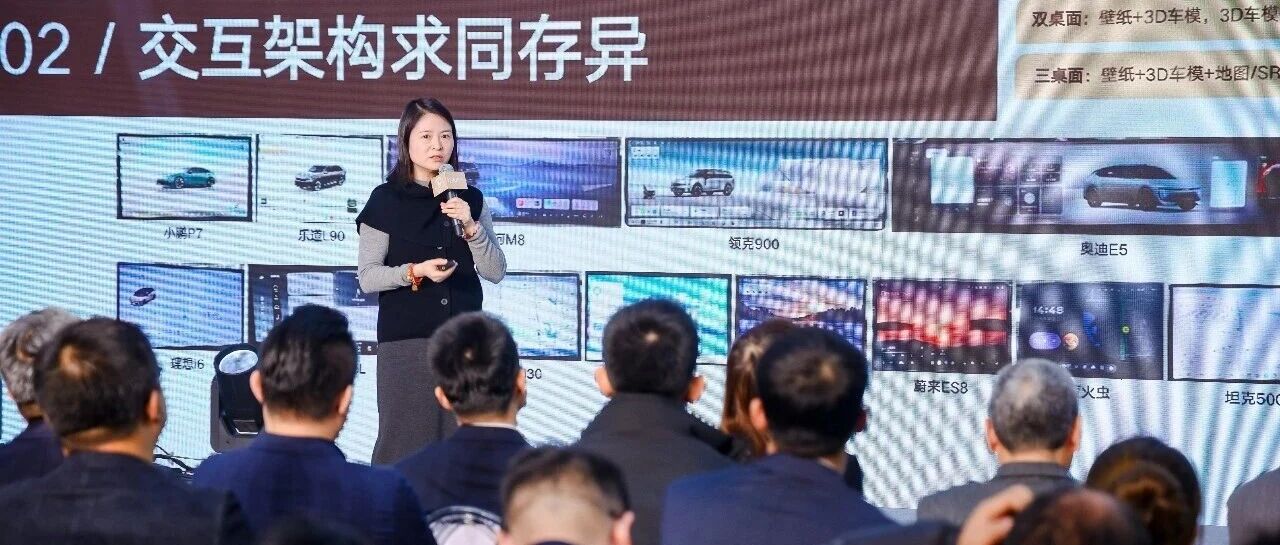
Core Insights - The article discusses the significant advancements in AI models within the automotive industry, particularly focusing on the launch of the lightweight version of the domestic AI model DeepSeek in early 2025, which has rapidly gained traction in both domestic and international markets [3] - The automotive sector is entering a new era of large-scale AI model integration, with major manufacturers like Mercedes-Benz, BYD, NIO, and SAIC accelerating their adoption of AI models since February 2025 [3] - The focus has shifted from initial testing to deeper integration of AI models into vehicle functionalities, particularly in smart cockpit experiences [3][4] AI Model Integration in Automotive - By 2025, the consensus in the industry has shifted towards the deep integration of AI models into cockpit functionalities, moving beyond basic search capabilities to more complex applications [3] - The 2026 Xuanyuan Award evaluation emphasized the importance of AI models in enhancing user experience, with a focus on generative UI, proactive perception, and multimodal interaction [4] - The evaluation revealed that while some manufacturers have made significant strides, many still lag behind in delivering substantial improvements in AI capabilities compared to the previous year [4][5] Challenges in AI Model Implementation - The distribution of computing power and performance constraints pose significant challenges, as many manufacturers allocate substantial resources to autonomous driving, limiting the available computing power for cockpit AI applications [5] - The complexity of testing AI models complicates the assessment of their effectiveness, as it is often difficult to determine whether the intelligence displayed is genuinely derived from AI models [5][42] - The industry is currently focused on enhancing the user experience through AI, but many manufacturers have yet to fully realize the potential of AI in cockpit interactions [5][42] Future Directions for AI in Cockpits - The article suggests that AI will become a native capability of operating systems in vehicles, with a shift towards integrating AI deeply into the OS architecture [6][46] - Future developments will include offline voice AI, edge-based visual language models, and memory capabilities, which are essential for creating a seamless user experience [6][46] - The evolution of AI models will also involve enhancing their analytical and planning capabilities, allowing them to serve as scene engines that can automatically orchestrate interactions and provide optimal solutions [6][47] Trends in Smart Cockpit Design - The evaluation of smart cockpit experiences highlighted several key trends, including platformization, 3D HMI exploration, and spatial interaction design [9][10][23] - Manufacturers are increasingly focusing on optimizing rear seat space and enhancing user interaction through innovative designs, such as movable screens and gesture controls [30][34] - The integration of sound zones and cross-screen interactions is becoming a priority, allowing for a more personalized and immersive user experience [30][31][33] Notable Case Studies - The article presents several innovative case studies, such as NIO's Firefly cockpit, which features unique gesture controls and personalized desktop card generation [48][49] - The use of AI-generated content, such as children's storybooks and interactive features, showcases the potential for AI to enhance user engagement in vehicles [48][57] - The development of dynamic control interfaces that adapt to different applications demonstrates the flexibility and potential of smart cockpit technologies [54]

超23亿元索赔!极氪将欣旺达告上法庭
Guan Cha Zhe Wang· 2025-12-27 06:42
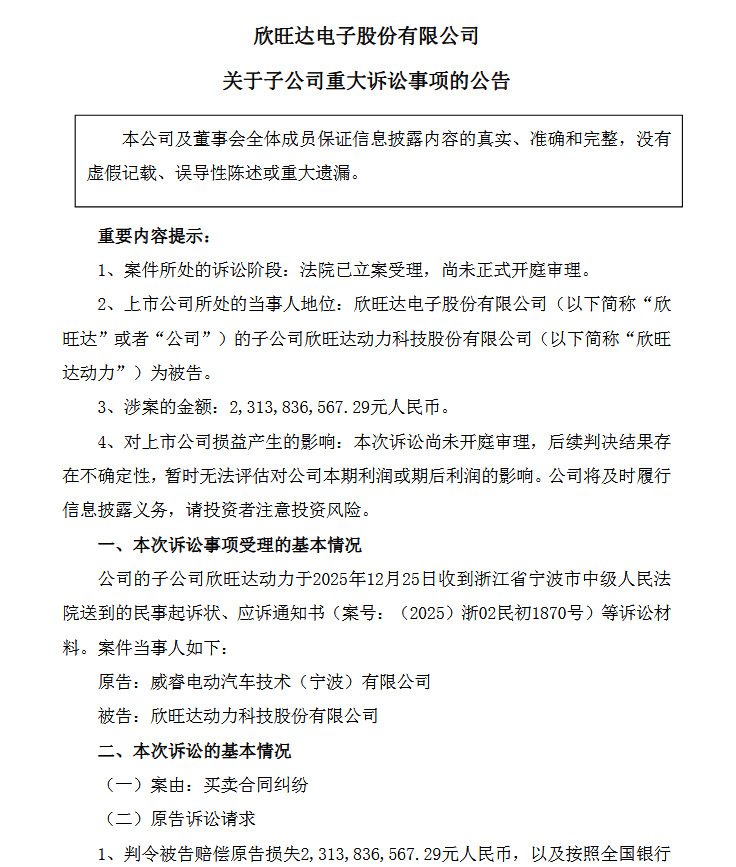
Core Viewpoint - XINWANDA Electronics Co., Ltd. announced that its subsidiary, XINWANDA Power Technology Co., Ltd., has been sued by Weir Electric Vehicle Technology (Ningbo) Co., Ltd. for quality issues related to battery cells delivered between June 2021 and December 2023, with a compensation claim of RMB 2.314 billion [1][3]. Group 1: Legal Issues - Weir Electric claims that the battery cells provided by XINWANDA Power caused losses due to quality problems [1]. - The lawsuit demands compensation of RMB 2.314 billion, plus interest from the date of filing until actual payment [1][3]. - Weir Electric is a subsidiary of Geely Holding Group, focusing on the development and manufacturing of electric vehicle power batteries and related systems [3]. Group 2: Company Background - XINWANDA is a lithium battery supplier founded in Shenzhen, ranking sixth among Chinese power battery suppliers with a cumulative installation volume of 16.49 GWh in the first three quarters of 2023, a year-on-year increase of 0.25% [3]. - The cumulative net profit attributable to shareholders for XINWANDA in 2023 and 2024 is reported to be RMB 2.544 billion, nearly equivalent to the compensation amount claimed by Weir [6]. Group 3: Historical Context - The relationship between XINWANDA and Weir began in 2021 when they jointly established a battery manufacturing company to supply Geely's high-end brands [6]. - In April 2023, XINWANDA and Weir signed a cooperation agreement for a supercharging project, coinciding with the launch of XINWANDA's new "flash charging battery" [6]. - Issues began to surface in late 2024, with complaints from owners of the Zeekr 001 WE86 model regarding slow charging and battery capacity degradation, leading to a recall-like battery replacement initiative by Zeekr [9].

2025中概股“三重奏”:撤离、入场与回归
Zheng Quan Shi Bao· 2025-12-26 18:24
Core Insights - The Chinese concept stock market is undergoing significant changes in 2025, with notable events such as the privatization of Zeekr and Dada, as well as the dual delisting of Financial One Account, indicating a rapid withdrawal of Chinese companies from the US market while over 60 small enterprises seek global financing opportunities [1][2][3]. Group 1: Privatization and Delisting - Geely Automobile has completed the privatization of Zeekr, which is now a wholly-owned subsidiary, and has delisted from the NYSE, with 70.8% of Zeekr shareholders opting for shares and 29.2% for cash, totaling $701 million [2]. - Dada Group's privatization by JD Group at a valuation of $520 million allows for strategic adjustments and deeper collaboration with JD in the instant retail market [3]. - Financial One Account has pioneered dual delisting, completing its exit from both the NYSE and HKEX, with a privatization deal valued at approximately HK$1.69 billion, driven by long-term stock price decline and liquidity issues [3]. Group 2: Trends in US Listings - In 2025, 63 Chinese companies went public in the US, raising approximately $1.12 billion, marking a 41% decrease in fundraising compared to 2024, with an average fundraising amount of less than $20 million [4]. - The largest fundraising events were from Bawang Tea and Ascentage Pharma, raising $411 million and $126 million respectively, highlighting a shift towards smaller enterprises in the US market [4][5]. Group 3: Return to Hong Kong - The trend of Chinese companies returning to Hong Kong is evident, with companies like Pony.ai and Hesai achieving dual primary listings, indicating a preference for this model to better integrate into the Hong Kong market [6]. - Hesai's IPO raised over HK$4.16 billion (approximately $533 million), marking it as the largest IPO in the global lidar industry to date [6]. - Other companies, such as Tianjing Bio, are also planning to return to Hong Kong for dual listings, reflecting a broader trend of Chinese firms seeking to escape US regulatory pressures [6]. Group 4: Future Outlook - Analysts suggest that some Chinese concept stocks may pursue privatization and then re-list in Hong Kong or A-shares, allowing them to escape US regulatory pressures and achieve more favorable valuations in Chinese markets [7].

睿创微纳:目前公司的红外产品在极氪9X上搭载
Mei Ri Jing Ji Xin Wen· 2025-12-26 09:11
Core Viewpoint - The company has successfully launched the world's first infrared Automatic Emergency Braking (AEB) system, currently installed in the Zeekr 9X model, and is actively promoting this technology to other car manufacturers and models [2] Group 1 - The infrared AEB system is currently featured in the Zeekr 9X, marking a significant milestone in the company's product offerings [2] - The company is focused on expanding the market presence of its infrared products beyond the Zeekr 9X to other vehicle manufacturers and models [2]


焕新极氪001:老车主复购比例高,下单后等车很着急
车fans· 2025-12-26 00:30
Core Viewpoint - The article discusses the current market situation for the Zeekr 001, highlighting customer interest, purchasing trends, and competitive comparisons in the electric vehicle sector. Market Situation - As of December, market activity has decreased due to the cessation of subsidies, with a noted decline in customer traffic. However, the interest in the Zeekr 001 remains relatively high, with 30% of customers visiting showrooms to view the vehicle [2]. - The company has introduced a purchase tax guarantee policy to encourage customers to place orders before the end of the year [2]. Customer Purchasing Behavior - The most popular model is the 95 Max, which has a significant backlog due to supply chain issues, particularly with the Brembo brake calipers, leading to delivery delays of over two months [4]. - The 103 Max rear-wheel drive version has a shorter delivery time of approximately three weeks, indicating a preference for the 95 Max among customers despite the longer wait [4]. Pricing and Financing - The 95 Max has a guide price of ¥269,800, with various discounts bringing the actual invoice price down to ¥254,300. Financing options include a two-year interest-free period [6][7]. - Additional customer incentives include free accessories and a lifetime warranty on key components for the first owner [7]. Competitive Landscape - The Zeekr 001 is frequently compared with competitors such as Xiaomi YU7, Li Auto i6, and Tesla Model Y. The competitive landscape has shifted, with fewer customers comparing models due to market conditions [10]. - A notable case involved a customer who initially considered the Zeekr 001 but ultimately chose the Li Auto i6 due to its appealing configuration [10]. Customer Feedback - Customers have expressed concerns about long delivery times and the uncertainty surrounding subsidies for the upcoming year. There is speculation that manufacturers may find ways to compensate for these costs [15]. - Positive feedback has been received regarding the improved driving experience of the Zeekr 001, particularly its enhanced mechanical quality and intelligent features [11][13]. Special Offers and Incentives - Special incentives are available for large customers, including additional points and benefits for those who meet specific criteria, such as social security verification [18].
极氪“回归”吉利体系:一场顺应时势的战略会师
汽车商业评论· 2025-12-25 23:04
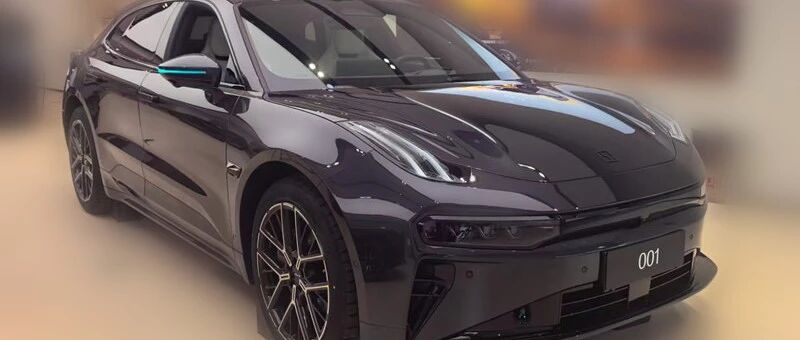
Core Viewpoint - The article discusses the strategic evolution of Geely Auto and its subsidiary Zeekr in the context of the rapidly changing electric vehicle (EV) market, highlighting the significance of Zeekr's return to Geely as a proactive move to enhance competitiveness and resource integration in a challenging environment [6][10][20]. Group 1: Zeekr's Journey and Market Context - Zeekr's stock price closed at $26.73 per share, with a total market value of $6.847 billion, marking the end of its journey on the NYSE after over a year [4]. - The return of Zeekr to Geely is seen as a meaningful response to the accelerated industry consolidation and a strategic move to adapt to the current market dynamics [6][10]. - The EV market has shifted from a policy-driven phase to a consumer-driven phase, increasing competition and reducing the marginal benefits of independent operations [10][11]. Group 2: Strategic Integration and Market Positioning - Geely's acquisition of Zeekr fills a gap in its luxury EV segment, creating a comprehensive brand matrix that includes mainstream, mid-range, and luxury markets [16][19]. - The integration allows Geely to enhance its operational efficiency and strengthen its competitive position through resource aggregation [16][19]. - Zeekr's independent brand identity is preserved while leveraging Geely's resources for sustainable growth [16][19]. Group 3: Financial Performance and Market Expectations - Geely's stock price has increased by 96.1% since the release of the "Taizhou Declaration," significantly outperforming the Hang Seng Index [11]. - Institutional investors have shown strong confidence in Geely, with an average target price of HKD 26.95, indicating a potential upside of approximately 59% from recent closing prices [10][11]. - Geely's total sales reached 2.788 million units in the first 11 months of 2025, achieving 93% of its annual target, with a revenue increase of 26% year-on-year [23][24]. Group 4: Technological Integration and Future Outlook - The integration of Zeekr's advanced technologies, such as the SEA architecture and intelligent driving systems, is expected to enhance Geely's technological capabilities and brand image [19][24]. - Geely's strategic shift from opportunistic breakthroughs to systematic capability building reflects a deep understanding of the automotive industry's cyclical nature [26]. - The return of Zeekr marks a significant milestone in Geely's ongoing strategic transformation, positioning the company for future growth in the global EV market [26].
百万交付之后 鸿蒙智行迎来“成长烦恼”
Zhong Guo Zheng Quan Bao· 2025-12-25 21:11
Core Insights - The company achieved a record of delivering one million vehicles in 43 months, marking the fastest milestone for new energy vehicle companies in China, with November deliveries reaching 81,864 units, a year-on-year increase of 89.61% [1] - The "Five Realms" matrix, consisting of multiple brands, is taking shape, with significant growth in the smart automotive ecosystem projected for 2025 [1][9] - Despite rapid growth, structural challenges are emerging within the new brands, particularly in sales adaptation and brand reputation [1][2] Brand Performance - The "Wenjie" brand remains dominant, with November sales of 51,677 units, accounting for 63% of total sales, while models M7, M8, and M9 are leading in their respective segments [2] - "Zun Jie" has surpassed the delivery volume of Porsche's Palamera in China, despite lower monthly sales of 2,000 units, indicating a strong reputation in the high-end market [2] - "Zhi Jie" has faced fluctuations in sales, with a peak of 12,000 units in November after a significant drop earlier in the year, highlighting the need for stable sales performance [2][3] Internal Challenges - The company needs to optimize product iteration and align with market demand, as evidenced by the delayed upgrades and inconsistent brand experiences across models [3][4] - "Xiang Jie" has a narrow market focus with only two models, leading to dependency on the performance of the S9T model, which has shown volatility in delivery numbers [4] - The internal resource allocation and market positioning between the "Five Realms" and the emerging "Jing" brands present challenges for ecosystem collaboration [6][9] Competitive Landscape - The rise of Huawei's "Jing" brands poses new challenges for the company's ecosystem, requiring effective resource distribution and differentiation in market positioning [6][7] - The competitive environment is intensifying, with rivals like Tesla and BYD optimizing their pricing strategies, while new entrants like Xiaomi and Zeekr accelerate product iterations [8] - The company plans to launch at least 11 new models by 2026, raising concerns about internal competition and resource coordination among multiple brands [8][9]
中国电车攻占泰国70%市场
2 1 Shi Ji Jing Ji Bao Dao· 2025-12-25 06:21
Core Insights - Thailand is the 10th largest automotive producer globally and the largest in Southeast Asia, known as the "Detroit of the East" [2] - The Thai government is initiating a transition to electric vehicles (EVs), prompting Chinese automakers to aggressively enter the market [3][6] - The penetration rate of new energy vehicles in Thailand has reached 20%, with significant growth in EV sales compared to other regions [6][10] Industry Overview - Thailand's automotive market has a long-standing dominance of Japanese brands, which held a market share of around 90% at their peak and is expected to remain at about 70% in 2024 [2] - Chinese automakers have increased their market share from 5% to approximately 20% in recent years, with over 70% market share in the EV segment [7][10] - The Thai government has implemented subsidies for EVs, significantly boosting sales, with a reported 7.6 times increase in new EV registrations in the first nine months of 2023 compared to the previous year [11] Market Dynamics - The Thai EV market is characterized by a lack of local automotive brands, allowing for a more open market environment [10] - The government has introduced policies requiring local production to benefit from subsidies, which has led to increased investments from Chinese companies like BYD and GAC [12][11] - The competition in the Thai automotive market is intensifying, with new entrants increasing the pressure on existing players [18] Future Opportunities - There is a significant opportunity for Chinese brands in the Thai market, particularly in the segments of pickup trucks and commercial vehicles, where current penetration is low [20] - The Thai government is negotiating free trade agreements with the EU, which could provide additional market access and benefits for manufacturers operating in Thailand [13] - The shift towards hybrid vehicles (PHEV and REEV) presents a potential growth area, as these models may capture market share from traditional HEVs [19]


中国电车攻占泰国70%市场
21世纪经济报道· 2025-12-25 06:14
记者丨赖镇桃 编辑丨和佳 李艳霞 黎奥从未想过,一次他觉得很寻常的对话,会让一位泰国员工怕得想离职。"当时和一位员工 说话声音大了点,对方就觉得我们是在凶他,第二天不敢来上班了。"作为一家中国车企的海 外业务人士,这是他踏上"微笑之国"一年多后,才逐渐参透的文化差异。 在泰国,游客们常会听闻一种"三不叫"的说法:车不叫——即便曼谷的交通堵得水泄不通, 也少见烦躁的喇叭声;狗不叫——街头的流浪犬慵懒地趴着,它们知道静候常能换来一口施 舍;人不叫——细声慢语是这里表达尊敬的默认规则。 然而,这片浸润在独特"宁静"之中的土地,在全球汽车工业的版图上,却从不沉寂。 泰国是全球第十大、东南亚第一大汽车生产国,享有"东方底特律"的盛名。 同时,它又是牢 不可破的"日系车后花园"。自上世纪60年代踏足于此, 日系车 凭借先发优势与成熟的本地产 业链, 巅峰时期市占率常年高达90%,2024年其占有率依然稳固在70%左右。 当泰国政府拉开新能源转型的大幕,蓄力已久的中国车企开始了密集抢滩。 电动化狂奔 在泰国Citywalk时,只要走出曼谷的核心区,尤其是来到曼谷以外的城镇,常会看到道路两旁 散落着许多两三层高的独栋小房。 ...
我们什么时候能有自己的“BBA”?
Zhong Guo Jing Ji Wang· 2025-12-25 01:33
(责任编辑:郭跃) 我们什么时候能有自己的"BBA"?#国产品牌冲高#豪华品牌#2025星途品牌之夜#蔚来#小鹏#理想# 极氪#阿维塔#岚图#腾势#奔驰#宝马#奥迪#BBA ...