元气森林

Search documents
元气森林:“养生”也可以俘获年轻人
Bei Jing Shang Bao· 2025-08-07 12:35
Core Insights - The core competition in beverage innovation is not merely about taste or functional segmentation, but about returning to the product itself and ensuring quality [1][15] - The market for traditional Chinese health drinks, particularly the "Good Zizai" series, has seen significant growth, with market size increasing from 0.1 billion in 2018 to 4.5 billion in 2023 [1][3] - The rise of health-conscious consumers has led to a decline in sugary beverages, with the no-sugar beverage market experiencing a surge, resulting in over 157 types of no-sugar tea drinks available in 2023 [3][10] Company Strategy - "Good Zizai" aims to combine traditional cooking methods with modern production techniques to create a product that retains the natural flavors and nutritional value of ingredients [6][13] - The brand has achieved significant sales milestones, with over 1 billion in sales within four months of launch, and a market share of 58.6% projected for 2024 [5][10] - The company emphasizes the importance of product quality and consumer feedback, focusing on creating a product that resonates with the target demographic of young consumers [10][11] Market Dynamics - The market for Chinese health drinks is becoming increasingly competitive, with a notable presence of major beverage brands and a trend towards price wars due to product homogeneity [9][10] - The industry is experiencing a bifurcation, with low-sugar and basic products dominating the market while high-margin functional products face limited acceptance [9][10] - The ongoing trend of health-conscious consumption is expected to continue driving market expansion, with consumers willing to pay a premium for perceived health benefits [14][15]

专访路威凯腾陈悦:中国消费市场在效率、创新和模式上全球领先
2 1 Shi Ji Jing Ji Bao Dao· 2025-08-07 05:44
Core Insights - The Chinese consumer market is experiencing significant growth, driven by changing consumption patterns and the emergence of new consumption models such as trendy toys, jewelry, and pet-related products [1][3][10] - L Catterton, the largest private equity firm in the global consumer goods sector, has invested over $37 billion and completed more than 300 investments in the consumer industry, focusing on notable Chinese brands [1][10] - The investment environment in China is considered favorable, with a large middle class and increasing consumer spending potential, despite the current low percentage of consumption in GDP [10][11] Investment Trends - The younger generations, particularly those born in the 1990s and 2000s, exhibit strong consumption willingness, prioritizing emotional value over functional benefits [3][4] - Traditional consumption categories like liquor and tea are experiencing a decline, while sectors like dining and trendy products are thriving, indicating a shift in consumer preferences [4][10] - The investment strategy of L Catterton focuses on three main areas: consumer brands, consumer services, and consumer concepts, with a strong emphasis on high-quality domestic brands [8][10] Market Dynamics - Cities like Guangzhou and Chengdu are emerging as international consumption centers due to their industrial strengths and vibrant cultural scenes, respectively [6][10] - The collaboration between L Catterton and LVMH enhances the investment firm's ability to identify and support promising consumer brands through strategic resources and expertise [7][8] - The Chinese market is characterized by rapid innovation in business models, including the use of digitalization and AI in manufacturing and the growth of e-commerce and live-streaming platforms [11][12] Challenges and Opportunities - Foreign investment firms are encouraged to adopt a focused investment approach rather than a broad one, emphasizing the importance of industry expertise and value creation [12] - The potential for exit strategies is diversified, with over 50% of projects historically exiting through mergers and acquisitions, highlighting the importance of industry alignment [12]
告别同质化“内卷”,以创新品质引领市场新风尚
Sou Hu Cai Jing· 2025-08-06 23:07
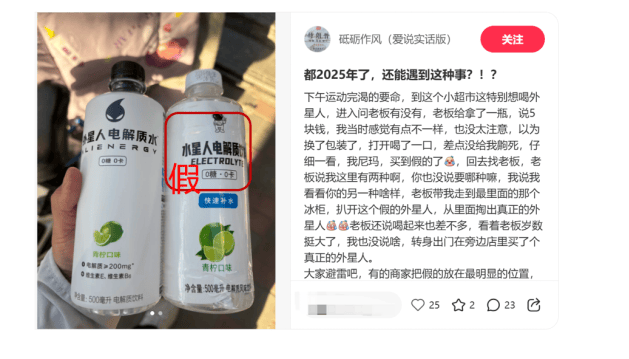
Core Viewpoint - The recent "anti-involution" topic has gained significant attention from regulatory bodies and industry players, emphasizing the need for innovation in emerging fields and transformation in traditional sectors to avoid low-level homogeneous competition [1] Group 1: Market Dynamics - The rise of imitation products, often referred to as "shanzhai," has become a focal point, misleading consumers and disrupting market order [2] - Consumers have shared experiences of mistakenly purchasing imitation products due to similar packaging, highlighting the prevalence of pixel-level imitation in the fast-moving consumer goods (FMCG) sector [1] - Legal actions against imitation products are increasing, with courts imposing significant penalties to protect innovation and deter infringement [2] Group 2: Brand Protection and Legal Actions - The case of Yuanqi Forest's "Alien Electrolyte Water" illustrates the swift legal response to trademark infringement, with the court ruling in favor of Yuanqi Forest and awarding damages of 5 million yuan [2] - The judicial system is sending a clear message about the importance of protecting original brands and punishing counterfeiters [2] Group 3: Innovation and Quality - Original brands that focus on quality and technological innovation are gaining consumer trust, while imitators struggle to replicate the intrinsic value of these products [4][5] - Companies like Yuanqi Forest and Dali Food Group have successfully differentiated themselves through innovation, leading to a positive market reputation [5] - The emphasis on quality control and unique value propositions is essential for companies to thrive in a competitive landscape [5]
冰茶市场百亿新局 健康化趋势引发行业变革
Yang Guang Wang· 2025-08-06 07:17
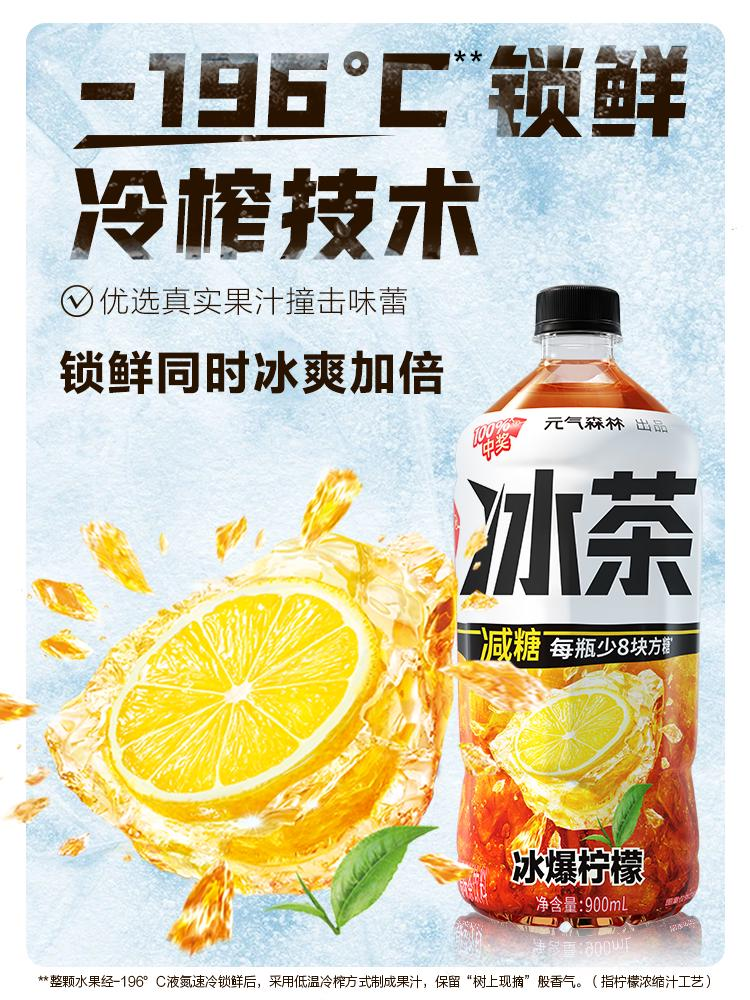
Core Insights - The ice tea market is evolving from a brand-centric approach to a category-focused one, with various brands like Yuanqi Forest and Nongfu Spring entering the market to redefine product standards through differentiated technology [1][2][3] - Health consciousness among consumers is driving the trend towards reduced sugar content in beverages, with 71.4% of consumers prioritizing "sugar-free/reduced sugar" labels when purchasing iced tea [2][3] - The global iced tea market is projected to grow from $53.3 billion in 2023 to over $100 billion by 2033, with a compound annual growth rate of 6.7% [6][9] Industry Trends - The Chinese government has initiated health promotion policies focusing on reducing sugar, salt, and oil in food, signaling a shift towards healthier beverage options [2][3] - Traditional brands like Master Kong and Uni-President leverage established distribution networks, while new brands utilize innovative technologies and health-focused marketing to capture younger consumers [6][9] - The competition in the iced tea market is intensifying, with both established and emerging brands striving to balance health benefits with taste, as consumer preferences shift towards lower sugar options [4][5][10] Consumer Preferences - Taste remains a critical factor in consumer purchasing decisions, with sweetness, tea flavor, and aroma being the top three attributes valued by iced tea drinkers [4][5] - Younger consumers (ages 18-25) exhibit higher loyalty and repurchase rates for iced tea, particularly valuing a rich and balanced flavor profile [4][5] - Brands are responding to consumer demand for reduced sugar without compromising taste, with innovations such as Yuanqi Forest's use of liquid nitrogen freezing technology to enhance flavor [5][9] Competitive Landscape - New brands are differentiating themselves through unique formulations and health claims, such as Hao Wang Shui's electrolyte-infused iced tea targeting fitness enthusiasts [9][10] - Yuanqi Forest has reported a 53.9% year-on-year sales growth in its iced tea category, indicating strong market acceptance and brand recognition [9][10] - The market is characterized by a clear segmentation, with traditional brands maintaining a stronghold through extensive distribution while new entrants challenge them with innovative products [6][9]


夏天新晋“价格刺客”,坑哭多少打工人?
Hu Xiu· 2025-08-06 00:43
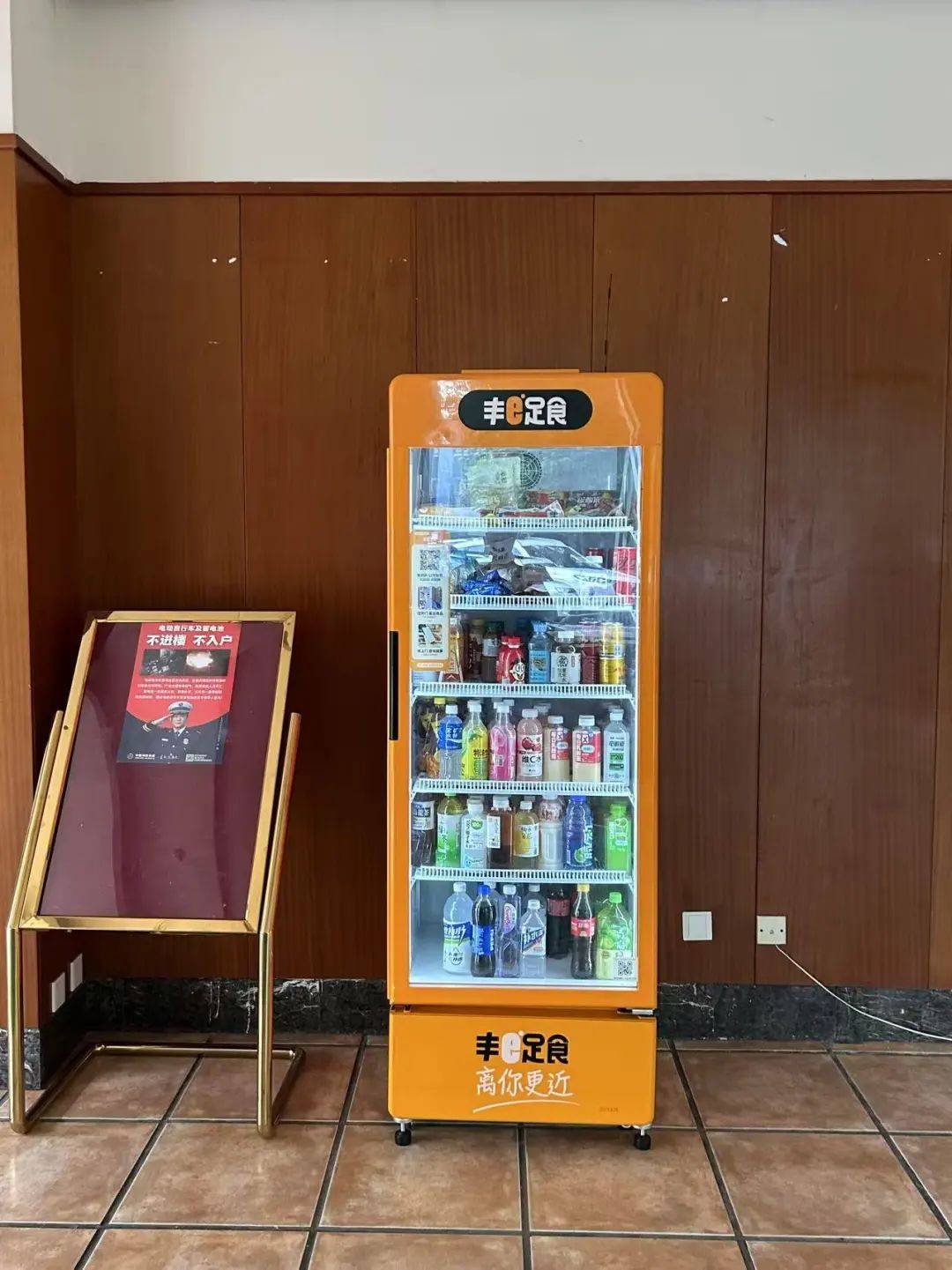
Core Viewpoint - The article discusses the rising trend of vending machine consumption during the hottest summer on record, highlighting the hidden costs and convenience that lead consumers to make impulsive purchases [1][2][3]. Group 1: Vending Machine Consumption - Vending machines have become a significant source of cold drink consumption, especially in office environments where convenience is prioritized over price [2][3][19]. - The prices of beverages from vending machines are often significantly higher than those in supermarkets, with examples such as a 500ml bottle of sports drink priced at 10 yuan, compared to a 900ml bottle in stores [14][15][18]. - The convenience of vending machines, often located in high-traffic areas, exploits consumers' urgent needs, leading to impulsive buying behavior without price consideration [19][40][41]. Group 2: Market Dynamics - The number of vending machines in China has grown from 246,000 in 2016 to an estimated 1.89 million by 2024, with projections to exceed 2 million by 2025 [88][100]. - Despite the increase in vending machine presence, leading companies in this sector, such as Youbao, have reported significant net losses, indicating challenges in profitability despite rising revenues [91][93]. - The operational costs associated with vending machines, including location rental and maintenance, contribute to the high prices consumers face, countering the expectation of cost savings from automated retail [93][99]. Group 3: Consumer Behavior - The design of modern vending machines often obscures prices, leading consumers to make purchases without fully understanding the costs involved [20][22][23]. - The "first convenience, then harvest" consumption logic is particularly effective among office workers who have limited time to make purchasing decisions [38][40]. - The impulsive nature of purchases from vending machines is reinforced by the "take first, pay later" model, which minimizes opportunities for consumers to reconsider their choices [24][25][42]. Group 4: Industry Evolution - The vending machine industry represents a second wave of automated retail, following the initial hype around unmanned supermarkets and shelves that failed to deliver on cost efficiency [45][71]. - The integration of advanced technologies such as AI and deep learning has lowered operational costs for vending machines, making them a more viable business model compared to earlier automated retail concepts [71][72]. - Vending machines are increasingly seen as mobile advertising platforms for beverage companies, with profitability being less of a priority compared to brand visibility [73][104].
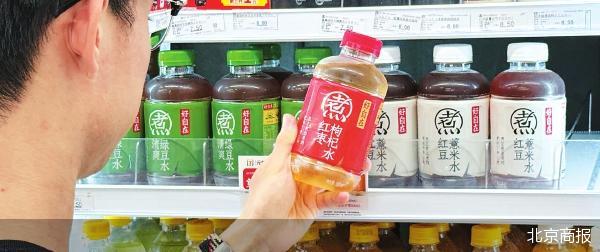
创新消费力 | 元气森林:“养生”也可以俘获年轻人
Bei Jing Shang Bao· 2025-08-05 15:00
Core Insights - The core competition in beverage innovation is not merely about taste or functional segmentation, but about returning to the product itself and ensuring quality [1][13] - The market for traditional Chinese health drinks, particularly the "Good Zizai" series, has seen significant growth, with market size increasing from 0.1 billion in 2018 to 4.5 billion in 2023 [1][2] - The rise of health-conscious consumers has led to a decline in sugary drinks, with the no-sugar beverage market experiencing rapid growth [2][3] Company Overview - Yuanqi Forest's "Good Zizai" series has quickly gained popularity, selling out within five days of its launch on Tmall and achieving top rankings on major e-commerce platforms [2][12] - The company emphasizes the importance of product quality and consumer feedback, aiming to create products that resonate with traditional tastes while meeting modern health demands [3][11] - The brand has established a red bean planting base in Heilongjiang to ensure the quality of its raw materials, reflecting a commitment to product integrity [10] Market Dynamics - The market for Chinese health drinks is becoming increasingly competitive, with a significant number of brands entering the space, leading to issues of homogenization and price wars [7][8] - The average price of mainstream health drinks has dropped significantly, with some brands offering promotions that reduce prices to as low as 2.9 yuan per bottle [8] - The market structure is evolving, with a bifurcation between low-sugar basic products and high-margin functional products, indicating a shift in consumer preferences [7][9] Consumer Trends - The target demographic for "Good Zizai" includes a substantial portion of young consumers, with those aged 18-36 making up nearly 70% of the market [6][8] - High repurchase rates indicate a strong demand for health drinks, with "Good Zizai" achieving a market share of 58.6% in 2024 [8][12] - The trend towards health-conscious consumption reflects a broader shift in consumer behavior, moving from novelty to daily necessity [12][13]
创新消费力| 元气森林:“养生”也可以俘获年轻人
Bei Jing Shang Bao· 2025-08-05 10:45
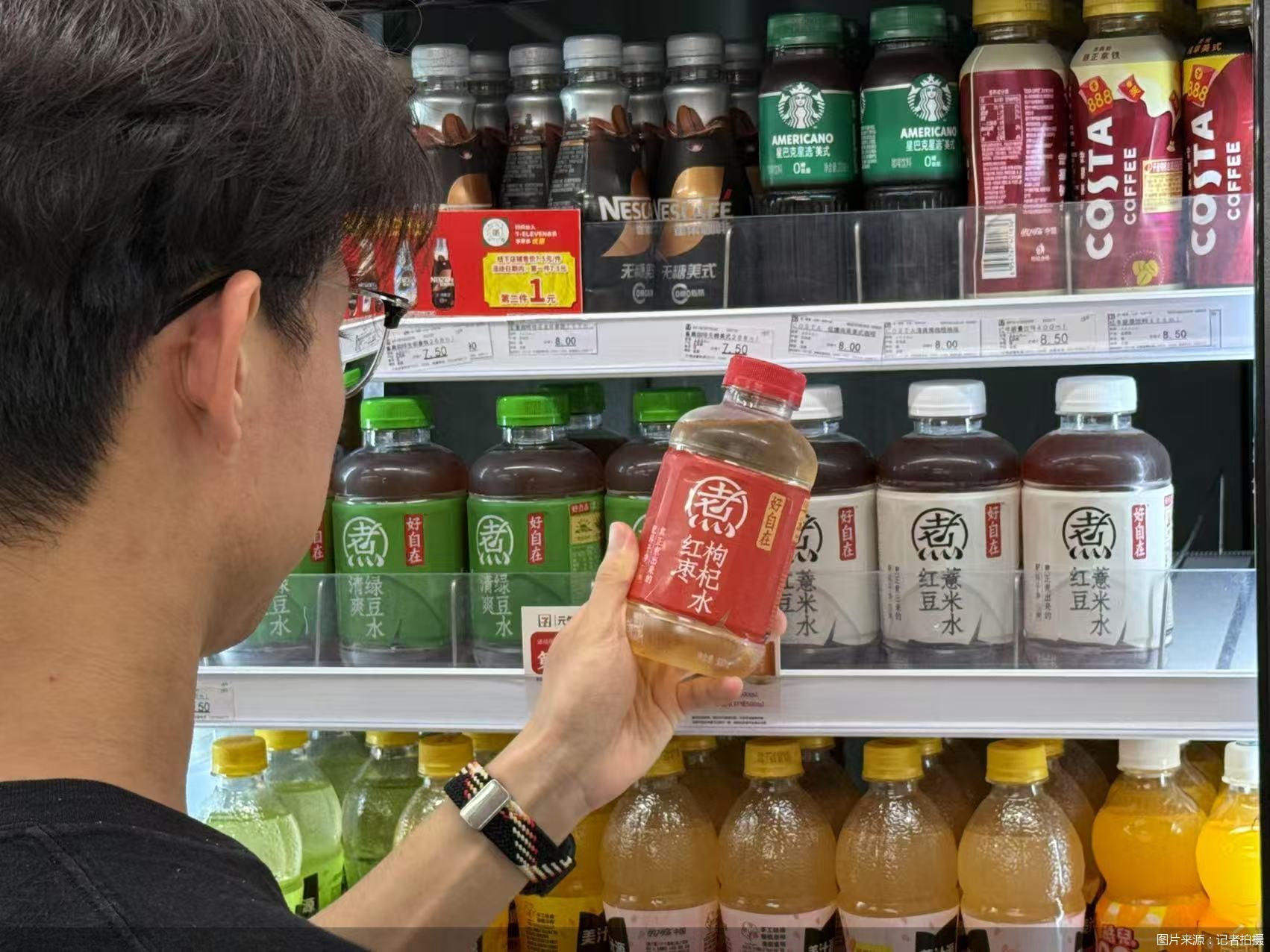
"饮料创新的核心竞争不是单纯地回归口感或者转向功能细分,而是回归产品本身,那就是坚持做好产品。"元气森林联合创始人王璞说。元气森林最初以气 泡水切入市场,其核心创新并非单纯口感改良,而是通过技术革新解决"健康与美味不可兼得"的行业难题。2023年推出"好自在"养生水系列,通过传统"熬 煮"工艺和现代化生产相结合,这一转变直接推动中式养生水市场规模从2018年的0.1亿元跃升至2023年的4.5亿元。当消费需求向健康与口味兼得的质价比转 变,行业却陷入同质化与价格战,高价低质的倒挂、行业标准的缺失、消费者对伪养生的质疑等现象,已经成为行业发展的掣肘。先发制人的元气森林,需 要思考的是在行业"下半场"能否继续保持领先。"真正的创新不是追风口,而是用研发投入把'用户需求'变成'真正的产品'。"元气森林的这段公开表示,或 许已经给了解答。 光知道消费者喜欢什么还不够 在饮料行业,产品创新永无止境。2024年,继气泡水、奶茶、无糖茶之后,中式养生水的爆发并不是偶然。 其实,早在2018年,国内品牌就曾注意到养生水这个新赛道。但对于当时的消费者来说,就是红豆水装在了瓶子里,偶尔尝鲜可以,但要长期饮用,甚至成 为消费习惯, ...
冰杯热潮:消费新宠背后的商业密码
Hu Xiu· 2025-08-05 09:51
Core Insights - The ice cup market has experienced a significant surge in sales, with a year-on-year increase of 300% [1] - In first-tier cities, the average person consumes 48 ice cups annually, indicating a strong consumer demand [1] - Major convenience stores have started to stock ice cups regularly, reflecting their growing popularity [1] Industry Dynamics - New entrants such as Yili, Mengniu, and Genki Forest are actively participating in the ice cup market, contributing to increased competition [1] - The variety of flavors and designs of ice cups is becoming increasingly diverse, leading to a phenomenon described as "involution" within the market [1]
食品饮料行业周度市场观察-20250805
Ai Rui Zi Xun· 2025-08-05 07:28
Investment Rating - The report does not explicitly provide an investment rating for the food and beverage industry Core Insights - The health consumption trend is reshaping beverage consumption patterns, with functional plant-based drinks experiencing rapid growth, particularly birch juice beverages, which saw a 155.5% month-on-month increase on Douyin e-commerce platforms [4] - Vitamin drinks are witnessing a resurgence in 2024, with brands like Yuanqi Forest and Kangshifu launching new products targeting specific vitamins and consumption scenarios [3][15] - The market for sugar-free tea has stabilized, while the future of electrolyte drinks remains uncertain, with significant market share held by brands like Nongfu Spring [6] Industry Trends - Health consumption trends are driving the popularity of functional plant-based beverages, with domestic brands leading the upgrade in this category [4] - The vitamin drink market is becoming more competitive, with new products focusing on specific vitamins and tailored marketing strategies for different consumption scenarios [3][15] - The sugar-free tea market is dominated by Nongfu Spring's Dongfang Shuye, which holds over 70% market share, while the electrolyte drink market is led by Yuanqi Forest's Alien brand [6] - The Chinese soft drink industry is transitioning from an incremental growth phase to a stock competition phase, with health and functionality becoming key trends [7] - The market for traditional Chinese health drinks is rapidly growing, driven by the health consciousness of the younger generation [8][16] Brand Dynamics - Yuanqi Forest is actively entering the birch juice market, which has seen a sales increase of 834.8% on Douyin, indicating strong consumer interest [13] - The collaboration between Kangshifu and Yili aims to innovate within the instant noodle market, targeting nighttime consumption [9] - The partnership between Yuanqi Forest and Deli to create eco-friendly stationery from recycled beverage bottles highlights a commitment to sustainability [21]
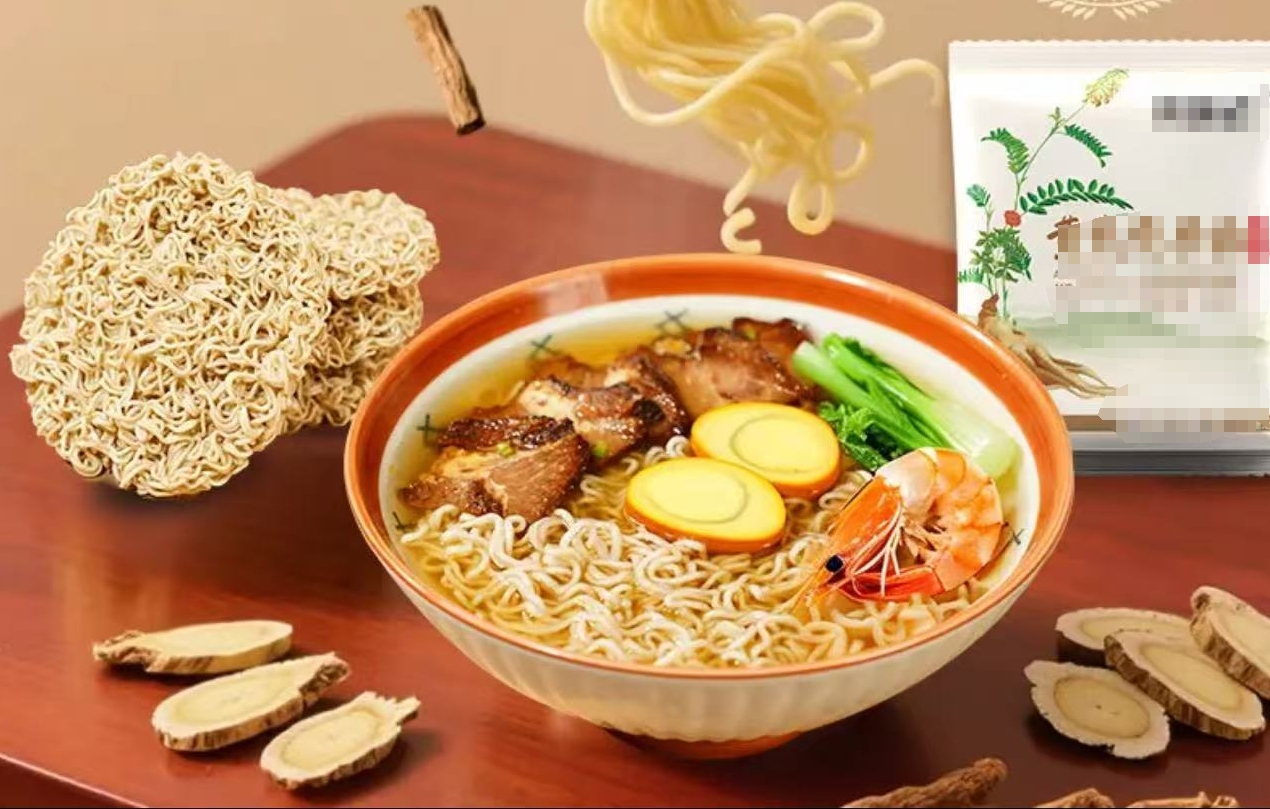
抄养生水作业,方便面也改打养生牌了
Di Yi Cai Jing· 2025-08-05 07:15
Core Viewpoint - The rise of health-oriented instant noodles is inspired by the success of traditional Chinese health drinks, indicating a shift in consumer preferences towards healthier food options [1][3][4] Group 1: Market Trends - A significant number of health-focused instant noodle products have emerged on e-commerce platforms, with nearly a hundred varieties available, including offerings from major brands like Unification and White Elephant [1][3] - The online sales price of health instant noodles ranges from a few yuan to over ten yuan per serving, with notable sales figures such as over 100,000 bags of a monkey mushroom yam noodle and over 410,000 boxes of a kale noodle [3] - The health drink market, particularly driven by brands like Yuanqi Forest, has seen a remarkable growth of over 182% year-on-year in sales for the health drink category in 2024 [3] Group 2: Industry Challenges - The demand for instant noodles in China is projected to reach approximately 43.8 billion servings in 2024, a slight increase from 42.21 billion servings in 2023, but still below the 45.07 billion servings in 2022 [3] - The instant noodle industry is facing pressure with a projected year-on-year sales decline of 8.9% by the second quarter of 2025, indicating challenges in pricing and sales dynamics [3][4] Group 3: Competitive Landscape - The instant noodle market is highly concentrated, with the top five brands holding 83% of the market share, creating significant barriers for new entrants [4] - The introduction of health-oriented instant noodles has led to a surge in new product SKUs, with over 1,500 new SKUs in the first quarter of 2025, significantly higher than the 300 to 500 range in previous years [4] Group 4: Consumer Demand and Product Development - The emergence of health-focused instant noodles reflects a response to changing consumer demands for healthier options, pushing companies to innovate through ingredient and process improvements [4][5] - However, the actual health benefits of these products remain unclear, as some brands do not specify the quantities of health ingredients used, making it difficult for consumers to assess their effectiveness [5]