海底捞

Search documents
四年三换CEO后,张勇亲掌海底捞:创始人回归真是万能药吗?
Sou Hu Cai Jing· 2026-01-20 04:34
Core Viewpoint - The return of founder Zhang Yong as CEO of Haidilao has led to a significant increase in the company's market value, indicating a strategic shift in leadership amidst ongoing challenges in revenue and profit [2][3][9]. Leadership Changes - Haidilao has experienced three CEO changes in less than four years, with Zhang Yong returning to the role after previously stepping down in 2022 [5][7]. - The recent leadership shake-up includes the resignation of Guo Yiqun as CEO and the appointment of Zhang Yong, who aims to address the company's current challenges [4][5]. - The new board appointments include four women who have been with the company for several years, reflecting a strategy to bring fresh perspectives to the management team [7]. Performance Challenges - Haidilao's financial performance has been declining, with a reported revenue of 20.703 billion yuan in the first half of 2025, a decrease of 3.7% year-on-year, and a net profit drop of 13.7% [9][13]. - The company has faced criticism regarding service quality and employee satisfaction, contributing to its performance issues [9][10]. - The average customer spending has decreased, with figures dropping below 100 yuan for the first time in 2023, indicating a shift in consumer behavior [12][13]. Strategic Initiatives - The "Red Pomegranate Plan" was initiated to diversify Haidilao's offerings beyond traditional hotpot, with 14 new restaurant brands launched, although they currently represent a small portion of total revenue [14][15]. - The company is focusing on innovation and digital transformation to enhance operational efficiency and adapt to changing market conditions [8][10]. - Zhang Yong's return is seen as a move to reinvigorate the company's growth strategy and address the pressing need for new revenue streams [15][20].


年入10亿,毛利率超海底捞,中产“漂亮饭”冲击IPO
3 6 Ke· 2026-01-20 02:40
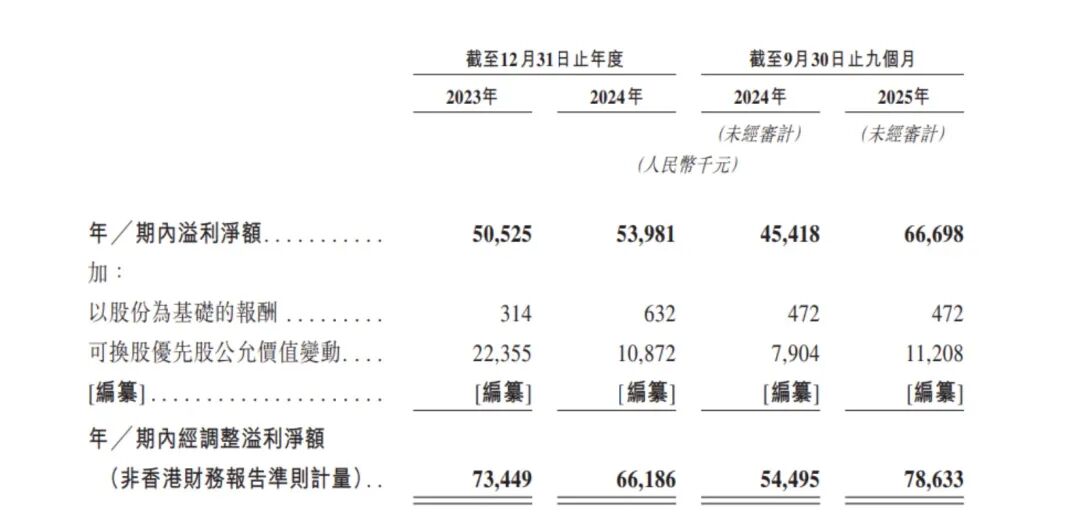
Core Viewpoint - COMMUNE is set to become China's first "restaurant and bar" public company, with a business model that successfully integrates various dining experiences and social interactions, achieving over 1 billion RMB in annual revenue and a profitable operation model [1][2]. Business Model and Strategy - COMMUNE operates 112 fully-owned stores across China, generating over 1 billion RMB in annual revenue, and has submitted its IPO application to the Hong Kong Stock Exchange [1][2]. - The company has adopted a unique operational strategy that allows it to serve multiple dining experiences throughout the day, including coffee in the morning, Western cuisine for lunch, and cocktails at night, effectively utilizing the same physical space [3][5]. - The average payback period for COMMUNE's stores is approximately 17 months, with a break-even point of just 3 months, which is considered top-tier in the industry [6]. Financial Performance - In the first three quarters of 2025, COMMUNE reported a profit of 78.63 million RMB, showcasing its ability to maintain profitability despite the challenges faced by the industry [2]. - The company's gross profit margin ranges from 68.7% to 70.5%, significantly higher than the industry average, with approximately 45% of its revenue coming from high-margin alcoholic beverages [10]. - Despite high gross margins, the adjusted net profit for 2023 was 73.4 million RMB, which decreased to 66.2 million RMB in 2024, indicating challenges in maintaining profitability as the number of stores increased [12]. Market Position and Competition - COMMUNE has established itself as a market leader in the restaurant and bar segment, holding a market share of 7.8% in 2024, which is nearly double that of its closest competitors [16]. - The decline of traditional low-cost bars like Helen's, which saw a 95% drop in market value, highlights a shift in consumer preferences towards more engaging and transparent dining experiences [16][19]. - The company faces competition from emerging brands that focus on unique local flavors and community-oriented experiences, which may appeal to younger consumers seeking deeper emotional connections [18][19]. Consumer Trends - There is a notable shift in the social drinking habits of young consumers in China, with a preference for environments that offer a relaxed atmosphere and transparent pricing, as opposed to traditional high-pressure bar settings [3][16]. - The average consumer spending at COMMUNE is around 97 RMB, with various pricing strategies aimed at attracting a diverse customer base [9][10]. - The company is strategically expanding into lower-tier cities, although the average spending in these areas is significantly lower than in first-tier cities, indicating a potential challenge in maintaining profitability [15].
未知机构:东吴食饮苏铖团队0120Q1消费看大众旺季零食闪亮餐饮餐供季节性饮-20260120
未知机构· 2026-01-20 02:25
Summary of Conference Call Notes Industry Overview - The focus is on the consumer sector, particularly in the food and beverage industry, highlighting a seasonal uptick in demand during spring [1][2]. - The report emphasizes the recovery of service consumption, particularly in the restaurant and food supply sectors, supported by government initiatives to boost consumer spending [2]. Key Companies and Recommendations - **Snack Food Companies**: - Recommended leading snack brands include Wanchen Group, Yanjinpuzi, Weilong, Youyou, and Ganyuan [1][2]. - **Restaurant Supply Chain**: - Key players include Babi, Anjins, Guoquan, and Yihai International, along with Baoli Foods and Lihai Foods [1][2]. - **Beverage Companies**: - Notable recommendations are Yangyuan Beverage and Dongpeng Beverage [1][2]. Company-Specific Insights - **Babi**: Focused on diversified growth strategies to recreate its business model [2]. - **Anjins**: Confirming a bottoming out phase and restarting growth initiatives [2]. - **Guoquan**: Demonstrating a resilient business model with accelerated store openings [2]. Market Trends and Predictions - Historical data indicates that Q1 typically shows positive performance for many restaurant companies, with factors such as market profitability, delayed corporate events, and favorable seasonal reporting expected to drive growth in Q1 2026 [3]. - The report anticipates a multi-factor resonance effect in Q1 2026, which may positively impact metrics like customer spending, same-store sales, and table turnover rates [3]. Government Initiatives - The government has implemented a series of fiscal and financial policies aimed at stimulating domestic demand, which includes measures to clear overdue payments to businesses and ensure wage payments to migrant workers [2]. Additional Insights - The report highlights the cyclical nature of the consumer sector and its role as a leader in consumption recovery, with key companies showing continued improvement [4]. - Emphasis on valuation switching as a strategy to recommend high-quality stocks such as Ximai, Babi, Guoquan, and Yanjinpuzi [4].





如何看2025年12月消费数据
2026-01-20 01:50
Summary of Key Points from Conference Call Records Industry Overview - **Consumer Sector Performance**: In December 2025, the overall retail sales growth was 0.9% year-on-year, with a full-year growth of 3.7%. Online retail grew by 5.2% for the year, while offline retail showed slower growth [2][3]. Key Insights and Arguments - **Retail Categories**: - Supermarket retail sales increased by 4.3% year-on-year, while department stores only saw a 0.1% increase [3]. - Essential goods performed well, with grain and oil food growth at 3.9%. In the discretionary category, cosmetics grew by 8.8%, and gold and jewelry increased by 5.9% due to a rise in gold prices [3][4]. - Communication equipment maintained a growth rate of over 20%, while home appliances declined by 19% due to tightening subsidies [3][4]. - **Automotive Sector**: - The total retail sales for automobiles reached 548.2 billion, down 5% year-on-year. Passenger car sales fell by 8.8%, but new energy vehicle wholesale sales grew by 3.3% [11]. - **Textile and Apparel**: - The textile and apparel sector saw a 0.6% year-on-year retail growth in December, but a decline in month-on-month performance due to weather and the delayed Spring Festival [13][14]. - **Alcohol Industry**: - The retail sales of the liquor industry decreased by 2.9% year-on-year in December, with a price index decline of 0.19%. The industry is currently in a phase of active inventory reduction [16][17]. - **Consumer Expectations**: - Due to the late Spring Festival and expectations of rising gold prices, consumer demand is anticipated to recover in January and February 2026 [5]. Additional Important Insights - **Investment Recommendations**: - In the beauty and personal care sector, companies like Shiseido and domestic brands such as Maogeping are recommended. For the gold and jewelry sector, brands with strong store expansion logic are highlighted [6][10]. - In the automotive sector, companies like JAC Motors and Geely are recommended, focusing on high-end and luxury markets [12]. - For the textile and apparel sector, brands like Li Ning and Fuanna are suggested, with a focus on companies that can support their market value through dividends [15]. - **Household Appliances**: - The household appliance sector is experiencing a downturn, with significant declines in sales across various categories. However, leading companies like Midea and Haier are expected to maintain slight growth due to low inventory levels [21][22][24]. - **Light Industry**: - The light industry saw a decline in furniture sales by 2.2% year-on-year, with exports down by 9.8%. However, some companies are expected to see revenue and profit recovery in 2026 [26][27]. Conclusion The consumer sector is facing mixed performance across various categories, with essential goods showing resilience while discretionary spending is under pressure. Investment opportunities exist in specific brands and sectors that are positioned to benefit from changing consumer behaviors and market dynamics.
海底捞20260119
2026-01-20 01:50
Summary of Haidilao Conference Call Company Overview - **Company**: Haidilao International Holding Ltd. - **Industry**: Restaurant and Food Service Key Points and Arguments Financial Performance - In 2025, Haidilao's restaurant revenue experienced a slight decline, but overall group revenue increased due to growth in the Pomegranate series restaurants and takeout business, with an average selling price (ASP) slightly up compared to 2024 [2][4] - Profit in the second half of 2025 is under pressure due to rising raw material costs and table turnover rate challenges, impacting both profit margins and absolute profit figures [2][5] - The overall revenue for the group saw a small increase driven by the growth of the Pomegranate series and takeout services [4] 2026 Outlook - The outlook for 2026 is characterized as stable and conservative, with a slight increase in the number of stores and adjustments to closures based on actual performance [2][6] - The company aims to stabilize the table turnover rate based on 2025 levels and continue advancing the Pomegranate plan and smart middle platform construction [6][7] Management Changes - A management team adjustment was made to focus on the Pomegranate plan and smart middle platform development, with founder Zhang Yong returning as CEO, which will not alter the company's long-term strategy or existing policies [2][8] Takeout Business - Haidilao's takeout business saw a 100% increase in both revenue and profit in 2025, with plans to operate takeout as independent satellite stores and increase SKUs to enhance profitability [2][9] Brand Development and Competition - The expansion speed of the Yanjing barbecue brand has slowed due to intense market competition, lack of unique flavors and products, and customer dissatisfaction with service [2][10] - The company is exploring new areas through franchising, particularly in lower-tier markets, with good performance from franchise stores [3][18] Store Model Changes - The store model has changed, with a slowdown in the opening of new Yanjing stores due to unmet operational expectations and increased competition in the barbecue sector [11] - The average breakeven table turnover rate remains at approximately 2.5 times [16] Employee Costs and Marketing - Employee costs are expected to remain stable in 2026, with plans to optimize labor efficiency through kitchen upgrades [12] - Marketing expenses have increased significantly due to various promotional activities, and this trend will continue into 2026 [12] Innovation and New Brands - Innovative store types have performed well, with themes like fresh-cut and night snack showing increased customer engagement [13] - The "Pomegranate plan" focuses on developing new brands, with a shift towards collaboration with experienced external operators to reduce failure rates [19][20] Franchise Impact - The franchise business will contribute to the 2026 opening targets, although transitioning from direct to franchise operations may negatively impact overall revenue [21] - The franchise fee structure is generally fixed at over 10%, with adjustments based on individual store performance [22] Additional Important Information - The company plans to continue exploring partnerships with franchisees to enhance market coverage and brand influence [3][18] - The management is focused on maintaining a balance between direct and franchise operations to optimize revenue streams and minimize risks [21]
外卖反垄断如何影响港股消费股前景
2026-01-20 01:50
Summary of Key Points from Conference Call Records Industry Overview - **Consumer Sector**: The consumer sector showed weakness in Q4 2026, with retail sales growth of only 0.7% year-on-year. Key categories like home appliances, furniture, and petroleum products experienced declines. Durable goods faced challenges due to subsidy exhaustion and falling real estate sales [1][3] - **Service Consumption**: Service consumption grew by 5.5% year-on-year in December 2026, benefiting from consumption upgrades and government support. The overall growth for the year is expected to reach 6.5% [1][4][5] - **E-commerce Tax Impact**: The introduction of e-commerce tax has significantly impacted the industry in the short term, leading to a decline in growth rates for platforms like Douyin and Alibaba. However, it may promote fair competition and improve the survival rate of quality brands in the long term [2][17] Company-Specific Insights - **Li Ning**: The brand's retail sales in Q4 showed a minor decline, with online sales stable and offline sales decreasing. The company is focusing on popular shopping districts and has plans for marketing initiatives around the Winter Olympics [1][8][10] - **Leisure Company (乐舒氏)**: The company is rapidly growing in emerging markets, with a projected revenue increase of 19% and a net profit growth of 127% in 2024. It has established a strong presence in Africa and is expanding into Latin America and Central Asia [1][11][12] - **TCL Electronics**: The company is expected to benefit from a strong brand presence due to major sports events in 2026. Profit margins are recovering, and the stabilization of panel prices is favorable for long-term growth [1][15] - **Hong Kong Restaurant Chains**: Recommended companies include Hai Tian International, Yi Hai International, and Wei Long, with potential for valuation recovery and growth driven by improved supply chain dynamics [1][7][24] Market Trends and Predictions - **Tool Chain Industry**: The tool chain industry is experiencing a positive trend, with inventory levels at historical lows and expectations of interest rate cuts in the US. This could lead to significant upside potential for companies like 全丰控股 [1][14] - **Travel Industry (携程)**: Despite facing antitrust investigations, the company maintains strong competitive advantages. A $5 billion share buyback plan is expected to support stock prices, and long-term valuation remains reasonable [1][19][20] Additional Insights - **Durable Goods Outlook**: The future of durable goods is uncertain, with potential improvements contingent on stabilization in the real estate market. Current growth is primarily driven by service consumption [1][6] - **Investment Opportunities**: The restaurant sector presents investment opportunities due to low valuations and attractive dividend yields. Companies like 百胜 and 海底捞 are highlighted for their potential [1][24] This summary encapsulates the key points from the conference call records, providing insights into industry trends, company performances, and market predictions.
武汉:一锅火辣撬动情绪经济
Shang Hai Zheng Quan Bao· 2026-01-19 18:45
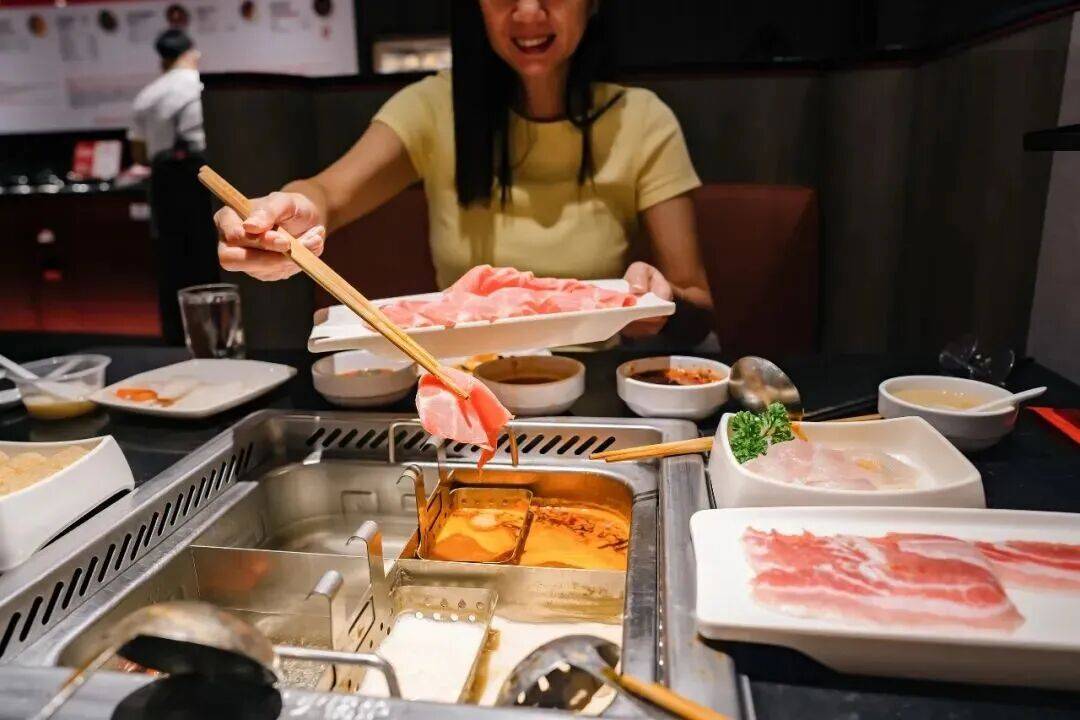
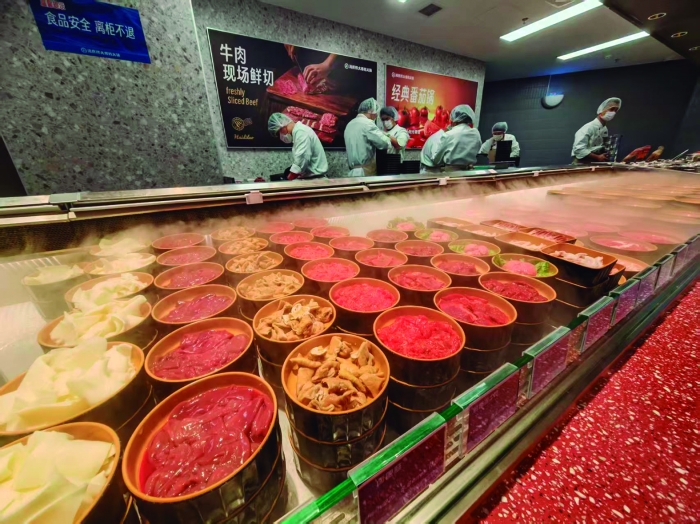
Core Insights - The newly opened Haidilao Dapaidang hotpot restaurant in Wuhan is attracting significant consumer interest, highlighting a trend in the night economy and emotional consumption [1][2][5] Group 1: Business Model and Operations - The Haidilao Dapaidang hotpot operates from 10:30 AM to 7:00 AM the next day, focusing on seafood and freshly sliced beef [2] - The restaurant employs a "market" style operation where customers select ingredients using small carts, enhancing the dining experience [5][6] - The pricing strategy is transparent, with dishes priced according to color-coded tableware, allowing for easy understanding of costs [5] Group 2: Consumer Experience and Demand - Customers report high satisfaction with the variety and quality of ingredients, with average spending around 100+ yuan per person [4] - The immersive dining experience and emotional satisfaction are key factors driving repeat visits, particularly among younger consumers [5][6] - The restaurant's unique atmosphere and the ability to customize meals cater to the preferences of a new generation of diners seeking both quality and value [6] Group 3: Market Trends and Future Expansion - The Chinese dining industry is recovering and evolving towards a focus on quality-price ratio and emotional value, raising expectations for operators [6] - Haidilao plans to expand the Dapaidang model to more cities, adapting to local culinary preferences [6]
张勇又回来了 || 深度
Sou Hu Cai Jing· 2026-01-19 10:19
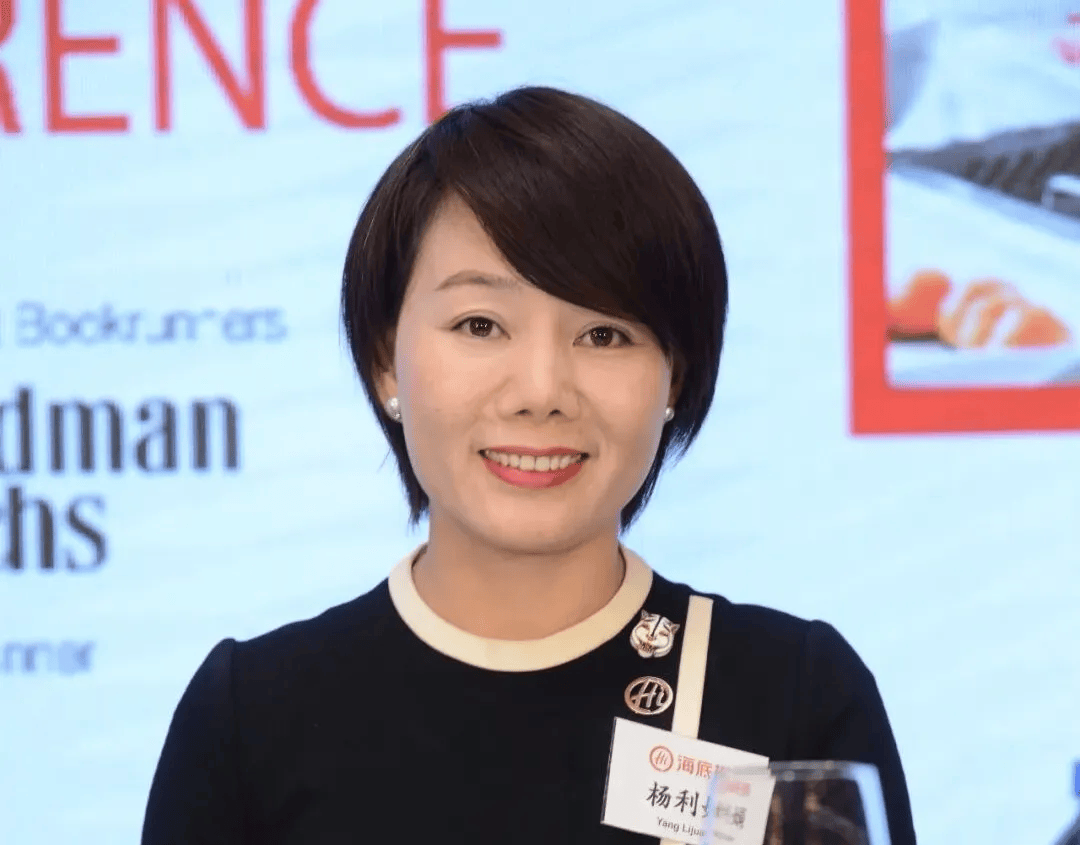
Core Viewpoint - The return of Zhang Yong, the founder and chairman of Haidilao, to the CEO position after nearly four years is significant, indicating a potential shift in the company's strategic direction and management style [1][3]. Group 1: Management Changes - Haidilao has a tradition of flexible management, with frequent role changes among executives, but the recent CEO adjustment is notable due to its deviation from corporate governance codes [2]. - The company has experienced two previous CEO transitions, with Yang Lijuan and Gou Yiqun each playing crucial roles in navigating the company through challenging times [2][9]. - Zhang Yong's leadership style is characterized by a focus on strategic vision, while Yang Lijuan and Gou Yiqun have different management approaches, emphasizing execution and logical processes respectively [3][9]. Group 2: Market Reaction - Following the announcement of Zhang Yong's return, Haidilao's stock price rose by 7.6%, indicating positive market sentiment towards his leadership [3]. Group 3: Historical Context - Zhang Yong's previous tenure as CEO was marked by a hands-off approach, allowing other executives to manage day-to-day operations, which has led to a unique dynamic within the company [4][6]. - The company faced significant challenges in 2021, resulting in a historic loss of 4.16 billion yuan, prompting leadership changes and strategic reforms [9][12]. Group 4: Future Challenges - Haidilao's revenue for the first half of 2025 is projected at 20.7 billion yuan, a decline of 3.7% year-on-year, highlighting ongoing operational challenges [12]. - The company is at a critical juncture, needing to balance expansion with effective management as it diversifies its brand portfolio and explores new operational models [15].
开餐饮去跟消费者纠结预制菜属于精神变态
半佛仙人· 2026-01-19 08:30
Core Viewpoint - The article discusses the restaurant industry's use of pre-prepared meals, emphasizing that the focus should not be on whether meals are pre-prepared but rather on the value, pricing, and experience offered to consumers [3][4][5]. Group 1: Consumer Perception and Pre-prepared Meals - Consumers are already heavy users of pre-prepared meals, and the success of these products in e-commerce indicates a lack of discrimination against them [4]. - The debate over the definition of pre-prepared meals is deemed irrelevant; what matters is the product's pricing, positioning, and taste [4][5]. - Major brands like KFC, McDonald's, and Haidilao do not engage in discussions about whether their meals are pre-prepared, focusing instead on delivering value and experience [4][5]. Group 2: Brand Strategy and Consumer Experience - Successful brands provide unique experiences that justify their pricing, such as KFC and McDonald's offering consistency and hygiene, while Haidilao emphasizes service and emotional connection [5][6]. - Brands like Mizuki Ice City and Salia focus on delivering exceptional value without over-explaining their offerings [6]. - The article suggests that brands should not confront consumer criticisms about pricing but instead maintain a confident stance regarding their pricing strategies, indicating that some consumers may simply not be the right fit for their offerings [7].

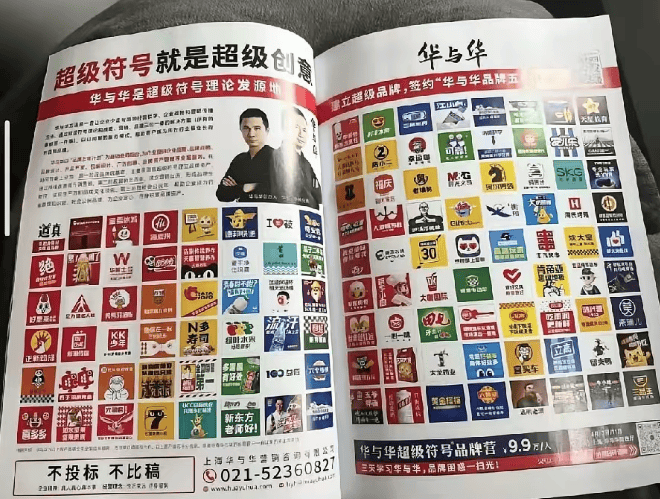
拒绝复杂理论!华与华“接地气”策划玩转品牌传播
Sou Hu Cai Jing· 2026-01-19 08:06
Core Insights - The acceleration of consumer market iteration and increasing homogenization among brands necessitate a clear cognitive identity for market positioning [1] - Professional planning is essential for overcoming communication challenges and accumulating core assets for brands [1] Group 1: Brand Communication - The essence of brand communication is to enable consumers to quickly perceive value and establish memory associations [3] - The core strategy of the company, "recognizable at a glance, easy to say, irresistible to play," simplifies communication and addresses consumer needs, contributing to the success of major national brands like Haidilao and Mixue Bingcheng [3] - The "Brand Triangle" theory proposed during the eight-year collaboration with Haidilao includes product structure, discourse system, and symbol system, providing a core framework for global brand positioning [3] Group 2: Symbol and Role Creation - The company created a brand character "Xiao Laolao" based on the panda, integrating elements of Sichuan culture to enhance emotional connections with consumers [4] - The character serves as a cultural ambassador, promoting traditional skills like noodle performances and Sichuan opera globally through various engagement scenarios [4] - The discourse system emphasizes cultural confidence, promoting "hot pot" as "Huoguo" internationally and creating memorable phrases and songs to enhance brand recognition [4] Group 3: Practical Planning Approach - The company's planning practices focus on simplification rather than complex theories or packaging, basing strategies on consumer cognitive patterns [6] - Effective combinations of symbols, roles, and discourse facilitate efficient brand value transmission [6] - The approach indicates that accumulating brand assets does not require elaborate crafting but rather accurately meeting needs and simplifying communication processes [6]