
科沃斯

Search documents
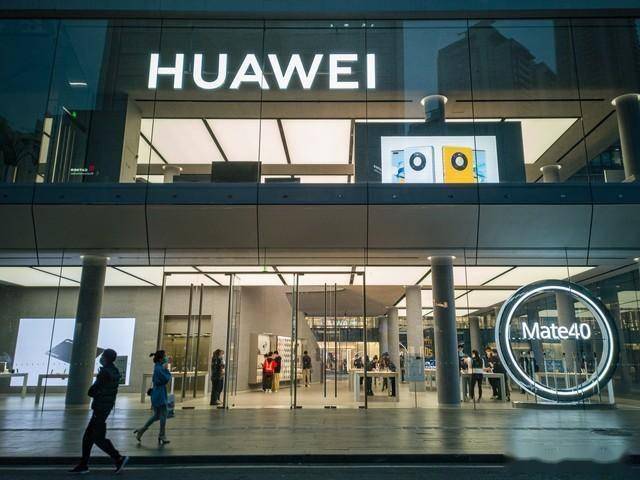
任正非:华为15万专利不做"战争武器",这格局打脸多少行业内卷?
Sou Hu Cai Jing· 2026-01-03 01:58
Core Viewpoint - Huawei's commitment to "not weaponizing patents" sets a benchmark in the technology sector amidst escalating patent disputes, emphasizing innovation as a fundamental principle rather than a competitive weapon [1][10]. Group 1: Patent Strength and Investment - As of the end of 2024, Huawei holds over 150,000 globally effective authorized patents, with over 90% being invention patents, covering critical areas such as 5G and WiFi6 [3]. - Huawei has invested over 1.2 trillion yuan in research and development over the past decade, with 179.7 billion yuan allocated for technological innovation in 2024, accounting for 20.8% of its annual revenue [3]. Group 2: Patent Philosophy and Licensing - Huawei's patent strategy revolves around "shared and win-win" principles, contrasting with companies that use patents to suppress competitors [5]. - The company has signed over 230 patent licensing agreements with major ICT firms globally, adhering to reasonable international standards for patent fees, such as charging no more than 50 yen per communication device for Japanese SMEs [5]. Group 3: Fairness and Compliance in Patent Operations - Huawei views patents as "stepping stones" for industry development rather than obstacles, advocating for fair negotiations to achieve technology sharing and mutual benefits [7]. - The company maintains a compliance framework throughout its patent operations, refusing to export technologies that could be used for manufacturing weapons of mass destruction or threaten regional peace [9]. Group 4: Industry Responsibility and Innovation Goals - Huawei's approach to patents reflects a commitment to responsible industry development, emphasizing that true technological leadership involves fostering collective growth within the industry [10]. - The ultimate goal of innovation, as stated by Huawei, is to bring the digital world to every individual, family, and organization, with patents serving as a bridge to achieve this vision [10].

美的、海尔、海信、TCL,一场决定未来十年命运的战争
虎嗅APP· 2026-01-02 09:36
Core Viewpoint - The Chinese home appliance industry is at a critical juncture, with the focus shifting towards international expansion as domestic markets reach saturation. The theme for 2026 is "going abroad," which represents a significant opportunity for companies like Haier, Midea, Hisense, and TCL to explore new markets and alleviate overcapacity issues [7]. Group 1: Overseas Market Potential - The global home appliance market is valued at nearly 4.5 trillion yuan, indicating substantial overseas market potential. In 2024, Midea and Haier are projected to generate approximately 270 billion yuan each in appliance revenue, translating to a global market share of only about 6% [9]. - Domestic brands have low market shares in most overseas regions, with Midea and Haier struggling to exceed 10% in many markets. In contrast, their competitors like Samsung and LG dominate the market [11]. - The growth strategy for domestic brands hinges on increasing their market share abroad, transitioning from competing with regional brands to facing established global giants [13]. Group 2: Challenges of Past Success - Historically, Chinese home appliance companies have relied on capacity expansion and brand acquisitions for international growth. However, this simplistic growth model is becoming unsustainable, as evidenced by the significant gap between global manufacturing share (over 45%) and retail share (less than 20%) [17]. - The stagnation in overseas revenue for leading companies like Haier and Midea, which has remained around 50% and 42% respectively for the past five years, highlights the need for a shift in strategy [18]. Group 3: Brand and Channel Development - The success of domestic brands in China was due to a strong competitive edge in product, brand, and channel management. However, these strengths have not yet translated effectively to international markets, where brand recognition and channel control remain challenges [23]. - Building brand recognition in mature markets is particularly difficult, as Chinese brands face trust issues despite offering lower prices compared to Japanese and Korean brands [25]. - The reliance on traditional retail channels in overseas markets poses significant barriers, as these channels are often fragmented and dominated by established players [30]. Group 4: Opportunities for Breakthrough - Technological innovation is seen as a key pathway to overcoming brand premium challenges and building core competitiveness. Chinese companies have increased R&D investments, achieving breakthroughs in areas like robotic vacuum navigation technology [33]. - Emerging markets such as Southeast Asia and Latin America present significant growth opportunities due to low penetration rates and a favorable demographic profile. These markets are less saturated, allowing for greater brand establishment potential [43]. - The rise of e-commerce in overseas markets offers a new avenue for brand penetration, enabling companies to reach consumers without the need for extensive physical retail investments [45].



新股消息 | 石头科技(688169.SH)递表港交所 已销售约2000万台智能扫地机器人
智通财经网· 2026-01-02 03:45
Company Overview - Roborock Technology (688169.SH) is a global leader in the smart vacuum cleaner sector, with approximately 90% of its revenue derived from the sales of smart vacuum cleaners. The company is expanding into new product categories, including floor washers and wash-dry machines [3] - The global sales of Roborock's smart vacuum cleaners are projected to grow from approximately 2,246,000 units in 2022 to about 3,449,000 units in 2024, representing a compound annual growth rate (CAGR) of 23.9%. From 2016 to 2024, the total sales are expected to reach around 20 million units [3] - According to data from Zhaoshang Consulting, Roborock is the number one brand in terms of gross merchandise value (GMV) and sales volume in the global smart vacuum cleaner market in 2024, with a market share of 23.4% by GMV [3][11] Financial Performance - The company reported revenues of approximately RMB 6.61 billion, RMB 8.64 billion, RMB 11.92 billion, and RMB 12.06 billion for the years 2022, 2023, 2024, and the nine months ending September 30, 2025, respectively [5] - The net profit for the same periods was approximately RMB 1.18 billion, RMB 2.05 billion, RMB 1.98 billion, and RMB 1.04 billion [6] Market Insights - The global smart vacuum cleaner market is expected to grow from USD 4.4 billion in 2020 to USD 9.3 billion in 2024, with a CAGR of 20.6%. By 2029, the market is projected to reach USD 25.2 billion, with a CAGR of 22.0% from 2024 to 2029 [8] - The smart vacuum cleaner segment is the largest within the smart home cleaning products category, indicating strong growth potential [8] - The top five markets for smart vacuum cleaners in 2024 are projected to be Mainland China, the United States, Japan, South Korea, and Germany [10] Competitive Landscape - The global smart vacuum cleaner market is relatively concentrated, with the top five brands accounting for 73.1% of the market by GMV and 61.5% by sales volume in 2024. Roborock holds the leading position with a market share of 23.4% by GMV and 16.7% by sales volume [11][12]

云鲸的“生死时速”:在IPO前夜的阵痛与突围
Sou Hu Cai Jing· 2026-01-01 14:17
Core Viewpoint - Yunji Intelligent, once a standout in the crowded robot vacuum market, is now facing significant challenges as it prepares for a critical year in 2026, which includes its IPO and the transition from a "product manufacturer" to a "smart home cleaning giant" [2] Group 1: Company Challenges - The company is experiencing organizational turmoil, high executive turnover, and pressure from capital markets, which has raised concerns about its stability [2][4] - A rapid expansion plan in 2021 led to a workforce increase from 200 to over 1,000, but this has resulted in inefficiencies and a "big company disease" as decision-making processes have become elongated [4] - Recent layoffs and the departure of key executives signal internal management issues, which could undermine investor confidence ahead of the IPO [4][6] Group 2: Market Position and Competition - Despite achieving a 7.5% global market share and 16.2% in China by Q3 2025, the company faces intense competition and product homogenization in the industry [4] - Competitors like Roborock and Ecovacs are increasing marketing expenditures, leading to declining profits, indicating that relying solely on hardware sales is no longer viable [5] - Yunji's late entry into offline channels has left it at a disadvantage compared to competitors with more extensive distribution networks [5] Group 3: Product Development and Future Strategy - The company plans to diversify its product line by launching new products such as floor washers and vacuum cleaners in 2025, aiming to create a second growth curve beyond robot vacuums [6][8] - Yunji is also exploring the "embodied intelligence" market, with plans to launch related products by late 2026 or early 2027, which requires significant R&D investment [8] - Balancing the need for speed in product development with the stability required for a public company will be crucial for Yunji's success in 2026 [9]
弱复苏低通胀强补贴下的内需主线
2025-12-31 16:02
Summary of Key Points from Conference Call Records Industry Overview - The focus is on the domestic consumption sector, with policies aimed at boosting consumer spending through increased household income, including minimum wage hikes and corporate salary increases [1][4][5] - The service consumption sector is expected to benefit from reforms in pricing mechanisms, particularly in healthcare, transportation, and public utilities [1][6] - The retail sector, especially offline retail, is seen as a crucial driver for domestic demand, supported by policies for updating commercial facilities [1][12] Core Insights and Arguments - **Consumer Policy Effectiveness**: The effectiveness of consumer promotion policies is anticipated to exceed market expectations, with significant increases in minimum wage across provinces, averaging over 8% [4][5] - **Service Sector Reforms**: Reforms in service pricing, particularly in healthcare, are expected to enhance the income of service providers while controlling costs for consumers [6] - **Product Innovation**: In the goods consumption sector, companies that excel in innovation and new supply offerings are likely to thrive, moving away from traditional consumer upgrade logic [7] - **Tourism and Local Policies**: Local government competition is expected to stimulate tourism, benefiting cultural and agricultural sectors [1][7] Important but Overlooked Content - **Retail Performance**: The first quarter of 2026 is projected to be crucial for leading regional retail companies, with expectations of strong performance during the extended Spring Festival [12] - **Cross-Border E-commerce**: Currency fluctuations have a limited impact on leading cross-border e-commerce companies, with exchange rate losses being a minor portion of profits [13] - **Household Appliances and Smart Hardware**: The government has initiated a subsidy plan for key household appliance categories, with a total subsidy of approximately 250 billion for 2026, focusing on six core categories [19][20] - **Food and Beverage Sector**: The food and beverage sector is expected to hit a performance bottom in Q1 2026, with a gradual recovery anticipated in Q2 [22] Future Outlook - **Economic Rebalancing**: The macroeconomic narrative is shifting towards economic rebalancing, with a cautious optimism for 2026 as supply-demand dynamics are expected to improve [8][9] - **Investment Opportunities**: Key investment opportunities are identified in sectors benefiting from government support, particularly in smart home and wearable technology, with a focus on companies like Midea, Haier, and TCL [20][21] - **Pork Market Expectations**: The pork market is showing signs of recovery, with prices expected to stabilize and improve, leading to a more optimistic outlook for the industry [16] This summary encapsulates the essential insights and projections from the conference call records, highlighting the key themes and potential investment opportunities across various sectors.
2025中国工业关键词:从新型工业化、AI+到万亿降本
Guan Cha Zhe Wang· 2025-12-31 09:48
首先,作为2025年工业领域核心任务,新型工业化被写入《政府工作报告》,其核心要义在于推动科创与产业创新深度融合,带动传统产业迭代更新与新型 产业发展壮大,为"十四五"圆满收官与"十五五"平稳开局夯实工业发展根基。 2025年作为"十四五"收官与"十五五"谋划的关键交汇点,中国工业产业在政策精准引领与创新驱动双轮驱动下,呈现出稳中有进、质效双升的良好发展态 势。 数据显示,全年规模以上工业增加值同比增长5.9%,1—11月规模以上高技术制造业、装备制造业增加值同比分别增长9.2%和9.3%;制造业转型升级步伐持 续加快,累计建成7000余家先进级、500余家卓越级智能工厂,为产业高质量发展筑牢根基。 本文将围绕年度核心关键词,结合行业实践与典型案例,复盘2025年中国工业产业发展脉络,展望未来发展方向。 一、新型工业化 2025年,新型工业化称得上中国工业产业发展的总纲领。 在政策指引下,各地纷纷聚焦实体经济,以先进制造业为骨干构建现代化产业体系。长三角地区推动电子信息、高端装备等产业集群化发展,通过跨区域协 同创新实现产业链上下游高效联动;珠三角地区则依托智能制造、绿色制造试点示范,推动传统制造业向高端化、 ...
国投证券:2026年家电以旧换新政策出台 有望提振家电消费景气
智通财经网· 2025-12-31 06:58
智通财经APP获悉,国投证券发布研报称,2026年家电以旧换新政策落地,相较于2025年,明年补贴政 策支持范围有所缩小、补贴比例有所下调、更聚焦高能效产品,整体内容基本符合市场预期,有望刺激 家电内销边际改善,推动行业产品结构优化。预计国内家电消费将保持稳健表现,具有研发、渠道和品 牌优势的白电、黑电企业将更受益于新政策;外销方面,中美贸易冲突趋于缓和,关税压力有望降低, 且家电企业全球产能逐步释放,新兴市场持续贡献增量。 3)实施机制方面,2026年政策明确在全国范围内执行统一的补贴标准;建立补贴资金预拨制度,缓解企 业垫资压力;充分发挥不同销售渠道优势,支持线下实体零售;增加农村地区线下经营主体、引导线上 渠道向农村地区倾斜等方式,提高农村地区消费便利度。 2025年以旧换新政策有效刺激家电消费 据国家统计局数据显示,2025年1-11月份,全国限额以上单位家用电器和音像器材类商品零售额 YoY+14.8%。据央视新闻援引商务部消息,1-11月,全国家电以旧换新超12844万台,测算累计补贴金 额约827亿元,带动家电消费约4395亿元。家电以旧换新补贴政策带动更新需求释放,有效提振家电消 费景气。 2 ...
机器人ETF鹏华(159278)盘中净申购5300万份,四部门推动智能机器人多环节规模化应用
Xin Lang Cai Jing· 2025-12-31 02:45
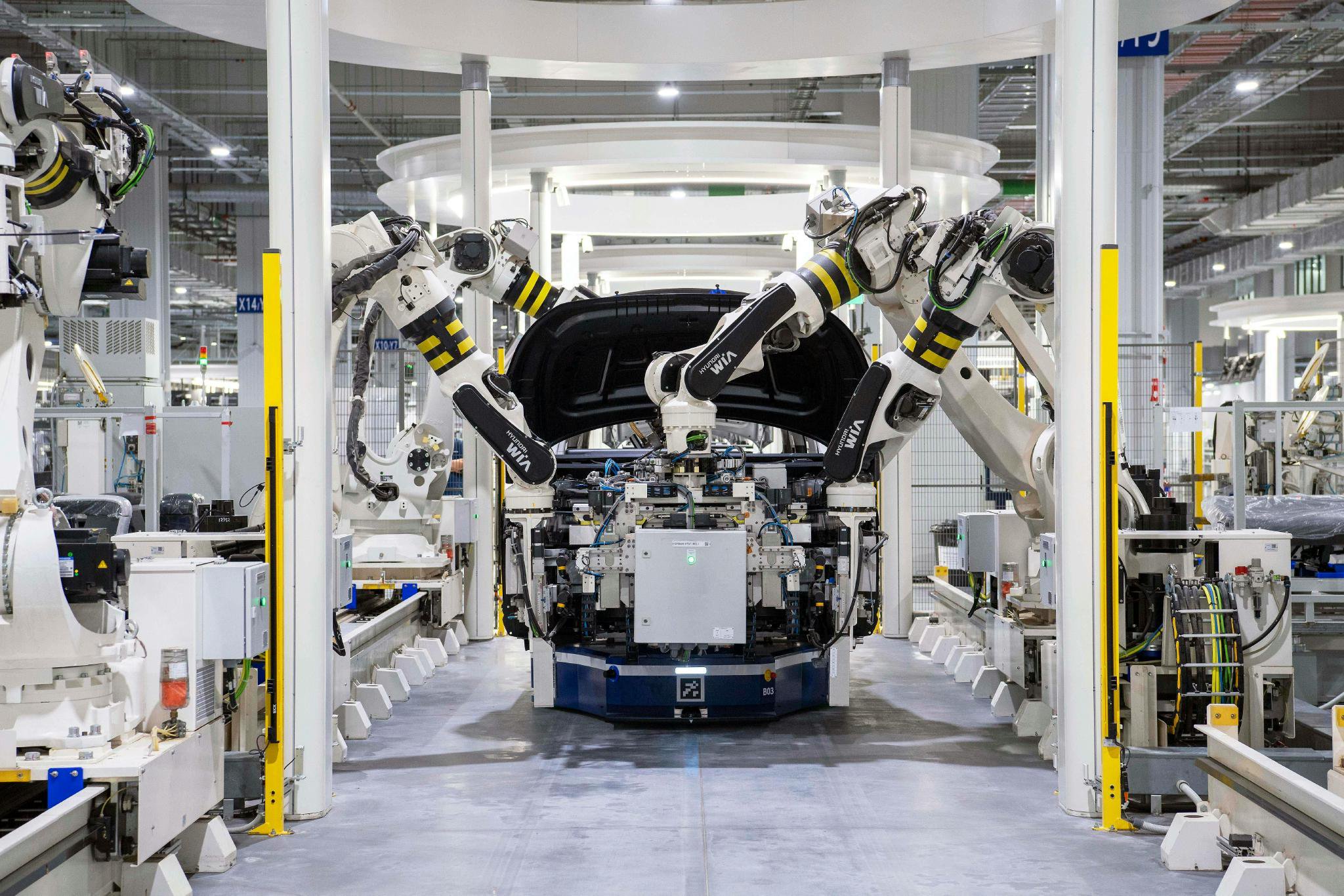
Group 1 - The National Robot Industry Index (980022) has shown a slight increase of 0.11% as of December 31, 2025, with notable gains from companies such as Boke Co., Ltd. (688160) up by 9.51% and iFlytek (002230) up by 2.68% [1] - The Ministry of Industry and Information Technology, along with three other departments, has issued the "Implementation Plan for Digital Transformation in the Automotive Industry," which aims to accelerate the application of artificial intelligence in key areas, promoting the large-scale use of intelligent robots in processes like welding, spraying, and assembly [1] - Huajin Securities indicates that by 2025, humanoid robots will enter a critical stage of industrialization, transitioning from the "0-1" phase to the "1-10" phase, with the demand for complex scene interactions driving an increase in component requirements [1] Group 2 - The top ten weighted stocks in the National Robot Industry Index (980022) as of November 28, 2025, include companies such as Double Ring Transmission (002472) and Ecovacs (603486), collectively accounting for 40.47% of the index [2] - The Robot ETF Penghua (159278) closely tracks the National Robot Industry Index, reflecting the price changes of listed companies related to the robot industry on the Shanghai and Shenzhen stock exchanges [1][3]




2026年家电以旧换新政策出台,有望提振家电消费景气
Guotou Securities· 2025-12-31 02:04
Investment Rating - The report assigns an "A" rating for the investment in major appliance companies such as Midea Group, Haier Smart Home, and Gree Electric Appliances, indicating a "Buy" recommendation with target prices of 94.68, 31.81, and 50.60 CNY respectively [4]. Core Insights - The 2026 appliance replacement policy is expected to boost consumer demand for home appliances, focusing on energy-efficient products and providing subsidies of 15% of the product price, capped at 1500 CNY per item [1][2]. - The 2026 policy has optimized the subsidy scope, reducing the number of supported appliance categories from eight to six, and lowering the subsidy rate from 20% to 15% for high-efficiency products [2][11]. - The first batch of funding for the 2026 policy amounts to 625 billion CNY, a 23% decrease from the previous year's 810 billion CNY, indicating a potential decline in total subsidy funds for the year [2][12]. Summary by Sections Policy Changes - The 2026 policy focuses on six categories: refrigerators, washing machines, televisions, air conditioners, computers, and water heaters, excluding other appliances like stoves and microwaves [2][11]. - The subsidy for high-efficiency products is now set at 15% of the sales price, with a cap of 1500 CNY per item, and consumers can only receive one subsidy per product category [2][11]. Market Impact - The 2025 replacement policy effectively stimulated appliance consumption, with retail sales of home appliances increasing by 14.8% year-on-year from January to November 2025, and over 12.84 million units replaced [3]. - The introduction of the 2026 policy is expected to improve domestic appliance sales, despite some pressure on consumption due to earlier demand release and high base effects [3][9]. Investment Recommendations - The report suggests focusing on three investment themes: 1. High-quality white goods companies with strong cash flow and high dividend yields, such as Midea Group and Haier Smart Home [9]. 2. Companies with strong global capabilities, particularly in emerging markets where appliance penetration is low [9]. 3. Technology-driven appliance companies that are expanding into new business areas, leveraging AI and robotics to enhance product offerings [9].

下好人工智能先手棋 激活全域发展新动能
Xin Lang Cai Jing· 2025-12-30 23:16
(来源:湖州日报) 一、聚焦建章立制,全面谋划产业发展路径。党的二十届四中全会指出,加强人工智能治理,完善相关 法律法规、政策制度、应用规范、伦理准则。为破解智能网联车辆产业在责任界定、准入标准等方面的 制度瓶颈,市经信局牵头推进《湖州市智能网联车辆产业创新发展条例》起草工作,以高水平立法引领 和保障产业高质量发展。该《条例》作为湖州首部针对高科技产业的专项立法将于2026年二季度正式出 台。立足以周密谋划保障扎实成效,牵头形成《人工智能产业发展三年行动计划(2025—2027年)》, 提出了"1+4+N"目标体系,明确了发展路径和重点任务,并成立人工智能高质量发展推进专班,制定目 标任务分解表、招商图谱、重点活动会议赛事清单等文件,为人工智能高质量发展提供了有力指导。组 建市人工智能高质量发展专家智库,聘请知名专家学者和企业家代表为智库成员,为湖州产业规划、政 策制定、项目推进提供专业支撑。 二、聚焦项目招引,主动出击构筑发展优势。"要抓住主要矛盾和矛盾的主要方面"是马克思主义矛盾学 说的核心观点,为我们探索新领域应对新挑战提供了根本遵循。在发展人工智能方面,人工智能龙头企 业和重点项目,是快速形成产业集群 ...