
Momenta

Search documents
别克亮剑新势力
Hua Er Jie Jian Wen· 2025-09-16 07:51
Core Viewpoint - Buick is launching the Electra L7, a mid-large sedan aimed at the competitive price range of 200,000 to 300,000 yuan, marking a significant shift in its strategy to reclaim market presence in the electric vehicle sector [2][3]. Group 1: Product Development and Technology - The Electra L7 is built on the fully self-developed "Xiaoyao" architecture by the Pan-Asia Automotive Technology Center, allowing for a comprehensive approach to product development [3][6]. - The vehicle features a "super range extender" system, addressing range anxiety for consumers and filling a gap in the sedan market where such technology is currently lacking [3][9]. - The collaboration with Momenta has led to the introduction of the R6 flying model for intelligent driving, enhancing the vehicle's competitive edge in smart technology [3][10]. Group 2: Market Positioning and Strategy - Buick aims to redefine its image from being perceived as a "mixed-brand electric vehicle" to a leader in the electric vehicle market, providing a model for the transformation of joint venture brands [2][4]. - The company acknowledges the challenges in the 200,000 to 300,000 yuan market, which is highly competitive, but believes that the Electra L7 can meet consumer needs effectively [4][11]. - The focus on a high-end electric sub-brand reflects Buick's commitment to delivering quality products that leverage its historical strengths in automotive manufacturing [18][22]. Group 3: Organizational Changes and Trust - There has been a significant shift in the organizational structure, with increased autonomy for the Chinese team in product development, which has fostered trust from the American side [3][22]. - The successful execution of the Electra L7 project is seen as a case study for General Motors, showcasing the capabilities of the Pan-Asia team and enhancing confidence in the Chinese market [23][22]. - The collaboration between the American and Chinese teams has improved communication and alignment, leading to better product outcomes and market performance [7][22].


【新华财经调查】中国车企出海面临三大关口 本土化已成趋势
Xin Hua Cai Jing· 2025-09-16 01:35
Group 1: Industry Overview - The 2025 IAA in Germany showcased 748 exhibitors, with 116 from China, representing nearly one-third of overseas participants, surpassing local German companies [1] - Chinese automotive exports reached 3.083 million units in the first half of 2025, with a 75.2% increase in new energy vehicle exports [2] - BYD's sales in Europe exceeded 130,000 units in 2025, marking a 210% year-on-year growth [2] Group 2: Challenges and Strategies - Chinese automakers face significant entry costs, operational costs, and geopolitical challenges when entering the European market [4] - To address these challenges, companies like BYD plan to localize production in Europe, with a factory in Hungary expected to start production this year and another in Turkey by 2026 [4][5] - Other companies, such as Leap Motor and Xpeng, are also pursuing local production and establishing R&D centers in Europe [5] Group 3: Technological Advancements - Chinese companies are leading in technology development, with Momenta showcasing AI-driven Robotaxi technology at the IAA [3] - Partnerships with international giants like Bosch and Qualcomm are being formed to enhance technological integration within the German automotive ecosystem [6] Group 4: Data Compliance and Regulations - The EU's stringent data protection regulations, including GDPR and the upcoming AI Act, pose compliance challenges for Chinese companies [7][8] - Companies are advised to integrate data compliance into their strategic planning to navigate complex international regulations effectively [9] Group 5: Service Network Development - Establishing a robust service network is crucial for building consumer trust in Europe, as local service capabilities impact brand sustainability [10] - Leap Motor has established around 1,700 sales and service points globally, emphasizing the importance of local service networks for market penetration [10]

2025慕尼黑车展上的“中国主场”:从产品出口到生态出海
2 1 Shi Ji Jing Ji Bao Dao· 2025-09-15 13:09
Core Insights - Chinese automotive companies have significantly increased their presence at the 2025 Munich Auto Show, showcasing a larger and more active participation compared to previous years, effectively becoming the focal point of the event [1][2][5] Group 1: Participation and Exhibits - The 2025 Munich Auto Show featured 748 exhibitors, with 116 from China, accounting for nearly one-third of all overseas exhibitors, marking a 40% increase from 2023 [2] - Major Chinese automotive brands such as BYD, Xpeng, Changan, and others presented new models and technologies, positioning themselves as key players rather than mere participants [2][3] - Notable exhibits included BYD's new vehicles and fast-charging technology, Xpeng's advanced models and robotics, and Changan's new concept car, highlighting the innovation and competitiveness of Chinese brands [2][3] Group 2: Strategic Shifts - Chinese automotive companies are transitioning from simple product exports to localized production and ecosystem development in Europe, with five companies announcing plans to build factories in Europe by 2025, involving over €20 billion in investments [3][5] - Collaborations with major European automakers like Volkswagen and Stellantis are facilitating faster adaptation to local market demands for companies like Xpeng [3][4] Group 3: Supply Chain and Technology - Chinese supply chain companies are emerging as key technology providers, particularly in battery and smart technology sectors, with firms like CATL showcasing advanced battery solutions that meet significant European demand [4][5] - Innovations in smart technology were highlighted by companies such as Horizon Robotics and Heisai Technology, which presented cutting-edge products and established partnerships with global automakers [4][5] Group 4: Future Outlook - The shift towards localized production and ecosystem development is expected to enhance the long-term competitiveness of Chinese automotive companies in the global market, moving from product output to ecosystem output [5][6] - The competitive landscape between Chinese and German automotive companies is evolving, with a focus on strategic collaboration and understanding user needs as key to success in the future [6]
万马科技:优咔科技高阶网联赋能Robotaxi,无人驾驶加速商业落地
Zheng Quan Shi Bao Wang· 2025-09-15 07:47
Core Insights - The 2025 Inclusion Bund Conference in Shanghai marked the global debut of Hello Robot1, the first mass-produced Robotaxi model from Hello, alongside the announcement of its Robotaxi strategic plan [1] - The autonomous driving industry is transitioning from concept validation to large-scale commercial operations, with significant developments from companies like Waymo, Tesla, Uber, and local players like LuoBo Kuaipao [2] - Youka Technology, a subsidiary of Wanma Technology, is establishing a comprehensive solution for Robotaxi services, focusing on four core areas: intelligent networking, computing-network integration, data closure, and global operations [3] Industry Developments - The autonomous driving sector is witnessing a surge in demand across logistics, sanitation, and public transport, with companies like Jiushi Intelligent demonstrating significant operational cost reductions and efficiency improvements [2] - Youka Technology has developed advanced technologies in intelligent networking, including 5G dual SIM capabilities, ensuring stable connections for Robotaxi operations [3] - The company has established a global operational capability, supporting eSIM standards and enabling seamless connectivity across nearly 130 countries [3] Technological Advancements - Youka Technology's self-developed "Aoyun" platform integrates NVIDIA H20 computing clusters and DeepSeek models, significantly reducing algorithm iteration cycles to hours [4] - The company leverages 5G private networks and edge computing to provide low-latency network support for Robotaxi services [4] Strategic Collaborations - Youka Technology has formed strategic partnerships with leading autonomous driving companies, including Hello and Zhixingzhe, to enhance the commercial viability of Robotaxi services [5][6] - The collaboration with Hello signifies Youka's entry into the core service area of Robotaxi, validating its technological capabilities and establishing a foundation for future cooperation [5] - The partnership with Zhixingzhe extends the application of "5G + autonomous driving" to broader Robo X scenarios, ensuring high reliability and low latency for their autonomous vehicles [6] Market Positioning - Youka Technology's collaborations are designed to achieve "complementary advantages," linking its technological capabilities with the strengths of partners like Hello and Zhixingzhe [7] - As the smart driving industry enters a phase of large-scale commercialization, the value of vehicle networking as a core infrastructure is becoming increasingly prominent [7] - Youka Technology's strategic positioning in the vehicle networking sector is expected to drive its performance growth and open new avenues for its parent company, Wanma Technology [7]
中国自动驾驶:Robotaxi,未来已来-China Autonomous Driving_ Robotaxi_ The future is now
2025-09-15 01:49
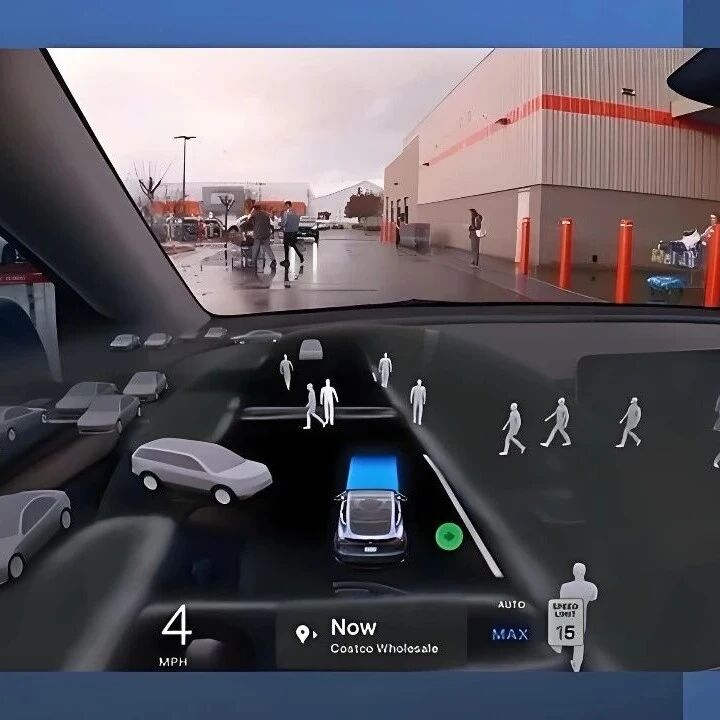
Summary of Key Points from the Conference Call on China Autonomous Driving Equities Industry Overview - The focus is on the **robotaxi** sector in China, highlighting the rapid advancement and commercialization of driverless taxi services in major cities like Shenzhen, Guangzhou, Beijing, and Shanghai [2][3][7]. Core Insights - **Commercialization Acceleration**: Driverless taxi services are now operational in selected geofenced areas, showcasing the technology's maturity and increasing commercial viability. Initial pricing models include heavy discounts to attract users, with expectations of a 10-20% discount compared to traditional taxi services in the future [2][3]. - **Technological Advancements**: The average cost of a robotaxi is approximately **RMB 300,000 (USD 40,000)**, driven down by cheaper sensors and enhanced processing power. Improved AI algorithms and larger data sets are also contributing to operational efficiency [3][7]. - **Regulatory Support**: The regulatory environment is becoming more favorable, with expectations for more licenses to be issued to operators, which will facilitate the expansion of robotaxi services across cities [3][9]. - **Fleet Expansion Projections**: The robotaxi fleet in China is anticipated to grow **10x** from a few thousand to tens of thousands by the second half of **2025-2026**. This growth is supported by partnerships between ride-hailing platforms and robotaxi companies, driven by the potential for increased profit margins [4][7]. Additional Important Points - **Public Acceptance and Safety**: As robotaxi fleets expand, visibility will increase, potentially improving public acceptance and usage rates. Operators must demonstrate a good safety record to secure licenses [9][10]. - **Global Collaborations**: Companies like **Uber** are investing in Chinese robotaxi firms such as **Pony** and **WeRide**, indicating a strategic shift towards collaboration rather than in-house development of autonomous driving technologies [13]. - **Comparative Economics**: China's operational costs and pricing models for robotaxis are more favorable compared to global counterparts, facilitating quicker rollouts of services in new cities [11][12]. - **Risks and Challenges**: Potential risks include slower-than-expected progress in autonomous driving technology, regulatory hurdles, and geopolitical supply chain issues that could impact the growth of the robotaxi market [23][24]. Related Companies - **Pony.ai**: A leading player in autonomous mobility, expanding its services globally [16]. - **WeRide**: Focused on developing autonomous driving technologies and has received permits in multiple markets [17]. - **Ruqi Mobility**: A pioneer in the commercialization of autonomous driving technology, backed by significant investments [18]. - **Horizon Robotics**: Provides smart driving solutions and is positioned to benefit from the growth of the robotaxi market [14]. This summary encapsulates the key insights and projections regarding the robotaxi industry in China, emphasizing technological advancements, regulatory support, and market dynamics that are shaping the future of autonomous driving.

周观点 | 机器人Q4迎重磅催化 看好T链核心主线【民生汽车 崔琰团队】
汽车琰究· 2025-09-14 11:05
Key Points - The article highlights the performance of the automotive sector, with a focus on passenger car sales and the impact of new policies on the market [2][45] - It emphasizes the strong performance of the automotive sector in the stock market, outperforming the broader market indices [3] - The article suggests a core investment portfolio, recommending several key automotive companies [4][11] - It discusses the upcoming catalysts in the robotics sector, particularly related to Tesla's Optimus V3 [5][17] - The article notes the significant new model launches in the passenger car segment, which are expected to drive sales [6][12] - It provides investment recommendations across various segments, including passenger cars, components, and robotics [7][19] Automotive Sales Data - In the first week of September 2025, passenger car sales reached 368,000 units, down 9.5% year-on-year and down 29.8% month-on-month [2][45] - New energy vehicle sales were 221,000 units, up 3.1% year-on-year but down 23.6% month-on-month, with a penetration rate of 60.2%, an increase of 4.8 percentage points [2][45] Market Performance - The automotive sector in A-shares rose by 3.9% from September 8 to September 12, outperforming the CSI 300 index, which increased by 2.9% [3] - Sub-sectors such as automotive parts and services saw significant gains, while passenger cars experienced a slight decline of 0.8% [3] Investment Recommendations - The article recommends focusing on high-quality domestic brands that are accelerating in smart technology and globalization, including Geely, Xpeng, Li Auto, BYD, and Xiaomi [4][14] - It also highlights specific companies in the automotive parts sector and robotics that are expected to benefit from industry trends [7][19] Robotics Sector Insights - The robotics sector is anticipated to see significant catalysts in Q4 2025, particularly with the release of Tesla's Optimus V3 [5][17] - The article notes that the production of Optimus V3 is expected to ramp up quickly, with a target of producing hundreds of prototype units by the end of 2025 [5][17] New Model Launches - Several new models are set to launch in September, including vehicles from Chery, NIO, and Geely, which are expected to boost sales in the high-end market segment [6][12] Component and Technology Trends - The article discusses the low valuation of automotive components and the expected growth in the new energy vehicle supply chain [15][16] - It highlights the importance of smart driving technology and the potential for significant growth in this area [15][16]


想跳槽去具身,还在犹豫...
自动驾驶之心· 2025-09-12 16:03
Core Viewpoint - The article discusses the ongoing developments and challenges in the autonomous driving industry, emphasizing the importance of community engagement and knowledge sharing among professionals and enthusiasts in the field [1][5]. Group 1: Community Engagement - The "Autonomous Driving Heart Knowledge Planet" serves as a comprehensive community for sharing knowledge, resources, and job opportunities related to autonomous driving, aiming to grow its membership to nearly 10,000 in the next two years [5][15]. - The community has over 4,000 members and offers various resources, including video content, learning routes, and Q&A sessions to assist both beginners and advanced practitioners [5][11]. Group 2: Technical Discussions - Key topics discussed include the transition from rule-based systems to end-to-end learning in autonomous driving, the potential of embodied intelligence versus intelligent driving, and the current state of companies excelling in smart driving technologies [2][3][19]. - The community has compiled over 40 technical routes covering various aspects of autonomous driving, including perception, simulation, and planning control [15][27]. Group 3: Industry Trends - The article highlights the ongoing shifts in the industry, such as the exploration of end-to-end algorithms and the importance of data loops in enhancing autonomous driving capabilities [2][19]. - There is a focus on the employment landscape, with discussions on the stability of hardware-related positions compared to rapidly evolving software roles in the autonomous driving sector [2][19]. Group 4: Learning Resources - The community provides structured learning paths for newcomers, including comprehensive guides on various technical stacks and practical applications in autonomous driving [11][15]. - Members can access a wealth of resources, including datasets, open-source projects, and insights from industry leaders, to facilitate their learning and career development [27][28].
不逼你选电动,才是中国车的真底气
Hu Xiu· 2025-09-11 23:54
Core Viewpoint - The recent policy change in Beijing allows for greater flexibility in switching between electric and fuel vehicles, reflecting a shift in consumer sentiment towards electric vehicles without the pressure of moral obligations or restrictive regulations [1][3][20]. Group 1: Policy Changes - Beijing's new vehicle license policy permits owners to switch back to fuel vehicles after having owned electric ones, indicating a more relaxed regulatory environment [1][18]. - Historically, Beijing has had stringent vehicle regulations, such as requiring permits for non-local vehicles and implementing early transitions to stricter emissions standards [2][4]. Group 2: Consumer Sentiment - The current market shows that consumers are now purchasing electric vehicles out of genuine preference rather than compulsion from policies, with one in two new cars being electric [4][20]. - The perception of electric vehicles has evolved, with consumers now valuing reliability and advanced features over mere compliance with environmental standards [9][20]. Group 3: Market Dynamics - The article highlights a significant shift from a market where consumers were primarily motivated by obtaining vehicle licenses to one where they are actively choosing products based on quality and features [5][9]. - The competitive landscape is changing, with Chinese automakers increasingly defining their own standards and innovating in response to consumer needs, contrasting with the struggles faced by European manufacturers due to inconsistent policies [12][13][17]. Group 4: Future Outlook - The flexibility in vehicle choice reflects a broader trend where consumers prioritize comfort and usability over rigid adherence to environmental mandates, suggesting a more mature market [14][20]. - The article emphasizes that the best approach to promoting electric vehicles is to provide options that enhance consumer experience rather than enforcing strict regulations [18][21].
19.79万元起售,增程版的新智己LS6能否打出「翻身仗」?丨智驾前线
雷峰网· 2025-09-11 11:00
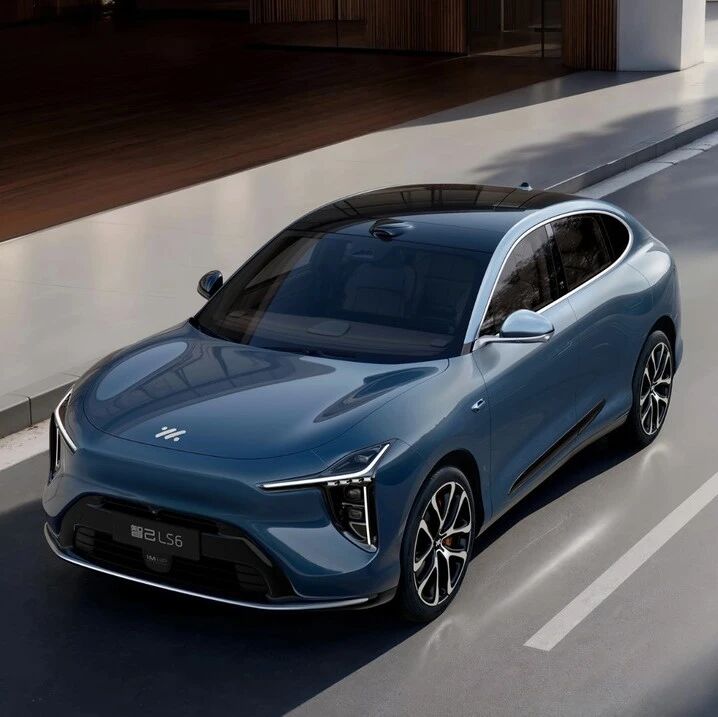
Core Viewpoint - The launch of the new generation of IM LS6 marks a significant shift for the brand towards range-extended technology, aiming to capture market attention and improve sales performance after a lackluster first half of the year [2][3][34]. Group 1: Product Overview - The new IM LS6 is positioned as a super large 5-seat intelligent SUV, featuring a robust design and advanced technology [4]. - The vehicle offers both pure electric and range-extended versions, with a total of nine configurations available [5][6][8]. - The LS6 has received over 10,000 pre-orders within 27 minutes of its launch, indicating strong market interest [10]. Group 2: Technical Specifications - The LS6 is equipped with a 66 kWh battery, providing a comprehensive range of 1,500 kilometers and a pure electric range of 450 kilometers under CLTC conditions [4][17]. - The vehicle features advanced driving assistance systems, including the new IMAD3.0, which supports "no-map city NOA" and "one-click AI driving" [22][25]. - The LS6 utilizes a dual 18° smart four-wheel steering system, achieving a turning radius as low as 4.49 meters, enhancing maneuverability [14][15]. Group 3: Market Context - IM's sales in the first half of the year were only 19,000 units, significantly lower than competitors like Lantu and Avita, which have consistently surpassed 10,000 monthly sales [2][34]. - The shift to range-extended technology is seen as a critical move for IM to regain market relevance and compete effectively in the growing electric vehicle segment [3][34]. - The collaboration with major battery manufacturers like CATL and the introduction of large battery packs are expected to drive market growth and meet consumer demands for longer ranges [19][20].
记者探访慕尼黑国际车展 116家中企闪亮登场
Xin Hua She· 2025-09-11 09:32
Core Insights - The 2025 Munich International Motor Show showcased the strength and complete ecosystem of China's electric vehicle (EV) industry, with 116 Chinese automotive and supply chain companies participating [2] - Chinese brands registered over 35,000 new vehicles in Germany from January to August this year, indicating significant growth [2] - Collaboration between European automakers and Chinese companies is increasing, with many new models featuring Chinese batteries and smart driving technologies, marking a shift to a "Joint Venture Cooperation 2.0 Era" [2] Industry Trends - The presence of Chinese companies at the motor show highlighted advancements in electric and intelligent vehicle technologies, with brands like Xpeng, Leapmotor, BYD, and Changan attracting considerable attention [2] - German consumers experienced Chinese EVs firsthand, often expressing surprise at the advanced smart cockpit and interactive features [2] - A survey by the German Automotive Industry Association revealed that 70% of responding companies plan to increase investments in China, with a focus on research and development [2] Market Dynamics - The automotive industry is transitioning from "in China, for China" to "in China, for the world," creating a complementary relationship between Chinese and European automotive sectors [2] - Experts believe that China's advantages in electrification and intelligence are aiding European automakers in accelerating iterations and controlling costs [2] - The future of the automotive industry is increasingly seen as being centered in China, according to German automotive experts [2]

