
戴德梁行

Search documents
戴德梁行:2025年中国内地房地产大宗交易总成交规模1448亿元
Zhong Guo Xin Wen Wang· 2026-01-12 14:02
Core Insights - The total transaction scale of real estate bulk transactions in mainland China is projected to reach 144.8 billion yuan by 2025, indicating a significant market size [1] - The emergence of self-use buyers is reshaping the buyer structure in the market, with Beijing's bulk transaction scale expected to record 15 billion yuan, showing a phase of decline [1] Group 1: Policy and Market Dynamics - The China Securities Regulatory Commission and the National Development and Reform Commission will include super-grade and grade A office buildings, as well as four-star and above hotel projects in the public REITs pilot program by 2025 [1] - The expansion of the public REITs pilot program to include office buildings and hotels marks a new phase in the financialization of real estate in China, providing standardized and market-oriented exit channels for existing assets [1][2] - The shift from relying solely on development sales to a full-cycle capability competition in the market emphasizes the growing importance of professional services and value operations [1] Group 2: Future Growth and Market Trends - The potential and space for development in the real estate industry remain significant, with the era of large-scale expansion in urban real estate coming to an end [2] - Future growth in the real estate sector will increasingly come from refined operations of existing assets, quality upgrades in property services, and the regulated development of the rental market [2] - In 2025, the Beijing retail market will see the opening of 13 quality projects, adding over 1.1 million square meters of premium retail space, highlighting a focus on consumer experience and cultural integration [2]
文化赋能商业 2025年北京新增110万平方米零售空间
Bei Jing Shang Bao· 2026-01-12 13:57
Group 1 - The core viewpoint of the news is that the Beijing retail market is set to experience significant growth in 2025, with the addition of over 1.1 million square meters of quality retail space through 13 new projects and upgrades of older commercial properties [1] - The transformation of commercial spaces into "urban living rooms" is a key trend, emphasizing the integration of consumer experience with local culture [1] - The operation of cultural and IP assets is evolving from a singular symbol approach to a more global and matrix-based strategy [1] - The shift in commercial operation philosophy from "traffic-oriented" to "long-term management" is being driven by diverse capital involvement [1] Group 2 - The sixth issue of the "China REITs Index Real Estate Capitalization Rate Survey Report" indicates that capitalization rates are a core pricing anchor for real estate, reflecting industry confidence and investment logic [2] - The expansion of public REITs to include office buildings and hotels marks a new phase in the financialization of Chinese real estate, providing standardized exit channels for existing assets and diverse investment options for institutional investors [2] - The market is transitioning from a reliance on development and sales to a full-cycle capability competition, highlighting the increasing importance of professional services and value operations [2]
戴德梁行:房地产转型提质大有可为 以资产管理激活行业发展新动能
Zheng Quan Ri Bao Wang· 2026-01-12 13:50
Core Insights - The event hosted by CBRE focused on the latest trends in the real estate market, featuring discussions on office buildings, commercial trends, large transactions, REITs, and asset management, aiming to provide insights into market dynamics and pathways for breakthroughs [1] - The expansion of public REITs to include office and hotel assets marks a new phase in the financialization of real estate in China, providing standardized exit channels for existing assets and enhancing investment options for institutional investors [1] - The future growth of the real estate sector will increasingly rely on the optimization of existing assets, quality upgrades in property services, and the regulated development of the rental market, rather than solely on new developments [1] Market Trends - The Chief Policy Analyst at CBRE highlighted that expanding domestic demand and boosting consumption will be key drivers of economic growth in the complex international environment leading up to 2026 [2] - The performance of Beijing's office market in 2025 was reviewed, identifying core opportunities for market breakthroughs through industrial upgrades and operational strategy optimization, despite facing multiple challenges [2] - The retail market in Beijing is expected to see the opening of 13 quality projects in 2025, adding over 1.1 million square meters of retail space, alongside the renovation of older commercial projects to enhance market quality [2] REITs and Capitalization Rates - CBRE released the sixth edition of the "China REITs Index Real Estate Capitalization Rate Survey Report," indicating that capitalization rates serve as a core pricing anchor for real estate, reflecting industry confidence and investment logic [3] - The report aims to guide the development direction of the industry and assist in the value extraction of commercial real estate as public REITs expand into office and hotel sectors [3] Asset Management Strategies - The asset management strategy emphasizes "long-term resilience" as a core logic, with REITs serving as a key practical vehicle for this approach, evolving from single asset products to sustainable value operation platforms [4] - The investment logic is shifting from "profit from price differences" to "long-term holding and self-use adaptation," providing stable liquidity and operational certainty for core assets [4]
房地产下半场的机会在哪里
经济观察报· 2026-01-12 09:53
Core Viewpoint - The Chinese real estate industry is transitioning from a phase of large-scale expansion to a new stage focused on optimizing existing assets, enhancing property services, and developing the rental market, indicating significant future growth potential [1][17]. Group 1: Historical Context and Current Trends - The real estate sector in China has undergone profound adjustments over the past five years, moving from a high-leverage, high-turnover development model to a more sustainable approach [2]. - From 2000 to 2013, the average annual growth rate of real estate development investment was 24%, making it a pillar of China's economic development and creating over 70 million jobs [2]. - The proportion of real estate investment in GDP has decreased from 14.9% in 2014 to an expected 6.67% by Q3 2025, with a negative average growth rate of -10% from 2022 to 2024 [2][3]. Group 2: Market Dynamics and Future Outlook - The current real estate market in China has shifted from a state of housing shortage to a balance, with a focus on quality rather than quantity [8]. - The development model for real estate companies is evolving from a manufacturing-like approach to an integrated model of product, service, and operation [8]. - The potential for commercial real estate is significant, with the expectation that its contribution to the real estate sector could rise, generating an annual industry volume of 423 billion yuan (approximately 60.4 billion USD) if its share increases to 5% [10]. Group 3: Financial Instruments and Policy Support - The expansion of REITs in China is underway, with 78 publicly listed infrastructure REITs and a total issuance scale of approximately 220 billion yuan, covering various asset classes [15]. - The development of real estate finance, particularly through REITs, is crucial for creating a healthy cycle of investment and management in commercial real estate [15]. - The central economic work conference in 2025 emphasized stabilizing the real estate market and implementing policies to promote healthy and stable industry development [17].


戴德梁行:香港2026年楼价升幅将在5%以内
智通财经网· 2026-01-12 07:44
Group 1: Residential Market - Hong Kong residential property prices increased by approximately 1.8% as of October last year, with an expected transaction volume of around 62,000 units for the entire year of 2025 [1] - The residential price increase for 2026 is anticipated to be within 5% [1] - The positive market sentiment in 2025 was driven by a sustained low-interest environment and a wealth effect from a strong stock market, leading to a recovery in property prices [1] Group 2: Office Market - The office market showed significant recovery by the end of last year, with a net absorption of approximately 984,000 square feet in the fourth quarter, leading to an expected total absorption of about 1.6 million square feet for 2025, the highest in seven years [1] - The banking and financial sectors continued to be the main drivers of new leasing demand, with Central district rents increasing by approximately 1.9% quarter-on-quarter [1] - Overall office rents are projected to fluctuate between a decrease of about 1% and an increase of about 1% in 2026 [1] Group 3: Retail Market - The retail market improved in the fourth quarter of last year due to a rebound in visitor numbers, with a decrease in overall retail property vacancy rates to approximately 5.9% [2] - New leasing transactions in Central were primarily driven by banks, financial institutions, and high-end skincare brands [2] - Retail rents are expected to rise by about 2% to 3% in the first half of 2026 [2] Group 4: Logistics Market - The logistics property market remains under pressure, with a rise in the vacancy rate of premium warehouses to approximately 11.2% in the fourth quarter of 2025, a new high since the pandemic [2] - Despite an overall increase in trade performance, leasing demand in the logistics sector remains weak, with rents declining by approximately 3.4% quarter-on-quarter [2] - Overall logistics property rents are expected to decrease by about 7% in 2026 [2] Group 5: Capital Markets - The investment atmosphere improved significantly in the fourth quarter due to falling interest rates and attractive asset prices, with total transaction value for properties over HKD 100 million rising to approximately HKD 19.1 billion, a quarter-on-quarter increase of about 115% [2] - Office properties accounted for about 87% of the total transaction volume for the quarter [2] - The total property investment transaction value for 2026 is expected to be around HKD 40 billion [2]
又一批韩国品牌来华开店
第一财经· 2026-01-09 09:28
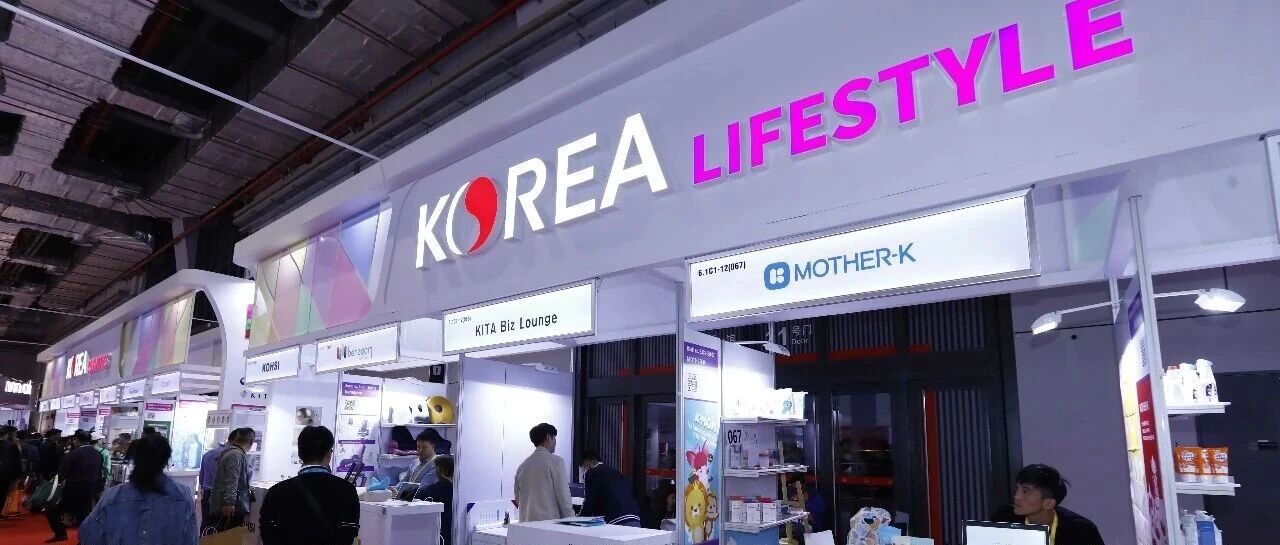
Core Viewpoint - The article highlights the resurgence of inbound tourism in Shanghai in 2025, significantly boosting retail performance in commercial real estate, with a notable influx of Korean brands entering the market as a strategic move to establish a presence in China [3][4]. Group 1: Market Performance - In 2025, Shanghai's total retail sales of consumer goods reached 15,212.93 billion yuan, marking a year-on-year growth of 5.0%, outpacing the national average [3]. - The influx of inbound tourists and the increase in tax refund sales have notably stimulated consumption in the cultural tourism, dining, and retail sectors [3]. - Despite the active retail market, the average rent in core commercial areas slightly declined compared to 2024, and the vacancy rate remained relatively stable due to increased supply [4]. Group 2: Korean Brand Expansion - At least 20 Korean brands entered the Chinese market in 2025, with many choosing Shanghai as their first store or flagship location [4][5]. - The current wave of Korean brands differs from the previous "Korean Wave," focusing more on fashion and lifestyle rather than just beauty products [5]. - The "new Korean Wave" is supported by favorable policies and cultural resonance, with brands like MUSINSA planning to open over 100 stores in China within five years, backed by local partnerships [5]. Group 3: Consumer Trends - The Z generation has become the main consumer force, showing a natural acceptance of Korean trends and a desire for unique and practical products [5]. - For sustainable growth in the Chinese market, Korean brands must balance maintaining their trendy identity with deepening local operations to understand the evolving needs of Chinese consumers [5].
又一批韩国品牌来华开店,“新韩流”与过去不太一样
Di Yi Cai Jing· 2026-01-09 07:58
Core Insights - Shanghai has become the preferred location for Korean brands to open stores in China, with plans for over 100 new stores in the next five years [1][3] - The increase in inbound tourism and retail performance in Shanghai is significantly driven by the recovery of the tourism sector in 2025 [1] - The Shanghai government has implemented a three-year action plan to enhance commercial districts, aiming for a 5% annual growth in consumption scale by 2026 [1] Market Performance - In 2025, Shanghai's total retail sales reached 15,212.93 billion yuan, marking a 5.0% year-on-year increase, outpacing the national average [1][2] - The influx of iconic commercial projects in 2025 has attracted significant foot traffic, although the commercial real estate market remains under pressure due to increased supply [2] - Core district average rents have slightly decreased, while vacancy rates have remained stable [2] Korean Brand Expansion - At least 20 Korean brands have entered the Chinese market in 2025, with a focus on major cities like Shanghai, Beijing, and Shenzhen [2][3] - The current wave of Korean brands differs from the previous "Korean Wave," focusing more on fashion and lifestyle rather than just beauty products [3] - The "Z Generation" is becoming the main consumer force, showing a strong acceptance of Korean trends and a desire for unique and practical products [3] Strategic Partnerships - Korean brand MUSINSA has opened dual flagship stores in Shanghai, backed by a 40% stake from Anta Group, indicating a trend of local partnerships to accelerate market entry [3] - The combination of policy incentives and cultural resonance is creating a favorable environment for Korean brands to thrive in China [3]
戴德梁行年终盘点:上海写字楼市场供需博弈
Sou Hu Cai Jing· 2026-01-08 07:50
戴德梁行中国区项目及企业服务部总裁魏超英表示,2025年末,上海写字楼市场已在供应放量与需求分 化的深度博弈中完成阶段性调整。2026年,市场将正式迈入"存量提质、需求分层、运营革新、资本聚 焦"的结构性转型期,行业竞争逻辑从过往的"规模扩张"转向"质量与效率双轮驱动"。在上海《关于推 进上海市商务楼宇更新提升的实施意见》等城市更新政策及企业办公需求迭代的双重推动下,办公空间 从单一的物理载体,升级为承载产业生态构建、城市文化传承与企业成长发展的复合型价值平台。 零售市场消费稳中向好 大宗市场筑底蓄能 多层次REITs繁荣发展 上海,2026年1月6日——享誉全球的房地产服务和咨询顾问公司戴德梁行成功举办2025年终市场回顾媒 体发布会,针对写字楼市场、零售商业市场、大宗交易市场、产业地产市场以及REITs资产证券化市场 进行全景盘点,并展望2026年行业发展新机遇。 上海写字楼市场2026年开启存量提质与生态重构下的结构性机遇 2025年,上海甲级写字楼市场迎来供应放量周期,全年共14个新项目集中入市,总供应面积约85万平方 米,新增体量主要分布于浦东前滩、徐汇滨江、普陀真如等新兴板块。四季度,长宁虹桥"晶 ...
全国首单!外高桥工业厂房机构间REITs正式挂牌
2 1 Shi Ji Jing Ji Bao Dao· 2026-01-07 12:51
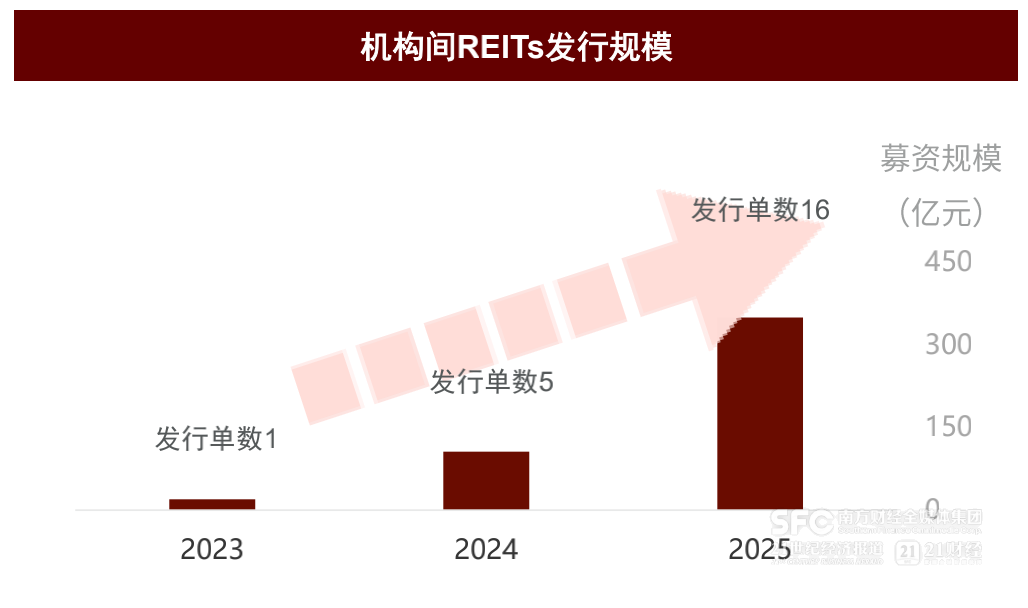
Core Insights - The article highlights the emergence of inter-institutional REITs in China, particularly focusing on the first industrial factory inter-institutional REIT launched by Waigaoqiao Group, which signifies a new financing model and a multi-layered REITs market structure [1][3][6] Group 1: Inter-Institutional REITs Overview - Inter-institutional REITs, also known as holding-type real estate ABS, are a crucial part of the multi-layered REITs market, emphasizing asset authenticity, expected stability, and effective mechanisms [1][2] - These REITs serve as a bridge between Pre-REITs and public REITs, designed with flexible systems to meet the core needs of both financiers and investors, offering advantages such as relaxed asset entry requirements and efficient issuance processes [2][3] Group 2: Market Growth and Statistics - By the end of 2025, the cumulative issuance scale of inter-institutional REITs reached 47.5 billion, with the number of products increasing to 22, marking a significant growth from 5 products in 2024 [3][6] - The year 2025 is noted as a pivotal year for the rapid growth of inter-institutional REITs, with a doubling of new issuances compared to the previous year, indicating a robust expansion in this segment of the market [3][6] Group 3: Policy and Regulatory Environment - The Chinese government continues to release policy incentives, including the inclusion of super-class A commercial office buildings in 22 mega cities in the 2025 REITs project industry scope [8] - Regulatory bodies have streamlined the approval process for commercial real estate REITs, significantly enhancing the efficiency of the review process, which supports the development of inter-institutional REITs [8] Group 4: Future Outlook - The inter-institutional REITs are expected to play a crucial role in the reform of state-owned enterprises and the preservation and appreciation of state assets, with Waigaoqiao Group's initiatives serving as a model for others [8][9] - Looking ahead to 2026, the REITs market in China is anticipated to undergo further expansion, with the inclusion of high-quality commercial properties into the REITs framework, aligning more closely with international capital markets [9]


戴德梁行:2025年深圳优质购物中心净吸纳量同比增长3.0% TMT行业拉动甲级写字楼租赁需求
Zheng Quan Ri Bao Wang· 2026-01-07 06:48
Group 1: Market Overview - In 2025, Shenzhen's retail property market is expected to see significant supply highlights, positively impacting market confidence and consumer potential [1] - The total supply of quality shopping centers in Shenzhen for 2025 is projected to reach 763,000 square meters, with notable openings including major shopping centers like Qianhai Ice and Snow World and Shenzhen Bay MixC Phase II [1] - The net absorption of quality shopping centers in Shenzhen is anticipated to reach 613,000 square meters, a 3% increase from 2024, although the vacancy rate is expected to rise slightly to 9.1% [2] Group 2: Rental Trends - The average rent for quality shopping centers in Shenzhen is projected to decrease by 10.7% to 697.1 yuan per square meter per month due to competitive market pressures [2] - The average rent for Grade A office buildings in Shenzhen is expected to decline by 11.7% to 149.4 yuan per square meter per month by the end of 2025, reflecting a tenant-driven market [3] Group 3: Sector Dynamics - The introduction of new shopping centers aims to create diverse consumer experiences while enhancing urban aesthetics, with 1,657,000 square meters of quality shopping centers planned for the next three years [2] - The TMT sector is the largest contributor to Grade A office leasing demand in Shenzhen, accounting for about one-third of total demand, driven by the rapid development of the AI industry [3] - The "cost reduction and efficiency enhancement" strategy remains crucial for enterprises, influencing their demand for office properties [3]