欧莱雅

Search documents
L'Oreal's Shares Drop After Soft End to the Year
WSJ· 2026-02-13 09:47
Core Insights - The cosmetics giant reported weaker-than-expected results for the previous year, indicating challenges in navigating a complex beauty market landscape [1] Company Performance - The company's financial performance fell short of market expectations, reflecting difficulties in adapting to changing consumer preferences and competitive pressures [1] Market Landscape - The beauty market is described as complex, suggesting a variety of factors influencing consumer behavior and market dynamics, which may have contributed to the company's underperformance [1]



65岁西班牙人成为赛诺菲史上首位女CEO,为何股价下跌
Di Yi Cai Jing Zi Xun· 2026-02-13 08:44
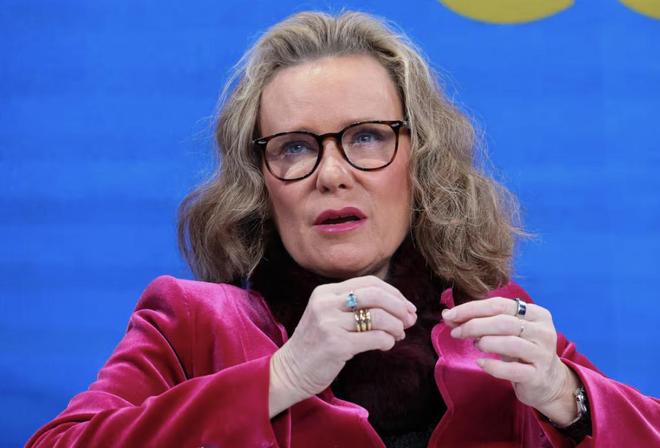
即将上任的葛丽鹤预计将面临来自投资者的巨大压力。由于过去几年赛诺菲的药物研发管线停滞不前, 加之美国反疫苗政策的影响,过去一年赛诺菲股价下跌超过25%。 当地时间2月12日,法国制药巨头赛诺菲宣布不再延长现任CEO韩保罗(Paul Hudson)的任期,并任命 65岁的现默克CEO、西班牙人葛丽鹤(Belén Garijo)为CEO。葛丽鹤也将成为赛诺菲史上首位女性 CEO,她将于2026年4月29日集团年度股东大会结束后正式履职。 不过在这一消息公布后,当天赛诺菲股价下跌4.5%。 一位医药行业高管对第一财经记者表示:"赛诺菲的新任命让市场不解,这是公司股价下跌的原因,市 场可能期待一位更激进的管理者。" 葛丽鹤于2021年出任默克CEO,她还是法国化妆品巨头欧莱雅的董事会成员。去年,默克集团宣布,葛 丽鹤将按计划在2026年4月底完成任期。在加入默克前,葛丽鹤在赛诺菲工作了15年,当时她是欧洲和 加拿大制药业务副总裁兼执行委员会成员,主要工作包括整合赛诺菲在美国的罕见病药物部门。 不过葛丽鹤在默克任职期间,该公司在新药开发方面遭遇了许多挫折,仅三款新药进入市场。此外,尽 管她在不同领域有着广泛的经验,但市 ...

食饮吾见 | 一周消费大事件(2.9-2.13)
Cai Jing Wang· 2026-02-13 08:34
Regulatory Changes - The State Administration for Market Regulation (SAMR) has introduced new regulations for the bulk transportation of key liquid foods to enhance food safety oversight [1][2] - A comprehensive regulatory framework has been established, including a directory of key liquid foods, management methods for transportation permits, and standards for sanitary requirements [1][2] Food Safety Measures - The new regulations include a directory that categorizes 14 subtypes of liquid foods, specifying the use of dedicated transport containers [2] - A management method for transportation permits has been developed, detailing strict conditions and procedures for obtaining permits [2] - A traceability system has been implemented, requiring all parties involved in the transportation process to maintain accurate records [2] Industry Developments - Nestlé has been prompted to recall specific batches of infant formula due to the detection of Bacillus cereus toxins, with no confirmed cases of poisoning reported in China [3] - The revised Food Recall Management Measures emphasize the responsibilities of food producers and regulatory bodies, enhancing the framework for food recall processes [4] Corporate Strategies - The founder of Pang Donglai has announced that the company will never go public and aims to maintain a youthful management team [5] - Yonghui Supermarket has reported a significant turnaround with a dual increase in same-store sales and customer traffic after a strategic transformation [6][7] Financial Performance - L'Oréal reported a 4% increase in sales to €44.05 billion, with all business sectors showing growth, particularly in professional products [9] - Kraft Heinz announced a pause on its spin-off plans, focusing on returning to profitable growth amid a 3.5% decline in net sales [10] - Coca-Cola's Q4 net profit rose by 5% to $2.316 billion, driven by a 13% increase in sales of its no-sugar products [11][12] - Budweiser APAC reported a 6.1% decrease in revenue to $5.764 billion, with a focus on enhancing non-immediate and O2O channels to improve sales performance [13]



欧莱雅集团,再造10亿欧元品牌
FBeauty未来迹· 2026-02-13 08:29
Core Viewpoint - L'Oréal delivered a robust performance in 2025, achieving a sales revenue of €44.05 billion (approximately ¥361.09 billion) with a comparable growth of 4.0%, despite challenges in the global beauty market and currency pressures [3][4][31] Financial Performance - Annual sales reached €44.05 billion, with a comparable growth of 4.0%. Quarterly growth accelerated from 3.5% in Q1 to 6.0% in Q4 [3] - Operating profit margin improved to 20.2%, marking a historical high with a year-on-year increase of 20 basis points [3] - Operating cash flow was €7.2 billion, reflecting a year-on-year growth of 7.8%, indicating the best cash flow health in recent years [3] Business Segment Performance - All four major business divisions reported positive growth, with the Professional Hair Products division leading at a 7.5% comparable growth rate and sales exceeding €5 billion for the first time [6] - The Skin Science and Beauty division grew by 5.5%, with significant fourth-quarter acceleration to double-digit growth [8] - The Luxury Cosmetics division saw a 2.8% increase in annual sales to €15.595 billion, with a notable 3.6% growth in the second half, excluding the struggling Asian travel retail sector [10] - The Mass Market Cosmetics division achieved a 3.5% growth, primarily driven by hair care products [11] Regional Performance - North Asia reported a 0.5% year-on-year growth, marking the first positive result after two years of decline, with the Chinese market being a key driver [15] - Europe experienced a 4.4% comparable growth, outperforming the regional beauty market for the third consecutive year [13] - North America showed a clear V-shaped recovery with a 3.4% annual growth, improving from 2.0% in the first half to 4.9% in the second half [13] Strategic Developments - L'Oréal is focusing on high-end, medical, and licensed brands, with a significant acquisition of Kering's beauty business for €4 billion, enhancing its luxury fragrance portfolio [21][22] - The company is investing in technology, launching innovative products like the Light Straight+Multi-styler and LED Face Mask, and establishing a new Beauty Tech center in Mumbai to develop AI-based beauty solutions [28][29] - A major organizational restructuring has occurred, with key personnel changes aimed at leveraging localized experience from emerging markets to enhance operations in North America and travel retail [24][25] Market Trends - The company is shifting from prioritizing overall growth to focusing on quality market share expansion, concentrating resources on profitable and high-potential segments [20] - L'Oréal's strategy includes launching customized products tailored to Chinese consumer demands, reflecting a trend towards localized innovation [19]

人工智能恐慌蔓延——房地产、卡车运输与物流行业成为最新受害者
Xin Lang Cai Jing· 2026-02-13 08:19
Group 1: Impact of Artificial Intelligence on Industries - Artificial intelligence is becoming a market focus, negatively impacting real estate, trucking, and logistics stocks, alongside financial and software service stocks due to concerns over job displacement [1][3] - Elon Musk indicated that as AI replaces employees, office buildings may soon become vacant, reflecting a broader concern about job losses in various sectors [1][3] - The trucking industry faces specific pressures, with Algorhythm Holdings claiming its tool can increase freight volume by 300% to 400% without hiring additional staff, leading to a significant drop in transportation and logistics stocks [1][3] Group 2: Company-Specific Developments - Siemens' stock rose slightly after the company raised its earnings forecast for the fiscal year 2026, indicating that AI's impact on industrial manufacturing, product design, and operations management may be arriving faster than expected [1][4] - L'Oréal's stock fell by 7.3% in the U.S. due to the company's annual sales falling short of expectations, highlighting challenges in the consumer goods sector [5] Group 3: Broader Economic Context - The European Union passed an economic restructuring plan aimed at enhancing competitiveness amid fragmented global trade relations influenced by previous U.S. policies [5] - The Munich Security Conference highlighted that the international order has been disrupted, suggesting that EU economic reforms extend beyond mere financial considerations [5]
知行数据观察:卸妆品类
知行咨询· 2026-02-13 07:10
DATA SPECIALITY REVIEW BENCHMARKING 知行数据观察 卸妆品类 知行合一集团 经营使命 以数为据,不让企业走弯路 尊重专业,凡是彻底 核心价值观 企业精神 对标找差距,复盘取机会 经营理念 客户的生意就是知行人的命 行业宏观市场调研 卸妆行业定义及分类 卸妆产品是专门用于清除面部及眼唇等部位彩妆、防晒霜、油脂性污染物和多余皮脂的清洁类化妆品,核心功能是通过特定配方 体系溶解或乳化附着于皮肤表面的脂溶性物质,同时兼顾温和性,避免过度刺激或损伤皮肤屏障。根据国家标准 GB/T 35914- 2018《卸妆油(液、乳、膏、霜)》,卸妆产品需具备安全、有效、温和的基本特性,适用于不同肤质与妆容类型。 配方体系 油剂体系 乳化体系 水剂体系 特殊体系 代表产品 卸妆油、卸妆膏 卸妆乳、卸妆霜 卸妆水、卸妆啫喱、 卸妆湿巾 水油分离卸妆液 (眼唇专用) 核心成分 油脂(矿物油、植物油、 合成酯)+ 乳化剂 水 + 油 + 乳化剂 水 + 表面活性剂 + 保湿剂 油相 + 水相 + 乳化剂 (不预先混合) 清洁原理 以油溶油 遇水乳化带走污垢 油溶油溶性彩妆,水溶水 溶性污垢,协同工作 表面 ...
珀莱雅20260212
2026-02-13 02:17
Summary of the Conference Call for Proya Company Overview - Proya is a leading Chinese skincare brand that has successfully transitioned to online sales channels, leveraging digital strategies such as KOL marketing and live streaming sales to capture market trends. Online sales now account for over 50% of total sales, surpassing offline sales, positioning Proya ahead of domestic competitors [2][3]. Key Points and Arguments Market Position and Strategy - Proya's success with bubble masks has not only driven high short-term sales (over 300 million yuan in three months) but has also helped identify a target demographic of young consumers, facilitating a shift from lower-tier to higher-tier cities [2][3]. - The company has adopted a "Early C, Late A" skincare formula and high-cost performance flagship products (e.g., dual anti-aging essence and ruby essence) to attract consumers seeking alternatives to high-end brands. Flagship products accounted for over 25% of Proya's main brand sales by 2021, with over 60% on Tmall [3]. Future Development Focus - Proya plans to expand its focus from flagship products to a multi-category and multi-brand strategy, inspired by international brands like L'Oréal. This includes upgrading existing flagship products and applying core ingredients to other skincare categories to reach a broader consumer base [4]. Marketing and Channel Strategies - The company has shifted its marketing approach from traditional celebrity endorsements to KOL-driven and emotional marketing, particularly targeting young consumers. Proya's ROI on Douyin (TikTok) has exceeded 3, and the proportion of online direct sales has increased from 34% in 2016 to 79% in 2024 [5]. Impact of Flagship Product Strategy - The flagship product strategy has led to significant new customer growth and a shift in brand positioning. The core customer demographic has changed from ages 31-40 in 2019 to 18-23 in 2023, reflecting a younger consumer base [6][7]. Challenges for International Brands - International brands face challenges in the domestic market, including missed opportunities on Douyin, outdated decision-making processes, and unclear target customer profiles. These brands are beginning to adapt by utilizing Douyin and launching flagship product bundles, but the sustainability of this model is questioned [8][9]. Competitive Advantages of Proya - Proya has a more precise core customer targeting, focusing on young ingredient-conscious consumers, while international brands have a more ambiguous customer base. Proya's rapid product iteration meets the needs of this demographic more effectively than international brands, which often rely on high-end ingredient stories [10]. International Brand Strategies - In response to declining flagship product sales, international brands are launching new product lines, such as L'Oréal's "Little Honey Pot" and Olay's "Super Red Bottle," which have seen success through innovation and new ingredient introductions [11]. Proya's Product Iteration and Innovations - Proya is actively iterating its product lines in anti-aging, whitening, and repair categories, with notable products like the ruby series and high-end energy series. The company is also exploring cell-level care and aesthetic skincare trends to capture more consumer interest [12]. Multi-Category and Multi-Brand Strategy - Proya is diversifying its product offerings and brands to mitigate reliance on flagship products. This includes acquisitions and the establishment of new brands, such as the acquisition of a 38.45% stake in Huazhi, which has strong market influence [13]. Future Outlook - Proya's future outlook is optimistic, with expectations for its main brand to stabilize and slightly rebound by 2026. Key factors influencing performance include potential customer return from international brands, the absence of strong competing flagship products, and the continued success of its multi-brand strategy. Financial projections indicate a net profit of approximately 1.579 billion yuan in 2025, with a PE ratio of 17 times in 2026 [14].

华尔街见闻早餐FM-Radio | 2026年2月13日
Hua Er Jie Jian Wen· 2026-02-12 23:20
Market Overview - The US CPI data release has heightened fears regarding AI's potential to disrupt various industries, leading to significant declines in US stocks, commodities, and cryptocurrencies, with funds flowing into US Treasuries. The S&P 500 fell by 1.6%, and the Nasdaq dropped over 2% [2] - Cisco's weak guidance resulted in a 12% plunge in its stock, while Apple led the tech giants with a 5% drop. Software ETF declined by 2.7%, and the Russell 3000 trucking index saw a mid-session drop of 9% [2][22] - Gold prices fell over 3%, dropping below $5,000, and silver plummeted by 11%. Oil prices also decreased by 3%, with Brent crude dipping below $67 [3] Key Developments in China - The Ministry of Commerce of China responded to EU tax exemptions on SUVs and dairy products, indicating that EU subsidies have harmed Chinese industries. A final ruling on anti-subsidy measures will be implemented starting February 13, 2026 [4][18] - New regulations in China's automotive industry state that selling vehicles below production costs poses significant legal risks, aiming to curb price undercutting practices [18] Semiconductor and AI Sector - Huahong Semiconductor reported record sales in Q4, achieving profitability for the first time, with Q1 sales expected to be between $650 million and $660 million. The company benefited from high demand in the Chinese market and consumer electronics [6][20] - The AI sector saw significant activity, with Zhiyuan's GLM-5 model achieving a 40% increase in stock price, and the model's coding plan sold out immediately. This reflects a shift from price competition to a focus on programming and intelligent agents [19] International Developments - The US Treasury Secretary agreed to transfer the investigation of Powell to the Senate Banking Committee, aiming to ease political tensions [21] - A $550 billion investment fund between the US and Japan will focus on data centers, oil terminals, and synthetic diamonds, with projects expected to start within 45 working days once confirmed [21] AI and Technology Advancements - Google's Gemini 3 model achieved significant upgrades, scoring high on various benchmarks, indicating its potential for research and engineering applications [22] - OpenAI released a new model supported by Cerebras chips, marking a significant development in real-time coding capabilities [23] - Anthropic secured $30 billion in funding, raising its valuation to $380 billion, enhancing its competitive position against OpenAI [23] Market Performance Summary - The S&P 500 closed down 1.57% at 6832.76 points, while the Nasdaq fell 2.04% to 22597.148 points. In contrast, the A-share market showed slight gains, with the Shanghai Composite Index up 0.05% [13]

拿完好处就掀桌,马克龙向欧盟献计,针对中国加征关税
Sou Hu Cai Jing· 2026-02-12 14:39
马克龙可能不是真糊涂,是装糊涂。去年访华满载合作订单与红利而归,转头就翻脸不认人,向欧盟献计,其团队于 当地时间2月9号发表战略报告,公然提议欧盟对所有进口中国商品统一加征30%关税,还要求欧元贬值30%、人民币升 值30%。但他显然低估了中国的底气,中国早已手握三张"王炸",就等他敢迈出对华打压的第一步,2月11号玉渊潭天 直接发文摊牌,没有虚头巴脑的外交辞令,全是实打实的反制预案,每一张都精准打在法国经济的要害上,足以让马 克龙清醒。 说起来马克龙也够拧巴的,一边让战略部门递上激进报告,叫嚣着要对华发起贸易总攻,还想学1985年的广场协议, 复制美国压垮日本的路子,逼欧元、人民币汇率调整,妄图削弱中国商品竞争力;可另一边,同一天法国财长就出来 降温,说欢迎中国投资者、保护中国在法投资。前后矛盾的样子,说白了就是既想迎合国内对华强硬的声音,又舍不 得放弃中国市场的红利,典型的"既要又要"。 其实马克龙之所以敢这么嚣张,说白了就是心里发慌。这些年中国制造越来越强,在汽车、电池、机床、化工这些曾 经欧洲主导的领域,一步步实现了超越,比亚迪汽车在欧洲火出圈,连欧洲大爷大妈都知道它能原地转圈,倒逼奔驰 跟风模仿,技 ...

经济越来越差,这八大行业越赚爆!
创业家· 2026-02-12 10:52
Core Insights - The article emphasizes that despite the prevailing narrative of economic hardship, certain industries are thriving and generating substantial profits, particularly in the context of Japan's "lost 30 years" and its implications for various sectors [3]. Group 1: Economic Trends and Opportunities - The concept of a "low-desire society" does not equate to a lack of opportunities, as there are still significant business prospects available [4]. - The article identifies "consumption stratification" and "demand migration" as the largest commercial opportunities in the current market [5]. - As consumers shift away from purchasing homes and luxury goods, money is flowing into the second-hand economy, with notable growth in Japan's second-hand luxury market represented by companies like Daikokuya [6]. - In China, platforms like Hongbulin and Panghu are experiencing significant business growth in the second-hand market [7]. Group 2: Emerging Consumer Trends - The article highlights the rise of the pet economy, noting that while young people may not be having children, they are willing to spend on premium pet products [11]. - Companies like Inaba in Japan and Guobao (Zhongchong) in China are seeing strong stock performance due to the growing demand for pet food and related services [12]. - The adult care market is also expanding, with Japan's adult diaper market surpassing $10 billion, indicating a significant growth potential for similar products in China [16][18]. - Health-conscious food and beverage products are gaining traction, with brands like Suntory and Meiji seeing substantial growth due to changing population demographics and rising health awareness [21]. Group 3: Lifestyle and Emotional Spending - The "beauty economy" is thriving, with products like collagen supplements and home beauty devices achieving significant sales, indicating that consumers prioritize beauty even in challenging economic times [23]. - Outdoor leisure activities are becoming popular, with brands like Snow Peak in Japan and various Chinese outdoor brands experiencing rapid sales growth [25][26]. - The emotional economy is also on the rise, with brands like Labubu and Rio catering to consumers' desires for emotional fulfillment and experiences [28][29]. - The "lazy economy" reflects a trend where younger generations prefer convenience, leading to increased demand for frozen foods and smart home appliances that save time [33][35]. Group 4: Market Resilience and Strategic Insights - The article argues that the current economic climate, often perceived as a "winter," presents opportunities for those willing to invest in counter-cyclical sectors [39]. - Companies that can identify and capitalize on these emerging trends are likely to emerge as winners in the low-desire era, as time-saving solutions may hold more commercial value than cost-saving measures [36].