中国商飞

Search documents
波音正在“急速坠落”
3 6 Ke· 2025-06-19 09:46
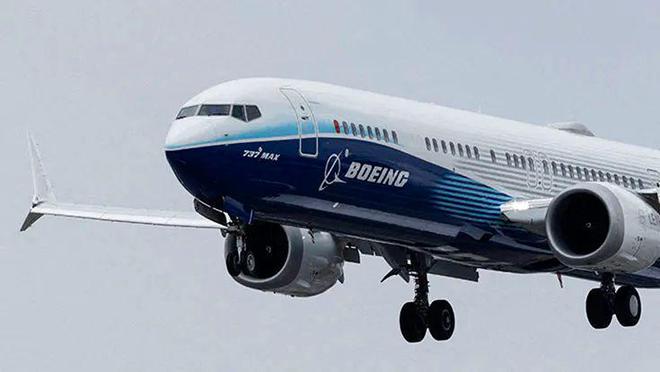
Core Viewpoint - Boeing has faced a significant decline in its reputation and financial performance due to a series of accidents and a shift away from its engineering culture towards a focus on cost-cutting and shareholder returns [2][3][6]. Financial Performance - Boeing has incurred a cumulative loss of $35.991 billion from 2019 to 2024, marking the largest six-year loss in its 108-year history [2]. - The company has engaged in substantial stock buybacks, spending $43.4 billion from 2013 to 2019, while its cumulative profits during that period were only $38.8 billion [8]. Engineering Culture Shift - The company abandoned its strong engineering culture after acquiring McDonnell Douglas in 1997, prioritizing financial stability and stock price over quality and innovation [3][6]. - Boeing's obsession with cost control led to significant reductions in development budgets, exemplified by the 737 MAX project, which saw costs slashed from an initial $25 billion to only $2.5 billion [4][5]. Market Position and Competition - Boeing's market share has been eroded by Airbus, which has outperformed Boeing in aircraft deliveries since 2019, delivering 766 aircraft in 2024 compared to Boeing's 348 [16][18]. - The global commercial aircraft market is increasingly competitive, with emerging players like COMAC's C919 and Russia's MC-21 posing additional threats to Boeing's dominance [19][20]. Manufacturing and Supply Chain - Boeing has shifted a significant portion of its manufacturing overseas, with foreign suppliers handling 70% of the work on the 787 project, compared to only 2% for the 727 project [13]. - The company is attempting to regain control over its supply chain by acquiring key suppliers, such as the recent acquisition of a critical parts supplier [21]. Future Outlook - Boeing's future growth prospects are dimmed by a projected decline in global air travel demand growth, with passenger volume growth expectations lowered from 4.7% to 4.2% [20]. - The company is exploring options to re-enter the Russian market and is investing in new technologies, including electric and smart aviation solutions [21].


逆势大涨!重大催化剂来了
格隆汇APP· 2025-06-18 10:01
Core Viewpoint - The defense and aerospace sectors are gaining increased attention due to ongoing geopolitical conflicts and rising global demand for military equipment [1][22]. Group 1: Market Performance - The military sector has shown resilience, with the aerospace ETF Tianhong (159241) outperforming the market during a period of stock market fluctuations [2][4]. - The A-share market saw a slight increase in major indices, while sectors like aerospace and military led the gains [4][6]. - Specific stocks in the PCB circuit board sector experienced significant increases, with some stocks rising nearly 20% [6][7]. Group 2: Geopolitical Influence - The ongoing geopolitical tensions have led to increased military spending globally, with total military expenditures surpassing $2.3 trillion in 2023, marking an 8.52% year-on-year increase [22]. - China's military spending has also rebounded, with a 6.70% increase in 2023, indicating a growing recognition of the country's military and aerospace capabilities in the international market [23][25]. Group 3: Aerospace Sector Developments - The 55th Paris Air Show showcased numerous Chinese aerospace products, including advanced military aircraft, which is expected to enhance market interest and stimulate short-term market activity [11][12]. - The air show has historically led to increases in military stock indices, with a 4.72% rise in 2019 and a 2.0% rise in 2023 during the event [16][17]. Group 4: Future Outlook - The aerospace and military sectors are anticipated to experience significant growth, with a projected compound annual growth rate of over 20% in the domestic aircraft market from 2021 to 2040 [20]. - The military trade sector is expected to benefit from rising international demand and improved profit margins due to geopolitical tensions [14][21]. - The potential for investment opportunities in the aerospace and military sectors is expected to increase in the latter half of this year and into next year [26][30]. Group 5: Investment Products - Investors are encouraged to consider aerospace ETFs, such as Tianhong (159241), which tracks the National Aerospace Index and includes a high concentration of aerospace-related stocks [27][28]. - The National Aerospace Index has shown strong performance, with a 21% increase over the past year, outperforming major market indices [29].

畅谈投资发展新愿景!第十一届广州国际投资年会定于6月26日-27日举办
Guang Zhou Ri Bao· 2025-06-17 11:36
Core Viewpoint - The 11th Guangzhou International Investment Conference will be held on June 26-27, 2023, showcasing Guangzhou as a key hub for global investment and cooperation, with over 800 attendees registered, including representatives from Fortune 500 companies and emerging sectors like AI and clean technology [1][2]. Group 1: Event Highlights - The conference will feature five major activities, including a thematic conference, closed-door meetings, and industry development promotions, emphasizing deep communication between city leaders and key enterprises [2]. - A new exhibition area will be established to showcase investment opportunities in Guangzhou, highlighting key industry layouts and major platform achievements [3]. - The event will also include thematic tours to significant industrial platforms, allowing global investors to gain insights into Guangzhou's industrial and enterprise development [3]. Group 2: Investment Performance - From January to April 2023, Guangzhou attracted 625 new industrial investment projects with a total expected investment of 161.5 billion yuan, with over 50% of this in the manufacturing sector [4]. - The city saw a 14.9% increase in newly established foreign enterprises, with actual foreign investment reaching 11.54 billion yuan, indicating a positive growth trend [4]. Group 3: Strategic Industry Focus - Key strategic industry clusters identified include intelligent connected vehicles, biomedicine, and integrated circuits, which are crucial for promoting new industrialization and cultivating new productive forces [5]. - Guangzhou has established dedicated offices for these key industries to concentrate resources and promote high-quality industrial development [5]. Group 4: AI and Low-altitude Economy Development - The AI sector in Guangzhou has seen rapid growth, with over 2,100 companies in the ecosystem and significant advancements in technology integration [6]. - The low-altitude economy is also expanding, with over 4,000 companies involved, and the city is implementing policies to support innovation and infrastructure development [7]. Group 5: Regional Investment Strategies - The Haizhu District is focusing on building a billion-level digital economy cluster, attracting major platform enterprises and fostering a thriving industrial ecosystem [8]. - The Huangpu District aims to sign 400 new projects this year, with a focus on high-quality industrial projects and significant investment agreements [9][10]. Group 6: Industrial Investment Group Initiatives - The Guangzhou Industrial Investment Group has successfully attracted nearly 70 high-quality industrial projects in 2023, emphasizing the importance of professional investment teams in driving industrial growth [11].
欲成大器先沉住气(人民论坛)
Ren Min Ri Bao· 2025-06-16 21:58
Group 1 - The core message emphasizes the importance of resilience and determination in facing external challenges, as demonstrated by companies like Huawei and local businesses in Yiwu [1] - Companies are encouraged to maintain focus and not be swayed by external pressures, highlighting the need for a long-term perspective in economic development [1] - The article suggests that China's ability to navigate economic cycles is rooted in its institutional advantages and pragmatic measures, countering pessimistic views from the international community [1] Group 2 - The narrative stresses the significance of having a clear vision and the importance of seizing opportunities in the face of technological and industrial changes [2] - It highlights the value of long-term commitment and perseverance, as illustrated by the development of the C919 aircraft, which took 16 years to achieve [2] - The article advocates for innovation as a driving force for development, encouraging companies to adopt new ideas and approaches to overcome challenges [3] Group 3 - The text underscores the urgency of acting decisively in the modern era, where time and opportunities are limited, reinforcing the need for a balanced approach between patience and action [3] - It promotes the belief that challenges can be overcome with determination and strategic thinking, urging companies to remain steadfast in their goals [3]
伊以战火映军贸曙光, 国产巨翼启全球翱翔
2025-06-16 15:20
Summary of Key Points from Conference Call Records Industry Overview - The records discuss the military trade (military trade) industry, particularly in the context of the Middle East tensions and the implications for Chinese military trade development [1][2][14]. Core Insights and Arguments - **Middle East Tensions and Military Trade Demand**: The escalation of tensions in the Middle East, particularly the Israeli attacks on Iranian nuclear facilities, is expected to drive an increase in military trade demand globally. This situation presents opportunities for high-end military trade development in China [1][2]. - **China's Y-20 Transport Aircraft**: The Y-20 transport aircraft, produced by AVIC Xi'an Aircraft Industrial Group, is highlighted for its unique production capacity among global aircraft of its weight class (200 tons). It can be modified for various military roles, which positions it favorably for value reassessment in military trade [1][3][8]. - **Philihua's Position in High-End Quartz Glass Materials**: Philihua is recognized as a leading producer of high-end quartz glass materials, with significant applications in high-speed PCB boards and semiconductor processing. The company is positioned to benefit from domestic substitution trends in the semiconductor industry [1][5][20]. - **Upcoming Surge in Military Industry**: The military industry is anticipated to experience a surge in activity around August and September, based on trends in component order data. This period is expected to see a significant increase in military trade orders [6][22]. - **Investment Recommendations**: It is recommended to overweight stocks related to ammunition consumption, such as Aerospace Electric, Philihua, and New Ray Energy, as well as platform component companies [1][7][22]. Additional Important Insights - **China's Competitive Advantage**: The Y-20's production capacity provides a competitive edge in meeting military trade demands, with military products generally offering higher pricing and profitability compared to domestic equipment sales [8][14]. - **Market Dynamics**: The military trade market in the Middle East has historically accounted for nearly 30% of global military trade orders, with each escalation in regional conflict leading to significant order expansions [14][15]. - **Future Projections for Military Aircraft**: The current ratio of combat aircraft to support aircraft in China is 3:1, which is expected to shift to 1:1 in the future, indicating potential growth in the market for support aircraft [19]. - **Philihua's Expansion Plans**: Philihua is expanding its product matrix in the semiconductor field and is expected to achieve significant revenue growth in the coming years, with plans to reach a production capacity of $3-4 billion by 2030 [20][21]. Conclusion - The records indicate a positive outlook for the military trade industry, particularly for Chinese companies like AVIC Xi'an and Philihua, amidst rising global military demand driven by geopolitical tensions. The anticipated market dynamics and strategic recommendations suggest a favorable investment environment in the military sector.


润贝航科下周迎24.7亿元限售股解禁,占流通市值188%,埃克森美孚等1800家客户信赖的航材龙头
Jin Rong Jie· 2025-06-16 09:05
Group 1 - The company, Runbei Aviation Technology Co., Ltd., will face the unlocking of 51.5825 million shares next week, with a market value of approximately 2.47 billion yuan, representing 188.12% of the pre-unlocking circulating market value [1] - The type of shares being unlocked is the original shareholders' restricted shares from the initial public offering, with the unlocking date set for June 23, 2025 [1] - Major shareholders involved in this unlocking include Shenzhen Jialun Investment Development Co., Ltd. (50.2251 million shares) and Liu Junfeng (1.3574 million shares) [1] Group 2 - Runbei Aviation Technology is located in the Nanshan District of Shenzhen and provides aircraft materials to over 1,800 global customers [2] - The company acts as an authorized distributor for several international brands, including ExxonMobil, 3M, and Lufthansa Technik, distributing products such as civil aviation fuel, raw materials, and aviation chemicals [2] - With over ten years of development, the company has established itself as a key distributor of aviation materials in China and the Asia-Pacific region, serving major clients like China Southern Airlines, China Eastern Airlines, and COMAC [2]
波音787首坠:美国高端制造业的黄昏时刻
Sou Hu Cai Jing· 2025-06-16 05:52
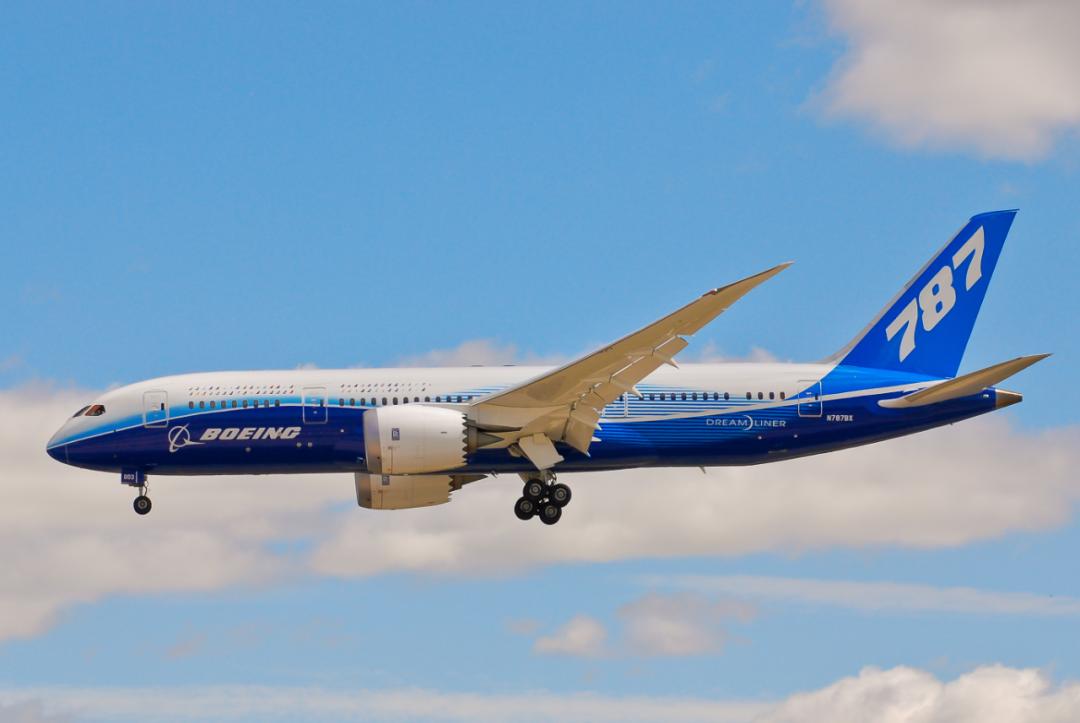
Core Viewpoint - The recent crash of a Boeing 787-8 aircraft marks a significant failure for Boeing, breaking its safety record and highlighting deeper issues within the U.S. manufacturing sector, particularly in high-end manufacturing and the aerospace industry [5][9][11]. Group 1: Incident Overview - On June 12, 2025, a Boeing 787-8 crashed shortly after takeoff from Ahmedabad Airport, resulting in the loss of all 242 passengers and crew on board, as well as five medical students on the ground [5]. - The aircraft, which had a service life of 11.5 years, was previously regarded as one of the safest wide-body aircraft, having transported over 1 billion passengers without any fatal accidents [7][9]. Group 2: Manufacturing Decline Analysis - Boeing's reliance on outsourcing, with 70% of its components produced overseas, has led to a loss of control over its supply chain, contributing to systemic quality issues [11][13]. - The company has faced significant quality control problems with its key supplier, Spirit AeroSystems, leading to multiple incidents of component failures and operational issues [15][19]. - Financial strategies focused on stock buybacks and dividends have resulted in a drastic reduction in research and development investment, compromising safety and innovation [17][19]. Group 3: Competitive Landscape - Boeing's market share in China has plummeted from 75% in 2018 to 40.8% in 2025, while Airbus has increased its share to 52.2%, and COMAC is gaining traction with over 1,500 orders for its C919 aircraft [23][25]. - The shift in the global aerospace manufacturing landscape is evident as competitors like Airbus and COMAC focus on integrated supply chains and continuous R&D investment, contrasting with Boeing's financial maneuvering [27][29]. Group 4: Future Outlook - Boeing's new CEO is attempting to implement a restructuring plan, including selling its digital aviation business and promising to localize its supply chain, but faces significant challenges, including regulatory hurdles and negative cash flow [29][32]. - The decline of Boeing serves as a cautionary tale for the U.S. manufacturing sector, emphasizing the need for a balance between financial performance and maintaining technological integrity [35][39].

同心·大调研|聚焦发挥“两重两新”政策效能 台盟中央开展2025年度重点考察调研
Zhong Guo Xin Wen Wang· 2025-06-13 01:21
Group 1 - The "Two Heavy and Two New" policy is a crucial mechanism for expanding domestic demand and promoting high-quality development, focusing on major national strategies and key areas of safety capability construction [1][3] - The Central Committee of the Taiwan Democratic Self-Government League is conducting research to better leverage the effectiveness of the "Two Heavy and Two New" policy, aiming to build a modern industrial system and expand domestic demand comprehensively [1][10] Group 2 - The research team visited significant projects such as the Nanning International Railway Port, which has seen a 488.2% year-on-year increase in cargo shipments in the first quarter of 2025, highlighting the importance of cross-border logistics [3] - The Pinglu Canal project, which is expected to be completed by the end of 2026, will enhance shipping capabilities for the southwestern region of China [3] - The Shanghai Lingang New Area's China Commercial Aircraft Corporation assembly center showcases advanced manufacturing processes for domestic large aircraft [3] Group 3 - The "Two New" policy aims to optimize supply, enhance consumption, and boost confidence, benefiting both micro and macroeconomic levels [6][7] - Companies like Nanning South Aluminum Processing Co. are leveraging local advantages to enhance their production capabilities and expand their market reach in the new energy vehicle sector [6] - Meituan's Shanghai headquarters reported over 18 million daily orders in non-food instant retail, indicating a significant shift towards digital retail and consumer demand [6] Group 4 - The research team recommends stronger and more precise measures to stimulate consumption, utilizing fiscal, credit, and pricing policies to enhance consumer willingness and innovate consumption scenarios [7] - The integration of the Taiwan business community into the new development pattern is encouraged, particularly in sectors like artificial intelligence and electronic information manufacturing [9][10]

6年走不出亏损,空难频发波音“坠落”
Xin Jing Bao· 2025-06-12 14:21
Group 1 - The recent crash of an Indian Airlines Boeing 787-8 resulted in the death of all 242 people on board, marking the first accident for this aircraft model [2][5] - Boeing has faced multiple safety incidents in recent years, including three accidents involving the Boeing 737-800 in December 2023, leading to increased scrutiny of the company's safety practices [2][3] - Boeing's financial performance has been severely impacted, with a reported revenue of $66.5 billion in the previous year, a 14% decline year-over-year, and a net loss of approximately $11.8 billion in 2024 [2][11] Group 2 - The Boeing 787 series, which includes the 787-8, 787-9, and 787-10, has been noted for its low fuel consumption and high efficiency, but has also faced significant operational challenges, including multiple delivery pauses due to manufacturing defects [6][12] - Since 2018, Boeing has experienced at least 21 safety incidents involving its aircraft, contributing to a loss of market confidence and a decline in orders compared to competitors like Airbus [6][10] - Boeing's market share in China has decreased, with Airbus now holding a 52.2% share compared to Boeing's 40.8%, exacerbated by the introduction of domestic competitors like COMAC [9][10] Group 3 - Boeing's CEO has identified 2025 as a critical year for business restructuring, with plans to increase production of the 737 MAX and reduce costs through asset sales, including a recent $10.55 billion deal to sell part of its digital aviation solutions business [12] - The company has been in a continuous state of financial loss since 2019, with cumulative losses exceeding $35.6 billion, prompting significant workforce reductions and operational adjustments [11][12] - Boeing's delivery numbers have significantly lagged behind Airbus, with only 348 aircraft delivered in the past year, a nearly 35% decrease compared to the previous year [6][8]
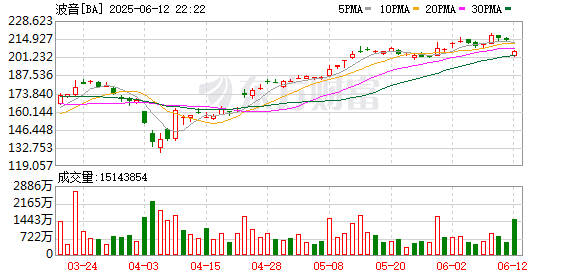
印度客机坠毁242人遇难,波音787机型首起空难!公司股价跳水
Di Yi Cai Jing Zi Xun· 2025-06-12 10:30
Group 1 - The article discusses the resumption of Boeing aircraft deliveries to Chinese airlines after a two-month hiatus due to tariffs imposed during U.S.-China trade tensions [2][5] - A new Boeing 737 MAX aircraft has been delivered from Seattle to China, marking the restart of aircraft deliveries [3][7] - The previous suspension of deliveries was due to a 125% tariff on imported aircraft, which has now been lifted for certain aircraft and parts, allowing airlines to import at lower rates of 5% for narrow-body and 1% for wide-body aircraft [7][8] Group 2 - Several Chinese airlines, including Xiamen Airlines and China Eastern Airlines, are preparing to resume accepting Boeing aircraft, with additional deliveries expected in June [7][8] - Boeing's market in China is significant, with 25% of its new aircraft deliveries going to China at its peak in 2018; the company has delivered 20 aircraft to China this year and plans to deliver 29 more by year-end [8] - The article also highlights the impact of U.S. export restrictions on aircraft engines, particularly affecting the C919 aircraft, which relies on the LEAP-1C engine produced by a joint venture between GE and Safran [10][11] Group 3 - The C919 aircraft program is progressing, with recent deliveries made to Chinese airlines, and the domestic engine, Changjiang-1000A, is undergoing testing [11][13] - The article notes that while the U.S. has imposed restrictions on engine exports, this may accelerate China's efforts to develop its own aviation engines [10][13]