
饿了么

Search documents
快手入局外卖寻流量,AI加码突围增长瓶颈
Sou Hu Cai Jing· 2025-08-14 03:25
Core Viewpoint - The article discusses the challenges faced by major internet platforms, particularly in the e-commerce and short video sectors, as they seek to expand their market presence through food delivery services and other avenues [1][2]. Group 1: Industry Competition - The food delivery sector has become a critical battleground for leading e-commerce and short video platforms, with intense competition following the entry of JD.com into the market [2][5]. - The competition in the food delivery market has intensified, leading to a resurgence of subsidy wars among major players like Meituan and Ele.me [2][4]. - Despite the conclusion of the initial food delivery battle, underlying competition continues as platforms seek to capture significant traffic [4]. Group 2: Company Strategies - Kuaishou has entered the food delivery space, launching an independent delivery service similar to Meituan and Taobao, aiming to leverage existing partnerships with delivery platforms [6][7]. - Kuaishou's food delivery offerings primarily consist of group purchase vouchers from Meituan, indicating a reliance on established players for service fulfillment [9]. - Kuaishou's chairman emphasized that e-commerce is a vital growth engine for the company, although the growth rate of its e-commerce segment has been declining [12]. Group 3: Financial Performance - Kuaishou's stock has seen significant growth, with an increase of over 81% this year, leading to a market capitalization exceeding 320 billion HKD [10][17]. - The company's revenue growth has slowed, with a year-on-year increase of only 10.9% in Q1, compared to previous years [10]. - Kuaishou's e-commerce GMV growth has also decelerated, with figures from 2021 to 2024 showing a decline in growth rates from 78% to 17% [12]. Group 4: Future Directions - Kuaishou is exploring new avenues for growth, including the launch of a self-operated online lending service, indicating a strategic shift towards financial services [13][14]. - The company is also investing in AI, establishing a dedicated AI division to enhance its capabilities in video generation, which is seen as a potential second growth curve [16][17]. - Analysts have recognized the potential of Kuaishou's AI initiatives, with market estimates for the global video generation market reaching between 11 billion to 23 billion USD [17][18].


菏泽切实解决网络餐饮食品安全问题
Qi Lu Wan Bao· 2025-08-13 23:09
Core Viewpoint - The Heze Municipal Market Supervision Administration is implementing a special rectification action for food safety in online catering services from May 2025 to December 2025 to address prominent food safety issues and ensure public safety in food consumption [1] Group 1: Strengthening Online Catering Supervision - The administration is conducting a comprehensive comparison and verification of data from major online catering platforms (Meituan, Ele.me, JD) against the administrative licensing and filing management system to ensure the authenticity and traceability of merchant information [2] - A total of 1,036 data comparisons have been completed, resulting in the modification or cancellation of 265 platform data entries [2] Group 2: Regulating "No Dine-in Takeaway" Business - A thorough investigation of areas with concentrated "no dine-in takeaway" operations has been conducted, establishing a management ledger for 17 such areas and implementing tailored rectification measures [3] - A pilot program for the standardization of "no dine-in takeaway" operations is being explored for replicable regulatory models [3] Group 3: Enhancing Supervision and Accountability - The three major platforms are urged to strictly fulfill their food safety responsibilities, with a total of 3,276 online inspections and 1,965 offline inspections conducted on merchants [4] - 1,137 takeaway operators have been checked, with 32 corrective notices issued, 209 non-compliant operators removed from the platform, and 51 illegal cases filed [4] - Issues related to misleading images and videos have been rectified for 96 operators [4] Group 4: Promoting Public Participation - The initiative encourages chain restaurants to implement "Internet + Open Kitchen" practices and promotes the "Food Safety Sentinel" system by hiring 100 delivery riders as food safety supervisors to extend regulatory reach [5]
价钱便宜一半?不少上海人发现了这个漏洞!快递小哥笑了,商家却哭了……
Sou Hu Cai Jing· 2025-08-13 10:11
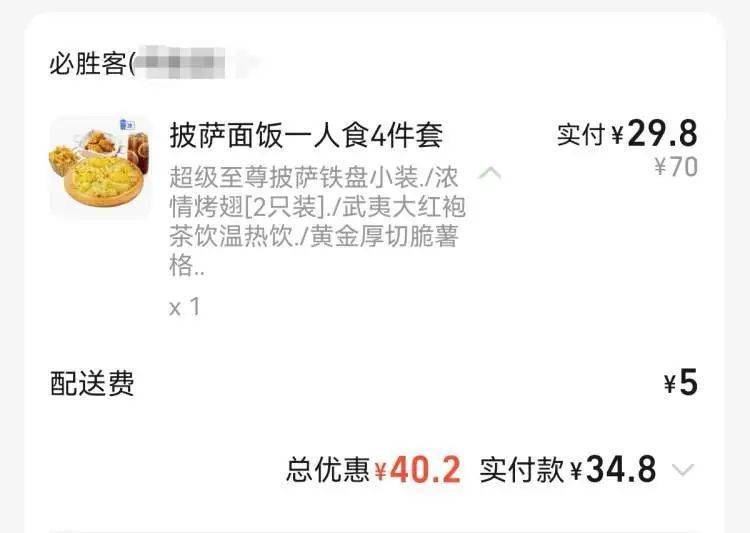
Group 1 - The phenomenon of customers ordering takeout and consuming it in-store has become increasingly common, leading to a disparity in pricing between takeout and dine-in options [5][10][14] - Customers have discovered that takeout prices can be significantly lower than dine-in prices, sometimes by as much as 50%, due to aggressive discounting strategies by delivery platforms [6][8][10] - This trend has created tension between customers and restaurant owners, as many businesses are struggling to maintain profitability amidst rising operational costs and the pressure of delivery platform subsidies [11][14][18] Group 2 - Some restaurant owners have expressed frustration over customers taking advantage of lower takeout prices while dining in their establishments, leading to potential loss of revenue and increased operational costs [10][11][14] - The financial burden on restaurants is highlighted by a case where a restaurant's takeout revenue was significantly impacted by high subsidy costs, leading to a situation where the business could face closure [14] - There are mixed responses from restaurant owners regarding the acceptance of takeout consumption in-store, with some welcoming it while others have implemented restrictions to protect their margins [15][17]
朱啸虎:靠流量起来的公司,基本都是昙花一现
创业家· 2025-08-13 10:02
Core Viewpoint - Companies relying solely on traffic-driven models tend to be short-lived, emphasizing the necessity of good products and competitive pricing for long-term success [2][3][4][5]. Group 1: Market Opportunities - In the next 5-10 years, there are three significant market opportunities in China: the aging population, pet ownership, and the chain retail model [7][8][9][10]. - The annual increase of 20 million retirees presents a lucrative market for the silver economy, as this demographic has disposable income and time to spend [8]. - The pet ownership trend indicates that households are increasingly treating pets as family members, leading to substantial monthly expenditures [9]. - The chain retail model in China has considerable room for growth, as its current penetration is significantly lower than in the US, Japan, and Hong Kong [11][12]. Group 2: Learning from Japan - A study trip to Japan is planned to explore how the silver economy has influenced product models and to analyze successful companies like Muji, 7-Eleven, and Shiseido [13][14]. - The Japanese market serves as a "future laboratory" for Chinese consumer brands, providing insights into consumer evolution over the next decade [18]. Group 3: Key Insights from Japanese Brands - Japanese brands thrive on three core principles: supply chain-driven private label (PB) products, continuous iteration of key products, and defining lifestyles that resonate emotionally with consumers [19]. - Companies like Kobe Bussan leverage a robust supply chain to create PB products, achieving significant scale and efficiency [20]. - The focus on single, high-demand products allows brands like Kikkoman to evolve from merely producing soy sauce to creating a cultural identity around it [20]. - Brands like Shiseido utilize a tiered approach to product offerings, catering to both high-end and cost-sensitive consumers [20]. Group 4: Event Details - The event will feature prominent figures in the consumer sector, including Zhu Xiaohu, who has led early investments in various successful startups [21]. - Participants will engage in discussions and visits to key Japanese companies to understand their strategies and operational models [22][23][24][25][26].

武商集团:旗下武商超市已与美团等平台建立深度合作关系 全面布局即时零售业务
Zheng Quan Shi Bao Wang· 2025-08-13 09:34
Core Insights - The company has established deep partnerships with leading life service platforms such as Meituan and Ele.me to fully develop its instant retail business [1] - The company is actively exploring private domain instant retail while integrating offline store networks with online traffic resources to provide a "rapid delivery" service experience within a three-kilometer radius of stores [1] - By 2025, the company plans to focus on launching instant retail platforms in its department store sector, building on its existing instant retail operations in supermarkets [1] - The company's department store sector achieved the highest sales on Meituan's flash purchase event on May 20, and three out of the top five stores during the 618 shopping festival were under the company's brand [1] - The company is currently advancing the launch of its department store sector on Taobao Flash Purchase (Ele.me) while continuously optimizing its instant retail business [1]

外卖门店图用AI生成,市监总局出手了
21世纪经济报道· 2025-08-13 07:18
Core Viewpoint - The article discusses the newly released draft regulations by the State Administration for Market Regulation (SAMR) aimed at enhancing food safety responsibilities for online food trading platforms, amidst a competitive landscape marked by significant subsidy wars among major players like JD.com, Ele.me, and Meituan [1][3]. Group 1: Regulatory Framework - The draft regulations cover various online food trading platforms, including delivery services, live streaming, social media, short video platforms, community group buying, and self-built websites [1]. - The regulations consist of 23 articles focusing on five main areas: overall requirements, responsibility allocation, personnel requirements, violations, and penalties [3]. Group 2: Responsibilities and Compliance - Platforms are required to ensure that their branches, agents, and partners comply with food safety management responsibilities [3]. - If platforms engage in self-operated food sales, they must fulfill the responsibilities of food sales enterprises [4]. Group 3: Personnel and Monitoring - The regulations mandate platforms to establish a "daily control, weekly inspection, monthly scheduling" system and appoint food safety directors and personnel commensurate with transaction volumes [4]. - Food safety personnel are encouraged to utilize AI and big data for compliance monitoring and risk assessment of food producers and sellers on the platform [4]. Group 4: Addressing Food Safety Risks - The article highlights that previous regulations lacked clarity in management responsibilities, necessitating more detailed guidelines for platforms to implement food safety management effectively [5]. - Instances of food safety risks have been noted, with platforms being urged to adhere strictly to food safety laws and regulations following multiple discussions with regulatory authorities [6]. Group 5: AI and Marketing Practices - The article points out concerns regarding the use of AI-generated images by merchants, which can mislead consumers about the actual conditions of food establishments [6][9]. - Platforms like Meituan and JD.com have responded by tightening their review processes for merchant images to prevent misleading marketing practices [8][9].


外卖行业呼吁平台良性竞争
2 1 Shi Ji Jing Ji Bao Dao· 2025-08-13 07:09
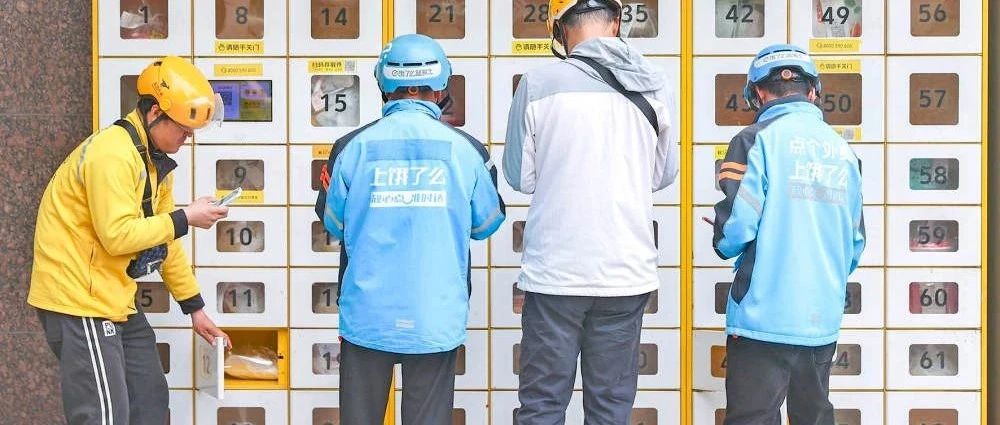
Core Viewpoint - The recent subsidy war in China's food delivery industry has revealed some "aftereffects" that require attention from all sectors [2][6]. Group 1: Subsidy War Dynamics - In the first half of 2025, major platforms like Taobao Flash Purchase, Ele.me, Meituan, and JD Delivery have initiated a new round of subsidy wars to capture market share and user traffic [2]. - The subsidy competition has significantly increased order volumes and platform penetration rates, especially in western regions, leading to a rapid growth in the number of delivery riders [2][4]. - A survey by the Beijing Cooking Association indicates that one-third of respondents perceive a disparity in subsidies favoring large chains over small merchants [3]. Group 2: Impact on Merchants - Large merchants benefit from established supply chain management and operational efficiency, allowing them to respond quickly to increased order volumes [3]. - Platforms tend to favor large merchants in subsidy allocations, as they can negotiate more efficiently and bear the costs better than small merchants [3]. - Meituan has launched support strategies for small merchants, including a "10 billion support fund" aimed at increasing order volumes and merchant income [3]. Group 3: Consumer Behavior and Market Effects - Continuous low-price subsidies distort consumer price perceptions, leading to concerns about a potential decline in demand once subsidies are removed [4]. - The surge in orders during subsidy peaks can overwhelm merchants, risking customer experience and potentially leading to a decline in product quality [4]. - The rapid expansion of delivery riders, primarily through crowdsourcing, has raised safety concerns due to relaxed hiring standards by some platforms [4]. Group 4: Resource Waste Concerns - High subsidies and low-price promotions have led to excessive consumption, resulting in food waste and operational overload for merchants [5]. - Some platforms have been reported to impose additional burdens on merchants, such as requiring them to cover losses from unsold food due to excessive orders [5]. Group 5: Recommendations for Sustainable Practices - The industry needs to shift from unsustainable, loss-driven subsidies to a focus on long-term value creation, enhancing service quality, and supporting small merchants [6]. - Platforms should enhance their social responsibility, ensuring fair treatment of small merchants and prioritizing rider safety through better governance and incentives [6]. - A healthy competitive environment is essential for the sustainable development of the industry, benefiting consumers, merchants, and workers alike [6].
方便面与饮料市场遇冷!康师傅上半年少卖了11亿元,网友:人们消费升级,都买品质外卖了【附康师傅企业分析】
Qian Zhan Wang· 2025-08-13 03:53
Core Insights - The company reported a mixed performance for the first half of 2025, with revenue declining by 2.7% to approximately 40.092 billion yuan, while net profit increased by 20.5% to 2.271 billion yuan [2] Revenue and Profit Analysis - The core business of instant noodles continues to struggle, with sales down by 2.5% to 13.465 billion yuan in the first half of 2025, and high-priced instant noodle sales plummeting by 7.2% to 5.092 billion yuan [2] - The beverage segment also faced challenges, with revenue decreasing by 2.6% to 26.359 billion yuan, driven by declines in tea beverages (down 6.3% to 10.67 billion yuan), packaged water (down 6.0% to 2.377 billion yuan), and juice (down 13.0% to 2.956 billion yuan) [4][5] Market Trends and Consumer Behavior - The decline in the instant noodle market is attributed to two structural changes: the rise of food delivery services and the increasing health consciousness among consumers [3][4] - The food delivery market in China reached 1.1 trillion yuan in 2022, with a compound annual growth rate exceeding 20% from 2018 to 2022, indicating a significant shift in consumer eating habits [3] - Consumers are increasingly prioritizing health and quality, leading to a decline in demand for traditional fried instant noodles, which are often viewed as unhealthy [4] Cost Management and Profitability - Despite revenue declines, the company achieved profit growth due to effective cost management, including a decrease in raw material prices and reduced marketing expenses [5] - The company's net profit growth is seen as a result of strategic asset sales and a focus on high-margin businesses, although this "cost-cutting" approach may not be sustainable in the long term [5] Industry Outlook - The company's financial performance reflects broader changes in the fast-moving consumer goods industry, where convenience is no longer the sole priority, and businesses must redefine their value propositions to meet evolving consumer demands [7]

山东召开餐饮“反内卷”研讨会,“补贴战”影响餐饮生态健康度
Qi Lu Wan Bao· 2025-08-13 03:49
"AI可以帮助我们员工从一些繁琐工作中解放出来,投入到餐饮新模式的研发和创新中。" 山东舜和酒 店集团董事长任兴本表示,AI核心价值在于推动餐饮业从经验驱动走向数据驱动加智能决策。 8月5日,"品质餐饮商户AI发展论坛"在山东济南召开。山东省商务厅、山东省精品旅游促进会、山东省 鲁菜产业发展促进会等相关领导出席会议,舜和酒店、凯瑞集团、特味村、吉航餐饮、超意兴等十余位 餐企代表加入,共同商讨AI在餐饮领域的落地机会,以及"外卖补贴大战"下推动行业高质量发展的路 径。 今年以来,新平台连续掀起"外卖大战",餐饮行业面临超大规模补贴、超低价竞争压力。据统计,全国 已有近二十家餐饮协会发布倡议书,认为外卖平台过度补贴和超低价引发无序竞争,导致多方利益受 损,其共同呼吁抵制餐饮市场"内卷式"竞争。 当下,反对内卷、寻找更高质量发展路径逐渐成为行业共识。而AI工具在餐饮行业落地应用,提供了 一些增效提质新思路。 山东省委原副秘书长、省精品旅游促进会会长杜文彬为活动致辞,他指出,在当前餐饮消费市场面临结 构性调整的关键时期,举办本次AI发展研讨会意义重大,餐饮行业正加速向数字化、智能化转型,AI 技术已成为推动行业高质量 ...