宝马

Search documents
欧洲刚拿到稀土就翻脸,对中国6家企业下狠手,商务部的警告他们听懂了吗
Sou Hu Cai Jing· 2025-12-21 00:35
Group 1 - The European Union (EU) has initiated investigations against Chinese companies like CRRC and Tongfang Weishi under the Foreign Subsidies Regulation (FSR), which came into effect in July 2023, despite recently granting long-term rare earth export licenses to European firms [3][5] - The investigations are perceived as politically motivated actions aimed at suppressing Chinese enterprises, reflecting EU's anxiety over protecting local industries and countering the rise of Chinese manufacturing [3][5] - The EU's reliance on Chinese rare earth resources is critical for its manufacturing sectors, particularly in automotive and high-tech industries, highlighting a contradiction in its approach of imposing trade barriers while depending on Chinese supplies [5][10] Group 2 - Chinese companies are adapting to the challenges posed by the EU's investigations by localizing supply chains, as exemplified by BYD's plan to expand the use of local suppliers in Hungary, which mitigates potential trade barriers and enhances resilience [7] - Many Chinese firms are proactively establishing transparent and compliant internal mechanisms, hiring top international legal and accounting teams to withstand EU scrutiny, thereby transforming the challenges into opportunities [7] - The Chinese government has expressed its commitment to protecting the legitimate rights of Chinese enterprises in response to the EU's actions, emphasizing the need for mutual respect and fairness in cooperation [9][10]


日立的工厂将引进自身开发的人形机器人
日经中文网· 2025-12-21 00:33
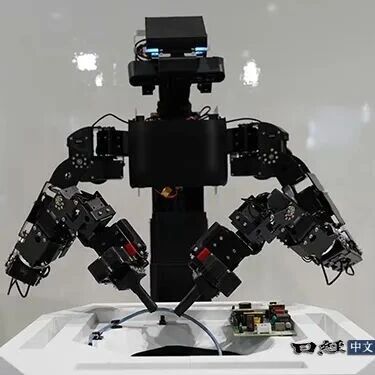
Core Viewpoint - Hitachi is developing humanoid robots equipped with AI and cameras, aiming to introduce them in its factories by 2027 to automate complex tasks like wiring installation in electronic products [1][3][6]. Group 1: Development and Features of Humanoid Robots - The humanoid robot prototype developed by Hitachi has two arms, each with two fingers, and is mounted on a wheeled chassis without legs [1][3]. - The robots will learn tasks through repeated actions performed by humans, enabling automation without the need for programming specific movements [6]. - Hitachi plans to initially introduce a few to several dozen humanoid robots in its factories for testing, with the potential to commercialize support for other companies in the future [6]. Group 2: Market Potential and Competition - Morgan Stanley predicts that the market for humanoid robots could reach $5 trillion by 2050, with over 1 billion units in use [7]. - The global humanoid robot manufacturing landscape includes approximately 220 companies, with half based in China and 20% in the United States, indicating a competitive environment [7]. - Companies like BMW and BYD have already begun experimental introductions of humanoid robots in manufacturing, logistics, and service sectors [7]. Group 3: Challenges and Strategic Responses - Japan currently lacks strong domestic developers in humanoid robotics, which poses a risk of reliance on imports from countries like China [3]. - Initiatives such as the Kyoto Humanoid Robot Association aim to start mass production by 2027, while the Japanese government is providing funding support for research and development through its Moonshot program [7].
欧洲人也是搞笑,禁了燃油车现在来后悔了。
Sou Hu Cai Jing· 2025-12-20 12:12
Core Viewpoint - The European Union has proposed to delay the 2035 ban on the sale of all fuel vehicles, allowing car manufacturers to sell hybrid vehicles and use various methods to offset carbon emissions, which has sparked significant reactions from the automotive industry [3][21]. Group 1: Industry Reactions - Traditional automakers like Volkswagen and BMW expressed relief at the EU's decision, feeling that their legacy technologies are preserved [5]. - In contrast, companies that have already transitioned to electric vehicles, such as Polestar and Volvo, criticized the decision, arguing it undermines climate goals and European competitiveness [5][12]. - The CEO of Polestar, Michael Lohscheller, described the postponement of the 2035 target as a "terrible idea," emphasizing the negative impact on climate and competition [5]. Group 2: Historical Context and Plans - In 2021, the EU announced an ambitious plan to ban fuel vehicles by 2035 and significantly reduce carbon emissions, which initially boosted confidence among member states and automakers [6]. - The plan included infrastructure development, such as establishing charging stations every 60 kilometers and hydrogen refueling stations every 150 kilometers [6]. - Major automakers like Renault and Volkswagen committed substantial investments to support electric vehicle development, with Volkswagen pledging €73 billion by 2025 [6]. Group 3: Challenges Faced - By 2023, several EU countries, led by Germany, Italy, and Portugal, opposed the 2035 ban, citing insufficient charging infrastructure and the poor performance of European automakers in the electric vehicle market [10][12]. - The EU's initial plans faced setbacks, with only 150,000 charging stations added from 2021 to 2022, and 88% of these being slow chargers [10]. - The failure to establish a robust local supply chain for electric vehicle components, particularly batteries, has been highlighted, with the bankruptcy of Northvolt, a key battery manufacturer, serving as a significant example [16][19]. Group 4: Shift in Strategy - The EU's recent proposal allows for a 90% reduction in emissions instead of the original 100% target and permits the continued sale of hybrid vehicles, reflecting a shift in strategy due to commercial realities [21]. - This change has led to a broader reconsideration of electric vehicle plans among automakers, including those outside Europe, such as Ford, which have also adjusted their strategies in light of the EU's new direction [21][23]. - The EU's retreat from its initial goals has raised concerns about its ability to compete in the global electric vehicle market, particularly against countries like China, which have made significant advancements in electric vehicle technology [23][25].

西方围堵7年没用!中国贸易顺差破1万亿,全球经济主导权开始转移
Sou Hu Cai Jing· 2025-12-20 11:15
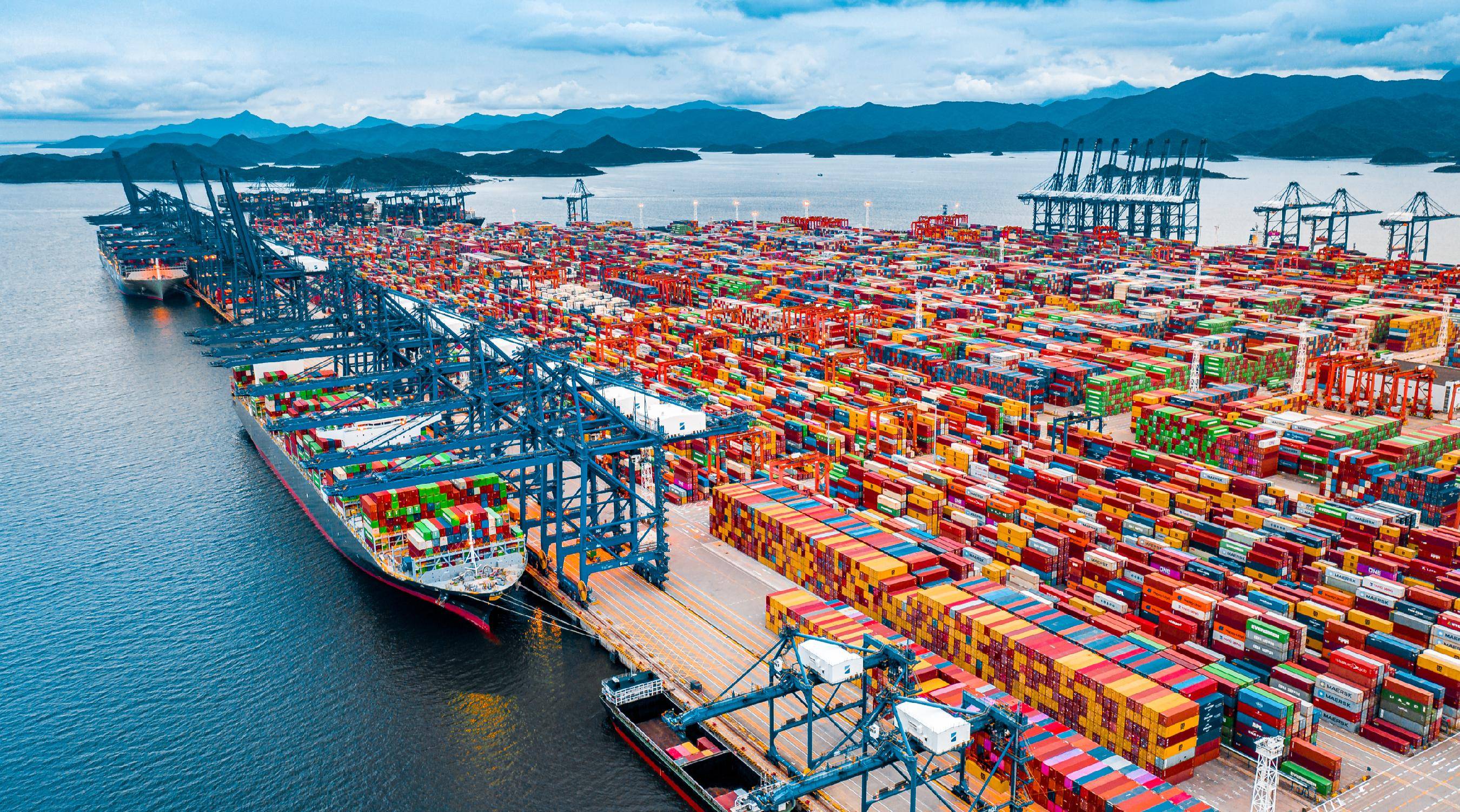
Core Viewpoint - China's trade surplus has reached an unprecedented $1.08 trillion, marking a historic achievement amid ongoing economic warfare initiated by the West [1][31]. Group 1: Trade Surplus Data - In the first 11 months of 2025, China's trade surplus exceeded $1.08 trillion, averaging a net gain of $30 billion per day [1]. - China's trade surplus with the EU was $310 billion, with the US at $250 billion, the UK at $54.3 billion, and Japan at $30 billion [7]. - This surplus is greater than the combined historical highest surpluses of the US, Japan, and Germany by one-third [3]. Group 2: Impact of Western Economic Policies - The trade war, characterized by the US imposing tariffs on hundreds of billions of dollars of Chinese goods, has not diminished China's export growth but rather catalyzed it [5][11]. - The failure of Western strategies to contain China's exports has led to a significant increase in China's trade surplus [11][28]. Group 3: Structural Changes in Exports - The share of private enterprises in China's exports rose to 57.1% by 2025, surpassing foreign-invested enterprises, which dropped to 29.3% [18]. - High-value and high-tech products now account for 82.9% of China's exports, while labor-intensive products have decreased to 15.1% [18]. - The shift from quantity to quality in exports signifies a transition to selling technology and value rather than just products [20]. Group 4: Industry Innovations and Competitiveness - Chinese companies, particularly in the automotive sector, have achieved significant breakthroughs, with exports of electric vehicles soaring [21][23]. - The semiconductor sector also saw a remarkable increase, with exports expected to exceed 1.4 trillion yuan, equivalent to the construction of seven Three Gorges projects [25]. - The technological advancements of private enterprises have made Chinese exports indispensable, countering Western attempts to impose tariffs on lower-end goods [28]. Group 5: Global Economic Power Shift - The $1 trillion surplus signifies a major shift in global economic power, with China becoming a new shaper of trade rules [31][35]. - The reliance of Western economies on Chinese products for achieving carbon neutrality and stabilizing prices highlights the paradox of their containment strategies [37]. - This trade surplus is not merely a statistical achievement but a reflection of China's resilience and innovation in the face of adversity [42][47].
海南封关120多万卡宴只要60万 但是个人消费者无法购买
Xin Lang Cai Jing· 2025-12-20 04:42
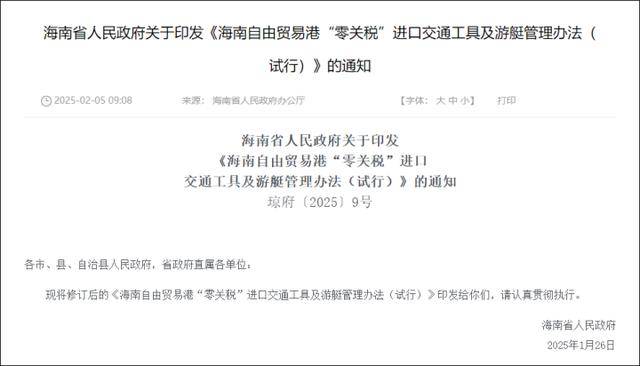
Core Viewpoint - The implementation of the "zero tariff" import vehicle policy in Hainan Free Trade Port is attracting attention, but it is not applicable for personal consumers, only for businesses in transportation and tourism sectors [1] Group 1: Policy Details - The "zero tariff" policy allows significant price reductions on imported vehicles, such as a BMW X5 priced at 350,000 yuan instead of 600,000 yuan, and a Porsche Cayenne available for 600,000 yuan instead of 1.2 million yuan [1] - The policy is limited to enterprises engaged in transportation and tourism, requiring vehicles to be used for operations and equipped with satellite positioning systems linked to regulatory controls [1] - Vehicles must have their origin or destination within Hainan Free Trade Port and cannot stay in mainland China for more than 120 days annually [1] Group 2: Business Requirements - Companies must either have at least 15 operational vehicles for over three years or import a minimum of 15 zero-tariff vehicles at once to qualify for the policy [1] - Even if a business qualifies, there are strict regulations: vehicles cannot be freely transferred, and any transfer requires customs approval, with taxes due if transferred to non-eligible parties [1] - All zero-tariff vehicles must be registered for operational use, meaning they must be scrapped after 15 years, and their stay outside Hainan is limited to 120 days per year [1] Group 3: Consumer Warnings - Consumers should be cautious of illegal dealers claiming to facilitate the purchase of zero-tariff vehicles, as such claims are likely scams [1] - Vehicles purchased through fraudulent means may not be registered and could be confiscated by customs, resulting in financial loss [1]
盈利承压转型阵痛 跨国车企集体“降速御冬”
Zhong Guo Zheng Quan Bao· 2025-12-19 20:10
Core Insights - The global automotive market is undergoing an unprecedented deep adjustment, with major automakers like Volkswagen, Ford, and Mercedes-Benz implementing significant strategic changes in response to rising electric vehicle penetration, intensified market competition, and increasing profitability pressures [1][2][3] Strategic Adjustments - Volkswagen plans to shut down part of its traditional fuel vehicle production lines in Wolfsburg, Germany, affecting around 3,000 employees, as part of its "2030 strategy" adjustment, with a 25% reduction in R&D budget for traditional powertrains from 2025 to 2027 [1] - Ford has reduced its planned investment in electric vehicle transformation from $50 billion to $35 billion, delaying the launch of several electric models and halting the construction of a new battery factory in Germany [2] - Mercedes-Benz has initiated a three-year efficiency improvement plan aiming to cut costs by over €14 billion, focusing on optimizing supply chains and reducing non-core business investments [2] Market Pressures - The global automotive sales are projected to reach 88 million units in 2025, with electric vehicles accounting for over 42% of the market, an 8 percentage point increase from 2024, driven largely by growth in the Asian market [3] - Traditional automakers face significant profitability challenges, with Ford's electric vehicle segment expected to incur a loss of $4.5 billion in 2024, while Volkswagen's electric vehicle profit margin stands at only 3.2%, compared to 8.5% for traditional fuel vehicles [3][4] Industry Transformation - Automakers are shifting from large-scale investments and vertical integration to a light-asset operation model, focusing on strategic partnerships for battery supply rather than building in-house factories [4][5] - Companies are concentrating production capacity in high-growth markets and high-margin products, with Volkswagen increasing investment in new energy vehicles in emerging markets while reducing production in Europe [5] - Research and development budgets are being refocused on core technologies, with companies like Mercedes-Benz prioritizing autonomous driving and smart cockpit technologies [5] Future Outlook - The collective slowdown of major automakers is seen as a pragmatic response to short-term pressures and a necessary evolution in the industry's development stage, with only those able to adapt quickly to market changes and maintain financial stability likely to succeed in the long term [6]

60多万能买到120万的卡宴?海南正式封关,打飞的到海南买进口车可行吗?
Sou Hu Cai Jing· 2025-12-19 13:09
Group 1 - The "zero tariff" policy for imported cars in Hainan has officially been implemented, significantly reducing car prices by eliminating three major taxes: customs duty, value-added tax, and consumption tax, which previously totaled up to 31.26% - 116.58% [2][5] - For example, a 3.0T imported SUV that costs 30 million yuan at the port could reach over 50 million yuan after taxes, while the first "zero tariff" vehicle in Hainan, a Toyota Hiace, saw a price reduction of nearly 40% due to tax exemptions [2][4] - The policy is expected to benefit the automotive industry in China, as it allows companies to import complete vehicles or core components for modification and assembly, provided they add value of over 30%, thus creating a compliant low-cost entry into the Chinese market [9][11] Group 2 - The "zero tariff" policy is not available for individual consumers; it is restricted to enterprises engaged in transportation and tourism, requiring vehicles to be used for operations and meet specific conditions [5][7] - Even for companies, there are strict regulations, including the requirement that vehicles must be registered for operational use, cannot be freely transferred, and must not exceed 120 days of stay outside Hainan [7][8] - The policy may indirectly benefit consumers through lower rental prices for vehicles, as local car rental companies can purchase zero-tariff vehicles and offer them at reduced rates to tourists [8]
高通高管称未来五年技术巨变在即,这个领域首当其冲
财富FORTUNE· 2025-12-19 13:05
Core Viewpoint - Qualcomm is entering the AI chip market, aiming to compete with Nvidia and AMD, and is focusing on integrating AI into automotive technology, which is expected to revolutionize robotics and driving assistance systems [2][3]. Group 1: AI Integration in Automotive - Qualcomm's AI chips will be implemented in vehicles across 100 countries by the end of next year, indicating a significant expansion in their automotive technology offerings [2][5]. - The company has developed driving assistance systems for major automakers like Mercedes-Benz, Volvo, and General Motors, which include features such as lane keeping and automatic parking [3]. - Qualcomm's first driving assistance system solution, developed in collaboration with BMW, has been rolled out to 60 countries after three and a half years of development [3]. Group 2: Future of Autonomous Driving - The development and adoption of autonomous driving technology typically take about ten years, but the pace of innovation is expected to accelerate in the next five years [5]. - A recent survey indicated that 43% of drivers planning to purchase a new car in the next three years are interested in using hands-free semi-autonomous driving features, reflecting a growing demand for such technologies [5]. Group 3: Safety and Regulation - The development of safe and regulated driving technologies requires a clear, rule-based protective framework, which will be enhanced by the integration of AI [6][7].


价格打“骨折”,曾“高攀不起”的进口豪车,找中国车企“求带”
Mei Ri Jing Ji Xin Wen· 2025-12-19 12:44
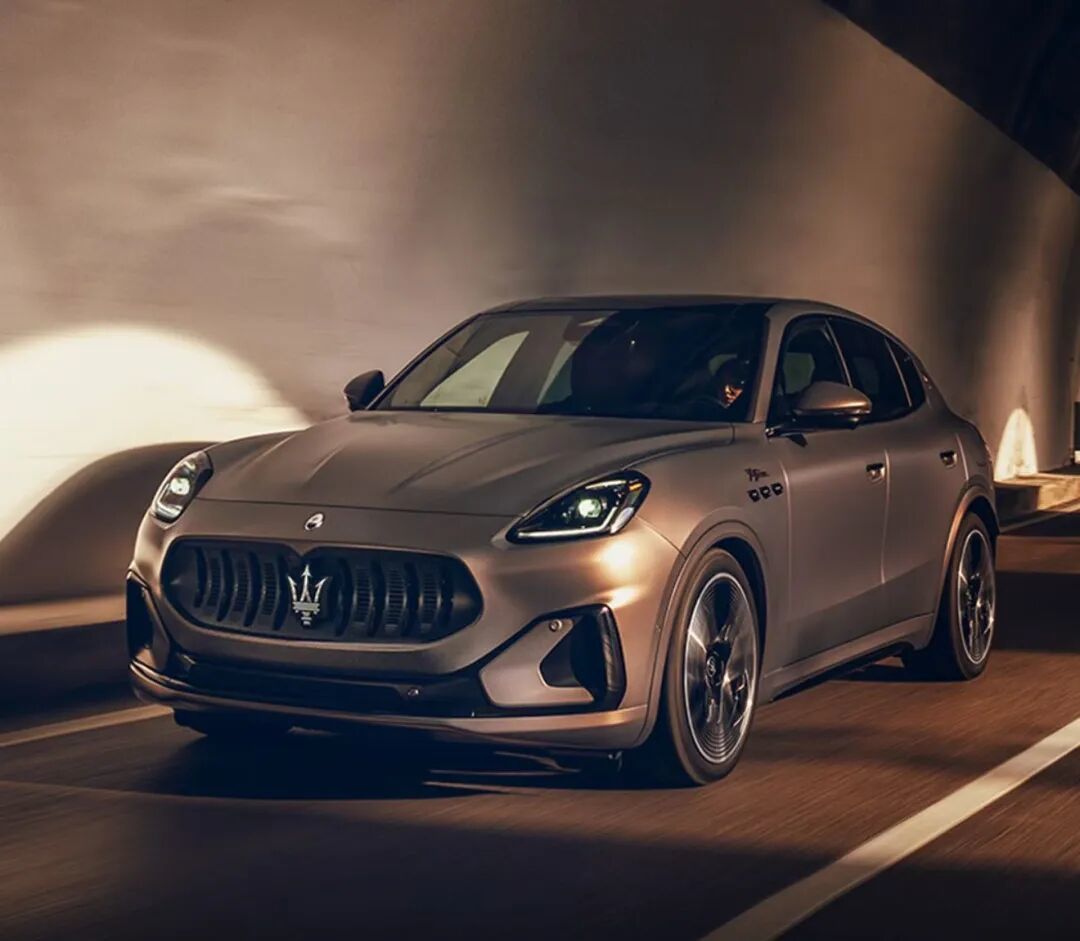
Core Viewpoint - The imported luxury car market in China is experiencing significant price reductions and declining sales, with domestic brands gaining market share and competitiveness [1][5][7]. Group 1: Price Reductions - Maserati's Grecale model, once priced around 900,000 yuan, is now available for as low as 358,800 yuan, reflecting a discount of over 60% [1][2]. - Aston Martin's DBX model has seen its price drop from 2,448,000 yuan to between 1,600,000 and 1,700,000 yuan, equating to a discount of approximately 35% [3]. - Porsche's 718 model is being offered at a significant discount, with prices as low as 50,000 yuan after adjustments [4]. Group 2: Market Trends - The imported car market in China has seen a decline from 1.43 million units in 2014 to 400,000 units in 2025, marking a 30% year-on-year decrease [5][6]. - Maserati's sales in China have plummeted from 14,400 units in 2017 to just 1,228 units in 2024, a drop of over 70% [5]. - The overall luxury car market is under pressure, with domestic brands capturing 68.5% of the passenger car market share in the first half of 2025, up 6.6 percentage points year-on-year [7][8]. Group 3: Competitive Landscape - Domestic high-end brands are increasingly competitive, offering better technology and features at similar price points, which is impacting the sales of imported luxury vehicles [7][8]. - The shift in consumer preferences towards domestic brands is evident, as they provide more intelligent and higher-configured products compared to traditional imported luxury cars [8][9]. - Foreign luxury brands are adapting by integrating into local supply chains and developing models specifically for the Chinese market, such as BMW and Mercedes-Benz's new production plans [10][11].
进口豪车干不过中国车了,30多万元买玛莎拉蒂,六五折买阿斯顿·马丁
Mei Ri Jing Ji Xin Wen· 2025-12-19 11:31
Core Viewpoint - The luxury car market in China is experiencing significant price reductions and inventory challenges, with brands like Maserati and Aston Martin offering steep discounts to stimulate sales amid declining demand [1][10][14]. Group 1: Price Reductions and Discounts - Maserati's Grecale electric SUV has seen its price drop from nearly 900,000 yuan to as low as 358,800 yuan, a reduction of over 60% [1]. - The Grecale fuel version offers discounts exceeding 200,000 yuan, with final prices often falling between 400,000 to 500,000 yuan [1]. - Aston Martin's DBX V8, originally priced at 2.448 million yuan, is now available for around 1.6 to 1.7 million yuan, representing a discount of approximately 35% [5][6]. Group 2: Market Trends and Sales Data - The overall import car market in China has seen a decline, with 400,000 units imported in the first ten months of 2025, a 30% year-on-year decrease [10]. - Maserati's sales in China have plummeted from 14,400 units in 2017 to just 1,228 units in 2024, a drop of over 70% [10]. - Other luxury brands like Bentley, Ferrari, and Lamborghini have also reported significant declines in sales, with Bentley's imports down 21% and Ferrari's down 19% in the same period [12]. Group 3: Competitive Landscape - The rise of domestic high-end brands is significantly impacting the luxury car market, with local brands capturing over 68.5% of the passenger car market share by mid-2025 [14][17]. - Domestic brands are increasingly offering more technologically advanced and competitively priced vehicles, challenging the traditional dominance of imported luxury cars [17][21]. - The shift in consumer preferences towards value and experience over brand prestige is further exacerbating the challenges faced by foreign luxury brands [17].