
李宁

Search documents
安踏拟收购德国彪马29%股权
Xin Lang Cai Jing· 2026-01-08 17:18
Group 1 - Anta Sports has made an offer to acquire the 29% stake in Puma held by the French Pinault family, which would make Anta the largest single shareholder of Puma if the deal is completed [2][4] - Anta Sports was previously listed as one of the potential bidders for Puma [4] - The acquisition process may involve collaboration with a private equity fund, similar to Anta's previous acquisition of Amer Sports [5] Group 2 - Other potential bidders for Puma include Li Ning, Asics, Authentic Brands Group, and private equity firm CVC [5] - Sources indicate that the progress of Anta's acquisition of Puma has stalled [5]


年营收55亿,李宁、安踏代工厂龙行天下闯关主板IPO
Nan Fang Du Shi Bao· 2026-01-08 08:01
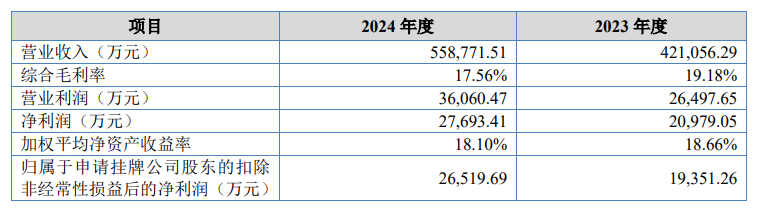
Core Viewpoint - Longxing Tianxia, a professional sports footwear manufacturer backed by major brands like Li Ning and Anta, has officially initiated its A-share listing process, aiming to list on the Shanghai Stock Exchange despite facing challenges such as high customer concentration and competitive pressures in the industry [1]. Group 1: Company Performance - Longxing Tianxia has shown steady growth in its financial performance, achieving a revenue of 4.211 billion yuan in 2023, with a net profit of 207 million yuan. The company expects a revenue increase of 32.71% to 5.588 billion yuan in 2024, with net profit rising to 278 million yuan [2][3]. - The company’s revenue structure indicates that running shoes are the primary source of income, contributing 2.068 billion yuan in 2024, accounting for 37% of total revenue [3]. Group 2: Production and Capacity - Longxing Tianxia has established a global production network with 27 factories across China, Vietnam, and Indonesia, employing a total of 27,458 staff, including 12,324 foreign employees. The company produced nearly 50 million pairs of footwear in 2024 [5]. - The company has been shifting production capacity overseas, with the sales proportion from its Vietnam base increasing from 25.68% in 2023 to 39.32% in 2024 [5]. Group 3: Industry Context - The Chinese sports footwear manufacturing industry has seen significant growth, with market size increasing from 23.4 billion yuan in 2019 to 47.8 billion yuan in 2023, reflecting a compound annual growth rate of 19.6%. The industry is expected to continue growing, potentially exceeding 70 billion yuan by 2028 [5]. - The industry is characterized by high competition and a trend towards specialization, which presents both opportunities and challenges for manufacturers like Longxing Tianxia [9]. Group 4: Customer Concentration and Risks - Longxing Tianxia faces risks associated with high customer concentration, with the top five clients accounting for 86.74% of revenue in 2023 and 88.86% in 2024. Li Ning is the largest client, contributing 24.76% of sales [7]. - The company’s gross profit margin has declined from 19.18% in 2023 to 17.56% in 2024, indicating pressure on profitability [10]. Group 5: Strategic Goals and IPO Plans - The primary goal of Longxing Tianxia's IPO is to leverage capital market resources to overcome development bottlenecks and expand production capacity in Vietnam and Indonesia, while also investing in smart and digital factory upgrades [11]. - The company acknowledges the risks associated with the IPO process, including the possibility of not passing the review or failing to issue shares, which could impact its market position [11].
又一高端品牌进入中国,李宁出手,硬刚始祖鸟
3 6 Ke· 2026-01-08 00:21
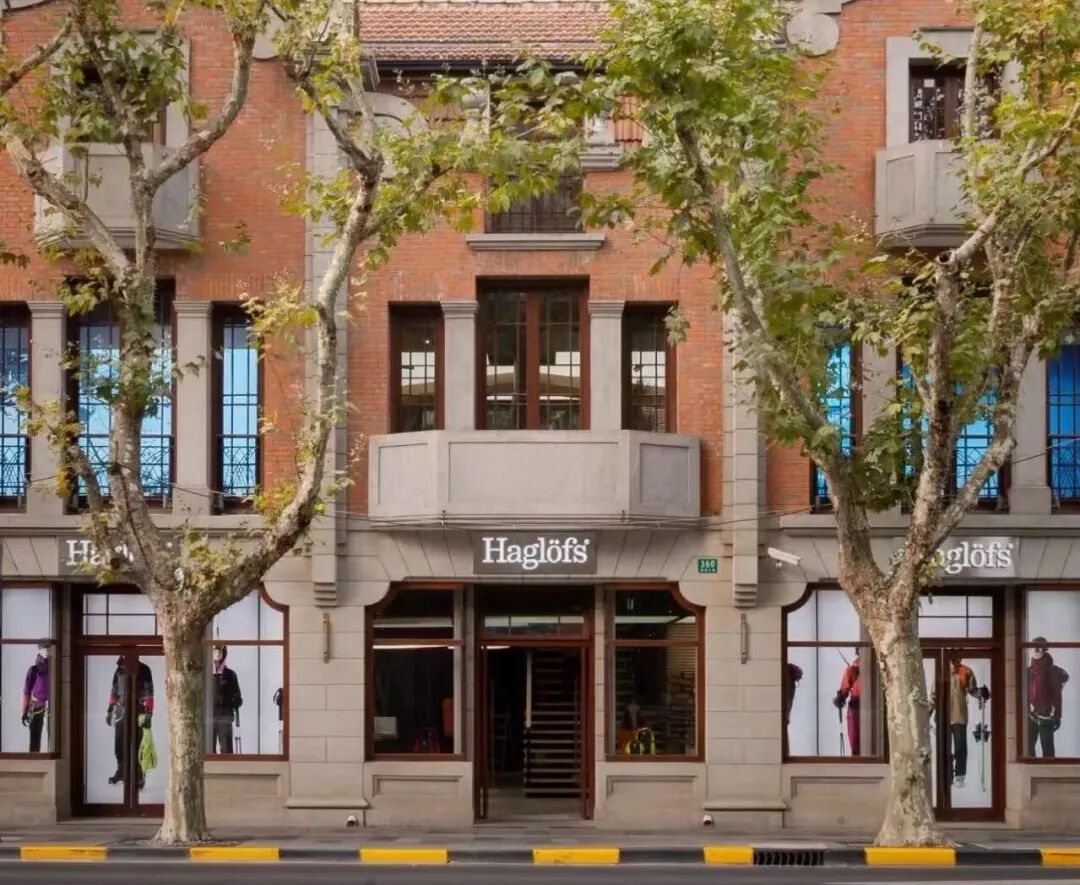
Core Insights - Haglöfs, a Swedish outdoor brand, opened its first VASA concept store in Shanghai, marking its significant return to the Chinese market and the establishment of its 21st offline store in the country [1][3] - The brand aims to expand rapidly, with plans to open 25 stores by the end of 2025 and 50 stores by mid-2026, alongside launching flagship stores on major e-commerce platforms [3][10] - The Chinese outdoor market is projected to grow from 598.9 billion yuan in 2025 to 896.3 billion yuan by 2030, indicating a favorable environment for outdoor brands [3] Company Strategy - Haglöfs emphasizes a "one brand, one voice" strategy, avoiding limited editions and maintaining consistent pricing across online and offline channels to build consumer trust [11][13] - The brand's product pricing ranges from 2,000 yuan to over 6,000 yuan, positioning itself in the mid-to-high-end market, directly competing with premium brands like Arc'teryx [9][10] - The partnership with Li Ning's subsidiary, which holds a 50% stake in a joint venture for Haglöfs' operations in China, allows for resource sharing and operational flexibility [10][14] Market Dynamics - The outdoor market in China has seen a shift from niche to mainstream, with over 400 million participants in outdoor activities, indicating a growing consumer base [15][19] - Haglöfs faces intense competition from established brands like Anta and The North Face, as well as emerging domestic brands that are rapidly gaining market share [17][19] - The brand's unique selling proposition lies in its alignment with the trend of "outdoor lifestyle," appealing to consumers seeking both functionality and style [19] Expansion Plans - The VASA concept store in Shanghai is strategically located in a high-end shopping district, targeting affluent consumers and enhancing brand visibility [5][6] - Future store openings will focus on first-tier and new first-tier cities, leveraging current low commercial real estate rents to optimize expansion costs [13][14] - The brand aims to capture a significant market share by establishing a strong presence in key urban centers, supported by Li Ning's established retail network [19][20]
从国内库存周期复盘看品牌服饰投资机会
2026-01-07 03:05
Summary of the Conference Call on the Apparel Industry Industry Overview - The apparel industry inventory cycle is closely related to retail growth rates, with changes in retail growth indicating key trading strategies for stocks [1][2] - The industry has experienced various phases: active destocking, passive destocking, and recovery, influenced by economic conditions and consumer demand [1][5] Key Points and Arguments - **Historical Inventory Cycles**: - From Q4 2014 to Q1 2016, the industry transitioned from active to passive destocking due to weak demand caused by e-commerce impacts. Mid to high-end menswear and home textiles saw significant stock price increases, while the sports sector remained stable [3] - From Q2 2017 to Q2 2019, the industry shifted to active restocking as the domestic economy improved, leading to a recovery in retail sales. Sports and home textile sectors performed well, while mass brands and mid to high-end women's wear faced larger corrections [3] - The pandemic from 2020 to 2022 caused a valuation bottom, followed by a rebound in sales. However, fluctuations due to ongoing pandemic effects and weather conditions led to a slowdown in growth [3] - From Q3 2022 to Q1 2025, the industry is currently in a phase of both active and passive destocking, with a recovery in profitability expected despite a potential slowdown in retail growth in Q2 2024 [5] - **Valuation Trends**: - During peak periods, valuations for leading sports brands like Anta and Xtep exceeded 50 times earnings, while mid to high-end menswear brands reached around 30 times. Currently, valuations for apparel brands fluctuate between 10 to 20 times, with A-share apparel companies having a support level around 10 times [4][6] - Leading companies like Anta have seen valuations drop to around 13 times during downturns, indicating a relatively stable valuation floor [6][7] Future Outlook - The apparel industry is expected to transition towards active restocking or passive destocking by 2026, with a potential improvement in retail growth and manageable inventory risks. This could lead to a weak recovery in the market [8] - Companies with high operational efficiency and market sensitivity, such as Anta, are recommended for investment consideration [8] Additional Important Insights - The apparel industry's inventory cycle can be divided into four stages: recovery, overheating, stagflation, and recession, with key indicators including GDP growth and retail sales [2] - The relationship between retail growth and stock performance is critical, as fluctuations often signal market entry and exit points for investors [3]
智通港股沽空统计|1月7日
智通财经网· 2026-01-07 00:25
Group 1 - The core point of the news highlights the short-selling ratios and amounts for several companies, indicating significant market sentiment against these stocks [1][2]. - Li Ning-R (82331) has the highest short-selling ratio at 97.53%, followed by Lenovo Group-R (80992) at 89.50% and Alibaba-WR (89988) at 78.66% [1][2]. - The top three companies by short-selling amount are Alibaba-W (09988) with 3.676 billion, China Ping An (02318) with 2.440 billion, and Tencent Holdings (00700) with 2.293 billion [1][2]. Group 2 - The top ten short-selling ratios include Li Ning-R (82331) at 97.53%, Lenovo Group-R (80992) at 89.50%, and Alibaba-WR (89988) at 78.66% [2]. - The top ten short-selling amounts show Alibaba-W (09988) leading with 3.676 billion, followed by China Ping An (02318) at 2.440 billion and Tencent Holdings (00700) at 2.293 billion [2]. - The highest deviation values in short-selling are led by Alibaba-WR (89988) at 38.29%, Li Ning-R (82331) at 30.88%, and Tencent Holdings-R (80700) at 29.97% [1][2].


商场一层,被运动风攻占
虎嗅APP· 2026-01-06 09:13
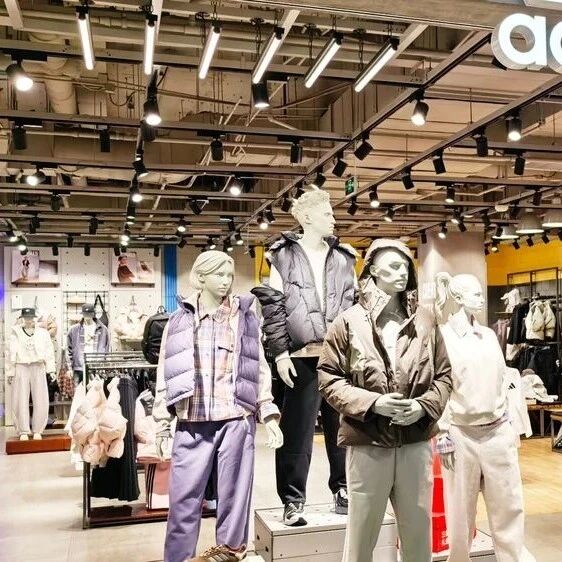
Core Viewpoint - A significant shift in retail branding is occurring, with sportswear brands increasingly occupying prime locations in shopping malls, replacing fast fashion brands that once dominated the space [4][11][12]. Group 1: Brand Transition in Malls - The rise of the "athleisure" trend has led to a transformation in shopping centers, where sports brands like Nike, Adidas, and emerging brands such as Lululemon are now prevalent in prime retail spaces [4][8]. - Traditional fast fashion brands, which once held significant market power, are now facing challenges due to declining sales and consumer preferences shifting towards quality and comfort [11][12]. - Shopping mall operators have noted a decline in the sales per square meter for fast fashion brands, while sports brands have shown steady growth, prompting a reallocation of retail space towards sports and outdoor brands [13][14]. Group 2: Consumer Behavior Changes - Consumers are increasingly prioritizing comfort and quality over fast fashion trends, leading to a demand for sportswear that integrates into daily life rather than being limited to athletic activities [5][9]. - The growing health consciousness and the normalization of fitness culture have made sportswear a lifestyle choice, influencing purchasing decisions across demographics [9][17]. - The shift from fast fashion to sportswear reflects a broader societal change, where consumers are more focused on health and quality of life rather than just fashion trends [18][19]. Group 3: Market Dynamics and Future Trends - The market for outdoor and sports brands is expected to continue growing, with projections indicating significant retail revenue increases for brands like Descente and KAILAS [16]. - The integration of technology in sportswear, such as breathable fabrics and smart wearables, is enhancing product appeal and driving innovation in the sector [14][16]. - The ongoing evolution in consumer preferences suggests that the retail landscape will continue to adapt, with brands needing to balance functionality and style to remain competitive [19].
李宁(02331) - 截至二零二五年十二月三十一日止月份之股份发行人的证券变动月报表
2026-01-06 08:35
股份發行人及根據《上市規則》第十九B章上市的香港預託證券發行人的證券變動月報表 | 截至月份: | 2025年12月31日 | 狀態: 新提交 | | --- | --- | --- | | 致:香港交易及結算所有限公司 | | | | 公司名稱: | 李寧有限公司 | | | 呈交日期: | 2026年1月6日 | | | I. 法定/註冊股本變動 | | | | 1. 股份分類 | 普通股 | | 股份類別 | 不適用 | | 於香港聯交所上市 (註1) | | 是 | | | --- | --- | --- | --- | --- | --- | --- | --- | --- | --- | | 證券代號 (如上市) | 02331 | | 說明 | | | | | | | | 多櫃檯證券代號 | 82331 | RMB | 說明 | | | | | | | | | | | 法定/註冊股份數目 | | 面值 | | | 法定/註冊股本 | | | 上月底結存 | | | 10,000,000,000 | HKD | | 0.1 | HKD | | 1,000,000,000 | | 增加 / 減少 ( ...
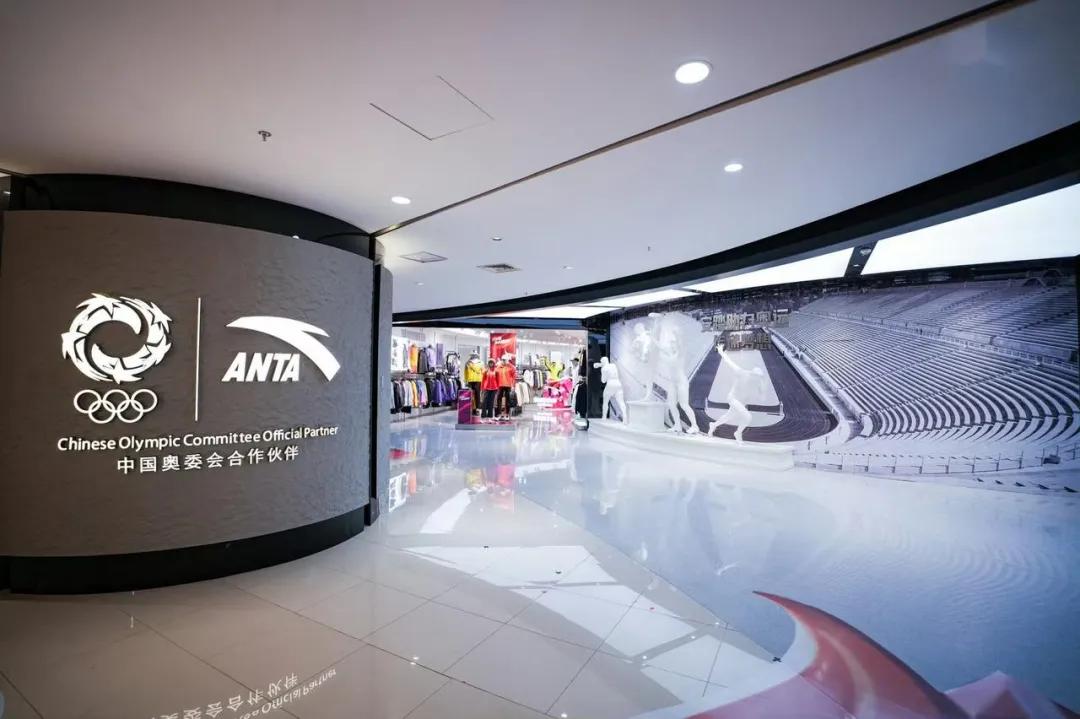
大赛缺席的2025年,体育营销在“内需”里挖增量
3 6 Ke· 2026-01-06 03:56
Core Insights - The year 2025, initially perceived as a low point for sports marketing, has unexpectedly become a pivotal year for brands to refocus on the Chinese market, driven by the emergence of significant sports events and athlete IPs [1][10] - The transition period between major global sports events has led to a reshuffling of marketing resources, particularly with the Chinese Olympic Committee's partnership changing hands from Anta to Li Ning for the 2025-2028 cycle, valued at approximately 800 million yuan [1][2] Group 1: National Team Sponsorships - Anta has taken over sponsorship rights for the Chinese 3x3 basketball national team and has renewed contracts with various national teams, marking a strategic shift in the competitive landscape of sports marketing [2][6] - The competition for national team sponsorships has intensified, with brands focusing on narrative strategies and deepening their presence in specific sports to prepare for upcoming major events [2][4] Group 2: Athlete Endorsements - The phenomenon of athlete endorsements has gained traction, with table tennis player Sun Yingsha signing over 20 brand deals across various sectors, highlighting the growing commercial value of athletes beyond their sports achievements [4][10] - Emerging athletes like Zhao Xintong and Liu Jingyang are also becoming attractive options for brands, leveraging their recent successes to create compelling marketing narratives [4][6] Group 3: Grassroots and Community Events - The rise of community-oriented events, such as the "Super League," has attracted numerous brands, creating a vast marketing landscape that allows for targeted engagement with diverse audience segments [6][7] - Local events and niche sports competitions are gaining visibility, with brands utilizing these platforms to connect with participants and enhance brand recognition [6][7] Group 4: Media Rights and Broadcasting - The competition for sports broadcasting rights is intensifying, with companies like China Mobile Migu securing exclusive media rights for major leagues and events, indicating a shift in how sports content is distributed [7][8] - Platforms are differentiating themselves through user engagement and ecosystem integration, which is expected to escalate with the upcoming Winter Olympics and World Cup [8][10] Group 5: International Marketing Strategies - Chinese brands are increasingly recognizing the importance of international sports marketing, with companies like TCL and Haier expanding their global sponsorships and focusing on tailored marketing strategies for specific regions [10][12] - The approach to international marketing is becoming more systematic, with brands aligning their strategies with local market needs and preferences [10][12] Group 6: Winter Sports Marketing - The upcoming 2026 Winter Olympics is prompting brands to ramp up their marketing efforts in winter sports, with a focus on leveraging popular athletes and events to enhance brand visibility [12] - The sustainability of regional events and the exploration of new athlete IPs are becoming key themes for sports marketing participants as they prepare for a competitive landscape [12]
可选消费W01周度趋势解析:免税优异表现拉动增长,港股消费跌幅较大-20260105
Haitong Securities International· 2026-01-05 14:47
Investment Rating - The report assigns an "Outperform" rating to multiple companies including Nike, Midea Group, JD Group, Haier Smart Home, Gree Electric, and others, while Lulu Lemon is rated as "Neutral" [1]. Core Insights - Duty-free sales have shown exceptional performance, driving growth in the discretionary sector, while Hong Kong consumer stocks have experienced significant declines [4][11]. - The luxury goods sector has outperformed, with a weekly increase of 1.5%, while the retail sector also saw a rise of 1.1% [5][13]. - The report highlights that the overall sentiment in travel-related sectors remains high, contributing positively to the discretionary consumption outlook [3]. Weekly Performance Review - The weekly performance of various sectors is as follows: luxury goods > retail > overseas sportswear > overseas cosmetics > US hotels > domestic sportswear > credit cards > snacks > pets > domestic cosmetics > gold and jewelry > gaming, with respective weekly changes of 1.5%, 1.1%, 0.8%, -0.3%, -0.4%, -2.4%, -2.4%, -2.8%, -2.9%, -4.5%, -4.6%, and -5.6% [11][12]. - The retail sector's growth was significantly driven by China Duty Free, which saw a 7.6% increase due to strong sales during the New Year holiday [6][13]. Monthly and Year-to-Date Performance - Monthly performance shows retail leading with a 4.9% increase, followed by overseas sportswear and US hotels, while domestic cosmetics and gaming sectors faced declines [11]. - Year-to-date performance indicates that overseas cosmetics and US hotels have performed well, while domestic cosmetics and snacks have shown negative growth [12]. Valuation Analysis - The report notes that the valuation of various sectors remains below their average over the past five years, with expected PE ratios for 2025 indicating significant potential for growth [9][14]. - Specific sectors such as overseas sportswear are projected to have a PE of 31.2 times, which is 59% of the past five-year average, while domestic sportswear is at 13.3 times, 70% of the average [14][15].
金融产品深度报告20260105:恒生科技ETF,2025年12月复盘及2026年1月展望
Soochow Securities· 2026-01-05 13:19
Market Performance - The Hang Seng Tech Index experienced a cumulative increase of 1.62% from December 1, 2025, to January 2, 2026, with a total trading volume of approximately 1,129 billion CNY[10] - The index showed a pattern of "oscillating downward, bottoming mid-month, and accelerating rebound at the beginning of 2026" during this period[10] Valuation Analysis - As of January 2, 2026, the price-to-earnings ratio (PE-TTM) of the Hang Seng Tech Index was 23.80, positioned at the 36.40% historical percentile since its inception on July 27, 2020, indicating a relatively low historical valuation[13] Technical Analysis - The risk degree (TR) of the Hang Seng Tech Index was -0.41 as of January 2, 2026, indicating a low-risk environment and a favorable risk-reward ratio[18] - The index's current price is near the main peak of the chip distribution, suggesting manageable selling pressure if it rebounds to that level[18] Macro Factors - Domestic PMI improved in November, and CPI/core CPI showed signs of recovery, providing support for the tech sector's valuation[23] - U.S. employment data showed weakness, contributing to fluctuations in the dollar and U.S. Treasury yields, which impacted the risk appetite for Hong Kong tech stocks[23] Policy Support - The Central Economic Work Conference emphasized stable growth and support for 2026, alleviating concerns about liquidity tightening[27] - The Federal Open Market Committee (FOMC) signaled potential interest rate cuts, although future paths remain uncertain, affecting U.S. Treasury yields and the dollar, which are crucial for Hong Kong tech valuations[27] Industry Dynamics - The end-of-year promotions in e-commerce extended the sales cycle, enhancing transaction expectations on the platform side[36] - The AI and semiconductor sectors saw increased attention and funding at the beginning of January, boosting short-term elasticity in the tech sector[36] Key Event Outlook - Weak U.S. non-farm payroll, CPI/PCE, and GDP data could raise interest rate cut expectations, benefiting Hong Kong tech valuations; conversely, strong data may constrain liquidity and valuation elasticity[42] Index Outlook - The Hang Seng Tech Index is expected to trend upward in January 2026, driven by seasonal trading and potential foreign capital inflow, with volatility likely to increase during event windows[42] Related ETF Products - The Huaxia Hang Seng Tech ETF (513180) closely tracks the Hang Seng Tech Index, with a total market value of 48.95 billion CNY and a trading volume of 2.907 billion CNY on January 2, 2026[10]