奔驰

Search documents
2025年30-40万新能源汽车终端优惠车型盘点
Zhong Guo Neng Yuan Wang· 2025-12-17 11:47
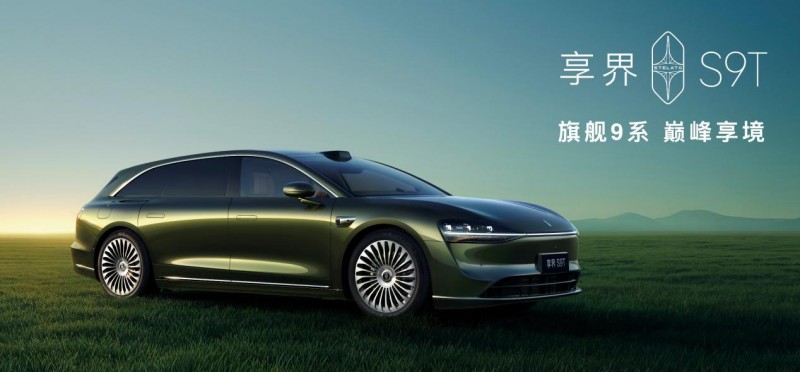
Core Insights - The popularity of travel cars in the domestic market has significantly increased, with a focus on convenience, versatility, and appealing design among consumers [1] - The price range of 300,000 to 400,000 yuan has become a key budget segment for high-quality travel cars, with competition centered around space, long-range performance, intelligent driving assistance, and cabin experience [1] Group 1: Enjoy S9T - The Enjoy S9T is the first travel car from Hongmeng Zhixing, combining elegance and spaciousness, equipped with advanced technologies such as Huawei's ADS 4 and a new platform [4] - It features 30 storage spaces and a trunk capacity of 729L, expandable to 1677L, accommodating large items like golf bags and bicycles [4] - The vehicle offers a range of smart features, including a smart cockpit with multiple screens and advanced audio systems, enhancing user interaction and convenience [5] Group 2: Performance and Safety - The Enjoy S9T boasts a 0-100 km/h acceleration time of 3.95 seconds and a braking distance of 33.95 meters, with enhanced stability and comfort [6] - It has a maximum range of 801 km for the pure electric version and 1305 km for the range-extended version, with efficient energy consumption [6] - The vehicle is equipped with comprehensive safety features, including a collision avoidance system and a robust body structure, ensuring high safety standards [7][8] Group 3: NIO ET5T - The NIO ET5T maintains a family design with a hatchback style, offering battery options of 75 kWh and 100 kWh, with a range of 530-700 km [10][11] - It supports NIO Assisted Driving capabilities and features a minimalist interior with a focus on comfort and usability [10] Group 4: Mercedes-Benz E-Class - The Mercedes-Benz E-Class travel version emphasizes luxury and driving quality, featuring the MBUX intelligent system and a range of engine options [12] - While it lacks in energy efficiency and smart features compared to newer models, it remains attractive for its brand reputation and craftsmanship [12] Group 5: Purchase Recommendations - For urban commuting and weekend trips, the Enjoy S9T is recommended due to its smart features and flexibility [13] - For family users considering long-distance travel, the NIO ET5T is a viable alternative, though it is slightly less comprehensive in smart features [13] - For those prioritizing traditional luxury and driving experience, the Mercedes-Benz E-Class is still appealing despite its limitations in energy efficiency [13] Group 6: Next Steps for Consumers - Consumers are advised to visit offline stores for real vehicle experiences, focusing on trunk space and driving assistance performance [16] - Evaluating the suitability of pure electric or range-extended powertrains based on personal usage and charging conditions is recommended [16] - A thorough assessment of financial options, delivery timelines, and after-sales service policies is essential for overall cost evaluation [16]

被默克尔说中了!27国跟着美国对中国出手后,欧洲正滑向第三世界
Sou Hu Cai Jing· 2025-12-17 10:16
默克尔一句"老话",越想越脊背发凉。 当初没人当回事,如今欧盟27国跟风围堵中国。 结果反被中美双双绕开,自家工厂倒闭、物价飞涨、稀土还靠中国供着…… 这哪是"战略自主",分明是自断筋脉。 当"西方阵营"内部分崩离析,欧洲真要滑向第三世界了吗? 从2024年下半年开始,欧盟27国像是被人牵了线的木偶,跟着美国一起对中国出手。 先是7月底,欧盟宣布对中国的有机涂层板继续加税,反倾销税最高到26.1%,反补贴税更是飙到 44.7%。 没过三个月,又把矛头对准了电动汽车,给中国车企加征最高35.3%的关税,一下就是五年。 上汽集团被课了最高的税,就连配合调查的企业也逃不掉20%以上的税率。 这个关税政策在欧盟内部吵得不可开交,10国支持,5国反对,12国弃权。 就因为没达到否决门槛,硬生生给通过了。 作为欧洲经济核心的德国,当场就投了反对票。 德国汽车工业协会马上警告,这么干只会抬高欧洲人买车的成本,还会拖慢欧洲自己的电动车发展。 谁都清楚,大众、宝马、奔驰这三大德企,超过三分之一的车都卖到了中国,中国市场就是他们的"钱 袋子"。 果不其然,政策刚落地,欧洲车企就开始栽跟头。 奔驰2025年上半年的净利润直接跌了5 ...

首批L3准入亮相:自动驾驶进入“有条件上路”阶段
Tai Mei Ti A P P· 2025-12-17 09:26
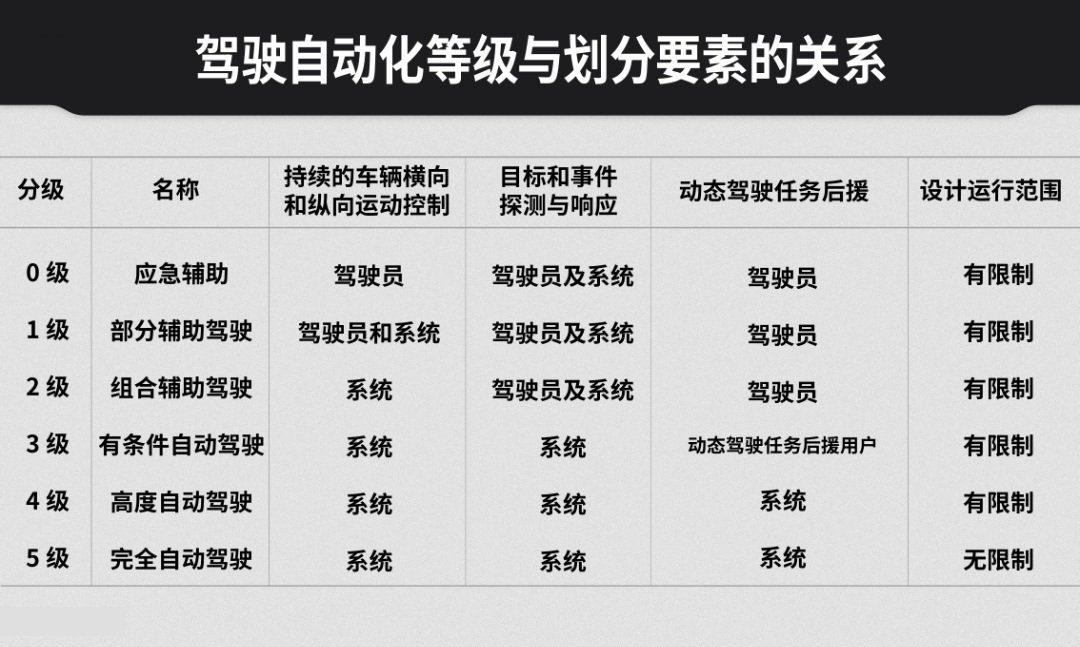
Core Insights - The issuance of L3 autonomous driving licenses in China is more frequent than expected, with several companies like Changan and BAIC receiving approval, indicating a competitive "license race" [2] - The conditions for the first batch of approved vehicles reveal a controlled testing environment, emphasizing a cautious approach to technology deployment and risk management [2][4] - China's path to L3 autonomous driving is distinct from Germany and the U.S., focusing on a gradual, controlled policy experiment over three years [2][3][6] Regulatory Framework - The regulatory journey began in November 2022 with the Ministry of Industry and Information Technology (MIIT) proposing a management framework for L3/L4 vehicles to address the "responsibility vacuum" in the industry [3] - 2023 marked a breakthrough year for testing licenses, with various companies obtaining approvals, establishing a dual-track testing model [3][6] - The approval process culminated in December 2025, with a comprehensive framework for conditional L3 vehicle production licenses [3][6] Testing Conditions - The approved vehicles, such as Changan's SL03 and BAIC's Alpha S, are restricted to specific routes and speed limits, highlighting a focus on controlled operational environments [4][5] - The vehicles are not sold directly to consumers but operated by designated companies, indicating a shift in responsibility from individual users to operators [4][5] Industry Implications - The conditions for L3 licenses signal a shift from hardware-centric competition to a focus on scenario-specific engineering capabilities and cost control [7][8] - The competition among automakers is now defined by their ability to adapt to specific driving conditions rather than merely enhancing hardware specifications [7][8] Business Model Evolution - The "car company + operating company" model serves as a buffer to explore service pricing and user acceptance within a controlled environment [9] - This model allows for the testing of autonomous driving services while gathering valuable data to inform future pricing strategies [9] Challenges Ahead - The transition to a service-oriented model faces challenges, including balancing technical costs with user value and addressing consumer perceptions regarding subscription services [10] - The long-term commercial viability of L3 technology will depend on expanding operational scenarios, clarifying legal responsibilities, and shifting consumer mindsets [10] Strategic Positioning - China's approach to L3 licensing is part of a broader strategy to establish a domestic supply chain for autonomous driving technologies, reducing reliance on foreign components [11] - The testing of L3 vehicles in controlled environments aims to generate data that can inform future standards and practices in the global automotive industry [11] Future Outlook - The issuance of L3 licenses marks the beginning of a longer journey for automakers, who must now navigate the complexities of expanding their operational scope and transitioning to service providers [12]




崔东树:11月B级豪华SUV市场同比下滑22.6% 环比增长14.6% 月度走势好于B级主流燃油SUV市场
智通财经网· 2025-12-17 09:08
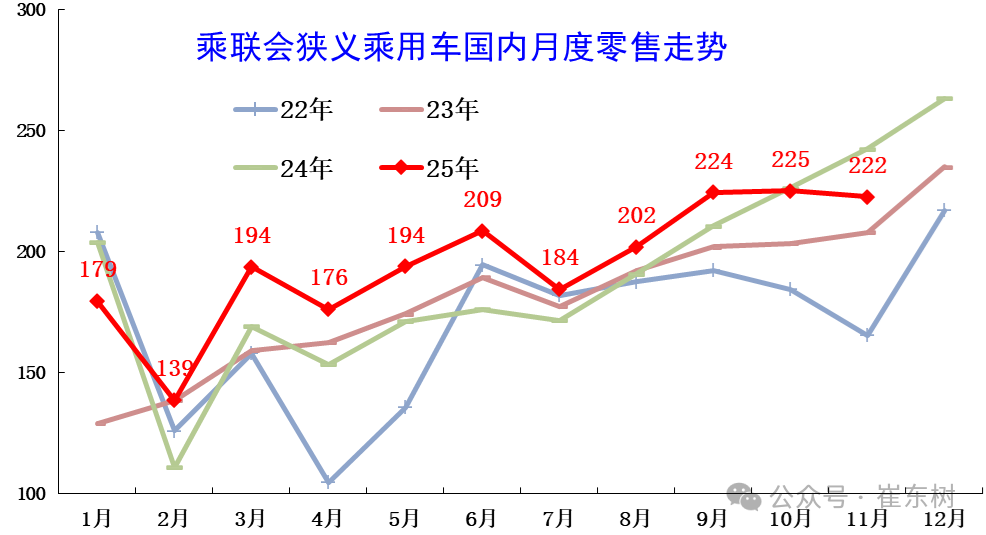
Core Insights - The B-class fuel SUV market experienced a year-on-year decline of 27% in November, with a month-on-month increase of 6% compared to October, indicating significant growth pressure [1][13] - The luxury B-class SUV segment saw a year-on-year decline of 22.6% in November, but a month-on-month increase of 14.6%, showing better monthly performance than the mainstream B-class fuel SUV market [1][13] - The traditional winter market is underperforming, with a severe drop in sales of homogeneous products, while differentiated products are performing well, reflecting a clear trend of high-end consumer upgrades [1] Market Trends - The retail growth rate of the domestic passenger car market fluctuated significantly in 2025, starting with a 1.2% increase in January-February, peaking at 15% from March to June, and then declining to -8% in November [1][4] - The market is currently in a transitional phase due to the adjustment of subsidy policies, which has led to a slowdown in sales [7][20] - The overall retail sales in the fourth quarter are expected to create a favorable growth space for the "15th Five-Year Plan" period, following strong performance during the "14th Five-Year Plan" [19][20] Sales Performance - In November, the retail sales of fuel passenger vehicles dropped by 22% year-on-year and 7% month-on-month, indicating a challenging market environment [10][11] - The luxury B-class SUV market saw significant declines, with major brands like Audi, Mercedes-Benz, and BMW experiencing year-on-year drops exceeding 20% [14][15] - The only model showing positive growth in this segment was the Cadillac XT5, which achieved a 7% year-on-year increase in sales, highlighting potential opportunities in a contracting market [14][15] Consumer Behavior - Consumers are increasingly rational, focusing on the practical value of products rather than just luxury branding, which is reshaping the luxury vehicle market [15] - Safety has become a critical concern in the automotive industry, with brands like Cadillac emphasizing safety features to enhance consumer value perception [15] Future Outlook - The automotive market is expected to continue facing challenges in 2026, with intensified competition and the need for brands to maintain distinctiveness and differentiation [19][20] - The continuation and optimization of the "old-for-new" subsidy policy is anticipated to significantly boost automotive consumption potential in the coming years [20]

小马智行王皓俊:财务指标不全反映技术价值,2023年或成商业化验证年
Zhi Tong Cai Jing· 2025-12-17 07:24
Core Insights - The announcement of the first batch of conditional L3 autonomous vehicle permits by the Ministry of Industry and Information Technology marks a clearer path for autonomous driving commercialization, particularly in the Robotaxi sector [1] - Companies like Mercedes, Stellantis, and Tesla are making significant advancements in Robotaxi testing and operations, with Waymo reporting a trip volume exceeding 14 million since 2025, and Xiaoma Zhixing achieving single-vehicle profitability [1][2] Group 1: Company Developments - Xiaoma Zhixing aims to achieve breakeven by 2030, emphasizing that financial metrics do not fully reflect technological value, and that profitability depends on cost control and revenue scale [2] - The company plans to operate fully autonomous Robotaxis in major cities, with an operational area exceeding 2,000 square kilometers and a projected 55 million kilometers of global autonomous driving testing mileage [2] - As of now, Xiaoma Zhixing has over 961 Robotaxi vehicles, with a target to exceed 1,000 by the end of 2025 and expand to over 3,000 by the end of 2026 [2] Group 2: Financial Performance - In Q3 2025, Xiaoma Zhixing reported total revenue of $25.4 million (approximately 181 million RMB), a 72% increase from $14.8 million in Q3 2024, driven by strong demand for autonomous driving services [3] - The gross margin improved to 18.4% in Q3 2025, up from 9.2% in the same period of 2024, attributed to an increase in high-margin autonomous driving service revenue [3] - The revenue from autonomous driving services grew by 89.5% year-on-year, with passenger fare income surging over 200% [3] Group 3: Autonomous Trucking Initiatives - Xiaoma Zhixing has accelerated its autonomous truck business, currently operating around 200 trucks and achieving over 1 billion ton-kilometers in freight transport [3][4] - The company has partnered with SANY Heavy Truck and Dongfeng Liuzhou Motor to develop a fourth generation of autonomous trucks, with plans for mass production of two models by 2026 [4] - The current scale of 200 trucks is strategically significant for meeting data needs for technological iteration, with plans for commercial scaling after 2-3 years of technology validation [4]
L3自动驾驶量产元年,离L4的梦想又近了一步?
Xin Lang Cai Jing· 2025-12-17 06:30
Group 1 - The Ministry of Industry and Information Technology has approved the commercial operation of L3 autonomous driving for the first time in China, allowing vehicles to operate under specific conditions with the system taking over driving tasks [1] - The two models approved for L3 autonomous driving are Changan Deep Blue SL03 and Arcfox Alpha S6, marking a significant step towards the commercialization of L3 technology [1] - The year 2026 is anticipated to be the "mass production year" for L3 autonomous driving, with several companies aiming to launch L3 vehicles by then [3][4] Group 2 - The approval clarifies the responsibility division for L3 autonomous driving, indicating that if an accident occurs while the system is activated, the car manufacturer may bear primary responsibility [1] - The L3 level is seen as a crucial transition from "assisted driving" to "fully autonomous driving," with L4 expected to achieve greater breakthroughs [1][4] - Major automotive companies, including XPeng, Chery, and GAC, have set timelines for the mass production of L3 vehicles, with GAC planning to launch its first L3 model in Q4 of this year [3][4] Group 3 - The automotive industry is experiencing intensified competition in intelligent driving technologies, with companies like BYD, Geely, and Chery developing their own autonomous driving systems [9] - The integration of AI and data-driven technologies is becoming essential for enhancing autonomous driving capabilities, moving beyond traditional rule-based systems [9][12] - The VLA model is emerging as a key technology in the transition from L2 to L4 autonomous driving, offering improved scene reasoning and generalization capabilities [9][14] Group 4 - The shift towards L3 autonomous driving represents a new beginning for human-machine coexistence, with ongoing exploration in technology iteration and regulatory improvement [17] - Companies are increasingly focusing on in-house development of core technologies, such as battery technology and autonomous driving algorithms, to enhance brand competitiveness [16] - The balance between self-research and collaboration is crucial for companies to maintain technological leadership while managing costs [16][17]
荷兰财长措手不及!对我们停令遭强力反制,欧洲1400万岗位岌岌可危
Sou Hu Cai Jing· 2025-12-17 05:53
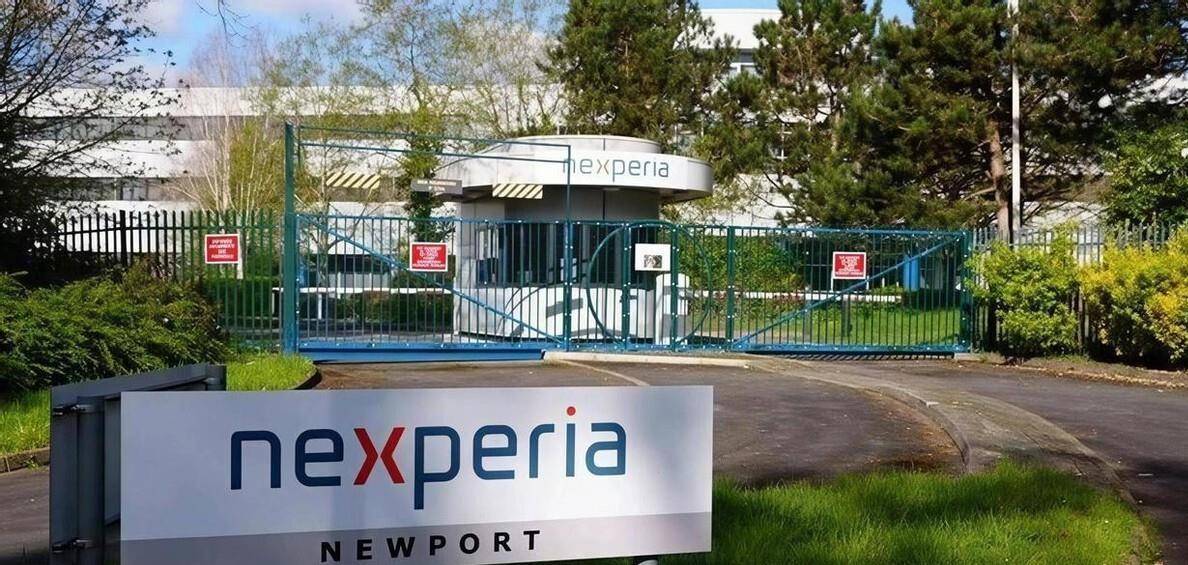
荷兰财长文森特·卡雷曼斯大概没料到,9月30日他签发的一纸禁令,会把自己推向"全球车企公敌"的位置。 那天,他动用了一部尘封七十多年的《货物可用 性法》,对中资控股的安世半导体下达了强制接管令,冻结了中国股东的决策权,暂停了中国CEO的职务。 他以为这是一次精准的"技术保卫战",是为了欧洲的利益。 但仅仅五天后,中国的反制措施就让他口中的"精准打击",变成了对自家产业的一记重拳。 10月4日,中国商务部宣布,对安世半导体位于中国东莞的封测工厂实施出口管制,限制其成品芯片出口。 这一招直接命中了欧洲经济的命门。 安世半导体 是全球最大的基础芯片制造商之一,全球每10辆汽车中就有7辆使用它的芯片。 而它每年生产的约100亿颗芯片中,高达70%的封装测试产能都集中在东莞。 封装测试是芯片制造的最后一道关键工序,没有这一步,荷兰总部设计出来的 晶圆就只是一堆无法使用的昂贵废品。 中国的禁令一出,欧洲汽车产业的警报立刻拉响。 大众、宝马、奔驰等几乎所有主流汽车品牌的生产线都受到了冲击。 大众汽车内部通知显示,安世供应 的芯片库存仅能维持10天,若无法恢复供应,其在欧洲的12家工厂将全部停工。 有报道称,大众因芯片断供导 ...
豪华轿车市场,必须要有中国品牌参与!
Sou Hu Cai Jing· 2025-12-17 04:24
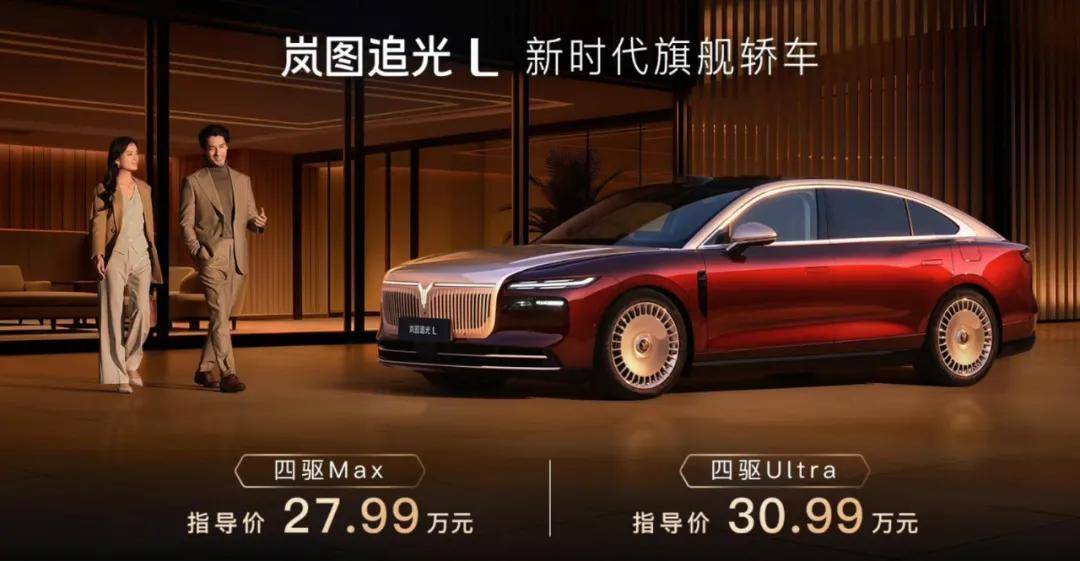
中国汽车的"向上路"是个渐进的过程,从中国市场偏爱的豪华SUV,到宜商宜家的高端MPV,唯独在豪华轿车市场,少有突破。而从今年开始,尊界 S800、享界S9系列等中国品牌产品,终于在豪华市场里非常重要的轿车板块,开始了突围。 12月10日,岚图追光L压轴上市,售价27.99万-30.99万,无论是价格,尺寸,还是定位,都直指德系传统豪华三强奔驰、宝马、奥迪的销量支柱中大型轿 车。 在价格体系方面,传统豪华轿车早已经"变了天",目前BBA的56E产品,终端价格普遍有10万元的优惠,起售价格均在30万左右。不过,30万虽然成了中 大型豪华轿车的价格"分割线",但却没有成为价值"分割线",中国品牌的豪华轿车,便开始在30万这个价格区间,来做价值差异。 中大型豪华轿车市场的总体容量、内部结构、价格体系全部发生了变化,而就是在这样的市场环境下,岚图追光L上市了。 如果我们深究的话,追光L是真正意义上,产品策略完全对标56E的中国轿车产品,假如追光L真的做到"用你的方式战胜你",那中国豪华轿车市场十几年 未变的格局,也许马上就会发生改变。 就在三年前,对于大多数靠自己打拼的普通人来说,传统豪华品牌40万级别的中大型轿车, ...
“在佳能被裁拿了40多个月工资赔偿和董事长推荐信”,为啥外企总有「远超劳动法上限」的裁员大礼包?
Sou Hu Cai Jing· 2025-12-16 09:24
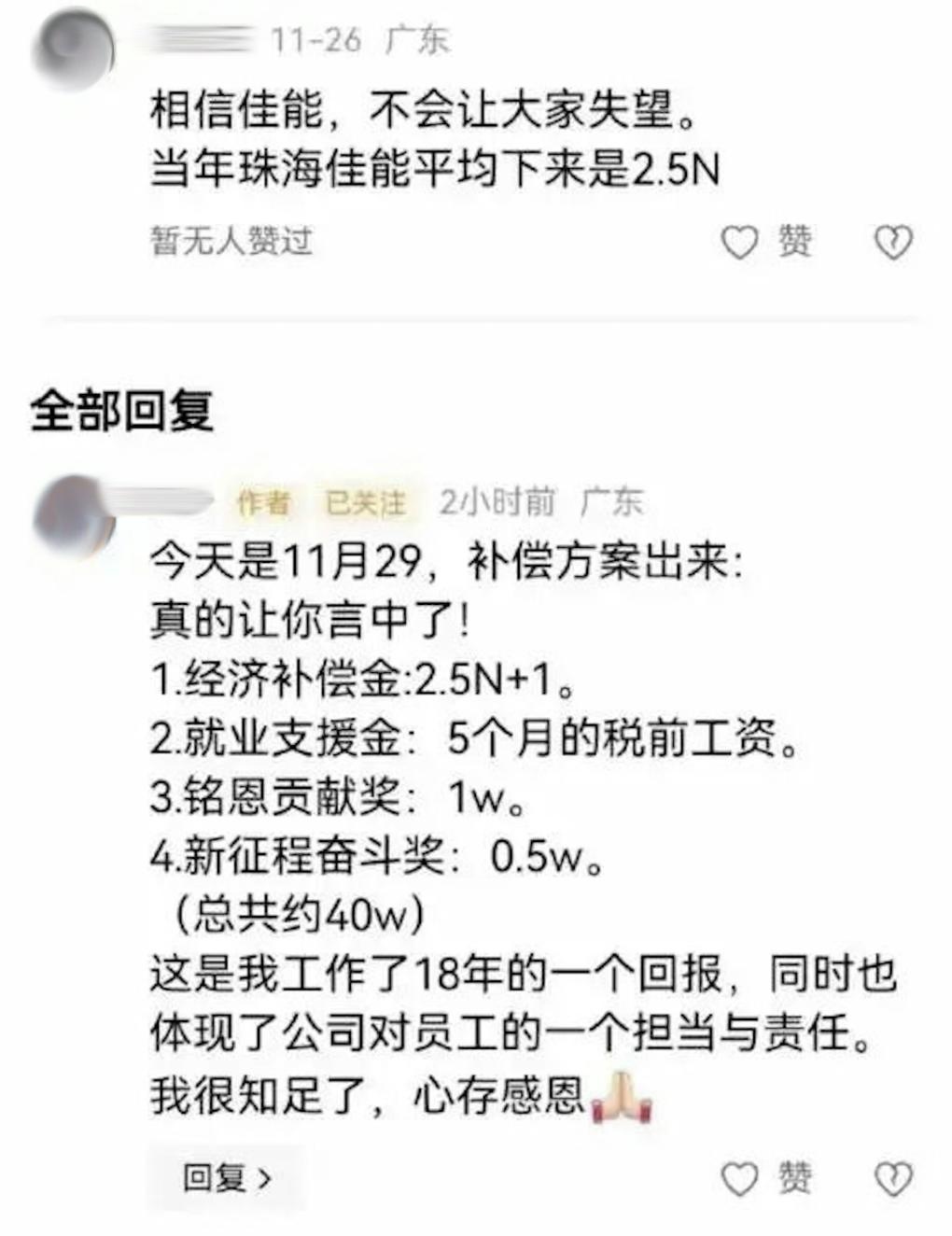
Group 1 - Canon's factory in Zhongshan, Guangdong, closed on November 21, resulting in the layoff of over a thousand employees, with compensation packages averaging around 2.3N, exceeding labor law standards [1][3] - Employees received various forms of compensation, including a total of 400,000 yuan, which included economic compensation, employment support, and awards [1][3] - The trend of high severance packages is not unique to Canon, as other foreign companies like Mercedes-Benz and Microsoft have also provided generous compensation during layoffs [2][3][4] Group 2 - High severance payments often exceed legal limits, with some companies offering compensation based on actual salaries rather than the average salary cap set by labor laws [5][6] - The rationale behind offering high severance is to facilitate a smooth and quick exit for employees, reducing potential disputes and legal risks for the company [6][16] - The compensation amounts can vary significantly based on employee tenure and individual circumstances, with senior employees often receiving more favorable packages [8][9] Group 3 - Not all foreign companies are "layoff-friendly," as some have provided minimal compensation, leading to employee dissatisfaction and legal disputes [10][21] - The perception of foreign companies varies, with European firms generally viewed as more compliant and generous compared to American and Japanese firms [11][12] - The ongoing trend of cost-cutting in large foreign enterprises has led to a reduction in severance packages over time, indicating a shift in corporate strategies [22]


“在佳能被裁拿了40多个月工资赔偿和董事长推荐信”,为啥外企总有“远超劳动法上限”的裁员大礼包?
3 6 Ke· 2025-12-16 09:13
Group 1 - Canon's factory in Zhongshan, Guangdong, closed on November 21, resulting in layoffs for over a thousand employees, with compensation packages averaging around 2.3N, exceeding legal standards [1] - Employees received various forms of compensation, including a total of 400,000 yuan, which consisted of economic compensation, employment support, and awards [1] - The trend of generous severance packages is not unique to Canon, as other foreign companies like Mercedes-Benz and Microsoft have also provided high compensation during layoffs [4][6] Group 2 - High severance packages are often used by companies to facilitate a smooth exit for employees, reducing potential disputes and legal risks associated with layoffs [7] - The compensation amounts can vary significantly based on individual circumstances, with senior employees often receiving more favorable packages [11] - Despite the perception of foreign companies as "employee-friendly," not all adhere to high compensation standards, and experiences can differ widely among firms [13][15] Group 3 - The legal framework in China allows for significant compensation in cases of unlawful termination, which can lead to higher costs for companies if disputes arise [22][23] - The trend of generous severance packages may be influenced by the need for companies to maintain a positive public image and comply with international standards [19][21] - Recent reports indicate that severance packages in foreign companies are beginning to shrink, reflecting a broader trend of cost-cutting measures [29][30]