
宝马

Search documents
买豪华车,买的就是确定性
虎嗅APP· 2025-12-11 09:35
中国汽车行业正在发生一场静悄悄、但可能影响未来十年的结构性迁移。迁移的方向不是车型,也不 是参数,而是豪华的定义权。 如果把过去三十年的豪华市场拆开,你会发现它由三种力量轮流主导:第一阶段是机械工业的力量: 德系三强曾借着发动机和底盘体系树立起几乎不可撼动的壁垒;第二阶段是品牌叙事的力量:历史越 长、故事越稳、调性越统一,豪华越有议价权;而从近两年开始,正在进入第三阶段: 智能能力的 力量。 智能化重新定义汽车的速度,比我们想象得要快得多。豪华的逻辑也被迫发生质变:不再是皮料厚不 厚,马力大不大,而是这辆车未来三年会不会变得更好?五年后还能不能跟得上时代?能不能降低长 期持有的不确定性? 当用户从"买一次体验"转向"买长期确定性",豪华的核心就不再是品牌历史,而是体系能力。这正是 为什么,在行业加速切入智能阶段的当下, 一个"不造车的科技公司"(华为),反而出现在豪华秩 序迁移的中心点上。 如果说上一代豪华靠的是机械与设计,那么新一代豪华靠的则是一整套智能能力链条:操作系统的稳 定与流畅、辅助驾驶的演进速度、服务体系的可预期性、供应链的响应能力、数据与模型持续带来的 体验升级。更关键的是: 这些能力能否被体系 ...

政策与需求双重压力下 大众(VWAGY.US)考虑为欧美市场推出增程式电动车
Zhi Tong Cai Jing· 2025-12-11 08:49
Core Viewpoint - Volkswagen is considering launching range-extended electric vehicles in Europe and the US due to reduced government support for electric vehicles and ongoing consumer concerns about charging network coverage [1] Group 1: Volkswagen's Strategy - Volkswagen is researching the integration of range-extender systems into its popular SUV and sedan models [1] - The company is closely monitoring market dynamics and has reserved options for range-extender technology in future vehicle platforms [1] - A decision regarding the implementation of this technology in the European and US markets will depend on actual consumer demand [1] Group 2: Market Context - The EU's original plan to ban new combustion engine vehicles by 2035 may be adjusted, prompting automakers to reassess their vehicle strategies [1] - The EU has moved up its policy assessment originally scheduled for next year to this month due to slower-than-expected progress in the electric vehicle transition [1] Group 3: Range-Extended Electric Vehicle Technology - Range-extended electric vehicles operate using battery power for driving, with a small internal combustion engine serving solely as a generator to charge the battery [2] - This technology has gained traction in China and is being closely evaluated by European automakers such as Stellantis and BMW [2] - Volkswagen has announced plans to introduce range-extended models in the US market through its Scout brand, although it remains unclear if core brands like Volkswagen and Audi will adopt this technology in Western markets [2]
韧性2025|合资与豪华车企,还有戏吗?
Xin Lang Cai Jing· 2025-12-11 08:22
Core Insights - By the end of 2025, China's automotive market has transitioned from a fragmented exploration phase to a systematic breakthrough in smart electric transformation, with a nearly 60% penetration rate of new energy vehicles [1] - Joint ventures and luxury brands have recognized the need to abandon their previous technological arrogance and adapt to the Chinese market, demonstrating resilience in their strategies [1][3] Group 1: Industry Transformation - The most significant change in 2025 is the deep integration between joint ventures and luxury brands with Chinese tech companies, moving from simple supply relationships to comprehensive collaboration in R&D [3] - Brands like Audi and Toyota are now incorporating advanced Chinese technologies into their vehicles, indicating a shift in strategy where smart features are seen as essential rather than optional [3][4] Group 2: Market Strategy - Joint ventures are adopting a dual strategy of maintaining fuel vehicles while simultaneously developing new energy vehicles, with fuel vehicles still holding about 50% market share [4][6] - SAIC Volkswagen's "oil-electric dual progress" strategy exemplifies this approach, allowing them to leverage stable cash flow from fuel vehicles to support new energy development [6][7] Group 3: Luxury Brand Adaptation - Luxury brands are diversifying their product offerings to include pure electric, hybrid, and range-extended vehicles, moving away from a singular focus on electric models [8][9] - BMW, Mercedes-Benz, and Audi are all implementing strategies that combine their luxury heritage with advanced Chinese technology to enhance their competitive edge [9][10] Group 4: Competitive Dynamics - The automotive industry is shifting from a zero-sum game of disruption to a new phase of adaptation and coexistence, where the ability to adjust to market demands is becoming the primary competitive advantage [14][16] - The collaboration with Chinese tech firms is seen as a way to quickly fill technological gaps and enhance product offerings, while also maintaining a foothold in the fuel vehicle market [16][17]
整车厂走向固态电池话语权中枢
新财富· 2025-12-11 08:09
多个方面报道,2024年5月底,我国工信部和财政部拟牵头60亿元专项研发资金支持固态电池技术攻关。据悉,宁德时代、比亚迪、一汽、上汽、卫蓝 新能源和吉利等六家企业获得了政府的基础研发支持,并将于今年9月进行研发专项的中期审查评估。根据消息,预计今年9月完成中试线的验收,并于 2027年完成装车验收。 六家企业中包含了四家车企,这是过去传统电解液锂电池时代不曾出现的。这意味着什么?整车厂是否正在逐步走向固态电池话语权的中枢? 0 1 多维阵营 全球 固态电池 主要玩家分布 来源: IDTechEx 我们把这些公司根据技术路线和参与主体两个维度进行划分,可以得到一张二维的表格。两个维度交叉在一起,才能真正看清当前固态电池产业的力量 分布、竞争结构与主导权所在。 | | 整车厂 | 电池厂 | 上游材料厂 | | --- | --- | --- | --- | | | 丰田、本田、目产、 | 宁德时代、国轩高科、 | | | | 比亚迪、一汽、广汽、 | 孚能科技、亿纬锂能、 | 住友化学、出光兴产、 | | 硫化物 | 现代、宝马、奔驰、 | 松下、三星SDI、LG、 | Solid Power、 | | | | ...

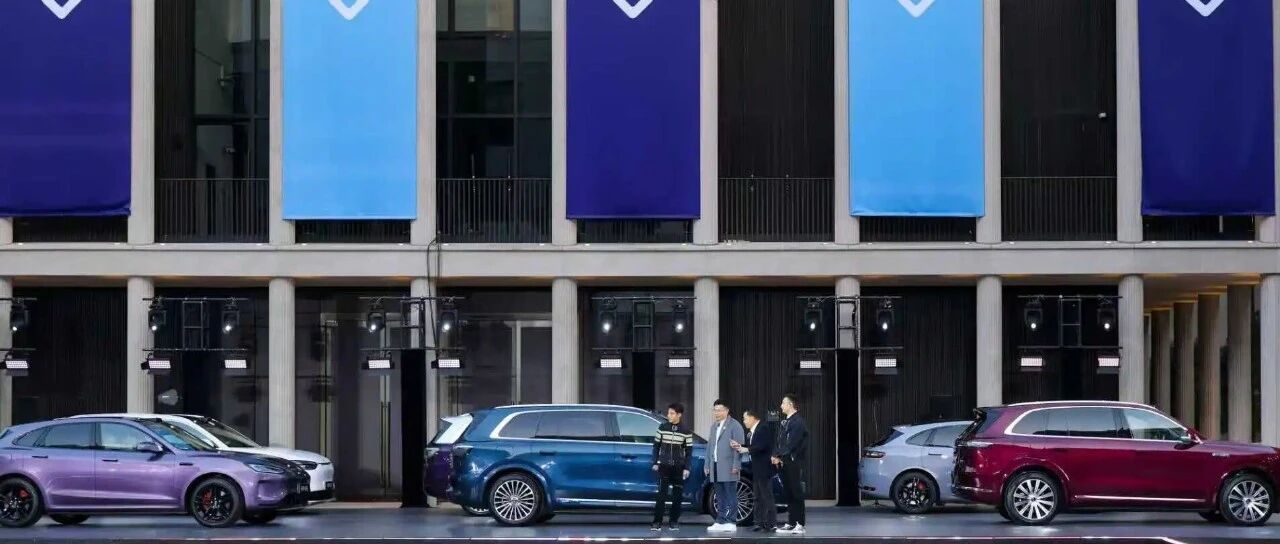
岚图,攻向“BBA”腹地!
中国基金报· 2025-12-11 05:02
Core Viewpoint - The traditional luxury car market dominated by "BBA" (Benz, BMW, Audi) is being opened up, with Lantu Motors aiming to penetrate the new energy luxury car segment as it launches its flagship model, Lantu Zhaiguang L [2][4]. Group 1: Market Opportunity - Lantu Motors is targeting the luxury car market as many users are reaching their vehicle replacement cycle, and the market for new energy luxury cars is expanding [8]. - Starting from 2024, traditional luxury car users are expected to actively embrace new energy luxury vehicles, a shift that Lantu aims to capitalize on [9]. Group 2: Brand Development Challenges - Despite high sales in other segments like SUVs and MPVs, Chinese brands have struggled to establish a strong presence in the luxury car market, which is considered the most challenging segment to penetrate [4][5]. - Lantu's management acknowledges that changing consumer perceptions and brand recognition will require significant time and effort [4][6]. Group 3: Technological Leadership - Lantu Motors emphasizes the importance of technological innovation to compete in the luxury segment, with the Lantu Zhaiguang L featuring advanced technologies such as Huawei's ADS 4 and HarmonySpace 5, along with a unique 800V hybrid system [10][11]. - The combination of advanced technology and user experience is crucial for Lantu to differentiate itself in the luxury car market, especially when competing against established brands [10].
中国电池欧洲造,正夯
Zhong Guo Qi Che Bao Wang· 2025-12-11 02:33
Core Insights - The article highlights the rapid expansion of Chinese battery manufacturers in Europe, particularly through significant investments in local production facilities to meet the growing demand for electric vehicle batteries [2][4][6]. Investment and Expansion - CATL and Stellantis have initiated a joint investment of €4.1 billion to establish a lithium iron phosphate battery factory in Zaragoza, Spain [2]. - Chinese battery companies are intensifying their investments in Europe, with multiple factories planned to be operational by 2026, creating a comprehensive production network across Western, Central, and Southern Europe [4][5]. - Guoxuan High-Tech has launched a battery factory project in Slovakia with an investment of up to €1.234 billion, aiming for an initial capacity of 20GWh [4]. Technology and Production Capacity - The article emphasizes the technological advantages of Chinese companies, particularly in lithium iron phosphate battery technology, which is crucial for the European market's shift towards affordable electric vehicles [7][8]. - CATL's second-generation battery technology allows for rapid charging and long-range capabilities, enhancing its competitive edge in the European market [7]. Market Dynamics - Despite a slowdown in the European electric vehicle market, the long-term potential remains strong due to stringent carbon emission regulations, prompting Chinese companies to invest heavily in local production [6][10]. - The article notes that European battery manufacturers are facing significant challenges, with several companies experiencing financial difficulties, which opens opportunities for Chinese firms to fill the supply gap [8][9]. Regulatory Environment - The implementation of the EU's new battery law presents both challenges and opportunities for Chinese companies, necessitating compliance with stringent regulations while enhancing their competitive positioning [10][11]. - Chinese firms are proactively adapting to these regulations by integrating compliance into their production processes and establishing local partnerships for battery recycling [11][12]. Collaboration with Automotive Industry - Chinese battery manufacturers are forming strategic partnerships with major European automakers, ensuring a stable supply of batteries for electric vehicles [13][14]. - The collaboration between Chinese battery companies and European car manufacturers is expected to strengthen as more Chinese automakers enter the European market, creating a synergistic effect [14][15].



“小故障动辄上千,大维修堪比半辆车价”,新能源车为何修不起?
Xin Jing Bao· 2025-12-11 02:26
Core Viewpoint - The high cost and difficulty of repairing electric vehicles (EVs) have become a common concern among owners, with repair costs significantly exceeding those of traditional fuel vehicles, creating an "invisible barrier" between the rapid growth of the EV industry and user experience [1][21][22]. Cost of Repairs - Repair costs for EVs can be 2 to 2.5 times higher than for fuel vehicles, especially when involving battery and motor repairs [5][21]. - Specific examples include a Tesla Model 3 rear trunk repair costing nearly 20,000 yuan and minor damages leading to repair costs around 10,000 yuan [3][24]. - Common repair costs for EVs include 6,000 yuan for a headlight repair and 30,000 yuan for replacing multiple components after minor accidents [4][25]. High Repair Costs Factors - The high costs are attributed to several factors, including the expensive core components of EVs, which can account for over 50% of the vehicle's total cost [8][29]. - The integration of advanced technologies, such as laser radar and sensors, increases repair costs due to the complexity and high individual part prices [29][30]. - The monopolization of parts by manufacturers limits access for independent repair shops, further driving up costs [12][33]. Shortage of Skilled Technicians - There is a significant shortage of qualified EV repair technicians, with only about 100,000 certified technicians available and a gap of approximately 842,000 needed in the industry [21][37]. - Many traditional mechanics are hesitant to work on EVs due to the high voltage and complexity involved, leading to a reliance on specialized training [38][39]. Repair Channel Limitations - Many EV owners are reluctant to use third-party repair services due to concerns about warranty voiding and the potential loss of manufacturer support [12][33]. - The repair industry for EVs lacks the balance seen in the fuel vehicle sector, where independent repair shops and parts suppliers are more prevalent [41]. Recommendations for Improvement - Industry experts suggest establishing a centralized automotive service data platform to improve transparency and efficiency in the repair process [40]. - There is a call for policy initiatives to enhance the development of the EV repair market, ensuring it keeps pace with the rapid growth of the EV sector [40].
沪光股份20251210
2025-12-11 02:16
Summary of Hu Guang Co., Ltd. Conference Call Company Overview - **Company**: Hu Guang Co., Ltd. - **Industry**: Automotive components, specifically wiring harnesses and connectors Key Points and Arguments Industry and Market Position - Hu Guang has successfully entered the supply chain for Tesla's Model Y extended version, establishing a foundation for future collaboration despite initial low volumes [2][4] - The company has secured connector projects for the updated Ideal L6 model, strengthening its relationship with Ideal Auto [2][6] - Facing stringent pricing demands from CATL, Hu Guang is pushing its products through the Seres road test project, aiming to become a supplier for CATL [2][5] - The domestic wiring harness market is expected to see a shift, with local companies projected to capture 80% of the market share as foreign companies' presence declines [5][15] Financial Performance - Revenue for October and November reached 1 billion yuan each, marking a historical high [2][7] - Projected revenue for Q4 is approximately 2.9 billion yuan, with a net profit margin of 7-8% [2][11] - Expected revenue for 2026 is between 10.5 billion and 11 billion yuan, with a slight decline in market demand anticipated in Q1 [2][11][23] Client Relationships and Product Development - Hu Guang has expanded its client base to include major domestic automakers such as Chery, Geely, and BYD, with successful entry into the supply chains of Tesla and Ideal Auto [3][6] - The company has received orders for high-voltage wiring harnesses from Chery for multiple models [2][6] - A significant breakthrough was achieved with the acquisition of the BMW engine wiring harness project, expected to enter production in 2027 [2][8] Strategic Initiatives - Hu Guang is enhancing internal capabilities and diversifying its client base, exploring new business areas such as lawn mowers, low-altitude flying equipment, and robotics [2][9][10] - The company is focusing on cost control and technical research to meet customer demands for price reductions, with a target to achieve a domestic market share of 25-30% [5][13][16] - Plans for stock incentives are in place for 2026 to reward new talent and align interests with company growth [18][19] Competitive Landscape - Hu Guang views Luxshare Precision as a competitor, noting its advantages in scale but also internal challenges that could affect long-term performance [20][21] - The company is committed to improving its competitive edge through cost control, supply chain optimization, and enhancing production efficiency [21][22] Future Outlook - The company anticipates a stable demand in the mid-to-high-end market despite potential impacts from tax and subsidy reductions in the low-end market [11][12] - Hu Guang aims to maintain a balance between cost control and quality to secure a competitive position in the evolving market landscape [16][22] Additional Insights - The domestic wiring harness market is currently valued at approximately 100 billion yuan, with foreign companies holding about 40% of the market share [15] - Hu Guang's strategy includes a focus on optimizing raw material costs and enhancing bargaining power through increased procurement volumes [22] This summary encapsulates the key insights from the conference call, highlighting Hu Guang's strategic initiatives, market positioning, financial performance, and future outlook in the automotive components industry.

挖过特斯拉漏洞的黑客,来堵汽车的窟窿
汽车商业评论· 2025-12-10 23:07
Core Viewpoint - The article emphasizes the critical importance of cybersecurity in the automotive industry, particularly in the context of smart vehicles, highlighting the need for proactive security measures and the integration of AI in addressing vulnerabilities [4][10][21]. Group 1: Cybersecurity Challenges - The automotive industry faces significant cybersecurity challenges, including complex security designs, vulnerabilities in development and testing, and insufficient agility in security operations [20][21]. - The industry consensus is that there is no absolute security solution, and the key lies in the responsiveness to vulnerabilities and the efficiency of remediation efforts [21]. Group 2: Company Insights - The company, Dogan Technology, has established itself as a leader in cybersecurity, having discovered vulnerabilities in major systems like Tesla and Apple, and emphasizes a hacker's mindset in its approach to security [8][18]. - The founder, Li Jun, highlights the difficulties faced by startups in the cybersecurity space, particularly in expanding into markets like the U.S. due to geopolitical factors [6][18]. Group 3: Security Design and AI Integration - The article discusses the necessity of front-loading security design in automotive systems to avoid high costs and unresolvable issues later in the lifecycle [10][26]. - AI is positioned as a crucial tool for analyzing attack paths and optimizing security measures, allowing for targeted defenses at critical points [10][41]. Group 4: Lifecycle Approach to Security - The company advocates for a full lifecycle approach to cybersecurity, integrating design, testing, and operational phases to ensure continuous improvement and adaptation to new threats [44][49]. - The use of advanced modeling and AI is proposed to enhance the security design process, enabling a systematic and comprehensive analysis of potential vulnerabilities [29][40].

汽车行业跟踪报告:11月乘用车市场优惠力度持续减弱
GUOTAI HAITONG SECURITIES· 2025-12-10 13:20
股票研究 /[Table_Date] 2025.12.10 11 月乘用车市场优惠力度持续减弱 [Table_Industry] 汽车 ——汽车行业跟踪报告 | [姓名table_Authors] | 电话 | 邮箱 | 登记编号 | | --- | --- | --- | --- | | 刘一鸣(分析师) | 021-23154145 | liuyiming@gtht.com | S0880525040050 | | 张觉尹(分析师) | 021-23185705 | zhangjueyin@gtht.com | S0880525040057 | | 潘若婵(分析师) | 021-23154145 | panruochan@gtht.com | S0880525110006 | 本报告导读: 11 月市场优惠力度持续减弱,行业内部结构性分化加剧。我们维持行业"增持"评 级。 投资要点: [Table_Report] 相关报告 汽车《优必选与卓世科技达成战略合作,众擎发 布 T800》2025.12.08 汽车《线控转向相关国标发布,产业迎来重要助 推》2025.12.07 汽车《零跑 Lafa 5 上市,海 ...