奈雪的茶

Search documents
餐饮巨头们止跌回血:一边关店砍成本,一边加码做外卖
虎嗅APP· 2025-09-07 09:00
Core Viewpoint - The restaurant industry in China is experiencing a mixed recovery, with some leading companies showing signs of revenue and profit growth, while others continue to face challenges due to external factors and market competition [4][5]. Group 1: Overall Performance - Among 29 listed restaurant companies, 17 reported year-on-year revenue growth, with Gu Ming leading at 41.26% [6]. - 15 companies saw an increase in net profit, while 7 remained in a state of net loss, including Dao Xiang Holdings and Tang Palace, which shifted from profit to loss [6][9]. - Notable profit growth was observed in companies like Da Shi and Wei Qian (China), with net profits increasing over 100% [9]. Group 2: Market Dynamics - The restaurant sector is characterized by uneven performance across different segments, with high-end dining facing significant pressure due to reduced consumer spending and government policies [11]. - In Hong Kong, over 20 local chain restaurants have closed in recent months, highlighting the tough market conditions [11]. - Traditional high-end restaurants are struggling, while casual dining and fast-food brands are performing better, with companies like Da Shi and Wei Qian (China) showing revenue and profit increases [11]. Group 3: Cost Management and Store Closures - Many companies are focusing on cost-cutting measures, including closing underperforming stores to improve operational efficiency [14][19]. - For instance, Huang Shang Huang closed 762 stores in the first half of the year, contributing to improved efficiency [12]. - Companies like Xiao Cai Yuan and Hai Di Lao are also reducing store numbers while optimizing their operational models [21][22]. Group 4: New Strategies and Innovations - The entry of major players like JD and Taobao into the food delivery market has intensified competition, prompting restaurants to adapt their strategies [26]. - Many companies are increasing their focus on delivery services, with significant revenue contributions from this channel [29]. - New product lines and sub-brands are being launched to capture additional market segments, as seen with Hai Di Lao's expansion into new restaurant concepts [31][34].


外卖战火下:巨头博弈 新茶饮“捞鱼”
3 6 Ke· 2025-09-06 00:31
Group 1 - The core viewpoint of the article highlights that despite concerns about the long-term impact of the "takeout war" on the restaurant industry, most new tea beverage brands have reported revenue and net profit growth in their recent semi-annual reports [1] - Most listed new tea beverage brands, except for Bawang Tea Ji and Nayuki, achieved both revenue and net profit growth in the first half of the year [1] - Bawang Tea Ji attributed its profit decline to investments in new product development and overseas markets, while Nayuki cited store optimization and intensified market competition as reasons for its performance drop [1] Group 2 - Many new tea beverage brands reported improved same-store performance, with Gu Ming stating that "takeout subsidies and coffee business drove same-store improvement" [1] - Mixue Ice City mentioned that during the takeout war, it collaborated with franchisees to seize opportunities, significantly enhancing store profitability through increased order volume [1] - Even Bawang Tea Ji, which did not actively participate in the takeout war, saw an increase in second-quarter takeout GMV due to higher customer repurchase rates [1] Group 3 - Industry concerns regarding the takeout war include the impact of low prices on consumer perception, overburdening of store staff, and a decline in dine-in business [1] - The takeout war is not only a competition among internet giants but also tests the operational capabilities of businesses during this period [1] - Once subsidies cease, the performance growth driven by them is expected to end, and the industry will still face intensified competition and slowing growth in the domestic market [1]

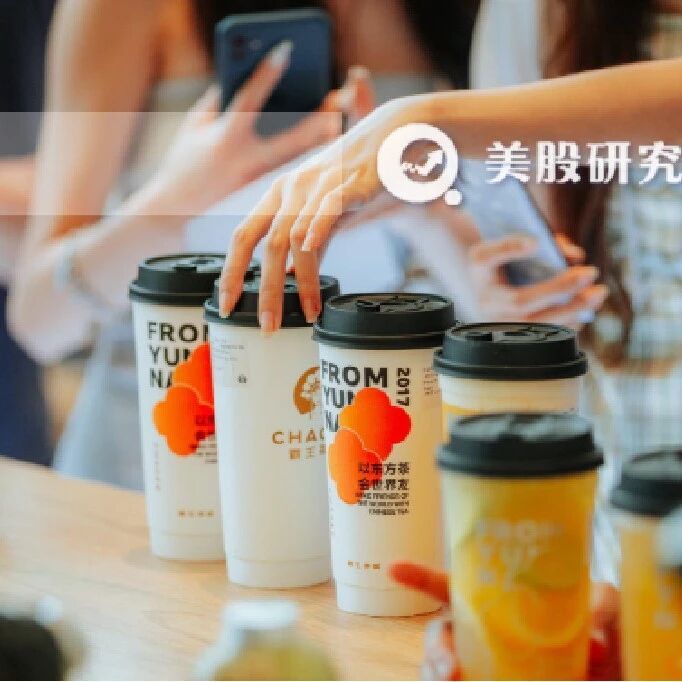
海外业务大涨77%,霸王茶姬有不跟风的底气
美股研究社· 2025-09-05 11:53
Core Viewpoint - The article highlights the competitive landscape of the new tea beverage industry, emphasizing how BaWang Tea Ji has successfully navigated challenges through a global expansion strategy and a value-first approach, leading to significant growth in overseas markets and overall performance [1][4]. Global Expansion - BaWang Tea Ji's overseas GMV reached 235.2 million yuan in Q2, marking a year-on-year increase of 77.4% and a quarter-on-quarter growth of 31.8%, indicating that international business is becoming a crucial growth engine [1][4]. - As of June 30, BaWang Tea Ji operates 208 stores overseas, with significant presence in Malaysia (178 stores), Singapore (16), Indonesia (8), Thailand (5), and the USA (1). The company has also recently entered the Vietnamese and Philippine markets [5][8]. - The successful launch of localized products, such as the Gu Xiang Bei Cha in Southeast Asia, has contributed to BaWang Tea Ji's overseas success, with the product selling out within two weeks of its release [7]. Financial Performance - In Q2, BaWang Tea Ji reported a total GMV of 8.1031 billion yuan, a year-on-year increase of 15.5%, with net revenue reaching 3.3319 billion yuan, up 10.2%. The adjusted net profit was 629.8 million yuan, corresponding to an adjusted net profit margin of 18.9% [4][8]. Domestic Market Strategy - The company continues to implement a "value-first" strategy in the domestic market, focusing on product innovation and enhancing user experience rather than competing on price [10]. - As of the end of Q2, BaWang Tea Ji's registered user base surpassed 200 million, reaching 206.9 million, with a year-on-year growth of 42.7% [10][12]. - The introduction of new products and regional specialties has resonated well with local consumers, further driving user engagement and sales [12][13]. Cost Management and Future Plans - BaWang Tea Ji has achieved a 1.5% reduction in raw material, storage, and logistics costs year-on-year, reflecting improved operational efficiency through technological innovation [13]. - The company plans to introduce automated equipment in Q4 to reduce labor costs and enhance production efficiency, alongside a comprehensive upgrade of core raw materials [13].
蜜雪冰城:万店狂奔下的甜蜜与隐忧
Guan Cha Zhe Wang· 2025-09-05 11:46
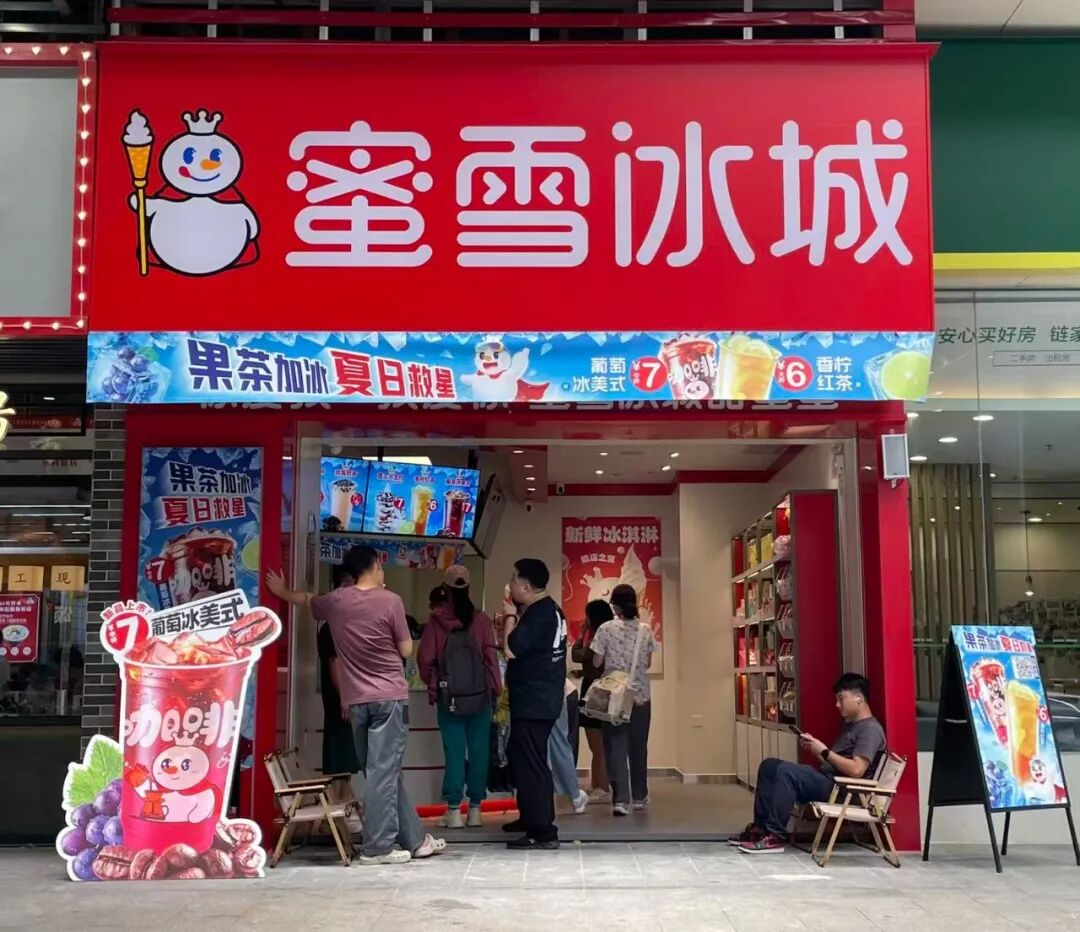
Core Insights - The article highlights the dominance of Mixue Ice Cream and Tea in the Chinese beverage market, showcasing its impressive financial performance and market expansion [1][2][3] - Despite its success, the company faces challenges such as declining single-store profitability, food safety concerns, and market saturation [1][10][11] Financial Performance - In the first half of 2025, Mixue reported revenue of 14.87 billion yuan, a year-on-year increase of 39.3%, with a gross profit of 4.71 billion yuan and a net profit of 2.72 billion yuan, reflecting a growth of 38.3% and 44.1% respectively [2][4] - The company operates 53,014 stores globally, having opened 9,796 new stores in the past year, averaging 27 new stores per day [2][3] Business Model - Mixue's revenue primarily comes from selling ingredients, packaging, and equipment to franchisees, accounting for approximately 97% of total revenue [4][5] - The franchise model allows for significant scale effects, with the company leveraging its purchasing power to control costs and enhance profitability [6] Market Strategy - The company has a strong presence in lower-tier cities, with 57.6% of its stores located in third-tier and below cities, while only 4.9% are in first-tier cities [7] - As competition intensifies in lower-tier markets, the company faces challenges in maintaining growth and profitability [7][10] Marketing and Brand Positioning - Mixue employs innovative marketing strategies, including viral songs and social media campaigns, to enhance brand visibility and consumer engagement [8][9] - However, the company must continue to evolve its marketing approach to sustain consumer loyalty beyond initial trends [9] Challenges Ahead - The increasing density of stores has led to a decline in single-store revenue, with franchisees reporting significant pressure on profitability [10] - Food safety issues pose a risk to the brand's reputation, as incidents can quickly escalate through social media [11]


新开近9000家店,五大新茶饮半年净赚62亿
3 6 Ke· 2025-09-05 10:52
Core Insights - The current state of the ready-to-drink tea industry shows significant revenue growth among major players, with Mixue Group leading the market with a revenue of 14.87 billion yuan, a year-on-year increase of 39.3% [3][6] - The competitive landscape is intensifying due to aggressive subsidy wars initiated by delivery platforms, impacting various brands differently [7][9] - The overall performance of the industry is mixed, with some brands like Nayuki experiencing a decline in revenue, while others like Mixue and Gu Ming continue to grow [4][6] Revenue and Growth - Mixue Group reported a revenue of 14.87 billion yuan, up 39.3%, with a net profit of 2.72 billion yuan, reflecting a 44.1% increase [6] - Gu Ming achieved a revenue of 5.66 billion yuan, a 41.2% increase, with a net profit of 1.63 billion yuan, up 119.8% [6] - Bawang Tea Ji generated 6.725 billion yuan in revenue, a 21.61% increase, with a net profit of 1.307 billion yuan, up 6.8% [6] Market Dynamics - The industry is witnessing a surge in store openings, with the top five brands adding nearly 9,000 new stores in the first half of the year [3] - Nayuki is the only major brand to report a revenue decline, with a revenue of 2.178 billion yuan, down 14.4% [4][6] - The competitive environment is characterized by a price war, with some brands opting out of aggressive discounting strategies [7][10] Strategic Responses - Brands are diversifying their offerings, with many entering the ready-to-drink coffee market as a new growth avenue [16][18] - Mixue's coffee brand, Lucky Coffee, aims to expand to over 10,000 stores, with significant investments in the coffee supply chain [16] - Gu Ming has equipped over 8,000 stores with coffee machines to enhance its coffee product offerings [17] International Expansion - The overseas expansion of brands is accelerating, with Bawang Tea Ji opening 39 new stores abroad in the second quarter [19] - The Southeast Asian market is becoming crowded, prompting brands like Mixue to optimize existing stores [20] - North America is emerging as a new battleground for Chinese tea brands, with Bawang Tea Ji and others making significant inroads [21]
2026年前,最后的暴富机会
创业家· 2025-09-05 10:10
Core Insights - The success of the food and beverage industry can be summarized in four key phrases: "Five Additions," "Five Reductions," "Five Zeros," and "Five Pursuits" [4][6][7][8] - Successful brands are often trend-driven, with timing being a crucial factor for their success [3][9] Group 1: Five Additions - The "Five Additions" refer to the incorporation of protein, calcium, cheese, dietary fiber, and probiotics into products [5] Group 2: Five Reductions - The "Five Reductions" focus on decreasing sugar, fat, calories, oil, and salt in food and beverage offerings [6] Group 3: Five Zeros - The "Five Zeros" emphasize the absence of sugar, colorants, flavorings, preservatives, and additives in successful products [7] Group 4: Five Pursuits - The "Five Pursuits" highlight the consumer demand for freshness, natural ingredients, green products, organic options, and lightweight offerings [8] Group 5: Market Trends and Events - The article discusses a course titled "Black Horse Consumption Rise Selected Course" taking place from October 17 to 19 in Shenzhen, featuring industry leaders sharing insights on product innovation and brand expansion [10][11][30]

观察:新茶饮企业业绩分化加剧 有重新洗牌的机会吗?
Zheng Quan Shi Bao Wang· 2025-09-05 10:09
Core Insights - The new tea beverage industry is experiencing significant differentiation among listed companies, with varying revenue and profit growth rates [1][2] - Companies like Mixue Group and Gu Ming are showing strong growth, while others like Nayuki's Tea are facing declines [1] Group 1: Revenue and Profit Trends - Gu Ming reported a revenue growth rate of 41.2% and a profit growth rate of 121.5% for the first half of 2025 [1] - Mixue Group's revenue growth rate was 39.3%, with a profit increase of 44.1% during the same period [1] - Nayuki's Tea experienced a revenue decline of 14.4% year-on-year for the first half of 2025 [1] Group 2: Revenue Scale Disparities - Mixue Group's revenue for the first half of 2025 was approximately 14.875 billion yuan, nearly seven times that of Nayuki's Tea, which reported 2.178 billion yuan [1] - The revenue gap between these companies has widened compared to previous years [1] Group 3: Market Capitalization Differences - Mixue Group's market capitalization exceeds 150 billion HKD, while Gu Ming's is around 50 billion HKD [1] - Nayuki's Tea has a market capitalization of approximately 2.3 billion HKD, making Mixue Group's valuation over 60 times larger [1] Group 4: Strategic Approaches and Consumer Behavior - Differentiation among new tea beverage companies is influenced by economic conditions, corporate strategies, and consumer habits [2] - Some companies are expanding aggressively into lower-tier cities, while others are optimizing their store layouts by reducing the number of outlets [2] - Nayuki's Tea has improved its average daily sales per store to approximately 7,600 yuan, with an increase in daily order volume compared to the previous year [2] Group 5: Future Industry Outlook - The new tea beverage industry is expected to continue evolving, with potential for market reshuffling as companies adapt to consumer needs and economic changes [2] - Companies that can innovate in product offerings, marketing, and operational models while ensuring health and safety may thrive in the future [2]
奈雪的茶2025年中期业绩分析:健康战略转型与财务表现评估
Xin Lang Zheng Quan· 2025-09-05 10:06
Core Insights - The company reported a significant reduction in adjusted net loss by 73.1%, from 438 million to 118 million yuan year-on-year [1] - Operating cash flow increased by 33.1% to 138 million yuan, maintaining positive inflow for three consecutive reporting periods [1] - Revenue decreased by 14.4% to 2.178 billion yuan, primarily due to the closure of 132 underperforming stores [1][2] Financial Performance: Loss Reduction and Cash Flow Improvement - The company showed improvements in various financial metrics, with a notable reduction in loss and stable cash flow [2] - Revenue structure adjusted with a 14.4% year-on-year decline, resulting from proactive optimization of the store network [2] - As of June 30, cash reserves stood at 2.79 billion yuan, supporting business operations and development [2] Operational Data: Store Efficiency and Membership Growth - Average daily sales per store increased by 4.1%, from 7,300 yuan to 7,600 yuan, while average daily order volume rose by 11.4% [3] - Performance varied across city tiers, with new first-tier cities seeing over 9% growth in daily sales per store [3] - Membership continued to expand, reaching 111 million, with an increase of 8.3 million members, and a higher proportion of young consumers [3] Product Strategy: Health Positioning and Market Feedback - The company established a health-focused product strategy, launching the "No Sugar Natural Nutrition+" initiative [4] - The "Little Purple Bottle" series achieved sales of 500,000 cups within three days of launch, becoming a top-selling item [4] - Testing of new store formats, such as "Nai Xue Green," aimed at covering various consumption scenarios, showed promising early sales [4] Development Strategy: Store Optimization and Product Innovation - The company plans to advance business development through three main directions in the second half of 2025 [5] - Continued adjustment and optimization of store models, with an expansion of the "Nai Xue Green" format [5] - Ongoing product development will focus on health, with plans to introduce more products using natural ingredients [5] Membership Operations and International Market - The company aims to deepen precise marketing through its existing membership system while cautiously advancing international expansion [6] Industry Environment and Future Outlook - The ready-to-drink tea industry remains competitive, with the market size projected to reach 374.93 billion yuan by 2025 [7] - The company faces challenges such as homogenization, cost control, and changing consumer preferences [8] - Plans for the second half of 2025 include further optimization of the store network and exploration of new store models [8] - The shift in the tea industry from scale expansion to quality improvement is evident, with the company attempting to establish a differentiated competitive advantage [8]
从茶叶到瓶装茶,小罐茶高香无糖茶加速传统茶企转型
Zhong Guo Shi Pin Wang· 2025-09-05 09:55
Core Insights - The market for sugar-free tea is expanding due to the ongoing upgrade in health consumption, with numerous brands increasing their presence in this sector [1] - Traditional tea companies are accelerating their entry into the bottled tea market, with brands like Xiaoguan Tea launching new products [3] - Xiaoguan Tea's sugar-free tea has exceeded expectations in the Guangdong market, achieving over 600,000 boxes in sales within three months [6] - The competition in the sugar-free tea market is shifting from a focus on health to a comprehensive competition based on quality, flavor, and consumer experience [10] Company Developments - Xiaoguan Tea launched its "High Fragrance Sugar-Free Tea" series, which includes three initial flavors and plans to introduce two more [3][8] - The brand has successfully established a distribution network in Guangdong, covering over 50,000 retail points, including major convenience store chains [6] - As of August, Xiaoguan Tea has expanded its reach to 26 provinces and has received inquiries from over 2,000 potential distributors [8] Industry Trends - The sugar-free tea market is entering a "deep water zone," where competition is increasingly focused on taste and consumer experience rather than just health benefits [10] - The market is expected to undergo a significant reshaping, with a shift towards a flavor-centric approach in product development [10] - Xiaoguan Tea's innovative extraction techniques are helping to preserve the natural flavors of tea, providing a competitive edge in the market [12]
2025上半年消费图鉴:情绪、性价比与钱的流向
3 6 Ke· 2025-09-05 08:46
Group 1: Consumer Market Overview - The overall consumer market in China shows vitality, with a 5% year-on-year growth in retail sales of consumer goods in the first half of 2025, reaching 24.55 trillion yuan [1][2] - The contribution rate of final consumption expenditure to GDP growth is 52%, indicating that domestic demand is a key driver of economic growth [1] - The Consumer Price Index (CPI) has shown signs of recovery, with a 0.1% year-on-year increase in June and a 0.8% increase in July, suggesting a continuous recovery in domestic demand [1] Group 2: Emotional Consumption Trends - Emotional consumption has become a significant trend, with the emotional consumption market expected to exceed 2 trillion yuan by 2025, growing at a compound annual growth rate of 12% since 2013 [3][4] - Companies like Pop Mart have seen substantial revenue from emotional products, with LABUBU generating 4.81 billion yuan in revenue in the first half of 2025, contributing to Pop Mart's total revenue of 13.88 billion yuan, a 204.4% year-on-year increase [4][5] - The rise of emotional consumption is reflected in various sectors, including toys, gaming, and entertainment, where consumers are willing to pay a premium for products that provide emotional value [3][4] Group 3: Shifts in Consumer Preferences - There is a notable shift from traditional consumption patterns, often referred to as "old consumption," towards emotional and experience-driven purchases, particularly among younger consumers [6][8] - The traditional liquor and high-end tea markets are experiencing declines, with many companies reporting negative growth in revenue and profit, contrasting with the growth seen in emotional consumption sectors [6][7] - The younger generation prioritizes individual satisfaction and emotional value over traditional status symbols, leading to a decline in "face consumption" [8][9] Group 4: Impact on Specific Industries - The restaurant industry is facing challenges, with major chains like Haidilao reporting a 3.7% decline in revenue, while their takeaway business is growing significantly [14] - The tea beverage market is also seeing a divide, with brands like Mixue Ice City performing well, while others like Nayuki's Tea are struggling with losses [15] - The home appliance sector has benefited from government subsidies, with major players like Midea and Haier reporting over 10% revenue growth, while the smartphone market saw a 65% increase in sales during the subsidy period [16][18] Group 5: Real Estate and Investment Trends - The real estate market is experiencing a downturn, with a 11.2% year-on-year decline in real estate development investment in the first half of 2025, leading to cautious consumer sentiment towards property purchases [18][19] - Investment trends indicate a shift towards stock markets and gold, with A-shares and Hong Kong stocks seeing increased liquidity, while gold prices continue to rise, reflecting a preference for safer assets [19][20] - The overall sentiment among consumers is characterized by a cautious approach to spending, with many preferring to save rather than invest in real estate, leading to a significant increase in second-hand property transactions [18][20]