海信视像

Search documents
铜价飙涨超40%,格力电器:家用空调不涨价,暂无“铝代铜”计划
2 1 Shi Ji Jing Ji Bao Dao· 2026-01-05 02:58
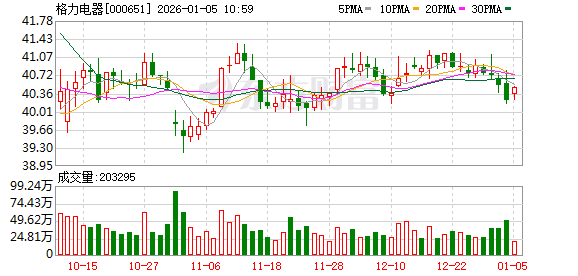
1月5日,格力电器通过官方渠道发布《关于近期市场关切问题的说明》,承诺"格力家用空调不涨价",并再次重申公司暂无"铝代 铜"相关计划。 格力的表态并非无的放矢,背后是铜价创纪录上涨带来的全行业成本焦虑。国际市场上,LME铜价2025年全年涨幅达42.52%, 2025年12月29日盘中更是触及12960.9美元/吨的历史高位。 国内市场同样呈现强劲涨势,据生意社监测数据,2025年12月29日现货铜报价101053.33元/吨,单日上涨3.24%,首次突破10万元 关口,较年初的73830元/吨上涨36.87%,较2015年的周期低点涨幅接近2倍。 公开资料显示,中国是全球最大的空调生产与消费国,但约80%的铜依赖进口;与之形成鲜明对比的是,中国电解铝产量占全球 60%,原材料供应可控性更强。 从成本维度看,铜占空调原材料成本约21%,而当前LME铜价已突破每吨1万美元,而LME铝价仅3000美元/吨左右,铝的成本优 势显著,"铝代铜"因此被认为是降低生产成本的有效路径之一。 | W | | | | LME铝 | | | | | | | --- | --- | --- | --- | --- | --- | ...


“车间进校园、课堂进企业”,山东商河“产教融合”培育技能人才
Xin Hua Wang· 2026-01-05 01:45
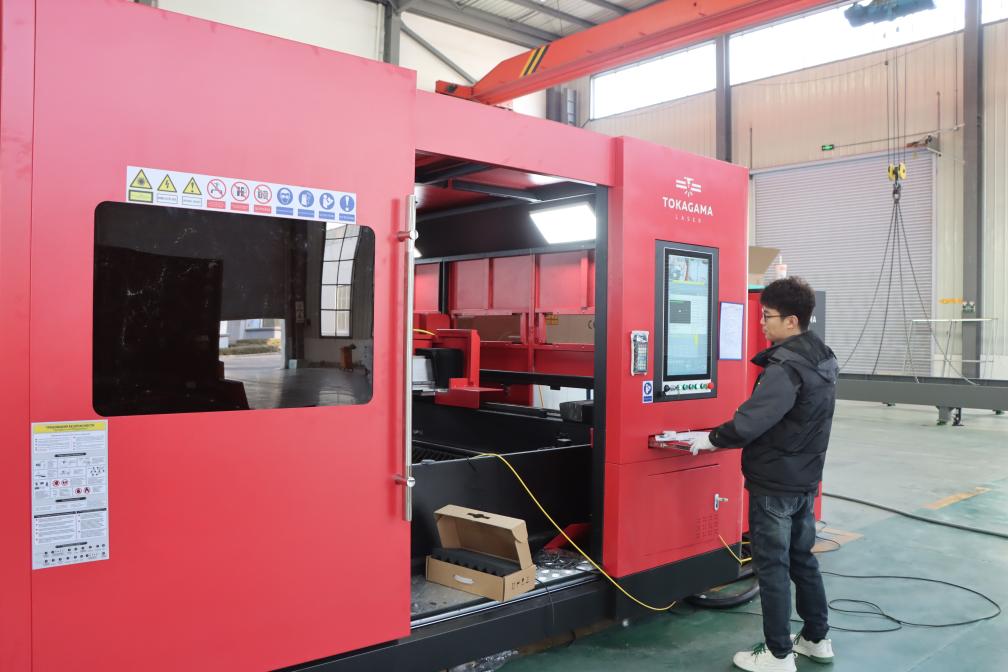
走进位于山东省济南市商河县的山东超工激光设备有限公司,生产车间内机器飞转,技术工人正熟练地操作数控龙门铣床加工精密零部件,生 产进度数据实时显示在车间调度大屏上。 从山东电力高等专科学校毕业的孙健,就是"产教融合"的受益学生之一。"抱着课本学好几天,不如在车间跟着师傅调一次设备。"孙健说,通 过校企合作培养,他实现"入学即入职、毕业即就业",如今已成长为超工激光生产车间负责人。 超工激光的技能人才培养模式,是商河县以"产教融合"破解技能人才供需矛盾的缩影。长期以来,职业院校与用人企业间一定程度存在"学用脱 节"问题,专业型、高技能人才占比偏低成为制约不少县域产业升级的瓶颈。 人才红利正加速转化为产业发展动能。商河县许商街道党工委书记李宗团说,依托高素质技能人才支撑,街道辖区内激光、食品两大主导产业 及服装加工特色产业年产值已突破10亿元,带动800多人就近就业。 "为破解企业'招工难'与毕业生'就业难'的结构性矛盾,我们构建'政府搭台、企业点单、院校培养'的技能人才培养体系,让教育链、人才链与产 业链精准对接。"商河县委常委、组织部部长李晓林介绍,围绕智能制造与高端装备等主导产业,商河深化政企校联动机制,通过 ...
以后的空调制冷都不行了?铝代铜到底是升级还是减配?
36氪· 2026-01-04 23:59
Core Viewpoint - The article discusses the ongoing debate in the air conditioning industry regarding the use of aluminum instead of copper in key components, particularly heat exchangers, and the implications for performance and cost [5][12][31]. Group 1: Industry Trends - Major air conditioning brands, including Haier, Midea, and TCL, have formed an alliance to promote the use of aluminum in place of copper, while Gree has explicitly stated it will not adopt this practice due to concerns over quality and reliability [6][10][11]. - The shift to aluminum is driven by rising copper prices, which have surged to over $12,000 per ton, making copper increasingly expensive for manufacturers [38][59]. Group 2: Technical Considerations - The transition to aluminum involves replacing copper pipes in heat exchangers, which are critical for the cooling and heating functions of air conditioners [12][15]. - Aluminum has lower thermal conductivity (about 60% of copper's) and poorer corrosion resistance, which raises concerns about long-term reliability and performance [17][18]. - Innovations such as microchannel technology and specialized coatings are being developed to mitigate the disadvantages of aluminum [19][20][21]. Group 3: Economic Factors - The cost of copper constitutes approximately 30-40% of the total cost of air conditioning units, prompting manufacturers to seek alternatives like aluminum, which is significantly cheaper (1/12 the cost of copper) [36][62]. - The global demand for copper is increasing due to the expansion of AI data centers and electric vehicle production, further straining supply and driving prices up [47][52]. Group 4: Market Dynamics - The article highlights that the trend of replacing copper with aluminum is not unique to China; it is a global phenomenon across various industries, including home appliances and electrical sectors [27][29]. - Companies are under pressure to adapt to market conditions, including potential tariffs on copper imports, which could further escalate costs [55][58]. Group 5: Consumer Concerns - Consumers are primarily concerned about whether the switch to aluminum will compromise the performance of air conditioning units, particularly in terms of cooling efficiency and reliability [64][65]. - The article suggests that manufacturers should consider passing on cost savings to consumers through lower prices or extended warranties to build trust in the new technology [65].

【环时深度】“欧盟增长最快的大型经济体”,波兰靠的是什么
Huan Qiu Shi Bao· 2026-01-04 23:00
Core Insights - Poland is projected to be the fastest-growing large economy in the EU, with a GDP growth rate of 3.5% by 2026, significantly higher than the EU average of approximately 1.4% [1][3] - The country is expected to become the largest economy in Central and Eastern Europe and the sixth largest in the EU, with a GDP of $1.04 trillion by 2025 [2] - Poland's economic growth is driven by a diverse industrial base and a strong domestic market, with significant contributions from sectors such as services, industry, and IT [5][6] Economic Performance - Poland's GDP growth rates are forecasted at 2.9% for 2024, 3.2% for 2025, and 3.5% for 2026, with inflation expected to decrease to 2.8% and unemployment remaining low at around 5% [3] - The country has seen a substantial increase in GDP per capita across various provinces, with some regions surpassing Germany's least developed areas [4] Industrial Structure - The economy is characterized by a diverse range of industries, including agriculture, mining, automotive, electronics, and IT, with services accounting for about 60% of GDP [5] - Poland's export-to-GDP ratio has increased from 27% in 2000 to 63% in 2022, indicating a strong reliance on exports, although this is expected to decrease to 52% in 2024 [5][6] Domestic Market and Labor Force - Poland benefits from a large, well-educated workforce, with over 44% of young adults holding higher education degrees, contributing to a robust domestic market [6] - The economy is less dependent on exports compared to smaller economies, allowing it to better withstand global economic shocks [7] Foreign Investment and EU Integration - Poland has attracted significant foreign investment due to its stable economic environment and favorable business conditions, being one of the largest beneficiaries of EU funding [8][9] - The integration into the EU has facilitated trade and investment, creating a large economic zone that enhances Poland's growth prospects [9] Trade Relations with China - Poland is the largest trading partner of China in Central and Eastern Europe, with increasing cooperation in various sectors, including automotive and electronics [10][11] - The presence of Chinese brands in Poland is growing, with significant exports of automotive parts and consumer electronics [11] Future Challenges - Despite its strong economic performance, Poland faces challenges such as potential economic repercussions from Germany's economic slowdown and demographic issues related to an aging population [13][14] - However, Poland's balanced approach to exports, domestic consumption, and EU-funded investments is expected to sustain its economic growth [14]
投资前瞻:CPI、PPI数据将公布,2026 CES拉开帷幕
Sou Hu Cai Jing· 2026-01-04 22:46
Economic Indicators - The National Bureau of Statistics will release the CPI and PPI data for December 2025 on January 9, with a projected CPI year-on-year growth of 0.7% and a PPI year-on-year decline of 1.9% [1] Subsidies and Support - The 2026 childcare subsidy application will open on January 5, following a system upgrade from January 1 to 4, with over 24 million people having received subsidies in 31 provinces, achieving an 80% issuance rate for 2025 [2] Energy Sector - The first adjustment of fuel prices for 2026 will occur at midnight on January 6, with the last adjustment on December 22 resulting in a decrease of 170 yuan per ton for gasoline and 165 yuan per ton for diesel [3] Employment Data - The U.S. non-farm payroll data will be released on a regular schedule this week, with expectations of a slight decrease in the unemployment rate from 4.6% to 4.5% according to KPMG, while Citigroup predicts an increase to 4.7% [4] Technology and Consumer Electronics - The 2026 International Consumer Electronics Show (CES) will commence on January 6 in Las Vegas, featuring major tech companies including Lenovo, Hisense, and TCL, with new entrants in the robotics sector showcasing their products [6] - Honor's Power2 smartphone will be officially launched on January 5, featuring a 10,000mAh battery and the MediaTek Dimensity 8500 Elite chip, achieving a benchmark score of over 2.4 million [7] Corporate Transactions - Zhongwei Company plans to acquire a 64.69% stake in Hangzhou Zhongsilicon through a combination of stock issuance and cash payment, with the company focusing on CMP equipment solutions [9] - Meike Home intends to acquire 100% of Wanda's stake to expand into the high-speed interconnect field, with stock resuming trading on January 5 [10] - ST Asia Pacific has completed its restructuring plan, with a reference price of 7.05 yuan per share for trading resumption on January 5 [11] - Jiaheng Home's controlling shareholder will change to Hangzhou Pinpianyi, with a share transfer agreement signed at 33.21 yuan per share [13] Stock Unlocking - A total of 36 stocks will have their lock-up periods lifted this week, with a total market value exceeding 160 billion yuan, including significant unlocks from Baili Tianheng and Guolian Minsheng [15][16] New Stock Issuance - Two new stocks will be issued this week, including Zhixin Co. on the Shanghai Stock Exchange and Kema Materials on the Beijing Stock Exchange [19] Market Outlook - Institutions expect a transition from a "structural bull" to an "index bull" market in 2026, with a focus on AI applications, humanoid robot production, and mergers and acquisitions [21] - Zhongtai Securities emphasizes the potential in AI application industries, while Huachuang Securities notes the acceleration of domestic AI computing chip development [22][23] - Citic Securities highlights the favorable conditions for RMB-denominated equity assets, predicting stability in banking operations and a recovery in income and profits [24] - Goldman Sachs indicates a rebound potential for Chinese assets, with significant interest from overseas investors in technology and biotechnology sectors [25]

电商家电专家空调铝代铜专家周日双交流
2026-01-04 15:35
Summary of Conference Call Notes Industry Overview - The conference call primarily discusses the home appliance industry, focusing on sales performance and trends in 2025 and projections for 2026 [2][4][5]. Key Points and Arguments Sales Performance in December 2025 - December 2025 recorded the lowest absolute sales for the year, with total payments for home appliances at 52.9 billion yuan, a year-on-year decrease of 8.3% [2]. - Specific category sales included: - Air conditioners: 13.2 billion yuan, down 9.7% - Washing machines: 8.5 billion yuan, down 5.1% - Refrigerators: 11.3 billion yuan, down 10.9% - Black electronics (e.g., TVs): 12.6 billion yuan, down 7.2% [3][2]. Market Trends and Projections - The overall home appliance market is expected to decline by 9% in Q4 2025, though the decline is not as severe as initially feared [4]. - For Q1 2026, a modest growth target of 4% is set, with expectations of maintaining low single-digit growth [8][2]. National Subsidy Policy Changes for 2026 - Starting January 1, 2026, the national subsidy policy will expand to over 20 provinces, covering six major categories of home appliances [5]. - Although the first quarter will have sufficient funding, the total annual budget is expected to be lower than in 2025 [5]. - Priority will be given to energy-efficient products, with local governments and platform merchants expected to increase subsidies [5][6]. E-commerce and Consumer Engagement - JD.com aims to break regional barriers and expand its reach into first-tier and rural markets, expecting to add 30-40 million new users to the subsidy program [7]. - Over 100 million users benefited from JD.com's promotional policies in the first half of 2025 [7]. Recent Sales Trends - Recent sales data shows a slight recovery, with home appliance sales reaching nearly 10 billion yuan in three days, a year-on-year increase of 1.4% [8]. - However, air conditioners and refrigerators are still experiencing negative growth [8]. Price Trends and Material Changes - The average price of air conditioners rose to 2,900 yuan in December, a month-on-month increase of nearly 12% [10]. - The shift from copper to aluminum in air conditioning units is being driven by rising raw material costs, with significant cost savings projected [13][15][21]. - The air conditioning industry is expected to see price increases due to ongoing material cost pressures, with Midea announcing a 3-4% price hike [21]. Aluminum-Copper Transition in Air Conditioning - Major manufacturers are transitioning to aluminum in air conditioning units, with North American markets leading the way [13][20]. - The use of aluminum is expected to save costs significantly, with potential for replacing 100,000 tons of copper annually in the industry [15][17]. - Concerns about product reliability have been addressed through improved testing standards, ensuring that aluminum does not compromise product lifespan [14]. Competitive Landscape - Major brands like Midea, Gree, and Haier are facing challenges with declining sales across various categories, with specific negative growth rates reported for each brand [9]. - The competitive landscape is shifting as companies adapt to new materials and market demands, with Gree's stance on aluminum usage being particularly noteworthy [20]. Additional Important Insights - The home appliance market is experiencing a significant transformation driven by material cost changes and evolving consumer preferences, with a focus on energy efficiency and sustainability [5][21]. - The impact of local government subsidies and e-commerce strategies will play a crucial role in shaping market dynamics in 2026 [7][5].


以后的空调制冷都不行了?铝代铜到底是升级还是减配
虎嗅APP· 2026-01-04 14:15
Core Viewpoint - The article discusses the ongoing debate in the air conditioning industry regarding the shift from copper to aluminum in key components, particularly heat exchangers, and the implications for product performance and cost [5][8][25]. Group 1: Industry Trends - Major air conditioning brands, including Haier, Midea, and TCL, have formed an alliance to promote the use of aluminum instead of copper, while Gree has opted out, citing concerns over quality and reliability [5][6][25]. - The shift to aluminum is driven by rising copper prices, which have surged to over $12,000 per ton, making copper a significant cost component in air conditioning units, accounting for approximately 30% to 40% of total costs [30][29][28]. Group 2: Technical Considerations - The transition involves replacing copper pipes in heat exchangers with aluminum pipes, which could potentially affect cooling efficiency due to aluminum's lower thermal conductivity (about 60% of copper's) and other performance metrics [12][10][8]. - Advances in technology, such as microchannel technology and specialized coatings, are being developed to mitigate the disadvantages of aluminum, including its thermal conductivity and corrosion resistance [14][16][18]. Group 3: Market Dynamics - The global demand for copper is increasing, driven by sectors like AI and electric vehicles, which require significant amounts of copper for infrastructure and manufacturing [38][42]. - Geopolitical risks and supply chain vulnerabilities related to copper mining are prompting manufacturers to consider aluminum as a more stable alternative, given its abundance and lower cost [50][49]. Group 4: Consumer Implications - Consumers are concerned that the switch to aluminum may compromise the performance of air conditioning units, leading to calls for manufacturers to ensure quality and possibly lower prices to reflect the cost savings from using aluminum [51][52]. - The article suggests that if manufacturers can demonstrate that aluminum-based systems perform comparably to copper systems, they should consider passing on cost savings to consumers through lower prices or extended warranties [52].

2026上海国际家电及消费电子展AWE
Sou Hu Cai Jing· 2026-01-04 13:10
Group 1 - The AWE2026 (China Household Appliances and Consumer Electronics Expo) will take place from March 12 to 15, 2026, in Shanghai, featuring a new "one exhibition, dual zones" model [4] - The theme of AWE2026 is "AI Technology, Enjoying the Future," focusing on the innovative applications of artificial intelligence in the home appliance and consumer electronics sectors [6][10] - Over 1,500 exhibitors from more than 70 countries and regions are expected, with anticipated attendance exceeding 400,000, showcasing thousands of smart living products and solutions [6] Group 2 - Major Chinese brands such as Haier, Midea, Changhong, TCL, and Hisense will showcase their latest AI technologies and scenario-based products, highlighting China's technological leadership in manufacturing [6] - International brands like Bosch, Panasonic, Samsung, and LG will also participate, adding a global dimension to the expo [6] - The event will emphasize "full-domain interconnection," "proactive intelligence," and "personalized adaptation," marking a shift from focusing solely on product functionality to integrating advanced technologies [8] Group 3 - AWE2026 will introduce a new exhibition area in the Shanghai Oriental Hub International Business Cooperation Zone, aimed at showcasing advanced technologies in the consumer electronics industry [10] - This expo is positioned as a significant international event following the operational launch of the business cooperation zone, leveraging its unique advantages for global brand aggregation and technological innovation [10]

CES 2026开幕在即 TCL成最大中国参展商
Nan Fang Du Shi Bao· 2026-01-04 11:57
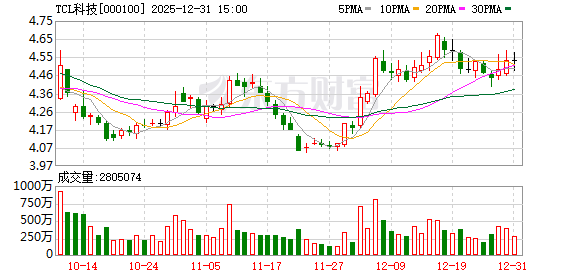
Group 1 - The CES 2026, known as the "Spring Festival of Technology," will take place in Las Vegas, showcasing a pivotal moment for global competition among display and consumer electronics giants from China, Japan, and South Korea [2] - TCL, as the largest Chinese exhibitor, will have a booth area of 2,453 square meters, competing directly with international leaders like Samsung, LG, and Sony in the fields of display technology and AI applications [2] - 2026 is widely regarded as the "year of AI hardware implementation," with AI transitioning from cloud to edge applications, prompting TCL to shift its exhibition strategy from merely showcasing hardware specifications to focusing on an "AI + display" ecosystem [2] Group 2 - In addition to its display technology, TCL will emphasize "AI in practice" as a key theme at the exhibition, highlighting its comprehensive layout in the "AI life" sector [3] - TCL plans to unveil products such as the Thunderbird AI/AR glasses, the TCL AiMe companion robot, and a range of AI-integrated home appliances, showcasing its commitment to the growing market of embodied intelligence and AI-native terminals [3]

CES 2026前瞻:英伟达或重塑物理AI,中美韩机器人齐“秀肌肉”
美股研究社· 2026-01-04 11:22
Core Viewpoint - The 2026 Consumer Electronics Show (CES) is anticipated to showcase significant advancements in technology, particularly in AI, robotics, and consumer electronics, with a focus on cost reduction and efficiency improvements [7][10]. Group 1: Chip Industry Strategies - NVIDIA is shifting its focus away from traditional consumer graphics cards, emphasizing "Physical AI" to extend AI computing capabilities into robotics and industrial applications, with potential delays in the RTX 50 Super series due to high GDDR7 memory prices [8][14]. - AMD is adopting a steady upgrade strategy, planning to launch the Ryzen 9000 series for desktops and Ryzen AI 400 series for mobile devices, targeting workstation users with advanced features [14]. - Intel is set to release the Core Ultra Series 3, which includes approximately 14 SKUs, with the flagship model featuring 16 cores and a maximum frequency of 5.1GHz, aiming to regain market confidence in its advanced manufacturing capabilities [14]. Group 2: Robotics and AI Developments - 2026 is seen as a pivotal year for humanoid robots, with a focus on practical applications and real-world testing [10]. - The competition among countries in robotics is intensifying, with China focusing on cost control and mass production, while the U.S. showcases technological benchmarks through companies like Boston Dynamics [15]. - South Korea is forming alliances to enhance its robotics capabilities, exemplified by the "K-Humanoid" alliance led by Rainbow Robotics, showcasing industrial-grade humanoid robots [15]. Group 3: XR and Consumer Electronics - The XR market is currently in a digestion phase following the release of Apple Vision Pro, with CES 2026 expected to mark the beginning of a counterattack from the Android camp [12]. - Samsung is debuting the Galaxy XR glasses, which integrate advanced AI features and aim to compete with Apple's ecosystem [16]. - Chinese companies are leading the trend of lightweight AI glasses, with products like the Quark AI Glasses S1 and Rokid Glasses focusing on practical applications such as real-time translation and AR navigation [16]. Group 4: Automotive Industry Innovations - The automotive sector is transitioning from "software-defined" to "AI-defined," with a competitive arms race in chip technology [13][21]. - Companies like Geely and Great Wall are showcasing innovations in vehicle architecture, while BMW is presenting its iX3 based on the Neue Klasse architecture, integrating advanced technologies [21]. Group 5: Display and Hardware Innovations - Lenovo is introducing innovative hardware solutions, including AI-driven automatic rotating screens and rollable laptops, addressing the balance between large displays and portability [22]. - Display technology advancements are highlighted by TCL and Hisense, focusing on Mini-LED technology and AI image processing capabilities to enhance picture quality [22].