鸣鸣很忙

Search documents
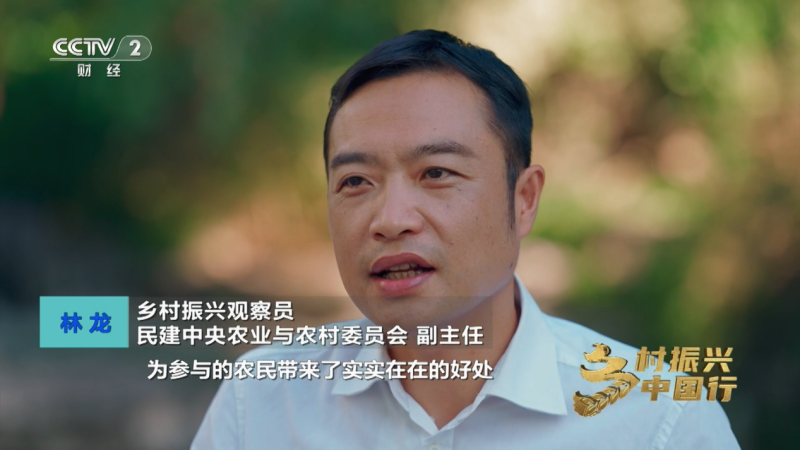
央视聚焦鸣鸣很忙:助力乡村振兴,“小零嘴”做成“大产业”
Chang Sha Wan Bao· 2025-09-22 02:22
Core Insights - The article highlights the role of the company "Ming Ming Hen Mang" in transforming agricultural products into popular snacks, thereby contributing to rural revitalization and farmer income growth [1][13] - The company has established a comprehensive supply chain and retail network, collaborating with various agricultural enterprises to enhance product quality and market reach [1][9] Group 1: Company Operations - "Ming Ming Hen Mang" integrates resources from farmers, cooperatives, and food processing companies to create a seamless supply chain, ensuring efficient processing and distribution of agricultural products [3][5] - The company has developed a quality control system that monitors the entire production process, from sourcing raw materials to final product delivery, ensuring high standards of food safety [7][11] Group 2: Economic Impact - The collaboration with local farmers and enterprises has led to significant income increases, with some farmers reporting annual sales of up to 10 million yuan [3][5] - The company has expanded its retail presence, with over 20,000 stores across 28 provinces, generating sales of 55.5 billion yuan and creating over 130,000 jobs [11][13] Group 3: Industry Trends - The snack food industry in China is experiencing rapid growth, with "Ming Ming Hen Mang" positioned as a leader due to its innovative business model and expansion strategy [13] - The integration of digital technology in agriculture and retail is enhancing production efficiency and transparency, contributing to the high-quality development of rural areas [9][11]

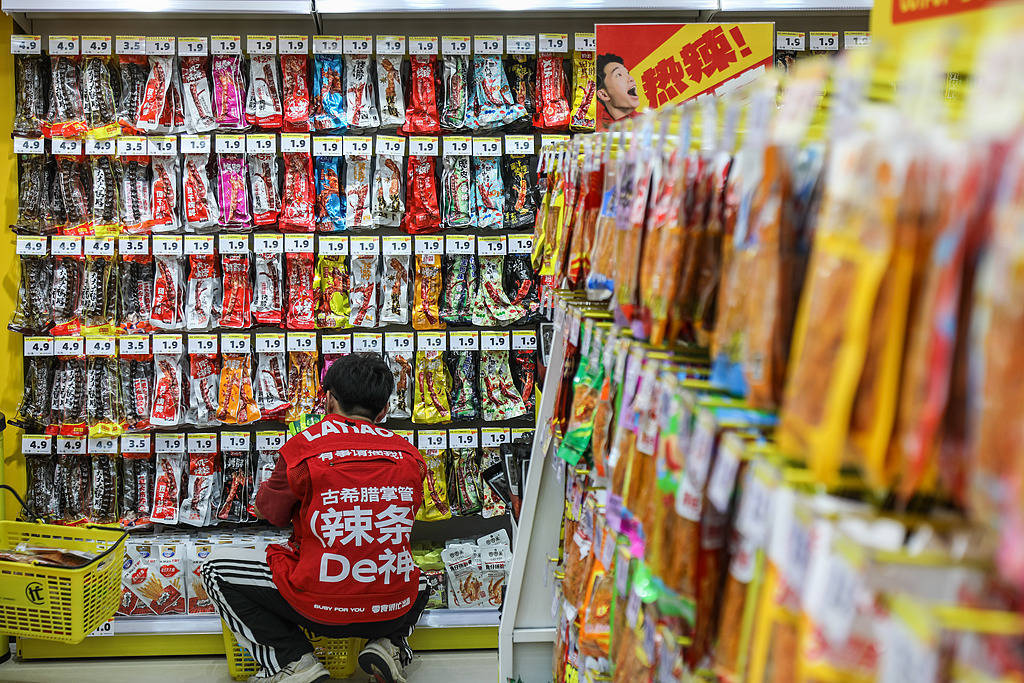
零食量贩出海避坑指南:我亲历的12个惨痛教训
3 6 Ke· 2025-09-18 10:19
Core Insights - The competition among domestic snack collection stores has intensified, with leading companies looking to expand overseas due to market saturation in China [1] - Real-world case studies reveal the challenges and lessons learned from international expansion, highlighting the importance of cultural understanding and operational adjustments [1] Market Selection: Hidden Barriers - Southeast Asia's market presents cognitive traps, such as overlooking local dietary restrictions, which can lead to significant losses [2] - Consumer habits vary greatly; adapting store hours to local preferences can increase foot traffic and sales [2] - Misjudging distribution channels can result in poor product reception; successful strategies include creating engaging customer experiences [2] Preparation Phase: Assumptions and Reactions - Cultural misunderstandings in product selection can lead to inventory losses; adjusting product offerings based on local tastes is crucial [3] - Supply chain issues, particularly in the final delivery phase, can severely impact sales; establishing safety stock and emergency logistics is essential [3] Operational Insights: Practical Wisdom - Innovative inventory management techniques can significantly reduce waste and enhance sales [5] - Pricing strategies must be tailored to local markets, as consumer sensitivity can vary widely [6] - Effective human resource management requires understanding local cultural norms to improve employee engagement and reduce theft [6] Expansion Challenges: The Temptation of Rapid Growth - Rapid expansion without adequate infrastructure can lead to operational inefficiencies and reduced profitability [7] - Franchise models must be adapted to local contexts to build trust and ensure effective management [7] - Crisis situations can lead to unexpected opportunities, such as diversifying sales channels through vending machines [7] Risk Areas: Learning from Mistakes - Compliance with local regulations is critical; failing to secure necessary certifications can result in significant financial losses [8] - Supplier management must address potential issues such as product quality and pricing discrepancies [8] - Cultural sensitivities must be respected to avoid public backlash and legal issues [8] Ultimate Insight: Globalization as Reconstruction - Successful international brands emphasize local identity and consumer needs rather than merely replicating their home market strategies [9] - Companies that thrive in foreign markets leverage local resources and consumer insights to create unique value propositions [9] - A mindset shift from being an "exporter" to a "learner" is essential for successful globalization [9]
想当然,是出海最大的坑
Hu Xiu· 2025-09-18 07:40
Core Insights - The competition among domestic snack collection stores has intensified, with leading companies looking to expand overseas due to market saturation in China [1] - Real-world case studies reveal the challenges and lessons learned from international expansion, highlighting the importance of cultural understanding and operational adjustments [1] Market Challenges - Southeast Asia's market presents hidden cognitive traps, such as the need for halal certification in Indonesia, which led to significant losses for a brand due to non-compliance [2] - Consumer habits vary significantly; for instance, a Vietnamese store adjusted its operating hours to match local preferences, resulting in a 40% increase in foot traffic [2] Preparation Phase - Cultural misunderstandings in product selection can lead to financial losses, as seen when a brand's spicy snacks failed to resonate with Southeast Asian consumers [3] - Companies that adapt their product offerings based on local sales data can achieve quicker profitability [3] Supply Chain Issues - Supply chain disruptions can severely impact sales, as demonstrated by a store in Thailand that faced product spoilage due to weather conditions [4] - Store design and layout must consider local preferences; adjustments in decor led to a 20% increase in average transaction value [4] Operational Insights - Innovative inventory management techniques can reduce waste; for example, a store in Indonesia repackaged near-expiry products to boost sales [5] - Pricing strategies must be tailored to local markets, as demonstrated by a brand that successfully increased prices based on consumer perception [5] Expansion Strategies - Rapid expansion without adequate infrastructure can lead to operational inefficiencies, as seen in a brand that expanded too quickly in Vietnam [6] - A phased approach to franchising, with gradual transfer of management responsibilities, can build trust and improve local operations [6] Crisis Management - Unexpected challenges can lead to innovative solutions, such as the introduction of vending machines during a downturn, which increased customer retention [7][8] Compliance and Risk Management - Regulatory compliance can be time-consuming and costly; proactive measures such as creating a certification whitelist can mitigate risks [9] - Effective supplier management is crucial to avoid issues like product quality fluctuations and unauthorized distribution [9] Final Insights - Successful international expansion requires a shift in mindset from exporting to local adaptation, emphasizing the importance of understanding local markets and consumer needs [10]
食品饮料行业跟踪报告:阿里重发力到店业务,线下餐饮活力有望提升
Shanghai Aijian Securities· 2025-09-16 10:06
Investment Rating - The report rates the industry as "Outperform the Market" [3][20]. Core Insights - The white liquor sector is expected to see a weak recovery in demand as policy pressures ease, with a notable narrowing of year-on-year declines anticipated during the upcoming double festival sales [2]. - The food and beverage industry is currently at a low valuation, with pessimistic expectations fully priced in, and the release of interim results is expected to alleviate performance pressures [2]. - The report highlights the potential for premium liquor companies like Kweichow Moutai, Wuliangye, and Shanxi Fenjiu, which have stable pricing and attractive dividend yields, to be favored during this adjustment period [2]. - In the mass consumer goods segment, companies like Nongfu Spring and Dongpeng Beverage are recommended due to their strong growth trajectories and the market's willingness to assign valuation premiums to "scarce" growth stocks [2]. Summary by Sections Weekly Tracking - The food and beverage industry increased by 1.08% in the week of September 8-12, underperforming the Shanghai Composite Index, which rose by 1.52% [3][4]. - Among sub-sectors, meat products led with a gain of 2.99%, while snacks saw a decline of 4.60% [3][6]. Dairy Sector - The nationwide rollout of childcare subsidies is expected to boost demand for dairy products, particularly infant formula, benefiting leading companies with strong brand advantages and diversified distribution channels [3]. Snack Sector - The rapid expansion of the snack chain "Mingming Hen Mang" has surpassed 20,000 stores, indicating a shift towards a more competitive and cost-effective sales model that aligns with current consumer trends [3]. Restaurant Sector - The launch of the "Gaode Street Ranking" by Gaode Map is anticipated to enhance the vitality of offline dining by leveraging user behavior data for merchant evaluations, which may benefit restaurant supply chain companies [3].





食品饮料周观点:白酒底部价值,大众品把握龙头-20250914
GOLDEN SUN SECURITIES· 2025-09-14 08:14
Investment Rating - The report maintains an "Increase" rating for the food and beverage industry, indicating a positive outlook for the sector [5]. Core Insights - The white liquor sector is showing signs of bottoming out, with the upcoming peak season expected to improve the fundamentals. The report highlights the long-term value of leading brands such as Kweichow Moutai and Wuliangye, while also identifying short-term elastic stocks like Luzhou Laojiao and Jiangsu Yanghe [1][2]. - In the beverage segment, Budweiser plans to expand its investment in Xiamen, while Baijiu's major shareholder is transferring shares, indicating confidence in the future of the company. The report emphasizes the importance of focusing on high-growth stocks and market leaders in the beverage sector [3]. - The snack industry is experiencing rapid growth, with the number of stores for "Mingming Hen Mang" surpassing 20,000. The report notes that the milk price is stabilizing, which may lead to opportunities in the dairy sector post-harvest season [4]. Summary by Sections White Liquor - Kweichow Moutai is leading the industry with a focus on product and channel transformation, aiming for market recovery as the peak season approaches. The report anticipates a gradual improvement in the fundamentals of the white liquor sector [2]. Beer and Beverage - Budweiser's strategic upgrade includes consolidating its operations in the Asia-Pacific region. The report suggests monitoring the recovery of the restaurant sector and the performance of leading beer brands like Yanjing Beer and Zhujiang Beer [3]. Snacks and Dairy - The snack market is characterized by intense competition, with leading brands leveraging scale and supply chain advantages. The report also notes a slight recovery in raw milk prices, indicating potential growth in the dairy sector [4].
休闲零食两极分化加剧:量贩冲击传统巨头,即时零售入局增加变量
Sou Hu Cai Jing· 2025-09-13 13:45
Core Insights - The rise of discount snack stores is reshaping the snack retail landscape in China, with significant growth in the volume and profitability of leading companies in this sector [4][5][6]. Industry Overview - Traditional snack giants are facing pressure, while discount snack leaders like Wancheng Group and Mingming Hen Mang are experiencing explosive growth, with Wancheng's net profit increasing over 500 times year-on-year [3][5]. - The market share of discount stores is projected to exceed 40% in 2024, surpassing supermarkets and e-commerce channels [5]. Company Performance - Wancheng Group reported a revenue of 323.3 billion yuan in 2024, a year-on-year increase of 247%, with a net profit of 2.93 billion yuan, up 453% [6]. - Mingming Hen Mang has also shown rapid growth, with over 20,000 stores nationwide and a significant increase in revenue from 42.86 billion yuan in 2022 to 393.43 billion yuan in 2024 [6][7]. Business Model - Discount snack stores operate on a low-margin model, with average gross margins around 10%, allowing them to offer lower prices compared to traditional retail channels [9][10]. - The focus on private label products and high turnover rates supports their business model, enabling them to attract price-sensitive consumers [11][12]. Market Dynamics - The integration of instant retail platforms is enhancing the growth of discount snack stores, with significant order increases reported through partnerships with platforms like Meituan [13][14]. - The overall snack market in China is expected to reach 1.2378 trillion yuan by 2027, indicating a shift from rapid growth to a more stable market [15]. Competitive Landscape - The competition among discount snack retailers is intensifying, with many companies collaborating with discount platforms to boost sales [7][13]. - The future of the market will depend on balancing brand value with cost efficiency, as well as innovation in supply chain management and customer loyalty [15][16].
万辰利润暴涨背后:好想来的激进与加盟商的无奈
Xin Lang Cai Jing· 2025-09-12 04:15
Core Viewpoint - The rapid growth of Wancheng Group in the snack industry contrasts sharply with the declining performance of established brands, raising questions about sustainability and potential risks in its business model [1][26]. Financial Performance - In the first half of 2025, Wancheng Group reported revenue of 22.583 billion yuan, a year-on-year increase of 106.89%, and a net profit of 472 million yuan, a staggering increase of 50,358.80% [1][3]. - The significant profit surge is primarily attributed to the strong growth in the bulk snack business, which contributed 22.345 billion yuan in revenue, accounting for 98.95% of total revenue, with a year-on-year growth of 109.33% [3][6]. Business Model and Revenue Sources - The bulk snack business generates revenue mainly through three channels: wholesale supply to franchisees, store sales, and others. The majority of income comes from supplying products to franchisees, with 21.810 billion yuan in revenue from this channel, a year-on-year increase of 112.56% [6][8]. - As of June 2025, Wancheng Group had 15,400 stores, a net increase of 8,727 stores compared to the same period in 2024, representing a growth of 131.47% [8]. Franchisee Dynamics - Despite the growth in franchisee numbers, individual store revenue has declined, with average monthly revenue dropping from 32.20 million yuan in the first half of 2024 to 29.57 million yuan in the first half of 2025, a decrease of 8.16% [13]. - Franchisees face increasing pressure due to rising costs and declining revenues, with the initial investment for a store estimated at around 500,000 yuan, leading to a payback period of approximately 17 months under ideal conditions [16]. Market Competition - The snack market is becoming increasingly competitive, transitioning from a "blue ocean" to a "red ocean" environment, with intensified competition among existing players and new entrants [17][19]. - Wancheng's store expansion strategy has led to high regional concentration, particularly in East China, where over 56.80% of its stores are located, resulting in internal competition and diluted customer traffic [17]. Risks and Challenges - Wancheng Group faces significant risks, including food safety issues, high debt levels, and the potential for franchisee closures due to profitability challenges [22][24]. - The company's asset-liability ratio is projected to rise to 90.97% following a planned acquisition, indicating a precarious financial position that could exacerbate cash flow issues if revenues decline [24][26]. Conclusion - While Wancheng Group has achieved remarkable growth through its franchise model, the sustainability of this growth is under scrutiny due to market saturation, franchisee profitability challenges, and associated risks [26][27].

财信证券晨会纪要-20250911
Caixin Securities· 2025-09-10 23:31
Market Strategy - The market continues to experience a shrinking volume oscillation, with trading volume dropping to 2 trillion yuan [4][7] - The overall A-share market saw a slight increase, with the Wind All A Index rising by 0.22% to 6092.31 points, while the Shanghai Composite Index rose by 0.13% to 3812.22 points [7][8] - The innovation growth sector performed well, with the ChiNext Index increasing by 1.27% to 2904.27 points, while the North China 50 Index saw a slight decline of 0.16% [7][8] Economic Indicators - In August, the Producer Price Index (PPI) decreased by 2.9% year-on-year, an improvement from the previous month's decline of 3.6% [17][18] - The Consumer Price Index (CPI) also fell by 0.4% year-on-year in August, remaining flat month-on-month [19][20] - The central bank conducted a 7-day reverse repurchase operation amounting to 304 billion yuan, with a fixed interest rate of 1.40% [21][22] Industry Dynamics - The company "Mingming Hen Mang" has surpassed 20,000 stores nationwide, solidifying its position as a leading player in the leisure food and beverage retail sector [27][28] - Hengtai Securities has officially changed its name to Financial Street Securities, marking its entry into the state-owned securities sector [29][30] - The world's largest floating wind turbine foundation, with a capacity of 16MW, has been completed and delivered, representing a significant milestone in offshore wind energy projects [31][32] - In the first half of 2025, China's wind turbine market saw new orders totaling 80GW, with onshore wind turbine orders reaching 73GW, reflecting a year-on-year growth of 6% [33][34] Company Updates - Aoyang Health (002172.SZ) is currently suspended from trading as it plans to transfer its shares, which may lead to changes in its controlling shareholder [36][37] - Baile Tianheng (688506.SH) has had its drug "iza-bren" included in the list of breakthrough therapy designations for certain cancer patients [38][39] - Linyang Energy (601222.SH) has won a bid for the first batch of metering equipment for the Southern Power Grid, with a contract value of approximately 244.08 million yuan [40][41] - Zoomlion (000157.SZ) has successfully delivered its first boom crane from its German factory, marking a significant step in its localization strategy in Europe [43][44] - Xianhui Technology (688155.SH) has signed an agreement to establish a joint laboratory for advanced solid-state battery technology, aiming to accelerate the industrialization of solid-state batteries [46][47] Regional Economic Dynamics - Electric Broad Media (000917.SZ) has completed the issuance of its first phase of medium-term notes, raising 300 million yuan with a maturity of three years and a coupon rate of 2.18% [48]
万辰集团20250910
2025-09-10 14:35
Summary of Wanchen Group's Conference Call Company Overview - Wanchen Group reported a revenue growth of over 90% year-on-year in the first half of 2025, reaching 22 billion yuan, with a net profit of 2.6 billion yuan, indicating strong growth momentum [2][3] - The company has rapidly expanded its store network, adding 1,100 stores in the first half of 2025, bringing the total to over 15,000 stores, primarily in East, Central, and North China [2][4] Financial Performance - In the first half of 2025, Wanchen Group's gross margin for its snack retail business improved to 11.5%, with a decrease in selling and administrative expense ratios by 2% and 0.4% respectively, showcasing significant operational efficiency [2][6] - Excluding share-based payment, the net profit reached 9.5 billion yuan [2][6] - The company expects revenues to exceed 320 billion yuan in 2024 and approach 600 billion yuan in 2025 [2][7] Industry Dynamics - The snack retail industry is characterized by a "two super, many strong" structure, with Wanchen Group and "Mingming Hen Mang" holding dominant positions [2][9] - The industry has experienced rapid growth since 2019, with significant development opportunities arising from the pandemic [9][10] - The competitive landscape is expected to intensify, requiring higher demands on supply chain management and operational efficiency [5][14] Strategic Initiatives - Wanchen Group is transitioning to a discount supermarket model, enhancing its product offerings to include high-turnover categories such as fast food and daily necessities [15][20] - The company plans to list on the Hong Kong Stock Exchange and explore Southeast Asian markets, indicating a strategy for international expansion [5][20] Operational Efficiency - The company has significantly improved its operational efficiency, with net profit showing a continuous upward trend since the second half of 2023 [17][18] - Key performance indicators for investors include gross margin, net profit, and selling expense ratio, all of which are showing positive trends [16] Consumer Behavior and Market Trends - The retail landscape is shifting from large supermarkets to more convenient, smaller retail formats, aligning with changing consumer shopping habits [19] - Wanchen Group's model effectively meets consumer demand by reducing costs through direct sourcing and minimizing intermediaries [19] Future Outlook - Wanchen Group aims to continue developing new retail formats and optimizing product selection to adapt to market demands [20] - The company is positioned for sustained growth, making it a noteworthy investment opportunity [20]
行业内卷加剧 债务持续高企 并购+二次IPO能否帮助万辰集团突破困局
Xi Niu Cai Jing· 2025-09-05 07:58
Core Viewpoint - Fujian Wancheng Biotechnology Group Co., Ltd. is attempting to overcome growth bottlenecks in its bulk snack business through a series of capital operations, including a significant acquisition and plans for an IPO in Hong Kong, amidst intense industry competition and rising debt levels [2][4]. Group 1: Acquisition and Financial Moves - The company plans to acquire 49% of Nanjing Wanyou Commercial Management Co., Ltd. for 1.379 billion yuan [3]. - This acquisition is expected to further increase the company's debt ratio to approximately 90%, significantly raising short-term repayment pressures [6]. - The board has approved the plan for an IPO in Hong Kong, aiming to enhance international strategy, brand recognition, and supply chain systems [3][4]. Group 2: Industry Competition and Market Dynamics - The domestic bulk snack market is projected to exceed 100 billion yuan in 2024, with over 40,000 stores, leading to intensified competition and price wars [4]. - Competitors like Mingming Hen Mang are employing aggressive strategies, including zero franchise fees and substantial subsidies to counteract Wancheng's market presence [4]. - Wancheng's brands, such as "Hao Xiang Lai," are responding with similar tactics, indicating a highly competitive environment [4]. Group 3: Financial Performance and Challenges - Wancheng's gross margin has fluctuated significantly, dropping from 14.40% in 2022 to 9.52% in 2023, before slightly recovering to 10.86% in 2024 [5]. - The company's rapid expansion through acquisitions has led to a debt ratio of 68.95% as of mid-2025, raising concerns about its short-term liquidity [5]. - The recent leadership change, with the founder stepping down amid regulatory scrutiny, may be aimed at stabilizing governance ahead of the IPO [6].