SHEIN

Search documents
拉美电商迎来黄金风口:万亿市场、年轻人口与亚洲卖家的下一个爆发点
Sou Hu Cai Jing· 2025-05-20 03:40
Core Insights - Latin America is undergoing a significant transformation in online retail, becoming an emerging battleground for cross-border sellers due to changing consumer behaviors and a rapidly maturing platform ecosystem [1][2] Market Growth - The overall retail market in Latin America is projected to have a compound annual growth rate (CAGR) of 6% from 2024 to 2028, with online retail expected to grow at an annual rate of 11%, significantly outpacing offline retail growth of 5% [1] - Online retail's share of total retail sales is currently low at 12.3% in 2023 but is expected to rise to 15.9% by 2028, indicating a high-growth, low-penetration market for early entrants [1] Market Concentration - Brazil and Mexico together account for approximately two-thirds of the e-commerce market share in Latin America, with Brazil being the largest economy in the region, representing 33% of the total GDP [1] - Other countries like Argentina, Chile, Colombia, and Peru also show significant growth potential, particularly Chile and Peru, which are emerging as new engines for e-commerce expansion [1] E-commerce Ecosystem - The e-commerce ecosystem in Latin America is becoming well-established, with local giant Mercado Libre holding a 26% market share and creating a comprehensive "e-commerce + finance" ecosystem [2] - Other platforms like Amazon and Magazine Luiza are rapidly expanding, while Asian platforms such as AliExpress, Shopee, and SHEIN are gaining traction due to their mature supply chains and price advantages [2] Consumer Behavior - Post-pandemic, online shopping habits have been firmly established among Latin American consumers, with digital appliances being the top-selling category at 22%, followed by fashion items at 14% and food at 8% in 2023 [2] - From 2024 to 2028, health and beauty products are expected to be the fastest-growing segment, with a projected growth rate of 12%, making them a "golden category" for cross-border sellers [2] Marketing Strategies - Sellers entering the Latin American market should focus on content marketing through platforms like TikTok, Instagram, and Facebook, leveraging local KOCs and influencers to enhance brand recognition and drive traffic [3] - Understanding local compliance requirements, such as de minimis value policies and product labeling standards, is crucial for reducing operational costs and clearing customs effectively [3] Conclusion - The rapid growth and diverse demand in the Latin American market present an excellent opportunity for Chinese sellers, emphasizing the need for a deep understanding of local market dynamics to succeed in cross-border e-commerce [3]
朱啸虎投的第一个日本项目,前SHEIN日本负责人创业的家具出海品牌获6.5亿日元融资|36氪首发
36氪· 2025-05-19 13:44
Core Viewpoint - The article discusses the recent A-round financing of the cross-border e-commerce company "Kagu E-commerce," which aims to integrate Chinese furniture supply chain resources to provide high-quality and cost-effective furniture products to overseas markets, particularly Japan [4][5]. Company Overview - "Kagu E-commerce" was established in May 2024 and is headquartered in Tokyo, Japan. The company focuses on brand operation to offer a wide range of furniture products to overseas consumers, initially targeting the Japanese market [5]. - The platform has launched over 2,500 products, with nearly 30,000 SKUs, including sofas, tables, chairs, mattresses, and ergonomic chairs. The company plans to increase the product count to 5,000-8,000 by the end of the year [3][5]. Market Positioning - The Japanese furniture market is dominated by offline basic brands and high-end designer brands. Kagu E-commerce aims to fill the market gap with a light inventory model that aggregates verified quality products from China, offering design diversity and price advantages [6]. - For example, a sofa produced by the Chinese supply chain is priced at only 1/2 to 1/5 of similar high-end brands in Japan [6]. Operational Strategy - Kagu E-commerce has established a strategic partnership with the home design software CoolJia, allowing users to design and directly order corresponding products, creating a closed loop of "design-selection-fulfillment" [6]. - The company has optimized its supply chain management by deeply binding with domestic suppliers and establishing some front warehouses in Japan to enhance last-mile fulfillment efficiency [6]. Future Plans - The company has initiated a brand upgrade plan and is set to sign Japanese national star Honda Keisuke as a spokesperson to strengthen local trust [7]. - Kagu E-commerce plans to expand into South Korea and Southeast Asia by the end of the year while further optimizing its supply chain system to improve product launch speed [7]. Investor Insights - Investors express confidence in Kagu E-commerce's innovative product development model, which efficiently integrates the furniture supply chain from countries like China, providing high-quality and diverse products at competitive prices [7]. - The founder, Liu Sanyong, has a successful track record in building the Japanese market for SHEIN, which adds credibility to Kagu E-commerce's potential for success in the furniture e-commerce sector [7].


朱啸虎投的第一个日本项目,前SHEIN日本负责人创业的家具出海品牌获6.5亿日元融资 | 36氪首发
3 6 Ke· 2025-05-19 02:08
Company Overview - "卡谷电商" recently completed a Series A financing round of 650 million yen (approximately 30 million RMB), led by X&KSK Fund and金沙江创投 [1] - The company was founded in May 2024 and is headquartered in Tokyo, Japan, focusing on integrating Chinese furniture supply chain resources to provide high-quality and cost-effective furniture products for overseas markets [1][2] - The company has raised a total of 950 million yen across two funding rounds, including a seed round of 300 million yen [1] Business Model - "卡谷电商" operates on a "China supply chain + Japan brand" model, aggregating products from established domestic brands and factories to sell to overseas consumers [1] - The platform currently offers over 2,500 products with nearly 30,000 SKUs, including large furniture items like sofas, tables, and ergonomic chairs, with plans to increase the product range to 5,000-8,000 by the end of the year [1] Market Strategy - The company aims to fill market gaps in Japan's furniture sector, which is dominated by offline basic brands and high-end designer brands, by offering diverse designs at competitive prices [2] - A strategic partnership with home design software "酷家乐" will allow users to design and directly order corresponding products, creating a closed loop of "design-selection-fulfillment" [2] - "卡谷电商" has established a local inventory system in Japan to optimize fulfillment efficiency and maintain a low average return rate [2] Future Plans - The company has initiated a brand upgrade plan and is set to sign Japanese football star Honda Keisuke as a spokesperson to enhance local trust [3] - Plans for market expansion include targeting South Korea and Southeast Asia, along with further optimization of the supply chain to improve product launch speed [3] - The founder, Liu Sanyong, emphasizes the importance of establishing a strong foothold in the Japanese market to facilitate future global expansion [3] Investor Insights - Investors express confidence in "卡谷电商"'s innovative product development model, which effectively integrates the furniture supply chain from countries like China, providing high-quality products at competitive prices [3] - The founder's previous experience with SHEIN in Japan is highlighted as a significant asset for the company's growth potential in the furniture e-commerce sector [3]

38岁创业卖小家电,女大佬一年赚1个亿,刚宣布退市;三十年老牌物流巨头停止运营,老板失联丨Going Global
创业邦· 2025-05-18 10:22
「Going Global 出海周报」 是创业邦推出的出海系列栏目,旨在为出海领域的创业者和投资人精选 出海大事件、海外大公司、投融资消息,本篇为栏目第 286 篇报道。 整理丨赵晓晓 本周(202 4 . 05 . 11 - 2025.05.17)出海大事件包括: TikTok被欧盟指控广告违规,最高可能面临年营业 额6%的罚款;Temu可能在美国恢复全托管模式;SHEIN在美国降低零售价;速卖通继续加码百亿补贴; 淘宝加速出海,哈萨克斯坦上线俄语版;阿里国际站加推美国专场大促;南洋国际物流集团停止运营; 美团 Keeta、蜜雪同一天宣布进入巴西市场;高盛预言:未来90天中国出口将爆火;美国对华小额包裹关 税据报低至30%等。 出海四小龙 TikTok 被欧盟指控广告违规,最高可能面临年营业额 6% 的罚款 5 月 15 日,欧盟指控 TikTok 违反《数字服务法》规定,没有提供有关广告内容、目标用户和广告 付费者的必要信息。该法案规定,互联网平台需要发布一个广告资源库,旨在让研究人员和用户检测 诈骗广告。 如果这一指控成立, TikTok 最高可能面临全球年收入 6% 的罚款。据 Oberlo 数据, ...

说出海不卷的人肯定没做过出海
Tai Mei Ti A P P· 2025-05-17 03:02
Core Insights - The article discusses the evolution of Chinese manufacturing and its transition to branding and overseas expansion, highlighting the challenges and opportunities in the global market [1][4][30] Group 1: Market Dynamics - The overseas market is becoming increasingly competitive, with many Chinese companies venturing abroad, leading to a "red ocean" scenario rather than the anticipated "blue ocean" [7][9] - The number of Chinese companies going overseas has reached a new high, with cross-border e-commerce import and export volume increasing by over 15% in one year [10] Group 2: Opportunities in Overseas Markets - There are still significant opportunities in overseas markets, particularly for those who can adapt their strategies and leverage brand strength, content, and operational capabilities [16][30] - Successful companies are shifting from merely selling products to building brands and engaging with consumers through content and community [18][22] Group 3: Strategic Shifts - Companies are moving from large platforms to private domain marketing, focusing on authentic engagement rather than traditional advertising [22][24] - The evolution of supply chains is also a key trend, with companies establishing local warehouses and production facilities in foreign markets to enhance their operational efficiency [26][28] Group 4: Mindset and Adaptation - The perception of competition ("卷") stems from a narrow understanding of market dynamics; companies must upgrade their strategies to succeed in different cultural contexts [29] - The future of overseas expansion will depend on long-term brand building, understanding cultural nuances, and employing systematic capabilities to address structural opportunities [30]
集体经济类REITs问世,供给持续扩张带来的产业园区招商压力
Sou Hu Cai Jing· 2025-05-16 11:59
Group 1 - The report highlights the approval of the first collective economy REITs project in China, which aims to break the traditional reliance on bank loans and fiscal subsidies for financing, thereby reducing debt ratios and enabling light asset operations [2][4]. - During the reporting period, there were five investment events recorded, with the majority being self-built by leading enterprises, except for the SHEIN Bay Area Western Smart Industrial Park project [2]. - The report indicates a total of nine financing events, including bonds, REITs, ABS, and funds, with a focus on community collective economic units as underlying assets [4]. Group 2 - The industrial park includes seven buildings with a total construction area of approximately 55,000 square meters, featuring various facilities such as an enterprise incubation center and a public service platform [3]. - The next steps for the park involve integrating "industrial-city integration" and "benefiting the people" strategies, while exploring mechanisms that combine collective economy and public services [5]. - The rental distribution of tenants in the project is primarily in the automotive manufacturing and technology promotion sectors, with specific percentages allocated to various industries [6]. Group 3 - Several REITs reported their 2024 performance, with Dongwu Suyuan REIT showing the highest revenue of 265 million yuan, but also reporting negative net profits [8]. - The overall revenue situation indicates that five REITs, including Dongwu Suyuan REIT, are facing revenue decline pressures, attributed to challenges in the macroeconomic environment and increased competition in the Suzhou Industrial Park [8].
关税“黄金窗口”引爆市场
Bei Jing Shang Bao· 2025-05-15 15:03
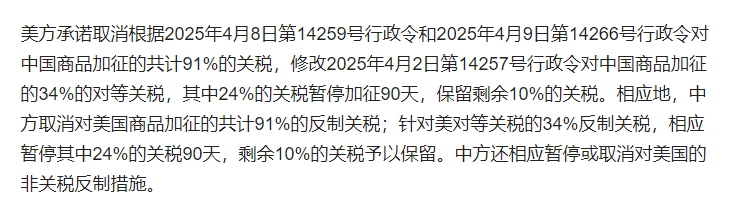
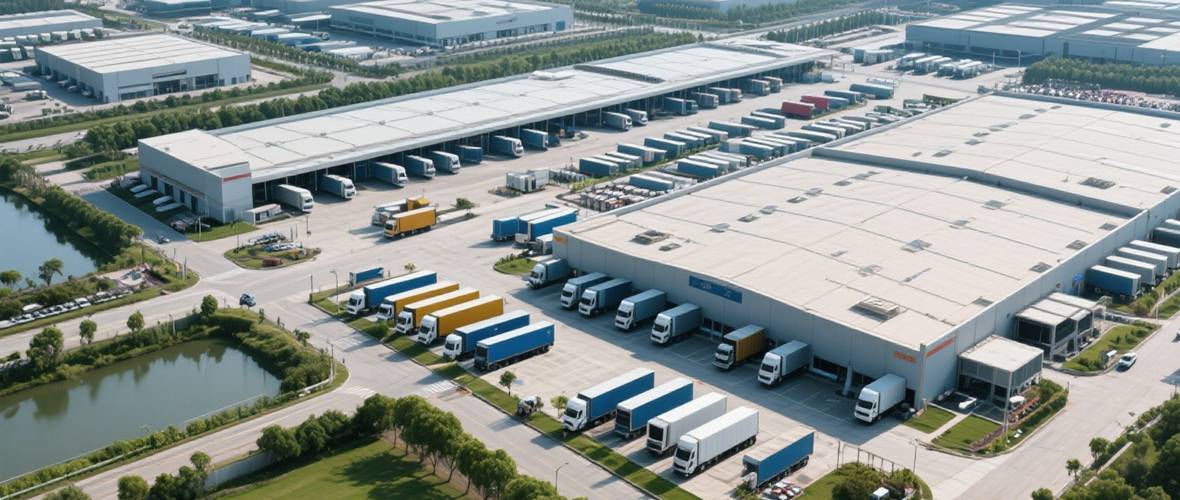
Core Insights - The recent tariff adjustments have led to a surge in demand for shipping capacity on the China-US trade route, resulting in a "space grabbing war" among cross-border logistics companies [1][2] - Shipping rates for containers are expected to rise significantly, with prices for 40-foot containers increasing by $1,000 to $2,000, pushing costs to over $3,500 for shipments to the US West Coast [1][3] - The anticipated increase in shipping demand coincides with the traditional summer shopping season in the US, leading to projections of a substantial rise in freight costs [2][4] Shipping Market Dynamics - The shipping market is experiencing a chaotic pricing environment, with forecasts indicating that rates could exceed $5,000 by June [3] - A report from Linerlytica suggests that the easing of trade tensions will lead to a surge in cargo volume over the next three months, with a nearly 300% increase in container bookings from China to the US following the tariff suspension [3][4] Impact on Exporters - Many Chinese exporters are rapidly resuming shipments to the US, with factories experiencing a significant uptick in orders, including a textile company that has received a new order for 100,000 sets of children's clothing [5][6] - Companies are diversifying their markets to mitigate risks, with some shifting focus to domestic sales in response to the recent tariff changes [7] Future Considerations - There are concerns about potential congestion at US ports due to the anticipated spike in shipping demand, as many companies have accumulated large inventories [4] - The recent tariff adjustments have prompted companies to reconsider their supply chain strategies, with a shift towards more localized operations and reduced reliance on single markets [7][8]
出海月度观察2025年4月刊
飞书深诺· 2025-05-15 04:50
Investment Rating - The report does not explicitly provide an investment rating for the industry Core Insights - The report highlights strong growth in categories such as automotive parts, home appliances, and gardening due to seasonal demand as summer approaches [10][23] - E-commerce platforms like YouTube Shopping and TikTok Shop are expanding their presence in Southeast Asia, indicating a growing trend in social commerce [2][4] - The introduction of new customs regulations in the US may impact pricing and logistics for cross-border e-commerce [2][6] Market Overview - In April, the Amazon US platform saw significant growth in categories like automotive parts (17.83% growth) and home appliances (13.17% growth) [10] - The report notes that the gardening category also experienced a notable increase in sales, driven by seasonal demand [10][23] - In Germany, the Amazon platform reported a 28.57% growth in gardening products, reflecting similar trends [23] High-Potential Categories - Automotive Parts: Notable subcategories include power steering fluid (135% growth) and brake fluid (92% growth) [12] - Home Appliances: The combination washer and dryer saw a 169% increase in sales [14] - Gardening: Key products include outdoor storage (50% growth) and outdoor power equipment (22% growth) [19][20] - Digital Marketing: ChatGPT introduced shopping features to enhance user experience in e-commerce [4] Investment and Financing Overview - In April, several companies in the AI and robotics sectors secured significant funding, including Butterfly Effect with $75 million and Yunji Intelligent with $100 million [9] - The report emphasizes the growing interest in AI-driven solutions and robotics within the investment landscape [8] E-commerce Trends - The report indicates a shift towards social commerce with platforms like YouTube and TikTok enhancing their e-commerce capabilities [2][4] - Meta's Q1 financial report shows a 16% revenue growth, highlighting the resilience of digital advertising [6] - Pinterest is enhancing its visual search capabilities with AI tools to improve user engagement [6]


海外数字经济信任度报告正式发布,首度揭示消费者数字支付信任度与GDP增长的正相关性
Cai Fu Zai Xian· 2025-05-15 03:34
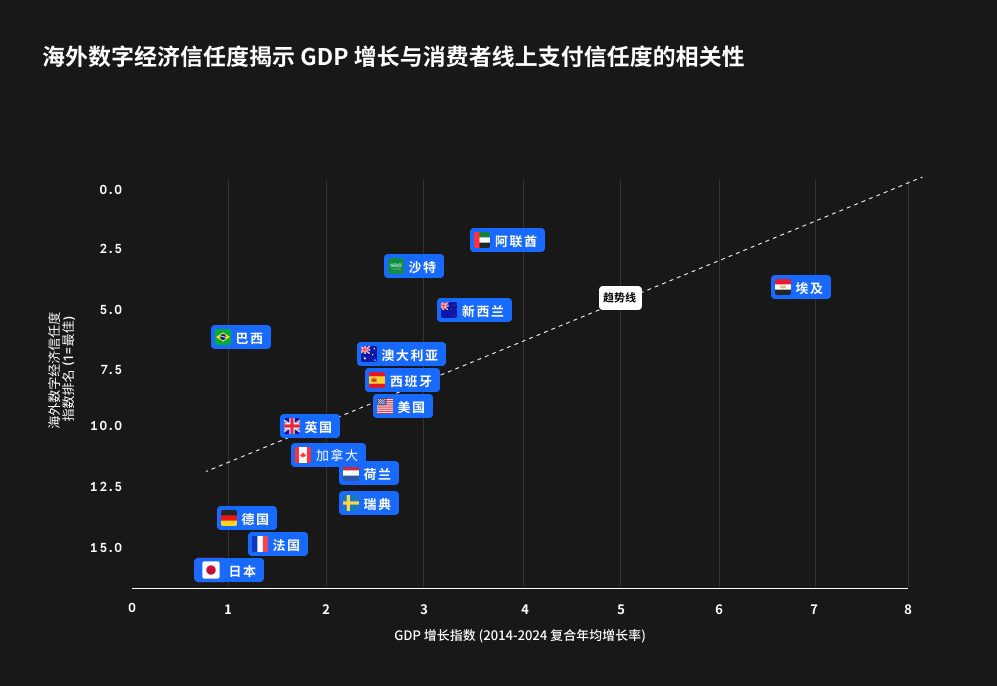
● Checkout.com 发布首期《海外数字经济信任度报告》,基于消费者对安全性、透明度及用户体验感知 的国家排名 ● 中东北非地区位居数字经济信任度榜首,而欧美地区因对辅助消费 AI 工具的高度不信任而表现滞后 ● 该报告首次揭示消费者数字信任度与国家 GDP 增长的相关性 伦敦,2025年5月14日——全球领先数字支付服务商 Checkout.com 今日发布首份《海外数字经济信任度 报告》,该报告基于对 16 个国家消费者数字支付安全、透明度及用户体验的信任度评估,首次发现 2014-2024 年间消费者数字信任度与国家 GDP 增长率呈显著正相关,印证数字经济信任度已成为现代 经济增长的关键驱动力。 埃及地区以接近 7 分(满分 10 分)高居该指数榜首,阿联酋和沙特阿拉伯紧随其后。值得注意的是,尽 管日本的数字化和电商普及率较高,却仅有 2.6 分的信任评分,意外垫底。 《海外数字经济信任度报告》在全面反映个人与数字系统的互动、信任及采用情况,助力企业、政策制 定者和技术服务商洞悉关键信任驱动因素与障碍,最终通过提升数字经济信任度推动更广泛的经济增 长。在所有市场调研的 18 个维度中,与总体信 ...
关税回去了,但美国回不去了
Sou Hu Cai Jing· 2025-05-13 11:30
Core Viewpoint - The recent negotiations between China and the U.S. have led to a significant reduction in tariffs, with both sides canceling 91% of tariffs and reducing additional tariffs to 10%, marking a return to the pre-April 2 status, but the underlying dynamics of trade and pricing have fundamentally changed [1][4]. Group 1: Trade Dynamics - Following the tariff negotiations, U.S. clients have begun to place orders with Chinese manufacturers, creating an illusion of normalcy, yet the market dynamics have shifted [2]. - China's export to the U.S. saw a 21% decline in April, but overall exports increased by 9.3%, indicating a global shift towards sourcing from China to capture the U.S. market [7]. - The high tariffs imposed by the U.S. have not crippled China; instead, they have contributed to rising inflation in the U.S., with national debt surpassing $36 trillion and major retailers expressing concerns over empty shelves [7]. Group 2: Pricing Power and Market Perception - Chinese exporters have adapted to the trade tensions by forming a consensus to raise prices, moving away from the previous strategy of undercutting prices to secure orders [8][17]. - The prices of rare earth metals have surged dramatically, with dysprosium doubling to $850 per kilogram and terbium increasing over 210% to $3,000, reflecting the new pricing power of Chinese manufacturers [9]. - The perception of Chinese manufacturing is changing, with more American consumers recognizing the quality of products made in China, leading to a shift in branding strategies [19][23]. Group 3: Long-term Implications - The trade conflict has inadvertently highlighted China's advancements in manufacturing and its critical role in global supply chains, particularly in high-tech and military sectors where the U.S. heavily relies on Chinese rare earth materials [11][14]. - The ongoing tariff situation may lead to lasting changes in pricing structures, making it difficult for prices to revert to previous levels even if the trade war ends [24]. - The current trade tensions serve as a public acknowledgment of China's decade-long efforts to upgrade its manufacturing capabilities and redefine its market position [21][25].