饿了么

Search documents
突发!“零元购”全面下线!
中国基金报· 2025-07-23 07:09
Core Viewpoint - The Shanghai market supervision department has taken action against platforms like Ele.me, requiring them to implement three key rectifications to ensure fair competition and consumer protection in the food delivery industry [4][5]. Group 1: Regulatory Actions - The Shanghai market supervision department has conducted talks with Ele.me and other platforms, mandating the complete removal of "zero yuan purchase" promotional activities [4][5]. - Platforms are required to significantly reduce the scope of free meal marketing and establish a special task force to enhance activity monitoring, price control, and rider rights protection [4][5]. - Continuous enforcement of regulations is emphasized to ensure compliance and promote a healthy and sustainable development of the food service industry [4][5]. Group 2: Industry Competition - The recent "food delivery war" has prompted regulatory bodies to intervene after platforms engaged in aggressive discounting strategies, including free offers and substantial coupon distributions [8]. - Major platforms like Meituan reported a surge in daily order volumes, with Meituan exceeding 1.5 billion orders and Taobao Flash Sale reaching over 80 million orders [8]. - Industry leaders are calling for a return to rational competition, with Meituan's CEO highlighting the need for fair practices to avoid detrimental outcomes for all parties involved [8]. Group 3: New Initiatives Post-Regulation - Following the regulatory actions, Meituan has launched the "Ten Thousand Brands" initiative to support 10,000 well-known restaurant brands with tailored services [10]. - JD.com has introduced a "Dish Partner" recruitment plan, investing 1 billion yuan to find partners for 1,000 signature dishes, aiming to enhance quality and supply chain efficiency [10]. - Taobao Flash Sale has denied rumors regarding operational strategies, asserting that their business practices adhere to normal commercial regulations [10].



“反内卷”提振港股市场情绪?恒生科技指数ETF(513180)强势拉升
Mei Ri Jing Ji Xin Wen· 2025-07-23 06:52
Group 1 - The Hong Kong stock market saw a collective rise in its three major indices, with the Hang Seng Tech Index increasing by over 2% on July 23. The largest ETF tracking this index, 513180, followed suit with a nearly 2.5% increase, driven by significant gains in stocks like NIO, Baidu, Kuaishou, Tencent, Kingdee International, and Meituan, with NIO rising nearly 11% [1] - Since 2025, policies have been guiding various industries to reduce "involution" to address the challenges of unhealthy competition and achieve high-quality development. On July 18, the State Administration for Market Regulation held discussions with platforms like Ele.me, Meituan, and JD.com, urging them to comply with laws such as the E-commerce Law and the Anti-Unfair Competition Law, and to regulate promotional activities [1] - Dongwu Securities suggests that the current "anti-involution" measures will have a more pronounced effect on correcting unhealthy competition and will marginally benefit emerging industries. The firm recommends focusing on the photovoltaic industry chain, particularly leading companies in silicon materials and glass, as well as energy storage sectors affected by photovoltaic valuation pressures, lithium battery supply chains, new energy vehicles, and mature process wafer foundries [1] Group 2 - As of July 22, the latest valuation (PETTM) of the Hang Seng Tech Index ETF (513180) was only 21.14 times, which is approximately 17.14% of the index's valuation since its launch on July 27, 2020. This indicates that the current valuation is lower than 82% of the time since the index was published, placing it in a historically undervalued range. The high elasticity and growth characteristics of the index suggest greater upward momentum [2] - Investors without a Hong Kong Stock Connect account may consider using the Hang Seng Tech Index ETF (513180) to gain exposure to core AI assets in China [2]
反内卷提振AH两市?恒生科技指数ETF(513180)午后大涨超2.5%
Mei Ri Jing Ji Xin Wen· 2025-07-23 05:48
Group 1 - The Hong Kong stock market indices, particularly the Hang Seng Tech Index, experienced a significant rise, with the index increasing by over 2.5% in the afternoon session on July 23 [1] - The Hang Seng Tech Index ETF (513180) followed the index's upward trend, with notable gains in stocks such as NIO, Kingdee International, Baidu, Kuaishou, Tencent, and Meituan, with NIO rising over 10% [1] - The Chinese government has taken regulatory actions against food delivery platforms like Ele.me, Meituan, and JD.com, focusing on curbing aggressive promotional activities and ensuring compliance with regulations [1] Group 2 - According to Galaxy Securities, the absolute valuation of Hong Kong stocks is currently at a relatively low level, with the Hang Seng Tech Index ETF (513180) having a latest valuation (PETTM) of 21.14 times, which is below 82% of the time since its inception [2] - The report suggests that investors should focus on high-dividend stocks for stable returns amid global uncertainties, as well as sectors benefiting from favorable policies, such as stablecoin concepts, innovative pharmaceuticals, AI industry chain, and "anti-involution" industries [2] - Sectors that exceed expectations in mid-year performance are likely to see a rebound, indicating potential investment opportunities in the Hong Kong market [2]
用机器人炒菜,京东首家合营外卖门店开业
财联社· 2025-07-23 04:57
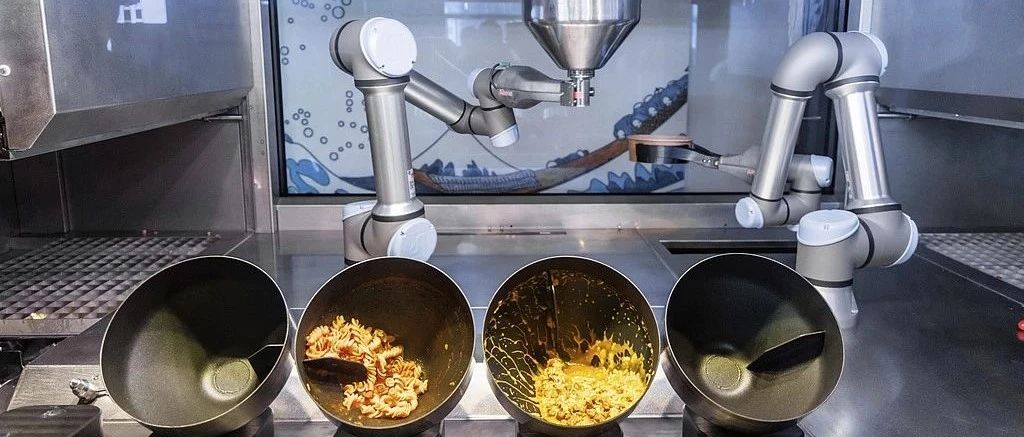
Core Viewpoint - JD.com is launching a "Dish Partner" recruitment plan with a budget of 1 billion yuan to find partners for 1,000 signature dishes, leveraging its strong supply chain advantages to offer affordable prices to consumers [2][3]. Group 1: JD.com's New Initiatives - JD.com has initiated the "Dish Partner" program, inviting partners to provide dish recipes while JD's subsidiary, Seven Fresh Kitchen, handles ingredient procurement, dish preparation, and delivery [2]. - As of now, nearly 7,000 dishes have registered for the program, with participation from various restaurant brands [2]. - The first Seven Fresh Kitchen has opened in Beijing, offering a range of dishes priced between 20-40 yuan, with promotional prices around 15-20 yuan [3]. Group 2: Business Model and Technology - The Seven Fresh Kitchen operates on a "delivery + self-pickup" model without dine-in services, and it has sold over 1,000 meals since opening [3]. - The brand is utilizing cooking robots, with one of the suppliers being Xianglu Technology, in which JD.com has invested [4]. - JD.com is also expanding its food service offerings with the establishment of Seven Fresh Food MALL, which operates on a third-party merchant model [4]. Group 3: Market Position and Challenges - Industry experts note that JD.com faces challenges in the competitive food delivery market, particularly against established players like Meituan and Ele.me [5]. - There are concerns regarding JD's "Dish Partner" model, as it relies on purchasing intellectual property from major brands, and its market effectiveness remains to be seen [5].
闪购茶饮促销价普遍涨到10元以上
21世纪经济报道· 2025-07-23 04:42
Core Viewpoint - The article discusses the recent regulatory intervention by the market supervision authority regarding aggressive subsidy practices in the food delivery industry, signaling a need for platforms like Ele.me, Meituan, and JD to adjust their promotional strategies to avoid excessive competition and ensure fair practices [2][4]. Group 1: Regulatory Actions and Industry Response - On July 18, the market supervision authority held talks with major food delivery platforms, emphasizing the need to regulate promotional behaviors and indicating that the aggressive subsidy wars must change [2][4]. - Prior to the talks, various regional restaurant associations had called for a halt to extreme subsidies, highlighting the negative impact on traditional dining establishments and the unsustainable pressure on restaurant profits [4][6]. Group 2: Impact on Businesses - Some businesses, like "Yixin Rice Ball," reported a nearly 30% increase in orders since May, primarily driven by delivery services, while maintaining a gross margin of around 65% despite participating in subsidy wars [6][8]. - However, many businesses experienced a decline in average profit margins by 10% to 30% during subsidy campaigns, as increased order volumes were accompanied by lower average transaction values [6][7]. Group 3: Challenges Faced by Restaurants - Restaurants are facing operational challenges due to sudden spikes in low-priced orders, which disrupt service quality and delivery efficiency, leading some to withdraw from platform partnerships [7][8]. - The disparity in resource allocation favors larger chain brands, leaving smaller businesses struggling to compete for visibility and customer engagement on these platforms [7][10]. Group 4: Future Considerations - Experts suggest that the ongoing subsidy wars should not be simplistically categorized as "involution" but rather viewed as a complex interplay of market dynamics that could lead to improved operational efficiencies and data-driven management for smaller businesses [10][11]. - The focus should shift towards establishing fair subsidy rules and ensuring equitable distribution of traffic among all merchants, with an emphasis on long-term sustainability and quality competition rather than short-term price wars [11][12].
“外卖大战”硝烟未止:平台补贴仍继续,茶饮单量回归正常,有骑手称收入腰斩
Sou Hu Cai Jing· 2025-07-23 01:51
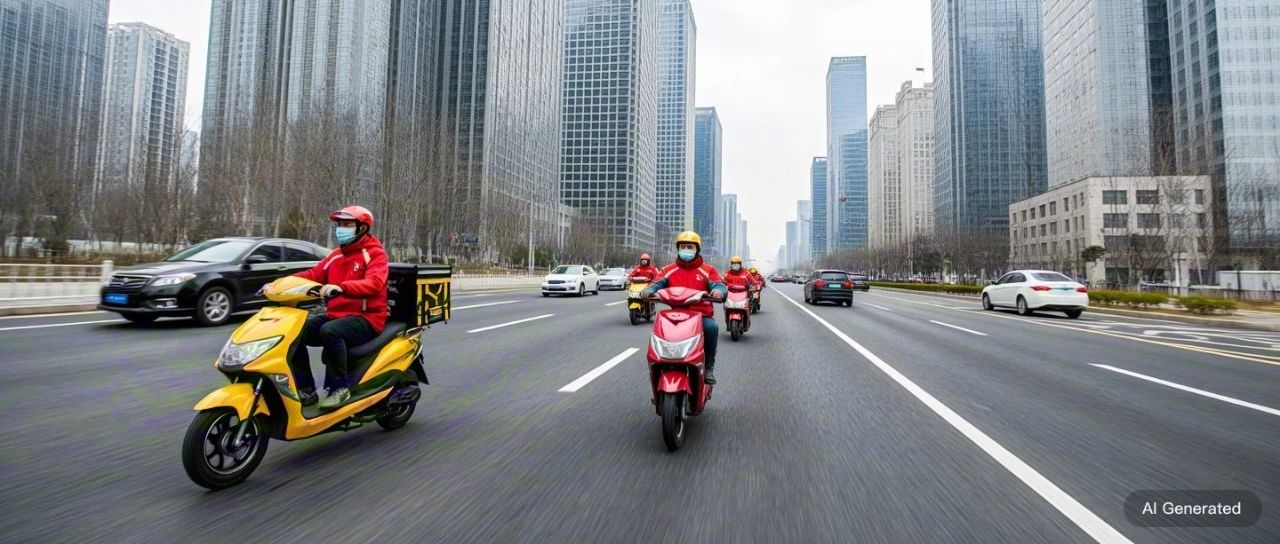
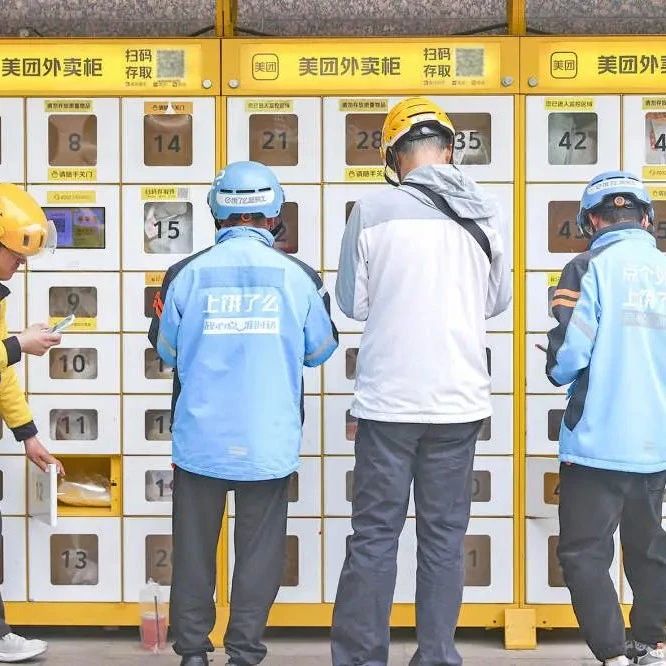
Group 1 - The core viewpoint of the articles indicates that while extreme discounts like "0 yuan purchase" have disappeared, the price war among food delivery platforms is not over, with significant discounts still being offered by platforms like Taobao, JD, and Meituan [1][2] - Industry experts predict that the price war will continue for at least 1-2 months due to new platforms entering the market, creating a competitive environment that will not resolve quickly [1][2] - The external pressure from regulatory bodies has led to a tightening of subsidies, but substantial discounts remain prevalent, indicating ongoing competition among major e-commerce platforms for market share in instant retail [2][6] Group 2 - During the height of the subsidy war, delivery riders experienced a surge in income, with reports of daily earnings exceeding 500 yuan, and some even reaching over 1,000 yuan [3][4] - As the subsidy war winds down, rider incomes have begun to decline, with many reporting daily earnings dropping to around 300-500 yuan [4] - The competitive landscape has shifted, with businesses now facing multiple layers of competition, including from other merchants on the same platform and across different platforms, leading to thinner profit margins [9] Group 3 - The reliance on subsidies has created a challenging environment for small and medium-sized businesses, as they struggle to compete with larger chains benefiting from significant funding [6][7] - The long-term sustainability of the benefits gained from the subsidy wars is questioned, as the price distortions created may not be recoverable once subsidies are removed [8] - Experts emphasize the need for businesses to balance profit margins with customer base growth, suggesting that selectively withdrawing from low-margin activities could be a viable strategy [5][9]
外卖战没有熄火,商家、骑手、消费者面临的问题也未解决
2 1 Shi Ji Jing Ji Bao Dao· 2025-07-22 23:18
Core Viewpoint - The recent regulatory talks with major food delivery platforms like Ele.me, Meituan, and JD.com signal a shift in the aggressive subsidy strategies that have characterized the industry, indicating a need for more sustainable promotional practices [1][2]. Group 1: Regulatory Actions and Industry Response - The State Administration for Market Regulation has urged platforms to standardize their promotional behaviors, suggesting that the current subsidy wars need to be moderated [1]. - Multiple restaurant industry associations have called for a halt to aggressive subsidies, citing that such practices have led to unsustainable pricing and profit pressures on traditional dining establishments [2]. Group 2: Impact on Businesses - Some businesses have reported significant order increases due to subsidies, with one brand noting a nearly 30% rise in orders since May, although profit margins have been squeezed [3][4]. - The average profit margin for many businesses has reportedly decreased by 10% to 30% during subsidy campaigns, highlighting the financial strain on restaurants [3]. Group 3: Challenges Faced by Restaurants - Restaurants face operational challenges due to sudden spikes in low-priced orders, which can overwhelm delivery capabilities and degrade service quality [4]. - Smaller brands are particularly disadvantaged, as they struggle to compete for visibility and customer engagement against larger chains that benefit from platform resources [4]. Group 4: Future of Subsidy Strategies - Experts suggest that the focus should shift from mere subsidies to enhancing quality and efficiency in service delivery, with a call for platforms to develop better operational tools for small businesses [9]. - The potential for a transition from a "traffic competition" model to a "quality competition" model is seen as crucial for the long-term sustainability of the industry [9].
为新就业形态劳动者兜底,“新职伤”扩围迈入新阶段
Zhong Guo Xin Wen Wang· 2025-07-22 16:28
Core Viewpoint - The implementation of occupational injury insurance for new employment forms in China is expanding, providing essential protection for workers in the gig economy, particularly in the transportation and delivery sectors [2][3][4]. Group 1: Background and Implementation - The pilot program for occupational injury insurance began on July 1, 2022, in seven provinces, covering platforms like Cao Cao Travel, Meituan, and Huolala, with a total of 12.35 million insured individuals expected by June 2025 [2]. - The program will expand to ten additional provinces and more platforms starting July 1, 2025, with plans for nationwide coverage by 2026 [2][3]. - The insurance allows workers to receive benefits without establishing a formal labor relationship with the platforms, enhancing accessibility for gig workers [2][3]. Group 2: Financial Aspects - The payment standards for the insurance are set at 0.01 yuan per ride for transportation, 0.07 yuan per order for instant delivery, and 0.18 yuan per order for same-city freight, ensuring a balanced income and expenditure model [3]. - The funds will be managed under a unified work injury insurance fund, promoting financial stability within the program [3]. Group 3: Impact on Workers and Industry - The introduction of occupational injury insurance is seen as a significant support for drivers and workers in the gig economy, helping them recover from injuries and return to work [3][4]. - The program is expected to reduce labor disputes by providing a safety net for workers, thereby enhancing job security and reducing turnover rates in the industry [3][4]. - The insurance initiative is anticipated to foster healthy competition among platforms, leading to improvements in service quality and working conditions [4].
解读!约谈后即时零售行业格局如何演变?
2025-07-22 14:36
Summary of Instant Retail Industry Conference Call Industry Overview - The instant retail industry is experiencing a shift in competitive dynamics, with the market leader changing from JD.com to Ele.me between May and July 2025 [1] - Regulatory measures are being implemented to stabilize the industry and promote fair competition, aiming to protect merchant profits and prevent excessive price wars [1][5] Key Points and Arguments - **Market Competition Shift**: The competitive landscape has evolved, with Ele.me now taking the lead over JD.com and Meituan, reflecting rapid market changes [3] - **Anti-Competition Policies**: New regulations are aimed at curbing low-price subsidies to maintain market order and ensure reasonable profits for merchants [1][4] - **External Effects of Instant Retail**: The growth of instant retail has stimulated consumer demand and increased employment for delivery riders, with daily orders rising from 100 million to over 200 million in two months [6] - **Investment in Business Environment**: Meituan has invested over 400 million yuan to open satellite stores, while Taobao Flash and JD.com are enhancing incentives for merchants and riders [7][8] - **Demand and Competition Outlook**: Despite a reduction in subsidy activities, strong demand is expected from July to September 2025, with competition tools becoming more diversified and refined [9] - **Order Structure Adjustment**: The industry is shifting from broad-based products to more elastic items and adjusting category structures, which will help platforms stabilize their businesses long-term [10] Additional Important Insights - **Impact of Subsidy Wars**: The recent subsidy wars have led to a significant increase in demand but have also pressured traditional dining establishments, as online orders surpass dine-in options [4][9] - **Challenges for New Entrants**: New high-growth platforms face challenges in supply-side capabilities and fulfillment to maintain their market positions [11] - **Future Market Predictions**: Various scenarios have been tested to predict future market dynamics and platform profitability, with further discussions encouraged with the investment team [12]
三家外卖平台,被约谈!
券商中国· 2025-07-22 13:41
Core Viewpoint - The Zhengzhou Market Supervision Administration has conducted administrative talks with major food delivery platforms, emphasizing the need for compliance and rectification to maintain a fair and orderly online market environment [1][2]. Group 1: Compliance and Responsibility - Platforms are required to enhance their sense of responsibility and urgency regarding compliance, ensuring thorough qualification reviews of merchants and eliminating illegal operators [1]. - A dynamic verification mechanism must be established to ensure that operating entities are legal and compliant [1]. Group 2: Food Safety and Operational Standards - Platforms must strengthen food safety management by promoting online displays of food preparation areas and ensuring comprehensive coverage of food safety seals [1]. - Strict adherence to cleanliness and disinfection protocols for delivery containers is mandated to safeguard the delivery process [1]. Group 3: Consumer Rights and Fair Competition - Platforms are instructed to prohibit deceptive pricing practices, such as fictitious original prices and forced bundling, while ensuring clear labeling of product specifications and pricing [1]. - An online dispute resolution channel will be established to prioritize food safety complaints, aiming to reduce response and processing times to enhance consumer satisfaction [1]. Group 4: Regulatory Actions and Enforcement - The Market Supervision Administration will adopt a "zero tolerance" approach, launching special rectification actions targeting illegal operations and unfair practices [2]. - A dual investigation system will be implemented to address both merchant violations and platform management responsibilities, with a mechanism for public exposure of typical cases [2].