
雀巢

Search documents
47岁顺德女老板卖咖啡机,年入5亿,冲刺IPO
创业邦· 2026-02-05 03:08
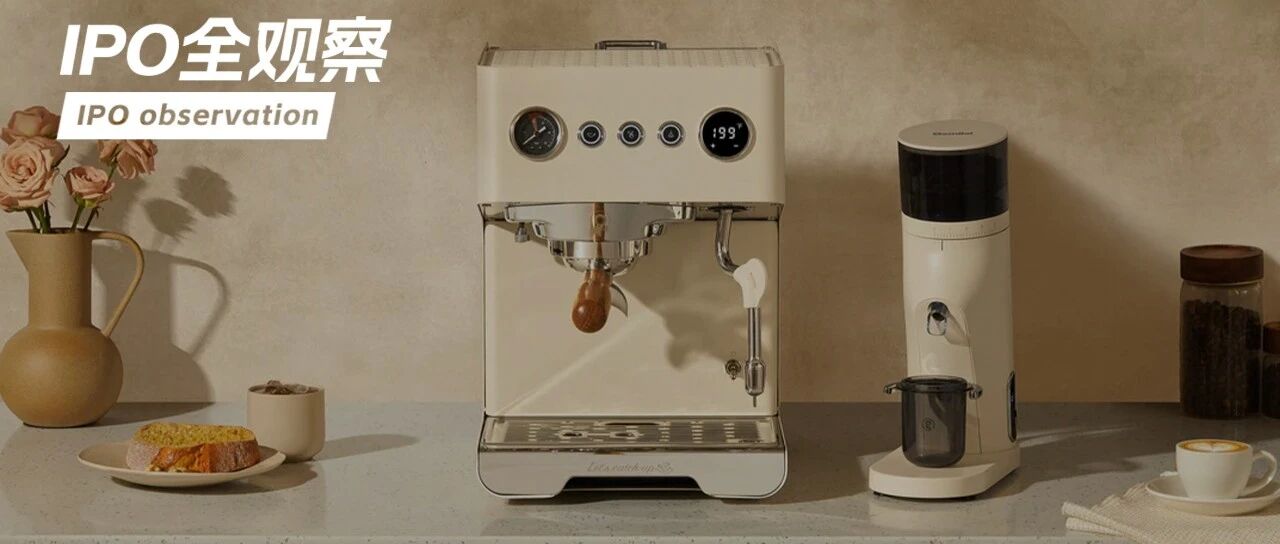
Core Viewpoint - Gemilai has transformed from an OEM manufacturer to a leading domestic coffee machine brand in China, capturing significant market share and demonstrating strong growth potential in the coffee machine industry [3][10][20]. Company Overview - Gemilai has become the second-largest coffee machine brand in China by revenue, with a market share of 7.5% in 2024, and leads the domestic brands with a 27.9% share in the higher-end semi-automatic espresso machine segment [3][10]. - The company has expanded its distribution to over 60 countries and regions, with cumulative sales reaching 2 million units [3]. Historical Development - The company was founded in 2011, evolving from a contract manufacturer to a brand focused on home coffee machines, with its first product featuring a commercial extraction system [5][6]. - Gemilai's growth reflects the broader trend of domestic coffee machine brands rising against European competitors, particularly in the context of increasing local manufacturing capabilities [5][20]. Financial Performance - Gemilai's revenue surged from 307.68 million RMB in 2023 to 497.55 million RMB in 2024, marking a year-on-year increase of 61.7% [10][12]. - The company's net profit has also increased, reaching 22 million RMB in 2023, 40 million RMB in 2024, and 54 million RMB in the first nine months of 2025 [15]. Revenue Structure - The self-owned brand business has become the core growth engine, with revenue rising from 213 million RMB in 2023 to 410 million RMB in 2024, accounting for 82.4% of total revenue [12]. - The product mix includes home espresso machines, dual-use machines, commercial machines, and grinders, with home machines contributing the largest share of revenue [7][12]. Market Positioning - Gemilai targets the mid-range to high-end market, competing against both domestic and European brands, with a focus on quality and performance [17][18]. - The company faces competition from brands like De'Longhi, which holds a 28.9% market share, and other domestic brands that target lower price segments [17][18]. Industry Growth Potential - China's coffee machine market is expected to grow at an annual rate of 18.7% from 2024 to 2029, driven by low per capita coffee consumption compared to Europe and Korea [19]. - The domestic market remains the primary focus for Gemilai, contributing approximately 80% of its revenue [19]. Future Outlook - The company plans to use funds from its potential IPO for digital upgrades, R&D investments, global marketing, and channel expansion, which will further solidify its market position [20].

全球大公司要闻 | 英伟达200亿注资OpenAI,Alphabet谷歌云收入增48%
Wind万得· 2026-02-05 01:42
Group 1 - Alphabet's Q4 revenue reached $113.83 billion, a year-on-year increase of 18%, with Google Cloud revenue at $17.66 billion, up 48% [2] - Nvidia plans to invest $20 billion in OpenAI, potentially its largest single investment, and aims to participate in another funding round before OpenAI's IPO [2] - Eli Lilly reported Q4 revenue of $19.292 billion, a 43% increase year-on-year, with net profit rising 50% to $6.636 billion [2] Group 2 - Alibaba's Jack Ma was seen at the company's headquarters focusing on AI business development, raising market interest in Alibaba's AI strategy [4] - JinkoSolar announced a stock price deviation of 30% over three trading days, clarifying that it has no undisclosed major information and remains focused on ground photovoltaic business [4] - China Shipbuilding Defense signed contracts for 16 box ship constructions valued between $736 million and $896 million, indicating strong competitiveness in shipbuilding [4] Group 3 - Yum China reported Q4 revenue of $2.82 billion, an 8.8% year-on-year increase, with adjusted EPS at $0.4, up from $0.3 [5] - Hong Kong Stock Exchange's CEO stated that the IPO market is not facing a "logjam," with sufficient funds available for new listings [5] - TSMC plans to produce 3nm chips in Kumamoto, Japan, enhancing its global competitiveness in advanced manufacturing [6] Group 4 - Apple partnered with Alphabet to use it as its preferred cloud service provider, with plans to release new products in 2026 [8] - Amazon's AI assistant Alexa+ is now available to all U.S. users, with plans to invest in OpenAI and accelerate film production using AI [8] - Tesla's Shanghai factory delivered 69,129 vehicles in January, a 9% year-on-year increase, despite a significant drop in sales in the UK market [8] Group 5 - Samsung Electronics' market value surpassed 1 trillion KRW (approximately $688 billion), benefiting from a super cycle in memory chips [11] - Toyota raised its global vehicle production target for 2028 to 11.3 million units, a 10% increase from 2026 [11] - SK Hynix announced record performance bonuses for employees, reflecting strong market conditions and rising NAND prices [11] Group 6 - Amundi plans to reduce exposure to U.S. dollar assets due to concerns over U.S. policy changes, suggesting a shift towards European and emerging markets [14] - Nestlé's CEO plans to restructure the company, focusing on core businesses and divesting non-core assets to boost growth [14] - BMW Group announced plans to launch around 20 new models by 2026, emphasizing electric vehicle development and partnerships [14]




氪星晚报 |腾讯混元AI Infra核心技术开源;小米:辽宁营口SU7起火事故系车内遗留火源引燃周边可燃物所致
3 6 Ke· 2026-02-04 13:02
Group 1: Company Updates - Gong Youliang, the director and executive vice president of South Mining Group, plans to reduce his stake by up to 1%, amounting to 2.0172 million shares, due to personal funding needs [1] - Changan Automobile reported January sales of 134,701 units, a year-on-year decline of 51.14%, with new energy vehicle sales at 36,621 units, down 45.74% [1] - Yum China achieved fourth-quarter revenue of $2.82 billion, an 8.8% year-on-year increase, with adjusted earnings per share of $0.40, surpassing estimates [3] - Toyota plans to increase hybrid vehicle production by approximately 30% by 2028, targeting 6.7 million units, compared to a production plan of 5 million units for 2026 [4] - Panasonic announced the establishment of a Chief Artificial Intelligence Officer position to enhance AI application in customer solutions and internal operations [5] Group 2: Financing and Investments - Cloud Data Infrastructure provider "Yunqi Technology" completed a Series B financing round led by ALC Capital, with total funding exceeding 700 million yuan [6] Group 3: New Products and Innovations - Tencent's Mix Yuan AI Infra team launched an open-source high-performance LLM inference core operator library, HPC-Ops, which improved model inference performance by 30% for Mix Yuan and 17% for DeepSeek [7]




Nestle widens French infant formula recall to new batch of Guigoz
Reuters· 2026-02-04 08:59
Core Viewpoint - Nestle has expanded its infant formula recall to include an additional batch of Guigoz formula following France's decision to lower the maximum threshold for cereulide toxin [1] Company Summary - The recall involves a new batch of Guigoz formula, indicating a proactive response by Nestle to regulatory changes in France [1] - The action reflects Nestle's commitment to consumer safety and adherence to updated health standards [1] Industry Summary - The decision by France to lower the maximum cereulide toxin threshold may impact the infant formula industry, prompting other companies to reassess their product safety measures [1] - Regulatory changes in food safety standards can lead to increased scrutiny and potential recalls across the industry, affecting market dynamics [1]



食品饮料行业周度市场观察-20260204
Ai Rui Zi Xun· 2026-02-04 06:40
Investment Rating - The report does not explicitly provide an investment rating for the food and beverage industry Core Insights - The food and beverage industry is experiencing significant trends, including the rise of canned foods, the expansion of herbal drinks, and the increasing popularity of low-sugar and functional beverages. The market is also seeing a shift towards health-conscious products and innovative marketing strategies to attract younger consumers [1][4][10] Industry Environment - Canned Foods: Recent regulatory updates aim to enhance the standards for canned foods, which are currently perceived as affordable but lack innovation to attract younger consumers. The industry is focusing on product diversification and premium offerings to drive growth [2] - Herbal Drinks: The market for traditional herbal drinks is booming, with sales expected to exceed 10 billion yuan. This growth is driven by rising health awareness among consumers and the entry of new brands [4] - Beverage Market: The beverage sector is witnessing a clear trend towards health-oriented products, with low-sugar and functional drinks gaining traction. Traditional brands are facing challenges as they adapt to these changes [4][10] Top Brand News - Dongpeng Beverage has successfully captured a significant market share in the ready-to-drink coffee segment, leveraging its cost-effective strategies and strong distribution network [18] - The brand "BASAO," founded by the creator of Yinlu, is entering the tea market with a focus on high-end products and cultural experiences [16] - The company "Three Squirrels" is expanding into the community discount supermarket sector, aiming to leverage its brand and supply chain capabilities to capture market share [21]
野村-必选消费:食饮出海征途:从模式探索到价值突围
野村· 2026-02-04 02:33
Investment Rating - The report rates the food and beverage industry as "essential consumption" with a stronger outlook than the market [2]. Core Insights - The Chinese food and beverage industry is transitioning from "incremental competition" to "stock competition," with overseas expansion becoming a crucial strategy for long-term survival and growth [6][12]. - The report identifies a four-stage model for overseas expansion, emphasizing the importance of supply chain specialization and ecological collaboration as the most promising path for Chinese companies [6][30]. Summary by Sections Four-Stage Overseas Expansion Model - The first stage is "Product Testing," focusing on low-cost market acceptance through exports [22]. - The second stage is "Localization," where companies establish local supply chains and operations to overcome trade barriers and enhance brand value [22]. - The third stage involves "Brand Acquisition and Integration," where companies pursue strategic acquisitions to expand their market presence [22]. - The fourth stage is "Global Value Network Construction," integrating global resources with regional agility to optimize efficiency and risk management [27]. Value Dimension Analysis - The report categorizes Chinese companies' overseas strategies into four types: efficiency advantage, product and category innovation, cultural empowerment and brand value, and supply chain ecological collaboration [30][31]. - Companies like Anqi Yeast and Xianle Health exemplify the supply chain specialization and ecological collaboration model, showcasing significant growth potential in overseas markets [30][47]. Growth Drivers and Recommended Targets - The report highlights that companies with established overseas operations and strong growth trajectories, such as Anqi Yeast and Xianle Health, are well-positioned for investment [47]. - Anqi Yeast has seen a compound annual growth rate of 20.7% in overseas revenue from 2022 to 2024, with a 37.6% share of total revenue coming from international markets [47][55]. - Xianle Health has achieved a remarkable 55.7% growth rate in overseas revenue during the same period, with 53.9% of its revenue derived from international operations [47][64].

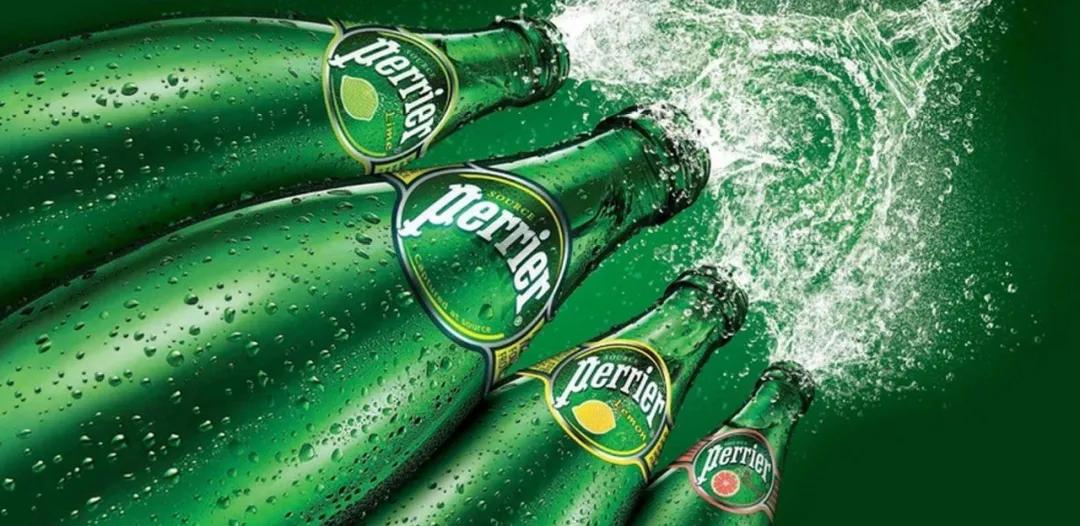
巴黎水和圣培露,在华有了新“操盘手”:捷成饮料成为大陆地区总代理经销商,雀巢年收入超280亿饮用水业务在中国市场想“换档提速”
3 6 Ke· 2026-02-04 02:28
Core Insights - Nestlé's water and premium beverage business, generating over 28 billion RMB in annual revenue, has appointed a new distributor in China, marking a significant operational shift towards a lighter asset model [1][2][9]. Group 1: Partnership and Market Position - Starting in 2026, Jebsen Beverage will be the exclusive distributor for Perrier and S.Pellegrino in mainland China, indicating a strategic move following Nestlé's decision to operate its water and premium beverage business as an independent unit from January 1, 2025 [2][5]. - Jebsen Beverage's portfolio in mainland China now includes five brands, expanding its reach in the beverage market [2][5]. - The partnership with Jebsen is expected to enhance the market presence of Perrier and S.Pellegrino, which together hold approximately 21% market share in the Chinese sparkling bottled water segment [5][10]. Group 2: Business Performance and Strategy - Nestlé's water business reported sales of 3.18 billion Swiss francs (approximately 28.48 billion RMB) in 2024, with the business previously described as underperforming [10]. - In the first nine months of 2025, the organic growth rate for Nestlé's water and premium beverage business was 4.4%, with a real internal growth rate of 2.0% and a pricing contribution of 2.4% [10][13]. - The transition to an independent business unit has shown promising growth, particularly in the high-end beverage segment, which achieved double-digit growth in the first half of 2025 [10][13]. Group 3: Operational Changes and Future Outlook - The new management team, led by Muriel Lienau, is focused on strategic evaluations and exploring partnership opportunities to maximize the potential of Nestlé's iconic brands [7][10]. - The company aims to optimize its product portfolio and may take actions such as partnerships or divestitures based on strategic assessments [13]. - Looking ahead to 2026, the company is confident in its ability to create significant achievements while shaping the future of the beverage industry [26].
野村东方国际 必选消费:食饮出海征途:从模式探索到价值突围
野村· 2026-02-04 02:27
Investment Rating - The report suggests a focus on companies that are transitioning from the initial product testing phase to the second phase of market penetration and localization, particularly those with strong supply chain capabilities [16][17]. Core Insights - The report identifies four stages of international expansion for Chinese companies, emphasizing the importance of product testing, localization, brand acquisition, and global value network construction [1][4]. - It highlights that the Chinese food and beverage industry has developed mature operational capabilities, making overseas expansion a natural choice [2][3]. - The report notes that while the overall overseas revenue for many Chinese companies remains low, certain segments, like health products, show higher overseas revenue ratios, indicating potential for growth [3][17]. Summary by Sections Industry Overview - The Chinese food and beverage sector is characterized by a complex domestic market, which provides a competitive advantage for companies looking to expand internationally [2][3]. - The report indicates that the overseas revenue share for food and beverage companies is significantly lower compared to other industries, suggesting room for growth [2]. Stages of International Expansion - The first stage involves product testing, where companies rely on local distributors to gauge market acceptance [6]. - The second stage focuses on market penetration and operational localization, where companies establish local supply chains and adapt products to local tastes [5][6]. - The third stage is characterized by brand acquisitions and network expansion, while the final stage involves managing a global value network [7][8]. Company Recommendations - The report recommends companies like Angel Yeast and Xinle Health, which have established strong overseas supply chains and operational entities, as key investment opportunities [18][21]. - Angel Yeast is noted for its significant overseas revenue growth, with projections indicating that overseas revenue could reach 40% by 2024 [19][20]. - Xinle Health is highlighted for its strong growth in overseas markets, particularly in regions like Europe and South America, with a focus on high-margin products [21][22].
海外看中国:消费恢复呈结构性分化
HTSC· 2026-02-04 01:21
Investment Rating - The report maintains an "Overweight" rating for the food and beverage industry [9] Core Insights - The report highlights a structural differentiation in consumer recovery across various segments, with high-end consumption showing signs of recovery while mid-range and mass-market segments lag behind [1] - Foreign brands are facing challenges due to weak demand and a trend towards "de-branding," which has led to overall performance pressure [1] - Companies achieving growth are primarily relying on their own brand strength and channel strategies [1] Alcoholic Beverages - The overseas spirits giants are experiencing performance pressure in China, with Pernod Ricard and Diageo reporting significant declines in sales [2][13] - Diageo's management remains cautious, expecting continued challenges in the market, particularly in the white liquor segment [2][14] - Rémy Cointreau's sales in China have stabilized, but internal performance shows structural differentiation [2][15] Dairy Products - Foreign brands in the dairy sector, particularly in milk beverages and nutritional products, are performing well due to strong brand management and product innovation [3][22] - The market for dairy products is expected to continue growing, especially in segments like low-temperature fresh milk and cheese [3][32] - The high import dependency in certain dairy categories presents opportunities for domestic alternatives [3][32] Soft Drinks - The soft drink industry is experiencing varied performance across segments, with carbonated drinks under pressure while energy drinks and sugar-free tea are expanding [4][33] - Coca-Cola and PepsiCo maintain high market shares in carbonated drinks but face increasing competition from local brands [4][33] - Monster's sales in China are growing rapidly, indicating a positive outlook for the energy drink segment [4][44] Beer - The beer market is under pressure due to weakened dining demand, with Budweiser experiencing a significant decline in sales [5] - Carlsberg has stabilized its performance through product adjustments, while Heineken benefits from partnerships with local brands [5] Snacks - The snack sector is seeing a weak recovery, with foreign brands struggling against local competitors [6] - Mondelez has managed to maintain steady growth in China through localized marketing strategies [6] Condiments - Foreign condiment brands are focusing on improving product value and adapting to changing consumer preferences [7] - The market is shifting towards value-oriented consumption, prompting companies to adjust their strategies [7]


2025年天津经开区地区生产总值同比增长5.1%
Zhong Guo Jing Ji Wang· 2026-02-03 09:18
Economic Performance - In 2025, the GDP of Tianjin Economic Development Zone grew by 5.1% year-on-year, accounting for 14% of the total GDP of Tianjin [1] - Fixed asset investment reached 72.53 billion yuan, a year-on-year increase of 39.5%, representing 15% of the city's total [1] - General budget revenue was 16.01 billion yuan, with a year-on-year growth of 5.1%, and tax revenue accounted for 91% [1] - Retail sales of consumer goods increased by 15.1%, while the accommodation and catering industry saw a revenue growth of 14.7% [1] Industrial Development - In 2025, the zone attracted 78.35 billion yuan in domestic investment, making up 22% of Tianjin's total [1] - A total of 321 key projects were launched with a total investment of 111.8 billion yuan [1] - New projects included Shanhe Optoelectronics and SEW Intelligent Manufacturing Phase II, as well as new supply chain projects from companies like FAW Toyota and Yanshan Petrochemical [1] - 25 new advanced intelligent factories were established, with Otis Elevator and Nestlé recognized as national-level excellent intelligent factories [1] Asset Activation - The zone activated 2,670 hectares of land and 624,300 square meters of state-owned enterprise properties, generating 5.379 billion yuan in revenue [2] - The TaiDa MSD activated 194,400 square meters of buildings, achieving over 40% area clearance [2] - Notable companies such as JD Finance and FAW Toyota established headquarters in the zone, with JD MALL's first store in Binhai opening during the National Day holiday, generating over 100 million yuan in quarterly revenue [2] Innovation and R&D - The zone was approved as one of Tianjin's first future industry pilot areas, establishing 201 provincial-level R&D institutions [2] - 46 companies were recognized as national specialized and innovative "little giants," and 28 as single champions, leading the city with respective shares of 16.1% and 11.6% [2] - R&D investment exceeded 10 billion yuan, and technology contract transaction volume surpassed 22.3 billion yuan, both ranking first in the city [2] Foreign Investment and Trade - In 2025, the zone hosted the first investment promotion event for the Shanghai Cooperation Organization, resulting in 18 projects signed [3] - Actual foreign investment reached 986 million USD, a growth of 15.4%, accounting for 24% of the city's total [3] - The zone's import and export volume was 255.53 billion yuan, with a year-on-year growth of 7.3%, and exports increased by 20.7% [3] Reforms and Talent Development - The zone opened a channel for employee transfer to salaried personnel, completing the selection of the first batch of 30 employees [3] - A "培优计划" (Talent Cultivation Plan) was implemented to recruit 20 outstanding young talents [3] - State-owned enterprise market-oriented reforms were deepened, with five major groups achieving revenues of 23.851 billion yuan and profits of 745 million yuan [3] Environmental and Social Development - The "泰达工改" (Taida Industrial Reform) 5.0 showed effectiveness, completing the city's first project with all four certificates issued for immediate construction [4] - The PM2.5 concentration decreased to 35 micrograms per cubic meter, with the number of good air quality days increasing to 280 [4] - The zone established a balanced function layout in the "于响" area, showing initial results in balancing residential and employment needs [4] Party Building and Governance - The zone conducted in-depth education on the spirit of the Central Eight Regulations and cooperated with the municipal inspection to address issues [4] - A comprehensive party organization coverage rate of 81.6% was achieved through the establishment of a new party committee for the green chemical new materials industry [4] - The "渐进式党建" (Gradual Party Building) and "三个一" (Three Ones) work methods were recognized as innovative cases in grassroots party building [4]