奔驰

Search documents
蓝思科技(300433):以技术创新为驱 持续走向平台化
Xin Lang Cai Jing· 2025-11-23 06:36
事件:11 月20 日,蓝思科技发布投资者关系活动记录表,表示,目前公司已切入北美及国内多家头部 机器人企业的供应链,关节模组、灵巧手、结构件已批量交付,人形机器人、四足机器人整机组装规模 位居行业前列。预计今年人形机器人出货3000 台以上,四足机器狗10000 台,初步成为最大的具身智能 硬件制造平台之一。 2026 年,预计实现人形机器人核心部件和整机组装规模翻番,2027 年人形机器人与四足机器狗出货量 稳居全球前列。 拥有众多全球知名客户,持续走向平台化:在消费电子产品和智能汽车领域,公司拥有众多全球知名客 户,包括苹果、三星、华为、小米、OPPO、vivo、荣耀、谷歌、Meta,特斯拉、宁德时代、宝马、奔 驰、大众、理想、蔚来、比亚迪等。平台化布局方面,公司已具备以核心技术为支撑的产业化能力体 系,紧抓市场扩展所带来的机遇,积极拓展从消费电子、智能汽车与座舱到智能穿戴,以及智慧零售、 智能机器人等方面的全领域应用。在智能手机与电脑方面,根据公司发布的2025 年半年报显示,2025 年上半年,公司智能手机与电脑类业务实现营业收入271.85 亿元,同比增长13.19%。公司持续巩固在 玻璃、陶瓷、 ...

俞敏洪深夜再发全员信,向员工道歉;霸王茶姬创始人辟谣:此前从未有过婚姻;特斯拉因致命车祸被起诉;哪吒2不参加奥斯卡竞逐丨邦早报
创业邦· 2025-11-23 01:09
Group 1 - Yu Minhong, the founder of New Oriental, issued an apology letter to all employees after a previous internal letter caused controversy, explaining that his use of Antarctic references was not meant to boast but to share his experiences sincerely [4][5] - The apology letter emphasized the importance of mutual support between employees and the company, encouraging staff to maintain the company's image and resolve grievances internally [4][5] Group 2 - Zhang Junjie, the founder of Bawang Tea, confirmed his marriage and refuted rumors about his past, stating that he had never been married before meeting his wife and addressing the impact of false narratives on his family and business [7][8] - Zhang expressed the need to protect his family's reputation and urged the public not to spread rumors, highlighting the emotional toll these stories have taken on him and his loved ones [7][8] Group 3 - Intel's CEO Chen Lifeng denied rumors regarding a former TSMC executive allegedly taking confidential 2nm technology to Intel, asserting that such claims are baseless and emphasizing respect for intellectual property [9] - TSMC is reportedly conducting an internal investigation into whether the former executive misappropriated company secrets before his retirement [9] Group 4 - Meituan announced a plan to invest 10 billion yuan over the next five years to enhance rider protection, including the establishment of "rider apartments" in major cities [10] - The initiative aims to address the welfare needs of riders and expand the coverage of existing support programs for their families [10] Group 5 - The Ministry of Industry and Information Technology of China projected that the output value of civil aviation products will exceed 160 billion yuan in 2024, representing a year-on-year growth of 23.6% [23] - The ministry plans to promote the development of the civil aircraft industry and low-altitude equipment, focusing on technological innovation and integration with emerging industries [23]


欧洲懒汉们慌了,自己明明啥也没干,以前的好日子怎么没了?
Sou Hu Cai Jing· 2025-11-22 11:02
Core Points - The article discusses the weakening economic engine of Europe, highlighting the challenges faced by the region's long-standing welfare model and its reliance on cheap energy and goods [1][3][5] Economic Performance - Eurozone GDP is projected to grow only 0.2% quarter-on-quarter in Q3 2025, with Germany experiencing zero growth [3] - Inflation is eroding purchasing power, leading to corporate relocations and a burdened welfare system [3][9] Welfare System Challenges - EU social welfare spending reached 26.8% of GDP in 2023, with some countries exceeding 30%, creating a heavy financial burden amid economic stagnation [9][11] - The phenomenon of "lazy economy" is prevalent, with young people in Belgium preferring unemployment benefits over work, complicating recruitment for businesses [9][11] Energy Crisis and Industrial Relocation - The war in Ukraine has led to skyrocketing energy prices, with German electricity prices reaching €0.50 per kWh, making it one of the highest globally [7] - Energy-intensive industries are relocating, with BASF closing some German production lines in favor of facilities in China and the U.S. [7][9] Demographic and Structural Issues - Europe faces structural challenges, including an aging population, with over 20% of the EU's population aged 65 and older [11][13] - Labor shortages and difficulties in integrating immigrants are exacerbating social tensions, with far-right movements gaining traction [13] Future Economic Strategies - The European Central Bank has lowered interest rates to stimulate growth, but the effectiveness remains limited due to low consumer and business confidence [15][17] - Strengthening economic cooperation with China is seen as a potential avenue for recovery, despite mutual dependencies [17][19] Competitive Landscape - European companies, particularly in the automotive sector, are facing increased competition from Chinese brands in the high-end market [19] - The choice between maintaining a high-welfare society and enhancing competitiveness is a pressing issue for European leaders [19][22]

直击2025广州车展:智能电动汽车竞争已进入决赛阶段?
Zheng Quan Ri Bao Zhi Sheng· 2025-11-21 16:36
Core Insights - The 23rd Guangzhou International Auto Show, themed "New Technology, New Life," commenced on November 21, showcasing 1,085 vehicles, including 629 new energy vehicles, which account for 57.9% of the total [1] - Despite record sales, the automotive industry faces significant profitability challenges, with many companies experiencing a "sell one car at a loss" scenario due to intense price competition [2] - The market is witnessing a transformation with increasing penetration of new energy vehicles, yet traditional fuel vehicles maintain a substantial market share, indicating ongoing consumer interest [3] Industry Trends - The automotive sector is increasingly focusing on international markets as a growth strategy, with companies like Leap Motor and GAC Group successfully establishing their presence in Europe and Southeast Asia [2] - The discussion around the future of fuel vehicles remains prominent, with traditional brands like Mercedes-Benz emphasizing the continued relevance of fuel vehicles alongside electric options [3] - Safety concerns are a major focus at the auto show, with companies showcasing advancements in battery safety and intelligent driving systems to address consumer apprehensions [4] Market Dynamics - Consumer sentiment towards potential adjustments in new energy vehicle purchase tax appears rational, with many indicating that such changes will not significantly alter their buying plans [5] - The auto show highlighted a shift towards broader industry collaboration, with companies exploring partnerships beyond traditional competition, particularly in technology and ecosystem development [6][7] - The competition in the smart electric vehicle sector is intensifying, with industry leaders emphasizing the need for innovation and cooperative strategies to thrive in a rapidly evolving market [7]
没门把手,没实体按键,反人类的汽车设计不想忍了
3 6 Ke· 2025-11-21 00:57
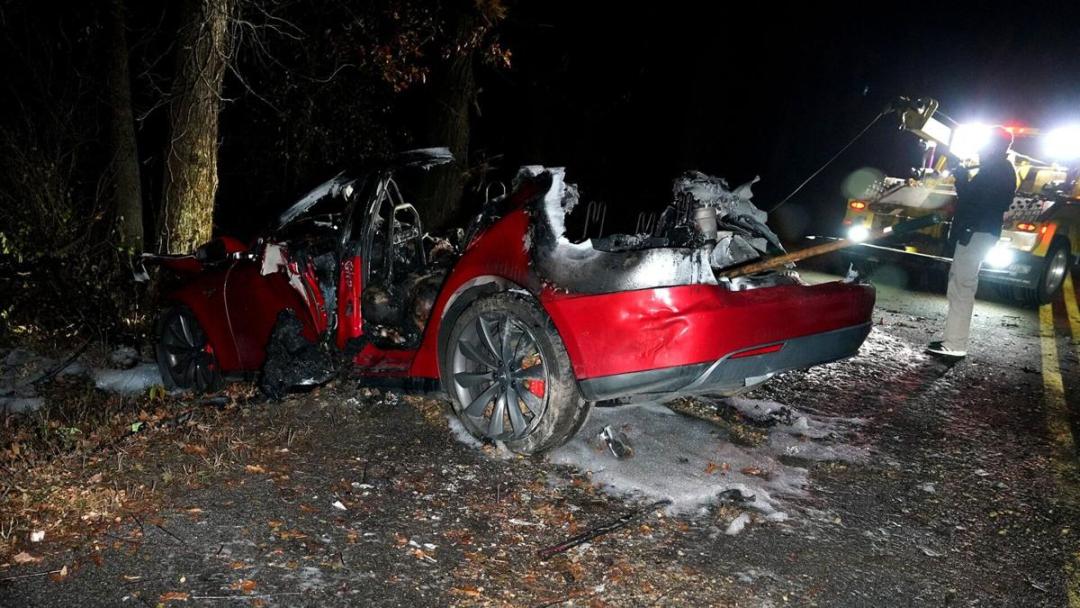
Core Viewpoint - The automotive industry is experiencing a fundamental misunderstanding, where some companies view car manufacturing as creating a "smartphone on wheels," neglecting the critical importance of safety and reliability in vehicle design [15][21]. Group 1: Safety Concerns - Recent incidents involving Tesla vehicles, such as a fatal crash in Wisconsin, have raised significant concerns about the safety of hidden door handles that may fail in emergencies, leading to lawsuits against the company [1][3]. - The National Highway Traffic Safety Administration (NHTSA) has initiated an investigation into complaints regarding the hidden door handles of the 2021 Tesla Model Y, highlighting issues where parents were unable to open doors to rescue children [3][5]. Group 2: Design Philosophy - The trend towards minimalist design in vehicles often prioritizes aesthetics and aerodynamic efficiency over safety and functionality, as seen with hidden door handles that complicate emergency access [5][20]. - New regulations from the Ministry of Industry and Information Technology (MIIT) in China are addressing these safety concerns by mandating mechanical door handles to enhance rescue accessibility [5][12]. Group 3: User Experience - The removal of physical buttons in favor of touchscreen controls has led to a decline in intuitive user experience, making it difficult for drivers to access essential functions quickly [7][9]. - The shift towards a single-pedal driving system, while aimed at improving energy efficiency, poses risks by confusing drivers during emergency situations, as it merges acceleration and braking functions [12][22]. Group 4: Industry Reflection - The automotive industry must recognize that reliability and safety are paramount, contrasting with the tech industry's approach of rapid iteration and acceptance of bugs [16][21]. - Companies are beginning to acknowledge the need to return to more traditional designs that prioritize user safety and functionality over minimalist aesthetics, as evidenced by Volkswagen's recent shift back to physical buttons [20][22].
荷兰怂了!宣布暂停对安世半导体的行政令
Sou Hu Cai Jing· 2025-11-20 14:13
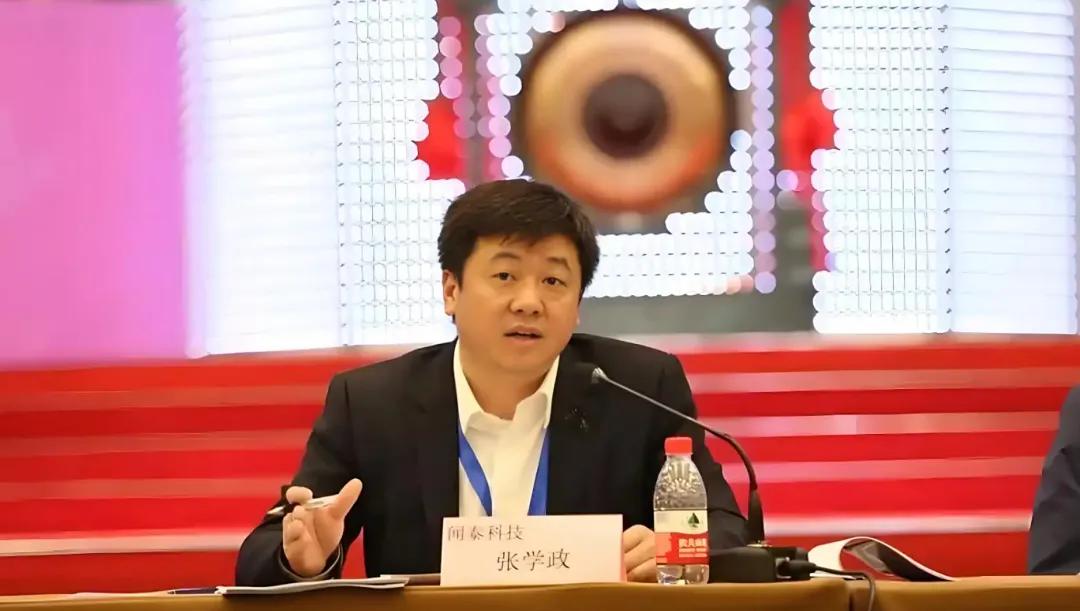
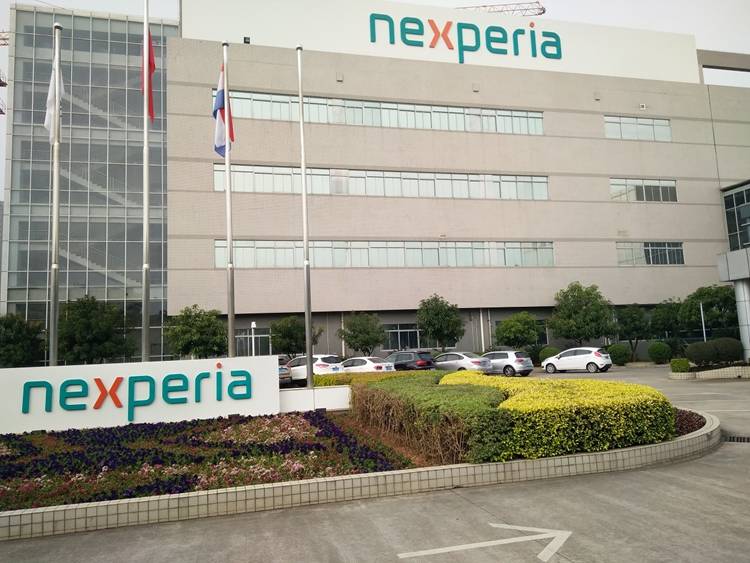
然而荷兰方面显然是高估了自己。自从宣布剥夺中方对于安世半导体控制权之后,中国方面也进行了有力 回击,一方面停止了相关芯片的出口,导致欧洲车企陷入无芯可用,工厂停摆的境地,另一方面安世半导 体的产品多是采用成熟工艺,国内配套产业链成熟,安世中国方面也多次表示有能力实现平稳过渡,这一 下让荷兰方面陷入了被动。 中国与荷兰方面围绕安世半导体控制权展开的争夺,在持续了近两个月之后终于告一段落。据新华社消 息,荷兰经济事务部大臣Vincent Karremans在11月19日发表声明,宣布暂停针对安世半导体的行政令。 回顾一下整个事件脉络:安世半导体是全球重要的车用半导体芯片供应商,总部位于荷兰。在2019年,中 国的闻泰科技以36亿美金获得了安世半导体的控制权,此后安世以在荷兰等地生产晶圆,交由中国东莞等 地进行封装测试,再销往全球的模式进行运作。大众、奔驰等一众全球知名车企都是安世半导体的重要客 户。 然而在今年9月份,荷兰引用所谓《货物可用性法案》,单方面剥夺了闻泰科技对安世半导体的控制权, 并且剥夺了中国籍高管的职务,并停止向东莞封测工厂供应晶圆。尽管荷兰方面一再否认,但根据法庭流 出的多份文件显示,整件事情的 ...
德国汽车业遇“暴风雨”!数万岗位削减,供应商裁员幅度远超整车制造商
Di Yi Cai Jing· 2025-11-20 11:22
德国汽车行业就业人数已降至十多年来的最低水平。 德国举步维艰的汽车行业再迎风雨。 20日,德国联邦统计局发布最新数据显示,德国工业近期遭遇了显著的就业岗位流失,其中汽车行业受 冲击尤为严重。由于数万个工作岗位被裁撤,德国汽车行业就业人数已降至十多年来的最低水平。 具体而言,截至2025年第三季度末,骑车业就业人数较上年同期减少逾48700人,降幅达6.3%,在员工 规模超过20万人的主要工业部门中居首位。 值得注意的是, 在汽车产业内部,供应商受裁员冲击远大于整车制造商。 柏林自由大学现代中国学院客座研究员、中国欧洲学会经济研究分会理事史世伟教授长期在欧洲追踪德 国工业发展和政策。他对第一财经记者表示,德国汽车业在全球各地发展不同,在美国市场面临关税和 销售下降,在中国市场面临电动车的强力竞争,目前也在"卷价格"和试图在生产上流程创新,不过在欧 洲市场上德国汽车在关税等因素的影响下,仍有相对优势。 供应商裁员幅度远超整车制造商 德国联邦统计局数据显示,德国汽车业从业人数降至72.14万人,创历史新低。此前的低点为2011年第 二季度末(71.8万人)。尽管如此,汽车工业仍是机械工程之后的德国第二大就业部门。 ...

安世之争,迈出关键一步
虎嗅APP· 2025-11-20 10:18
Core Viewpoint - The semiconductor dispute involving Nexperia has escalated into a significant geopolitical issue affecting the global automotive supply chain, with China and the Netherlands engaged in negotiations to resolve the crisis [5][6]. Group 1: Background of the Dispute - The conflict originated from a unilateral action by the Netherlands on September 30, 2025, which involved freezing Nexperia's global assets and operations for one year under the guise of national security [8]. - Following the Dutch government's actions, Nexperia's management faced immediate legal challenges, leading to a rapid court ruling that suspended the CEO and placed the company's shares under third-party control [8][9]. - The situation worsened when Nexperia announced a halt in supply to its Dongguan factory, impacting 70% of its production capacity and further straining the global automotive chip supply chain [11]. Group 2: Impact on the Automotive Industry - Major automotive manufacturers, including Volkswagen, BMW, and Mercedes, reported supply chain disruptions, with some factories nearing shutdown due to chip shortages [10]. - The European Automobile Manufacturers Association issued warnings about potential production halts if the semiconductor supply issue was not resolved promptly [10]. Group 3: Recent Developments - In early November, the Dutch government indicated a willingness to negotiate, leading to discussions in Beijing on November 18 and 19, where the Netherlands announced a suspension of its previous intervention measures [13][14]. - Despite the Dutch government's pause, Nexperia's control issues remain unresolved, with ongoing legal measures still in effect [14]. Group 4: Importance of Nexperia - Nexperia is a critical player in the automotive semiconductor market, supplying 40% of the global automotive power semiconductors and holding significant market shares in various semiconductor components [15]. - The company has established a robust supply chain in China, which has proven resilient despite the geopolitical tensions, with sufficient inventory to meet customer demands [15][17]. - Nexperia's history reflects its evolution from a Philips subsidiary to a key global semiconductor company, highlighting the complexities of international ownership and control in the semiconductor industry [16][17].


崔东树:“下一代油车”的核心是“油电同智”
智通财经网· 2025-11-20 08:44
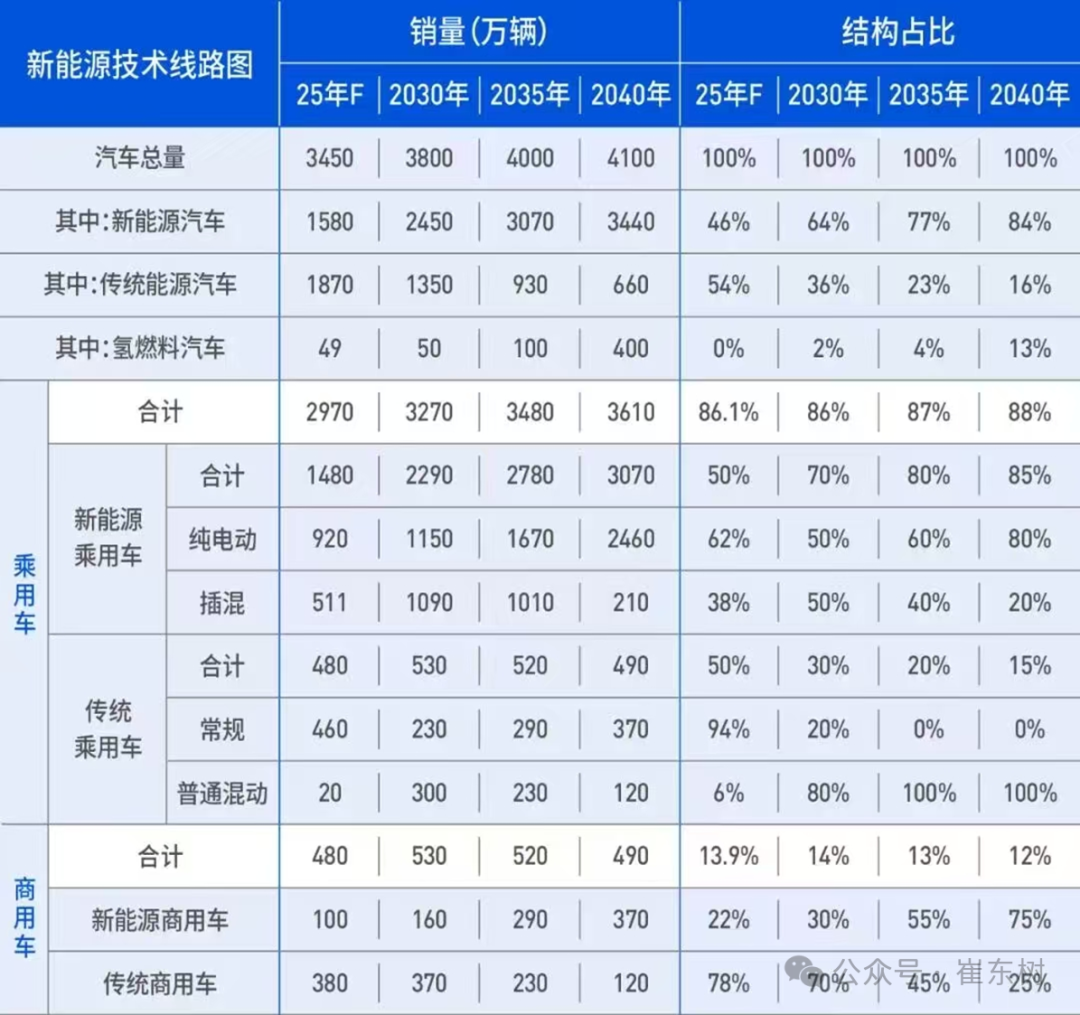
Core Insights - The article emphasizes the significant breakthroughs in China's automotive industry as outlined in the "Energy-saving and New Energy Vehicle Technology Roadmap 3.0," highlighting the dual focus on quantity and the integration of traditional and electric vehicles [1][2] Summary by Sections Breakthroughs in Automotive Industry - The "14th Five-Year Plan" aims for a total of 38 million vehicles in China by 2025, with a notable increase in new energy vehicles (NEVs) from 15.8 million in 2025 to 34.4 million by 2040, representing a rise from 46% to 84% of total vehicle sales [2] - Traditional energy vehicles are projected to decrease from 18.7 million in 2025 to 6.6 million by 2040, dropping from 54% to 16% of the market share [2] Strategic Importance of Hybrid Vehicles - The roadmap indicates that by 2035, traditional energy passenger vehicles will achieve full hybridization, with internal combustion engine vehicles still accounting for about one-third of new car sales by 2040 [2][3] - The coexistence of hybrid and electric vehicles is seen as strategically important for ensuring a smooth transition in China's automotive industry and energy security [3] Next Generation of Traditional Vehicles - The concept of "next-generation oil vehicles" focuses on achieving parity in user experience with electric vehicles through intelligent upgrades while maintaining core advantages such as reliability and range anxiety [4] - Major automotive companies like Toyota and Mercedes-Benz are advancing their traditional vehicles with smart cockpit and driving assistance technologies, enhancing the user experience to be comparable to that of electric vehicles [5] Consumer Demand and Market Dynamics - There is a notable differentiation in consumer demand across different demographics in China, with urban consumers often seeking the latest electric vehicle technologies, while others prioritize reliability and a stress-free driving experience [6][7] - The article suggests that the rise of the "next-generation oil vehicle" is not a backlash against electrification but rather a necessary evolution in the industry, with both hybrid and electric vehicles expected to coexist in the market [7]

安世之争,迈出关键一步
3 6 Ke· 2025-11-20 08:03
Core Viewpoint - The semiconductor dispute involving Nexperia has escalated into a significant geopolitical issue affecting the global automotive supply chain, with recent negotiations between China and the Netherlands indicating a potential path towards resolution, although substantial challenges remain [1][10][11]. Group 1: Background of the Dispute - The conflict originated from the Netherlands, where a ministerial order was issued on September 30, 2025, freezing Nexperia's global assets and operations for one year, which was perceived as a unilateral action [2][3]. - The rapid legal actions taken by Nexperia's foreign executives led to a court ruling that resulted in the forced third-party custody of shares held by its parent company, Wingtech Technology [5][6]. Group 2: Impact on the Automotive Industry - Nexperia is a critical player in the automotive semiconductor market, supplying 40% of automotive-grade power semiconductors and holding over 40% market share in small signal diodes and ESD protection devices [13][20]. - The disruption caused by the dispute has led to significant supply chain issues for major automotive manufacturers, with companies like Volkswagen, BMW, and Mercedes-Benz acknowledging supply shortages and potential production halts [7][8][9]. Group 3: Recent Developments - On November 5, 2025, Nexperia announced a suspension of supplies to its Dongguan factory, impacting 70% of its production capacity, which further exacerbated the global automotive chip supply chain crisis [8][9]. - Following negotiations on November 18 and 19, the Dutch government announced a suspension of its previous intervention measures, which was welcomed by China as a positive step, although the core issues remain unresolved [10][11]. Group 4: Nexperia's Strategic Position - Nexperia, originally part of Philips, has undergone significant changes since its acquisition by a Chinese consortium in 2017, which has positioned it as a key player in the semiconductor industry with a robust supply chain [16][19]. - The company has established a comprehensive production network across Europe and Asia, with annual shipments exceeding 110 billion devices and a customer base of over 25,000, predominantly in the automotive sector [20].