
长安汽车

Search documents
长安汽车(000625) - 2026年01月23日投资者关系活动记录表
2026-01-23 10:34
Group 1: Sales Targets and Strategic Goals - The company aims to achieve a cumulative sales volume of 40 million vehicles by 2028, with an annual production and sales target of over 5 million vehicles by 2030, where over 60% will be new energy vehicles and over 35% will be from overseas markets [1] - For 2026, the overall sales target is set at 3.3 million vehicles, representing a year-on-year growth of 13.3%. This includes 1.4 million new energy vehicles (up 26.2%) and 750,000 vehicles for overseas markets (up 17.7%) [1] Group 2: Product Development and Innovation - The company plans to launch a total of 43 new models over the next three years, including 13 sedans, 20 SUVs, 1 MPV, 3 pickups, and 6 commercial vehicles, with 35 of these being new energy vehicles [2] - In 2026, the focus will be on enhancing core competitiveness through stronger product assurance and advanced technology empowerment, with a commitment to developing flagship products [1] Group 3: Technological Advancements and R&D - The company will maintain an annual R&D investment of over 5%, aiming to introduce over 160 new technologies in key areas such as AI, software, and next-generation batteries by 2028 [3] - The company is exploring advanced technologies like humanoid robots and flying cars, with plans for mass production of humanoid robots by 2028 and commercial flying cars by 2030 [3] Group 4: Strategic Partnerships - A strategic cooperation agreement was signed with Midea Group to enhance collaboration in digitalization, smart manufacturing, green energy, and logistics, focusing on user experience in the "car-home" interconnected ecosystem [4] Group 5: Robotics Business Strategy - The robotics strategy is centered around a "1+N+X" framework, focusing on humanoid robots while integrating various robotic applications across different scenarios, including manufacturing and home environments [5] - The company aims to leverage its smart driving technology and collaborate with leading tech firms to build robust computational facilities and develop advanced models [5]

乘用车板块1月23日涨0.49%,北汽蓝谷领涨,主力资金净流出11.47亿元
Zheng Xing Xing Ye Ri Bao· 2026-01-23 09:04
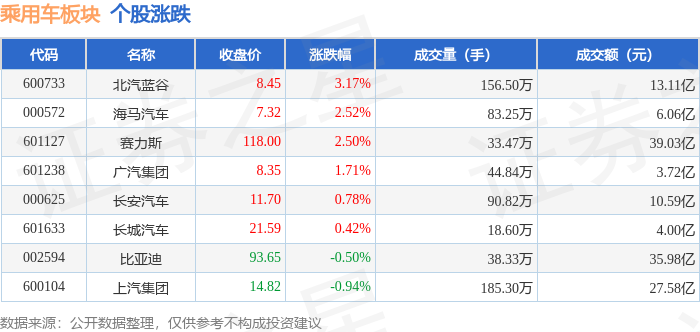
Core Viewpoint - The passenger car sector experienced a slight increase of 0.49% on January 23, with Beijing Blue Valley leading the gains. The Shanghai Composite Index closed at 4136.16, up 0.33%, while the Shenzhen Component Index closed at 14439.66, up 0.79% [1]. Group 1: Market Performance - Beijing Blue Valley (600733) closed at 8.45, up 3.17% with a trading volume of 1.565 million shares and a transaction value of 1.311 billion yuan [1]. - Haima Automobile (000572) closed at 7.32, up 2.52% with a trading volume of 832,500 shares and a transaction value of 606 million yuan [1]. - Seres (601127) closed at 118.00, up 2.50% with a trading volume of 334,700 shares and a transaction value of 3.903 billion yuan [1]. - GAC Group (601238) closed at 8.35, up 1.71% with a trading volume of 448,400 shares and a transaction value of 372 million yuan [1]. - Changan Automobile (000625) closed at 11.70, up 0.78% with a trading volume of 908,200 shares and a transaction value of 1.059 billion yuan [1]. - Great Wall Motors (601633) closed at 21.59, up 0.42% with a trading volume of 186,000 shares and a transaction value of 400 million yuan [1]. - BYD (002594) closed at 93.65, down 0.50% with a trading volume of 383,300 shares and a transaction value of 3.598 billion yuan [1]. - SAIC Motor (600104) closed at 14.82, down 0.94% with a trading volume of 1.853 million shares and a transaction value of 2.758 billion yuan [1]. Group 2: Fund Flow Analysis - The passenger car sector saw a net outflow of 1.147 billion yuan from institutional investors, while retail investors contributed a net inflow of 718 million yuan [1]. - The main fund inflow for Seres (601127) was 118 million yuan, accounting for 3.02% of the total, while retail investors had a net outflow of 11.6 million yuan [2]. - Beijing Blue Valley (600733) had a main fund inflow of 108 million yuan, representing 8.26% of the total, with retail investors contributing a net inflow of 35.217 million yuan [2]. - Changan Automobile (000625) experienced a main fund inflow of 43.554 million yuan, accounting for 4.11%, while retail investors had a net inflow of 19.761 million yuan [2]. - Haima Automobile (000572) saw a main fund inflow of 26.734 million yuan, representing 4.41%, with a retail net outflow of 9.9696 million yuan [2]. - GAC Group (601238) had a main fund inflow of 18.375 million yuan, accounting for 4.94%, while retail investors experienced a net outflow of 26.513 million yuan [2]. - Great Wall Motors (601633) had a main fund inflow of 12.320 million yuan, representing 3.08%, with a retail net outflow of 35.988 million yuan [2]. - BYD (002594) experienced a significant net outflow of 686 million yuan from institutional investors, while retail investors had a net inflow of 51 million yuan [2]. - SAIC Motor (600104) faced a substantial net outflow of 788 million yuan from institutional investors, while retail investors had a net inflow of 34.2 million yuan [2].






大昌科技创业板IPO已问询 拟募资5.0166亿元
智通财经网· 2026-01-23 07:47
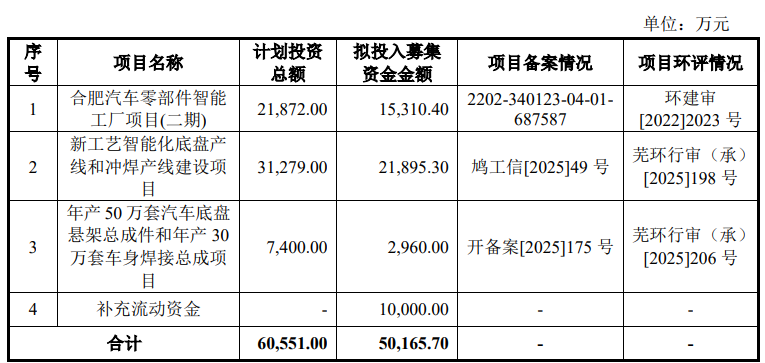
Core Viewpoint - Anhui Dachang Technology Co., Ltd. has changed its listing review status on the Shenzhen Stock Exchange's Growth Enterprise Market to "inquired," with a fundraising target of 501.66 million yuan [1]. Company Overview - Dachang Technology specializes in the research, production, and sales of automotive parts and related tooling, focusing on body structure components, chassis assemblies, and related tooling [1]. - The company is recognized as a national-level "specialized, refined, and innovative" small giant enterprise, primarily serving mainstream domestic automotive manufacturers and well-known automotive parts suppliers [1]. Financial Overview - The company reported revenues of approximately 816 million yuan, 1.255 billion yuan, 1.171 billion yuan, and 815 million yuan for the years 2022, 2023, 2024, and the first nine months of 2025, respectively [2][3]. - Net profits for the same periods were approximately 73.54 million yuan, 104 million yuan, 91.40 million yuan, and 58.02 million yuan [2][3]. Fundraising Utilization - The total planned investment for projects funded by the raised capital amounts to 605.51 million yuan, with 501.66 million yuan allocated for main business-related projects [2][3]. - Specific projects include: - Intelligent automotive parts factory project (Phase II) with a planned investment of 218.72 million yuan, intending to use 153.10 million yuan from the raised funds [3]. - New process intelligent chassis production line and welding production line construction project with a planned investment of 312.79 million yuan, intending to use 218.95 million yuan from the raised funds [3]. - Annual production of 500,000 sets of automotive chassis suspension assemblies and 300,000 sets of body welding assemblies, with a planned investment of 74 million yuan, intending to use 29.60 million yuan from the raised funds [3]. - Supplementary working capital of 100 million yuan [3]. Financial Metrics - As of September 30, 2025, total assets were approximately 1.870 billion yuan, with total equity attributable to shareholders of the parent company at approximately 821.75 million yuan [4]. - The asset-liability ratio for the parent company was 67.04%, while the consolidated asset-liability ratio was 56.07% [4]. - Basic earnings per share were 0.45 yuan for the first nine months of 2025, compared to 0.70 yuan for 2024 and 0.80 yuan for 2023 [4].

NOA将不再是BEV专属?
Zhong Guo Qi Che Bao Wang· 2026-01-23 06:53
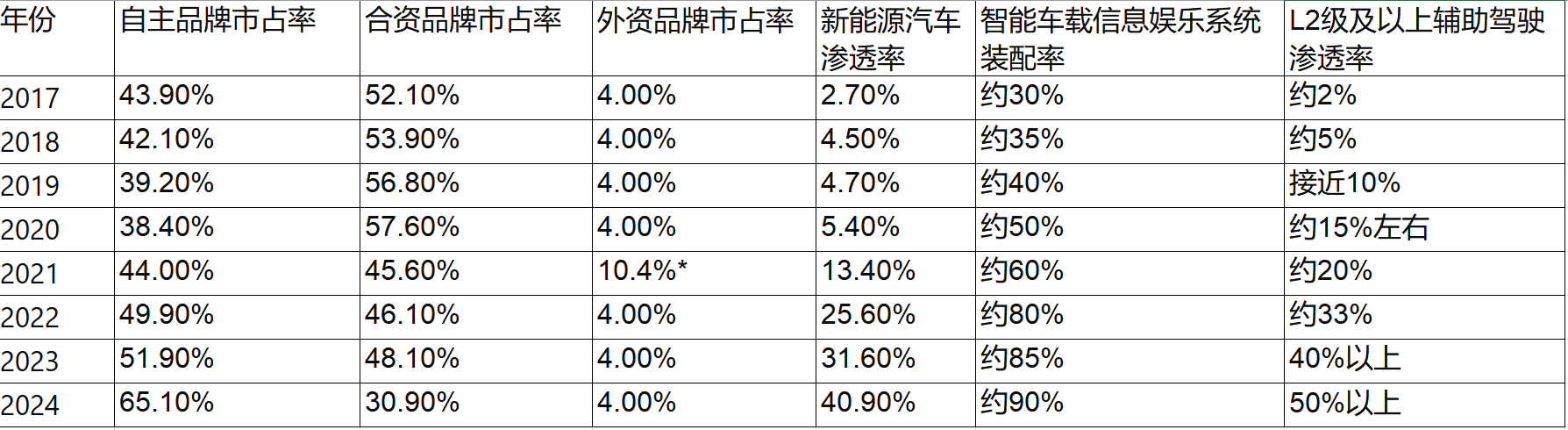
Core Insights - Goldman Sachs' report titled "2026 Outlook: Navigating Divergence" highlights 2026 as a pivotal year for the adoption of Battery Electric Vehicles (BEVs) and Navigation on Autopilot (NOA), suggesting that these technologies may develop into separate standards [1] - The report indicates a slowdown in BEV sales in Europe and the U.S., with consumers showing interest in advanced NOA but being cautious about purchasing BEVs [1][7] - In China, the integration of NOA in vehicles has led to a significant increase in sales, showcasing the advantages of BEVs in utilizing NOA, while traditional fuel vehicles are losing market share [1][5] Group 1: Market Trends - The market share of domestic brands in China has risen from 43.9% in 2017 to 51.9% in 2023, with the penetration rate of new energy vehicles increasing from 2.7% to 31.6% during the same period [3] - The report notes that the global electricity consumption of BEVs is expected to grow from 0.7% in 2024 to 2.5% by 2030, despite a stabilization in new BEV sales [7] - The competition landscape is shifting as NOA enhances the recognition and purchase intent for domestic brands, narrowing the gap with joint venture brands [5][6] Group 2: Technological Developments - Many automotive companies are focusing on applying NOA in hybrid models, although Goldman Sachs expresses skepticism about the medium-term effectiveness of this strategy [13] - The report lists various global automakers' progress in developing electronic and electrical architectures and end-to-end autonomous driving technologies, with companies like Tesla and BYD having completed their developments [14] - Traditional fuel vehicle manufacturers are exploring NOA applications in hybrid vehicles, but face challenges due to the inherent complexities of integrating NOA into their existing systems [15][16] Group 3: Future Outlook - The report suggests that by 2026, NOA may not solely rely on BEVs for growth, as traditional vehicles could also play a role in developing their own systems [19] - Concerns are raised about whether hybrid vehicles will be able to catch up with BEVs in terms of NOA capabilities, especially as BEVs are already testing Level 3 autonomous driving [19] - The future of NOA in traditional vehicles will depend on their ability to attract consumers and demonstrate value, as the market for traditional fuel vehicles remains substantial [19]
黄仁勋:大规模数据中心建设对建筑、技术工人需求上升|首席资讯日报
首席商业评论· 2026-01-23 05:16
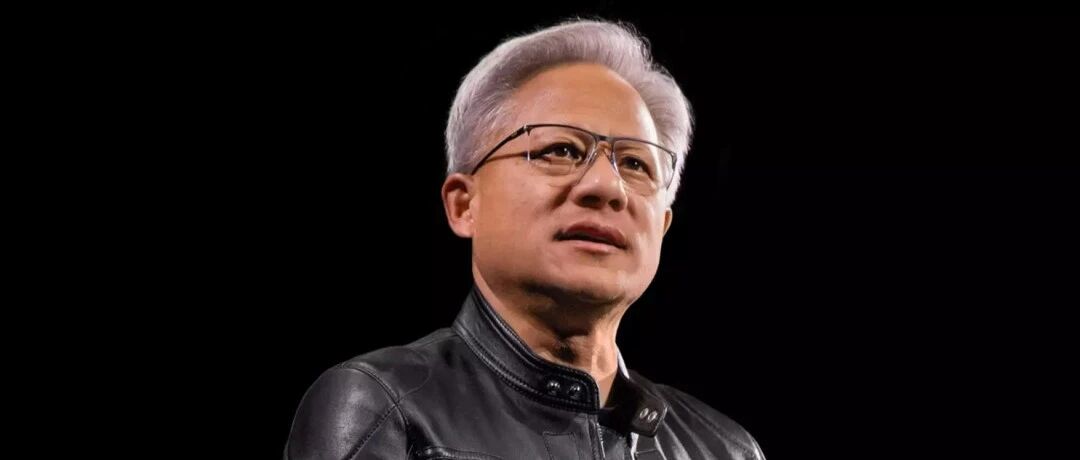
Group 1 - Huang Renxun, CEO of Nvidia, stated that the development of AI will require the largest infrastructure investment in human history, necessitating trillions of dollars in new investments, with a significant increase in demand for construction and technical workers for data center construction [2] - OpenAI's CEO Sam Altman is seeking to raise at least $50 billion in new funding, with a valuation between $750 billion and $830 billion, indicating a competitive landscape for AI investments [3] - Shenzhen aims for an annual growth rate of over 10% in technology insurance premiums by the end of 2028, with a target of providing over 5 trillion yuan in risk protection for tech companies each year [4] Group 2 - Samsung denied rumors of an 80% price increase across all memory products, indicating ongoing market speculation [5] - The Chinese government announced that grain production is expected to reach a historical high of 14.298 billion jin in 2025, an increase of 1.68 billion jin from the previous year [8] - Japan's trade deficit for 2025 is projected to be 26.507 trillion yen, with a 4.1% decrease in exports to the U.S., marking the fifth consecutive year of trade deficits [9] Group 3 - JD.com has established a new service technology company in Beijing, focusing on engineering, technology research, and environmental protection monitoring [10] - Elon Musk is pushing for SpaceX's IPO to be completed by July of this year, indicating a significant move in the space industry [11] - Meta's global chief affairs officer warned that EU actions against U.S. tech companies could harm European businesses and consumers, emphasizing the importance of technology for improving lives [12] Group 4 - Changan Automobile and Midea Group signed a comprehensive strategic cooperation agreement to enhance collaboration in digitalization, smart manufacturing, and user experience in the automotive sector [13]
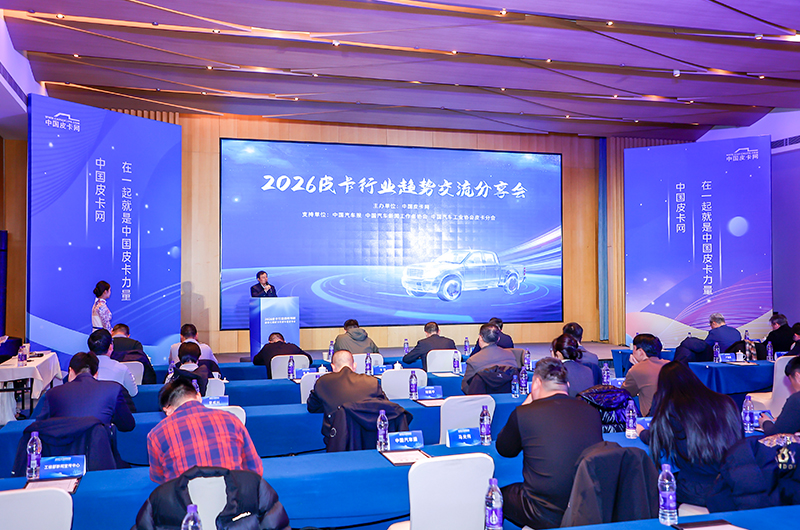
中国皮卡产业正在上演“转型、出海与新能源化”三重奏
Zhong Guo Qi Che Bao Wang· 2026-01-23 03:42
Core Insights - The Chinese pickup truck industry is at a strategic opportunity and transformation phase, driven by new energy and intelligence, with global competition urging faster brand building and technology output [3][5] - By 2025, the domestic pickup market is experiencing intense competition, while exports have surged, accounting for over 50% of total production, marking a significant growth driver for the industry [5][10] - The industry is undergoing profound changes characterized by domestic transformation pressures, robust overseas growth, and accelerated breakthroughs in new energy [7][10] Industry Trends - The main themes of the conference were "transformation, going global, and new energy," indicating a shift from incremental competition to a focus on global market engagement [10][12] - The export volume of Chinese pickups has surpassed domestic sales for the first time, with a notable ratio of 1.22:1, highlighting a significant shift in industry dynamics [10][12] - The penetration rate of new energy pickups is expected to rise from 4% in 2024 to 9% in 2025, indicating a breakthrough in a segment previously considered challenging for electrification [12][14] Future Opportunities and Challenges - The upcoming "15th Five-Year Plan" presents both opportunities and challenges, with expected policy improvements to enhance the pickup market and stimulate consumer demand [7][17] - The year 2026 is anticipated to be a breakthrough year for hybrid pickups, with more companies expected to launch mature plug-in hybrid products at competitive price points [17][18] - The industry faces challenges such as intense competition in the domestic market and the need for sustainable profit models, emphasizing the importance of experience and solution-based competition [18][25] Annual Model Release - The conference included the announcement of the "7th Annual Pickup Model Evaluation," featuring 11 new pickup models from major brands, evaluated through comprehensive testing [19][21] - The evaluation process was detailed, focusing on various performance metrics such as safety, efficiency, comfort, and off-road capability [21][23] - The certification system's role in promoting standardization and quality in the pickup industry was highlighted, with awards presented to models that achieved significant certifications [23][25]
造车新势力10年沉浮:“蔚小理”分化
Jing Ji Guan Cha Wang· 2026-01-23 02:48
Group 1 - The three new forces in the electric vehicle market, namely NIO, Xpeng, and Li Auto, have experienced fluctuating sales and rankings since 2021, with distinct development paths emerging [1] - NIO, once a leader in delivery volume, saw its ranking decline after being surpassed by Xpeng in 2021, and is projected to be at the bottom among new forces by 2025, despite a 47% year-on-year increase in sales to 326,000 units [1] - NIO's strategy includes launching new brands, such as Ladao and Firefly, and introducing a new ES8 model at a significantly reduced price to enhance market competitiveness [1] Group 2 - Xpeng Motors led the market in 2025 with sales of 429,000 units, a 126% year-on-year increase, exceeding its annual target of 380,000 units [2] - Despite previous challenges, including a decline in monthly sales in 2023, Xpeng has begun to recover by appointing a new president and launching low-cost models in collaboration with Didi [2] - Li Auto experienced a 19.6% year-on-year decline in sales to 405,900 units in 2025, failing to meet its annual target of 640,000 units, marking a significant drop from its previous three-year championship status [2] Group 3 - Li Auto initially focused on range-extended electric vehicles, achieving market success with its model ONE, but faced challenges in 2025 with new electric models underperforming and increased competition in the range-extended hybrid market [3] - The competition in the electric vehicle market is intensifying, with new entrants like Huawei and Xiaomi, as well as traditional manufacturers launching new brands, posing challenges for the established players [3] - Brands like Changan's Deep Blue and Geely's Zeekr are gaining traction, with Deep Blue selling 333,000 units in 2025, surpassing NIO [3]


新能源ETF(516160)强势拉升涨超3%,政策+资本双轮驱动,新能源全产业链迎发展新机遇
Xin Lang Cai Jing· 2026-01-23 02:03
Core Viewpoint - The renewable energy sector is experiencing positive momentum driven by supportive government policies and increasing demand in electric vehicles and energy storage [1][2][3] Group 1: Market Performance - The New Energy ETF (516160) rose by 3.02%, with a trading volume of 906.94 million yuan [1] - Key stocks in the index, such as Maiwei Co., Ltd. and Laplace, saw significant gains of 20.00% and 19.62% respectively [1] Group 2: Government Policies - On January 20, the Ministry of Finance released five documents outlining a package of favorable policies to support small and medium enterprises, private investment, and equipment upgrades [1] - Key focus areas for support include energy power, new energy vehicles, energy conservation, and small hydropower [1] Group 3: Industry Trends - The electric vehicle and energy storage sectors are entering a new growth cycle, with several automakers announcing ambitious sales targets for 2026 [2] - Global lithium battery production is projected to reach 2,297 GWh by 2025, marking a 48.5% year-on-year increase, with power batteries being the main growth driver [2] - CATL and Changan Automobile signed a five-year strategic cooperation memorandum focusing on advanced fields such as battery swapping and smart vehicles [2] Group 4: Supply Chain Dynamics - The supply and demand for lithium carbonate are expected to remain favorable, with China's production projected to reach 976,300 tons by 2025, a 49% increase [2] - A recent investment of 3.688 billion yuan by a major mining company aims to produce approximately 80,000 tons of lithium carbonate annually [2] Group 5: Technological Advancements - The solid-state battery sector is entering a critical phase of engineering and industrialization, with recent tests being conducted in extreme cold conditions [2] - The State Grid announced a fixed asset investment of 4 trillion yuan for the 14th Five-Year Plan period (2026-2030), a 40% increase from the previous period, aimed at achieving carbon peak by 2030 [3] - The integration of AI in manufacturing is being promoted to enhance productivity and support new industrialization [3] Group 6: Index Composition - The New Energy Index includes companies involved in renewable energy production, application, storage, and interaction devices, with the top ten weighted stocks accounting for 43.23% of the index [3]





黑猫投诉2025年度汽车领域投诉数据报告:汽车全年投诉超2.85万单
Xin Lang Cai Jing· 2026-01-23 02:01
黑猫大数据中心联合黑猫投诉 【下载黑猫投诉客户端】平台发布《黑猫投诉2025年度汽车领域投诉数 据报告》,通过投诉数据盘点2025年行业趋势、行业热点问题等,通过投诉数据变化情况回顾行业消费 趋势。 汽车领域全年投诉超2.85万件 2025年黑猫投诉平台汽车行业收到投诉28517件,同比2024年增长30.36%。投诉情况主要受汽车厂商动 作影响,2月份比亚迪旗下品牌汽车突然降价,6月底小米su7订购火热导致APP崩溃均受到大量消费者 投诉。 汽车投诉典型问题 从投诉问题来看,2025年汽车行业投诉主要集中在以下几个方面:一是定金不退还,消费者付了定金后 取消交易被告知无法返还;二是厂商购买汽车后发现配置或服务与宣传不同,导致消费者不满;此外, 消费者购买汽车后汽车零部件损坏或故障也引发了大量投诉。 新能源品牌投诉较多 2025年黑猫投诉平台汽车行业投诉量前10的商家中多数为新能源品牌,这与国内汽车市场持续走高的新 能源车销量占比以及各家的快速产品迭代节奏密切相关;大部分商家处理情况良好基本保持100%回 复,长安和吉利回复率在65%左右,理想只回复了22.4%的投诉。 广东地区投诉居首位 从地区分布情况来看 ...
财联社汽车早报【1月23日】
Xin Lang Cai Jing· 2026-01-23 01:31
Group 1: Automotive Market Overview - In January, the retail sales of narrow passenger vehicles are expected to be around 1.8 million units, representing a month-on-month decrease of 20.4% but a slight year-on-year increase [1] - Among these, the retail sales of new energy vehicles are projected to be approximately 800,000 units, with a penetration rate of 44.4% [1] Group 2: Company Developments - Geely Holding Group's CEO announced that by 2030, the company aims to exceed global sales of 6.5 million vehicles, with revenues surpassing 1 trillion yuan, and plans for new energy vehicles to account for about 75% of sales [1] - GAC Group reported nearly 2,000 intention orders for its flying car, GOVY AirCab, expected to be unveiled in June 2025, with deliveries starting in 2026 [1] - Changan Automobile and Midea Group signed a comprehensive strategic cooperation agreement to enhance collaboration in digitalization, smart manufacturing, and logistics [3] Group 3: Product Innovations - CATL launched a series of customized solutions for light commercial vehicles, featuring the industry's first mass-produced sodium battery, which maintains 90% usable capacity at -40°C [7] - Deep Blue Automotive introduced a limited-time purchase policy for its core models, offering various subsidies and financing options to lower the purchase threshold [10] Group 4: Market Trends - The competition in the mid-to-large luxury car segment is intensifying, with Audi planning significant discounts to capture market share [6] - The trend towards the electrification of light commercial vehicles is being actively promoted [8]