地平线

Search documents
香港创科局局长孙东,最新发声!
中国基金报· 2025-07-26 11:03
Core Viewpoint - Innovation and technology (referred to as "创科") have become the core driving force for high-quality development in Hong Kong, marking a significant shift from traditional industries to a more technology-driven economy [2][3]. Group 1: Economic Contribution of Innovation and Technology - The contribution of innovation and technology to Hong Kong's economic growth has become substantial, with activities related to product design, data and software services, technology development, and professional technical services gaining increasing importance [4]. - From 2000 to 2023, the value added from "computer programming, data, and industrial internet services" increased from 5 billion HKD to 25.5 billion HKD, more than quadrupling; the value added from "R&D, design, testing, and environmental engineering services" rose from 3.3 billion HKD to 13.3 billion HKD, growing approximately threefold [4]. - In 2023, the value added from "manufacturing and new industrial sectors" was 76.8 billion HKD, a 7.6% increase from the previous year, accounting for 2.6% of local GDP [4]. Group 2: Changing Business Environment - The development of innovation and technology is transforming Hong Kong's economic ecosystem, creating a more favorable business environment, particularly in the financial market [6]. - In the first half of the year, the total amount raised through IPOs in Hong Kong reached 107.1 billion HKD, a sevenfold increase year-on-year, making it the largest globally, with tech sector companies playing a significant role [6][7]. - The Hong Kong Stock Exchange has optimized listing rules to facilitate the listing of tech companies, which is expected to attract more innovation-driven enterprises to raise funds in Hong Kong [7]. Group 3: Employment and Talent Development - The innovation and technology sector is fostering a vibrant employment and entrepreneurial ecosystem, with record applications for internship programs at the Hong Kong Science Park [9]. - In the first quarter, there was a 10% increase in full-time job vacancies for local university graduates in electronics, industrial, electrical, and mechanical engineering [9]. - The number of startups in Hong Kong has rapidly increased, reaching approximately 4,700 by the end of last year, supported by the Innovation and Technology Bureau [9]. Group 4: Research and Development - Hong Kong is home to five universities ranked among the world's top 100, which is supported by high-quality research and a strong academic environment [11]. - The city has 1,534 scholars listed among the top 2% of scientists globally, with notable achievements in various fields, including non-invasive prenatal genetic testing and Alzheimer's disease detection [12][14]. Group 5: Smart City and Governance - The contribution of innovation and technology extends to enhancing smart city initiatives and optimizing government governance, with the "Smart Convenience" digital service platform registering nearly 3.6 million users [16]. - The government is leveraging technology to improve public services, including collaborations with research institutions to enhance efficiency in various sectors [16][17]. Group 6: Global Influence and Soft Power - The robust development of innovation and technology in Hong Kong is enhancing its global influence, with the city hosting significant international innovation and technology events [20]. - Events like the "Hong Kong International Innovation and Technology Expo" and the "Future Science Prize" are elevating Hong Kong's status as a global innovation hub [20].

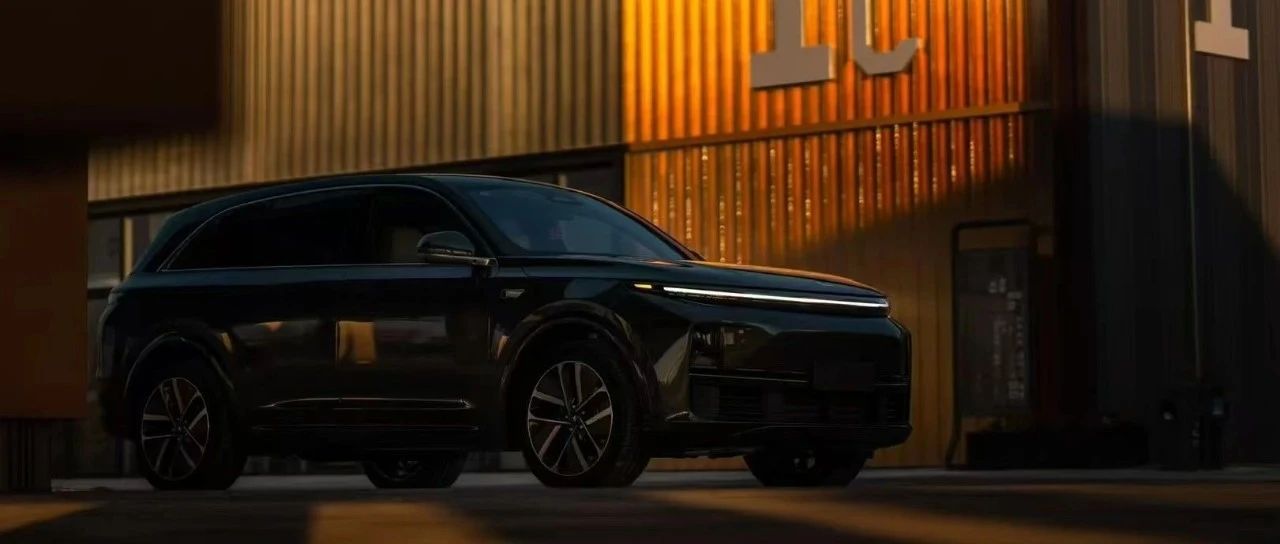
理想与供应链四种合作模式
理想TOP2· 2025-07-26 10:08
Core Viewpoint - The article discusses Li Auto's four collaboration models with suppliers, emphasizing the importance of strategic partnerships and self-research in enhancing product competitiveness and supply chain security [1][5][13]. Group 1: Collaboration Models - **Self-Research and Manufacturing**: Li Auto designs and produces key components in-house, such as the rear electric drive system for the i8, to ensure competitive efficiency and product integration [6][7]. - **Self-Research with Key Technology Lock-in**: The company collaborates with suppliers like Huichuan to co-develop critical components, such as the front electric drive, to mitigate risks and enhance supply chain security [8][9]. - **Deep Cooperation for Cutting-Edge Technology**: Li Auto invests heavily in partnerships, such as with CATL for the 5C ultra-fast charging Kirin battery, which significantly improves charging times and vehicle range [11][12]. - **Strategic Cooperation for Product Optimization**: Collaborations with companies like Horizon and Hesai lead to customized components that meet specific technical requirements, enhancing overall product performance [12][14]. Group 2: Supply Chain Strategy - **Investment in Core Technologies**: Li Auto focuses on self-research in critical areas like battery cell technology while outsourcing manufacturing to specialized firms, ensuring advanced technology without heavy capital investment [14]. - **Dynamic Supplier Management**: The company maintains a flexible supplier base of approximately 500, aiming to streamline this number for better cost efficiency and competitive advantage [14]. - **Balancing Self-Research and Outsourcing**: Li Auto adopts a dual approach of self-research and external procurement to foster healthy competition among suppliers, ensuring continuous technological advancement and cost optimization [13][14].

中国汽车“智能化”提速:从生态布局到技术突围的产业攻坚
Zhong Guo Jing Ying Bao· 2025-07-24 12:33
Core Insights - China has achieved a leapfrog in electrification and is now focusing on accelerating the adoption of intelligent driving technologies, with a goal to popularize advanced driver assistance systems (ADAS) between 2025 and 2030 [1] - The global automotive industry is undergoing unprecedented changes driven by smart vehicles, with China emerging as a central battleground for smart automotive development [1][2] - Industry experts emphasize the importance of technological breakthroughs, ecosystem construction, and industrial collaboration to shape the future of the smart automotive sector [1] Industry Development Trends - The long-term strategic goals for the automotive industry include electrification, intelligence, low carbonization, and globalization, with a focus on achieving self-sufficiency in core components like electric drive systems [1] - The transition from electrification to intelligence is seen as a critical battleground, as intelligent technologies will fundamentally alter user habits and transportation methods [2] - The market share and technological competitiveness of Chinese automotive brands have significantly improved, but the differentiation in the electrification sector is diminishing, leading to increased homogeneity [2] Technological Innovations - The automotive market is expanding, with a notable increase in the adoption of domestic chips, which is accelerating the localization process [3] - Challenges remain in the industry, particularly in achieving the necessary quality and reliability standards for automotive-grade chips, which differ significantly from consumer-grade chips [3] - The shift from traditional software-defined vehicles to "AI-defined vehicles" is underway, with safety being a paramount concern [3][5] Strategic Considerations - The maturity of the industry dictates core strategies, where cost reduction becomes a priority in mature markets, while technology iteration is crucial in rapidly developing sectors [4] - Companies must balance performance and cost to achieve optimal product offerings, with a focus on the "sweet spot" for mass production that aligns software and hardware capabilities [4] - The evolving landscape of smart driving technologies necessitates continuous performance enhancements across all vehicle segments [4] Safety and Standards - Safety is the primary standard defining intelligent driving, with current safety technologies advancing along two main paths: rule-driven and data-driven approaches, each with its own limitations [5] - A proposed "cognitive-driven" approach aims to integrate human-like cognitive processes to enhance decision-making in complex traffic environments [5] - Companies like Great Wall Motors are pioneering end-to-end technology solutions to ensure safety in intelligent driving systems [6] Market Dynamics - The automotive industry is witnessing a shift towards high-performance, high-reliability microcontroller units (MCUs) designed for safety-critical applications, filling gaps in the domestic market [6] - The selection of chips by manufacturers is heavily influenced by the cost-performance ratio and core competitiveness, emphasizing the need for a return to commercial fundamentals [6]
出现断层了?ICCV2025的自动驾驶方向演变...
自动驾驶之心· 2025-07-24 09:42
Core Insights - The article highlights the latest advancements in autonomous driving technologies, focusing on various research papers and frameworks that contribute to the field [2][3]. Multimodal Models & VLA - ORION presents a holistic end-to-end framework for autonomous driving, utilizing vision-language instructed action generation [5]. - An all-in-one large multimodal model for autonomous driving is introduced, showcasing its potential applications [6][7]. - MCAM focuses on multimodal causal analysis for ego-vehicle-level driving video understanding [9]. - AdaDrive and VLDrive emphasize self-adaptive systems and lightweight models for efficient language-grounded autonomous driving [10]. Simulation & Reconstruction - ETA proposes a dual approach to self-driving with large models, enhancing efficiency through forward-thinking [13]. - InvRGB+L introduces inverse rendering techniques for complex scene modeling [14]. - AD-GS and BézierGS focus on object-aware scene reconstruction and dynamic urban scene reconstruction, respectively [18][19]. End-to-End & Trajectory Prediction - Epona presents an autoregressive diffusion world model for autonomous driving, enhancing trajectory prediction capabilities [25]. - World4Drive introduces an intention-aware physical latent world model for end-to-end autonomous driving [30]. - MagicDrive-V2 focuses on high-resolution long video generation for autonomous driving with adaptive control [35]. Occupancy Networks - The article discusses advancements in 3D semantic occupancy prediction, highlighting the transition from binary to semantic data [44]. - GaussRender and GaussianOcc focus on learning 3D occupancy with Gaussian rendering techniques [52][54]. Object Detection - Several papers address 3D object detection, including MambaFusion, which emphasizes height-fidelity dense global fusion for multi-modal detection [64]. - OcRFDet explores object-centric radiance fields for multi-view 3D object detection in autonomous driving [69]. Datasets - The ROADWork Dataset aims to improve recognition and analysis of work zones in driving scenarios [73]. - Research on driver attention prediction and motion planning is also highlighted, showcasing the importance of understanding driver behavior in autonomous systems [74][75].

京东战略投资众擎机器人 加速具身智能产业生态构建
Sou Hu Cai Jing· 2025-07-24 07:11
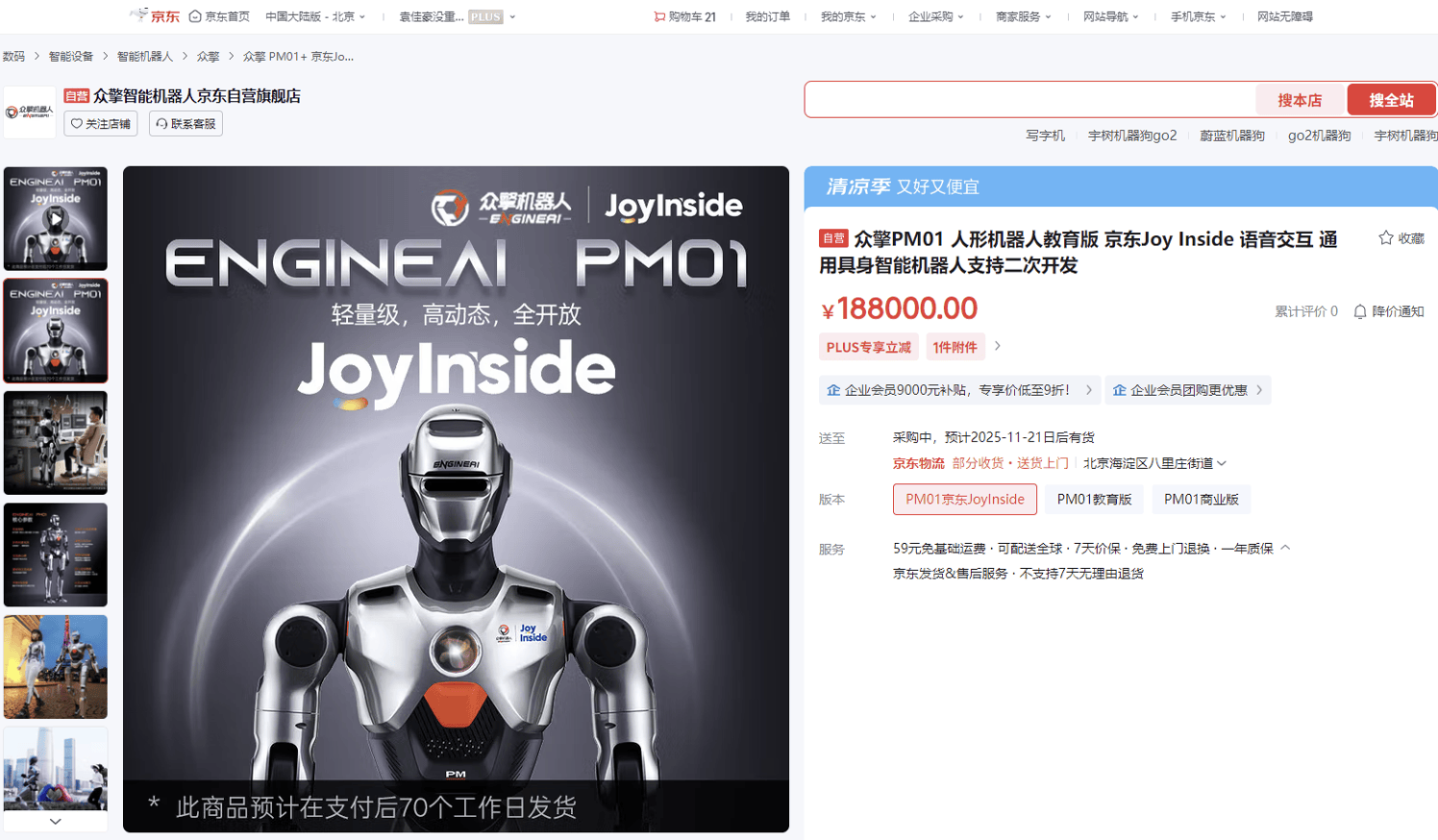
Group 1 - JD.com has completed investments in three leading companies in the field of embodied intelligence, highlighting its strategic focus on this sector [1] - Zhongqing Robotics, a leading domestic robotics technology company, has received significant funding support from JD.com, which will aid its technological development and market expansion [1] - The launch of the Zhongqing PM01 robot, the world's first somersault robot, has gained widespread attention, and its JD.com exclusive version enhances user interaction experiences [1] Group 2 - JD.com emphasizes the importance of technological hotspots such as embodied intelligence and large models, focusing on supply chain scenarios to drive innovative applications [3] - The JD-TFS technology team has achieved significant success in the 2025 CVPR robot dual-arm operation simulation challenge, outperforming renowned domestic and international competitors [3] - JD.com has released the first domestic dual-arm mobile robot operation dataset in April 2024, positioning itself as an innovator in the robotics technology field [3]


产业协同提速,中国智能汽车迈向“认知驱动”新时代
Tai Mei Ti A P P· 2025-07-24 02:58
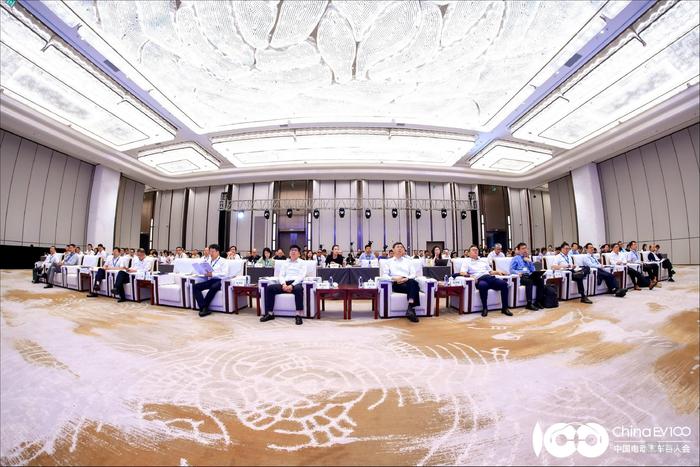
Group 1: Core Insights - The "2025 New Energy Smart Vehicle New Quality Development Forum" was successfully held in Changchun, focusing on the theme of "New Quality Leading, Intelligent Creation of the Future" and discussing the technological evolution, ecological reconstruction, and future trends of new energy smart vehicles [2] - The forum highlighted the rapid development of new energy vehicles and the deep restructuring of the global automotive landscape, emphasizing the need for open cooperation and collaborative innovation to secure future success [4] - Key tasks identified include accelerating the popularization of assisted driving from 2025 to 2030 and setting ambitious goals for L3 and higher-level autonomous driving technology [4][10] Group 2: Technological Innovations - Experts discussed the dual paths of safety technology in smart vehicles: rule-driven and data-driven approaches, with a proposed "cognitive-driven" route to overcome key technological bottlenecks [6] - The shift towards higher voltage charging systems (1000V to 1500V) and the adoption of wide bandgap power devices like silicon carbide were noted as trends in electric drive systems [8] - The automotive industry's competitive focus is shifting towards smart and AI capabilities, with mechanical costs expected to drop from 70% to below 30% while electronic and software costs rise to 70% [10] Group 3: Industry Practices and Strategies - Automotive companies are urged to innovate technologically, manage relationships as partnerships, and build long-term brand trust to transition from low-level competition to high-quality development [14] - The collaboration between Jianghuai Automobile and Huawei exemplifies deep integration across the entire value chain, aiming for breakthroughs in the ultra-luxury smart new energy sector [16] - The evolution of AI in automotive applications is leading to a transition from traditional software-defined vehicles to "AI-defined vehicles," presenting challenges in hardware and software compatibility [18] Group 4: Supply Chain and Ecosystem Collaboration - AI's impact on the automotive industry is seen as an incremental enhancement rather than a replacement, with the software supply chain maturing to meet rapid iteration demands [22] - The importance of software in defining vehicles is highlighted, with trends in electric vehicles, smart driving, and personalized features becoming increasingly significant [24] - The interaction between vehicles and the grid is viewed as a means to alleviate pressure from large-scale electric vehicle adoption and support the transition to a low-carbon energy structure [30] Group 5: Future Directions - The forum showcased the collaborative trends in smart vehicle development across four dimensions: intelligence, localization, software integration, and ecological fusion, indicating a vibrant and innovative landscape in China's new energy smart vehicle industry [34] - The integration of heterogeneous information fusion technologies is expected to enhance the safety performance of smart driving systems, making advanced technology more accessible to a broader market [34]
多轮破亿元资金注入人形机器人赛道,资本更青睐“汽车人”造“人”?
Hua Xia Shi Bao· 2025-07-23 13:23
Core Insights - The automotive industry is facing intense competition, leading many professionals to transition to the humanoid robotics sector, which is currently experiencing significant investment opportunities [1][4][6]. Financing Trends - LimX Dynamics secured a new round of financing led by JD.com, marking its second round this year, with a previous A round financing of 500 million yuan in March [2]. - Zhiyuan Robotics received strategic investment from Charoen Pokphand Group, and has completed nine rounds of financing by July 2025 [2]. - TARS announced completion of a $122 million angel+ round financing, led by Meituan, marking its second round this year [2]. - VITADYNE, established for only 100 days, has already raised a total of $200 million across two rounds of financing [2]. Industry Characteristics - The humanoid robotics sector is characterized by significant financing rounds, with many companies achieving over 100 million yuan in multiple rounds [3]. - The transition of professionals from the automotive industry to humanoid robotics is driven by the perception of better opportunities and a longer growth period in the latter [4][5]. Technological Synergy - Humanoid robots and smart connected vehicles share high technological and industrial chain similarities, making the transition easier for automotive professionals [7]. - The foundational technologies required for both sectors, such as environmental perception and task understanding, are closely aligned, providing an advantage to those with experience in smart driving systems [7]. Market Dynamics - The automotive industry is undergoing two major transformations due to AI: the acceleration of autonomous driving and the integration of robotics [5][6]. - The influx of automotive professionals into humanoid robotics is seen as a significant competitive advantage for early-stage startups in this field [7][8].
全球第一企业的能力盲区?
自动驾驶之心· 2025-07-23 09:56
Core Viewpoint - The article discusses the competitive landscape of the autonomous driving industry, focusing on NVIDIA's challenges in maintaining its market position against emerging Chinese companies and the shift towards self-developed chips by major automakers [5][15][50]. Group 1: NVIDIA's Market Position - NVIDIA's market capitalization has reached $4 trillion, making it the world's most valuable company, but it faces increasing competition from Chinese automakers who are trying to reduce reliance on NVIDIA's technology [5][15]. - General Motors' executives have expressed concerns about NVIDIA's autonomous driving solutions, indicating potential issues in their collaboration [7][8]. - Other automakers, such as Mercedes-Benz, have also reported that NVIDIA's autonomous driving performance is lagging behind that of Chinese startups like Momenta [10][11]. Group 2: Challenges in Chip Delivery - NVIDIA's latest Thor chip has faced multiple delays, impacting key clients like Li Auto, which has resulted in significant sales losses estimated at around 6 billion yuan due to postponed vehicle launches [18][19]. - The delays in chip delivery have prompted companies like Xiaopeng to pivot towards self-developed chips, as they can no longer rely on NVIDIA's timelines [20][24]. - The challenges faced by NVIDIA in delivering the Thor chip are attributed to design flaws and the complexity of automotive-grade chip production, which differs from consumer electronics [34][42][46]. Group 3: Shift Towards Self-Developed Chips - Major Chinese automakers are increasingly investing in self-developed chips to reduce costs and enhance compatibility with their AI technologies, with companies like NIO and Xiaopeng already making significant progress [25][35][37]. - The self-development of chips is seen as a strategic necessity for automakers to maintain competitiveness in the rapidly evolving autonomous driving market [38][39]. - The article highlights that the development of self-developed chips is a long-term commitment, with significant investments and risks involved, but it is becoming essential due to supply chain uncertainties [26][27][30]. Group 4: Competitive Landscape - The competition in the autonomous driving software space is intensifying, with Chinese companies like Momenta and Qingtou Zhihang rapidly advancing their technologies, often outpacing NVIDIA's offerings [51][53]. - NVIDIA's corporate culture and operational structure may hinder its ability to adapt quickly to the demands of the automotive industry, contrasting with the agile approaches of Chinese startups [52][54]. - The article suggests that the future of autonomous driving will likely see a shift towards more localized solutions, with Chinese companies capturing a larger share of the market as they innovate faster and align more closely with automotive needs [55].

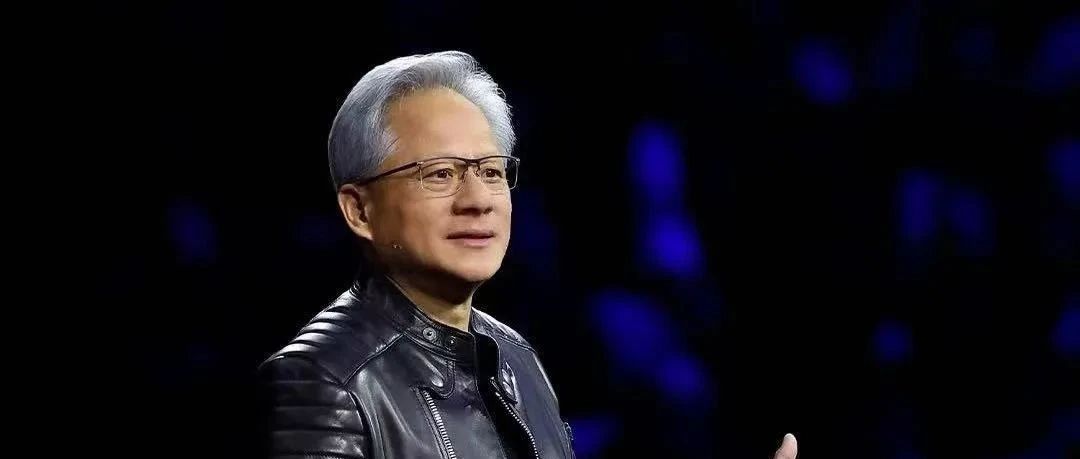
市值第一英伟达,被中国汽车浇冷水|深氪
36氪· 2025-07-22 10:21
Core Viewpoint - The article discusses the challenges faced by NVIDIA in the automotive sector, particularly in the context of its partnerships with major car manufacturers and the increasing competition from Chinese companies developing their own chips and software solutions [3][5][18]. Group 1: NVIDIA's Automotive Business Challenges - NVIDIA's automotive business, while significant, accounts for less than 2% of its total revenue of $130.5 billion, indicating that it is a relatively small segment for the company [11][58]. - The collaboration between NVIDIA and General Motors has faced internal criticism, with GM executives describing NVIDIA's autonomous driving solutions as "very scary" [5][6]. - Other automakers, such as Mercedes-Benz, have also expressed dissatisfaction with NVIDIA's performance, leading to a shift towards competitors like Momenta for autonomous driving solutions [9][11]. Group 2: Competition from Chinese Companies - Chinese automakers are increasingly developing their own AI chips, with companies like NIO and Xpeng already delivering their self-developed chips, posing a significant threat to NVIDIA's market share [19][30]. - The article highlights that the delay in NVIDIA's Thor chip delivery has prompted companies like Xpeng to pivot towards their self-developed chips, indicating a loss of confidence in NVIDIA's ability to meet delivery timelines [24][25]. - The competitive landscape is shifting, with Chinese companies rapidly advancing in autonomous driving software and hardware, making it difficult for NVIDIA to maintain its previous dominance [66][68]. Group 3: Implications of Chip Development - The development of self-research chips by automakers is seen as a strategic necessity, driven by the need for cost reduction and better integration with AI capabilities [45][49]. - The article notes that the challenges faced by NVIDIA in delivering the Thor chip have inadvertently accelerated the self-development of chips among leading Chinese automakers [31][30]. - The long development cycle for automotive chips, which can take up to four years, contrasts sharply with the faster-paced software development cycles seen in the industry [33][50]. Group 4: Cultural and Operational Differences - NVIDIA's corporate culture, which emphasizes long-term technological advancements, may not align with the immediate delivery needs of automotive clients, leading to operational friction [51][62]. - The article points out that NVIDIA's team in China lacks decision-making power compared to its larger U.S. team, which may hinder its responsiveness to local market demands [65]. - The disparity in urgency and operational focus between NVIDIA and its automotive partners has created a gap that competitors are eager to exploit [67][68].
对话四维图新CEO程鹏:智驾上岸的只有华为和理想,但我还可以干20年
雷峰网· 2025-07-22 09:48
Core Viewpoint - The article discusses the evolution and challenges faced by the company 四维图新 (Four-Dimensional Map) in the context of the competitive landscape shaped by major tech players like BAT (Baidu, Alibaba, Tencent) and the shift towards intelligent driving technologies. Group 1: Company Evolution - 四维图新 has undergone significant transformation since its IPO in 2010, facing intense competition from BAT, which has disrupted its core map business [4][10]. - The CEO, 程鹏, recognized the need to pivot from traditional map services to focus on intelligent driving, high-precision positioning, and automotive chips, leading to the divestment of unrelated business units [5][18]. - The company has faced financial challenges, reporting a revenue of 35.18 billion yuan in 2024, a 12.68% increase year-on-year, but still incurred a loss of 10 billion yuan [6][7]. Group 2: Competitive Landscape - The entry of internet giants into the map sector has been described as a "dimensionality reduction attack," making it difficult for traditional players like 四维图新 to compete [12][13]. - The concept of "no map" in autonomous driving, popularized by competitors, has been misinterpreted, impacting 四维图新’s market perception despite its advancements in high-precision mapping [6][57]. - The company has achieved a leading position in high-precision mapping but struggled to monetize this success due to market shifts towards "no map" solutions [6][26]. Group 3: Strategic Focus - The company has shifted its strategy to focus on becoming a new type of Tier 1 supplier in the automotive industry, emphasizing intelligent driving as its core business [18][38]. - 程鹏 emphasizes the importance of maintaining a long-term perspective, stating that the intelligent driving sector is a marathon, not a sprint, and that the company is committed to gradual growth and market share accumulation [75][76]. - The company is also exploring international markets and new product lines, including information security services, as part of its growth strategy [73][74].