奈雪的茶

Search documents
2025中国(深圳)独角兽企业大会明日开幕
Shen Zhen Shang Bao· 2025-07-15 23:24
Group 1 - The 2025 China (Shenzhen) Unicorn Enterprise Conference will be held in Shenzhen on July 17-18, focusing on "New Quality Driven, Future Navigation" and showcasing "hard technology" [1] - The conference will feature the release of the "GEI China Unicorn Enterprise Research Report 2025" and the "Shenzhen Unicorn and Gazelle Enterprises Research Report 2025," providing quantitative analysis and insights into the growth patterns and industry trends of unicorn companies [1] - Over a hundred unicorn companies from various regions, including Turing Quantum, Yunzhou Biotechnology, and Yifu Medical, will participate, covering more than 20 cutting-edge sectors such as artificial intelligence, robotics, integrated circuits, commercial aerospace, and biomedicine [1] Group 2 - Shenzhen is recognized as one of the most active cities for "hard technology" unicorns in China, with a concentration in advanced technology fields like integrated circuits, robotics, 3D printing, and clean energy [2] - The growth trajectory of Shenzhen's unicorn companies represents a narrative of innovation, transitioning from following to leading in the industry [2] - Several unicorn companies from Shenzhen have successfully gone public in recent years, including representatives from hard technology like Ubtech and Yuntian Lifei, as well as new consumer benchmarks like Nayuki Tea [2]
茶与饼凑成“新cp”!均价3元的“茶颜饼坊”香透长沙地铁口
Chang Sha Wan Bao· 2025-07-15 18:57
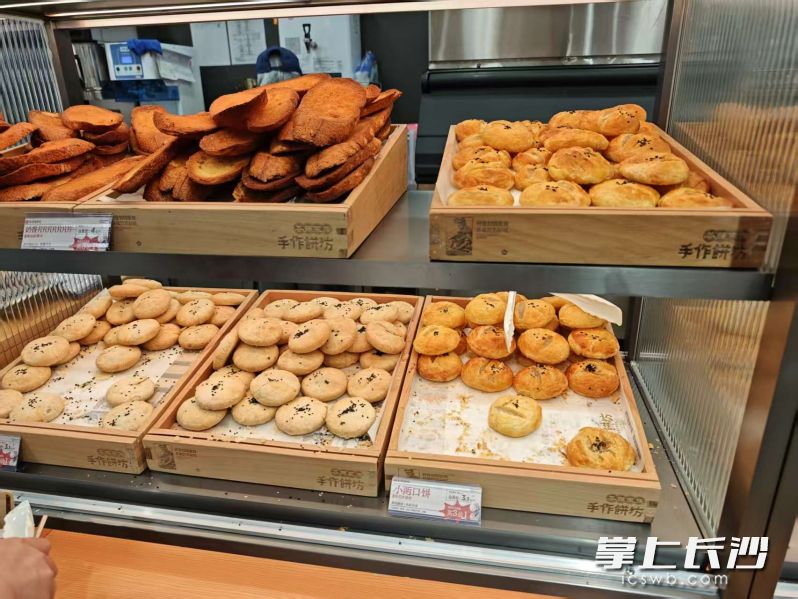
长沙晚报全媒体记者 贾凯清 实习生 余佳徐 "茶颜也进军面包界了!均价3元真的太香了!"近日,有网友在社交平台晒出了茶颜悦色推出的烘焙新品。15 日,记者走进长沙万家丽国际购物广场负一楼的地铁口,发现附近的茶颜悦色游园会店已然飘出了浓郁的烘焙香 味,柜台旁也悄然开辟出写着"手作饼坊"的崭新区域。 "各大社交平台都被刷屏了,茶颜出的面包,排队再久,我也要试试!"前来排队购买的市民张女士激动地说,并 向记者展示了自己此前看到的"种草笔记"。为了买到新鲜出炉的面包,张女士掐着3时上架的点准时到来,没想 到正好赶上了高峰期。 "我买了奶油包、肉松饼,蛋挞……又好看又好吃!"李女士一边举起手机拍照一边兴奋地说,虽然排队耗费了一 些时间,但能买到总算是没有白跑一趟。 价钱藏惊喜,几块钱能屯"小确幸" 记者注意到,烘焙柜台内的点心面包不仅色泽诱人,价格更是令人心动不已。3.3元的可颂能托在掌心,6元的蛋 挞外酥里嫩,就连厚实的吐司也才9.9元。不少产品旁还贴着"买三赠一""买五赠一"的促销标签。 此外,点心和面包的命名更是独具匠心,极具茶颜特色。"童心不老面包""杰克rose饼""红豆生南国饼""蝴蝶飞呀 酥"……仅仅是看 ...

外卖补贴大战 餐饮人不可承受之重
Bei Jing Shang Bao· 2025-07-15 16:01
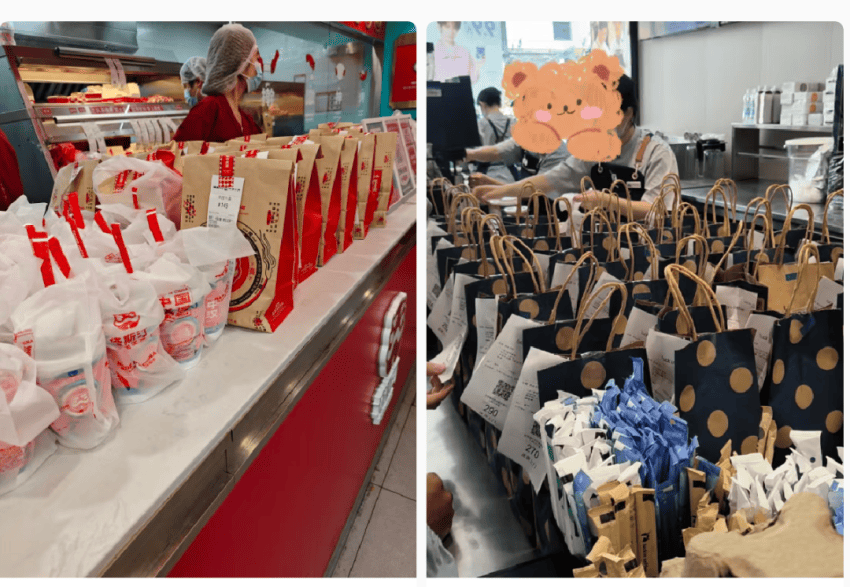
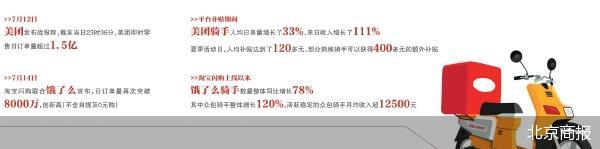
Core Viewpoint - The ongoing "delivery war" among major platforms like Meituan, Alibaba, and JD has led to a surge in order volumes, but this has not translated into significant profit growth for merchants, raising concerns about the sustainability of such aggressive subsidy strategies [1][12][15]. Group 1: Order Volume Surge - Meituan reported a daily order volume exceeding 150 million, while Alibaba's Taobao and Ele.me announced a record of over 80 million daily orders [3][4]. - Many merchants experienced a doubling of order volumes, with some stores reporting over a thousand orders in a single day, leading to chaotic scenes in stores [2][3]. - The influx of orders has resulted in operational challenges for merchants, with some unable to fulfill orders in a timely manner, leading to increased customer complaints and dissatisfaction [5][6]. Group 2: Rider Income Growth - Riders' daily order volume increased by 33%, and their income surged by 111%, with some riders earning over 400 yuan in additional subsidies during peak activity days [4][12]. - The number of active riders has also seen significant growth, with a 120% increase in crowd-sourced riders since the launch of Taobao's flash purchase service [4]. Group 3: Profitability Concerns - Despite the surge in order volumes, many merchants reported that their profit margins remained thin, with some experiencing a 10% increase in negative reviews due to delays in order fulfillment [5][6][7]. - Merchants are facing increased operational pressures, with staffing levels needing to double to manage the order influx, yet still struggling to meet demand [6][7]. Group 4: Industry Impact and Future Outlook - The aggressive subsidy strategies are seen as a threat to traditional dining establishments, as they divert customers from dine-in to delivery services, potentially harming the overall restaurant ecosystem [7][8]. - Experts suggest that the current subsidy-driven growth is unsustainable and may lead to a "three losses" scenario where platforms, merchants, and consumers all suffer in the long run [9][10]. - There are calls for platforms to reduce commission fees and for regulatory bodies to intervene to ensure fair competition and a balanced market environment [10][18].
“0元购”爆单!券商眼中的外卖补贴大战,谁将受益
Bei Jing Shang Bao· 2025-07-15 13:15
Core Viewpoint - The recent "subsidy war" among major players in the food delivery market, including Meituan, JD Group, and Alibaba, is primarily aimed at capturing market share, raising concerns about the potential impact on profit margins and investment returns for these companies [1][5][7]. Group 1: Market Dynamics - The food delivery market has seen intensified competition with the launch of "0 yuan purchase" promotions by Meituan, leading to a significant increase in consumer engagement and social media buzz [1][3]. - As of July 15, 2023, all three major companies—Alibaba, Meituan, and JD Group—experienced stock price increases of 6.97%, 4.38%, and 2.12% respectively, although year-to-date performance shows Alibaba up 40.06% while Meituan and JD Group are down 16.81% and 5.7% respectively [3][4]. Group 2: Fund Holdings - Alibaba is a significant player in public fund holdings, ranking among the top ten heavy stocks with a total market value of 50.713 billion yuan held by 765 funds as of the end of Q1 2023 [4]. - Meituan also has substantial fund backing, with 248 funds holding a total market value of 19.703 billion yuan, while JD Group has limited fund support, primarily from a single ETF [4]. Group 3: Profitability Concerns - Analysts express caution regarding the long-term profitability of the major players due to the aggressive nature of the subsidy war, which may lead to significant losses in the food delivery sector [5][6]. - Goldman Sachs projects that the ongoing subsidy war could result in substantial losses for these companies, estimating that Alibaba's food delivery business could incur losses of 41 billion yuan and JD Group 26 billion yuan by mid-2026 [6]. Group 4: Industry Impact - The subsidy war is expected to benefit leading brands in the tea and beverage sector, with stocks like Nayuki Tea and others seeing price increases since the onset of the subsidy promotions [5][6]. - The competition is anticipated to stimulate demand in the restaurant supply chain, with a potential increase in order volumes as a result of the ongoing promotions [5][6].




1.5L,饮料越卖越大
36氪· 2025-07-15 10:14
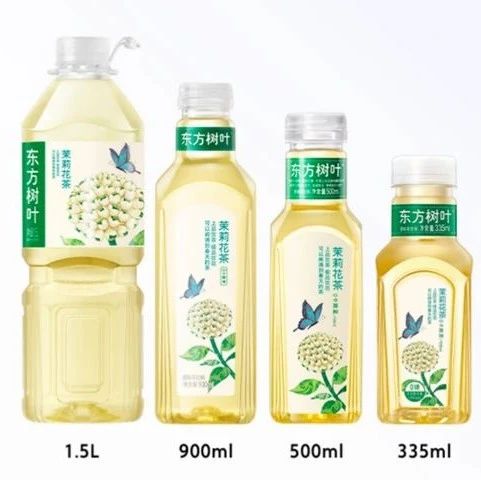
Core Viewpoint - The beverage industry is experiencing a trend towards larger packaging sizes, with companies like Dongfang Shuye launching 1.5L bottles to meet consumer demand for value and convenience [6][9][10]. Group 1: Market Trends - Dongfang Shuye has introduced a 1.5L bottle, which offers the equivalent of three 500ml bottles at a competitive price, reflecting a broader industry trend towards larger beverage sizes [6][9]. - The market for large-sized beverages has grown significantly, with sales of 600-1249ml beverages increasing from 6.4% in 2019 to 11.3% in 2023 [10]. - Major beverage brands are expanding their offerings to include larger sizes, with companies like Nongfu Spring and Hema introducing 2L options, indicating a shift towards mainstream acceptance of large packaging [10][12]. Group 2: Consumer Behavior - Consumers are increasingly favoring larger bottles for family gatherings and bulk purchases, as a 1.5L or 2L bottle can satisfy the needs of an average family of 2.6 people [9]. - The trend towards larger packaging is driven by the perception of better value, with consumers noting that larger bottles often provide a lower cost per milliliter compared to smaller sizes [8][12]. - However, there is a growing concern among consumers in urban areas about the practicality of large bottles, with some expressing worries about waste and storage after opening [19][21]. Group 3: Cost Management Strategies - Beverage companies are using larger packaging as a strategy to mitigate rising costs from raw materials, packaging, and logistics, as larger bottles have a lower cost per unit of packaging [12][13]. - The cost of sugar and PET (a key material for bottles) has risen significantly, prompting companies to increase prices for smaller sizes while promoting larger bottles as a cost-effective alternative [12][13]. - The logistics efficiency of larger bottles reduces transportation costs, as fewer trips are needed to move the same volume of product compared to smaller bottles [13][14]. Group 4: Competitive Landscape - The introduction of larger bottles is seen as a strategy by leading beverage companies to dominate the market and squeeze out smaller competitors, particularly in lower-tier cities [14][17]. - Major brands are leveraging their scale to offer lower prices on large bottles, making it difficult for smaller brands to compete on price [14][17]. - The market share of leading beverage companies has increased, with their production accounting for 55% of the total market in 2023, indicating a consolidation trend in the industry [17].

又一家老牌烘焙,批量关店
3 6 Ke· 2025-07-15 03:29
Core Viewpoint - The well-known bakery brand Bread Talk has closed all 11 of its stores in Chengdu, marking a significant retreat from the market and highlighting the challenges faced by established brands in the baking industry [1][3][7]. Group 1: Company Overview - Bread Talk, founded in Singapore in 2000, was once a leading player in the bakery sector, achieving rapid expansion and reaching 418 stores in China by 2014 [9][11]. - The brand's revenue from mainland China accounted for 31.6% of its total revenue in 2014, making it a crucial market for the company [11]. - However, the company has faced significant challenges, including food safety issues and an unstable franchise model, leading to a decline in consumer trust and a series of store closures [12][14][15]. Group 2: Recent Developments - The recent closure of all stores in Chengdu was framed as a "renovation and upgrade" by the company, but it has been revealed to be a complete shutdown [3][7]. - Since 2021, Bread Talk has experienced negative growth in store numbers, with only one new store opening this year, leaving a total of 173 operational stores primarily in Guangdong, Jiangsu, and Shanghai [18]. - The company has faced legal challenges, including two consumption restriction orders in 2021 and 2023, indicating ongoing financial difficulties [8]. Group 3: Industry Context - The bakery industry is undergoing significant upheaval, with many once-popular brands facing closures. In 2024, the industry saw a net increase of only 8,000 stores despite 10.3 million new openings and 9.5 million closures [22]. - The competitive landscape is shifting, with new brands emerging and established ones struggling to maintain market share. Brands like Good Day and others are expanding aggressively, while traditional players like Bread Talk are retreating [30][31]. - The rise of cross-industry competition, with tea and restaurant brands entering the bakery space, adds further pressure on traditional bakery brands [31].
头部茶饮竞争激烈,香飘飘或迎上市以来最差中报
Bei Jing Shang Bao· 2025-07-14 14:12
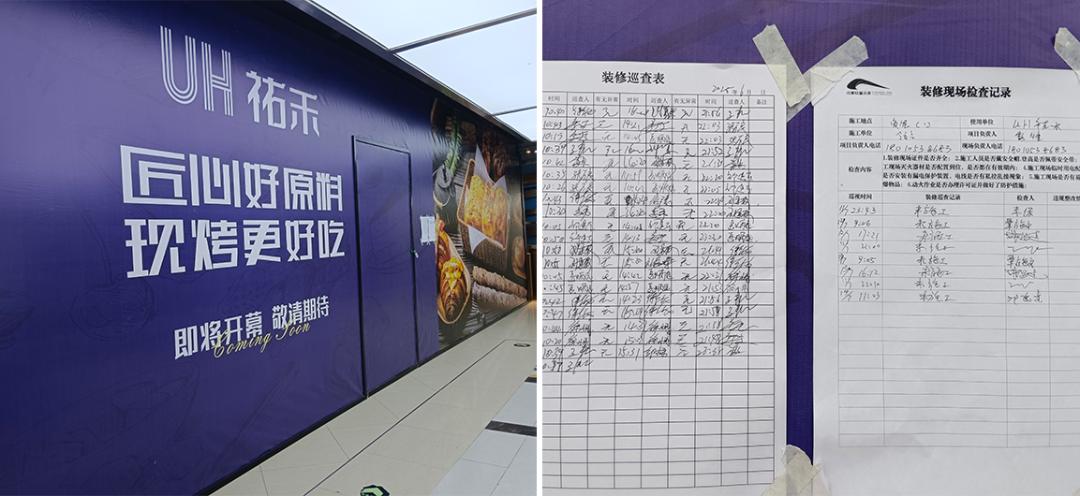
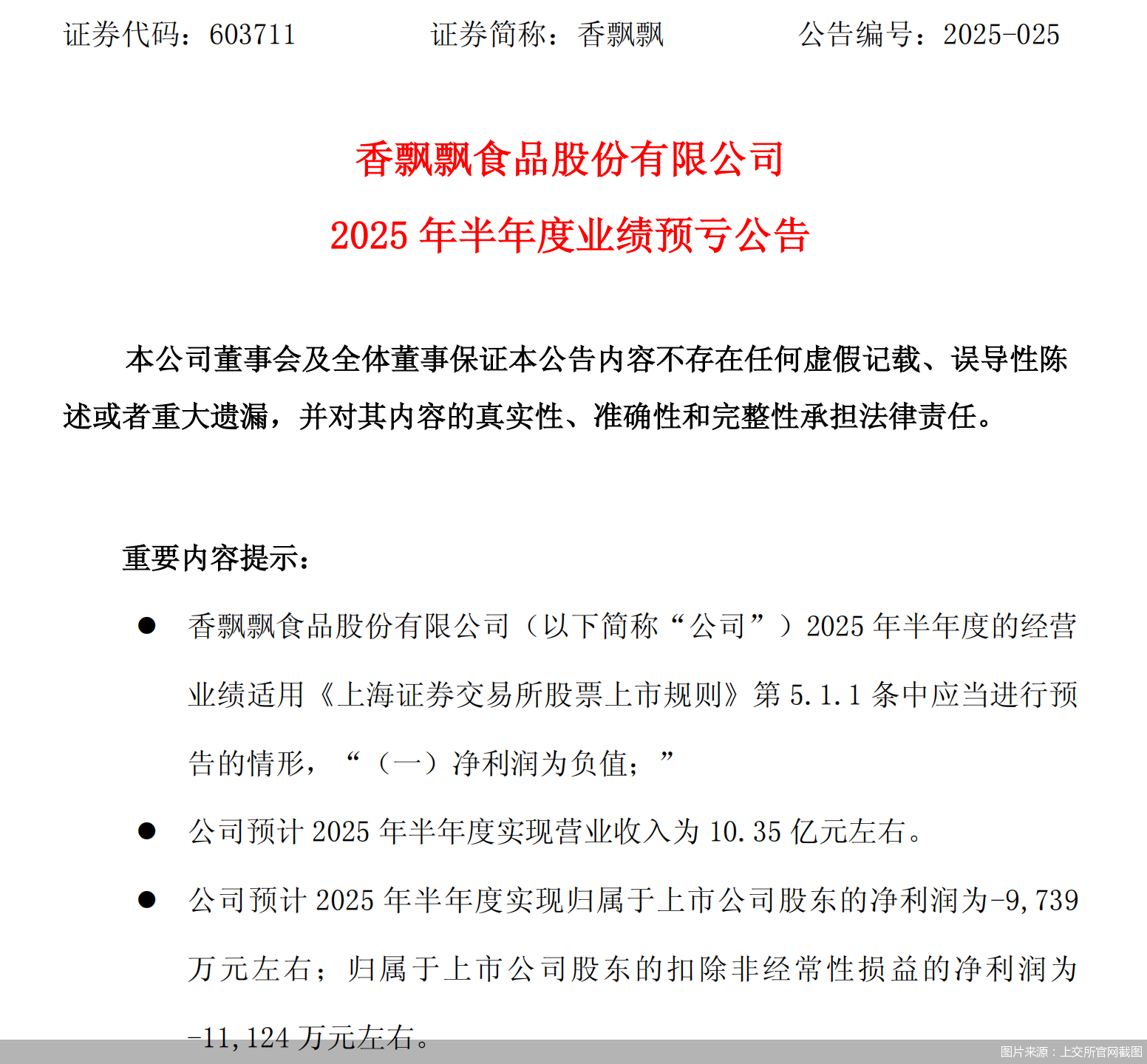
Core Viewpoint - Xiangpiaopiao is expected to report its largest half-year loss since its listing, with a projected revenue decline of approximately 12.2% and a net loss of around 97.39 million yuan, which is an increase in losses by 2.3 times compared to the previous year [3][5] Revenue and Profit Summary - The company anticipates a revenue of approximately 1.04 billion yuan for the first half of 2025, a decrease of about 144 million yuan or 12.21% year-on-year [5] - The net profit attributable to shareholders is expected to show a loss of around 97.39 million yuan, which is an increase in losses by approximately 67.89 million yuan compared to the same period last year [5][6] - The decline in revenue and profit is attributed to changes in consumer behavior and a shortened peak sales period due to the earlier timing of the Spring Festival [5][6] Business Challenges - The core business of instant tea is facing significant challenges, with sales volume dropping from approximately 45.59 million boxes in 2020 to about 32.79 million boxes in 2024, leading to a revenue decline in this segment [7] - Sales expenses have increased significantly, with 2024 sales expenses reaching approximately 761 million yuan, three times the net profit for that period, and a 35% increase over two years [7] - Rising costs in raw materials, labor, transportation, and energy have pressured profit margins, prompting price increases of 2% to 8% in early 2022 [7] Market Competition - The ready-to-drink tea market is expanding rapidly, with a projected market size of 368.9 billion yuan by 2025, growing at a rate of 20.97% [9] - Competitors like Mixue Ice City and others have significantly increased their market presence, with Mixue having over 39,000 stores, which poses a direct threat to Xiangpiaopiao's market share [9][10] - The competitive landscape is characterized by a price war, with ready-to-drink products often priced similarly to Xiangpiaopiao's instant products, but with the added convenience of immediate consumption [10] Strategic Adjustments - In response to market pressures, Xiangpiaopiao has restructured its teams to focus on both instant and ready-to-drink products, with a particular emphasis on lower-tier cities [8] - The company has also attempted to innovate its product offerings, such as launching new fruit tea products and leveraging e-commerce channels, which saw a significant sales increase during promotional periods [10] - However, the sustainability of the ready-to-drink business remains uncertain, with challenges in product innovation and market penetration [10]

社会服务行业双周报(第110期):社服板块二季报业绩前瞻:预计延续分化表现-20250714
Guoxin Securities· 2025-07-14 09:44
Investment Rating - The report maintains an "Outperform" rating for the social services sector, indicating expected performance above the market index by over 10% [3][29]. Core Insights - The social services sector is anticipated to continue showing a differentiated performance in Q2, with various segments such as travel, hospitality, and education demonstrating varying levels of recovery and growth [1][11]. - The report highlights that the consumer services sector increased by 2.49% during the reporting period, outperforming the broader market by 0.12 percentage points [16][18]. - Key companies in the sector, such as Nayuki Tea and Meituan, have shown significant stock price increases, with Nayuki Tea rising by 37.50% [1][19]. Summary by Sections Q2 Earnings Outlook - The travel chain is expected to show a mixed performance, with leading hotel brands experiencing a narrowing decline in RevPAR and strong brand expansions [1][11]. - The restaurant chain sector is projected to stabilize, particularly in tea and fast-food segments, benefiting from increased subsidies from major platforms [1][12]. Industry and Company Dynamics - Huazhu has upgraded its membership system, introducing a price guarantee feature [20]. - Meituan has launched a centralized kitchen initiative to enhance food safety and has seen a significant increase in daily order volumes [22]. - The report notes changes in shareholding for several companies, with increases for Tianli International Holdings and Mixue Group [28]. Investment Recommendations - The report suggests a focus on companies such as Guming, Mixue Group, and Atour, among others, as potential investment opportunities in the current economic environment [3][29]. - Mid-term recommendations include companies like China Duty Free, Meituan, and Huazhu Group, indicating a broad range of investment options across the sector [3][29].
华安证券:外卖大战持续升级 食饮包装企业有望受益
Zhi Tong Cai Jing· 2025-07-14 07:54
Group 1 - The core viewpoint is that the competition among major players in the instant retail sector has intensified, leading to a "volume race" that will shape the future market landscape [1] - Since April, a subsidy war has erupted between JD.com and Meituan, with Ele.me and Taobao Shanguo joining in, resulting in significant consumer incentives and record-breaking daily orders [1][2] - The introduction of large subsidy coupons has led to a surge in daily orders across various food delivery platforms, with notable increases in beverage orders, particularly for brands like Kudi Coffee and Luckin Coffee [2] Group 2 - The trend in food delivery packaging is shifting towards recyclable, easy-to-recycle, and biodegradable materials, in line with national regulations aimed at reducing single-use plastics [3] - The implementation of guidelines encourages the use of alternative materials for food packaging, promoting a reduction in packaging layers and the use of biodegradable options [3] - Major tea beverage companies have responded to environmental regulations by adopting PLA materials for straws, contributing to a greener production and consumption model [3]

外卖核战,没有赢家
Sou Hu Cai Jing· 2025-07-14 07:51
Core Insights - The recent surge in food delivery subsidies has led to a consumer frenzy, with many taking advantage of "zero-cost" offers, but the long-term implications for businesses remain uncertain [5][12]. Group 1: Consumer Behavior - Consumers are actively participating in the subsidy-driven promotions, with reports of individuals receiving significant discounts on food items, leading to increased stockpiling of goods [5][6]. - The frequency of food delivery orders among young consumers has notably increased, shifting their consumption habits towards online ordering rather than dining out [12][14]. Group 2: Business Impact - Many restaurants have experienced a dramatic increase in order volume, with some reporting up to a 50% rise in orders during the subsidy period [6][11]. - Despite the apparent increase in sales, many businesses are struggling to maintain profitability due to high operational costs, with some reporting lower net earnings compared to regular business days [7][11]. - The intense competition and reliance on subsidies are pushing restaurants into a difficult position, where participation may lead to losses while non-participation risks losing customer traffic [11][12]. Group 3: Market Dynamics - The ongoing subsidy war is reshaping consumer price expectations, with many consumers now unwilling to pay prices above a certain threshold for food items [14]. - The shift in consumer behavior and price sensitivity may lead to long-term challenges for traditional dining establishments, as they compete with the convenience and low prices of food delivery services [12][14]. - The current market dynamics suggest that the food and beverage industry may face a cycle of price wars that could harm the overall ecosystem, with smaller businesses at greater risk of failure [11][14].