长江存储

Search documents
华特气体20250605
2025-06-06 02:37
Summary of Huate Gas Conference Call Company Overview - **Company**: Huate Gas - **Industry**: Specialty gases, particularly for the semiconductor sector Key Points and Arguments Financial Performance - In Q1 2025, Huate Gas experienced a slight decline in profits due to ruble settlement impacts, resulting in a loss of approximately 4 million yuan, but net profit margin increased by about 1 percentage point year-over-year [2][3][4] - The company aims for a revenue growth of 16-17% for the year, excluding potential acquisitions [4] Product Development and Market Strategy - Huate Gas plans to launch four new products in 2025: hydrogen bromide, boron trichloride, nitrogen trifluoride, and high-purity silane, with an expected annual output value of around 70-80 million yuan [2][6] - The company anticipates a 70-80% growth in its best-selling product, perfluorinated compounds, which will be supplied to clients like Yangtze Memory Technologies, ZTE, and Micron [2][4][6] - The company is focusing on expanding its presence in the U.S. market to mitigate tariff challenges and enhance collaboration with key clients like Kete Semiconductor and Micron [5][6] Market Dynamics - The semiconductor industry is currently facing challenges, with global utilization rates not ideal, particularly for major players like Samsung [20] - Domestic demand for industrial gases has shown signs of improvement in early 2025, while the welding and insulation gas sectors are expected to remain stable [21] Competitive Positioning - Huate Gas has improved its competitiveness over the past two to three years through new product conversions, strategic adjustments, and increased self-developed materials, resulting in a gross margin increase of approximately 7 percentage points [15] - The company is gradually shifting away from traditional equipment manufacturing to focus on self-developed products, which enhances its competitive edge [7] Supply Chain and Raw Material Management - The company faced a 20 percentage point gross margin loss due to a spike in germanium prices last year, but prices have since stabilized [8] - Huate Gas employs price-locking agreements to ensure cost stability [8] Future Outlook - The sales target for 2025 is set at 100 million yuan, heavily reliant on the operational status of Samsung's production lines [9] - The company is also planning to establish a trade base in the U.S. to navigate tariff impacts and ensure smooth market entry [27] Legal and Project Developments - The South Tong project is a significant investment for Huate Gas, with an initial investment of approximately 1 billion yuan [30] - The company is involved in a legal dispute regarding a factory acquisition in the Southwest region, with a favorable outcome expected [30] Challenges and Opportunities - Huate Gas faces technical barriers in product development, particularly for products that have not yet achieved domestic production [26] - The company is exploring opportunities in high-purity acetylene and other advanced materials, with plans for significant product launches in 2026 [29] Additional Important Information - The company has made historical breakthroughs in direct sales in the Southeast Asian market, which has improved gross margins, although volume growth will take time [5][6] - The overall profitability and competitiveness of Huate Gas are expected to enhance in 2025 and beyond, driven by new product launches and market expansions [4][5]

HBM 深度剖析
傅里叶的猫· 2025-06-04 11:43
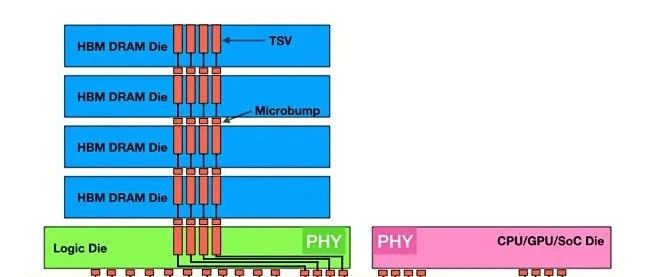
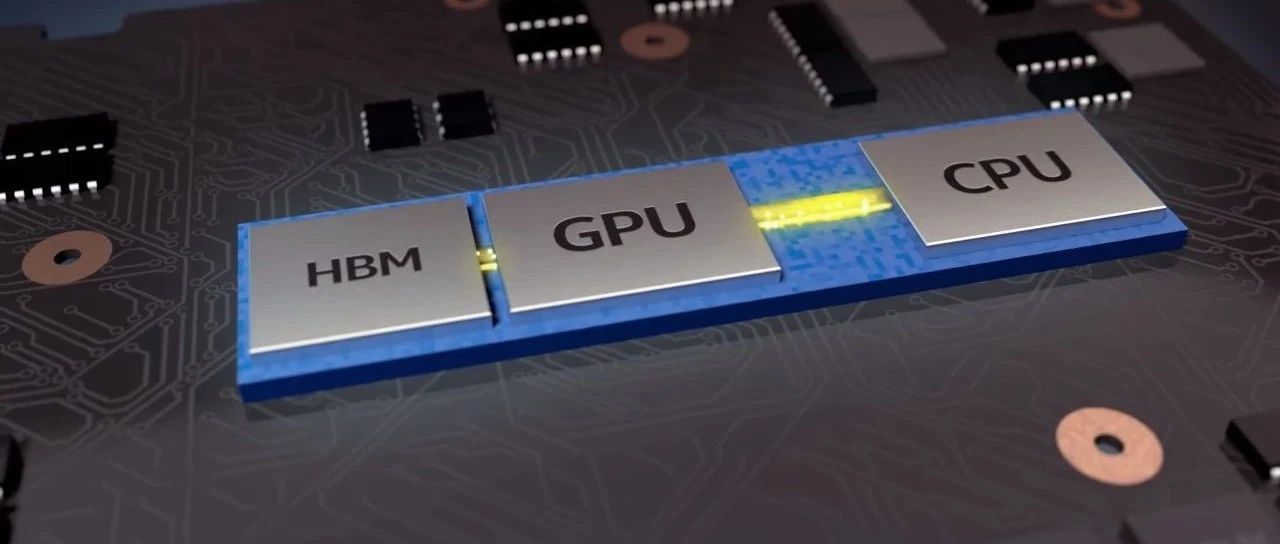
Core Viewpoint - The article discusses the increasing importance of High Bandwidth Memory (HBM) in the AI chip sector, highlighting its advantages and the competitive landscape among major players like SK Hynix, Samsung, and Micron. Group 1: Importance of HBM - HBM is crucial in the era of generative AI as memory bandwidth often limits model training rather than computational power [4] - The memory demand in Transformer models grows quadratically with sequence length, making bandwidth a significant bottleneck [4] - HBM offers superior performance, with bandwidth reaching several terabytes per second, over 20 times faster than conventional DDR memory [5] Group 2: HBM Technology Development - Each generation of AI chip upgrades relies on HBM iterations for performance enhancement, with NVIDIA GPUs showing significant capacity increases [9] - HBM capacity has increased by 50% from H100 to H200 and B200 to B300, with HBM4 doubling the channel count from 8 to 16 [9] - The HBM market is expected to grow rapidly, with a projected CAGR of 50% from 2024 to 2028 [10] Group 3: Market Leaders and Competitive Landscape - SK Hynix currently leads the HBM market with over 60% market share, primarily supplying high-end HBM to NVIDIA [14] - The MR-MUF technology used by SK Hynix offers better thermal performance and higher yield compared to Samsung's TC-NCF technology [15][18] - Samsung faces challenges in HBM production due to issues with its front-end technology and lower yield rates [20][22] Group 4: Future Trends and Innovations - The shift from planar DRAM processes to advanced FinFET logic nodes in HBM4 is expected to enhance performance and energy efficiency [23] - Samsung plans to manufacture HBM4 base chips using its 4nm process, while SK Hynix and Micron will outsource to TSMC [25] - Hybrid bonding technology is emerging as a disruptive innovation in HBM, potentially changing the competitive landscape [32] Group 5: Chinese Market Developments - Chinese companies like ChangXin Memory Technologies (CXMT) and Yangtze Memory Technologies (YMTC) are making strides in HBM technology, although they currently lag behind global leaders [42] - CXMT aims to start mass production of HBM2 by late 2024, with plans for HBM3 and HBM3E in subsequent years [44] - The ability of Chinese firms to adopt hybrid bonding technology could significantly accelerate their HBM development [48][49]


再谈一下韩国断供中国HBM关键设备这个事儿
是说芯语· 2025-06-01 02:58
Core Viewpoint - The article discusses the recent rumors regarding South Korean equipment manufacturers, specifically Hanmi Semiconductor, halting the supply of critical TCB equipment for China's HBM production, highlighting the geopolitical tensions affecting the semiconductor industry [1][4]. Group 1: HBM Technology and Equipment - HBM chips have gained significant popularity due to their high memory bandwidth and capacity, essential for AI model training and inference [2]. - The TCB equipment plays a crucial role in the production of HBM chips by aligning and welding DRAM chips to substrates with micron-level precision [2][3]. - Hanmi Semiconductor has become a leader in the TCB equipment market, supported by SK Hynix's investment and collaboration since 2017 [3]. Group 2: Geopolitical Context - The U.S. has been exerting pressure on South Korea to restrict the supply of semiconductor equipment to China, particularly targeting HBM technology [4][5]. - Chinese companies like Huawei and Biren Technology face procurement restrictions for HBM from South Korean suppliers, impacting their AI chip development [4]. Group 3: Impact and Alternatives - Despite the potential supply disruptions, Chinese companies have been stockpiling HBM equipment, with reports indicating that Hefei Changxin's inventory could last until 2027 [5]. - Other global suppliers, including Japanese and Singaporean companies, can provide similar TCB equipment, offering alternatives to Chinese manufacturers [5]. - Domestic Chinese companies, such as Plascent, are developing their own TCB equipment, indicating a shift towards self-sufficiency in semiconductor manufacturing [5]. Group 4: Future Prospects - The article suggests that advancements in HBM4 technology may favor Chinese manufacturers, as they have already begun exploring mixed bonding techniques necessary for achieving high yields [5]. - Longjiang Storage is highlighted as a key player in this development, having previously adopted complex architectures to avoid patent conflicts, positioning itself ahead of competitors [5].
美国EDA断供风暴下,A股这些公司正在改写芯片“命门”格局!
Sou Hu Cai Jing· 2025-05-31 04:44
Core Viewpoint - The U.S. government's restrictions on EDA tools from major suppliers like Siemens, Synopsys, and Cadence pose significant challenges for China's high-end chip design industry, particularly for advanced processes below 3nm [2][3]. Group 1: EDA Market Overview - EDA (Electronic Design Automation) is essential for chip design, covering the entire process from logic simulation to physical verification and layout design [3]. - The global EDA market is dominated by three major players: Synopsys, Cadence, and Siemens EDA, which together hold over 80% market share, while China's domestic market penetration is less than 12% [3]. - The cost of designing a 5nm chip using international tools is approximately $40 million, but without these tools, costs could soar to $7.7 billion, highlighting the critical role of EDA tools in chip design [3]. Group 2: Domestic EDA Companies - Huada Jiutian (301269.SZ) is a leader in analog circuit design, achieving a revenue of 1.01 billion yuan in 2023, a 26.6% year-on-year increase, and holds the largest market share among domestic companies [4][5]. - Gekun Electronics (688206.SH) specializes in device modeling and simulation, achieving international standards in SPICE simulation, with a revenue share of 30% from design-related EDA in 2023 [6]. - Guangli Micro (301095.SZ) focuses on yield analysis and manufacturing EDA, with over 80% of its business in testing equipment and a 34.3% year-on-year growth in software development and licensing in 2023 [7][8]. Group 3: Paths for Domestic EDA Breakthrough - Domestic EDA companies are pursuing three main strategies to overcome external restrictions: integrating AI with EDA tools, advancing Chiplet and packaging technologies, and fostering open-source ecosystems and international collaborations [10][11]. - Huada Jiutian has launched a 3DIC Chiplet design platform and is collaborating with Changjiang Electronics to develop domestic packaging EDA solutions [10]. - Companies like Gekun Electronics and Xinhua Zhang are working with international firms like Samsung and SK Hynix to mitigate technology isolation risks [12]. Group 4: Industry Outlook - The domestic EDA market is expected to exceed 20 billion yuan in the next three years, with an annual growth rate of 18.7%, potentially increasing the domestic market share to 25% by 2025 [13]. - Key technical focuses include integrating full-process platforms and developing independent PDKs in collaboration with major foundries like SMIC and Changjiang Storage [14][15]. - The education sector is responding to industry needs by establishing new "Integrated Circuit EDA" programs, aiming to train over 5,000 professionals annually [16].

中国产业叙事:北方华创
新财富· 2025-05-30 08:03
Core Viewpoint - The article outlines the evolution of China's semiconductor equipment industry, highlighting the transition from reliance on foreign technology to self-sufficiency and innovation, particularly through the development of North Huachuang as a key player in the global semiconductor equipment market [1][19]. Group 1: Historical Development - The journey of semiconductor equipment localization in China began in the 1960s with the establishment of state-owned factories, marking the start of systematic research and development [1]. - In 2001, Beijing Electronic Holdings strategically integrated state assets to form Qixing Electronics, which laid the groundwork for a dual-track model of manufacturing and research [3][5]. - The period from 2001 to 2010 was characterized by significant challenges, including a 10-year technology gap with international standards, leading to a critical awakening for the Chinese semiconductor equipment industry [5][6]. Group 2: Key Milestones - Qixing Electronics developed China's first 8-inch vertical oxidation furnace around 2003, filling a domestic gap, while Northern Microelectronics successfully created the first 8-inch 100nm plasma silicon etching machine in 2006 [6]. - The IPO of Qixing Electronics in 2010 raised 546 million yuan, marking a pivotal moment for the industry as it sought to reduce dependence on imported semiconductor manufacturing equipment [7][8]. Group 3: Transformation and Growth - From 2011 to 2020, North Huachuang emerged as a significant player, transitioning from a domestic substitute to a challenger of global technology norms, particularly after its strategic merger in 2016 [10][12]. - By 2020, R&D investment surged from 248 million yuan in 2015 to 1.608 billion yuan, with a compound annual growth rate of approximately 45%, reflecting a shift in revenue structure towards semiconductor equipment [12]. Group 4: Current Market Position - Since 2021, North Huachuang has capitalized on geopolitical shifts and technological innovations, achieving a revenue of 9.683 billion yuan in 2021, with a 60% year-on-year growth [14][15]. - The company’s revenue continued to grow, reaching 14.688 billion yuan in 2022 and 22.079 billion yuan in 2023, with a compound growth rate of nearly 50% over three years [15][16]. Group 5: Competitive Landscape - The global semiconductor equipment market is dominated by three major players—Applied Materials, Lam Research, and Tokyo Electron—holding over 90% market share, creating a highly concentrated competitive environment [17][22]. - North Huachuang, as the largest domestic PVD equipment supplier, has shipped over 4,000 chambers, positioning itself to capture a larger share of the market as demand for advanced deposition equipment grows [22]. Group 6: Future Outlook - The Chinese semiconductor equipment market is projected to reach a 50% localization rate by 2025-2026, with significant advancements in 28nm and above manufacturing processes [21][23]. - North Huachuang's recent acquisition of Xinyuanwei is expected to enhance its product offerings and market position, reflecting a strategic response to international competition and a move towards a more integrated supply chain [20].

“近一个月涨了50%!” 原厂停产引发备货潮,部分存储产品猛涨价
Di Yi Cai Jing· 2025-05-30 07:54
Core Insights - The storage industry is experiencing significant price increases for certain DRAM products, particularly DDR4 and DDR3, driven by production halts from manufacturers rather than increased demand [1][2][3] - Major manufacturers like Micron, Samsung, and SK Hynix are reportedly planning to cease production of DDR3 and DDR4 by the end of the year, leading to a supply shortage and subsequent price hikes [2][3][4] - The shift towards high-performance memory products, such as HBM and QLC NAND Flash, is becoming more pronounced as manufacturers adjust their production strategies to meet the demands of AI applications [7][8][9] Price Trends - Recent data indicates that various DDR4 products have seen significant price increases, with specific models experiencing rises of 3.95% to 15% in a single week [2] - The market has reacted to the news of potential production halts, resulting in a rush to stockpile DDR4 and LPDDR4 products, causing supply constraints and further price increases [3][4] Production Adjustments - Manufacturers are transitioning their production focus from older memory types like DDR3 and DDR4 to newer, more profitable products such as DDR5 and HBM, which are better suited for AI applications [7][8] - The NAND Flash market is also seeing price increases, particularly for MLC NAND Flash, due to reduced supply following production cutbacks by major players like Samsung [4][6] Market Outlook - Despite localized price increases, the overall storage market is expected to grow modestly by 1% to 2% this year, with some recovery anticipated in NAND Flash prices after a significant decline earlier in the year [6] - The emphasis on high-performance storage solutions is expected to continue, with companies like Micron and SK Hynix increasing their focus on HBM production to meet rising market demands [8][9]
2025全国新一线城市排名:南京第3,天津第7,厦门入围
Sou Hu Cai Jing· 2025-05-30 05:38
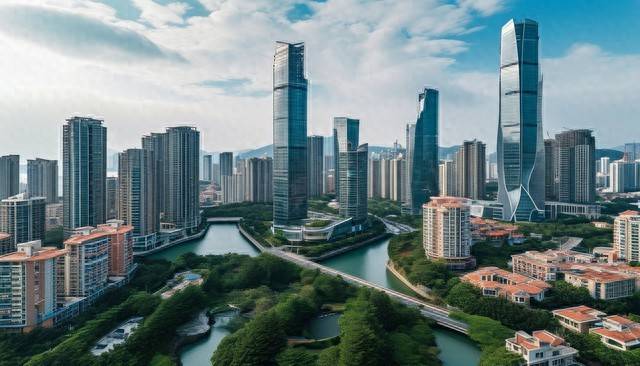
Core Insights - China's economic development has undergone significant transformations over the decades, evolving from early reform policies to becoming a global manufacturing hub and now focusing on innovation and dual circulation strategies [1] Group 1: New First-Tier Cities - The latest "National New First-Tier Cities Comprehensive Strength Ranking" for 2025 highlights cities like Hangzhou, Chengdu, Nanjing, and Wuhan as leaders, with Nanjing ranking third due to its historical and technological strengths [3][5] - Nanjing's integrated circuit industry is projected to exceed 200 billion yuan by 2025, showcasing its transformation into a hub for innovation [3] - Xiamen has made a notable entry into the new first-tier list at nineteenth place, driven by its "BRICS Innovation Base" and "Maritime Silk Road Central Legal Zone," with actual foreign investment expected to grow by 23% by 2025 [7] Group 2: Economic Shifts in Northern Cities - Tianjin maintains its seventh position by shifting its development focus from traditional heavy industry to precision services, with container throughput expected to surpass 22 million TEUs by 2025 [5][7] - The Binhai New Area is attracting financial institutions, with financing leasing business accounting for one-third of the national total, although it still faces challenges from its traditional petrochemical sector [7] - Challenges persist for cities like Qingdao and Xi'an, with Qingdao's marine economy growth slowing to 4.2% and Xi'an's semiconductor industry facing talent outflow, leading to a 7% decrease in integrated circuit design firms by 2025 [12] Group 3: Central and Southern City Strengths - Wuhan and Changsha demonstrate strong manufacturing capabilities, with Wuhan's high-tech enterprises expected to exceed 15,000 by 2025 and Changsha's construction machinery output accounting for 8% of the global market [14] - The competition between cities like Hangzhou and Chengdu reflects a broader struggle between digital economy and comprehensive hub development [9][10] Group 4: Future Economic Landscape - The 2025 rankings indicate a shift from a single-pole advancement to multi-center collaboration, emphasizing the importance of industrial depth over mere scale [15] - Future urban competition will focus on innovation density, ecological livability, and global resource allocation capabilities, determining which cities will thrive in the next economic cycle [15]
2025全国新一线城市排名出炉:成都第2,重庆第6,东莞入围
Sou Hu Cai Jing· 2025-05-29 15:08
Core Insights - The 2025 China Urban Comprehensive Strength Ranking released by GYbrand evaluates cities based on economic vitality, innovation index, talent attraction, infrastructure, and consumption potential [1] New First-Tier Cities - Hangzhou ranks 5th, followed by Chengdu at 6th, with Nanjing, Wuhan, and Suzhou taking 7th to 9th places, and Chongqing at 10th [3] - Chengdu maintains its 6th position due to balanced development, excelling in consumption potential and talent attraction [3] - Dongguan enters the new first-tier city list for the first time at 20th, transitioning from a manufacturing hub to a smart manufacturing base [7] Economic Development in Chengdu and Chongqing - Chengdu's transportation hub status is strengthened by the Chengdu-Chongqing Economic Circle, with annual passenger throughput exceeding 100 million at its airports [5] - Chongqing, as the only municipality in central and western China, has a strong industrial base and a comprehensive transportation system, with significant contributions from its automotive and electronic information industries [5] Dongguan's Transformation - Dongguan's electronic information industry has surpassed 1 trillion in output value, supported by major projects from Huawei and OPPO [7] - The city benefits from talent policies attracting over 100,000 graduates annually, although it faces challenges in educational resources and urban infrastructure [7] Competitive Landscape in the Yangtze River Delta - Hangzhou and Nanjing lead the Yangtze River Delta new first-tier cities, with Hangzhou's e-commerce ecosystem driving growth in live commerce and cross-border trade [8] - Nanjing leverages its educational resources and historical background to support its chip industry and financial sector [8] Emerging Trends in Central and Western Cities - Cities like Wuhan, Xi'an, and Hefei are rising due to precise industrial positioning, focusing on sectors like semiconductors and quantum information [10] - Northern cities such as Qingdao and Shenyang face growth challenges, while cities in the Guangdong-Hong Kong-Macau Greater Bay Area are rapidly rising due to policy support and industrial collaboration [10] New Urban Development Logic - The ranking reveals a shift from single-pole advancement to multi-center collaboration, emphasizing the importance of industrial depth over mere scale expansion [12] - Future competition among new first-tier cities will focus on innovation capacity, ecological livability, and global resource allocation [12]

存储器市场跟踪
傅里叶的猫· 2025-05-28 14:42
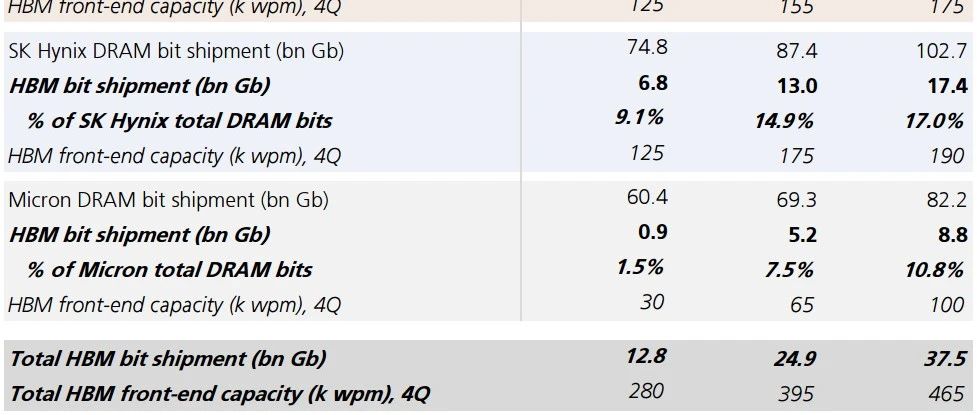
Core Viewpoint - The article discusses the current trends and forecasts in the memory market, particularly focusing on NAND and DRAM, highlighting the demand dynamics and inventory levels of major players like Samsung and SK Hynix [1][2][3]. Summary by Sections Market Overview - The article references UBS research, indicating that Samsung and SK Hynix expect a modest increase in DRAM shipments for Q2 2025, with Samsung projecting less than 10% growth and SK Hynix over 20% for NAND [2]. - UBS has adjusted its NAND price forecast for Q2 from +5% to +3%, citing resistance from customers against rising SSD prices [2]. Demand and Inventory - As of Q1 2025, DRAM inventory levels are decreasing faster than expected, with smartphone customers holding about 10 weeks of inventory and PC manufacturers around 12 weeks [3]. - For NAND, smartphone manufacturers have approximately 9 weeks of inventory, while SSD inventory stands at 11 weeks [3]. HBM Demand Forecast - UBS has revised its HBM demand forecast for 2025 down from 203 billion Gb to 189 billion Gb, reflecting a year-on-year growth of 105%, and for 2026 from 303 billion Gb to 291 billion Gb, with a growth rate of 54% [3][24]. - The demand for ASICs is expected to outpace GPUs, with ASICs accounting for 54% of total HBM demand by 2026, up from 41% in 2025 [3]. Supplier Insights - Samsung's HBM bit shipments are projected to increase from 5.1 billion Gb in 2024 to 11.2 billion Gb by 2026, representing 8.1% of its total DRAM bits [9]. - SK Hynix is expected to grow its HBM shipments from 6.8 billion Gb in 2024 to 17.4 billion Gb by 2026, which will account for 17% of its total DRAM bits [9]. Production Capacity - Longxin's wafer production capacity is expected to reach 170,000 wafers per month by the end of 2024, with plans to increase to 230,000 wafers per month by the end of 2025 [24]. - Yangtze Memory Technologies Company (YMTC) is also expanding its production capacity, aiming for 160-layer technology despite facing challenges due to U.S. restrictions [25]. Competitive Landscape - The article highlights the competitive dynamics among major players, with Samsung and SK Hynix leading in HBM production, while Micron is also increasing its HBM output significantly [9][24]. - The market share of DRAM suppliers is detailed, showing Samsung at 39.5%, SK Hynix at 28.9%, and Micron at 22.9% for 2025 [27]. Future Outlook - The article concludes with a cautious outlook for the memory market, emphasizing the uncertainty due to tariff issues and potential specification downgrades in NAND demand [2][24].

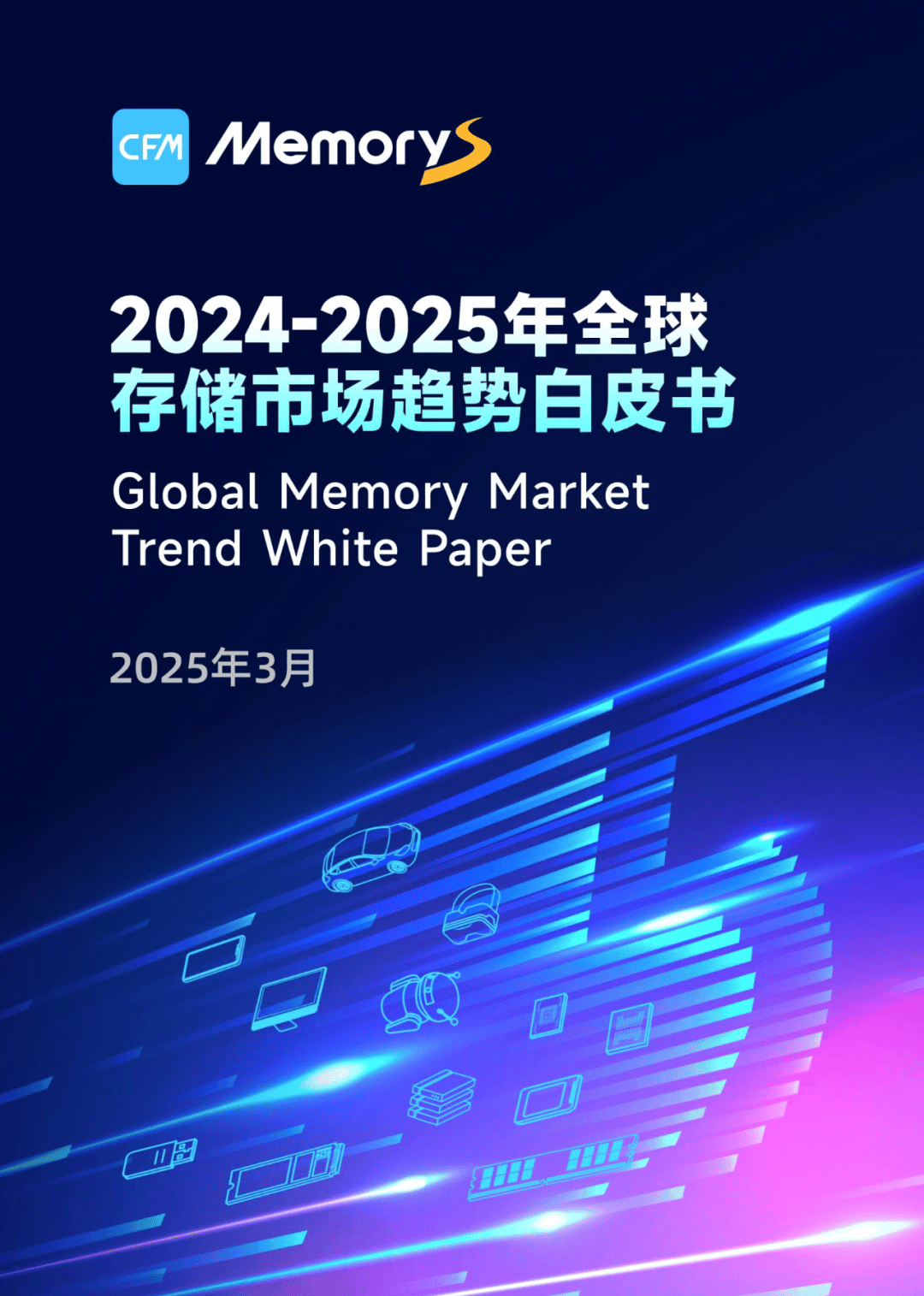
2024-2025年全球存储市场趋势白皮书解读(57页附下载)
Sou Hu Cai Jing· 2025-05-28 12:37
Core Insights - The white paper highlights significant transformations in the global memory market driven by advancements in AI technology, increasing server storage demands, and upgrades in consumer storage products [19] Group 1: Global Memory Market Changes and Technological Developments - High-density 3D NAND Flash storage is continuously improving, with advancements in read/write performance, power consumption, durability, and cost [2][36] - The complexity of etching and deposition processes increases with the number of layers in NAND Flash, leading to challenges that manufacturers are overcoming through various techniques [2][41] - Major manufacturers like Samsung and SK Hynix are focusing on mass production plans for NAND Flash with over 300 layers, utilizing Wafer-to-Wafer bonding technology [2][41] Group 2: Server NAND and DRAM Application Growth - The expansion of global data center infrastructure and increased investment in AI infrastructure are driving the growth of server storage demand [3][9] - In 2024, the application shares of NAND in servers, mobile devices, and PCs are projected to be 30%, 31%, and 14% respectively, with server NAND application share expected to rise to 30% by 2025 [4][43] - For DRAM applications, the shares in servers, mobile devices, and PCs are expected to be 34%, 32%, and 14% in 2024, with server DRAM application share anticipated to grow to 36% by 2025 [5][47] Group 3: Storage Technology and Application Outlook - QLC NAND is improving in performance and reliability, making it suitable for read-intensive applications, particularly in computing centers [6][51] - The rise of AI PCs is driving the growth of PCIe 4.0/5.0 SSD applications in the consumer market, with an expected penetration rate of 35% by 2025 [7][58] - Manufacturers are actively expanding into overseas markets, particularly in Southeast Asia, Latin America, and Africa, where the SSD market holds significant potential [8][71] Group 4: AI Server Storage Demand - There is a surge in capital expenditure for AI infrastructure, significantly increasing the demand for AI servers [9][72] - The global HBM market is projected to reach $16 billion in 2024 and grow to $30 billion by 2025, accounting for 28% of the global DRAM market [11] - The demand for enterprise-grade PCIe 5.0 SSDs is rapidly increasing, with an expected shipment share of 30% by 2025 [12][50] Group 5: Consumer Storage Product Applications and Developments - Global PC shipments are expected to see a slight increase of 3% in 2025, with AI PC penetration reaching 35% [13][58] - The global smartphone shipment volume is projected to reach approximately 1.184 billion units in 2024, with NAND capacity expected to exceed 220GB by 2025 [15][16] - AI glasses are emerging as a significant consumer electronics product, with shipments expected to rise from 2 million units in 2024 to 10 million units in 2025 [17][18]