伊利

Search documents
“苏超”鏖战引商业狂欢:商业巨头争相入局赞助,6家涨至20家
Xin Jing Bao· 2025-06-16 13:21
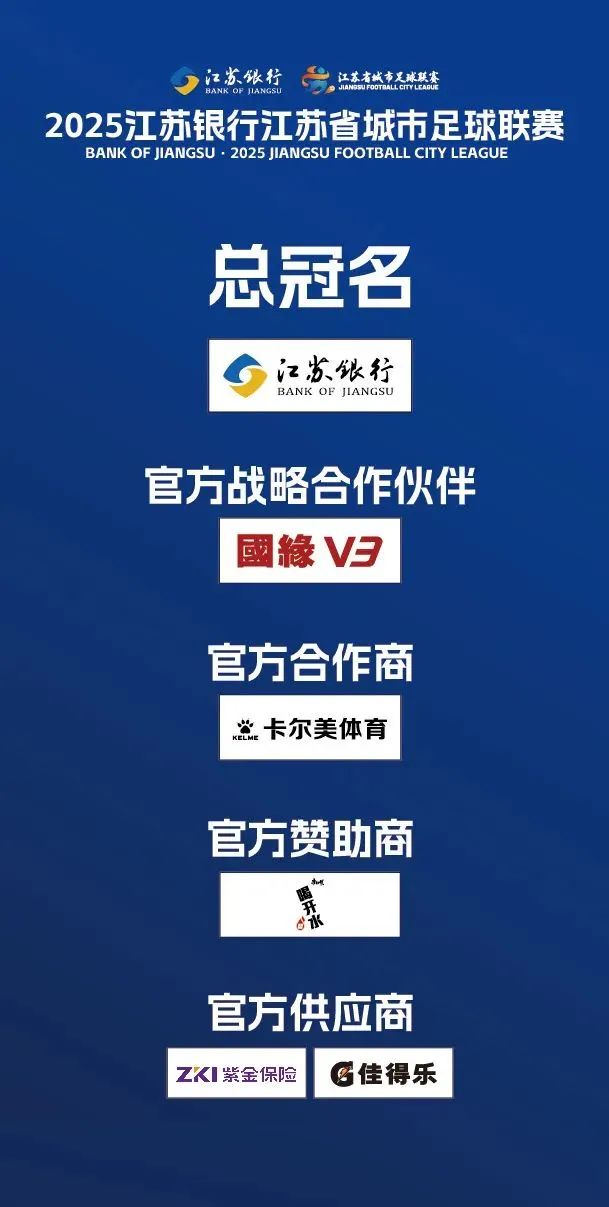
6月15日晚,2025年江苏省城市足球联赛("苏超")第四轮激情上演,无锡队2-0力克常州队,摘下赛季 首胜,也暂时摆脱"榜尾"尴尬。这场对阵也被网友戏称"十三妹之争""倒数第一争夺战""赢了还是倒数 第二"。除了无锡和常州,这个周末的"苏超"赛场内,徐州队凭借补时绝杀1比0险胜镇江,淮安与南京1 比1难分高下,扬州与泰州、连云港与苏州也握手言和。 比场内胜负更引人瞩目的是场外的"苏超经济旋风"——苏超赞助商席位已在短短几轮内从6席涨至20 席,苏超整个赛季的官方赞助席位的价格飙升至300万元人民币。 比赛鏖战正酣,商业巨头争相入局赞助 在高流量加持下,苏超整个赛季官方赞助席位的价格飙升至300万元人民币。 "苏超"撬动"赛事+"大蛋糕 贝壳财经记者注意到,"苏超"比赛所撬动的经济效益不可小觑,作为一个业余联赛,"苏超"第一轮时仅 拥有6家赛事赞助商,而截至6月15日,赞助商已经达到20个,是刚开赛时的三倍多,其中不乏行业巨头 和知名品牌。 6月13日,电商行业巨头京东与乳品巨头伊利同日官宣其成为2025年江苏省城市足球联赛的赛事官方赞 助商。目前,在"苏超"的赞助商名单中,总冠名依然为江苏银行(600919 ...



赞助位一“席”难求!“苏超”如何撬动巨大商业价值
Xin Hua Ri Bao· 2025-06-16 13:11
Group 1 - JD.com and Yili announced their sponsorship of the 2025 Jiangsu Province Urban Football League, highlighting the growing commercial value of the event [1][12] - The sponsorship market for the league has seen a significant increase in demand, with many companies eager to participate despite rising costs, indicating the league's popularity [10][13] - The league's sponsorship structure includes various levels, with local companies showing strong interest and investment, reflecting regional pride and economic significance [3][6] Group 2 - Jiangsu Bank's partnership with the league is viewed as a deep integration of finance and sports, leading to substantial growth in deposits and customer acquisition, particularly among younger demographics [4][11] - Local brands, such as Jinshiyuan and other Jiangsu enterprises, have leveraged the league for brand exposure, enhancing consumer recognition and goodwill [4][7] - The league's success has resulted in a notable increase in stock prices for sponsoring companies, with specific examples including a 7.18% rise for Weiweijia and a 15.71% increase for ST United [7][11] Group 3 - The league's rapid growth has attracted a diverse range of sponsors from various industries, including finance, fast-moving consumer goods, and technology, indicating a broadening appeal [11][13] - New sponsors like JD.com and Yili have joined the league, further validating its commercial potential and expanding its reach [12][13] - The rising sponsorship fees, now reaching 3 million RMB for the season, reflect the league's increasing market value and the competitive nature of securing sponsorships [10][13]

奶价调整周期超3年!专家称行业正处爬坡过坎关键期,巨头拼研发寻找“拐点”
Hua Xia Shi Bao· 2025-05-24 06:35
Core Insights - The dairy industry is experiencing a revival due to supportive policies aimed at stabilizing the economy and boosting domestic demand, despite ongoing challenges such as a prolonged decline in milk prices and cost pressures [2][3] - Experts highlight that the transformation in the dairy sector is not just about pricing and distribution, but also involves a technological revolution from farm to table, with a focus on product diversification and quality improvement [2][4] Industry Challenges - The dairy industry faces instability in comprehensive benefits, uncoordinated development between farming and processing, and an imbalance in supply and demand, leading to increased costs and declining profits [3][4] - Recent data indicates a projected 3.1% decline in the dairy product industry sales in 2024, with raw milk production expected to decrease by 2.8% and dairy product output down by 1.9% [3][4] - The average price of fresh milk in major production areas was reported at 3.07 yuan per kilogram as of May 15, reflecting a nearly 30% drop from the peak in September 2021 [3][4] Market Dynamics - Over 80% of the dairy industry is currently facing losses, with the cost of dairy farming still exceeding the price of fresh milk [4] - The supply-demand relationship in the dairy sector is undergoing deep adjustments, with expectations of improvement in the second half of the year, although substantial changes may not occur until next year [4][5] - The low-temperature fresh milk segment has seen its market share increase from 5% in 2018 to 6.6% in 2023, indicating a growing consumer preference for this category [4][5] Innovation and Development - Technological innovation is identified as a key strategy for leading dairy companies to overcome current challenges, with a focus on breeding, smart factories, and dairy processing [6][7] - The aging population is creating significant opportunities in the silver economy, with a projected increase in the elderly population's nutritional needs, prompting the development of specialized dairy products [7][8] - The industry is shifting towards a family nutrition model, with a focus on high absorption of active nutrients and targeted product development for specific consumer groups [7][8]

华宝股份(300741) - 300741华宝股份投资者关系管理信息20250520
2025-05-20 11:50
Group 1: Company Strategy and Vision - The company aims to be a "leader in delicious living," focusing on "green, nutritious, and healthy" missions while strengthening mergers and acquisitions to enhance core capabilities and market presence [2][3] - The company plans to expand into the daily chemical sector, integrating innovative technology and established channels to unlock growth potential [3] Group 2: Research and Development - The company has established a national recognized enterprise technology center and multiple overseas R&D centers, employing 298 R&D personnel, including 79 perfumers, to drive innovation [3][4] - The company emphasizes technological innovation as a key driver for enhancing competitiveness in the flavor and food ingredient sectors [4] Group 3: International Expansion - The company is accelerating its overseas market presence, particularly in Southeast Asia and the Middle East, with a new food technology base in Indonesia set to enhance its international operations [3][4] - The company aims to build a stable overseas market position, focusing on high-growth potential regions [3] Group 4: Profit Improvement Measures - The company plans to leverage technological innovation and global development strategies to enhance operational efficiency and profitability [4] - Strategies include capturing consumer trends, exploring new product markets, and optimizing supply chain management [4] Group 5: Client Base and Market Position - The company has established a diverse client base across various sectors, including partnerships with major brands like Yili and Luckin Coffee [5] - The company’s food ingredient business is a key focus for strategic transformation and growth [5] Group 6: Financial Performance and Future Outlook - The company reported a net loss for 2024 due to goodwill impairment related to edible flavor assets, but aims to enhance its food ingredient business through strategic acquisitions [5] - Future growth will focus on integrating resources across subsidiaries to drive diversification and scale in the food ingredient sector [5][6]

新华都:提供海外全链路电商服务 打开第二增长曲线
Zheng Quan Shi Bao Wang· 2025-05-16 10:13
Core Viewpoint - The company is focusing on expanding into overseas emerging markets and e-commerce platforms to create a second growth curve, leveraging its full-chain e-commerce services for partner brands [1][2]. Group 1: Business Strategy - The company is actively embracing the growth opportunities in overseas emerging markets and e-commerce platforms, providing comprehensive e-commerce services including retail, short video operations, and live-streaming [2]. - The company has established a significant presence in the live-streaming e-commerce sector, with nearly 4,000 square meters of live-streaming bases and 45 live-streaming rooms in key e-commerce cities like Hangzhou and Beijing [1]. Group 2: Industry Expansion - The company has diversified its operations into various sectors including alcoholic beverages, water drinks, daily chemicals, and maternal and infant products, collaborating with well-known brands such as Luzhou Laojiao, Shanxi Fenjiu, and Wuliangye [2]. - The company plans to increase the development of customized products in the liquor industry and will introduce new products in other sectors throughout the year [2]. Group 3: Financial Performance - In 2024, the company achieved a record business scale with a GMV of 8.2 billion yuan, representing a year-on-year growth of 7% [2]. - The company reported an operating income of 3.676 billion yuan, reflecting a year-on-year increase of 30.18% [2]. - The net profit attributable to shareholders reached 260 million yuan, marking a year-on-year growth of 29.61% [2].

行业观察|大热两年后无糖茶正在让出C位,中式养生水加速接棒
Di Yi Cai Jing· 2025-05-15 08:41
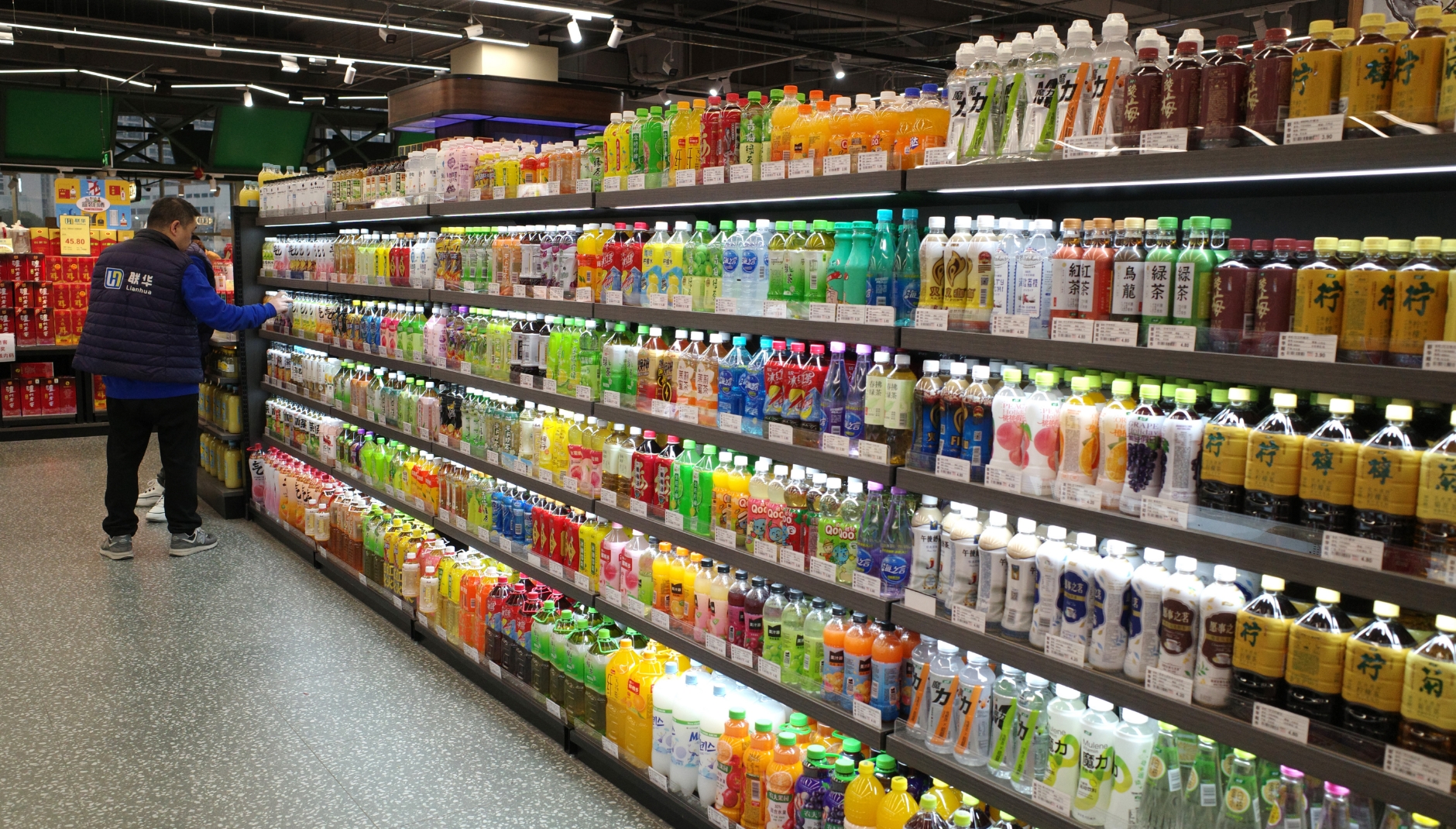
Core Insights - The beverage industry is experiencing rapid shifts in consumer preferences, with the once-popular "sugar-free tea" category showing signs of fatigue as consumers seek healthier and more personalized options [1][4] - The rise of Chinese herbal water is becoming a significant trend, taking market share from sugar-free tea, particularly as the latter's growth slows down [1][4] Market Trends - Despite overall growth in the sugar-free tea market, certain key channels are experiencing negative growth, indicating a shift in consumer interest [1][2] - In 2023, sugar-free tea sales saw a significant increase, but by 2024, the category's popularity is declining as Chinese herbal water gains traction [1][2] Sales Performance - Data from 2024 shows that while sugar-free tea sales were higher than in 2023 for most months, the first three months of 2025 saw a 5% decrease in sales [2] - The leading brand in the sugar-free tea category, Nongfu Spring, reported a revenue of 16.75 billion RMB in 2024, marking a 32.3% year-on-year increase, although its growth rate has slowed compared to previous years [2][4] Competitive Landscape - The market for sugar-free tea is becoming increasingly consolidated, with the top eight companies holding over 95% market share by mid-2024 [2] - Major players like Nongfu Spring and Yuanqi Forest are innovating with new flavors and technologies to maintain their competitive edge in the sugar-free tea segment [4] Emerging Categories - The Chinese herbal water segment is experiencing explosive growth, with a reported sales increase of over 182% in 2024, and is projected to reach a market size of over 30 billion RMB [4] - The rapid growth of Chinese herbal water reflects a broader trend in the beverage industry towards health-oriented products, driven by consumer demand for innovative and functional beverages [4][5]

消费参考丨腾讯音乐变现为重:付费用户增长,整体月活下滑
2 1 Shi Ji Jing Ji Bao Dao· 2025-05-15 01:33
Group 1 - Tencent Music reported a revenue of 7.356 billion yuan in Q1, representing a year-on-year growth of 8.7% and an adjusted net profit of 2.226 billion yuan, up 22.8% year-on-year [1] - The growth in revenue is primarily driven by the rapid expansion of the paid membership business, with online music revenue increasing by 15.9% to 5.8 billion yuan and subscription revenue rising by 16.6% to 4.22 billion yuan [1] - The number of online paid users grew by 8.3% to 122.9 million, with the average revenue per paid user (ARPPU) increasing by 0.3 yuan to 11.4 yuan [1] Group 2 - Despite the revenue growth, Tencent Music's monthly active users for online music services declined by 4.0% year-on-year to 555 million [2] - The focus on paid users has become a common strategy among Tencent's enterprises, as seen with the decline in monthly active users for Tencent's reading platform [2] Group 3 - Tencent Music's social entertainment revenue decreased by 11.9% year-on-year to 1.55 billion yuan, as the company shifts its strategic focus to core music business [3] - The company will no longer separately disclose operational metrics for the social entertainment segment [3] Group 4 - To sustain growth, Tencent Music must continue to promote music paid users, a strategy also mirrored by NetEase Cloud Music [4] - The overall music market is moving towards a stable yet unexciting monetization model, making free music access increasingly difficult [5] Group 5 - On May 14, Tencent Music's stock closed at 61.5 HKD per share, with a gain of 12.84% [6]
贝因美盘中跌停,大股东麻烦缠身
Di Yi Cai Jing· 2025-04-18 07:05
Core Viewpoint - Beiyinmei (002570.SZ) has faced significant challenges following a rapid stock price increase driven by favorable fertility policies, which was interrupted by a regulatory notice highlighting compliance issues and financial irregularities [1][2]. Company Issues - Beiyinmei experienced a stock price surge with 5 limit-up days in 7 trading days from April 8 to April 16, but the momentum was halted after receiving a regulatory notice on April 16, leading to a price drop and a limit-down on April 18 [1]. - The regulatory notice indicated non-compliance in revenue recognition and issues related to non-operational fund occupation by the controlling shareholder during 2021 and 2022 [1]. - The controlling shareholder, Beiyinmei Group, is currently facing legal troubles, including a court-ordered freeze on 47.24 million shares, approximately 35.6% of its holdings, due to a debt enforcement request [1][2]. Financial Performance - Beiyinmei Group's shares are at risk of forced execution due to approximately 200 million yuan in debts and interest, which may lead to passive share reductions [2]. - The company has shown signs of recovery, with a reported revenue of 2.09 billion yuan in Q3 2024, representing an 8.9% year-on-year increase, and a net profit of 70 million yuan, up 45.3% year-on-year [5]. - The recent stock price increase was largely influenced by national fertility policies, but competition from other brands like Feihe, Yili, and Junlebao, which have also introduced substantial fertility subsidies, poses a challenge for Beiyinmei [5].

食品饮料企业争夺餐饮场景
Jing Ji Guan Cha Wang· 2025-04-01 01:52
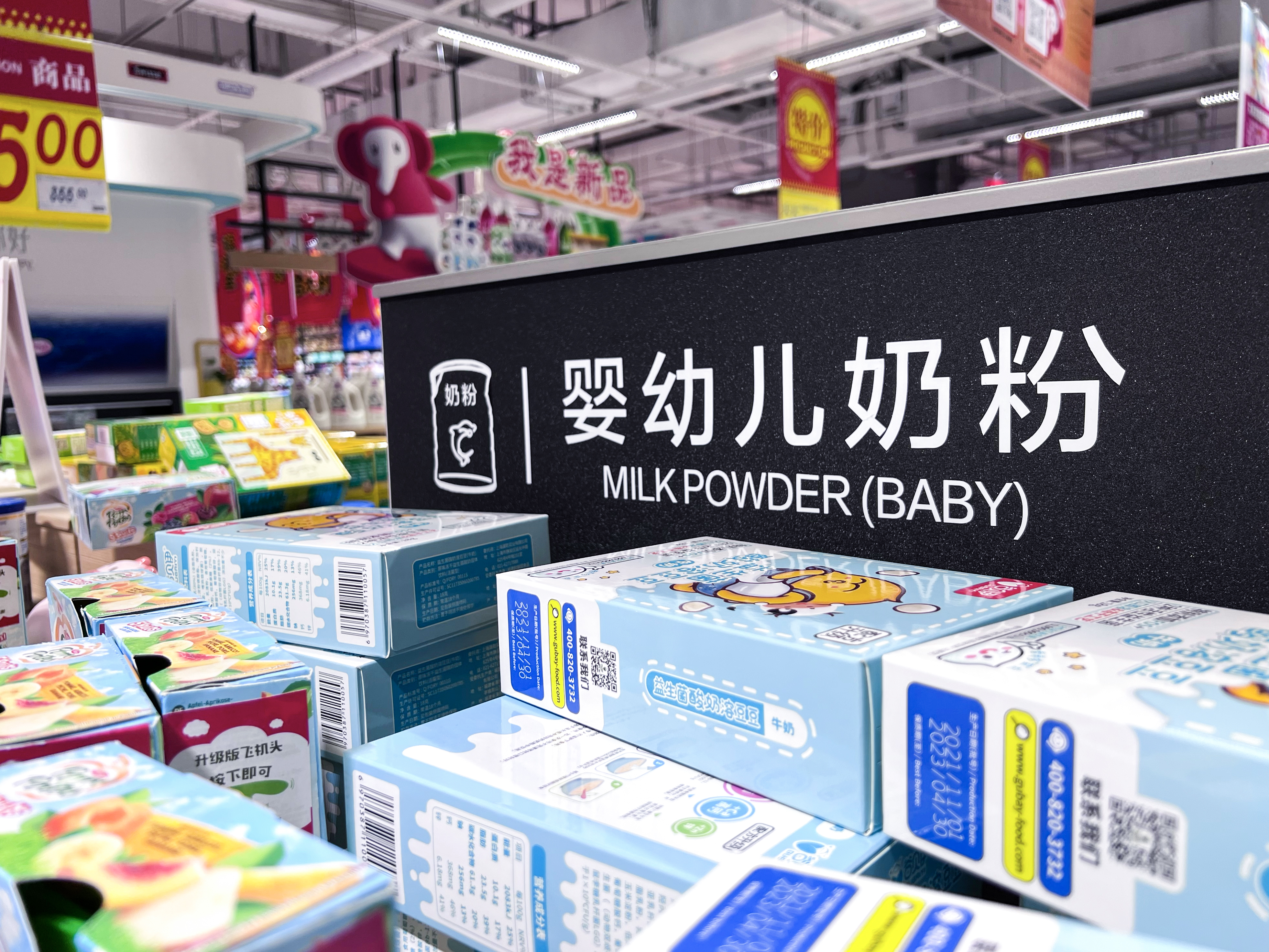
Group 1 - The core viewpoint of the articles highlights the increasing penetration of food and beverage companies into the dining consumption scene, with a focus on product innovation and health-oriented offerings [1][2][3] - The beverage market in dining channels has surpassed 160 billion yuan, growing at an annual rate of 10%, making it a key driver for the overall beverage industry [2] - Major companies like Yili, Yuanqi Forest, and others are launching products specifically designed for dining scenarios, such as low-sugar and probiotic beverages, to meet consumer demands for healthier options [1][2] Group 2 - Companies are increasingly focusing on creating a closed-loop ecosystem that integrates product development, channel adaptation, and consumer engagement to succeed in the competitive dining beverage market [3] - The trend of health-conscious consumption is becoming more prevalent in dining settings, with companies shifting from high-sugar carbonated drinks to healthier dairy-based beverages [2][3] - Several leading industry players, including Nongfu Spring and Master Kong, are prioritizing the dining channel and have designed exclusive products and packaging for this market [2]
“零添加”成调味乳品零食等营销卖点!海天、金龙鱼等回应
Nan Fang Du Shi Bao· 2025-03-29 10:42
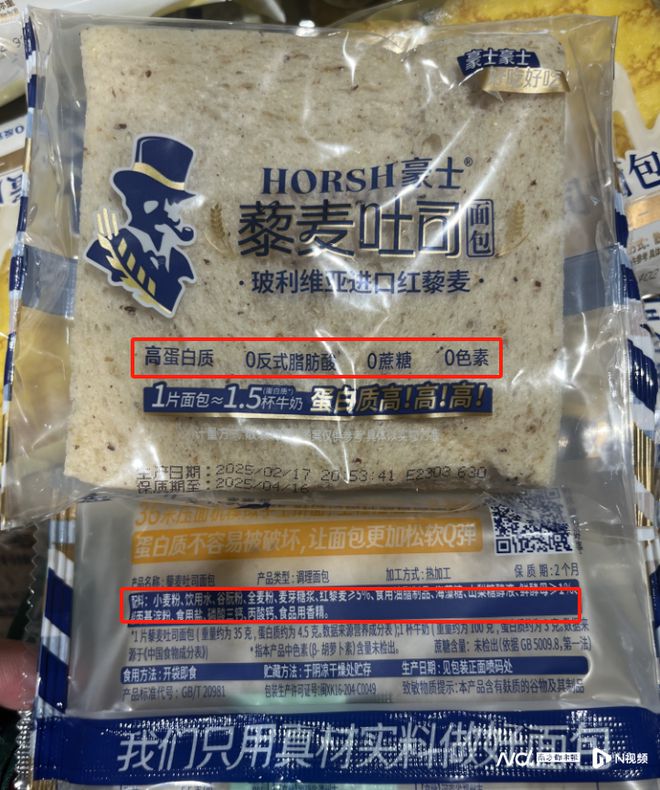
Core Viewpoint - The new food safety standards prohibit the use of terms like "zero added" and "not added" on pre-packaged foods, aiming to address misleading marketing practices in the industry. The implementation date is set for March 16, 2027, allowing companies a two-year transition period to comply [1][2][11]. Group 1: New Regulations - The newly released standards include 59 food safety national standards and amendments, specifically targeting misleading marketing language in pre-packaged food labeling [2][11]. - The revised GB 7718-2025 standard explicitly bans terms synonymous with "not added," such as "zero added" and "no added," to prevent consumer misunderstanding [2][13]. Group 2: Industry Response - Companies like Haidilao, Jinlongyu, and Qianhe have expressed support for the new regulations, indicating a commitment to comply and improve transparency in product labeling [11][12]. - The new regulations are expected to shift the industry focus from "label marketing" to "quality competition," encouraging companies to enhance product development and quality [11][12][14]. Group 3: Marketing Practices - Many brands, including Hao Shi and Wei Chuan, have been found to label products as "zero added" while containing other sugars or additives, highlighting the prevalence of misleading marketing in the industry [3][4][6]. - The dairy sector also sees widespread use of "zero added" claims, with brands like Nayuki and Mengniu promoting products as "zero sugar" or "zero fat," despite containing other forms of sugar [6][7]. Group 4: Consumer Misunderstanding - The marketing of "not added" products has created consumer misconceptions about the safety and quality of food products, leading to increased anxiety over the use of food additives [13][14]. - Experts argue that the new regulations will help consumers return to a more scientifically informed understanding of food safety, reducing the confusion caused by misleading claims [13][14].