瑞幸咖啡

Search documents
狂飙的县城网红店,让北上广打工人穷哭了
3 6 Ke· 2026-02-24 02:26
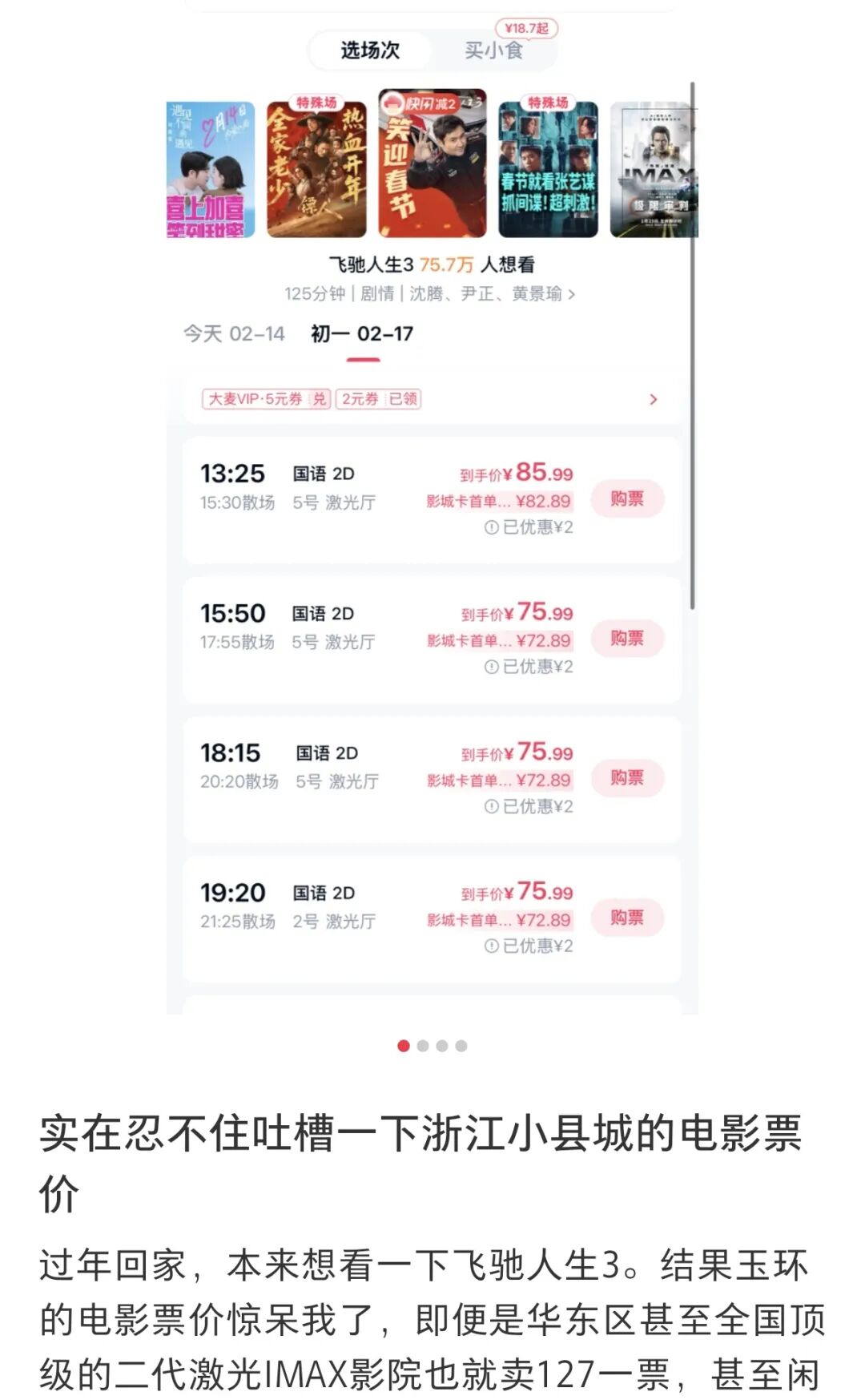
今年春节,不少大城市打工人,没被七大姑八大姨的问候逼疯,却被老家的魔幻物价狠狠捅了一刀。 "北漂十年输给县城中产""县城物价倒挂""回家过年被小城市消费背刺"等词条接连登上热搜,小红书、抖音成了返乡打工人抱团取暖的阵地。 不是打工人没钱,而是县城的物价打碎了他们对老家消费的"低价滤镜"。 毕竟9.9元的咖啡在一线城市遍地都是,县城的网红咖啡馆一杯拿铁敢卖58元;全国春节档电影票均价45元,小县城敢卖到90元一张;大城市各种"穷鬼餐 厅"争奇斗艳,老家饭店春节套餐888元起步还得抢着订。 这些隐藏在衣食住行中的"消费刺客",不仅打破大家对下沉市场的认知,更让返乡打工人的消费观崩塌。 县城物价,凭什么如此倒反天罡? 月薪上万的打工人, 被县城物价疯狂背刺 在大家固有印象里,县城原本是大城市打工人的避风港,月薪五千也能活得很滋润。 然而,当手握上万月薪的城市精英们回到县城,本以为是衣锦还 乡,没想到却成了被物价按头的"穷鬼"。 县城对北上广打工人的背刺,藏在每一个看似日常的消费场景里,却总能戳中打工人的痛点。 最初级的背刺感,源于没有对比就没有伤害。2026年的春节档,被誉为"史上最长春节档",但迎来了票房倒春寒。 ...

2026年中国餐饮行业报告:连锁化进程加速,加盟模式主导行业发展
Qin Ce Xiao Fei Yan Jiu· 2026-02-24 01:45
2026年中国餐饮行业报告 ——连锁化进程加速,加盟模式主导行业发展 目录 中国餐饮行业现状: 创业门槛走低, 餐饮业从"增量竞争"到"存量竞争" 1 中国餐饮行业产业链: 2 传统成本管控面临转型 中国快餐行业现状: 连锁化进程加速, 加盟模式主导行业发展 3 2025年中国消费市场稳健增长,餐饮韧性凸显,结构优化加速 83,731 40,941 37,174 41,326 42,287 38,780 39,668 41,971 46,291 43,898 45,136 9,792 4,236 4,167 4,578 4,708 4,504 4,496 4,509 5,199 6,057 5,738 4.00% 5.90% 5.10% 6.40% 4.80% 3.70% 3.40% 3.00% 2.90% 1.30% 0.90% 4.30% 5.60% 5.20% 5.90% 0.90% 1.10% 2.10% 0.90% 3.80% 3.20% 2.20% - 20,000 40,000 60,000 80,000 100,000 120,000 1-2月 3月 4月 5月 6月 7月 8月 9月 10月 ...
招银国际焦点股份
Zhao Yin Guo Ji· 2026-02-23 10:50
Group 1: Stock Recommendations - 吉利汽车 (Geely Auto) has a market cap of $23.4 billion, with a target price of $25.00, indicating an upside potential of 48%[5] - 正力新能 (Zhengli New Energy) has a market cap of $2.8 billion, with a target price of $18.00, indicating an upside potential of 113%[5] - 极兔速递 (Jitu Express) has a market cap of $12.2 billion, with a target price of $13.40, indicating an upside potential of 25%[5] - 三一国际 (Sany International) has a market cap of $6.2 billion, with a target price of $20.60, indicating an upside potential of 37%[5] - 瑞幸咖啡 (Luckin Coffee) has a market cap of $11.0 billion, with a target price of $54.68, indicating an upside potential of 41%[5] Group 2: Performance Overview - The basket of 26 long positions had an average return of -2.3%, outperforming the MSCI China Index, which returned -2.4% by 0.1 percentage points[10] - Out of the 26 stocks, 11 had returns exceeding the benchmark[10] - The report includes a new addition of Datadog (DDOG US) to the buy list, while Salesforce (CRM US) has been removed[7]





雀巢销售额下滑2%至7285.3亿元,提价策略遭遇全球挑战
Sou Hu Cai Jing· 2026-02-22 16:11
Core Viewpoint - Nestlé Group is facing significant challenges in its pricing strategy amid global economic fluctuations and inflation pressures, leading to a slight decline in annual sales and net profit [2][5]. Financial Performance - In 2026, Nestlé reported annual sales of 89.49 billion Swiss francs (approximately 728.53 billion RMB), a decrease of 2% compared to the previous year [2]. - The company's net profit fell by 17% to 9 billion Swiss francs, marking a rare decline [5]. Pricing Strategy and Market Response - Nestlé's aggressive pricing strategy, implemented in response to a doubling of coffee bean and cocoa costs, contributed 2.8% to annual sales growth, while actual sales volume growth was only 0.8% [2]. - Price increases in the candy and coffee segments reached 10.6% and 6.0% respectively, but consumer sensitivity to these price hikes has led to a shift towards private label brands, resulting in customer loss [3]. Challenges in Key Markets - In the Greater China region, Nestlé faced a significant organic growth rate of -6.4%, with an internal growth rate of -4.5% and a pricing contribution rate of -1.9%, which heavily impacted the overall performance of the group [3]. - The company experienced non-operating losses due to a recall of infant formula linked to contamination, leading to an inventory write-down of approximately 1.1 billion Swiss francs (about 895 million RMB) and potential sales losses of up to 1.2 billion Swiss francs (about 977 million RMB) in 2026 [3]. Strategic Adjustments - Nestlé's CFO indicated that the company is adjusting its business model in China from a distribution-driven approach to one focused on consumer demand, which is expected to gradually alleviate growth impacts by the second half of 2026 [4]. - The company has identified four core pillars for future growth: coffee, pet care, nutrition, and food & snacks, with the first three accounting for 70% of total sales [5]. Organizational Changes - Nestlé is undergoing a restructuring process, including the integration of its nutrition and health science units and the potential divestiture of its remaining ice cream business [5]. - The company plans to reduce its workforce by approximately 16,000 positions, representing 6% of its total employees, as part of its efforts to streamline operations [6].


“涨价”策略失灵叠加“黑天鹅”事件,雀巢忙“瘦身”自救
Jing Ji Guan Cha Wang· 2026-02-22 12:03
Core Insights - Nestlé is facing significant challenges due to inflationary pressures and demand fluctuations, leading to a peak in its price increase strategy that is now failing in global markets [1] - The company reported a 2% decline in sales for 2025, with total sales reaching 89.49 billion Swiss francs (approximately 728.53 billion RMB) [1] - The aggressive pricing strategy contributed 2.8% to annual sales growth, but the actual internal growth rate was only 0.8%, indicating reliance on pricing rather than volume [1] Group 1: Financial Performance - In 2025, Nestlé's net profit fell by 17% to 9 billion Swiss francs, marking a rare and significant decline [3] - The Greater China region experienced an organic growth rate of -6.4%, with an internal growth rate of -4.5% and a pricing contribution rate of -1.9%, significantly dragging down overall performance [2] Group 2: Strategic Adjustments - The company is shifting its business model from distribution-driven to consumer demand-driven, focusing on reducing channel inventory and rebuilding marketing and innovation capabilities [3] - Nestlé has identified four core pillars for future growth: coffee, pet care, nutrition, and food & snacks, which together account for 70% of its sales [3] Group 3: Operational Challenges - A recall of infant formula due to contamination resulted in a non-operating loss of approximately 110 million Swiss francs (about 895 million RMB) and potential sales losses of up to 1.2 billion Swiss francs (about 9.77 billion RMB) in 2026 [2] - The company is negotiating the sale of its remaining ice cream business, which is a significant strategic move following the divestiture of its water business [4] Group 4: Market Competition - Nestlé's coffee business is facing intense competition from brands like Luckin Coffee and Kudi, which are impacting its supply chain costs [4] - The company is attempting to innovate within the coffee segment by introducing new products to adapt to changing consumer preferences [4] Group 5: Workforce Optimization - Nestlé plans to reduce approximately 16,000 jobs, equivalent to 6% of its total workforce, as part of a broader effort to optimize its organizational structure [5] - The company is under pressure to adjust its human resources in response to performance challenges across various product lines [5]
【申万宏源研究春节见闻】集安:东北边境小城的消费暖意与产业韧性
Xin Lang Cai Jing· 2026-02-22 06:00
Group 1: Tourism and Cultural Industry Upgrade - The winter tourism experience in Jilin Province's Ji'an has evolved, combining "ice and snow" with border tourism, attracting significant visitor interest during the 2026 Spring Festival [2][14] - The local government has implemented urban lighting projects that enhance nighttime economy, transforming public spaces into visually impactful tourist attractions [2][14] - There has been a noticeable shift in local product offerings, with traditional items being repackaged into more appealing formats, reflecting a growing brand awareness among local businesses [2][14] Group 2: Infrastructure Development - Recent investments in infrastructure, particularly in the G331 National Road, have improved transportation efficiency, reducing friction costs in regional economic activities [6][18] - The enhanced transportation network connects Ji'an to major cities like Shenyang and Changchun, facilitating better logistics and information flow [6][18] Group 3: County-Level Consumption Changes - The retail landscape in Ji'an is undergoing significant transformation, with major brands from first-tier cities entering the market, leading to increased competition and improved service standards [7][19] - Local businesses are demonstrating resilience and innovation, adapting to the presence of chain brands by offering unique products and experiences that cater to both local tastes and modern trends [7][19] - Social dining experiences, such as communal gatherings around hot pots, remain popular, indicating a strong consumer willingness to spend on social interactions rather than just products [7][19]

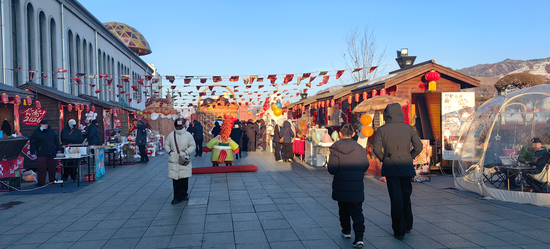
县城精品咖啡馆 , 靠春节“续命”
3 6 Ke· 2026-02-22 01:51
Core Insights - The article discusses the challenges faced by independent coffee shops in small towns, particularly in the context of rising competition from larger chain brands like Starbucks and Luckin Coffee, which have begun to dominate the market [2][3][9]. Group 1: Market Dynamics - The coffee market in China has seen significant growth, with the market size exceeding 380 billion yuan in 2021, and independent coffee shops initially thrived due to a lack of competition [6][18]. - In 2023, the growth rate of the coffee market in small towns surged to 66.68%, contrasting with the stagnation in first-tier cities, indicating a shift in consumer behavior and market dynamics [18][19]. - Major brands like Luckin Coffee and Starbucks are aggressively expanding into lower-tier cities, increasing competition for independent coffee shops [19][20]. Group 2: Consumer Behavior - Consumers in small towns are increasingly drawn to coffee shops for social and recreational purposes rather than as a daily necessity, making it difficult for independent shops to secure repeat customers [22]. - The average price of coffee in these shops, ranging from 30 to 40 yuan, does not align well with the average spending habits of local consumers, who often prefer cheaper alternatives [22][15]. Group 3: Operational Challenges - Independent coffee shops face high operational costs, including rent and employee wages, which can lead to financial strain, especially during off-peak seasons [10][11]. - Many independent coffee shop owners rely heavily on the revenue generated during the Chinese New Year holiday to sustain their businesses throughout the year, highlighting the seasonal nature of their income [12][18]. Group 4: Competitive Strategies - Some independent coffee shop owners are exploring alternative business models, such as collaborating with local communities or leveraging social media to enhance their visibility and customer loyalty [25]. - The article notes that while some independent shops struggle, others with established customer bases have managed to thrive despite the influx of larger brands [25].



JK FUN新春嘉年华一日攻略,从早到晚嗨玩不重样
Xin Lang Cai Jing· 2026-02-21 04:54
Core Viewpoint - JK FUN Mall is hosting a Spring Festival Carnival, transforming from the former Dongbi Qulong Market into a trendy destination that combines outdoor and underground commercial spaces, offering a unique experience for visitors during the Year of the Horse celebrations [1] Group 1: Event Highlights - The carnival features a variety of activities, including traditional folk events and food markets, allowing visitors to enjoy a full day of entertainment from morning to night [1][10] - Daily limited events include sugar painting, dough figurine making, and calligraphy, each offering a unique cultural experience [10] - The mall showcases a diverse range of food options, from traditional snacks to international cuisines, catering to various tastes and preferences [14] Group 2: Morning Activities - The day starts with a healthy breakfast featuring freshly brewed coffee and baked goods, setting a positive tone for the festivities [7] - Active visitors can engage in sports at facilities like EYESIN tennis courts or LeKe fitness centers, promoting a vibrant start to the day [6] Group 3: Afternoon Leisure - After a busy morning, visitors can relax in the mall, enjoying drinks and exploring creative stalls, beauty services, and art displays [17] - The mall offers a variety of shopping options, including trendy gifts and seasonal items, enhancing the festive atmosphere [17] Group 4: Evening Experience - The evening culminates with a romantic atmosphere created by the snow-themed light displays, providing a picturesque setting for visitors [20] - After dinner, guests can enjoy desserts and explore the night market, concluding their day with a festive spirit [20]

万店巨头再打9.9元价格战,“中国版肯德基”杀入红海市场
创业邦· 2026-02-18 01:08
Core Viewpoint - The introduction of the "9.9 yuan" coffee monthly card by Wallace, a fast-food brand, is a strategic move to attract customers and increase sales frequency, amidst ongoing price wars in the coffee market [6][10]. Group 1: Company Overview - Wallace, founded in 2001, is known for its low-priced Western fast food, primarily targeting lower-tier cities in China, and has over 19,000 stores, making it a significant player in the market [4][8]. - The company has faced challenges, including food safety issues and a low profit margin of 2.88% in 2024, prompting a strategic shift to improve operational efficiency [10]. Group 2: Market Context - The coffee market has seen intense competition, with brands like Luckin and Kudi previously engaging in aggressive pricing strategies, leading to a "coffee war" that has influenced consumer expectations [6][19]. - The introduction of low-priced coffee options by fast-food chains is part of a broader trend to enhance customer experience and increase average transaction values [6][19]. Group 3: Strategic Implications - Wallace's "9.9 yuan" coffee monthly card aims to leverage low pricing as a means to drive traffic to its core fast-food offerings, similar to strategies employed by McDonald's and KFC [16][19]. - However, the sustainability of such low-price strategies is questioned, as they may lead to low customer loyalty and potential harm to brand value in the long term [19].



餐饮茶饮集体涨价,为啥大家都放弃了低价策略?
Bei Jing Ri Bao Ke Hu Duan· 2026-02-17 07:46
Group 1 - The core point of the article is the collective price increase in the restaurant and beverage market, which marks a shift from the previously dominant low-price strategy [1][3] - Major brands like KFC and McDonald's have recently raised prices, with KFC adjusting delivery prices by an average of 0.8 yuan while keeping dine-in prices unchanged [1][2] - Other brands such as Nayuki, Luckin Coffee, and others are also increasing prices, typically by 1-2 yuan, to balance costs and profits [1][2] Group 2 - The abandonment of low-price strategies is attributed to rising operational costs, particularly in raw materials, with fresh fruit prices increasing by 4.4% as of December 2025 [5][7] - The competitive landscape in the restaurant and beverage market has intensified, with new brands emerging and consumer demand shifting towards quality and experience, necessitating increased investment in product innovation [7][8] - Price increases are seen as a necessary response to cost pressures and market competition, but companies must also focus on establishing sustainable profit models rather than relying solely on price wars [8][10] Group 3 - The risk of collective price increases lies in potential strategic disagreements among leading companies, which could lead to market disruption if a major player opts to maintain lower prices [10] - If a brand like Mixue Ice City maintains low prices while others raise theirs, it could attract consumers away from mid-tier brands, creating a market divide [10]