奈雪的茶

Search documents
消费降级浪潮下,五元奶茶与临期食品成新宠?
Sou Hu Cai Jing· 2025-06-23 14:57
Group 1: Industry Overview - The consumption landscape is evolving, with a notable shift towards rational and affordable spending among consumers, particularly the younger generation [1][2] - The high-end tea beverage market, exemplified by Nayuki, is facing significant challenges, with a reported revenue of 4.921 billion yuan in 2024, a year-on-year decline of 4.7%, and a loss of 919 million yuan [1] - The tea beverage market has seen a drastic closure of 197,000 stores nationwide from November 2023 to November 2024, with major cities like Shenzhen, Shanghai, and Dongguan witnessing over 2,000 closures [1] Group 2: Company Performance - Mixue Ice City stands out in the competitive landscape, achieving a revenue of 24.8 billion yuan in 2024 and a gross profit of 8 billion yuan, with over 45,000 stores globally [1] - The shift in consumer preferences is evident as young consumers now favor low-priced options, such as Mixue's 5 yuan per cup tea, reflecting a broader trend in spending habits [1][2] Group 3: Broader Economic Implications - The decline in pork prices and the rise of near-expiry food products indicate a wider change in consumption patterns across all age groups, not just the youth [2] - Pinduoduo's recent struggles, with significant declines in revenue and profit, highlight the impact of consumption downgrade and the challenges in stimulating consumer spending [5] - The importance of consumption as a new engine for economic growth is emphasized, especially as the investment-driven growth model becomes saturated [5][7]

星巴克“出售”中国业务:高瓴拟收购只是一角丨消费一线
2 1 Shi Ji Jing Ji Bao Dao· 2025-06-23 13:33
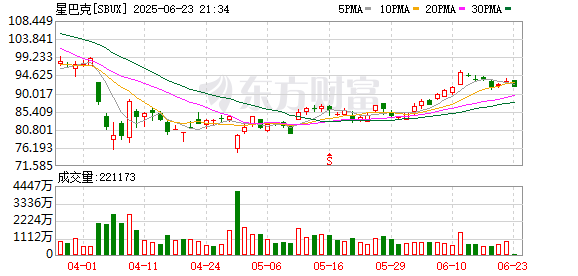
Core Viewpoint - Starbucks is seriously considering restructuring its business in China, including finding partners or even selling equity in its Chinese operations, with the process accelerating [2][3][4]. Group 1: Potential Sale and Interest from Investors - Hillhouse Capital has recently participated in a reverse management roadshow for Starbucks China, expressing interest in acquiring the business, alongside other investment firms like Carlyle and Xincheng Capital [2]. - Starbucks China is estimated to be valued between $5 billion to $6 billion, with the transaction expected to continue until 2026 [2]. - Starbucks CEO Brian Niccol mentioned that there is significant interest from investors in the potential sale of a stake in the Chinese business, highlighting the brand's growth potential and plans to increase store count from 8,000 to 20,000 [4][5]. Group 2: Performance and Competitive Landscape - Starbucks China reported revenue of $739.7 million (approximately 5.317 billion RMB) for the latest fiscal quarter, showing a year-on-year growth of 5%, with same-store sales flat and a 4% decline in average transaction value [7]. - In contrast, domestic coffee brand Luckin Coffee saw a revenue increase of 41.2% to 8.87 billion RMB in the same period, with a significant increase in both self-operated and franchise store revenues [7]. - As of the end of March 2025, Luckin had 24,097 stores, significantly outpacing Starbucks, which had 7,758 stores [7]. Group 3: Pricing Strategy and Market Position - Starbucks has recognized its pricing disadvantage and has initiated a price reduction strategy for several popular products, with average price cuts of around 5 RMB [11]. - The average transaction price for Starbucks is 46.74 RMB, compared to 14.49 RMB for Luckin and 10.4 RMB for Kudi, which has implemented aggressive pricing strategies [10]. - Despite the competitive pricing landscape, Starbucks maintains a strong brand presence and customer experience, which are seen as key advantages in the market [12][13]. Group 4: Operational and Cultural Considerations - Starbucks has developed a mature operational system and employee training ecosystem, which contrasts with competitors that rely heavily on temporary workers [13]. - The potential introduction of domestic shareholders could enhance local decision-making and operational flexibility, similar to the experience of McDonald's in China [14].

喝5元奶茶,吃临期食品,消费正回到十年前!
Sou Hu Cai Jing· 2025-06-23 08:56
Group 1: Industry Overview - The consumption sector is becoming increasingly important, but the growth effect from consumption is lower than expected [1] - The tea beverage industry, particularly the milk tea segment, has seen significant closures, with 197,000 stores shutting down from November 2023 to November 2024 [1] - Nayuki's Tea reported a revenue of 4.921 billion yuan in 2024, a year-on-year decline of 4.7%, with a loss of 919 million yuan [1] Group 2: Market Leaders - Mixue Ice City has emerged as the largest winner in the milk tea market, boasting over 45,000 stores globally and a revenue of 24.8 billion yuan in 2024, with a gross profit of 8 billion yuan [3][4] - The low price point of Mixue Ice City, with drinks priced around 5 yuan, has allowed it to achieve growth amidst a contracting market [4] Group 3: Consumer Behavior Changes - There is a notable shift in consumer behavior, with younger generations now favoring low-cost options, contrasting with previous trends where premium brands were preferred [5][6] - The price sensitivity among consumers has increased, leading to a preference for affordable products like milk tea and discounted food items [23] Group 4: Broader Economic Implications - The decline in consumption is not limited to the milk tea sector but is reflected in other food categories, such as pork, which has seen prices drop to around 10 yuan [10][11] - The rapid growth of the near-expiry food market indicates a shift in consumer preferences, with projections suggesting the market could exceed 200 billion yuan by 2029 [12][13] Group 5: E-commerce Trends - Pinduoduo's revenue for Q1 was 95.67 billion yuan, up from 86.81 billion yuan year-on-year, but the company faced a significant drop in net profit, indicating challenges in the e-commerce sector [17] - The decline of Pinduoduo is attributed to a combination of factors, including a lack of government subsidies and increased competition from other e-commerce platforms [17] Group 6: Economic Transition - The shift from investment-driven growth to consumption-driven growth is crucial for the economy, as over-reliance on investment has led to inefficiencies and excess capacity in various sectors [18][20] - The importance of stimulating consumption is emphasized as a means to support employment and income growth, particularly in light of a large number of college graduates entering the job market [22][23]

新茶饮加速出海:高投入之下 盈利曙光何时现?
Xi Niu Cai Jing· 2025-06-23 08:55
近年来,新茶饮行业掀起出海浪潮,众多品牌积极拓展海外市场,试图在全球饮品版图上占据一席之地。不过,海外市场虽充满机遇,却也荆棘丛生,品牌 在探索过程中面临着诸多考验。 今年2月23日,喜茶首家海外LAB店在美国纽约时代广场开业,并打造全球首个TEA LAB创新实验空间,还单独设立TEA LAB系列产品线,部分高端产品价 格接近10美元。自进驻美国市场以来,喜茶已在美国开出逾20家门店。 今年4月26日,霸王茶姬首家北美门店正式对外试运营,选址位于美国洛杉矶人气商场Westfield Century City,紧邻比佛利山庄和西洛杉矶等重要区域。 瑞幸今年首家门店选址则位于纽约东村东八街,据"剁椒Spicy"援引业内人士的话报道称,瑞幸在曼哈顿的两家店也马上就要开业,前十家店采用直营模 式,冰美式定价2美元至3美元,与星巴克6美元形成价格错位。 除了在美国开始发力以外,东南亚依旧是茶饮品牌出海的关键区域。蜜雪冰城凭借亲民价格和灵活多样的店型,迅速在东南亚下沉市场铺开。 霸王茶姬和奈雪的茶则走高端路线。霸王茶姬聚焦马来西亚和新加坡,以星巴克为参照选址核心商圈。据其财报披露,2025年一季度霸王茶姬海外市场总 GM ...

青蛙、过期奶、蟑螂三连击,奈雪品控失守背后:去年亏损超9亿
凤凰网财经· 2025-06-23 08:54
Core Viewpoint - The article highlights a significant food safety incident involving Nayuki Tea, where a complete frog was found in a cup of tea, raising serious concerns about the company's quality control and food safety standards [1][4][5]. Group 1: Incident Details - A video surfaced showing a frog's body floating in a cup of Nayuki Tea, which closely resembled dried jasmine flowers, making it difficult to detect [2][4]. - This incident is not isolated; Nayuki has faced multiple food safety issues in the past, leading to public outrage and scrutiny of its supply chain quality control [4][5][12]. - Following the incident, Nayuki contacted the affected customer and collected samples for investigation, promising to adhere to food safety laws for compensation [10][11]. Group 2: Historical Context - Nayuki has a history of food safety controversies, including reports of unsanitary conditions and the use of expired ingredients, which have led to regulatory actions and fines [12][15]. - In 2021, investigations revealed various hygiene issues, prompting Nayuki to apologize and implement corrective measures [12]. - In 2022, Nayuki faced penalties for using expired milk, which gained significant media attention [15]. Group 3: Financial Performance - Nayuki reported a revenue of 4.921 billion yuan in 2024, a decline of 4.7% year-on-year, with a net loss of 919 million yuan compared to a profit of 20.9 million yuan in 2023 [20]. - The company's operational challenges include a significant increase in expenses, particularly in advertising and other operational costs, leading to a net cash flow from operating activities dropping by 75.7% [20][23]. - The average daily order volume at Nayuki's self-operated stores fell by 21.43% in 2024, indicating a decline in customer demand and sales performance [26][28]. Group 4: Business Model Changes - Nayuki has begun transitioning from a solely self-operated store model to include franchise operations, with a notable increase in franchise stores from 81 to 345 by the end of 2024 [25]. - The reduction in self-operated stores from 1,574 to 1,453 suggests a strategic shift in response to declining sales and operational challenges [25][26].

泡泡玛特、蜜雪冰城和老铺黄金:三家千亿公司,三种稀缺性
创业邦· 2025-06-23 04:07
Core Viewpoint - The article discusses the rise of three new consumption brands in Hong Kong: Mixue Ice City, Pop Mart, and Laopu Gold, highlighting their unique business models and market strategies that cater to different consumer needs and preferences [5][7][23]. Group 1: Business Models - Mixue Ice City focuses on efficiency by offering low-priced products and expanding through a franchise model, supported by a highly efficient supply chain [10][20]. - Pop Mart capitalizes on emotional engagement through its collectible toys, creating a strong brand narrative and high market expectations, reflected in its elevated price-to-earnings ratio [10][12]. - Laopu Gold targets cultural identity and high-net-worth consumers by positioning itself as a luxury brand, successfully bridging the gap between traditional gold products and modern luxury [15][16]. Group 2: Market Performance - In 2023, the average stock price increase for these brands exceeded 200%, with a total market capitalization surpassing 700 billion HKD, indicating strong investor interest [3][5]. - Pop Mart's market capitalization has fluctuated significantly, reaching a peak of over 100 billion HKD shortly after its IPO in 2020, but later experiencing a decline of over 90% before recovering to around 37 billion HKD by mid-2024 [7][12]. - Laopu Gold has shown remarkable growth, with its revenue increasing from 130 billion CNY in 2018 to 1,573 billion CNY in 2023, demonstrating its successful market penetration [15][16]. Group 3: Channel Strategies - Mixue Ice City operates over 46,000 stores globally, primarily through a franchise model, while maintaining a low-cost structure that allows for competitive pricing [25][44]. - Pop Mart and Laopu Gold utilize a direct sales model, focusing on high-end retail locations to enhance brand prestige and customer experience [25][26]. - Laopu Gold's average store performance in luxury malls exceeds that of international brands, showcasing its effective positioning in the high-end market [25][26]. Group 4: International Expansion - All three brands began their international expansion in 2018, with Mixue Ice City opening its first overseas store in Vietnam, Pop Mart entering South Korea, and Laopu Gold establishing a presence in Hong Kong [34][35]. - By 2024, Pop Mart's overseas revenue accounted for nearly 40% of its total income, indicating a successful international strategy [37][39]. - Mixue Ice City has established a significant presence in Southeast Asia, with over 4,800 stores, while Laopu Gold is still in the early stages of its international expansion [42][43].

「四大金刚」,挤满商场一楼
投资界· 2025-06-22 07:23
Core Viewpoint - The retail landscape is shifting, with traditional beauty brands being replaced by new categories such as trendy toys, outdoor sports, and tea beverage brands, which are now dominating the first floor of shopping malls [4][5][7]. Group 1: Changing Retail Dynamics - The flagship store of Innisfree, a Korean beauty brand, was replaced by Pop Mart, a trendy toy company, highlighting a significant shift in consumer preferences [4]. - The emergence of the "Four Kings" (trendy toys, outdoor sports, new energy vehicles, and tea beverages) reflects a broader trend where traditional beauty counters are losing prominence in shopping malls [5][6]. - The vacancy rate in shopping malls, even in major cities, has approached 14%, providing an opportunity for the "Four Kings" to establish a presence [7]. Group 2: Impact on Beauty Brands - The number of beauty counters in China has decreased from 15,415 in 2020 to 11,365 in 2022, with low-end beauty counters experiencing the most significant decline [7]. - High-end beauty brands like Chanel and Lancôme continue to maintain their presence in malls despite overall declines in sales, as they contribute to the mall's image and customer traffic [8][9]. - The first floor of shopping malls serves as a "face" for the mall, influencing consumer perceptions and foot traffic [8]. Group 3: The Rise of New Categories - New energy vehicle brands have become a significant presence in shopping malls, with Tesla being a pioneer in this space [11][12]. - The tea beverage sector is rapidly evolving, with brands like Nayuki and Heytea adjusting their pricing strategies to adapt to changing consumer behaviors [15][16]. - The number of tea beverage brands is increasing, with some brands like Bawang Tea Ji opening nearly 3,000 new stores in 2024, indicating a strong expansion trend [16]. Group 4: Strategic Brand Positioning - Brands like Lululemon and Pop Mart are focusing on prime locations in high-end shopping malls, which enhances their brand visibility and consumer engagement [20][22]. - The "Bird Nest Plan" by brands like Arc'teryx emphasizes opening flagship stores in key urban areas, reflecting a strategic shift towards high-value locations [22][23]. - The competition for prime retail space is intensifying, with many mid-tier malls struggling to attract high-end brands, leading to a concentration of successful brands in top-tier malls [23]. Group 5: Future Outlook - The retail environment remains unpredictable, with some brands thriving while others struggle to maintain their presence [24]. - Emerging brands like Mao Geping are successfully expanding in the offline market, demonstrating that opportunities still exist for brands that offer unique customer experiences [24]. - The future of the "Four Kings" and their potential replacements remains uncertain, as consumer preferences continue to evolve [24].

新茶饮决战美国:喜茶纽约开LAB、霸王瞄准比佛利、瑞幸2美元搅局
创业邦· 2025-06-21 10:10
Core Viewpoint - The article discusses the rapid expansion of Chinese tea brands into international markets, particularly focusing on the strategies and challenges faced by these brands in developed countries like the United States and South Korea. The competition is intensifying as brands adopt different approaches to capture market share, with a notable shift from Southeast Asia to more mature markets in the West [4][20][23]. Group 1: Brand Expansion Strategies - Heytea has opened over 20 stores in the U.S., testing high-ticket markets with its LAB store model [5][25]. - Bawang Chaji targets affluent areas like Beverly Hills, with single-store investment costs several times higher than in China [7][27]. - Cha Baidao is boldly challenging the coffee-dominated South Korean market with a differentiated strategy [9][30]. Group 2: Market Performance and Financials - Bawang Chaji's overseas stores generated a GMV of 178 million yuan in Q1 2025, marking an 85.3% year-on-year increase [13][36]. - Despite rapid expansion, overseas revenue for brands like Mixue Ice City remains low, accounting for less than 5% of total revenue [22][50]. - Bawang Chaji's marketing expenses surged from 73.6 million yuan in 2022 to 1.1 billion yuan in 2024, indicating a high-cost strategy [52][53]. Group 3: Market Challenges - The U.S. market presents unique challenges, including high investment costs and lengthy approval processes for store openings, which can take 9-12 months [33][34]. - Compliance with local regulations significantly increases operational costs, as seen with the requirements for seating and restroom facilities in California [56]. - Local competition and imitation brands pose significant threats, complicating market entry and brand protection efforts [56][57]. Group 4: Supply Chain and Operational Efficiency - Bawang Chaji's simplified supply chain focuses on tea, milk, and packaging, resulting in lower logistics costs compared to fruit-based brands [49]. - The complexity of the supply chain for fruit tea brands creates challenges in overseas expansion, with some opting for local sourcing to mitigate costs [49][54]. - The article highlights that over 80% of restaurant brands face failure when expanding internationally, emphasizing the difficulties in establishing a sustainable presence abroad [50].
新西兰总理访华“烘焙首秀”?中国创新产品惊艳中新烘焙交流现场!(文末附总理都点赞的冠军食谱!)
东京烘焙职业人· 2025-06-20 08:48
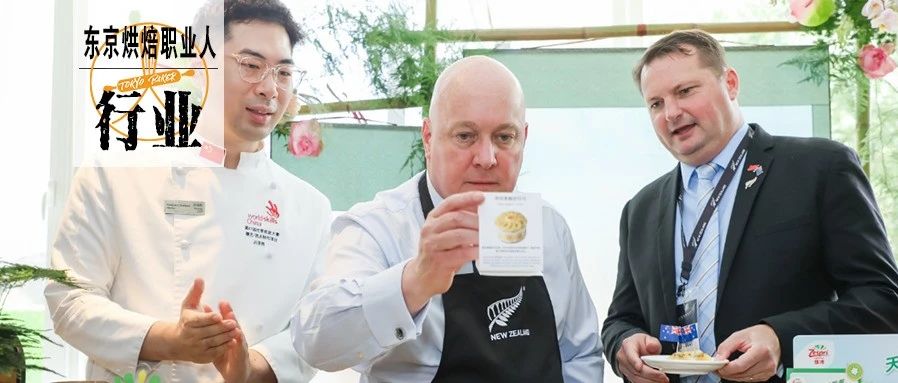
Core Viewpoint - The visit of New Zealand Prime Minister Christopher Luxon to China marks a significant step in enhancing trade relations and cultural exchanges between the two countries, particularly in the baking industry [1][21]. Group 1: Event Overview - Prime Minister Luxon's visit to China included participation in the "New Baking and Drinking Eastern Summer Feast" event, organized by New Zealand Trade and Enterprise to celebrate his visit [3][5]. - The event featured seven New Zealand companies and fifteen leading Chinese baking and tea brands, showcasing a blend of cultural vitality and innovative products [5][6]. Group 2: Cultural Exchange and Collaboration - The event served as a platform for dialogue between New Zealand and Chinese entrepreneurs, emphasizing the potential for collaboration in the baking industry [21][32]. - Luxon highlighted that China is New Zealand's largest trading partner and expressed the desire to deepen trade and cultural exchanges in the baking sector [21][32]. Group 3: Product Innovation - The event showcased creative products designed by world champion bakers, reflecting high levels of professionalism and international vision [8][14]. - A special gift box was presented to the Prime Minister, symbolizing cultural fusion and mutual respect between the two nations [27][29]. Group 4: Previous Initiatives - This event follows the "New Zealand Heartfelt Baking Festival" held in March, which facilitated high-quality dialogue between the food industries of both countries [31][32]. - The festival resulted in the creation of over 30 innovative products, further establishing a collaborative framework for the baking industry [31][32].
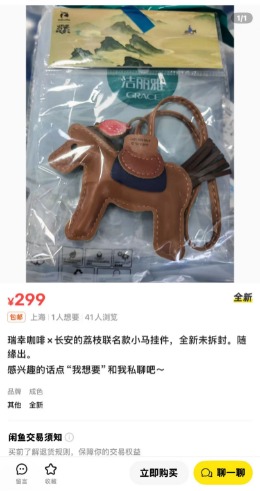
从“酱香拿铁”到“长安的荔枝系列”,2025年的联名也要追求性价比了
Mei Ri Jing Ji Xin Wen· 2025-06-19 14:53
Core Insights - The article discusses the rising trend of collaboration between beverage brands and popular IPs, particularly focusing on Luckin Coffee's recent partnership with the drama "Chang'an's Lychee" and its impact on sales and marketing strategies [1][5][9] Group 1: Collaboration Trends - Luckin Coffee has seen significant success with its IP collaborations, with the "Chang'an's Lychee" series selling out quickly upon release, indicating strong consumer demand [1][3] - The beverage industry has experienced a surge in collaborations, with Luckin Coffee participating in 25 collaborations in 2024, up from 15 in 2023, and other brands like Nayuki Tea and Heytea also engaging in numerous partnerships [3][4] - The overall tea and coffee industry has conducted over 200 collaborations in 2024, reflecting a trend where new product launches are often accompanied by partnerships with popular IPs [3][6] Group 2: Financial Implications - The costs associated with IP collaborations can be substantial, with IP licensing fees alone reaching tens of millions, contributing to increased marketing expenses for brands like Luckin Coffee, which reported a 63.4% year-on-year increase in sales and marketing costs in Q1 2024 [5][6] - Despite the high costs, successful collaborations can lead to significant revenue boosts, as seen with Luckin's "Sauce Fragrance Latte," which generated over 100 million in sales on its launch day [5][6] Group 3: Market Dynamics - The article highlights a potential shift in strategy from high-frequency collaborations ("volume") to more selective and quality-driven partnerships ("quality"), as brands seek to ensure sustainable engagement and customer loyalty [7][8] - There is a growing concern about the diminishing returns of frequent collaborations, with some consumers expressing indifference towards the partnerships, indicating a need for brands to enhance the overall purchasing experience [6][8]