
山姆会员店

Search documents
前阿里高管空降,对山姆和中国用户意味着什么?
3 6 Ke· 2025-10-28 12:21
Core Insights - Walmart China appointed Liu Peng as the president of Sam's Club, indicating a strategic shift towards localized operations in the competitive membership retail market in China [1][3] Group 1: Competitive Landscape - The competition among membership-based supermarkets has evolved from a "warehouse model" to a "localized deep operation" model, necessitating a better understanding of Chinese family needs and refined local supply chains [3][4] - Sam's Club's traditional advantages in global procurement and private label development are being challenged by local competitors like Hema, requiring a shift in strategy to meet local consumer demands [3][4] Group 2: Supply Chain Strategy - The focus is shifting from globalized "goods" to a more refined, member-centric agile supply chain, emphasizing quick responses to member needs and the introduction of products tailored for Chinese consumers [4][5] - Liu Peng's experience at Alibaba is expected to enhance Sam's Club's ability to localize global brands and develop a supply chain that can quickly adapt to consumer preferences [4][5] Group 3: Online and Offline Integration - The integration of online and offline ecosystems is becoming crucial, with data-driven strategies and user lifecycle management being key to sustaining growth in the retail sector [6] - Liu Peng's appointment signals a move towards a more efficient operational model that prioritizes user experience over traditional channel competition, reflecting a broader trend in the retail industry [6][7]


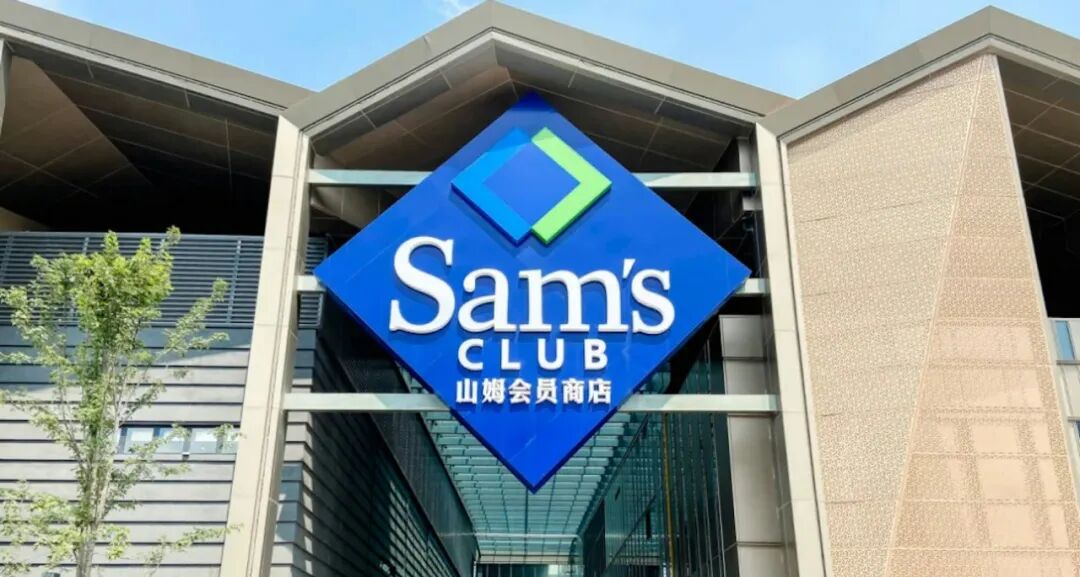
山姆会员店“换帅”,加速下沉中如何拯救“严选”信任?
3 6 Ke· 2025-10-28 01:16
Core Viewpoint - Walmart China has appointed Liu Peng as the president of Sam's Club, indicating a strategic move to enhance its operations and address existing challenges in product selection and quality [1][3]. Group 1: Leadership Changes - Liu Peng, previously with Alibaba, is expected to leverage his international perspective and deep understanding of global supply chains to lead Sam's Club in China [1][3]. - The appointment is seen as a significant step in Walmart's ongoing investment in China and its strategic upgrade [3]. Group 2: Challenges Faced by Sam's Club - Sam's Club has faced increasing issues related to product selection, quality, and food safety, leading to a "crisis of trust" among consumers [3][12]. - Recent incidents include the sale of non-compliant products, such as a defective scooter and children's items, resulting in administrative penalties [6][9]. - Consumer complaints have surged, with over 12,000 complaints recorded on a complaint platform, highlighting growing dissatisfaction [10]. Group 3: Consumer Expectations and Market Dynamics - The shift in product offerings, including the introduction of mainstream brands, has led to a dilution of Sam's Club's brand identity as a premium retailer [12][14]. - Members expect a curated selection of high-quality products, and the introduction of common brands has caused discontent among loyal customers [16][21]. - The economic environment is shifting, with middle-income consumers increasingly prioritizing value for money, which poses a challenge for Sam's Club to maintain its premium positioning [22][23]. Group 4: Expansion and Market Strategy - Sam's Club continues to expand, recently opening its 58th store in Zhangjiagang, indicating a focus on high-income county markets [17][19]. - The store's opening reflects strong demand for quality retail in these areas, aligning with the profile of middle-class consumers [19][21]. - However, the competitive landscape is intensifying, with other retailers also targeting these emerging markets, necessitating a reevaluation of Sam's Club's strategies [26][27].
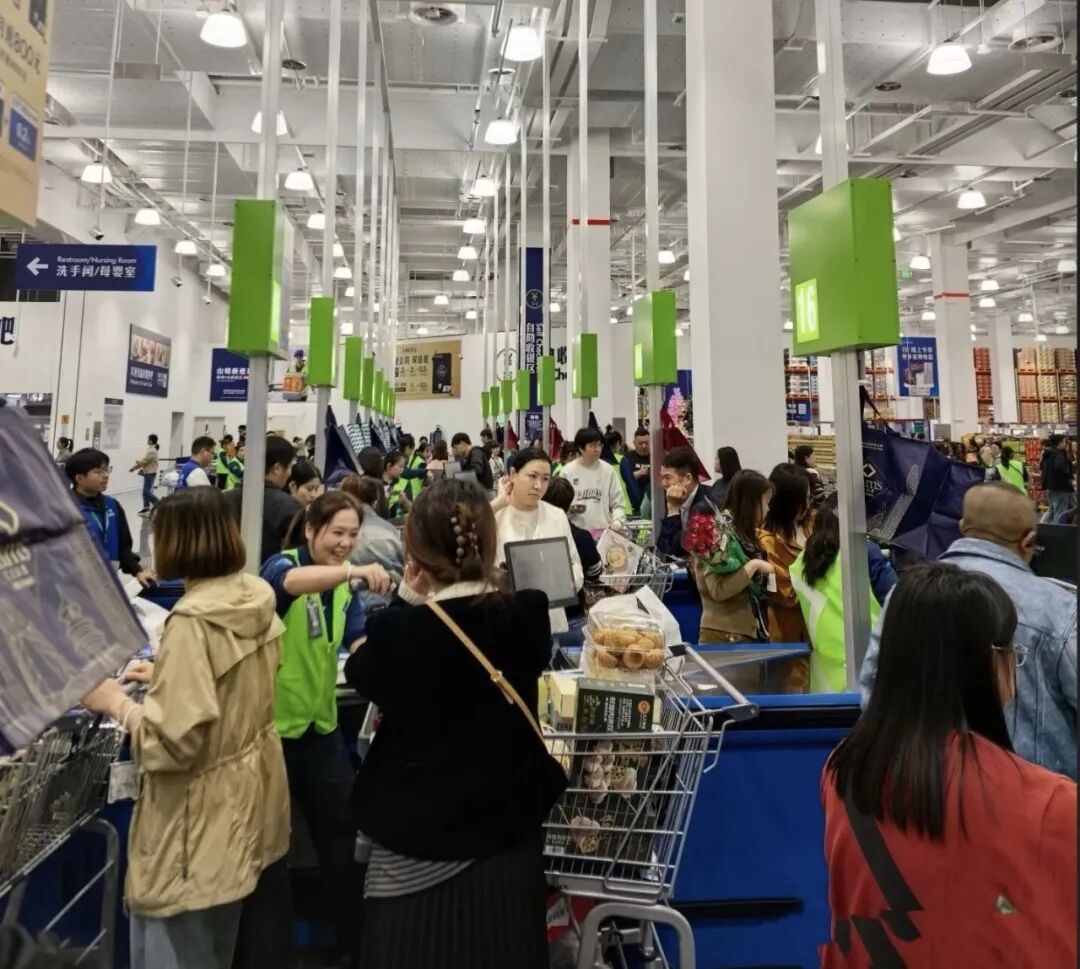
请来前阿里副总裁刘鹏,山姆在中国市场要打什么牌?
Mei Ri Jing Ji Xin Wen· 2025-10-27 14:26
Core Viewpoint - Walmart China has appointed Liu Peng as the President of Sam's Club, marking a significant move in its strategy to enhance investment and upgrade its business in China [2][5]. Group 1: Leadership Changes - Liu Peng has joined Walmart China and will report directly to the President and CEO of Walmart China, Zhu Xiaojing, effective immediately [1]. - Jane Ewing, the acting President of Sam's Club, will conclude her temporary assignment by the end of this year and return to Walmart's international division [1]. Group 2: Liu Peng's Background - Liu Peng previously held several leadership roles at Alibaba Group, including General Manager of Tmall International and Vice President of Alibaba Group [4]. - Before joining Alibaba in 2015, Liu worked at various companies such as Goodbaby China and Haier Group, gaining experience in procurement and marketing [5]. - Liu holds a bachelor's degree in International Trade from Nanjing University of Science and Technology and an EMBA from the University of International Business and Economics [5]. Group 3: Strategic Implications - Zhu Xiaojing expressed confidence in Liu Peng's ability to lead the Sam's Club team towards strategic upgrades, focusing on member-centric capabilities and digital transformation [5]. - Walmart China views Liu as a suitable candidate due to his understanding of Chinese retail and consumer habits, as well as his experience with international brands [5]. Group 4: Current Operations and Challenges - Sam's Club currently operates nearly 60 stores across over 30 cities, with plans to open about five new stores by the end of this year, and e-commerce sales accounting for over 50% of its business [7]. - The company has faced public criticism this year regarding product selection and delivery issues, which are seen as challenges stemming from rapid expansion [8]. - Experts suggest that Liu Peng's appointment may bring necessary internet thinking and local experience to address these operational challenges and balance expansion with member satisfaction [8].

原阿里高管,空降山姆中国
Nan Fang Du Shi Bao· 2025-10-27 12:04
Core Viewpoint - Walmart China has appointed former Alibaba executive Liu Peng as the president of Sam's Club, marking a significant move in its strategy to enhance investment and upgrade its business in China [1] Group 1: Leadership Changes - Liu Peng has a diverse background in leadership roles across various companies, including Alibaba, where he held multiple senior positions [3] - Jane Ewing, who served as the acting president of Sam's Club, will return to Walmart's international division following Liu's appointment [3] - Andrew Miles, the previous president of Sam's Club, retired after 12 years, during which he oversaw significant expansion and strategic changes [3] Group 2: Strategic Adjustments - Under Jane Ewing's leadership, Sam's Club focused on accelerating expansion, enhancing data-driven decision-making, and improving cost efficiency [4] - Sam's Club plans to increase the number of new store openings from 6 to 8-10 annually and expand into lower-tier cities and county-level markets [4] Group 3: Quality Issues - Sam's Club has faced ongoing quality controversies, with numerous complaints about product quality surfacing during Andrew Miles' tenure and continuing under the new leadership [5] - Recent complaints include issues with food quality and safety, leading to significant public backlash and negative media attention [5] - As of now, there are over 12,000 complaints related to Sam's Club on the Black Cat Complaints website, highlighting ongoing consumer dissatisfaction [5] Group 4: Operational Concerns - There have been criticisms regarding the delivery methods used by Sam's Club, particularly concerning the overloading of delivery vehicles [6] - The company has acknowledged these issues and is implementing measures to improve delivery logistics by introducing appropriate vehicles for different types of cargo [6]

山姆迎来新业态总裁,锚定价值深耕
36氪未来消费· 2025-10-27 06:45
Core Viewpoint - Walmart China has appointed Liu Peng as the new president of Sam's Club, signaling a strategic shift in the membership retail sector in China, emphasizing the importance of refined operations and digital transformation to enhance member experience and value [4][11][23]. Group 1: Leadership Change - Liu Peng's appointment is effective immediately, and he will report directly to Walmart China's president and CEO, Zhu Xiaojing [4]. - Jane Ewing, the former president, will complete her term by the end of 2025 before returning to Walmart's international division [4]. - This leadership change is significant given Sam's Club's strong growth trajectory and increasing membership numbers, with a stable rise in renewal rates and activity levels [4][21]. Group 2: Liu Peng's Background - Liu Peng has nearly 30 years of experience across traditional retail and internet giants, including roles at Haier, Suning, and Alibaba [6][8]. - His expertise includes global resource integration, consumer insights in China, and digital capabilities, which are crucial for Sam's Club's future strategies [7][10]. - At Alibaba, he successfully introduced nearly 25,000 overseas brands to the Chinese market, enhancing cross-border logistics and consumer experience [8]. Group 3: Market Dynamics - The Chinese membership retail sector has transitioned from exploration to competition, with both foreign and domestic brands vying for market share through differentiated offerings [13][23]. - Sam's Club has established strong consumer trust and a unique value proposition through its curated product selection and efficient omnichannel services [13][14]. - The market is projected to grow significantly, with retail sales expected to reach 24.55 trillion yuan by mid-2025, indicating a robust environment for membership retail [21]. Group 4: Strategic Focus - The focus for Sam's Club under Liu Peng will be on enhancing its unique competitive advantages, such as exclusive product offerings and refined member experiences [14][16]. - The organization aims to leverage digital capabilities to improve member engagement and operational efficiency, aligning with the evolving consumer expectations for seamless online and offline experiences [18][23]. - The emphasis on data as a valuable asset will drive deeper relationships with members, enabling personalized marketing and product selection [18][24].
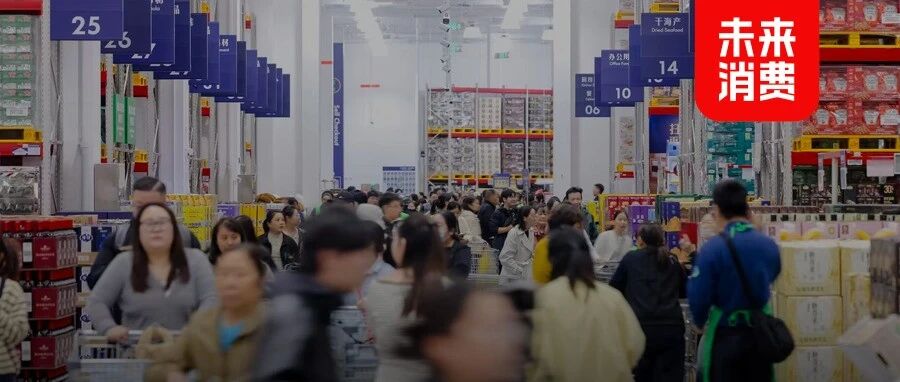
“配料表很干净”背后的隐秘
Sou Hu Cai Jing· 2025-10-25 08:08
Core Insights - The article discusses the growing consumer demand for transparency in food ingredient labeling, particularly in the context of self-branded products in the retail industry [6][20][36] - It highlights the contrast between perceived "clean" ingredient lists and the reality of complex formulations that often include hidden additives [4][14][34] Group 1: Industry Trends - The retail industry is undergoing significant changes, with over 12,000 physical retail stores closing in 2024, including major chains like Walmart and Starbucks [6][8] - Retailers are increasingly turning to private label products as a strategy for differentiation and profitability, with Sam's Club's private label contributing approximately 40% to its sales [8][10] - The demand for "clean" ingredients is driving the growth of private label products, as consumers are willing to pay a premium for perceived health benefits [12][24] Group 2: Consumer Behavior - Consumers are becoming more health-conscious and are increasingly scrutinizing ingredient lists, with 60.43% of consumers considering brand importance [26][28] - There is a growing disconnect between consumer perceptions of "clean" labels and the actual complexity of ingredient formulations, leading to confusion and mistrust [26][30] Group 3: Ingredient Transparency - The concept of "clean label" emphasizes simple and transparent ingredient lists, but many companies still use complex terms to mask the presence of additives [20][24] - The article points out that terms like "peach puree" and "concentrated juice" can obscure the reality of added stabilizers and preservatives, which may not be clearly disclosed [16][19][34] - The lack of regulatory enforcement regarding ingredient transparency raises concerns about consumer rights and informed choices [30][32] Group 4: Industry Response - Companies are encouraged to adopt genuine transparency in their ingredient sourcing and processing to build consumer trust [35][36] - The article calls for a shift from superficial labeling practices to a more honest disclosure of all ingredients, including additives [36][37]

一周文商旅速报(10.20—10.24)
Cai Jing Wang· 2025-10-24 03:39
Group 1: Company Acquisitions and Investments - Tongcheng Travel has completed the acquisition of 100% equity in Wanda Hotel Management, with Wanda managing 222 hotels and over 42,500 rooms as of June 2025, plus 406 hotels signed for future openings [1] - Haichang Ocean Park has received an investment from Xiangyuan Holdings, raising approximately HKD 22.84 billion, making Xiangyuan the controlling shareholder with a 38.6% stake [2] Group 2: Industry Developments and Trends - Guizhou Province is promoting service consumption by encouraging property service companies to collaborate with sectors like elderly care and catering, aiming to develop a "property service + life service" model [3] - In the first three quarters of 2025, domestic tourism in China saw 4.998 billion trips, an 18% increase year-on-year, with total spending reaching CNY 4.85 trillion, up 11.5% from the previous year [4] - Home Inn plans to open at least 50 Hyatt Studios hotels across China in the coming years, aiming for long-term growth in the market [5] Group 3: Corporate Management Changes - Huashang A announced that Wu Bingqi, General Manager of Huashang Group, will act as the company's president, following a regulatory exemption from the China Securities Regulatory Commission [6] - Zhuhai Wanda Commercial Management has announced a new management structure, appointing Wang Zhibin as Vice Chairman and Xu Fen as Chief Operating Officer [9]
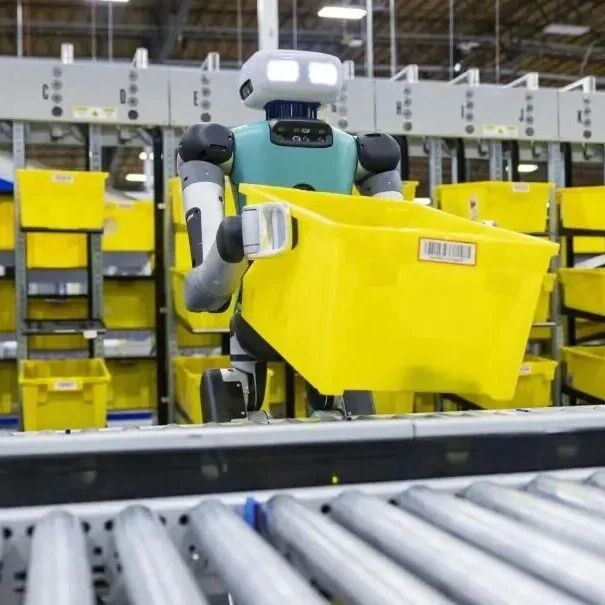
亚马逊计划用机器人代替60万岗位|首席资讯日报
首席商业评论· 2025-10-23 04:05
Group 1 - Amazon plans to automate 75% of its operations, aiming to replace over 600,000 jobs in the U.S. by 2033, while expecting product sales to double during this period [2] - The chairman of Wa Xiaozhi, Wu Jian, announced a promotional campaign where purchasing goods worth 300,000 yuan will reward buyers with an SUV, highlighting low entry barriers for distributors [3] - Mercedes-Benz is implementing its largest-ever layoff plan, with around 4,000 employees already accepting severance packages, which can reach up to 500,000 euros for senior management [5] Group 2 - In the first nine months of 2023, Guangdong Province attracted 78.13 billion yuan in foreign investment, an increase of 8.8% year-on-year, with the manufacturing sector seeing a 23.5% rise [8] - The Zhengzhou High-tech Zone is offering a 200,000 yuan reward for new technology bank branches, aiming to enhance financial services for local enterprises [9] - The Yunnan provincial government is promoting regional equity markets to better serve private enterprises, establishing a training base for companies aiming for public listings [10] Group 3 - South Korea's chip exports are expected to exceed $165 billion in 2025, driven by growing demand in the AI market, with a 16.9% year-on-year increase in exports from January to September 2023 [11] - Singapore's Changi Airport reported a 3.1% increase in passenger traffic in Q3 2023, with China remaining the largest source market [12] - The restructuring of Suning Group faces challenges as a lawsuit from a former investor complicates the process, with a creditors' meeting held as scheduled [13]

老地标新生 泰国“莲花”系再“闯”通州商业
Bei Jing Shang Bao· 2025-10-22 15:38
Core Insights - The transformation of Tongzhou Lianhua Hui from a traditional supermarket to a community commercial complex is underway, aiming to meet local consumer demands and inject new vitality into the Tongzhou business district [1][2] Group 1: Project Overview - The Lianhua Hui project has completed exterior updates and has a merchant signing rate of approximately 90%, featuring various business types such as fast food, children's entertainment, and cinemas [2] - The project covers an area of about 18,300 square meters and aims to create a modern commercial complex that aligns with community needs through spatial restructuring and business reorganization [2][3] Group 2: Market Context - The renovation of Lianhua Hui reflects the broader evolution of commercial development in Tongzhou, which has seen over 3,000 enterprises relocate to the area, enhancing diverse consumer demands [3] - The commercial landscape in Tongzhou is shifting from traditional supermarkets and hypermarkets to shopping centers, community malls, and themed streets, indicating a transition from single-function to multi-functional commercial spaces [3] Group 3: Industry Trends - The shift from traditional supermarkets to community malls is driven by consumer demand for richer shopping experiences and better service quality, making community commercial complexes more appealing [4][5] - The "supermarket+" community complex model is gaining traction as it offers a one-stop lifestyle experience, allowing for quick adjustments to consumer needs and fostering local brand influence [5]
食品饮料行业渠道变革专题(二):从中美人货场变迁,看我国渠道变革机遇-财通证券
Sou Hu Cai Jing· 2025-10-22 13:13
Group 1 - The core viewpoint of the article is that the food and beverage industry in China is undergoing significant channel transformation, influenced by the differences in the development paths of retail channels in China and the United States [1][19]. - The U.S. retail sector has experienced a complete evolution through stages of incubation, rapid expansion, differentiation, and internet impact, leading to a strong brand positioning and private label barrier, with private label sales accounting for 18% in 2020 [1][19]. - In contrast, China's retail sector has a shorter development history, skipping the differentiation phase and directly entering the internet impact phase, currently facing homogenization and online diversion pressures, with private label sales only at 4.3% in 2020 [1][19]. Group 2 - The Chinese retail channel has entered a phase of stock competition, with traditional hypermarkets seeing a decline in traffic, while new formats like membership stores, hard discount stores, regional boutique supermarkets, and instant retail are emerging [2][3]. - Sam's Club has distinguished itself with a strategy focused on "operation as king, customer first, and extreme efficiency," targeting the middle-class demographic with a narrow SKU strategy and a private label share exceeding 30% [2][3]. - Aldi, with its hard discount model, has a private label share of over 90%, leveraging localized supply chains and ready-to-eat meal offerings to create differentiation [2][3]. Group 3 - The core logic of channel transformation is shifting from "product-centric" to "customer-centric," with competition focusing on brand recognition and user relationship building [3][11]. - Channels that can develop private labels, select products accurately, and maintain efficient supply chains will gain a competitive edge [3][11]. - This transformation presents structural opportunities for upstream suppliers, particularly in customized categories like baked goods and ready-to-eat meals, benefiting companies with strong R&D capabilities [3][11]. Group 4 - The report indicates that the food and beverage channel in China is experiencing deep changes in efficiency improvement and brand recognition construction, with innovative companies likely to benefit from industry transformation [3][11]. - The report highlights the importance of customized product development and service capabilities for upstream suppliers, particularly in categories like ready-to-eat meals, which are central to this channel transformation [11][12]. - Companies with strong R&D capabilities are expected to respond accurately to channel demands, with brands like New Dairy, West Wheat, and Youyou Foods likely to accelerate growth through channel traffic [3][11].

