
谷歌

Search documents
海内外CSP资本开支创新高,数字经济ETF(560800)整固蓄势,机构:国产化迎结构性机会
Sou Hu Cai Jing· 2025-12-15 02:09
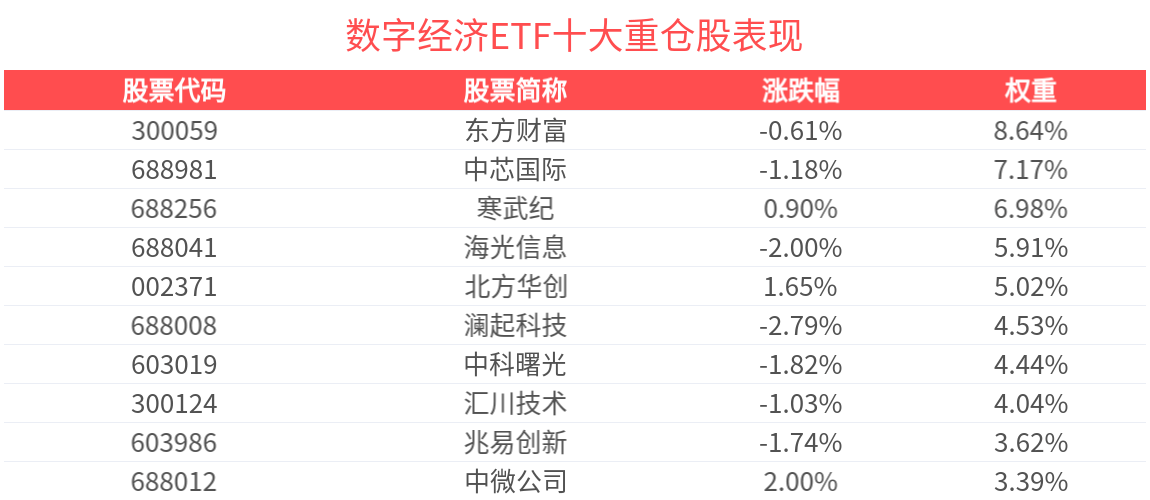
Group 1 - The China Securities Digital Economy Theme Index decreased by 0.71% as of December 15, 2025, with key stocks like Zhongwei Company leading gains, while Nasta and others faced declines [1] - The capital expenditure of the four major overseas Cloud Service Providers (CSPs) reached $97.9 billion in Q3 2025, reflecting a quarter-on-quarter increase of 10%, indicating a continued upward trend in investment [1] - Domestic CSPs are still in a catch-up phase compared to their overseas counterparts, although leading firms like ByteDance are approaching the scale of Google in terms of token call volume and business size [1] Group 2 - Domestic GPU companies have made significant technological breakthroughs, achieving single-chip support for AI computing and graphics rendering, although they still lag behind international leaders in technology accumulation and ecosystem development [2] - The digital economy ETF closely tracks the China Securities Digital Economy Theme Index, selecting companies with high digital infrastructure and application levels to reflect the overall performance of the digital economy theme [2] - As of November 28, 2025, the top ten weighted stocks in the China Securities Digital Economy Theme Index accounted for 54.6% of the index, with companies like Dongfang Wealth and Zhongxin International among the leaders [2][3]

芯原股份20251214
2025-12-15 01:55
Summary of Conference Call for Chip Origin Technology Company Overview - **Company**: Chip Origin Technology (芯原股份) - **Industry**: Semiconductor and AI Chip Development Key Points Investment and Shareholding - Chip Origin acquired a 2.11% stake in Zhudian Semiconductor for 20 million yuan in registered capital and 350 million yuan in cash, becoming the largest shareholder with a 40% stake, thus gaining control [2][3] Strategic Focus - The company has terminated its merger with Xinlai but will continue to strengthen its layout in the RISC-V field and maintain cooperation with Xinlai while expanding partnerships with other RISC-V IP suppliers [2][6] Market Environment - The third interest rate cut in 2025 marks the sixth cut since September 2024, providing a favorable environment for the industry, although potential interest rate hikes in the next year should be monitored [2][9] Collaboration with Google - Chip Origin has partnered with Google on the open-source Coral NPU project, which features 0.27 billion parameters, aimed at ecosystem development and providing free resources to developers, utilizing RISC-V architecture [2][10] Industry Trends - Qualcomm's acquisition of a high-performance RISC-V company indicates a promising future for the RISC-V industry, with Chip Origin committed to its development and maintaining relationships with ARM clients [2][11] Stock Performance - Since the new policy in September 2024, Chip Origin's stock has surged by 460% in 2025, reaching a valuation of 100 billion yuan, outperforming major indices [4][12] Project Development - The company is progressing well with foundational projects in Q4, with an increase in both existing and new orders, indicating sustained business growth [4][16] RISC-V Development Outlook - RISC-V is expected to have a broad development space, particularly in industrial applications and autonomous driving, although it may not directly challenge ARM in the mobile market [2][17] High-Speed Interface Importance - High-speed interfaces (SerDes) are crucial in data centers, facilitating efficient data transmission, and are a focus area for Chip Origin's development [18][19] Future Strategies - Chip Origin aims to enhance competitiveness through mergers and acquisitions, as well as independent R&D, while also considering the development of high-speed interface IP products [20][17] Challenges in Mergers - Common issues in mergers include valuation and cultural integration, with creative payment methods and earn-out agreements suggested as solutions [21][22] Policy Impact - National policies significantly influence mergers in the semiconductor industry, supporting technology acquisition while also imposing challenges related to asset preservation and valuation [22][23] Industry Outlook - The semiconductor industry is expected to continue its positive trend driven by innovation, despite challenges such as high valuations and policy restrictions [23]

重磅!8 年后回到斯坦福,谷歌创始人谢尔盖·布林复盘:AI为什么落后,又如何实现绝地反击?(附视频)
美股IPO· 2025-12-15 00:24
Core Insights - The article discusses the evolution of Google and its approach to AI, highlighting both past mistakes and future opportunities in the context of education and technology [3][10][12]. Group 1: Google's AI Strategy - Google initially missed opportunities in AI commercialization due to hesitance in promoting chatbots, fearing they would produce nonsensical outputs [3][15]. - The company's competitive edge in AI stems from long-term investments in foundational technologies, such as AI-specific chips (TPUs) and large-scale data centers [4][16]. - Future breakthroughs in AI are expected to rely more on algorithmic advancements rather than merely scaling data and computational power [5][29]. Group 2: Education and Career Guidance - Students should view AI as a tool to enhance their capabilities rather than a reason to abandon traditional fields like computer science [7][18]. - The future of universities may shift away from geographical constraints, emphasizing remote learning and collaboration [20][21]. - The path from academia to industry may need reevaluation as the timeline for turning ideas into commercial products shortens [22][23]. Group 3: Research and Innovation - While industry leads many innovations, academic research remains crucial for long-term exploratory projects that require extensive timeframes [24][25]. - Emerging technologies, particularly in materials science, are seen as underappreciated areas with significant potential for impact [32][34].

早新闻|三部门重磅发声
Zheng Quan Shi Bao· 2025-12-14 23:54
Macroeconomic Highlights - The Central Economic Work Conference indicates that China's major economic indicators are expected to perform better than anticipated, with the economy projected to reach approximately 140 trillion yuan by 2025 [1] - In 2026, policies will be implemented based on changing circumstances to synergize existing and new policies to promote stable economic growth [1] Consumer Support Initiatives - The Ministry of Commerce, the People's Bank of China, and the Financial Regulatory Bureau jointly issued a notice to enhance collaboration between commerce and finance to boost consumption [2] - The notice outlines 11 policy measures focusing on deepening cooperation, increasing financial support for key consumption areas, and expanding government-business cooperation to stimulate consumption [2] Natural Resources and Marine Economy - The Ministry of Natural Resources emphasizes the need to develop emerging marine industries and promote high-quality development of the marine economy [3] - The Ministry of Finance plans to utilize personal consumption loans and service industry loans to support consumption initiatives and optimize government investment in key projects [4] Industry Developments - Multiple leading companies in the lithium iron phosphate sector are adjusting product prices due to a shortage of raw materials and rising costs, with a cautious approach to capacity expansion [6] - The China Chemical and Physical Power Industry Association plans to establish a complete standard system for the lithium iron phosphate industry by 2026 to enhance technical barriers [6] Company News - Guoao Technology's actual controller has changed to Xu Yinghui, with stock resuming trading on December 15 [8] - Zhonghuan Environmental Protection plans to raise no more than 300 million yuan for working capital and loan repayment [9] - Baicheng Pharmaceutical's employee strategic placement asset management plan intends to reduce holdings by no more than 0.5077% of the company's shares [10] - Junshi Biosciences received FDA approval for the clinical trial of JS212 [11] - Xue Ren Group is advancing the large-scale production of hydrogen fuel cells and core components domestically [12] - Jiuan Medical's U.S. subsidiary received pre-market notification from the FDA for its four-link and three-link products [13] - Zoli Pharmaceutical plans to acquire a group of assets related to multi-trace element injection solutions for 356 million yuan [14] - Nuocheng Jianhua's treatment for systemic lupus erythematosus reached its primary endpoint in a Phase IIb study and has been approved for Phase III registration clinical trials [15] - Shanghai Airport reported a 15.47% year-on-year increase in passenger throughput at Pudong International Airport in November [16] - Jinpan Technology's application for issuing convertible bonds to unspecified objects has been approved by the China Securities Regulatory Commission [17]
芯原股份资产重组“一停一进” 在手订单32.86亿强化产业整合
Chang Jiang Shang Bao· 2025-12-14 23:51
Core Viewpoint - Chip Origin Co., Ltd. (688521.SH) has announced the termination of its acquisition of 97.0070% equity in Chip Lai Zhi Rong, while simultaneously signing agreements to acquire control of Zhi Dian Semiconductor through Tian Sui Xin Yuan, indicating a strategic shift in its acquisition approach while maintaining its focus on the RISC-V sector [1][2][3] Acquisition Developments - The company has terminated the acquisition of Chip Lai Zhi Rong due to a notification from the management and transaction parties, emphasizing that this decision will not alter its core development strategy [2] - Chip Lai Zhi Rong, established in 2018, is a prominent RISC-V CPU IP provider, and Chip Origin has been a shareholder since its angel round, collaborating with other notable investors [2][3] - The new acquisition of Zhi Dian Semiconductor is expected to create synergistic effects, enhancing the company's technological advantages in visual processing and AI ASIC market competitiveness [3] Financial Performance - In Q3 2025, the company achieved a record quarterly revenue of 1.281 billion yuan, representing a 119.26% increase quarter-on-quarter and a 78.38% increase year-on-year [4] - For the first three quarters of 2025, total revenue reached 2.255 billion yuan, a year-on-year growth of 36.64%, despite a net loss of 347 million yuan, which has narrowed compared to the previous year [4] - New orders in Q3 2025 amounted to 1.593 billion yuan, a significant year-on-year increase of 145.8%, with AI-related orders constituting 65% of the total [4] Business Structure and Growth Drivers - The one-stop chip customization business has emerged as the core growth engine, with revenues from chip design reaching 429 million yuan, up 80.67%, and mass production revenues at 609 million yuan, reflecting a 158.12% increase [4] - Approximately 90% of the current orders are from the one-stop chip customization business, with 80% expected to convert into revenue within a year, providing a solid foundation for future growth [4] Technological Advancements - The company's AI-related IPs, including GPU, NPU, and VPU, accounted for 70% of its IP business revenue, highlighting the increasing "AI content" in its offerings [5] - In terms of technology nodes, 94.70% of the revenue from chip design in the first three quarters came from 28nm and below, with 81.97% from 14nm and below, showcasing the company's advanced technological capabilities [5] Market Position - According to industry research firm IPnest, Chip Origin holds the top market share in China's semiconductor IP licensing business and ranks eighth globally, with its licensing revenue ranked sixth worldwide [6] - The company has established deep collaborations with major clients such as Samsung, Google, Amazon, and Microsoft, leveraging a strategy of binding with leading clients and covering the entire industry chain to gain a competitive edge in the AI computing customization market [6]
贵金属或延续涨势
Yang Zi Wan Bao Wang· 2025-12-14 23:02
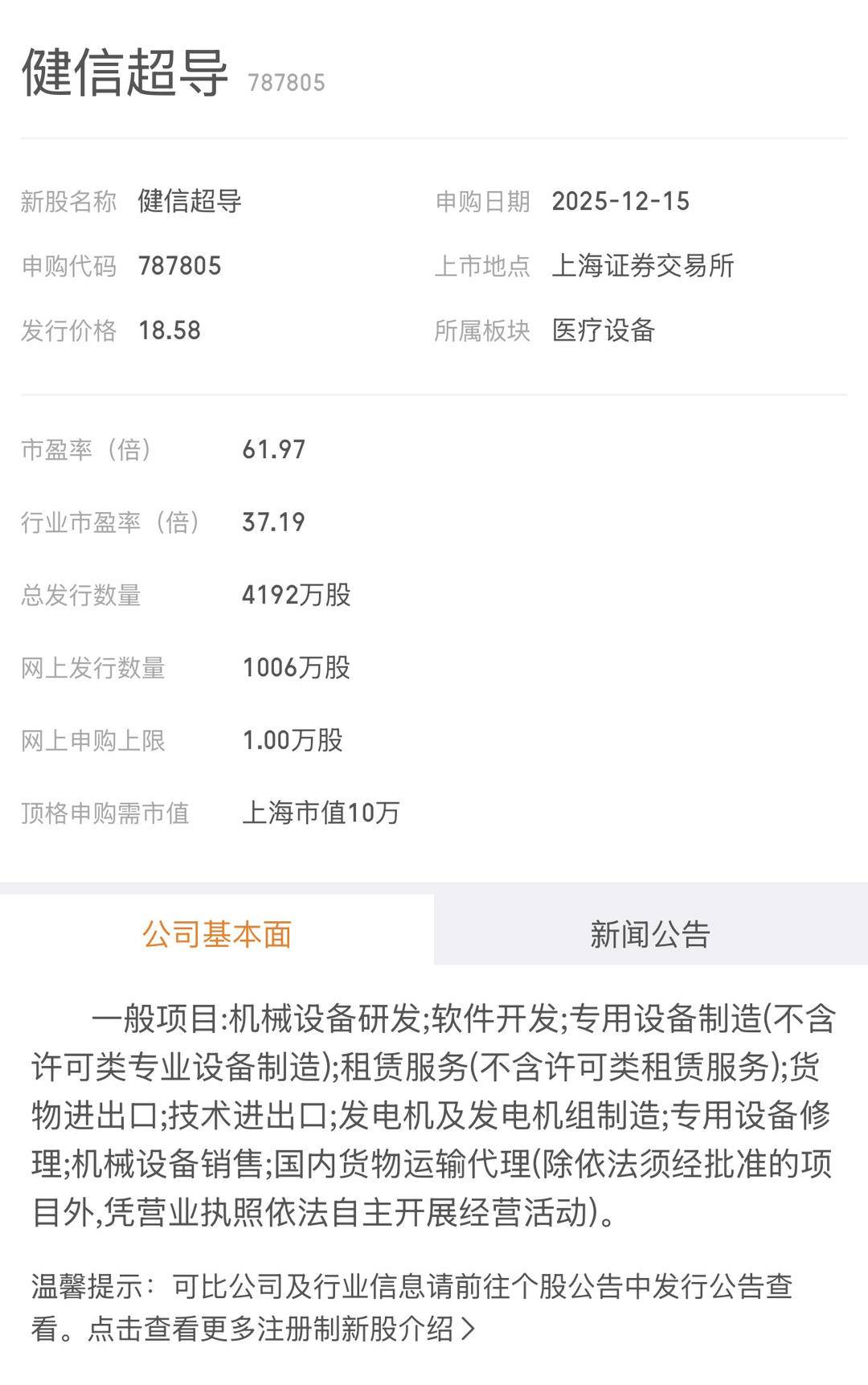
Market Overview - The market showed signs of recovery with all three major indices closing in the green, and the ChiNext Index rising nearly 1% [1] - The total trading volume in the Shanghai and Shenzhen markets reached 2.09 trillion, an increase of 235.1 billion compared to the previous trading day [1] - Key sectors that performed well included controllable nuclear fusion, precious metals, power grid equipment, and commercial aerospace [1] Company Announcements - Enjie Co., Ltd. plans to acquire 100% of Zhongke Hualian's shares through a share issuance and will resume trading on December 15 [2] - Chipone Technology announced the termination of its major asset restructuring plan and will hold an investor briefing on December 18 to discuss this decision [3] - Yongding Co., Ltd. clarified that it does not directly manufacture controllable nuclear fusion devices and reported a minor revenue impact from this sector [4] - Hua Ying Technology received a final court ruling requiring a compensation payment of 3.029 billion from a related party, which is expected to positively impact the company's operations [5] New Stock Offerings - A new stock, Jianxin Superconductor, is available for subscription on December 15, with an issue price of 18.58 and listed on the Shanghai Stock Exchange [7] External Market - U.S. stock markets experienced a collective decline, with the Dow Jones falling by 0.51% and the Nasdaq dropping by 1.69% [9] - Notable declines were observed in major tech stocks, including Broadcom, which fell over 11%, and Nvidia, which dropped over 3% [9] - The automotive manufacturing sector saw gains, with Polestar rising over 19% and Rivian increasing by over 12% [9]
未来产业周报第1期:量子万比特芯片技术突破,核聚变国际协作升级-20251214
Shenwan Hongyuan Securities· 2025-12-14 14:42
Quantum Technology - The report highlights the release of the world's first 3D-extended architecture 10,000-qubit quantum processor VIO-40K by QuantWare, which aims to overcome the scaling bottleneck of quantum processors and is compatible with NVIDIA's NVQLink platform [3][7][8] - The 2025 Zhongguancun Quantum Conference announced 16 quantum technology achievements and a 500 million yuan investment fund to support quantum entrepreneurship, showcasing advancements in quantum computing and applications in energy [3][13][14] Biomanufacturing - Levinthal Biotech completed a multi-million Pre-A round financing to accelerate the development of its AI-driven full-atom model protein design platform Pallatom, which addresses the design challenges of cyclic peptides [3][15][16] - Aopu Mai's acquisition of 100% of Pengli Biotechnology was approved, enhancing its capabilities in cell culture media and CDMO services, thereby expanding its market position [3][20][21] - Baiaosaitu has established a dual-platform listing strategy with its recent listing on the STAR Market, focusing on innovative drug development driven by gene editing technology [3][23][24] Hydrogen Energy and Nuclear Fusion - The report notes the deepening international cooperation in nuclear fusion, with a Chinese expert set to chair the ITPA Coordination Committee from 2026 to 2028, and the signing of a contract for the mass production of the ITER first wall [3][28][29] - Snowman Group's metal plate fuel cell stack project has passed final acceptance, marking a significant step in the commercialization of hydrogen energy technology [3][30][31] Brain-Computer Interface - Neuralink has demonstrated a significant efficiency breakthrough with its new surgical robot, reducing the electrode implantation time from 17 seconds to 1.5 seconds, showcasing advancements in surgical precision and safety [3][34][46] - The report emphasizes the competitive landscape, with the U.S. leading in invasive technologies while China excels in non-invasive applications, highlighting the ongoing developments in both sectors [3][48][49] Embodied Intelligence - Beijing Humanoid Robotics has launched the first fully autonomous humanoid robot tour guide solution, integrating IoT capabilities for various applications in exhibition halls and shopping malls [3][50][51] - The Shanghai humanoid robot pilot alliance was established to enhance the supply chain for humanoid robots, indicating a collaborative effort to scale the industry [3][53][54] - Yushu Technology has introduced a humanoid robot App Store, allowing users to upload and share action models, further promoting the commercialization of humanoid robotics [3][55]


解码光模块“三剑客”发家史
Xin Lang Cai Jing· 2025-12-14 13:06
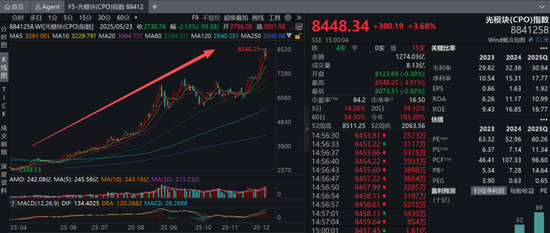
Core Viewpoint - The AI industry is experiencing significant growth, driven by advancements in AI computing power and the increasing demand for optical modules, which are essential for data transmission in AI applications. Major companies in the sector, including Google, Amazon, and Nvidia, are contributing to this momentum, leading to a surge in the stock prices of key players in the optical module market [1][3][13]. Industry Overview - The optical module sector is witnessing a robust expansion, with the CPO index reaching new highs, reflecting the high demand driven by AI computing needs. The leading companies in the A-share market, namely Zhongji Xuchuang, Xinyi Sheng, and Tianfu Communication, have all achieved market capitalizations exceeding 100 billion yuan [1][3][13]. - The global optical module industry is accelerating its upgrade towards 800G and 1.6T technologies, fueled by the explosive growth in AI computing power [1][3]. Company Highlights Zhongji Xuchuang - Zhongji Xuchuang transformed from a traditional manufacturing company to a leading global optical module provider through a strategic acquisition of Suzhou Xuchuang for 2.8 billion yuan in 2017, which significantly enhanced its market position [4][17]. - The company has successfully capitalized on the global 5G rollout and the upgrade of data centers, achieving a market-leading position in 800G optical modules, with a global market share exceeding 40% in 2024 [5][6][18][19]. - The projected net profits for Zhongji Xuchuang in 2027 are expected to reach 25.12 billion yuan, with a corresponding P/E ratio of 25.75 [3][16]. Xinyi Sheng - Xinyi Sheng began as a trading company and evolved into a manufacturer, achieving significant growth by focusing on high-speed optical modules. The company has strategically shifted its product line towards 100G and 400G solutions, aligning with the rising demand from cloud service providers [7][20]. - The company is set to scale up its 800G product line in the second half of 2024, with 1.6T products expected to contribute significantly to revenue by 2025 [9][21]. - Despite facing regulatory challenges, Xinyi Sheng continues to innovate and expand its technological capabilities, positioning itself as a strong competitor in the optical module market [8][20]. Tianfu Communication - Tianfu Communication has established a strong foothold in the optical communication sector by focusing on the production of critical components, achieving a gross margin exceeding 50% [11][22]. - The company has adopted a vertically integrated model, controlling the entire production process from raw materials to packaging, which allows it to maintain competitive pricing [12][23]. - Tianfu Communication is also advancing its capabilities in next-generation CPO technology, positioning itself as a key player in the AI-driven optical interconnect market [12][23].
解码光模块“三剑客”发家史
财联社· 2025-12-14 13:04
Core Viewpoint - The AI industry is experiencing significant growth, driven by advancements in AI computing power and the increasing demand for optical modules, which are essential for data transmission in AI applications [3][6]. Group 1: AI Industry Developments - Google's new TPU model has shown remarkable performance improvements, contributing to the diversification of chip platforms from GPUs to ASICs, which in turn increases the demand for optical modules [6]. - Major companies like NVIDIA, Alibaba, and AMD have publicly denied the existence of an AI bubble, reinforcing confidence in the sector's sustainable growth [3]. Group 2: Optical Module Market Growth - The optical module sector in A-shares has seen a resurgence, with the optical module (CPO) index reaching new highs, reflecting the robust demand driven by AI computing needs [3]. - The market capitalization of leading optical module companies, including Zhongji Xuchuang, Xinyi Sheng, and Tianfu Communication, has surpassed 100 billion yuan, indicating high market enthusiasm [3]. Group 3: Company Performances - Zhongji Xuchuang's market capitalization has reached 646.7 billion yuan, while Xinyi Sheng and Tianfu Communication have market caps of 425.4 billion yuan and 167.3 billion yuan, respectively, showcasing their strong positions in the market [3]. - The expected net profits for 2027 for Zhongji Xuchuang, Tianfu Communication, and Xinyi Sheng are projected to be 25.12 billion yuan, 3.873 billion yuan, and 2.067 billion yuan, respectively, with corresponding P/E ratios of 25.75, 43.19, and 20.58 [6]. Group 4: Competitive Landscape - The entry of numerous players into the high-speed optical module market has intensified competition, raising concerns about price wars that could erode profit margins [6]. - Companies must accurately navigate technological directions to avoid risks associated with existing capacity and technological reserves being disrupted [6]. Group 5: Company Strategies - Zhongji Xuchuang has transformed from traditional manufacturing to a global leader in optical modules through strategic acquisitions and technological advancements, achieving significant growth in market share [7][9]. - Xinyi Sheng has successfully transitioned from a trading company to a manufacturer, focusing on high-speed optical modules and leveraging its technological advantages to capture market opportunities [11][12]. - Tianfu Communication has adopted a vertically integrated model, controlling the entire production process, which allows it to maintain competitive pricing and meet the rising demand for optical modules driven by AI [14][15].

策略周评20251214:AI应用端多场景落地试点
Soochow Securities· 2025-12-14 07:35
Group 1 - The core viewpoint of the report highlights that the AI industry is entering a critical phase characterized by a competition in full-stack capabilities and deep penetration into various application scenarios [2][3] - Domestic manufacturers are focusing on breakthroughs in full-stack systems within the computing hardware sector, with Lenovo launching its "AI Factory" solution and Huawei Cloud introducing a cross-regional computing resource scheduling system [3] - The application side is witnessing multiple breakthroughs, with AI technology evolving from a tool to a core engine of the industry, as seen in various sectors such as content creation and logistics [4] Group 2 - Significant events include OpenAI's release of GPT-5.2, which enhances performance in professional tasks, and Disney's $1 billion investment in OpenAI, marking a deep integration of traditional content with AI technology [5][6] - The report indicates that the competition focus in the era of large models has shifted from mere model capability upgrades to the construction of comprehensive systems, with intelligent agents becoming the core carriers of industrial upgrades [6] - The report recommends several companies and sectors, including those involved in AI applications, semiconductor ecosystems, and equipment exports, highlighting potential investment opportunities in these areas [7][15]