
奔驰

Search documents
“东方新能源霸权成型,中国光伏与人民币清算搅动全球经济秩序”
Sou Hu Cai Jing· 2025-09-16 17:42
Group 1: Core Insights - The article highlights the growing dominance of Chinese solar panel manufacturing in the global market, creating a dilemma for Europe, which relies on Chinese products while advocating for green transformation [1][11] - The shift in energy trade settlement from USD to RMB, particularly between China and Russia, signifies a transfer of control over trading rules and financial systems [3][21] - China's investment in green energy projects globally, including a $8 billion investment in Saudi Arabia and a 6GW solar power plant in Vietnam, illustrates its strategy of creating dependencies through infrastructure development [5][13] Group 2: Industry Dynamics - The complete system approach of Chinese companies, moving from merely selling products to providing comprehensive solutions, is reshaping the global energy landscape [6][14] - China holds 68% of global core technology patents in photovoltaics, giving it significant leverage in setting standards and pricing in the industry [8] - The U.S. attempts to impose tariffs on Chinese solar products face challenges due to the interconnectedness of European industries with the Chinese market, leading to a lack of coordinated response [9][18] Group 3: Geopolitical Implications - The article discusses the geopolitical implications of China's investments in strategic resources, such as lithium and cobalt, which are essential for renewable energy technologies [11][25] - The narrative contrasts Western reliance on alliances to mitigate risks with China's strategy of creating dependencies through project investments in developing countries [26][28] - The ongoing competition between the U.S. and China in the energy sector is characterized as a "silent battle," with the potential for significant shifts in global power dynamics [19][26]


奔驰,入局生物制造!
合成生物学与绿色生物制造· 2025-09-16 09:07
Core Viewpoint - The article highlights the growing trend of biomanufacturing in various industries, particularly in the automotive and food sectors, driven by consumer preferences for sustainable and animal-free products [7][12][27]. Industry Ecosystem Trends - Mercedes has introduced a new electric GLC model featuring an animal-free interior, marking a significant step in the adoption of biomanufactured materials in mainstream consumer products [7][10]. - The collaboration with AMSilk and Modern Meadow showcases the potential of spider silk protein and plant-based leather alternatives in automotive applications [8][9]. - AMSilk has scaled its spider silk protein production from kilograms to tons, emphasizing its environmental benefits and versatility in textiles [9]. - Modern Meadow's materials, made from plant proteins and biopolymers, have over 80% renewable carbon content, making them more sustainable than traditional materials [9]. - The Canadian government is investing CAD 32.5 million to develop plant-based proteins, enhancing local value chains and food supply resilience [12][13]. Potential Markets and Products - AMSilk has secured €52 million in funding to expand its production capacity for silk-based biopolymers, which are biodegradable and free from microplastics [17][18]. - Bellroy has launched a new line of tech accessories made from INNOVERA, a sustainable material that mimics leather while being animal-free [20]. - Xampla has raised $14 million to develop Morro materials, a plant protein-based alternative to single-use plastics, aiming to replace highly polluting plastic types [22][24]. - Greenitio is developing mushroom shell chitosan-based cosmetics, offering a cost-effective and high-performance alternative to traditional natural products [25][26]. - Aleph Farms is establishing a cultured meat facility in Switzerland, part of its global expansion strategy, with significant investment backing [36]. R&D Efficiency Acceleration - Arzeda has received nearly $6.3 million from the NSF to advance cell-free manufacturing through AI-designed enzymes, aiming to enhance production efficiency and expand product ranges [39][40].

华安基金:电池、汽车频迎新政,创业板50指数周涨1.95%
Xin Lang Ji Jin· 2025-09-16 08:17
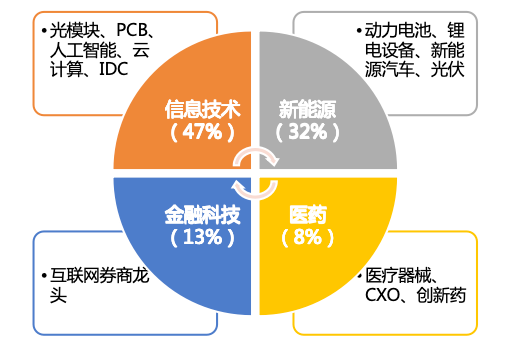
Market Overview - The A-share market showed an overall upward trend last week, with major indices rebounding: Shanghai Composite Index rose by 1.5%, Shenzhen Component Index increased by 2.6%, ChiNext 50 Index gained 1.9%, and Sci-Tech 50 surged by 5.5%, indicating strong performance in growth styles [1] - The average daily trading volume in the A-share market was around 2.3 trillion yuan, slightly cooling compared to the previous week [1] - Market hotspots rapidly rotated among sectors such as robotics, solid-state batteries, chips, gold, computing hardware, CPO, PCB, liquid cooling servers, oil and gas, and film and television [1] Policy and Industry Insights - The Ministry of Industry and Information Technology and seven other departments recently issued the "Automobile Industry Stabilization Growth Work Plan (2025-2026)", aiming for annual automobile sales of approximately 32.3 million units in 2025, a year-on-year increase of about 3%, with new energy vehicle sales targeted at around 15.5 million units, a year-on-year growth of about 20% [1] - The plan also anticipates stable growth in automobile exports and a 6% year-on-year increase in the added value of the automobile manufacturing industry [1] Sector Focus Technology and AI - The ChiNext 50 Index covers 47% of the information technology sector, including 19% weight in optical modules, driven by exponential demand for bandwidth from AI model training and inference [5] - The demand for high-end optical modules is surging due to orders from cloud providers like Oracle and NVIDIA, enhancing the industry's overall prosperity [5][6] New Energy and Solid-State Batteries - Recent policies have invigorated sectors such as new energy, solid-state batteries, and photovoltaics, with expectations of increased demand for batteries and materials due to new model releases and the upcoming sales season [6] - Progress in solid-state battery industrialization is evident, with companies like QuantumScape and Mercedes making advancements [6] Pharmaceuticals and Biotech - The State Council approved the "Implementation Plan for Strengthening Basic Medical and Health Services," which is expected to boost demand for diagnostic consumables, surgical instruments, and disinfectants [7] - The CXO sector is anticipated to benefit from global drug development needs, while innovative drugs in specific markets like breast cancer and multiple myeloma present significant opportunities [7] Investment Vehicle - The ChiNext 50 ETF (159949) focuses on leading companies in high-potential sectors such as new energy vehicles, biomedicine, electronics, photovoltaics, and internet finance, reflecting a high investment value [8] - The ETF has a current valuation of 42.81 times, with a ten-year percentile of 43.33% [4] Recent Performance - The ChiNext 50 ETF had a net value of 1.4148 and a scale of 24.878 billion yuan, with a trading volume of 15.082 billion yuan last week [9] - The top ten weighted stocks in the ChiNext 50 Index showed varied performance, with notable movements in companies like Ningde Times and Shenghong Technology [9]





自主品牌距离外资品牌还差一个“召回”
3 6 Ke· 2025-09-16 03:12
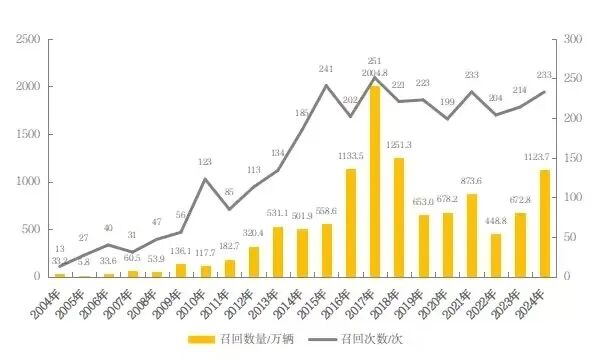
Core Viewpoint - Xpeng Motors is recalling 47,490 units of its P7+ model due to safety concerns related to the electric power steering system, highlighting the need for new energy vehicle manufacturers to address quality issues more transparently [1][19]. Group 1: Recall Details - The recall affects P7+ vehicles produced between August 20, 2024, and April 27, 2025, due to reported design flaws in the steering mechanism [1]. - The recall is part of a broader trend in the Chinese automotive industry, where the total number of recalls for passenger vehicles in 2024 exceeded 11.12 million, a 65.3% increase year-on-year, with a 137.5% rise in recalls for new energy vehicles [2]. Group 2: Industry Comparison - Foreign brands like BMW, Tesla, and Mercedes dominate the recall statistics, with BMW recalling over one million vehicles, while domestic brands, particularly new energy vehicle manufacturers, have largely maintained a "zero recall" record [5][11]. - The contrast in recall practices reflects a deeper issue within the Chinese automotive industry, where foreign brands have established a culture of proactive recalls, while some domestic brands avoid transparency [4][5]. Group 3: Quality Management and Consumer Trust - The handling of quality issues by new energy vehicle manufacturers often involves non-transparent methods, such as individual case management and avoiding public recalls, which can damage consumer trust in the long run [8][12]. - Data indicates that domestic brands have a higher complaint rate for vehicles over five years old compared to joint venture brands, revealing weaknesses in long-term reliability [15]. Group 4: Financial Implications - The recall of 47,490 P7+ vehicles could cost Xpeng Motors approximately 300 million yuan, which may impact its financial performance, especially considering a net loss of 480 million yuan in the second quarter [9][11]. - The need for a robust recall mechanism is emphasized as a critical step for domestic brands to build consumer trust and ensure long-term success in the market [19][23]. Group 5: Future Directions - The article suggests that new energy vehicle manufacturers must shift from a "zero recall" mentality to one that embraces accountability and transparency, as this is essential for gaining consumer trust and competing with established global brands [19][23]. - Regulatory bodies are enhancing oversight of automotive quality, indicating a shift towards stricter enforcement of recall protocols and consumer protection [19][23].

孚能科技2025年半年度集体投资者会议问答实录
Quan Jing Wang· 2025-09-16 01:34
Core Viewpoint - The investor meeting highlighted Guangzhou Industrial Control Group's commitment to supporting Funeng Technology's growth through various strategic initiatives, including collaboration with automotive manufacturers and advancements in battery technology [1][2][3]. Group 1: Company Support and Development - Guangzhou Industrial Control Group aims to enhance Funeng Technology's integration into the local automotive supply chain, particularly through strengthened partnerships with GAC Group and exploration of collaborations with other automakers like Xpeng Motors [1]. - The company plans to leverage its resources from subsidiaries such as Tianhai Electronics and Wanli Tire to connect Funeng Technology with more domestic and international automotive manufacturers [1]. - In the low-altitude economy sector, Funeng Technology is positioned as a global leader in battery technology, with plans to collaborate with eVTOL companies in Guangzhou to seize industry opportunities [1]. Group 2: Battery Technology and Production - Funeng Technology has completed the first generation of sulfide all-solid-state batteries and is developing the second generation, which features a lithium metal anode and achieves an energy density of 500Wh/kg [2]. - The company expects to launch the third generation of sulfide all-solid-state batteries by 2027, targeting energy densities exceeding 500Wh/kg [2]. - The cost of semi-solid-state batteries is only 5-10% higher than that of liquid batteries, making them economically viable and competitive in the market [2]. Group 3: Financial Performance and Cash Flow - In the first half of 2025, Funeng Technology's overseas main business revenue reached 3.638 billion yuan, with significant international partnerships established [3]. - The company reported a net cash flow from operating activities of 126 million yuan, a turnaround from a net outflow of 552 million yuan in the previous year, attributed to improved customer payment management [3]. - The operating costs for the reporting period were 3.788 billion yuan, a decrease of 39.16% year-on-year, due to enhanced cost control and production efficiency [3]. Group 4: Research and Development - Funeng Technology is focusing on key areas such as solid-state batteries, ultra-fast charging lithium iron phosphate batteries, and high-energy density electric aircraft batteries, with ongoing investments in R&D [3]. - The company plans to achieve mass production of the second generation of semi-solid-state batteries with an energy density of 330Wh/kg by 2025 and the third generation with 400Wh/kg by 2026 [3]. - The first generation of sulfide all-solid-state batteries is expected to be delivered to strategic customers by the end of 2025 [3].

小米16改名小米17!雷军:全面对标苹果,正面迎战;美的回应员工离职被欠薪:薪资已结清;大疆扫地机上市一月遭遇用户退货潮
雷峰网· 2025-09-16 00:28
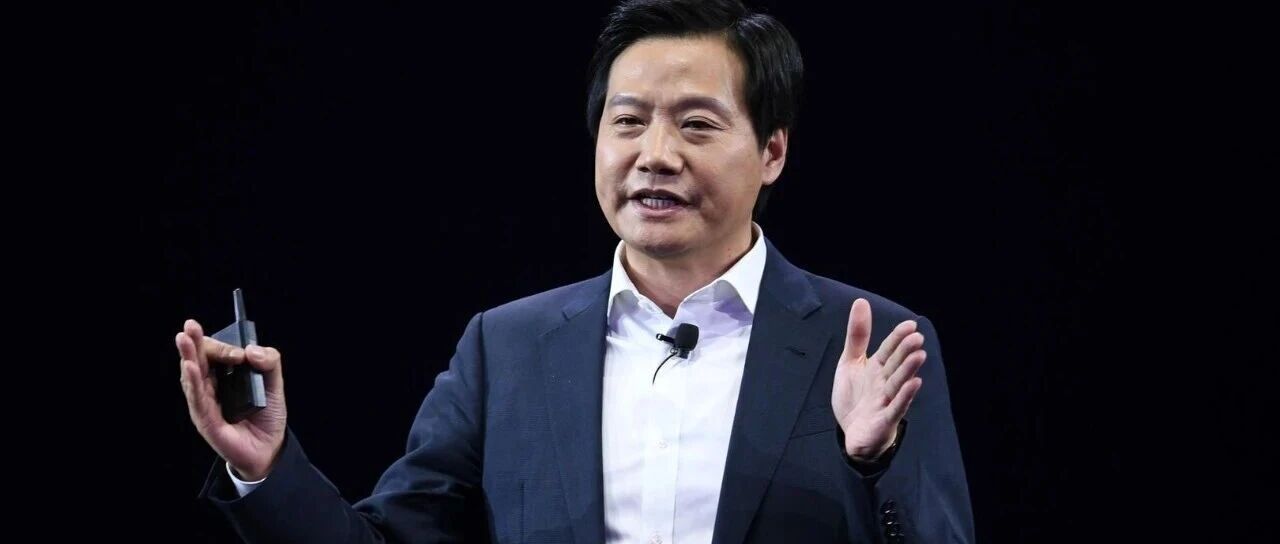
Group 1 - Xiaomi's next-generation smartphone has been renamed from Xiaomi 16 to Xiaomi 17, marking a significant leap in its digital series, with three models: Xiaomi 17, Xiaomi 17 Pro, and Xiaomi 17 Pro Max [4][6] - The company aims to directly compete with Apple's iPhone, emphasizing a cross-generation upgrade in product capabilities [4][6] - Xiaomi's founder, Lei Jun, expressed confidence in facing off against Apple, highlighting the need for innovation to avoid stagnation in the smartphone market [4][6] Group 2 - Midea Group responded to allegations of excessive working hours and unpaid wages, stating that the claims were unfounded and that the employee's salary was settled [9][10] - DJI's new robot vacuum, ROMO, faced a wave of returns within a month of its launch, with mixed user feedback on its performance [11] - Honor's former CEO Zhao Ming discussed the importance of developing unique marketing strategies while learning from Xiaomi's successes during a recent speech at Fudan University [20] Group 3 - JD.com and other major players are entering the hard discount supermarket sector, focusing on low prices and direct sourcing to attract price-sensitive consumers [19] - The hard discount model aims to reduce costs through digital supply chain management and efficient store operations, targeting ordinary families seeking value [19] - The competitive landscape in the retail sector is shifting as these giants leverage their scale to dominate the market [19] Group 4 - The electric vehicle market is facing challenges, with companies like Zhiji Auto reporting significant losses and low sales figures, raising concerns about their future viability [16][17] - Zhiji Auto's sales in the first eight months of the year reached 31,500 units, only 31.5% of its target, indicating a steep uphill battle to meet future goals [16][17] - The automotive industry is witnessing a trend of executives moving to new ventures, as seen with the former co-founder of Leap Motor starting a new electric vehicle brand in Australia [18][25] Group 5 - Nvidia is under investigation for potential antitrust violations related to its acquisition of Mellanox Technologies, highlighting regulatory scrutiny in the tech sector [28][29] - Alphabet, Google's parent company, has reached a market capitalization of $3 trillion, becoming the fourth company to achieve this milestone, driven by strong performance in cloud services and advertising [30] - Apple is reportedly developing a new line of smart glasses, aiming to enter the augmented reality market with a product that connects to the iPhone for data processing [31]


国际媒体聚焦报道AITO携全球化车型亮相慕尼黑车展
Quan Jing Wang· 2025-09-15 12:20
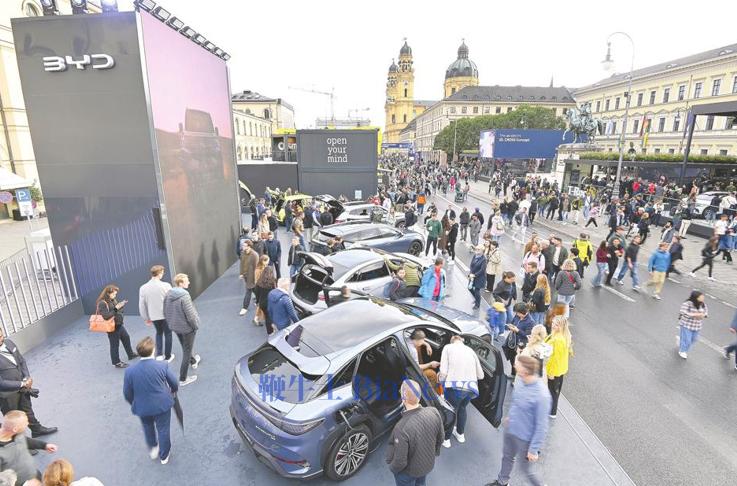
Core Viewpoint - AITO luxury car brand's debut at the Munich International Motor Show marks a significant step towards entering the Middle Eastern market with three new models: AITO 9, AITO 7, and AITO 5 [1] Group 1: Market Expansion - AITO's presence at the Munich Motor Show signifies its transition from the Chinese market to the Middle Eastern market [1] - The brand has received attention from international media, highlighting its strategic move to localize its offerings for the Middle East [1] Group 2: Brand Philosophy - AITO's brand philosophy of "Intelligent Redefinition of Luxury" has been praised, showcasing its commitment to the new energy smart vehicle sector [1] - The concept of "software-defined vehicles" and technological luxury is central to AITO's global strategy [1] Group 3: Competitive Performance - AITO has surpassed traditional luxury brands like BMW and Mercedes-Benz in the Chinese high-end market, demonstrating strong market performance [1] - The brand's innovative approach is seen as a challenge to established European luxury car manufacturers [1] Group 4: Strategic Milestone - The Munich Motor Show is viewed as a crucial milestone in AITO's globalization strategy, enhancing its international influence [1] - AITO aims to reshape luxury standards through innovative technology and expand its presence in the global new energy high-end market [1]

东利机械:多管齐下降本增效,上半年成果初显
Quan Jing Wang· 2025-09-15 09:17
Core Viewpoint - Dongli Machinery (301298) held an online collective reception day for investors and a collective performance briefing for the first half of 2025 on September 15, highlighting cost reduction and efficiency enhancement measures that contributed to improved profitability [1] Group 1: Cost Reduction and Efficiency Enhancement - In the first half of 2025, the company implemented various measures across production, procurement, and technology development to enhance lean management and mitigate the impact of customer price reductions [1] - The company optimized procurement strategies, integrated bulk materials, and developed new suppliers to build a stable supply chain [1] - In production, the company deepened smart manufacturing, promoted automation, digitalization, and process improvements, leading to increased efficiency, optimized labor costs, and energy savings [1] - The combined efforts resulted in a reduction of unit product costs and an increase in production efficiency, with cost reduction and efficiency enhancement contributing approximately 7% to the gross profit for the first half of the year [1] Group 2: Client Relationships and Market Position - The company serves as a secondary or tertiary supplier to automotive manufacturers, primarily supplying major global automotive parts assembly manufacturers [1] - It has established long-term stable partnerships with a number of well-known global clients, many of which are industry leaders, including AAM Group, VC Group, MUVIQ Group, and FUKOKU Group [1] - The company's automotive parts are ultimately used in internationally recognized brands such as Mercedes-Benz, BMW, Audi, General Motors, Ford, Renault, Porsche, Bentley, Ferrari, Jaguar, Land Rover, Volkswagen, Volvo, and Great Wall [1]
急了?奔驰设计师狂怼奥迪「过时」,CEO嫌「太卷」
Feng Huang Wang Cai Jing· 2025-09-15 06:33
Core Insights - The Munich Auto Show has seen a significant increase in Chinese car manufacturers, with over 100 companies participating, marking a nearly 50% rise compared to the previous event, turning the event into a battleground between Chinese and German automakers [1][2] - Chinese brands have nearly doubled their market share in Europe to 5.1%, closely trailing behind Mercedes-Benz at 5.2%, indicating a shift in consumer preferences [2] - The German automotive giants, particularly the BBA (Benz, BMW, Audi), are facing unprecedented challenges as they struggle to keep pace with the rapid advancements of Chinese electric vehicle manufacturers [6][7] Group 1: Market Dynamics - Chinese car registrations have surged by 91% since the beginning of the year, reflecting a robust demand for domestic brands [2] - The BBA's sales in China have plummeted, with Mercedes-Benz down 14% to 290,000 units and Audi down 10.2%, collectively losing nearly 300,000 units in sales [7] - The profit margins of these traditional automakers are under pressure, with Mercedes-Benz's net profit halving by 55.8% and Volkswagen's operating profit declining by 32.8% to €6.7 billion [7] Group 2: Competitive Landscape - The BBA is criticized for outdated designs, with Mercedes-Benz's design chief publicly mocking competitors for their lack of innovation [5] - The shift in strategy for BBA has moved from aggressive electrification to a more pragmatic approach of hybrid models, indicating a response to the competitive landscape [11][12] - New electric models from BBA, such as the Mercedes-Benz GLC EV and BMW's iX3, are being introduced to counter the competitive threat from Chinese brands [14] Group 3: Consumer Preferences - Chinese consumers are increasingly favoring local brands due to their competitive pricing and advanced technology, with models like BYD Han and NIO ET5 offering high performance at lower prices compared to BBA vehicles [9] - The demographic shift towards younger consumers, with over 64% of BYD's users being from the post-90s and post-00s generations, is influencing market trends [9] - The penetration rate of new energy vehicles in China is projected to exceed 55.3% by 2025, further solidifying the dominance of local brands [8]





中企推动全球汽车产业电动化、智能化、低碳化转型
Ren Min Ri Bao· 2025-09-15 06:31
Group 1: Event Overview - The 2025 International Motor Show in Munich, themed "'Moving' Everything," attracted around 750 exhibitors from over 30 countries, with 116 exhibitors from China, marking a historical high in participation [1] - The event showcased a shift towards electric, intelligent, and low-carbon mobility, reflecting the global automotive industry's transformation [1][2] Group 2: Electric Vehicle Trends - The International Energy Agency's report indicates that global electric vehicle sales surpassed 4 million units in Q1 2023, with an expected annual total exceeding 20 million units, a 25% increase year-on-year, representing 25% of global new car sales [2] - By 2030, the number of public charging stations is projected to increase nearly eightfold to approximately 40 million [2] Group 3: Innovations from Major Automakers - Major automakers like BMW, Mercedes, and Volkswagen are focusing on electric and intelligent development, with BMW's new iX3 model capable of over 900 km range and rapid charging [2][3] - Volkswagen introduced the ID Polo electric vehicle priced at €25,000, while Mercedes launched the GLC electric model with smart driving assistance [2] Group 4: Chinese Brands and Technologies - Chinese exhibitors showcased innovations in vehicle manufacturing, battery production, and intelligent driving software, with BYD presenting models like the Seal 06DM-i and the Z9GT, along with rapid charging technology [4][6] - GAC Group debuted its global strategic models AION V and AION UT, along with a mass-produced autonomous flying car [5] Group 5: Battery Technology Advancements - EVE Energy displayed high-density eVTOL batteries with a discharge rate of 14C and a density of 288 Wh/kg, while CATL introduced the NP3.0 technology platform for lithium iron phosphate batteries [6] - The Chinese automotive industry is experiencing significant growth in exports, with 3.083 million vehicles exported in the first half of 2025, a 10.4% increase, and 1.06 million of those being new energy vehicles, up 75.2% [6] Group 6: International Collaboration - The automotive industry is highly globalized, with German automakers relying on international supply chains and partnerships, as highlighted by the collaboration between Chinese and European companies [7][8] - Companies like Bosch and ZF are leveraging their presence in China to support local manufacturers in expanding their global reach [8]

