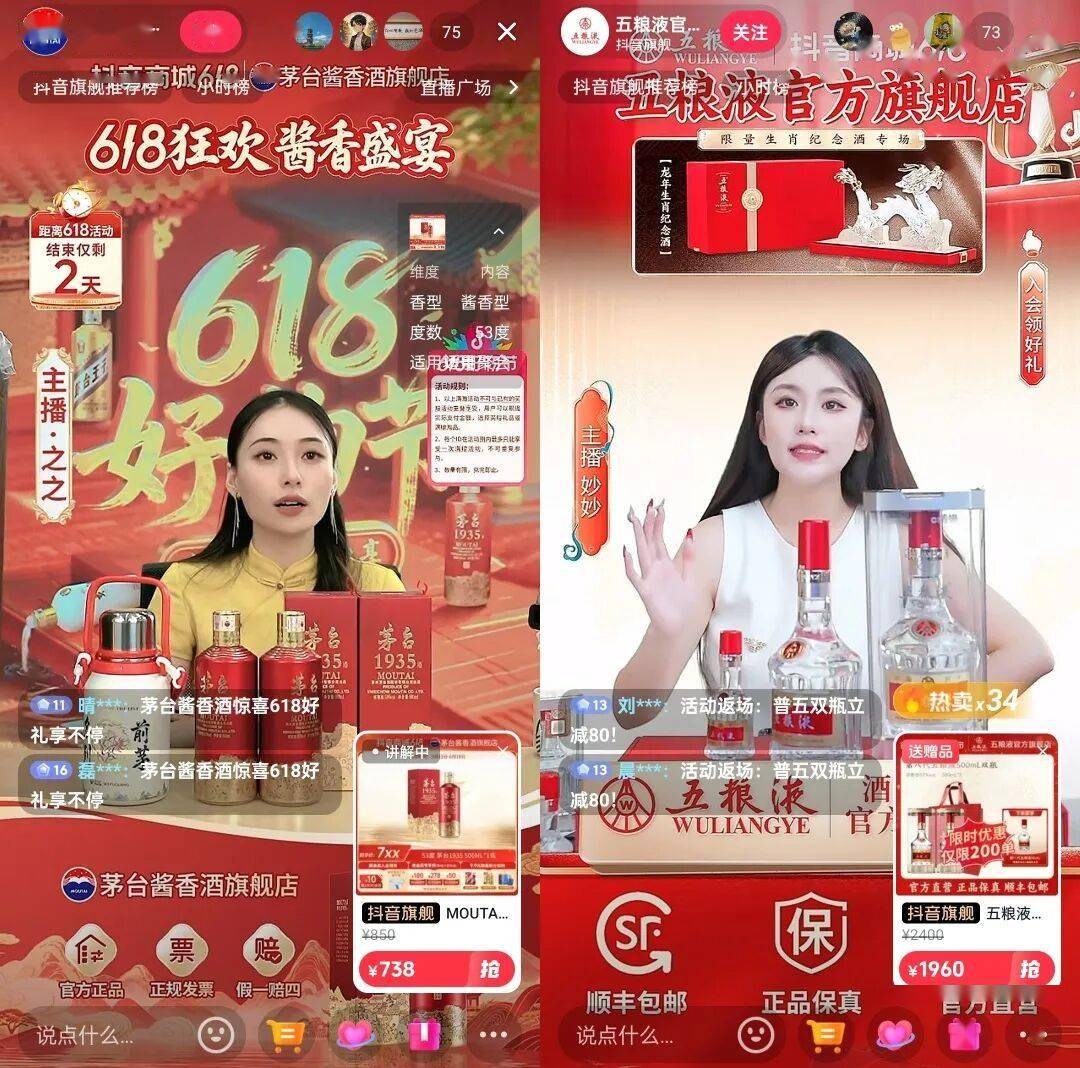
泸州老窖

Search documents
2026年-大消费策略展望
2025-12-29 01:04
Summary of Key Points from Conference Call Records Industry Overview - **Consumer Sector Outlook for 2026**: The consumer sector is expected to recover significantly, driven by a focus on domestic demand and policy support, particularly in service consumption and new product categories. The real estate sector's negative impact is diminishing, with core CPI showing six months of recovery [2][5][8]. Core Insights and Arguments - **Long Bull Market Prediction**: A long bull market similar to 2016-2019 is anticipated to begin in the second half of 2026, led by AI-driven new products, service consumption, overseas opportunities, and durable goods. The first half of 2026 will see strong performance in overseas markets, while domestic demand will gain attention in the latter half [1][5][6]. - **Policy Support for Consumer Spending**: The introduction of a resident income increase plan by the central economic work conference, along with the appreciation of the RMB and favorable trade policies, will provide a solid foundation for consumer spending in the coming years [1][9][10]. - **AI and 3D Printing Opportunities**: The AI and 3D printing sectors are poised for significant growth, with opportunities across the entire supply chain, including leading companies and innovative hardware products like AI glasses and smart mattresses [1][12]. Key Sectors and Companies to Watch - **Service Consumption**: Focus on service consumption growth in 2026, particularly in travel and tourism, as well as the elderly care sector, which is expected to see increased demand [3][15]. - **Alcohol and Snack Industries**: The liquor sector, particularly major brands like Moutai, is expected to maintain strong performance due to price stability measures. The snack sector is also showing promise, with companies like Wanchen and Yanjin expected to perform well during the pre-Spring Festival period [16][20][24]. - **Elderly Economy**: The silver economy is anticipated to grow, with companies like Sanxia Tourism and Aima Technology showing potential in the elderly travel and mobility sectors [15][11]. Investment Logic and Recommendations - **Consumer Sector Investment**: The consumer sector is seen as undervalued, with significant room for valuation recovery. The focus should be on companies benefiting from policy support and improving domestic demand [2][30]. - **Emerging Technologies**: Investment opportunities in AI and new technologies, particularly in 3D printing and AI-enhanced products, are highlighted as key growth areas [12][35]. - **Overseas Expansion**: Companies with strong overseas branding and supply chain capabilities are recommended for investment, especially in light of the RMB appreciation [13][31]. Additional Insights - **Real Estate Market Impact**: The negative impact of the real estate market on consumer spending is expected to be limited, as government measures to boost public spending and social security are likely to stabilize purchasing power [7][8]. - **Consumer Market Drivers**: Key drivers for the consumer market include urbanization, rising GDP per capita, and demographic shifts, particularly the aging population, which will influence consumption patterns [10][11]. - **Food and Beverage Sector**: The snack and beverage sectors are expected to benefit from new retail models and consumer trends, with specific companies recommended for their growth potential [20][24][27]. This summary encapsulates the essential insights and recommendations from the conference call records, providing a comprehensive overview of the anticipated trends and investment opportunities in the consumer sector for 2026.
茅台经销商会一线解读与白酒2026最新研判
2025-12-29 01:04
Summary of Key Points from the Conference Call Industry Overview - The conference call primarily discusses the **Chinese liquor industry**, focusing on **Moutai** and its market strategies for 2026 [1][2][5]. Core Insights and Arguments - **Market Transformation**: Moutai plans to achieve a market-oriented transformation by adjusting its product offerings, pricing, and distribution channels to meet market demand and stabilize overall supply [1][2]. - **Price Dynamics**: Recent price recovery of non-standard Moutai products, particularly the 15-year Moutai, has been driven by significant purchases from stockholders. However, the market price has decreased by over 30% compared to last year's Spring Festival [1][4]. - **Sales Strategy**: Moutai aims to increase sales volume by adopting a price-for-volume strategy, which is expected to boost consumption among existing customers and attract new ones [1][4]. - **Investment Focus**: The investment landscape in the liquor industry for 2026 will focus on opportunities in dividend assets and companies with expected operational recovery. Major brands like Moutai, Wuliangye, and Fenjiu are anticipated to accelerate shipments during the Spring Festival [5][18]. Changes in Distribution Channels - **Channel Model Evolution**: The liquor industry is witnessing a significant shift in distribution models, moving away from traditional distribution systems to consignment and agency sales, enhancing market pricing mechanisms [7][6]. - **Diverse Sales Models**: Moutai will implement a multi-faceted sales approach, including self-sale, distribution, consignment, and agency sales, to improve the profit structure for distributors [6][1]. Company-Specific Strategies - **Product Strategy**: Moutai will reduce the supply of low-margin products and stop the supply of premium Moutai to enhance brand value. The focus will be on optimizing the mix of popular products [6][10]. - **Sales Stability**: Moutai's strategy for 2026 emphasizes maintaining stable supply without forcing aggressive sales targets, respecting market dynamics [8][10]. Market Sentiment and Expectations - **Cautious Outlook**: Distributors express caution regarding future demand, anticipating potential declines in sales during the Spring Festival. Trust in manufacturers remains fragile, with many smaller distributors adopting a wait-and-see approach [11][14]. - **Price Stability**: There is a strong expectation for price stability among distributors, with Moutai's price projected to remain around 1,500 RMB, while Wuliangye's classic product is expected to stabilize at around 750 RMB [15][16]. Financial Performance and Recovery - **Return Expectations**: Moutai's return on investment remains strong, with expectations for stable cash flow during the Spring Festival. In contrast, smaller brands may face challenges in cash recovery [17][18]. - **Investment Timing**: The liquor industry is currently at a cyclical low, presenting potential investment opportunities. Historical trends suggest that the most pessimistic periods can lead to significant rebounds in stock prices [18]. Conclusion - The conference highlights a transformative phase for Moutai and the broader liquor industry, focusing on market-oriented strategies, evolving distribution models, and cautious optimism regarding future demand and pricing stability. The emphasis on adapting to market conditions and improving distributor profitability is crucial for navigating the upcoming fiscal year.

对话白酒专家
2025-12-29 01:04
Summary of the White Liquor Industry Conference Call Industry Overview - The white liquor industry is currently in a downward adjustment cycle, with overall market demand remaining weak, particularly in November and December. This trend is expected to continue until at least the second half of 2026 or later [2][3][7]. Key Points and Arguments - **Price and Supply Adjustments**: The industry has not yet reached a bottom in terms of price and supply. For instance, Moutai's price has decreased but has not hit the bottom, and the supply from strong brands like Moutai and Fenjiu has not been fully adjusted [2][4]. - **Impact of Price Cuts**: Moutai (1,935) and Wuliangye (1,618) have seen some sales growth from price cuts, but brands like Yanghe M3 have not experienced significant improvements. The long-term effects of these price cuts on sales remain uncertain [2][6]. - **Challenges for Moutai**: Moutai faces difficulties in maintaining its pricing structure, with the price of its flagship product declining and distributors at risk of losses. Reducing supply is seen as a method to stabilize prices, but this conflicts with growth targets [2][10]. - **Wuliangye's Issues**: Wuliangye is dealing with wholesale price inversion and channel system problems. Digital transformation is crucial but challenging due to organizational structure limitations [2][11]. - **Luzhou Laojiao's Strategy**: Luzhou Laojiao has taken a calm approach to market conditions, refusing to lower prices, which may lead to short-term sales losses but is expected to strengthen its brand position in the long run [2][14]. Additional Important Insights - **External Economic Factors**: The recovery of the white liquor market is heavily influenced by external economic conditions and policy factors, such as the potential long-term impact of alcohol bans on high-end demand, estimated to affect demand by 20% to 30% [2][5][19]. - **Future Market Outlook**: The first half of 2026 is expected to remain in a bottoming phase, with potential improvement in the second half depending on external conditions. Continuous policy factors like alcohol bans may limit market rebound [2][7]. - **Strategic Adjustments**: Companies are adopting various strategies to cope with the adjustment cycle. Some are cutting prices to boost sales, while others are focusing on structural adjustments to navigate market changes [2][8][9]. - **Consumer Behavior During Festivals**: The white liquor market typically sees unexpected performance during the Spring Festival, as it is a rigid consumption scenario where consumers tend to purchase more expensive liquor regardless of the economic environment [2][5][23]. Conclusion - The white liquor industry is navigating a challenging period characterized by price adjustments, supply issues, and varying strategies among key players. The outlook remains cautious, with significant reliance on external economic factors and internal strategic decisions to shape future performance.

国货进免税,25个深圳品牌获推介
Sou Hu Cai Jing· 2025-12-28 23:41
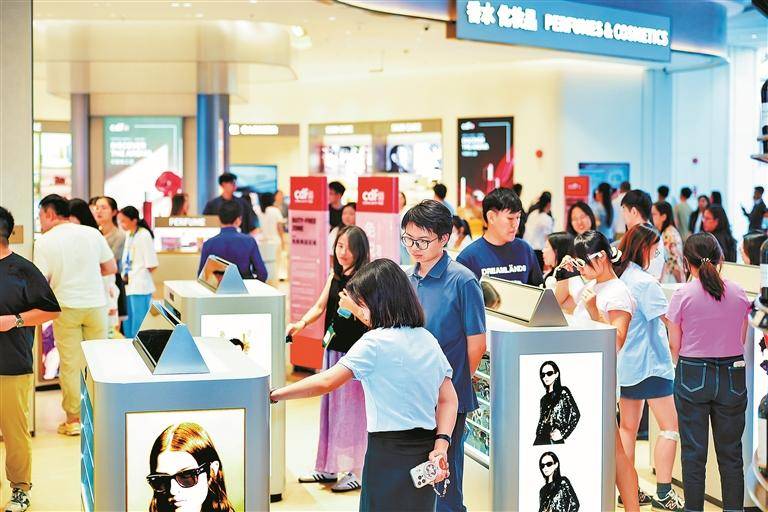
Core Viewpoint - The introduction of domestic "trendy" brands into duty-free stores is a significant step towards promoting local brands on a global scale, enhancing their competitiveness and meeting domestic consumer demand for high-quality products [4][5][6]. Group 1: Policy and Implementation - The Ministry of Commerce has officially announced the first batch of 174 domestic "trendy" brands recommended for duty-free stores, covering 19 categories across 26 provinces [5][6]. - This initiative aims to facilitate the entry of quality domestic brands into duty-free channels, which is crucial for expanding domestic demand and boosting consumption [5][6]. - Shenzhen has established a three-dimensional operational model combining "duty-free + tax refund + taxable" to effectively address the operational challenges of domestic products entering duty-free channels [6]. Group 2: Market Impact and Brand Promotion - The duty-free stores serve as a vital platform for showcasing Shenzhen's manufacturing and design to the international market, with brands like Honor and Doctor Glasses demonstrating innovation and high-end appeal [7][8]. - The inclusion of traditional cultural products and time-honored brands revitalizes their market presence, with examples like Liu's bamboo weaving and Tianjin Seagull's mechanical watches highlighting the blend of technology and cultural aesthetics [7][8]. - The overseas retail channels for domestic brands have seen significant growth, with some companies reporting a threefold increase in overseas business compared to the previous year [8].






食品饮料行业周报:茅台经销商会定调务实转型,临近旺季密切关注动销-20251228
Shenwan Hongyuan Securities· 2025-12-28 14:46
Investment Rating - The report maintains a positive outlook on the food and beverage industry, particularly in the cyclical direction, emphasizing the importance of domestic demand and consumption [1][7]. Core Views - The report highlights the recent emphasis from authoritative media and high-level officials on the importance of domestic demand, which is crucial for the industry [7]. - Despite a recent pullback in the high-end liquor sector, the report anticipates a recovery in sales and pricing balance in the upcoming quarters, with expectations of a double-digit decline in sales year-on-year for Q1 2026, followed by stabilization in Q2 and a potential turning point in Q3 [7][8]. - The report suggests that high-quality liquor companies are currently in a strategic allocation phase, with recommendations for specific brands such as Luzhou Laojiao, Shanxi Fenjiu, Guizhou Moutai, and Wuliangye [7][8]. - For the consumer goods sector, the report identifies systemic opportunities, with a focus on CPI as a core observation indicator, predicting gradual improvement in food CPI throughout the year [7][10]. Summary by Sections Food and Beverage Weekly Insights - The food and beverage sector experienced a decline of 0.56% last week, with the liquor segment down by 0.20%, underperforming the broader market [6]. - The report notes that the top gainers included Anji Food (+29.65%) and Xichuan Food (+9%), while the biggest losers were Huanlejia (-16.35%) and Zhuangyuan Pasture (-13.19%) [6]. Liquor Sector - Moutai's bottle price is reported at 1550 RMB, with a week-on-week increase of 5 RMB, while the box price is 1560 RMB, also up by 5 RMB. Wuliangye's price remains stable at approximately 780 RMB, and Guojiao 1573 has decreased by 10 RMB to around 820 RMB [8][33]. - The Moutai dealer conference emphasized a market-oriented transformation, focusing on consumer-centric strategies and adjusting product offerings to stabilize market dynamics [8]. Consumer Goods Sector - The report recommends focusing on the restaurant supply chain, particularly in condiments and frozen foods, with specific recommendations for companies like Anji Food, Qianhe Flavor, and Tianwei Food [10]. - The dairy sector is expected to see an improved supply-demand balance in 2026, with recommendations for Yili and New Dairy [10]. Valuation Metrics - As of December 26, the food and beverage sector has a dynamic PE of 20.02x, with a premium rate of 21%, while the liquor sector has a dynamic PE of 18.50x, with a premium rate of 12% [34].

中信建投:跨年行情成长先行 白酒蓄力静待春来
智通财经网· 2025-12-28 12:48
Group 1: Market Trends and Insights - The cross-year market trend is characterized by "growth leading, liquor accumulating," with funds favoring sectors like snacks and dairy that show clear momentum and higher elasticity, driven by policy support and industry trends [1][3] - The liquor sector is in a "bottoming accumulation" phase, with demand for inventory preparation increasing as the Spring Festival approaches, indicating a potential valuation recovery post-holiday [1][3] Group 2: Liquor Industry Developments - Major liquor companies such as Gujing Gongjiu, Xijiu, and Luzhou Laojiao are signaling positive developments, revealing strategic plans and annual results amidst industry adjustments and high inventory levels [1][2] - Gujing Gongjiu aims to optimize product structure and expand growth through new product launches and enhanced market strategies, while Xijiu reported a stable sales figure of approximately 19 billion yuan for the year, with significant inventory reduction [2][6] - Luzhou Laojiao is focusing on digital transformation and strategic upgrades, targeting younger consumers and enhancing brand value while maintaining price stability for its flagship product [2][8] Group 3: Performance Forecasts - As the 2025 annual report forecast period approaches, certain food and beverage sectors are expected to exceed performance expectations due to differentiated advantages, despite short-term revenue growth slowdowns [4] - The liquor sector is anticipated to see improved performance due to inventory control and channel optimization, while segments like prepared dishes and functional snacks are benefiting from consumer recovery and product upgrades [4] Group 4: Catalysts for Future Growth - Multiple catalysts are expected to drive better-than-expected Q1 results starting from late January, including the peak sales season for liquor companies during the Spring Festival and improved data from various consumer goods sectors [5] - The food and beverage sector is currently at historical low valuations, suggesting potential for significant upward movement as market sentiment improves [5] Group 5: Dairy and Processed Food Insights - The dairy processing industry is set to benefit from temporary anti-subsidy measures on EU dairy products, accelerating domestic processing and improving profit margins for upstream dairy producers [10] - The average price of raw milk has shown signs of stabilization, indicating a potential turning point for the dairy market in 2026 [10] Group 6: Snack and Beverage Sector Dynamics - As the Spring Festival approaches, snack companies are preparing for a peak sales season, with expectations for strong performance in Q1 due to extended inventory and sales timelines [12][13] - The beverage industry is currently focused on inventory reduction, with a more favorable competitive environment anticipated as seasonal activities ramp up [13]


行业周报:白酒龙头抗风险能力突出,原奶供需平衡点渐行渐近-20251228
KAIYUAN SECURITIES· 2025-12-28 10:44
Investment Rating - The industry investment rating is "Positive" (maintained) [1] Core Viewpoints - The value of layout in the high-end liquor sector is becoming evident, and the optimization of raw milk supply and demand is creating investment opportunities [3][12] - The food and beverage index experienced a decline of 0.6% from December 22 to December 26, ranking 25th among 28 sectors, underperforming the CSI 300 by approximately 2.5 percentage points [12][14] - The high-end liquor industry is currently in a deep adjustment period due to slowing economic growth and insufficient consumer confidence, but there are signs of demand improvement compared to the second and third quarters [12] - The price strategy for premium liquor brands like Moutai is stabilizing, with recent prices in the range of 1500-1600 RMB, and significant price drops are not expected in the near future [12] - The raw milk supply-demand gap has slightly narrowed, with a short-term recovery in demand due to pre-holiday stocking, but long-term supply remains in surplus [4][13] Summary by Sections Weekly Insights - The liquor sector shows layout value, and the raw milk supply-demand optimization is generating investment opportunities [3][12] - The food and beverage index underperformed the market, with specific sub-sectors like health products and other foods showing relative strength [12][14] Market Performance - The food and beverage index fell by 0.6%, ranking 25th out of 28 sectors, with health products (+0.5%) and other foods (+0.0%) performing relatively better [12][14] Upstream Data - Recent data indicates a decline in some upstream raw material prices, with full-fat milk powder auction prices down 18.7% year-on-year [20][21] Liquor Industry News - Prices for premium Moutai products have increased, reflecting strong market demand and limited supply [42] Recommended Portfolio - Recommended stocks include Guizhou Moutai, Shanxi Fenjiu, and West Oat Foods, among others, focusing on companies with strong performance stability and risk resilience [5][48]
央行数字货币试点城市再扩容,数字人民币会如何改变我们的“钱袋子”?
Sou Hu Cai Jing· 2025-12-27 08:46
Core Viewpoint - The People's Bank of China has expanded the digital yuan pilot program to 11 new cities, indicating a shift from regional testing to nationwide adoption, which will significantly transform payment methods and financial management for ordinary citizens [2][10]. Group 1: Technological Breakthroughs - The digital yuan (e-CNY) introduces a dual offline payment system, allowing transactions without internet access through NFC or SIM card wallets, addressing payment challenges in remote areas [2]. - Smart contracts enable programmable control of fund flows in scenarios like prepaid cards and supply chain finance, reducing risks for consumers [2]. - Cross-border payment innovations allow Hong Kong residents to link foreign bank cards to digital yuan wallets, achieving faster transactions and reducing costs by 60% [2]. Group 2: Revolution in Financial Management - Digital yuan penetration in daily consumption has reached 80% in high-frequency offline scenarios, enhancing convenience for users [3]. - Users can enjoy discounts on utility bills and direct reimbursements for medical expenses through digital yuan, improving public service efficiency [3]. - The introduction of smart deposit products with higher interest rates and carbon credit incentives promotes sustainable living [4]. Group 3: Restructuring the Financial System - The market shares of WeChat Pay and Alipay have decreased by 8% and 5% respectively, as the digital yuan app gains 1.2 million daily active users, creating a competitive landscape [5]. - The central bank can now directly issue targeted subsidies to specific groups, improving fund distribution efficiency by 70% [5]. - Enhanced anti-money laundering capabilities have intercepted over 32 million suspicious transactions, improving financial system transparency [6]. Group 4: Global Implications - The digital yuan's cross-border applications are reshaping international financial rules, allowing direct settlements in trade and reducing transaction costs significantly [7]. - Hong Kong's financial authority is promoting interoperability between the digital yuan and the Hong Kong dollar, potentially leading to the issuance of a digital Hong Kong dollar [7]. - The usage rate of digital yuan in cross-border payments has surged from 2.3% in 2023 to 18.7% in 2025, positioning it as the third-largest international payment currency [7]. Group 5: Future Challenges - A significant portion of older users (43%) find the digital yuan wallet complex, indicating a need for user-friendly adaptations [8]. - Balancing privacy and security remains a challenge, especially in light of phishing attacks resulting in substantial losses [8]. - Only 35% of third-party payment platforms currently support digital yuan, highlighting the need for broader ecosystem integration [8].

2025年1-10月中国白酒(折65度,商品量)产量为290.2万千升 累计下降11.5%
Chan Ye Xin Xi Wang· 2025-12-27 03:02
Group 1 - The core viewpoint of the article highlights a significant decline in the production of Chinese liquor, specifically a projected decrease of 18.3% in production volume for the year 2025 compared to the previous year [1] - According to data from the National Bureau of Statistics, the cumulative production of Chinese liquor from January to October 2025 is expected to reach 2.902 million kiloliters, reflecting a year-on-year decline of 11.5% [1] - The report by Zhiyan Consulting provides an analysis of the market status and investment prospects for the Chinese liquor industry from 2025 to 2031, indicating a challenging environment for producers [1] Group 2 - The article lists several key companies in the Chinese liquor industry, including Kweichow Moutai, Wuliangye, Yanghe, Luzhou Laojiao, Shanxi Fenjiu, Gujing Gongjiu, Shui Jing Fang, Shede Liquor, Jiu Gui Jiu, and Lao Bai Gan Jiu [1] - Zhiyan Consulting is identified as a leading industry consulting firm in China, specializing in in-depth industry research reports, business plans, feasibility studies, and customized services [1] - The data presented in the article is sourced from the National Bureau of Statistics and organized by Zhiyan Consulting, emphasizing the reliability of the information [1]

不为广告停留,只为故事买单,一文解构白酒短视频内容营销方法论丨谏策观酒
Sou Hu Cai Jing· 2025-12-26 17:27
Core Insights - The Chinese liquor industry is undergoing a paradigm shift from channel marketing to content marketing, with a significant increase in GMV for liquor categories on platforms like Douyin, which is projected to grow by 320% year-on-year in 2024, with over 60% attributed to liquor [1][3] Group 1: Public Domain Explosion - Public domain platforms such as Douyin, Kuaishou, and Bilibili are the main battlegrounds for liquor brands to acquire incremental traffic, yet 80% of brands face a "high investment, low conversion" dilemma due to mismatches between industrial content production and platform traffic rules [5][6] - Brands need to build a "content arsenal" under algorithmic logic, testing massive content to identify high-conversion materials for traffic investment [6][8] - Successful examples include Jiangxiaobai's "racehorse mechanism" with over 80 million views for a cocktail video, and Moutai's cultural IP strategy that generated 2 million exposures through seasonal cultural content [9][11] Group 2: Private Domain Extraction - With an average public domain traffic loss rate exceeding 95%, private domain becomes crucial for liquor companies to transform users into assets, requiring a shift from promotional group logic to deep user value exploration [19] - The three-layer funnel model exemplified by Yanghe's "Drunken Research Institute" includes lead generation through low-cost tasting experiences, nurturing with professional content, and high-value user conversion events [19][20][21] - User segmentation and precise targeting are essential, as demonstrated by Wuliangye's RFM model, which tailors offerings based on user value [22][24] Group 3: Full Domain Resonance - When public domain traffic and private domain user accumulation reach a critical point, brands must leverage full-domain synergy to convert communication momentum into consumption energy [26] - Content IP creation is vital for reusable communication assets, as seen in Jiananspring's campaign linked to cultural themes, achieving over 600 million views [28] - Data platforms drive precise operations across channels, with examples like Luzhou Laojiao's user behavior monitoring leading to targeted product recommendations [30] Group 4: Challenges and Solutions - Despite breakthroughs in short video content marketing, the industry faces challenges such as content inflation and channel conflicts, necessitating differentiated content strategies and product segmentation to avoid price comparisons [33][35] - Collaborative channel strategies, like Yanghe's "cloud store system," allow users to pick up online orders at local distributors, sharing profits to mitigate conflicts [35][36]