
蜜雪冰城

Search documents
贴心服务为企业发展添底气
Sou Hu Cai Jing· 2025-07-30 23:19
Core Viewpoint - Mixue Ice Cream has become a leading global fresh tea beverage company with over 46,000 stores worldwide since its establishment in 1997, supported by local government initiatives [1] Group 1: Government Support - The government has provided comprehensive support to Mixue Ice Cream, facilitating its transition from a local brand to a global chain [1] - Through initiatives like the "Learning, Inspection, Improvement, and Enterprise Observation" campaign, the government has actively listened to the company's needs and offered guidance on food safety, compliance, and operational support [1] - The government has also enhanced policies to assist companies in expanding into overseas markets, providing a platform for international cooperation [1] Group 2: Business Development Strategy - The company aims to optimize its product and service offerings while building a self-controlled, safe, and efficient digital supply chain [1] - Mixue Ice Cream is focused on innovating diverse consumption scenarios to inject new momentum into the retail industry's transformation and upgrading [1] - The continuous release of national policy dividends presents unprecedented development opportunities for the company [1]
好想你跨界做啤酒生意
Bei Jing Shang Bao· 2025-07-30 16:40
Core Viewpoint - The company "Hao Xiang Ni" is diversifying into the craft beer market, launching a series of flavored beers in response to declining performance in its core business [1][2][4]. Group 1: Company Background and Performance - Founded in 1992, "Hao Xiang Ni" specializes in the research, procurement, production, and sales of health foods, particularly red dates [2]. - The company was the first in the Chinese red date industry to go public in 2011, experiencing significant revenue growth from 2.072 billion yuan in 2016 to 5.961 billion yuan in 2019 [2]. - However, after selling its subsidiary "Bai Cao Wei" to PepsiCo in 2020, the company has faced consecutive years of losses, reporting losses of 189 million yuan, 52 million yuan, and 72 million yuan from 2022 to 2024 [2][3]. Group 2: New Product Launches and Market Strategy - "Hao Xiang Ni" has launched a new series of craft beers, including flavors like red date, green tea, jasmine tea, and peach blossom, set to be released in late May 2025 [1]. - The craft beer products will be sold online at prices of 28.1 yuan per liter, primarily through the company's official flagship stores [1]. - The company has also ventured into other sectors, such as tea beverages and snack foods, indicating a strategy to find new growth points amid declining performance [1][4]. Group 3: Market Trends and Consumer Insights - The craft beer market is experiencing growth, driven by trends in self-indulgent consumption and an increase in female consumers [5]. - The introduction of flavored craft beers aligns with market trends, although similar products are already prevalent [5]. - The company's focus on diverse product offerings reflects a sense of urgency to identify new growth avenues, but there are concerns about the coherence of its diversified strategy [5].



非遗茶饮爆红背后:一杯荔枝冰酿如何撬动Z世代消费市场
Sou Hu Cai Jing· 2025-07-30 12:50
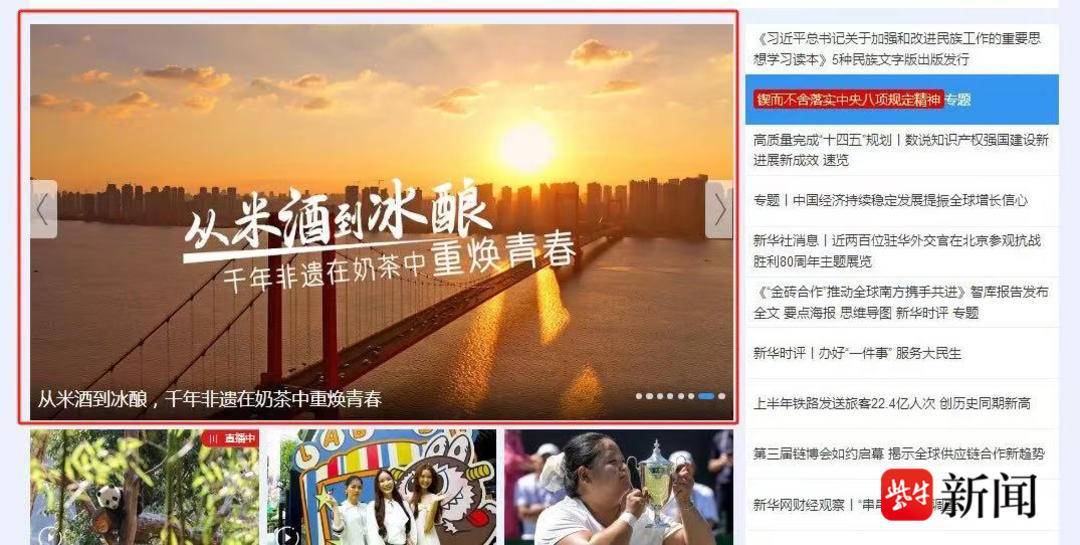
Core Insights - The "Lychee Ice Brew" from "Grandpa Doesn't Brew Tea" has become a summer sensation, achieving over 80 million topic views on Weibo in a single day, indicating a significant shift in the tea beverage market [1] - The product's success is attributed to the integration of intangible cultural heritage (ICH) and emotional value, reshaping the competitive landscape of the tea industry [1] Group 1: Product and Sales Performance - The "Lychee Ice Brew" incorporates the ICH of Hubei Xiaogan rice brewing techniques, with cumulative sales reaching 38 million cups since its launch in 2018, and it is projected to become the top-selling rice brew milk tea in 2024, surpassing the combined sales of its competitors [2] - The use of unique ingredients, such as "Three Grain Inch" glutinous rice and special honeycomb yeast, provides a distinctive flavor that is difficult for industrial products to replicate [9] Group 2: Emotional Value and Market Trends - Emotional value has emerged as a key factor in the popularity of tea beverages, with products like the "Drunken Limited Edition" targeting young consumers' relaxation needs after work, leading to a significant increase in orders for alcoholic tea drinks after 8 PM [10] - The industry is evolving from focusing solely on taste to enhancing consumer experiences and emotional connections, as seen in various brands' strategies to cater to nighttime consumption [11] Group 3: Marketing and Consumer Engagement - "Grandpa Doesn't Brew Tea" has launched the "YE" series marketing activities to strengthen emotional connections, including tasting parties and pop-up stores, resulting in a 175% increase in orders during events [12] - The trend of "tea + lifestyle" collaborations is gaining traction, with other brands also engaging in cross-industry marketing to enhance customer engagement and boost sales [14] Group 4: Industry Competition and Future Directions - The competition in the tea industry is intensifying, with brands focusing on systematic operational capabilities, such as "Heytea" testing ICH tea workshops and "Naixue" planning eco-friendly packaging for ICH series [16] - The concept of deep consumer interaction, such as involving customers in the rice brewing process, is seen as a potential growth area as product homogenization increases [16]
全省“学查改,服务保障实体经济,推动高质量发展”交流推进大会召开
He Nan Ri Bao· 2025-07-30 10:37
Group 1 - The conference emphasized the importance of improving work style and supporting the real economy to promote high-quality development in Henan province [1][2] - Liu Ning highlighted the need to combine work style transformation with economic development, focusing on stabilizing employment, enterprises, markets, and expectations [2] - The government aims to enhance communication mechanisms with enterprises, ensuring quick responses to issues and effective implementation of supportive policies [2][3] Group 2 - Xu Lingyi acknowledged the achievements of the special action, emphasizing the need for continuous efforts in high-quality development and social governance [3] - The conference included participation from over 1,000 enterprises, which evaluated the service satisfaction of 30 provincial and central units [3]
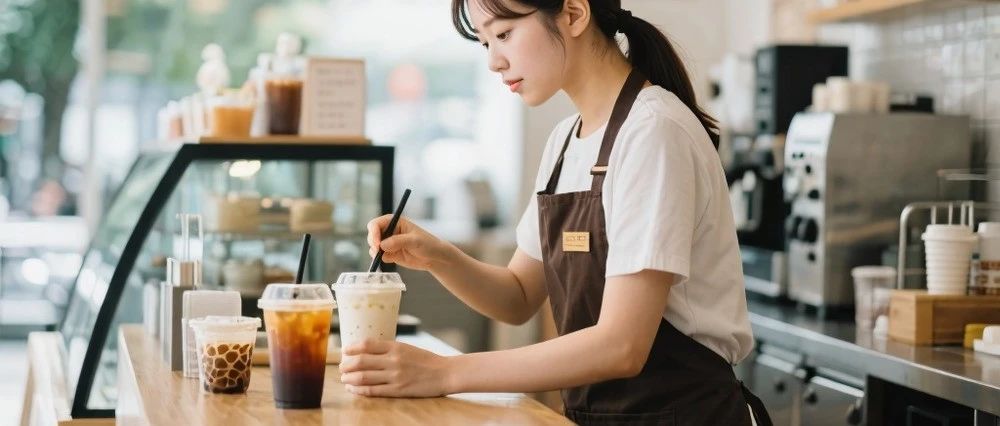
时薪10块,连干10小时:奶茶店的暑假工已跑路
虎嗅APP· 2025-07-30 10:13
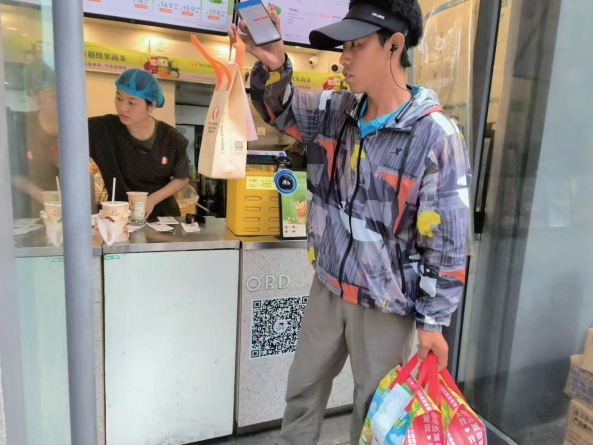
Core Viewpoint - The article discusses the impact of the "0 yuan purchase" promotional campaigns on the tea beverage industry in Shenzhen, highlighting the struggles of summer workers and the operational challenges faced by tea shops during intense competition among delivery platforms [3][4][12]. Group 1: Impact of Subsidy Wars - The subsidy wars initiated by various delivery platforms have led to significant operational challenges for tea shops, with reports of unsold beverages and increased workload for staff [3][4][12]. - Many tea shop employees, particularly summer workers, have left their jobs due to the overwhelming demands and chaotic work environment created by these promotional campaigns [4][12]. - The financial implications for tea shops are severe, as they often receive only 10% to 30% of the subsidies offered to customers, leading to losses despite increased sales volume [16][17]. Group 2: Employee Experiences - Employees report extreme physical strain, with long working hours (often exceeding 9 hours) and a lack of breaks, leading to various health issues such as tendonitis and varicose veins [6][7][12]. - The working conditions are described as chaotic, especially during peak times, with employees feeling overwhelmed by the volume of orders and the pressure from delivery riders [9][19]. - Many summer workers perceive themselves as "cheap labor," with low wages and high turnover rates, as they often leave jobs shortly after starting due to the demanding nature of the work [13][15]. Group 3: Conflicts and Challenges - Conflicts between delivery riders and tea shop employees are common, particularly during busy periods when orders are delayed, leading to heightened tensions and confrontations [19][20]. - The article notes that the operational pressures from the promotional campaigns have created a hostile environment for both employees and riders, with both groups feeling the strain of the competitive landscape [20][21]. - Despite the increase in order volume due to promotions, the actual financial benefits for tea shop employees remain minimal, as their compensation does not reflect the increased workload [17][18].
互联网烧钱,餐饮老板流血
21世纪经济报道· 2025-07-30 04:10
Core Viewpoint - The fierce competition in the food delivery market is significantly impacting the pricing power of restaurant owners, leading to a detrimental price war that they are forced to participate in [1][2][3]. Group 1: Market Dynamics - In the past three months, major platforms like JD and Alibaba have invested 80 billion yuan in subsidies for the food delivery market, resulting in a surge in daily orders from 100 million to approximately 250 million [5][6]. - The price war in the restaurant industry is intensifying, with well-known brands experiencing a decline in average transaction value. For instance, over 80% of restaurants with an average price above 100 yuan are seeing a drop in customer spending [7][8]. - The number of restaurant closures has reached 4.09 million in 2024, with a closure rate of 61.2%, indicating a severe impact from the ongoing price war [7]. Group 2: Loss of Pricing Power - Restaurant owners are losing their pricing power as the final selling price is often determined by the amount of subsidy provided, leaving them with little control over their pricing strategies [8]. - The pressure to maintain order volumes forces restaurants to accept lower prices, even in the absence of subsidies, risking their already thin profit margins [8][9]. Group 3: Future Outlook - The sustainability of the food delivery price war largely depends on the financial capabilities of the internet platforms involved. Projections indicate significant profit declines for major players like Alibaba and JD in the coming years [12][13]. - Regulatory scrutiny is increasing, with the market regulator urging platforms to adhere to legal standards and promote rational competition, which could influence the dynamics of the price war [14]. - The restaurant industry may need to accelerate its transformation to adapt to the changing market landscape, focusing on cost-effective and high-quality offerings to survive [16][18].



外卖补贴狂欢后 隐忧谁买单?
Xiao Fei Ri Bao Wang· 2025-07-30 03:06
Core Viewpoint - The recent regulatory actions against major food delivery platforms like Ele.me, Meituan, and JD.com signal the government's intent to regulate market order and promote healthy development in the food service industry [1][7]. Group 1: Market Dynamics - A significant subsidy war has erupted among major food delivery platforms since July, leading to record-breaking order volumes, with Meituan reaching 1.5 billion orders and Ele.me surpassing 80 million daily orders [2][3]. - The "0 yuan purchase" promotions have attracted considerable consumer attention, with users actively sharing their experiences on social media [3]. Group 2: Impact on Stakeholders - Delivery riders have seen a notable increase in their earnings, with some reporting a rise in daily deliveries from 40-50 to 60-70, resulting in potential monthly earnings of an additional 2,000 yuan [4]. - However, the surge in orders has placed immense pressure on merchants, leading to staffing shortages and operational challenges, with some stores needing to temporarily suspend their delivery services [4][5]. Group 3: Sustainability Concerns - The reliance on subsidies raises questions about the sustainability of this growth model, as many merchants report operating at a loss due to the high costs of fulfilling discounted orders [4][6]. - The potential for a "vicious cycle" of subsidies leading to market imbalance is a concern, with warnings from industry insiders about the long-term implications for service quality and food safety [6]. Group 4: Regulatory Response - The government has taken steps to curb "zero-sum" competition by mandating the cessation of certain promotional activities, indicating a push towards more sustainable practices in the industry [7].
从抽象婚礼到品牌星辰:茶咖联名怎么玩出长期力?
3 6 Ke· 2025-07-29 09:40
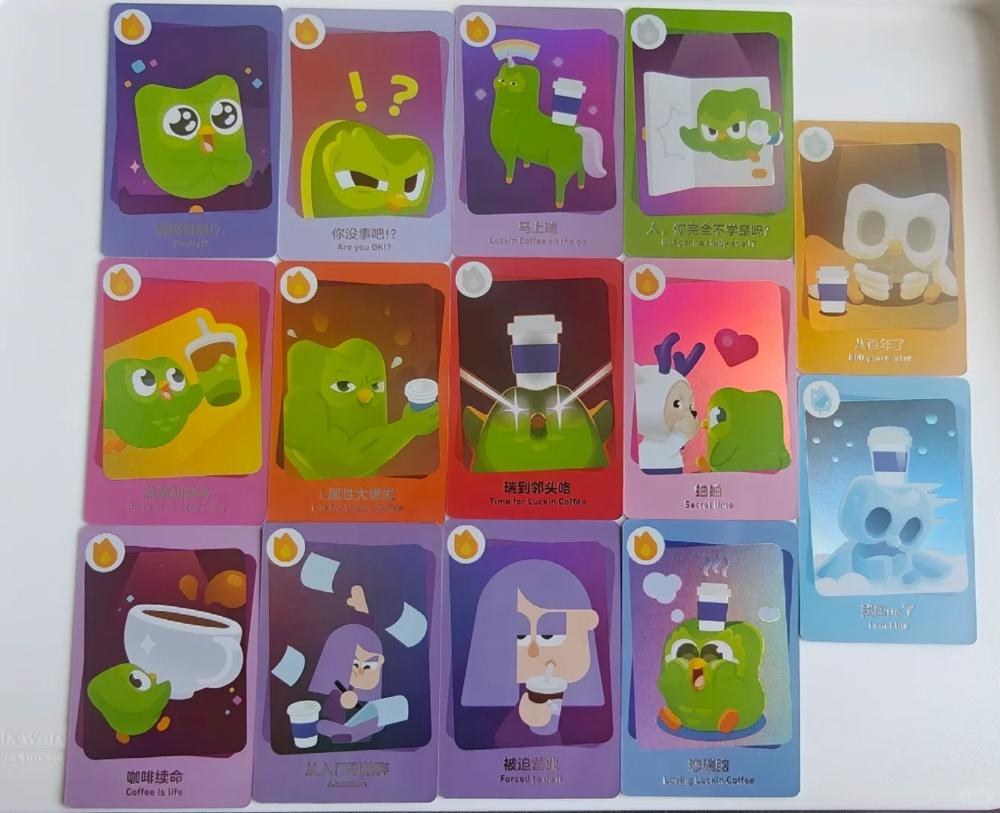
Core Insights - The enthusiasm for collaborative marketing among tea and coffee brands is declining, with consumers expressing fatigue over repetitive and superficial collaborations [2][3][4] - Brands are now compelled to rethink their strategies, focusing on creating lasting IPs that resonate with their brand identity rather than relying solely on trendy collaborations [3][14] Group 1: Collaborative Marketing Trends - In the past year, over 270 collaborations occurred among 27 notable tea and coffee brands, surpassing the previous year's 250 collaborations by 33 brands [2] - Many collaborations are criticized for lacking substance, often resulting in mere cosmetic changes without genuine innovation, leading to consumer disinterest [2][3] - The effectiveness of collaborations is diminishing as they become routine, prompting brands to seek more creative and engaging approaches [3][4] Group 2: Successful Case Studies - The collaboration between Luckin Coffee and Duolingo was highlighted as a successful example, featuring an immersive narrative that engaged consumers beyond just product offerings [5][6][9] - This collaboration generated significant social media buzz, with millions of exposures and nearly 900,000 cups sold in the first week [5][6] - The success was attributed to creative storytelling, user participation, and cultural resonance, demonstrating that effective collaborations require more than just brand logos [5][9] Group 3: Strategic Shifts in Branding - Some leading brands, like Heytea, are adopting a "zero collaboration" strategy, focusing on developing their own star products instead of following the trend [3][10] - Other brands are opting for a "less is more" approach, carefully selecting high-synergy collaborations that resonate deeply with their target audience [10][12] - The emphasis is shifting towards building proprietary IPs that can foster long-term consumer relationships and brand loyalty [14][15] Group 4: Building Proprietary IPs - Brands like Mixue Ice City are successfully creating their own IPs, such as the "Snow King," which has become a cultural phenomenon and significantly boosted brand visibility [15][16] - The development of proprietary IPs allows brands to establish emotional connections with consumers, providing long-term value beyond transient collaborations [16][27] - The focus on cultural value and emotional engagement is becoming essential for brands to differentiate themselves in a crowded market [27][28]
冰杯市场迎来农夫山泉、伊利、蒙牛等多方巨头,这个夏天又卖爆了
Xi Niu Cai Jing· 2025-07-29 06:42
Core Insights - The ice cup market is experiencing intense competition with numerous brands entering the space, including Yuanqi Forest, Yili, Mengniu, and others, all of which have found success in this segment [2] - The price of ice cups has increased significantly, with some products priced at nearly three times the cost of the water used to make them, indicating a shift in consumer willingness to pay for convenience and novelty [2] - Consumer habits are evolving, with ice cups becoming a popular choice for refreshing drinks during summer, leading brands to capitalize on this trend by enhancing their ice cup offerings [3] Market Dynamics - The ice cup market has seen a dramatic increase in sales, with a reported growth rate exceeding 300% over the past two years, particularly in first-tier cities where the average annual consumption is 48 cups per person [3] - The future growth of ice products in instant retail channels is projected to reach 39% over the next three years, significantly outpacing the overall channel growth of 8% [3] - Despite the current dominance of plain water ice cups, there is potential for flavor diversification, which could become a key competitive factor in the market [3] Consumer Behavior - Ice cups are increasingly viewed as a solution for consumers seeking convenience, especially in scenarios where traditional ice acquisition is difficult, thus enhancing the appeal of these products [3] - The emotional value and experiential aspect of ice cups are driving consumer interest, as they cater to modern consumers' desires for personalized and immediate consumption experiences [4] - The seasonal nature of ice cups presents challenges, with potential sales peaks followed by periods of low demand, indicating a need for brands to innovate and maintain consumer engagement year-round [3][4]


茶咖日报|彭博:星巴克CEO正努力重振中国市场的销售
Guan Cha Zhe Wang· 2025-07-28 10:28
Group 1: Kudi Coffee's Role in AI Conference - Kudi Coffee was the exclusive coffee and tea partner at the 2025 World Artificial Intelligence Conference held in Shanghai [1] - The company integrates AI, big data, and cloud computing into its operations, supply chain, product development, and management processes [1] - Kudi Coffee aims to enhance the coffee industry's efficiency and quality through a comprehensive digital management system [1] Group 2: Kudi Coffee's Global Presence and Strategy - Kudi Coffee operates in 28 countries and regions with over 15,000 stores, ranking third globally [2] - The company emphasizes the importance of technology in transforming the coffee industry and aims to promote domestic coffee brands [2] - Kudi Coffee focuses on providing high-quality, cost-effective products and a trendy brand experience [2] Group 3: Expansion of Tea Brands in SCO Markets - Henan-based tea brands are accelerating their expansion into the Shanghai Cooperation Organization markets [3] - As of the end of 2024, Mixue Ice Cream and Tea plans to have 46,479 stores globally, while Ice Pure Tea has over 3,500 stores, including 500 overseas [3] Group 4: Collaboration of Hu Shang Ayi with Digital Ali - Hu Shang Ayi announced a partnership with Digital Ali to implement the "AI Supervisor" product for store management [4] - The AI Supervisor can automate store inspections with over 90% accuracy in identifying staff, behaviors, and environmental conditions [4] - Hu Shang Ayi has over 9,000 stores across more than 300 cities in China and is focused on enhancing product quality and operational efficiency through digital upgrades [4] Group 5: Starbucks' Efforts in China - Starbucks CEO Brian Niccol is focused on revitalizing sales in the Chinese market while also enhancing the popularity of North American stores [5][6]