鸿蒙智行

Search documents
鸿蒙智行:春节期间辅助驾驶主动避免可能的碰撞8.1万次
Mei Ri Jing Ji Xin Wen· 2026-02-28 03:32
每经AI快讯,2月28日,鸿蒙智行官方微博发布春节辅助驾驶报告显示,春节期间,鸿蒙智行辅助驾驶 里程达3.73亿公里,主动避免可能的碰撞8.1万次,累计主动避免可能的碰撞348万次。 ...
1月头部车企销量表现分化 呈现“五增五降”格局
Zhong Guo Zheng Quan Bao· 2026-02-26 21:09
从增长阵营的共性来看,新能源转型成效显著、海外市场表现亮眼、自主品牌占比提升成为三大核心特 征,这也印证了车市向电动化、全球化转型的核心趋势。其中,广汽集团销售11.66万辆,长城汽车销 售9.03万辆。分别凭借细分市场优势和海外布局稳步增长,广汽新能源与节能车合计销量超6.8万辆,长 城汽车海外销量占比达44.6%。与五家增长车企形成鲜明对比的是,其余五家跻身前十的车企1月销量 均出现不同程度下滑,且各有下滑诱因,行业共性问题与企业个体问题并存。 具体而言,同比增长阵营中,上汽集团销售32.7万辆、同比大涨23.9%,自主品牌、新能源车、海外销 量同比分别增长39.6%、39.7%、51.7%;吉利汽车销售27.01万辆、同比微增1%,海外出口同比大涨 121%,极氪品牌销量翻倍;东风公司销售18.5万辆、同比增长29.5%,新能源车、自主品牌销量同比分 别激增112%、75%,全品牌实现增长。 2026年1月车市核心特征是头部集中度创新高,中汽协数据显示,当月国内汽车销量达234.6万辆,同比 下降3.2%,产量达245万辆,同比增长0.01%,产销平稳。前十位车企合计销量达196.2万辆,占比达 83. ...





1月头部车企销量表现分化呈现“五增五降”格局
Zhong Guo Zheng Quan Bao· 2026-02-26 20:28
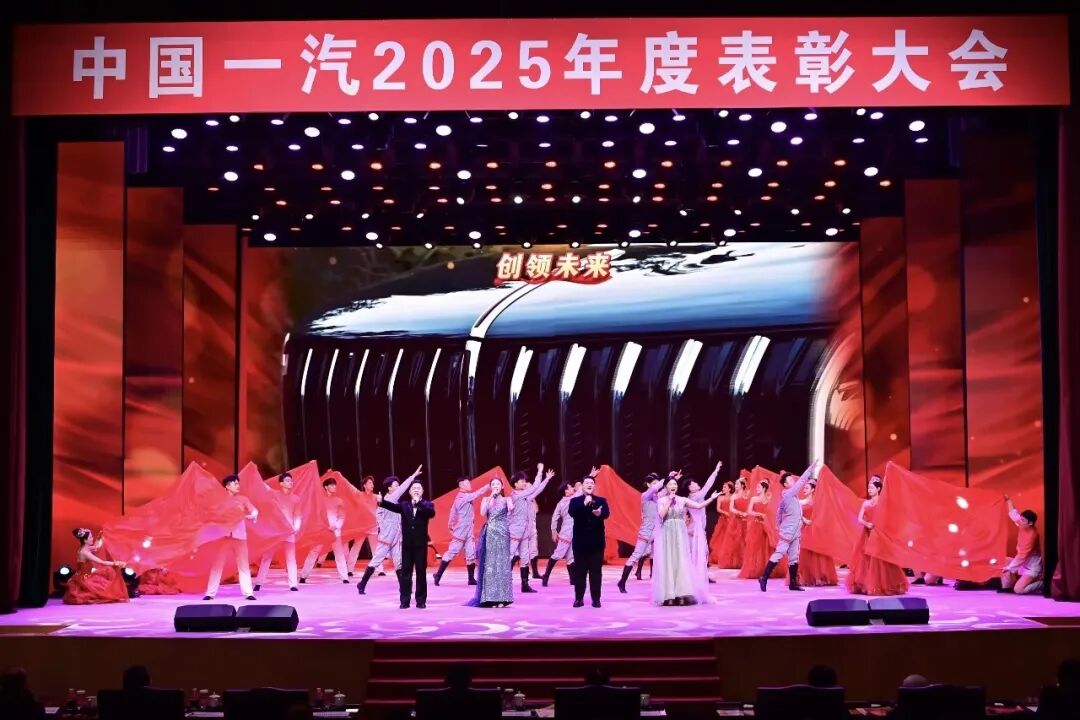
● 本报记者 龚梦泽 在2025年国内汽车产销量双双突破3400万辆、创下历史新高的背景下,2026年1月销量数据成为全年行 业走势的重要风向标。中国汽车工业协会最新发布的数据显示,2026年1月国内汽车销售总量达234.6万 辆,其中销量排名前十位的企业(集团)合计销售196.2万辆,占汽车销售总量的83.6%,创下近年同期 头部集中度新高,"强者恒强"的马太效应持续凸显。 中汽协常务副会长付炳锋表示,2026年1月车市呈现"平稳开局、结构分化"的特征,行业集中度进一步 提升。从具体表现看,前十车企内部"五增五降"的格局清晰,反映出市场竞争的加剧。随着各家车企密 集推进新品投放与技术落地,2026年汽车产业的竞争将更趋激烈。 1月车市销量披露后,国内十余家主流车企陆续公布2026年销量目标,结合自身发展基础形成层次清晰 的竞争布局。不同于往年单纯设定增速,今年所有车企均以产品投放与技术兑现为核心,以期抢占全年 市场先机。 传统车企集团作为车市中坚,以稳健增长与新能源转型为核心,目标设定贴合自身节奏。中国一汽明确 全年销量目标为354.6万辆(同比增长7.39%),将今年定为转型首战之年,聚焦科技研发与电动化 ...


全网最全,这些春节撒钱的车企,你发现了几个?
3 6 Ke· 2026-02-26 02:51
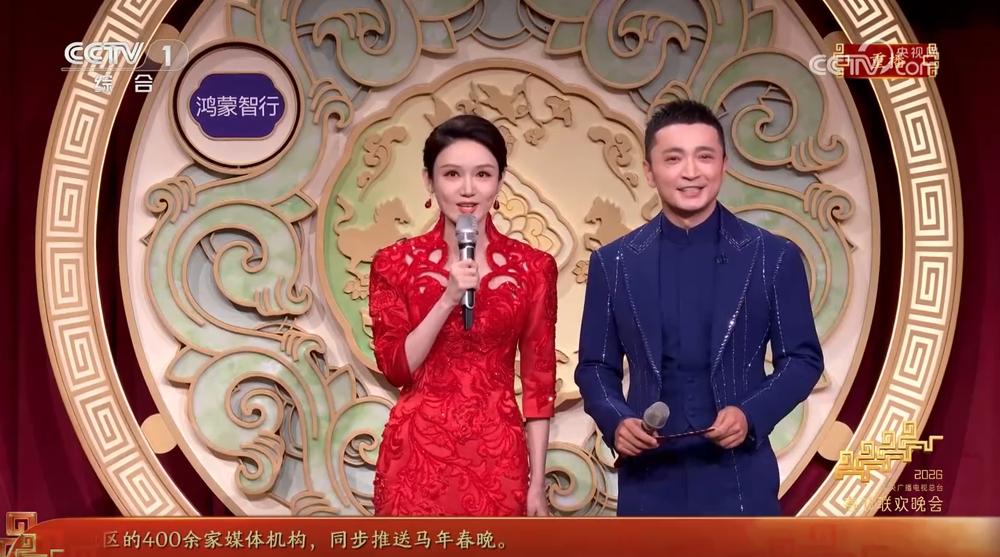
春节假期,车企们也没忘了营销。 车东西2月25日消息,在已经过去的2026丙午马年春节假期中,千家万户沉浸在团圆年味中时,中国汽车市场的营销"大戏"也同时开场。 在今年春节假期,车企营销全面开战,春晚刷屏、电影植入、热点玩梗等流派各显神通,几乎所有主流品牌都没停下宣传的脚步。 据车东西不完全统计,至少有11大玩家20个品牌参与了马年春节假期的春晚、春节档电影和自制短片的营销大战。 从鸿蒙智行的广告连续多年登上春晚,到汽车相关题材的电影引来车企扎堆植入,再到宝马借品牌名称融合马年拍摄的短片,车企们用差异化 营销打法抢占用户心智,也为车圈接下来更加激烈的竞争拉开了序幕。 鸿蒙智行的广告登上春晚 01.鸿蒙智行集体亮相,领克、启源出现在分会场 作为国民级的节目,在春晚投放可以在大众心中提升品牌知名度,而《2026中央广播电视总台春节联欢晚会》上自然也出现了众多车企的身 影。 鸿蒙智行旗下尊界品牌的尊界S800车型成为春晚"智慧出行时代旗舰合作伙伴",连续两年与春晚合作。 尊界S800成为春晚"智慧出行时代旗舰合作伙伴" 鸿蒙智行旗下的另一个品牌问界则延续了三年春晚合作的热度,在创意节目《手到福来》中深度植入,问界M ...



1月乘用车市场销量分析:开年遇冷呈短期波动 合资表现相对稳健
Zhong Guo Zhi Liang Xin Wen Wang· 2026-02-25 03:22
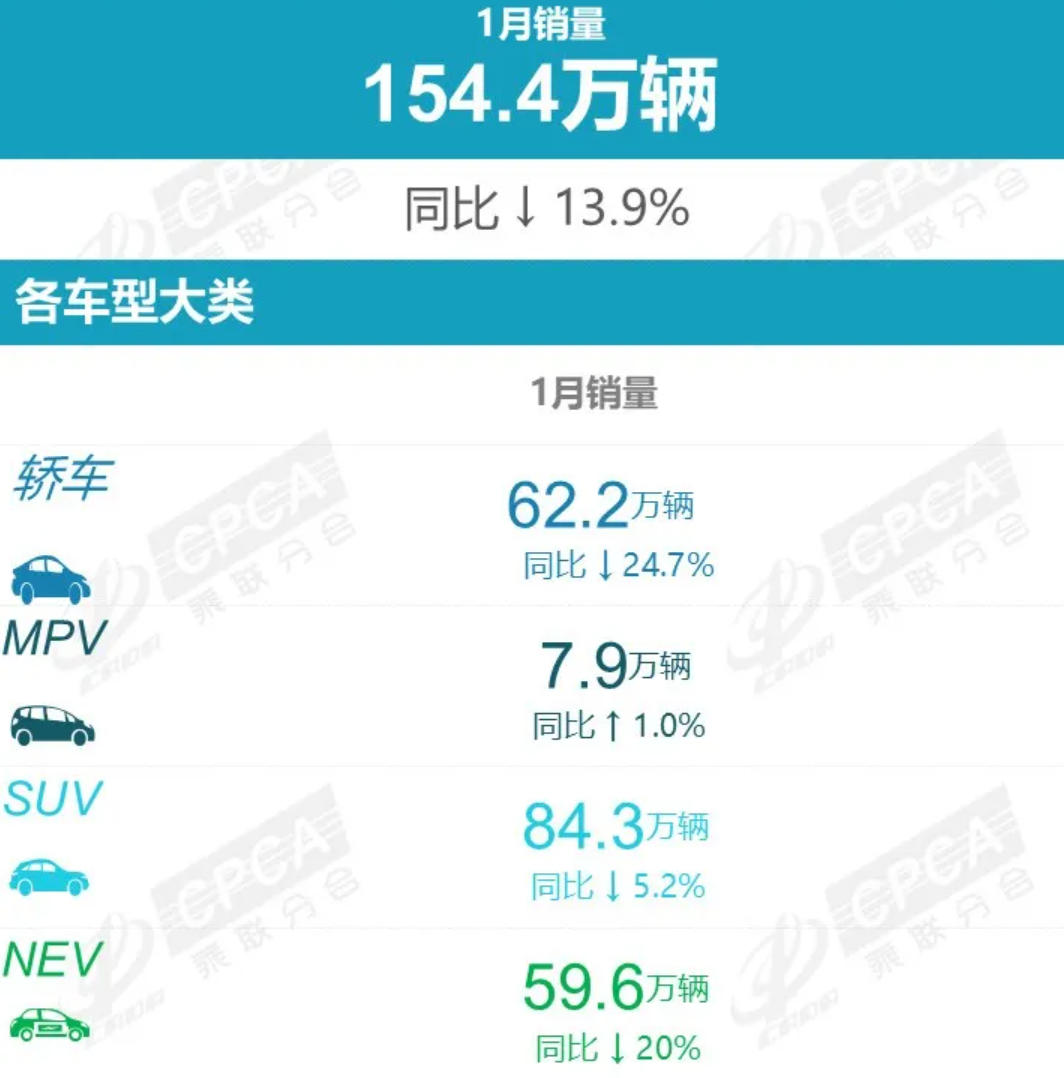
中国质量新闻网讯 在政策调整衔接与消费需求透支的双重影响下,2026年1月国内乘用车市场开局遇冷,整体销量同比出现明显下滑。根据乘联分会数据, 该月国内狭义乘用车市场零售销量达154.4万辆,同比下降13.9%。值得关注的是,尽管市场整体承压,但不同阵营、细分市场表现分化明显,合资品牌零售 表现相对稳健。 具体到细分市场,1月各领域表现差异显著,轿车市场下滑最为明显。数据显示,1月轿车销量为62.2万辆,同比大幅下降24.7%;作为乘用车市场的主力细 分领域,SUV市场虽同样面临下行压力,但表现优于轿车市场,该月销量为84.3万辆,同比下滑5.2%;1月的MPV市场依旧是各细分领域中表现较弱的板 块,销量同比小幅上涨1.0%达到7.9万辆;新能源车方面,由于购置税免税政策在2025年底结束,部分用户提前购买形成年底的消费透支现象,从而抑制1月 新能源车市场的需求,销量仅59.6万辆,同比下滑20.0%。 自主阵营承压明显 合资相对稳健 在政策等多重影响下,1月车市整体零售呈现同比下滑态势,自主品牌、合资品牌、豪华车市场均受到不同程度冲击。具体来看,自主品牌1月零售89万辆, 同比下降18%。国内零售份额为57 ...
太猛了!16家汽车企业2026年销量目标马力全开
Zhong Guo Qi Che Bao Wang· 2026-02-24 06:11
Group 1 - In 2025, China's automobile production and sales both exceeded 34 million units, setting a new historical record [1] - The year 2026 marks the beginning of the "14th Five-Year Plan," with many automotive companies setting ambitious sales targets and clear strategies for growth [1] Group 2 - China FAW aims for a sales target of 3.546 million units in 2026, a year-on-year increase of 7.39% from 2025 [4] - Dongfeng Motor targets 3.25 million units for 2026, with over 30% year-on-year growth, focusing on new energy vehicles and exports [6] - Changan Automobile sets a goal of 3.3 million units for 2026, a 13.3% increase, with a strong emphasis on new energy vehicle sales [8] Group 3 - SAIC Motor's sales target for 2026 is projected between 4.5 million and 5 million units, reflecting a pragmatic approach [10] - BAIC Group aims for 2.2 million units in 2026, with a focus on new energy products and smart technology [12][13] - GAC Group's sales in Q4 2025 reached 537,800 units, showing a significant quarter-on-quarter increase of 25.56% [16] Group 4 - Chery aims for a sales target of 3.2 million units in 2026, a 14.03% increase from 2025, with plans to launch 17 key models [20] - BYD achieved a record of 4.602 million units in 2025 and plans to sell 1.3 million vehicles overseas in 2026, a 24.3% increase [22][23] - Geely targets 3.45 million units for 2026, a 14% increase, with a focus on new energy vehicle launches [25][26] Group 5 - Great Wall Motors sets a target of 1.8 million units for 2026, a 36% increase from 2025, supported by new technology [28][29] - Li Auto aims for 550,000 units in 2026, with a growth plan of approximately 40% [31] - NIO's sales target for 2026 is between 456,000 and 489,000 units, with plans to expand its battery swap station network [33] Group 6 - XPeng Motors targets 550,000 to 600,000 units for 2026, with a growth rate of approximately 28% to 39.7% [36] - Leap Motor aims for a sales target of 1.05 million units in 2026, a 67.5% increase, with plans to launch four new models [38] - Xiaomi Auto sets a target of 550,000 units for 2026, a 34% increase, focusing on technology development and user experience [40] Group 7 - Harmony Smart aims for over 1 million units in 2026, with plans to launch more than 10 new models [43]


汽车消费购租两旺 新能源车成增长引擎
Bei Jing Shang Bao· 2026-02-24 02:23
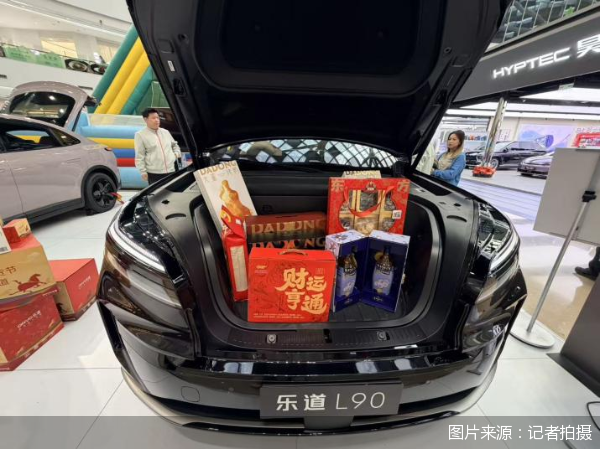
此外,各大车企也在春节期间给出不少优惠。例如,乐道汽车买车即赠送超2000元的年货礼包,还有7 年低息的优惠购车方案;蔚来EC6车型选择租用100度电池的方案,可享受一年内租一月免一月的活 动;鸿蒙智行在2月3日—3月2日期间给出多重购车权益,其中问界M9享受2.5万元的现金优惠、2万元 的智驾抵扣包等价值8.7万元的权益;极氪汽车则在今年2月给出含保险补贴、厂家补贴等共计2.2万元的 现金优惠。 北京市新能源指标的增发也将进一步释放消费需求。2月15日,北京市发布2026年小客车指标配额和配 置比例,今年将增发新能源指标8万个,其中面向家庭增发6万个、面向个人增发2万个。多位新能源汽 车销售人员向北京商报记者表示,不少消费者的家庭积分即将排到车牌指标,促使其在春节期间集中试 驾、预订。除价格优惠力度外,消费者更为关注智驾配置、电池续航等因素。 租车市场爆发 汽车消费购租两旺 新能源车成增长引擎 春节假期,国内汽车消费与出行市场双爆发。北京商报记者走访各大汽车品牌销售门店发现,随着新一 轮国补开启,线下咨询、试驾的消费者络绎不绝,目前汽车市场已形成"国补+区域补贴+厂促"的多重 让利体系,进一步激活春节购车需 ...
春节车市“购”“租”两旺:以旧换新超61万辆,新能源租车首破四成
Bei Jing Shang Bao· 2026-02-23 11:45
春节假期,国内汽车消费与出行市场迎来双重爆发。北京商报记者实地走访各大汽车品牌销售门店发 现,随着新一轮国补开启,线下咨询、试驾的消费者络绎不绝,目前汽车市场已形成"国补+区域补贴 +厂促"的多重让利体系,激活了春节购车需求。与此同时,新能源租车订单量暴涨,占比首次突破四 成。随着补能网络的完善,在冰雪景观目的地中,新能源车型的身影也逐步显现。 业内人士指出,2026年汽车市场将步入总量稳增、结构优化的高质量发展阶段,新能源汽车将成为绝对 增长引擎。同时,技术标准升级将倒逼落后产能出清,推动行业向技术领先型企业集中。 多重政策拉动,购车热度升温 "我一个人每天就要接待七八位到店咨询的消费者,春节假期的咨询量比平时大很多。"北京合生汇乐道 汽车门店销售人员向北京商报记者表示,在国家补贴、区域补贴以及厂家补贴等优惠助力下,春节期间 门店整体客流量有明显攀升。 目前,新一轮汽车以旧换新补贴申请窗口已经开通,开票价超过18.8万元的车型可以享受1.5万元的置换 补贴。今年春节前夕,国家层面汽车消费支持政策全面落地。商务部等8部门联合印发《2026年汽车以 旧换新补贴实施细则》,自1月1日起正式执行,报废旧车购买新能源 ...
春晚40年赞助商变迁史,从康巴丝到机器人见证中国经济跃迁
Sou Hu Cai Jing· 2026-02-18 02:17
Group 1 - The article discusses the evolution of sponsorship in the CCTV Spring Festival Gala over the past 40 years, reflecting changes in Chinese society and consumer behavior [2][3] - The first sponsor, 康巴丝 (Kambas), set a precedent in 1984 by using 3,000 quartz watches as payment, marking the beginning of brand sponsorship in the gala [6][8] - The transition from watches to bicycles as the next major sponsor in 1995 illustrates the shift in consumer goods that represented status during the era of material scarcity [10][12] Group 2 - The late 1990s saw a surge in consumer spending on new household appliances, with 山东孔府宴酒 (Shandong Confucius Banquet Wine) becoming the first "mark king" of the gala in 1995, paying 30.79 million yuan [10][12] - The rapid growth of the liquor industry during this period was fueled by "human consumption," where premium liquor became a social currency [12][14] - The article highlights the consequences of over-reliance on advertising without maintaining product quality, as seen in the case of 秦池酒 (Qin Pool Wine), which faced a significant drop in sales after quality issues emerged [14][15] Group 3 - From the early 2000s, the focus shifted to home appliances, with 美的 (Midea) becoming a prominent sponsor, securing 16 sponsorships from 2003 to 2019 [17][19] - The cost of advertising during the gala increased significantly, with Midea's sponsorship fee rising from 6.8 million yuan in 2005 to 57.2 million yuan in 2011, reflecting the growing viewership [17][19] - The brand storytelling approach adopted by companies like 海尔 (Haier) and 格力 (Gree) during this period indicates a shift towards building emotional connections with consumers [20] Group 4 - The rise of internet companies post-2010 transformed the gala's advertising landscape, with platforms like WeChat leveraging the event for massive user engagement through interactive features like the "red envelope battle" [21][23] - The article notes that the 2015 Spring Festival Gala saw WeChat's user engagement peak, with over 10.1 billion red envelopes sent, showcasing the event's potential as a digital marketing platform [21][23] - The involvement of tech giants in the gala reflects a broader trend of digital economy reshaping traditional advertising methods, with companies like 快手 (Kuaishou) and 抖音 (Douyin) entering the sponsorship arena [25][27] Group 5 - The article concludes by emphasizing the transition from showcasing products to highlighting technological advancements, as seen with the introduction of robots in recent galas [27] - This shift signifies a broader change in China's economic landscape, moving from manufacturing to innovation-driven growth, with a focus on high-tech industries [27] - The future of the Spring Festival Gala sponsorship landscape remains uncertain, raising questions about which industries will dominate the next decade [27]



春晚广告位争夺战:四十年国民记忆与商业暗流
创业邦· 2026-02-17 10:32
Core Viewpoint - The evolution of the Spring Festival Gala sponsorship reflects the changing landscape of China's economy and consumer behavior over the past 40 years, showcasing the transition from material scarcity to technological innovation and brand storytelling [4][24]. Group 1: 1980s to Early 1990s - The 1980s marked a period of material scarcity, where items like watches and radios were symbols of wealth and status, leading to the first brand sponsorship by 康巴丝 (Kangbasi) at the Spring Festival Gala [5][7]. - 康巴丝 sponsored the gala by trading 3,000 quartz watches for advertising, which significantly boosted its brand recognition and sales, reaching an annual production of 1.26 million watches by 1987 [8]. - The sponsorship model evolved, with 中华自行车 (Zhonghua Bicycle) taking over the sponsorship in 1995, reflecting the changing consumer demands and economic conditions [9][14]. Group 2: Mid-1990s to Early 2000s - The mid-1990s saw a surge in consumer spending, with the emergence of "标王" (advertising king) sponsorships, particularly in the liquor industry, exemplified by 山东孔府宴酒 (Shandong Confucius Feast Wine) and 秦池酒 (Qinchijiu) [11][12]. - 秦池酒's sponsorship led to a dramatic increase in sales from 1.8 billion yuan in 1995 to 9.5 billion yuan in 1996, highlighting the impact of gala sponsorship on brand visibility and sales [16]. - The era was characterized by a shift towards consumerism, with brands leveraging the gala to enhance their market presence, although some faced backlash due to quality issues [16]. Group 3: 2000s to Early 2010s - The early 2000s marked the rise of home appliance brands, with 美的 (Midea) becoming a prominent sponsor, securing 11 sponsorships from 2003 to 2014, reflecting the growing importance of brand trust [17][19]. - The cost of advertising skyrocketed, with Midea's sponsorship fee increasing from 6.8 million yuan in 2005 to 57.2 million yuan in 2011, indicating the gala's significant viewership and advertising value [21]. - Brands began to focus on storytelling and emotional connections with consumers, moving beyond mere product promotion to build brand loyalty [23]. Group 4: Mid-2010s to Present - The 2010s saw the rise of internet companies as key players in the advertising space, with platforms like WeChat revolutionizing audience engagement through interactive features like the "red envelope battle" during the gala [25][26]. - The digital transformation of the gala allowed for unprecedented levels of interaction, with WeChat reporting 10.1 billion red envelope transactions on New Year's Eve, significantly enhancing its user base [26]. - The emergence of technology companies in the gala sponsorship landscape reflects a broader shift towards innovation and digital engagement, with brands like Xiaomi and AI robotics showcasing advancements in technology [32].