日本货币政策

Search documents
日元跳水!高市早苗对日本央行再次加息表示担忧
Hua Er Jie Jian Wen· 2026-02-24 08:08
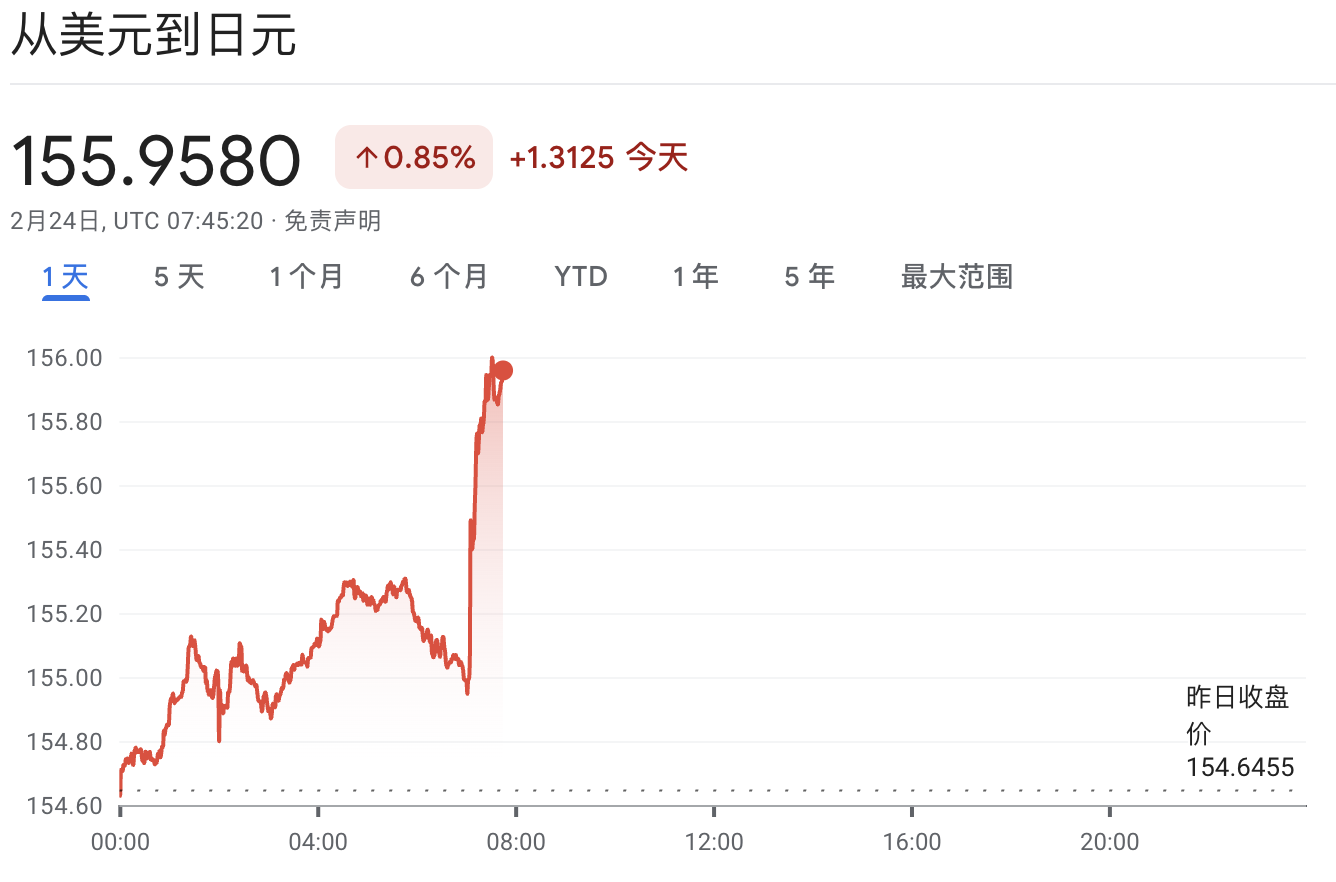
Group 1 - The core viewpoint of the article highlights that Japanese Prime Minister Fumio Kishida has intensified pressure on the Bank of Japan regarding monetary policy, leading to a rapid depreciation of the yen [1][3]. - Kishida expressed concerns about potential further interest rate hikes during a meeting with Bank of Japan Governor Kazuo Ueda, indicating a more assertive stance compared to their previous meeting in November [3][4]. - Following the news, the USD/JPY exchange rate surged by 0.85%, reflecting increased market pressure and a reassessment of expectations regarding the Bank of Japan's monetary policy [1][5]. Group 2 - The Bank of Japan, in response to concerns about political interference, emphasized that Kishida did not make any specific requests regarding interest rates during their meeting, thereby preserving the central bank's independence [4]. - The market reacted swiftly to the news, with the two-year Japanese government bond yield falling by 3.5 basis points to 1.215%, and the five-year yield dropping by 4 basis points to 1.565% [1][5]. - Kishida's statements have introduced uncertainty regarding the Bank of Japan's future actions, which could affect investor sentiment and market pricing of the central bank's policy trajectory [3][5].

日本执政联盟副主席警告不要对日本央行政策进行政治干预
Xin Lang Cai Jing· 2026-02-16 02:35
Core Viewpoint - The Japanese government must avoid intervening in monetary policy and focus on building a robust economy to withstand potential future interest rate hikes [1][6]. Group 1: Economic Policy and Taxation - The ruling coalition plans to support economic growth through fiscal policy rather than pressuring the Bank of Japan to delay interest rate hikes, which could help curb the disorderly depreciation of the yen [2][8]. - Japan currently imposes an 8% consumption tax on food and a 10% tax on other goods. Following a historic election victory, Prime Minister Sanna Takashi reiterated the commitment to postpone the food consumption tax for two years to alleviate the rising cost of living for households [3][8]. - This tax postponement could lead to a significant fiscal gap, worsening Japan's already fragile fiscal situation. The government aims to implement this policy by the fiscal year 2026, with discussions on timing and funding sources ongoing [3][8]. Group 2: Foreign Exchange Reserves - The potential use of Japan's $1.4 trillion foreign exchange reserves as a source of fiscal revenue has been highlighted, which could allow the government to fund tax policies without issuing new government bonds [3][8]. - The surplus in foreign exchange reserves is considered a non-tax revenue source, making it a viable option for financing fiscal measures [3][8]. Group 3: Interest Rates and Market Reactions - The Bank of Japan's decision on interest rates should be independent of political influence, as stated by Yoshimura Hirofumi, who emphasized that the government should not overly interfere in the details of monetary policy [1][7]. - The market is closely monitoring the weak yen situation, with expectations that the Bank of Japan may raise interest rates again before April, despite the recent rebound of the yen following the election [4][9]. - The yen's depreciation benefits export companies but raises living costs for residents, creating a complex economic scenario [5][10].
贝森特表态“不干预”,市场抛售日元更“无所顾忌”了?
Hua Er Jie Jian Wen· 2026-01-29 07:47
Core Viewpoint - The statement by U.S. Treasury Secretary Yellen has weakened the last psychological defense of the yen, leading to a reduction in intervention expectations and making shorting the yen a more attractive trade [1][10]. Group 1: Market Reactions - Following Yellen's statement on January 28, the USD/JPY pair rebounded sharply from around 152.7 to 153.8, erasing losses caused by rumors of a "New York Fed price check" [1]. - The market's focus has shifted from intervention speculation to the fundamental strength of Japan's economy [5][10]. Group 2: Intervention Expectations - Yellen's denial of intervention has diminished the perceived "policy risk premium" associated with USD/JPY, making shorting the yen more appealing [3]. - There is insufficient evidence to suggest that Japan has intervened in the currency market, as data from the Bank of Japan shows no significant yen-buying activity during recent declines [4]. Group 3: Fundamental Factors - The market is now assessing three key areas regarding Japan's fundamentals: fiscal policy, inflation expectations, and monetary policy [5]. - The upcoming elections and the lack of clarity on funding for tax cuts could create downward pressure on the yen if fiscal expansion continues without a clear financing plan [5]. - Rising domestic inflation expectations have been found to correlate with a weaker yen, indicating that even without widening interest rate differentials, the yen remains under pressure [6]. Group 4: Monetary Policy Implications - Short-term, Yellen's comments may reduce expectations for immediate rate hikes by the Bank of Japan, but if USD/JPY approaches the 150 level again, the Bank may find it challenging to maintain its current stance [8]. - The weakening of the yen is becoming a significant variable in the Bank of Japan's response function, potentially leading to increased rate hike expectations if the yen depreciates too quickly [8][9].
美袖手旁观,日孤掌难鸣!交易员押注“单边干预”难阻日元颓势
智通财经网· 2026-01-29 07:06
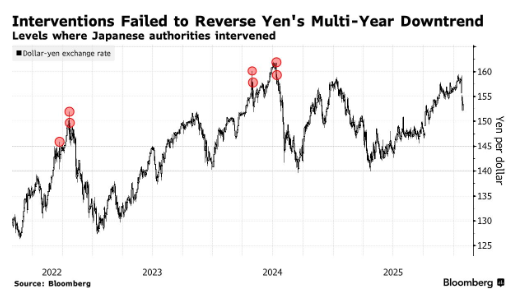
Core Viewpoint - The potential for coordinated intervention in the Japanese yen by the U.S. and Japan has diminished, leading to a significant drop in the yen's value and raising questions about the effectiveness of unilateral interventions by Japan [1][3]. Group 1: Market Reactions - Following U.S. Treasury Secretary Yellen's comments dismissing the likelihood of U.S. intervention, the yen fell by 1.2%, marking its largest single-day decline in over five weeks [1]. - Traders are reassessing the potential responses from the Japanese government if the yen depreciates significantly before the upcoming House of Representatives election on February 8 [1]. Group 2: Economic Fundamentals - Japan's real interest rates remain negative, and inflation continues to exceed 2%, with market expectations indicating only two rate hikes from the Bank of Japan this year, reinforcing views that Japan's monetary policy lags behind economic conditions [3]. - Concerns are growing regarding Japan's fiscal risks, particularly with expectations that the ruling Liberal Democratic Party will maintain a majority in the upcoming election, potentially leading to large-scale fiscal stimulus that could further pressure the yen [3]. Group 3: Intervention Effectiveness - Analysts suggest that without a shift in Japan's monetary policy, any unilateral intervention by the Japanese government would likely have limited long-term success in stabilizing the yen [4][5]. - Historical data indicates that Japan's unilateral interventions have only provided short-term support for the yen, failing to reverse its long-term depreciation trend [5]. Group 4: U.S. Position - The U.S. stance complicates the situation, as any Japanese intervention would involve selling dollars to support the yen, which could exert downward pressure on the dollar; thus, U.S. approval is crucial for Japan's intervention efforts [3][4].
加息难阻颓势 高市早苗政策被批动摇日元信用根基
Sou Hu Cai Jing· 2025-12-24 16:34
Core Viewpoint - The recent decline in support for Prime Minister Fumio Kishida's cabinet reflects growing concerns over Japan's economic policies and the effectiveness of the Bank of Japan's monetary strategies [1][5][6]. Group 1: Economic Indicators - The latest public opinion poll shows Kishida's cabinet support rate at 67.5%, down 2.4 percentage points from November, with a disapproval rate of 20.4% [1]. - The Japanese yen has been on a downward trend, recently trading at 157.76 yen per dollar, marking a significant depreciation of 20% compared to three years ago [1]. - Following a 25 basis point interest rate hike by the Bank of Japan, the 10-year government bond yield rose to 2.020%, the highest since August 1999 [3]. Group 2: Monetary Policy and Market Reactions - Economists note that the recent interest rate hike was conservative, failing to instill confidence in the market regarding the government's policies [2][3]. - The Bank of Japan's commitment to maintaining loose financial conditions has led to skepticism about the effectiveness of its monetary policy in controlling inflation and stabilizing the yen [3][4]. - The yield on long-term Japanese government bonds has reached a 26-year high, indicating a lack of investor confidence in domestic bonds [4]. Group 3: Fiscal Policy Concerns - Kishida's government has approved an additional budget of 18.3 trillion yen to support economic stimulus, with 11.7 trillion yen financed through new bond issuance, raising concerns about Japan's fiscal health [5][6]. - There is apprehension among investors regarding Japan's public debt, with projections suggesting that the debt-to-GDP ratio could rise from 215% to 230% by 2030 if current fiscal policies persist [6]. - The government's lack of a clear plan for debt repayment has led to market skepticism about its fiscal responsibility [6]. Group 4: Future Outlook - Analysts predict that the Bank of Japan may raise interest rates twice next year, potentially reaching 1.25%, but any significant intervention in the foreign exchange market may depend on the yen's performance against the dollar [8]. - The finance minister has indicated that the government has room to take decisive action in response to currency fluctuations, hinting at possible direct market interventions [7].
日元,跌跌跌不休
第一财经· 2025-12-23 08:42
Core Viewpoint - The Japanese yen has been in a downward trend in the foreign exchange market, with significant depreciation despite the Bank of Japan's recent interest rate hike, indicating a lack of market confidence in the government's policies [3][4][6]. Group 1: Yen Depreciation and Economic Policies - The yen has depreciated significantly, with a 20% drop compared to three years ago, reaching historical lows against major currencies [3][6]. - Following a 25 basis point interest rate hike by the Bank of Japan, the yen continued to weaken, suggesting that the market does not view the government's policies favorably [4][6]. - The Bank of Japan's cautious approach to monetary policy, characterized by a gradual increase in rates, has not effectively addressed inflation or stabilized the currency [6][10]. Group 2: Market Reactions and Investor Sentiment - The increase in loan costs due to the interest rate hike has led to a shift in investment strategies, with some funds moving to the stock market while others are leaving Japan due to concerns over public debt [7][10]. - The yield on 10-year Japanese government bonds has reached a 26-year high, indicating a lack of confidence in domestic investments [7][8]. - There is a growing concern among investors regarding Japan's fiscal health, with a significant portion of the population expressing worries about the government's financial management [12][11]. Group 3: Future Outlook and Potential Interventions - Analysts predict that if the yen continues to depreciate, the Bank of Japan may need to reassess its monetary policy to balance between stabilizing the currency and controlling inflation [14][15]. - The Japanese government is expected to face increasing fiscal pressure, with potential interventions in the foreign exchange market if the yen's decline accelerates [14][15]. - Future interest rate hikes are anticipated, with expectations of two more increases, potentially bringing the rate to 1.25% [15].

全球流动性”祛魅“,中国资产”重估“
Guohai Securities· 2025-12-20 12:20
Group 1: U.S. Monetary Policy Outlook - U.S. job market shows signs of weakness with November 2025 unemployment rate rising to 4.6%, the highest since October 2021[10] - November 2025 CPI unexpectedly dropped to 2.7%, below the expected 3.1%, indicating easing inflation concerns[13] - The Federal Reserve is expected to implement two rate cuts in 2026, each by 25 basis points, driven by economic data and political pressures[21] Group 2: Japanese Monetary Policy Outlook - Japan's core CPI in November 2025 was 3.0%, remaining above the central bank's 2% target for 44 consecutive months[30] - The Bank of Japan is anticipated to raise rates 1-2 times in 2026, each by 25 basis points, reflecting a cautious approach due to structural constraints[31] - Japan's government debt remains the highest globally, limiting the potential for significant rate increases[35] Group 3: Impact of Global Liquidity Changes - The liquidity premium is diminishing, shifting asset pricing back to fundamentals, particularly affecting U.S. equities and bonds[42] - Chinese assets are benefiting from external liquidity easing and internal profit cycles, with a focus on PPI recovery driving profit elasticity[46] - Hong Kong stocks are expected to attract capital due to their low valuation and high dividend yield, with performance increasingly dependent on domestic fundamentals[54]
三井住友警告:若日元进一步走弱 日本加息路径将重陷不确定
Xin Hua Cai Jing· 2025-12-19 05:47
Core Viewpoint - The depreciation of the Japanese yen is primarily driven by market expectations that "real negative interest rates will temporarily persist," which supports the profitability outlook for export-oriented companies and continues to boost the Japanese stock market [1][2] Group 1: Currency and Monetary Policy - The Bank of Japan's Governor, Kazuo Ueda, may need to adopt a "rather tough tone" in an upcoming press conference to curb further yen depreciation [1] - If the yen continues to weaken, the pace of interest rate hikes may become uncertain again, highlighting the complex situation facing Japan's monetary policy [1] - The current inflation pressures and fiscal sustainability require the central bank to consider raising interest rates, while an excessively strong yen could harm the export-driven economy, and an excessively weak yen could exacerbate imported inflation and undermine foreign investor confidence in Japanese government bonds [1] Group 2: Exchange Rate Trends - As of December 19, 2025, the USD/JPY exchange rate is approaching a historical low of 157:1 [1] - The Bank of Japan signaled a hawkish stance on December 1, indicating it would "consider the pros and cons of raising policy rates" during monetary policy meetings, leading to widespread expectations of an end to the three-decade era of ultra-low interest rates in Japan [1]

AvaTrade爱华每日市场报告 2025年12月1日
Sou Hu Cai Jing· 2025-12-01 10:11
Core Viewpoint - Global markets closed the week with cautious optimism, supported by expectations of potential easing from the Federal Reserve, despite rising bond yields and a stronger yen from the Bank of Japan's policy shift, indicating complex challenges ahead [1][5][9]. US Market Performance - Major US indices rose for the fifth consecutive day, with the S&P 500 up 0.54% to $6,849.09, the Dow Jones up 0.61% to $47,716.42, and the Nasdaq 100 up 0.78% to $25,434.89 [3]. - The rebound is characterized as tentative, driven by growing optimism regarding a potential rate cut by the Federal Reserve in December, although market uncertainty was heightened by a technical failure at the Chicago Mercantile Exchange [3][8]. Global Market Trends - European markets showed slight gains, with the Stoxx 50 index benefiting from financial stocks and individual stock acquisitions, marking a positive end to a volatile November [5]. - Asian markets experienced a recovery, with many indices closing more firmly as investor sentiment improved regarding the Fed's potential rate cuts [5][8]. Key Stock Movements - Intel (INTC) surged by 10.2% amid speculation of becoming a supplier for Apple's processors [6]. - Moderna (MRNA) rose by 3.88% following strong Q3 earnings and cost-cutting measures, boosting confidence in its 2025 profit outlook [6]. - Western Digital (WDC) increased by 3.54% due to optimism over AI-driven storage demand and strong performance [6]. Market Sentiment and Economic Indicators - The market is balancing between "policy hopes" and "real pressures," with Fed dovish signals temporarily boosting risk assets, while uncertainties in Japanese monetary policy and global yield pressures pose risks [9][10]. - The VIX index decreased by 4.99% to 16.35, indicating a slight easing in volatility, although it remains above long-term lows [6][10]. - The dollar index faces pressure due to rising rate cut expectations and declining US yields, while gold prices increased amid lower real yields and a weaker dollar [10].
贝森特“指导”日本政府“少干预”,日本央行加息在望?
Hua Er Jie Jian Wen· 2025-10-29 01:04
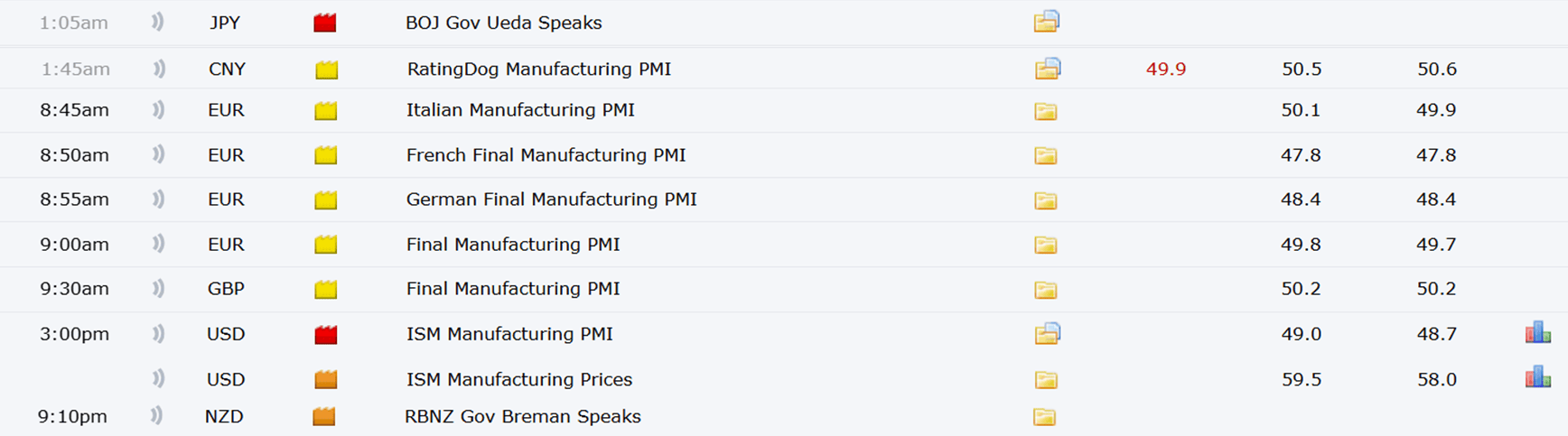
Core Viewpoint - The recent statements by U.S. Treasury Secretary Bessent have stirred market expectations regarding Japan's monetary policy, emphasizing the need for the Japanese government to provide the Bank of Japan (BOJ) with sufficient policy space to stabilize inflation expectations and exchange rates [1][3][6]. Group 1: Market Reactions - Bessent's comments have been interpreted as external support for the BOJ to tighten monetary policy, increasing expectations for an interest rate hike [3][6]. - Following Bessent's post, the yen strengthened against the dollar, moving from 152.12 to approximately 151.54 [3]. - Despite expectations that the BOJ would maintain interest rates at the upcoming meeting, Bessent's remarks have added weight to the view that a rate hike may be imminent [6][9]. Group 2: Government and Central Bank Dynamics - Bessent's statements directly challenge the monetary policy stance of Japan's new Prime Minister, who advocates for low interest rates and has previously urged the BOJ to collaborate with the government to boost demand [7]. - The Japanese government is attempting to downplay the impact of Bessent's comments, with Finance Minister Katayama asserting that the meeting did not directly address BOJ's monetary policy [8]. - There appears to be a divergence within the Japanese government regarding the implications of a weak yen, with some officials viewing it as beneficial for the economy [8]. Group 3: Economic Indicators and Predictions - Japan's core inflation rate has remained above the BOJ's 2% target for over three years, raising concerns among policymakers about potential second-round price effects [9]. - Most economists predict that the BOJ will raise interest rates again in December or January [9][10]. - Analysts suggest that if Japan aims to correct the yen's weakness, it must consider monetary intervention or policy adjustments [10].