
财政金融协同

Search documents
消费行业快评报告(二):以旧换新政策持续+财政金融协同,商品消费有望扩容升级
Wanlian Securities· 2026-03-05 14:24
证券研究报告|商贸零售 [Table_Title] 以旧换新政策持续+财政金融协同,商品消 费有望扩容升级 [Table_ReportType] ——消费行业快评报告(二)[Table_ReportDate] [事件Table_Summary] : 3 月 5 日,十四届全国人大四次会议在北京开幕,国务院总理李强 作政府工作报告。今年政府工作报告提出,促进商品消费扩容升级, 安排超长期特别国债 2500 亿元支持消费品以旧换新,优化政策实 施机制。设立 1000 亿元财政金融协同促内需专项资金,组合运用 贷款贴息、融资担保、风险补偿等方式,支持扩大内需。扩大个人 消费贷款和服务业经营主体贷款贴息政策支持领域,提高贴息上 限,延长实施期限。实施好一次性信用修复政策。 投资要点: 持续巩固"以旧换新"成果,促进商品消费扩容升级。今年政府工 作报告提出将安排超长期特别国债 2500 亿元支持消费品以旧换 新,促进商品消费扩容升级。从金额来看,2026 年"国补"资金规 模较 2025 年的 3000 亿元有所下滑,但仍明显高于 2024 年的 1500 亿元。从品类来看,根据 2025 年末国家发展改革委、财政部印 ...
宏观政策“更加积极有为”的含金量在哪
21世纪经济报道· 2026-03-05 10:21
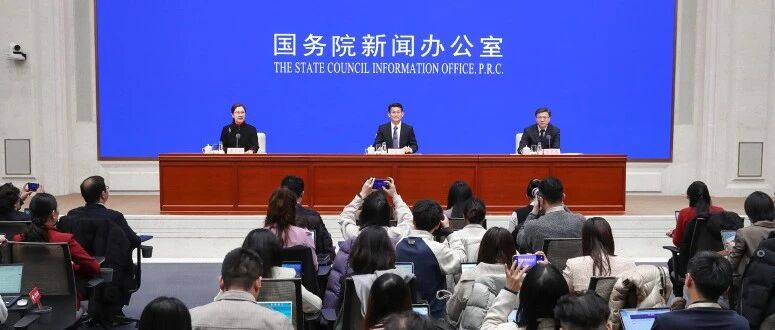
记者丨 李莎 编辑丨周上祺 视频丨王学权 国务院新闻办公室于2026年3月5日上午11时30分举行吹风会,解读《政府工作报告》,并答 记者问。 理,通过加大逆周期调节力度,向社会传递出清晰有力的宏观政策信号。 更加积极有为怎么体现?陈昌盛认为,这主要体现在三个方面。 一是力度和规模比较大。 今年延续了4%左右的赤字率,是历史上比较高的水平,赤字规模比 上年增加2300亿元。新增政府债务总规模达到11.89万亿元,创历史新高。今年一般公共预算 支出将首次达到30万亿元,比上年增加1.27万亿元。这些都体现了更加积极的财政政策。货币 政策也延续了适度宽松的取向,强调要用好降准降息等多种政策工具,保持流动性充裕,还要 加力扩围实施好新型政策性金融工具等,努力降低企业融资成本,支持实体经济。 二是更加注重精准有效。 财政政策方面,政府工作报告特别强调,要深化零基预算改革,要 把一些低效、花得不好的钱调出来,花到更有用的地方去。去年已经收到了一些效果,今年还 要加大力度。另外,要进一步优化支出结构,盘活存量资产资源,把更多财政资金用于提振消 费、投资于人、保障民生等方面。货币政策也将优化结构性政策工具,强化支持扩大内需 ...

1000亿专项资金来了,将重磅加持贷款贴息、融资担保
21世纪经济报道· 2026-03-05 09:17
记者丨冯紫彤 编辑丨周炎炎 肖嘉 视频丨吴桂兴 肖航 3月5日,十四届全国人大四次会议在人民大会堂开幕。国务院总理李强作政府工作报告。 在今年的政府工作报告中,"着力建设强大国内市场""持续扩大内需""坚持内需主导"等表述被多次提并置于重要位置。 具体政策方面,报告提到, 2026年,将设立1000亿元财政金融协同促内需专项资金,组合运用贷款贴息、融资担保、风险补偿等方 式,支持扩大内需。 事实上,在2025年底召开的全国财政工作会议上,便有"2026年要加强财政金融协同,放大政策效能"的表述。今年1月20日,财政 部、中国人民银行等部门联合发布六项财政金融政策,聚焦促进居民消费、激发民间投资。 从过往政策看,在消费端,政策主要发力在针对个人消费贷款和服务业经营主体贷款的贴息政策。 2026年政府工作报告对此也有提 及,"扩大个人消费贷款和服务业经营主体贷款贴息政策支持领域,提高贴息上限,延长实施期限。" 个人消费贷款财政贴息政策自2025年9月1日起正式实施,根据相关政策,对符合条件的个人消费贷款给予年贴息比例1%的财政支 持,大体相当于目前商业银行个人消费贷款利率水平的三分之一。 除了惠及消费端, 政策同 ...

银行业周报:央行关注存款搬家,2025Q4银行业净利增速回正
Zhong Guo Yin He Zheng Quan· 2026-02-15 06:24
Investment Rating - The report maintains a "Recommended" rating for the banking sector, highlighting the continued attractiveness of high dividend yields and low valuations for long-term investors [5]. Core Insights - The banking sector is expected to benefit from a stable growth in scale and a recovery in net profit growth, with a year-on-year increase of 2.33% in net profit for 2025 [9][11]. - The central bank's monetary policy will continue to be moderately accommodative, focusing on structural optimization and financial support for key areas such as domestic demand and small and medium enterprises [7][8]. - The phenomenon of "deposit migration" is impacting the liability structure of banks, but overall liquidity remains stable [8][9]. Summary by Sections Latest Research Insights - The central bank's 2025Q4 monetary policy report emphasizes maintaining ample liquidity and optimizing financial resource allocation through fiscal and monetary policy coordination [7]. - The report indicates that the average weighted interest rate for new loans in 2025 was 3.15%, a decrease of 9 basis points compared to the previous year [7]. Weekly Market Performance - The banking sector underperformed the market, with a decline of 1.31% compared to a 0.36% increase in the CSI 300 index [5]. - The current price-to-book ratio for the banking sector is 0.64, with a dividend yield of 4.64% [5]. Regulatory and Policy Updates - The banking sector's key regulatory indicators for 2025Q4 show a net profit growth recovery, with total assets increasing by 9% year-on-year [9][10]. - The non-performing loan ratio decreased to 1.5%, indicating an improvement in asset quality across various types of banks [10][11]. Investment Recommendations - The report suggests focusing on banks with low valuations and high dividend yields, recommending specific banks such as ICBC, Agricultural Bank of China, and Postal Savings Bank [5][39]. - The anticipated continuation of accommodative monetary policy and structural financial support is expected to enhance the effectiveness of policies aimed at boosting domestic demand [5][7].






政策解读|聚焦内需,聚力开局——2025年四季度货币政策执行报告解读
Xin Lang Cai Jing· 2026-02-11 16:40
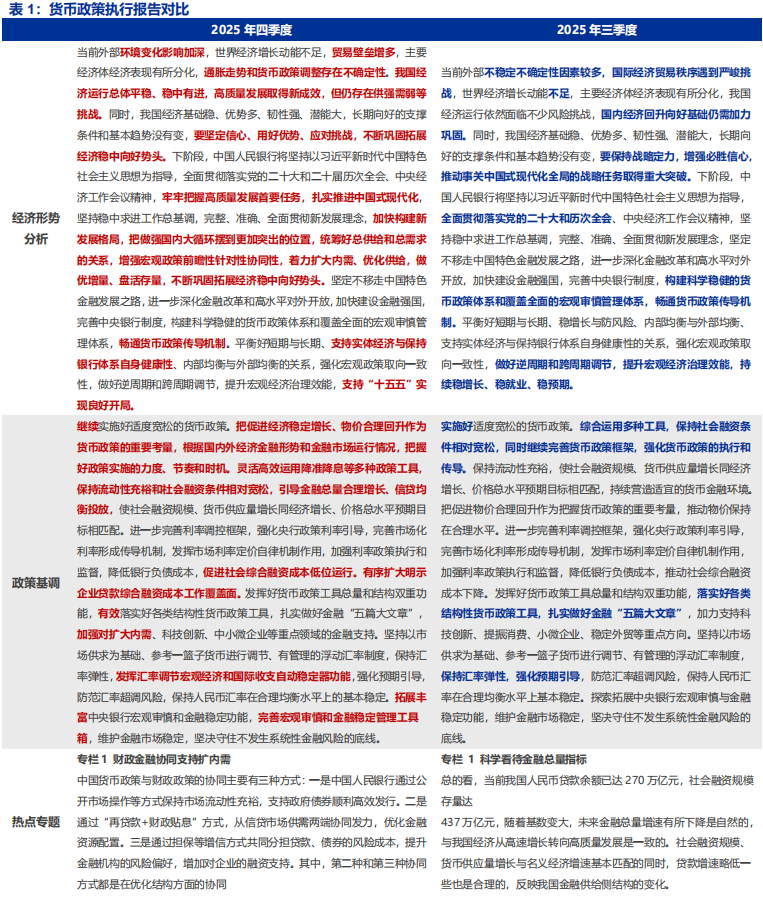
外部形势判断上,《报告》突出强调"外部环境变化影响加深",新增"通胀走势与货币政策调整存在不确定性"表述,体现央行对四季度以来国际环境复杂 性的担忧加剧。相较三季度报告"外部不稳定不确定性因素较多,国际经济贸易秩序遇到严峻挑战"的表述,四季度报告更聚焦贸易秩序变化对全球通胀及 货币政策的深层影响。 来源:赵伟宏观探索 事件: 2026年2月10日,央行发布2025年四季度货币政策执行报告(以下简称《报告》)。 经济形势分析:外部通胀走势和货币政策调整存在不确定性;要支持"十五五"实现良好开局 国内经济形势评估上,《报告》更侧重内需,提出"把做强国内大循环摆到更加突出的位置",新增"支持'十五五'实现良好开局",凸显政策层对经济开局 的重视。《报告》同时强调着力扩大内需、巩固经济稳中向好势头,并重申疏通政策传导、保持银行体系自身健康性。 政策基调:继续实施好适度宽松的货币政策,灵活高效运用降准降息等多种政策工具。 汇率上,《报告》新增"发挥汇率调节宏观经济和国际收支自动稳定器功能",凸显汇率市场化与弹性特质。随宏观经济企稳、资本市场发展,人民币对美 元重回"7"以内。汇率稳定性提升后,其对货币政策掣肘明显缓解, ...
定调2026:银行最新报告,为何强调适度宽松货币不换挡?
Sou Hu Cai Jing· 2026-02-11 16:36
中国人民银行发布的最新货币政策执行报告,再次明确"继续实施好适度宽松的货币政策" 央行在《2025年第四季度中国货币政策执行报告》中重申了适度宽松的立场 同时,报告首次在货币政策执行报告中明确要求"发挥增量政策和存量政策集成效应" "适度宽松"政策在2026年被赋予了新的内涵。除了保持流动性充裕外,报告特别强调 "保持社会融资条件相对宽松" 这意味着央行将更加关注企业实际融资成本,而不仅仅是货币供应量。报告还删除了"注重盘活存量金融资源、提高资金使用效率"的表述 央行将重点放在"做优增量、盘活存量"上 本次报告一个突出特点是强调了财政金融协同。报告通过专栏文章详细介绍了中国货币政策与财政政策的三种协同方式 第一种协同是央行通过公开市场操作保持市场流动性充裕,支持政府债券顺利高效发行 第二种是"再贷款 财政贴息"方式,从信贷市场供需两端协同发力,优化金融资源配置 央行最新发布的《2025年第四季度中国货币政策执行报告》传递了明确信号。报告指出将继续实施好适度宽松的货币政策 报告强调货币政策的核心考量是"促进经济稳定增长、物价合理回升" 报告首次在货币政策执行报告中明确要求"发挥增量政策和存量政策集成效应",显示 ...

政策解读|聚焦内需,聚力开局——2025年四季度货币政策执行报告解读
赵伟宏观探索· 2026-02-11 16:03
政策基调:继续实施好适度宽松的货币政策,灵活高效运用降准降息等多种政策工具。 货币政策基调上,《报告》延续"适度宽松的货币政策",重申对物价的重视与"灵活高效运用降准降息等 多种政策工具",与中央经济工作会议精神一致。 物价作为供需信号被重点关注,货币政策与增长、物 价的关联更清晰。"灵活高效"表明央行紧盯宏观运行,将在关键时点精准发力,熨平经济波动。1月,央 行行长潘功胜也表示"今年降准降息还有一定的空间"。 文 | 赵伟、贾东旭 联系人 | 贾东旭 摘要 事件: 2026年2月10日,央行发布2025年四季度货币政策执行报告(以下简称《报告》)。 经济形势分析:外部通胀走势和货币政策调整存在不确定性;要支持"十五五"实现良好开局 外部形势判断上,《报告》突出强调"外部环境变化影响加深",新增"通胀走势与货币政策调整存在不确 定性"表述,体现央行对四季度以来国际环境复杂性的担忧加剧。 相较三季度报告"外部不稳定不确定性 因素较多,国际经济贸易秩序遇到严峻挑战"的表述,四季度报告更聚焦贸易秩序变化对全球通胀及货币 政策的深层影响。 国内经济形势评估上,《报告》更侧重内需,提出"把做强国内大循环摆到更加突出的位 ...

债市看多的逻辑
2026-02-11 15:40
Summary of Conference Call Notes Industry Overview - The focus of the conference call is on the bond market in China, with a long-term bullish outlook on the bond market despite short-term fluctuations [1][15]. Key Points and Arguments 1. **Long-term Bullish Outlook**: The company maintains a long-term bullish view on the bond market, with expectations of upward trends despite potential short-term volatility, particularly after the Spring Festival [1][10]. 2. **High Real Interest Rates**: China's real interest rates, measured by the 10-year government bond yield relative to CPI, remain high at approximately 1.1168, which is conducive to economic growth and necessitates a low-interest environment [2][4]. 3. **International Comparisons**: Historical data from developed economies shows that exiting low-interest environments takes considerable time, suggesting that China may also require a prolonged period to stabilize its interest rates [3][4]. 4. **Government Debt Levels**: The increasing scale of government debt, projected to rise to over 70 trillion for central government bonds and 80 trillion for local government bonds by 2026, indicates significant fiscal pressure that necessitates a low-interest environment [4][5]. 5. **Banking Sector Stability**: The banking sector's net interest margin has been declining, from approximately 2.1% in 2020 to 1.42% in 2025, which impacts profitability and necessitates a stable interest rate environment to maintain financial stability [6][7]. 6. **Insurance Sector Growth**: The insurance sector has seen rapid growth, with new premium income reaching 212.6 billion in January 2026, a 27.6% increase year-on-year, indicating strong demand for bonds from non-bank financial institutions [8][9]. 7. **Bond Market Demand**: There is a significant demand for bonds from various sectors, including insurance, as large amounts of fixed deposits are maturing and being converted into insurance products and other financial instruments [9][10]. 8. **Interest Rate Projections**: The 10-year government bond yield is expected to remain within the range of 1.7% to 1.9%, with a potential decline to 1.6% if interest rates are cut further [10][11]. 9. **Investment Strategies**: The company recommends focusing on high liquidity government bonds and credit bonds, with an emphasis on safety and yield, particularly in the context of expected low interest rates and potential market volatility [22][23]. Additional Important Content - **Fiscal and Monetary Policy Coordination**: The need for coordinated fiscal and monetary policies to support domestic demand is emphasized, with a focus on maintaining liquidity and reducing financing costs [15][16]. - **Asset Management Products**: The total assets of asset management products have reached 120 trillion, reflecting a growing trend in the financial market that requires careful monitoring [17][18]. - **Regional Investment Insights**: Specific regions such as Beijing and Guangxi are highlighted for their stable investment opportunities, with a focus on local government bonds and enterprises that are financially sound [26][29]. This summary encapsulates the key insights and strategic outlook presented during the conference call, focusing on the bond market dynamics, fiscal pressures, and investment strategies in the context of China's economic landscape.
金融市场流动性与监管动态周报:融资资金加速流出,资金面边际好转-20260211
CMS· 2026-02-11 09:31
证券研究报告 | 策略研究 2026 年 2 月 11 日 融资资金加速流出,资金面边际好转 ——金融市场流动性与监管动态周报(0211) 3. 《春节前后资金流入的特征如 何?——金融市场流动性与监管 动态周报(0203)》 | 招商 A 股流动性指数 | | | --- | --- | | 流动性指标 | 数值/金额(亿元) | | 资金供给 | | | 公募基金发行 | 100.78↓ | | ETF 净申购 | -60.80↑ | | 融资净买入 | -515.96↓ | | 资金需求 | | | 限售解禁 | 1019.81↑ | | IPO 融资 | 13.99↓ | | 净减持金额 | 66.58↓ | | 计划减持金额 | 128.75↓ | | 活跃度 | | | A 股周度日均成交额 | 24066.54↓ | | 二级市场可跟踪资金供需持续净流出 | | 张夏 S1090513080006 zhangxia1@cmschina.com.cn 涂婧清 S1090520030001 tujingqing@cmschina.com.cn 田登位 S1090524080002 tiandengw ...
读Q4央行货币政策执行报告:重结构,重传导
GOLDEN SUN SECURITIES· 2026-02-11 09:10
1. Report's Industry Investment Rating No relevant content provided. 2. Core Viewpoints of the Report - The central bank's monetary policy aims to promote economic stability and price recovery. It will maintain a loose direction but be implemented flexibly according to actual situations [1][9]. - The policy emphasizes the guiding role of policy - interest rates and the improvement of the interest - rate transmission mechanism, which may drive more funds into the bond market [2][10]. - Fiscal - financial coordination is strengthened to ease the impact of government bond supply. The policy continues to focus on structural tools [2][3][10][11]. - Considering the overall situation of deposits and asset - management products can better reflect the overall liquidity of the financial system. The downward trend of broad - spectrum interest rates remains unchanged [4][12]. - The bond market's allocation power may increase. The overall market trend is in the process of gradual recovery, and the dumbbell - shaped strategy on the yield curve is more advantageous [5][14]. 3. Summary by Relevant Catalogs 3.1 Analysis of the Central Bank's Monetary Policy Report - **Monetary Policy Goals**: Promote economic stability and price recovery, implement policies based on domestic and international economic and financial situations, and the loose direction remains unchanged but with flexible implementation [1][9]. - **Interest - Rate Policy**: Guide short - term money - market interest rates to run stably around the central bank's policy rates. Reform and improve the LPR, and rationalize the relationship between loan and bond yields, which may restrict the decline of loan rates and drive funds into the bond market [2][10]. - **Fiscal - Financial Coordination**: Support the efficient issuance of government bonds through open - market operations, and cooperate with fiscal policies through "re - loans + fiscal subsidies" and other means to ease the impact of government bond supply [2][10]. - **Structural Policy**: Increase the re - loan quota by 400 billion yuan in January 2026, with a total re - loan quota of 1.2 trillion yuan. Structural tools are the main means of central bank easing [3][11]. - **Treasury Bond Trading**: Normalize treasury - bond trading, and the central bank may maintain a monthly purchase scale of tens of billions [3][11]. - **Deposit and Interest - Rate Trends**: There is no significant change in the overall deposit situation. The downward trend of broad - spectrum interest rates remains unchanged, with the weighted average interest rate of newly issued loans in Q4 2025 at 3.15%, a 10 - basis - point decrease from the previous quarter [4][12]. 3.2 Views on the Real Economy - **Positive Factors**: The national economy is stable and improving. New drivers are accelerating development, production and supply are growing well, the foundation for stable economic development is being consolidated, total demand is expanding, consumption potential is being released, and macro - policies are more proactive [17][18]. - **Risk Factors**: The external environment is more complex and severe, with weakening global economic growth momentum, increasing trade barriers, and domestic effective demand being insufficient [21]. - **Inflation Outlook**: There are more positive factors for a moderate recovery in price levels. CPI and core CPI have shown positive changes, and PPI's decline has narrowed [23]. 3.3 Next - Stage General Ideas and Specific Measures - **General Ideas**: Adhere to high - quality development, focus on expanding domestic demand and optimizing supply, deepen financial reform and opening - up, and support the "Four - Five - Five" plan to start well [25]. - **Specific Measures** - **Monetary Policy Direction**: Maintain reasonable growth of financial aggregates, implement a moderately loose monetary policy, and create a suitable monetary and financial environment [26]. - **Credit Policy Orientation**: Play the guiding role of credit policies, support key areas and weak links, and develop various types of finance such as science - technology finance and green finance [27][28]. - **Interest - Rate and Exchange - Rate Policy**: Promote interest - rate and exchange - rate marketization reforms, maintain the stability of interest and exchange rates, and create a stable environment for the real economy [29]. - **Financial Reform and Opening - up**: Strengthen the construction of the bond market, promote RMB internationalization, and expand the use of RMB in cross - border trade and investment [30]. - **Financial Risk Prevention**: Build a comprehensive macro - prudential management system, prevent and resolve financial risks, and strengthen the management of system - important financial institutions [31].