贸易战

Search documents
The Art of the Sledgehammer: How Trump’s 15% Global Tariff Just Redecorated Your Portfolio
Stock Market News· 2026-03-20 06:00
Trade Policy Impact - The U.S. administration has increased global tariffs from 10% to 15%, significantly affecting the trade landscape and supply chains [1][3] - Retailers such as Walmart (WMT) and Target (TGT) are experiencing declines in stock prices, with WMT down 1.4% and TGT down 2.3% as they adjust to the new tariff rates [4] - The iShares MSCI Mexico ETF (EWW) fell by 4.2% following the announcement of tariffs on all goods imported from Mexico, impacting automakers like Ford (F) and General Motors (GM) [5] Sector Reactions - The energy sector saw a rise in stock prices for ExxonMobil (XOM) and Chevron (CVX), up 1.8% and 1.5% respectively, due to increased volatility and potential supply shortages [6] - The healthcare sector is facing pressure as the administration engages with drugmakers like Pfizer (PFE) and Eli Lilly (LLY) on implementing "Most Favored Nation" pricing, which could lower drug prices in the U.S. [10] Market Performance - The DOW and S&P 500 indices have shown declines, with the DOW down 0.85% and the S&P 500 down 1.2% as investors react to the escalating trade tensions [2][4] - The volatility index (VIX) is trending upward, indicating increased market uncertainty and investor anxiety [13] Cryptocurrency Market - Bitcoin (BTC) has fallen by 4.8% amid broader market liquidations, despite claims of rising American Bitcoin treasury firms [11]


瑞达期货集运指数(欧线)期货日报-20260302
Rui Da Qi Huo· 2026-03-02 11:03
1. Report's Industry Investment Rating - Not mentioned in the provided content 2. Core Viewpoints of the Report - The geopolitical situation has deteriorated, the effective shipping capacity has rapidly shrunk. Coupled with the resurgence of Trump's tariff war and the cancellation of photovoltaic tax - rebates in April forcing shipments and stockpiling in March, the futures price of the container shipping index (European line) is supported. In the short - term, the supply - demand pattern shifts from the off - season's looseness to a tight balance, and the shipping companies' bargaining power is strengthened. If the US - Iran situation worsens and the Strait of Hormuz remains blocked, the freight index is expected to continue rising. In the medium - term, if the blockade is lifted, the oil price drops and the shipping capacity recovers, the freight rate will gradually return to the off - season fundamentals, but it is expected to be higher than the pre - blockade level due to panic and risk - aversion sentiment. Investors are advised to be cautious and control risks, and track airline quotes, cargo volume data, and the development of the US - Iran conflict and the subsequent Iranian regime transition [2] 3. Summary by Relevant Catalogs 3.1 Futures Market Data - EC main contract closing price: 186.4 (up); EC second - main contract closing price: 1429.200 (previous value: 1885.1, up 245.80) - EC2604 - EC2606 spread: - 50.70 (down); EC2604 - EC2608 spread: - 455.90 (previous value: - 551.20, down 59.80) - EC contract basis: - 314.91 (down) - EC main contract open interest: 8998 (up) [2] 3.2 Spot Market Data - SCFIS (European line) (weekly): 1463.40 (down 110.11, 7.0% week - on - week); SCFIS (US West line) (weekly): 1045.08 (down 66.93) - SCFI (composite index) (weekly): 1251.46 (down 81.65); container ship capacity (10,000 TEUs): 1227.97 (unchanged) - CCFI (composite index) (weekly): 1088.14 (up 43.57); CCFI (European line) (weekly): 1508.26 (up 43.97) - Baltic Dry Index (daily): 2140.00 (down 23.00); Panamax Freight Index (daily): 1942.00 (down 26.00) - Average charter price (Panamax ship): unchanged; Average charter price (Cape - size ship): 28,568.00 (up 1354.00) [2] 3.3 Industry News - Global "black - swan" event: On February 28 local time, the US and Israel launched an air strike on Iran. Trump said the attack aimed to destroy Iran's missile industry and navy and prevent Iran from obtaining nuclear weapons. Netanyahu announced the goal was to overthrow the Iranian regime, and the attack might last at least a week. Trump also claimed that Iran's Supreme Leader Khamenei "was dead" and the bombing would continue. - Iran's former President Ahmadinejad was assassinated, and several Iranian military commanders died. The Iranian military launched the ninth round of "True Promise 4" attacks on US and Israeli targets. The US "Lincoln" aircraft carrier was reported to be attacked by 4 Iranian ballistic missiles, but the US military denied the attack and said no US warships were damaged or personnel injured. - Chinese Foreign Minister Wang Yi had a phone call with Russian Foreign Minister Lavrov. Wang Yi said that under the promotion of China and Russia, the UN Security Council held an emergency meeting on the Iranian situation. China called for an immediate stop to military operations, a return to dialogue and negotiation, and opposition to unilateral actions [2] 3.4 Key Points to Follow - March 3, 07:30: Japan's January unemployment rate - March 3, 18:00: Eurozone's February CPI annual rate preliminary value [2]

抵达中国不足24小时,默茨拿下大单,美国关税大棒突然失灵,还没启程的特朗普只能眼红
Sou Hu Cai Jing· 2026-02-27 17:49
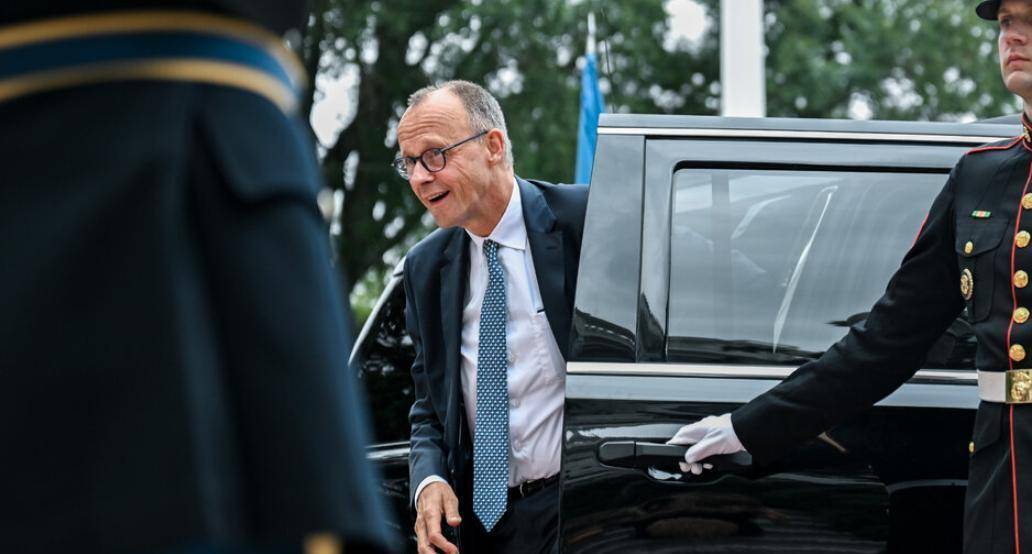
Group 1 - Germany's Chancellor Merz announced that China plans to purchase up to 120 additional aircraft from Airbus, boosting the morale of the accompanying German business delegation [1][3] - The visit included nearly 30 top executives from leading German companies such as Volkswagen, Mercedes-Benz, BMW, Siemens, Bayer, and Adidas, highlighting the significance of the trip for German economic interests in China [3][11] - Airbus has established a strong presence in the Chinese market, with over 780 aircraft delivered since 2008, and is set to expand its production capacity in Tianjin, making it a key player in meeting local demand [6][11] Group 2 - The U.S. Supreme Court ruled that tariffs imposed by the Trump administration under the International Emergency Economic Powers Act were illegal, affecting approximately $175 billion worth of goods [4][8] - Following the ruling, Trump announced a new plan to impose a 10% import tariff on global goods, which is significantly lower than previous tariffs, reducing its effectiveness as a negotiating tool [4][6] - The timing of the Supreme Court's decision poses challenges for Trump, who aimed to leverage tariffs during his upcoming visit to China to secure a significant order for Boeing, which has struggled in the Chinese market [6][10] Group 3 - Merz's visit is interpreted as a strategic move for Europe to strengthen ties with China amid U.S.-China tensions, emphasizing the importance of a balanced partnership [7][11] - The visit also focused on technology and industrial cooperation, with Merz attending events related to robotics and autonomous driving, showcasing potential collaboration areas [7][11] - The German economy, heavily reliant on exports, views the partnership with China as crucial for stability and growth, especially as China is projected to surpass the U.S. as Germany's largest trading partner by 2025 [11][13]


加拿大第四季度GDP萎缩0.6% 受库存下降拖累
Xin Lang Cai Jing· 2026-02-27 16:28
Group 1 - The Canadian economy showed weak performance at the end of the year, with a significant decline in corporate inventories leading to a 0.6% decrease in the annualized real GDP for the fourth quarter [1][4][5] - Household spending, exports, and government capital expenditures partially offset the decline in corporate inventories, although the overall economic growth remains subdued [5][6] - The actual GDP growth for 2025 is projected at 1.7%, marking the slowest annual growth rate since the economic contraction in 2020, primarily due to the pressure from U.S. tariffs on Canadian exports [5][6] Group 2 - Preliminary estimates indicate that the real GDP for January remained flat, following a 0.2% increase in December, which was slightly above economists' expectations of 0.1% [2][6] - Despite the pressures from the trade war, household consumption and government spending, particularly defense spending, have shown resilience, providing some counterbalance to the economic challenges [2][6] - Analysts suggest that the weakness in the fourth quarter was entirely due to inventory factors and does not reflect underlying economic momentum, with ongoing trade and tariff uncertainties likely to continue affecting the economy [2][6]
得意洋洋的印度人,准备对特朗普蹬鼻子上脸,美国大棒却还在后面
Sou Hu Cai Jing· 2026-02-27 10:44
Group 1 - The U.S. Supreme Court ruled that Trump cannot use national emergency powers to bypass Congress for large-scale tariff measures, potentially requiring the return of over $100 billion in tariffs already collected [1] - In response to the ruling, India is considering renegotiating its recently signed trade agreement with the U.S., viewing this as an opportunity to avoid punitive tariffs and restore oil trade with Russia [1] - The legal framework in the U.S. allows for significant presidential discretion in trade matters, with various laws providing the president with broad powers to impose tariffs without congressional approval [3][5][7] Group 2 - The 1974 Trade Act's Section 122 allows the president to impose temporary tariffs without congressional approval, which can effectively become permanent through repeated renewals [5] - Section 301 of the same act enables the U.S. government to investigate and retaliate against foreign trade practices deemed harmful to U.S. interests, while Section 232 allows for tariffs based on national security concerns [7][8] - The recent Supreme Court ruling clarifies that the International Emergency Economic Powers Act should be used by Congress rather than the president, indicating a lack of domestic support for Trump's tariff policies [8]
特朗普访华前送定心丸,美国盟友不干了
Sou Hu Cai Jing· 2026-02-27 06:41
Group 1 - The U.S. has officially imposed a 10% tariff on global goods, with potential increases to 15% or more for certain countries, while maintaining current tariff levels on China as per agreements [1][3][4] - The Trump administration is utilizing various legal frameworks to implement tariffs, including the International Emergency Economic Powers Act and the Trade Expansion Act, despite facing judicial challenges [3][4] - The European Union is particularly affected, with approximately 7% of its export goods facing tariffs exceeding 15%, impacting products worth around €4.2 billion [4] Group 2 - The upcoming visit of President Trump to China is influencing the administration's tariff strategy, focusing on pressuring allies rather than escalating tensions with China [5] - The U.S. is signaling a hardline stance towards allies like the EU, Japan, and South Korea, while maintaining a cautious approach towards China, indicating a strategic intent to leverage tariffs for negotiations [5][6] - China's response indicates a willingness to engage in dialogue while closely monitoring U.S. actions, suggesting potential retaliatory measures if the trade conflict escalates [6]

访华官宣不到24小时!美底牌就被撕烂,英媒:中国发现了美国弱点
Sou Hu Cai Jing· 2026-02-27 05:32
Group 1 - Trump's planned visit to Beijing in April aims to address long-standing trade disputes through direct dialogue, focusing on trade balance, agriculture, and market access commitments from China [1] - The global market reacted slightly positively to the news, with stock markets showing minor gains as there are expectations for progress in trade negotiations [1] - The visit is expected to include high-level meetings addressing core issues such as energy and supply chains, amidst ongoing trade tensions characterized by tariffs and export restrictions [1] Group 2 - The U.S. Supreme Court ruled that tariffs imposed by the Trump administration under emergency economic powers were illegal, stating that such powers are meant for temporary measures, not long-term taxation [3] - The ruling has prompted importers to prepare to reclaim substantial amounts paid in tariffs, indicating a significant financial impact on businesses [3] - The court emphasized that the purpose of the tariffs was to force changes in China's trade practices, which did not align with the legal framework for emergency actions [3] Group 3 - Following the court's decision, Trump expressed dissatisfaction, claiming it undermined national security plans, leading to urgent meetings among White House lawyers to assess the ruling's implications [5] - The automotive and technology sectors are particularly affected, as companies report increased costs and supply chain disruptions due to tariffs [5] - Trump's negotiation strategy is now under reevaluation, as the tariffs that were once leverage have lost their effectiveness [5] Group 4 - British media highlighted that U.S. companies are reluctant to leave the Chinese market, which is a significant revenue source, and warned that restrictions could backfire on U.S. interests [6] - The U.S. dependency on China for rare earth elements poses a risk, particularly for military aircraft production, which relies heavily on these materials [6] - The combination of debt issues and trade deficits limits Trump's ability to act unilaterally in trade negotiations [6] Group 5 - The internal divisions within the U.S. regarding trade policy are becoming more pronounced, with European leaders pursuing business agreements with China, indicating a shift in focus towards practical business rather than U.S.-led containment efforts [8] - U.S. farmers are concerned about the potential impact of export disruptions on their political support base, especially with upcoming midterm elections [8] - China's response to U.S. weaknesses has been measured, leveraging debt and supply chain dependencies to alleviate pressure [8] Group 6 - Trump's executive order aimed at restoring negotiation leverage through global tariffs is seen as ineffective compared to previous tariff policies, as it requires congressional approval and has limited duration [10] - Many industries express that they cannot withdraw from China due to the market's importance for their revenues, particularly in the semiconductor sector [10] - The production of military aircraft is significantly hindered by China's control over rare earth materials, leading to production delays [10] Group 7 - Concerns over export stagnation among U.S. farmers could affect electoral outcomes, highlighting the political ramifications of trade policies [12] - The U.S. is facing increasing pressure from European companies that have already signed trade agreements with China, indicating a loosening of the U.S. containment strategy [12] - Trump's attempts to negotiate compromises have been met with skepticism from Congress, as Beijing perceives insufficient U.S. sincerity [12] Group 8 - The changing international landscape suggests that U.S. unilateralism is becoming untenable, with Trump's visit to China reflecting a recognition of this reality [14] - The combination of debt, electoral pressures, and supply chain dependencies is forcing the U.S. to engage in equal dialogue rather than unilateral actions [14] - The Supreme Court's ruling effectively nullified the tariff strategy, catching Trump off guard just before his planned visit [14] Group 9 - British media noted that China has effectively identified U.S. vulnerabilities, including high debt and reliance on supply chains, which limits Washington's ability to exert pressure [15] - China's position remains firm against unilateral tariffs, advocating for mutually beneficial cooperation [15] - The shift in strategy towards non-tariff cooperation by the Trump administration reflects a significant reduction in negotiating power [15]
特朗普凌晨突袭!关税一夜暴涨,猛增至15%,贸易战又来了?
Sou Hu Cai Jing· 2026-02-27 04:51
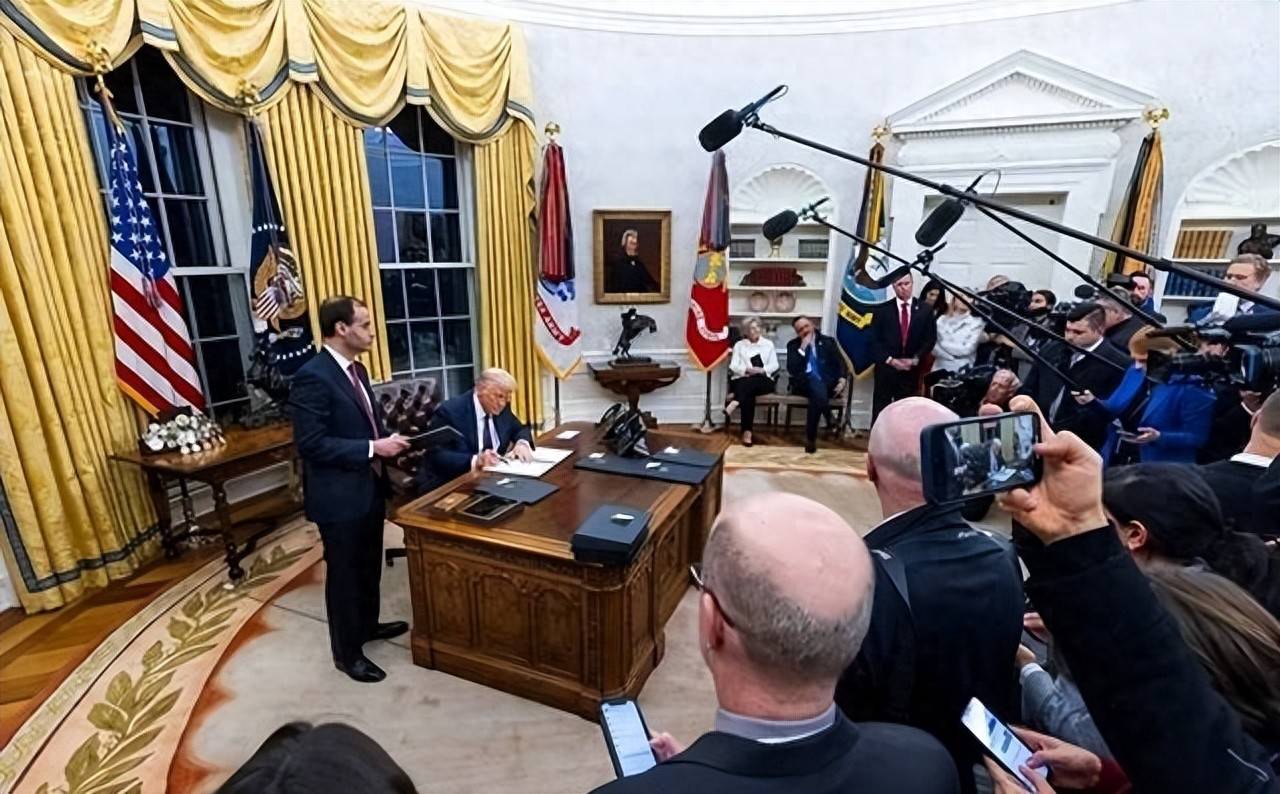
Group 1 - Trump's announcement to raise global tariffs from 10% to 15% indicates a significant shift in his approach, reflecting an unprecedented urgency in his policy stance [1][3] - The increase in tariffs is politically motivated, aimed at reinforcing Trump's image as a strong leader and appealing to his core supporters ahead of the upcoming elections [3][4] - The 5% increase in tariffs could lead to substantial disruptions in various industries, particularly affecting low-margin sectors that may struggle to absorb the cost increase [4][6] Group 2 - The essence of tariffs is to impose taxes on imported goods, which will likely result in higher prices for American consumers and businesses, adding pressure on the Federal Reserve's efforts to combat inflation [6][10] - The potential for retaliatory measures from other countries, including traditional allies, suggests a looming escalation in trade tensions that could undermine the post-World War II international trade framework [6][10] - The anticipated actions from Trump may lead to increased volatility in global stock markets, particularly for companies closely tied to international trade, and could result in a downward adjustment of global economic growth expectations [10]
加拿大保守党反对卡尼外交路线
Xin Lang Cai Jing· 2026-02-27 03:59
Core Viewpoint - The leader of the Conservative Party, Pierre Poilievre, asserts that China cannot replace the United States and criticizes Prime Minister Mark Carney's efforts to strengthen ties with China amid ongoing tensions with the Trump administration [1] Group 1: Canada-U.S. Relations - Poilievre emphasizes that Canada's prosperity and security are closely tied to a stable relationship with the U.S. [1] - He argues against permanently severing ties with Canada’s largest customer and closest neighbor in favor of a strategic partnership with Beijing, which Carney previously labeled as Canada’s biggest threat [1] Group 2: Trade Policy - Poilievre provides a detailed statement on how Canada should handle trade tensions with the U.S., particularly in light of the upcoming reassessment of the USMCA (United States-Mexico-Canada Agreement) [1] - He advocates for the elimination of specific tariffs imposed by Trump on industries such as steel, aluminum, automotive, and lumber [1] - Poilievre proposes a "zero-tariff automotive agreement," suggesting that if the U.S. allows Canadian cars to enter, Canada would agree to block Chinese cars from its market [1]
美股尾盘再跌,特朗普加关税,市场忧心忡忡
Sou Hu Cai Jing· 2026-02-26 22:01
Core Viewpoint - The article discusses the implications of a shift in trade policy from targeted tariffs to global tariffs, which raises inflation concerns, increases corporate costs, disrupts supply chains, and negatively impacts consumer spending and growth expectations [1] Group 1: Economic Impact - The expansion of tariffs to a global scale is expected to lead to increased costs for businesses, which will ultimately be passed on to consumers, resulting in a decrease in disposable income and spending [1] - Historical precedents indicate that trade wars often result in a lose-lose situation, where short-term protection for certain industries may lead to long-term inefficiencies and higher costs for consumers [1] - The uncertainty surrounding the implementation of tariffs creates a "time bomb" effect, leading to delayed corporate investments and a reevaluation of risks by capital markets [7] Group 2: International Reactions - The European Union has expressed significant concern, halting the approval of trade agreements with the U.S. and demanding clarity, indicating that this is not merely a diplomatic complaint but a serious warning [2] - Market reactions have been immediate, with gold prices rising nearly 3% as investors seek safe havens, while high-risk assets like Bitcoin have seen significant declines, reflecting the volatility caused by political uncertainty [2] Group 3: Strategic Responses - Companies are advised to stabilize market expectations through fiscal and monetary measures to prevent panic selling and systemic risks [8] - A multi-layered approach is recommended, including rational diplomatic responses, accelerating supply chain diversification, and actively participating in the maintenance of international trade rules [8] - The article emphasizes the importance of turning political risks into manageable business risks through institutional frameworks rather than relying solely on external factors [11]