
HALO策略

Search documents
迎接二季度 基金经理“防守一波”还是“放手一搏”
天天基金网· 2026-03-31 03:18
Core Viewpoint - Institutional investors are eager to recover excess returns, but the volatile market environment does not provide the same sense of security as early 2026 [1] Group 1: Market Sentiment and Performance - The performance of active equity funds has significantly declined, with many funds returning to their early-year levels, indicating a loss of excess returns [2] - Fund managers are focusing on recovering losses in the second quarter, with market conditions being a critical factor in determining whether the market has bottomed out [2] - A survey indicates that 93.75% of fund managers favor growth sectors, while 62.5% are optimistic about HALO strategies [3] Group 2: Investment Strategies - There is a divergence in strategies among institutional investors, with some focusing on defensive positions while others are looking for rebound opportunities [4] - Fund managers are adjusting their portfolios towards defensive assets, indicating a search for new safety margins [4] - The upcoming period is seen as a decision point, with expectations of clearer geopolitical situations and corporate earnings providing new investment insights [4] Group 3: Sector Focus and Opportunities - The market narrative is centered around AI and oil, with institutions exploring these areas for potential returns [7] - The semiconductor industry is facing supply chain challenges due to geopolitical tensions, which could impact AI-related growth [7] - Growth stocks are being viewed as potential hedging tools against economic uncertainties, with AI seen as a solution to rising costs in traditional manufacturing [7] Group 4: Broader Market Trends - Other narratives in the A-share market include rising oil prices, innovation in pharmaceuticals, and the transition from traditional energy to lithium batteries [8] - Some institutions are focusing on niche areas such as logistics, new consumption, and fiber optics to seek excess returns and act as a safe haven [8]


ETF研究系列之三:HALO逻辑下,哪些ETF受益?
HUAXI Securities· 2026-03-27 13:56
1. Report Industry Investment Rating - Not provided in the content 2. Core Viewpoints of the Report - Since 2026, the trading logic of AI has shifted from "light - asset" sectors such as software and games to "physical" sectors like electricity, coal, and public utilities. The market's understanding of AI is moving from a technological narrative to infrastructure - constrained pricing [1]. - The HALO strategy, based on "heavy assets and low obsolescence rate," is used to screen ETFs. After screening, ETFs are divided into four levels: core HALO, enhanced HALO, neutral HALO, and non - HALO [1]. - Core HALO ETFs have a significantly better risk - return ratio. Since 2026, the Sharpe ratio and Calmar ratio of the equally weighted core HALO portfolio have reached 5.54 and 43.71 respectively, with a maximum drawdown of only 3.42%, significantly lower than other portfolios [2]. - In the future, attention should be paid to related targets such as coal, lithium batteries, steel, and building materials [2][3]. 3. Summary According to the Directory 3.1 HALO Strategy ETF Quantitative Screening: Mapping from Individual Stock Characteristics to ETFs - A quantitative framework is constructed to evaluate whether an ETF conforms to the HALO concept. First, evaluate the HALO characteristics of all A - share individual stocks, then calculate the HALO characteristics of ETFs based on their top ten heavy - weighted stocks, and finally form a comparable, rankable, and hierarchical HALO ETF screening result [18]. - The scoring process of the HALO strategy ETF can be summarized in six steps: building a basic sample pool, scoring individual stocks' HALO, extracting the top ten heavy - weighted stocks of ETFs as penetration samples, calculating the HALO characteristics of ETFs through individual stocks' HALO characteristics, performing coverage correction and sample cleaning, and sorting and stratifying ETFs [18][19][21]. - When scoring individual stocks, the H (heavy assets) factor mainly observes the proportion of fixed assets and capital expenditure to revenue and total assets, and the LO (low obsolescence rate) factor focuses on the proportion of annualized depreciation and goodwill in revenue and total assets, and introduces industry prior scores [27]. 3.2 Future Strategy: Focus on the Supplementary Rise Opportunities of Enhanced HALO - The top - ranked HALO ETFs are mainly of the "double - high" and "balanced" types, rather than being driven by a single factor of H or LO. The top - ranked core varieties (green power - related ETFs) have H scores above 90 and LO scores above 70 [31]. - The performance of the core HALO portfolio is the best. Since 2026, the cumulative net value of the equally weighted core HALO portfolio has led other portfolios, with a maximum drawdown of only 3.42%, significantly lower than other portfolios. Its Sharpe ratio and Calmar ratio are 5.54 and 43.71 respectively, with a much higher cost - performance [33]. - In terms of specific industries, coal still has investment value as the geopolitical situation in the Middle East has not substantially eased, and the demand for coal and coal chemical industry is expected to increase. In the enhanced HALO category, the lithium - battery sector has a small increase since the beginning of the year, with a relatively low congestion level, and is expected to have a supplementary rise. Steel and building materials sectors may benefit from anti - involution policies and still have allocation value [3][34][35].
AI牛市四部曲:狂热、淘金、抱团与撤退
美股研究社· 2026-03-26 10:36
Group 1 - The core viewpoint of the article emphasizes the evolution of the AI bull market from blind optimism to a more cautious and defensive investment strategy, highlighting the changing narratives and market dynamics over the years [2][10][13] - In 2023, the AI bull market was characterized by a collective euphoria surrounding ChatGPT, leading to a significant valuation surge for companies like Nvidia, which was seen as a core asset in the new era [5][6] - By 2024, the market began to differentiate between speculative narratives and companies that could deliver actual profits, leading to a focus on infrastructure companies like Broadcom and AMD, marking the first phase of valuation correction [6][10] Group 2 - The year 2025 saw a shift towards a "crowded trade" where large-cap companies like Microsoft, Apple, and Google became the main beneficiaries, as funds rotated within a limited set of core assets [7][8] - The market dynamics in 2025 indicated a narrowing breadth of gains, with most of the index's performance driven by a small percentage of companies, creating a challenging environment for average investors [8][10] - Entering 2026, a strategic shift towards "HALO" assets (heavy assets with low turnover and high barriers) emerged, reflecting a fundamental change in capital preferences towards sectors less likely to be disrupted by AI [10][11] Group 3 - The article summarizes the bull market phases with four keywords: "Faith" for 2023, "Realization" for 2024, "Herding" for 2025, and "Defense" for 2026, indicating a transition from speculative growth to a focus on asset survival [13][14] - The narrative suggests that while the AI revolution is real, the capital cycle is unforgiving, and not all participants in the market will benefit equally from the technological advancements [13][14] - The final insight emphasizes the importance of recognizing market signals and adapting strategies accordingly, as the shift from offensive to defensive postures indicates a potential end to the bull market for the majority [13][14]
中远海运港口(01199.HK)“攻守兼备”:多因素共振下的首选港口标的
Ge Long Hui· 2026-03-23 01:02
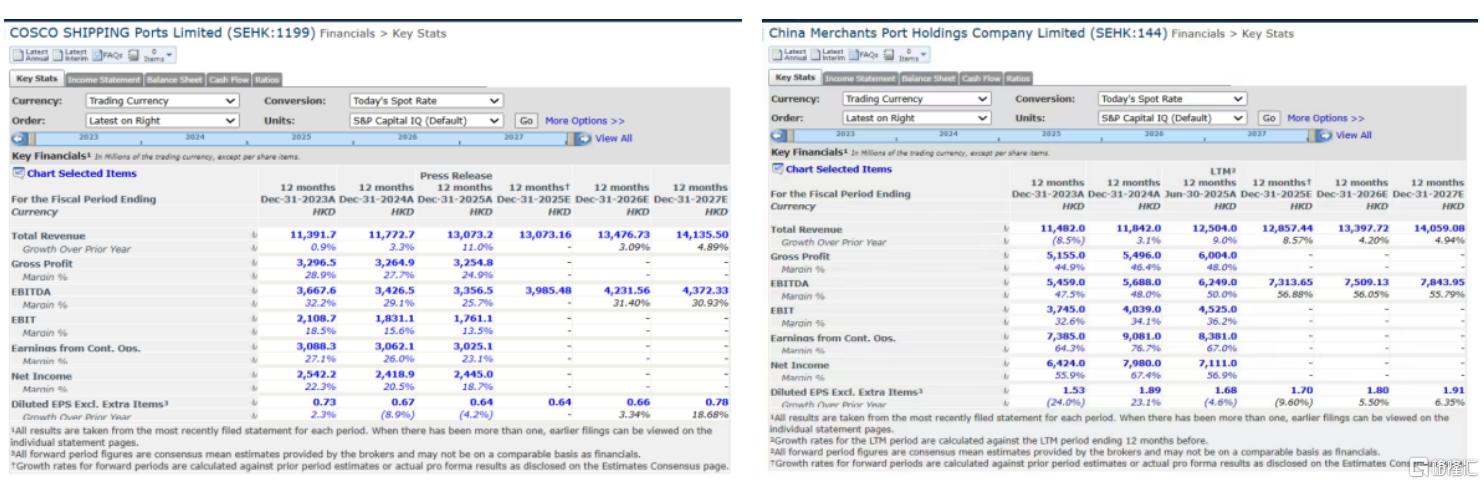
Core Viewpoint - The global capital markets are experiencing increased volatility in 2026, with Hong Kong stocks in a critical phase of consolidation. Institutional investors are showing a dual demand for risk aversion and bottom-fishing, leading to a preference for stable and resilient assets. Positive signals such as the return of Middle Eastern capital, increased demand for family office investments, and the promotion of the HALO strategy by foreign investment banks are creating a strong resonance in the market, directing "smart money" towards high-barrier, high-certainty quality assets [1]. Group 1: Market Dynamics - The HALO strategy (Heavy Assets, Low Obsolescence) promoted by foreign investment banks focuses on investing in stable cash flow, high-barrier physical assets that are less likely to be disrupted by technology, aligning well with the natural investment attributes of the port sector [1]. - The demand for high-quality assets with stable cash flows and growth potential is significantly increasing due to the return of Middle Eastern capital and the continuous inflow of southern funds [12]. Group 2: Company Comparison - Comparing the two leading companies in the Hong Kong port sector, COSCO SHIPPING Ports and China Merchants Port, both exhibit low debt, high cash flow, and stable growth, but differ in value positioning. China Merchants Port is seen as a traditional defensive value stock, while COSCO SHIPPING Ports possesses a unique "offensive and defensive" characteristic, making it more scarce and advantageous in the current volatile market [2][3]. - COSCO SHIPPING Ports has a lower price-to-book (PB) ratio of 0.44 compared to China Merchants Port's 0.65, with projected return on equity (ROE) growth rates indicating a more favorable long-term growth outlook for COSCO SHIPPING Ports [2]. Group 3: Financial Performance - COSCO SHIPPING Ports reported a revenue increase of 11.0% to $1.669 billion in 2025, with a significant rise in operating cash flow by 50.0% to $612 million, reflecting strong profitability and resilience against market cycles [8][7]. - The company's capital expenditure decreased by approximately 39.0% to $386 million, while total throughput increased by 6.2% to 15.3 million TEUs, showcasing an effective operational model that reduces cash flow pressure while ensuring growth flexibility [7]. Group 4: Strategic Advantages - COSCO SHIPPING Ports employs a unique operational model focused on "controlling major assets and selectively participating" to leverage higher financial leverage compared to competitors, allowing for efficient expansion and capital efficiency [4]. - The company has established a global network of 40 ports and over 380 berths, positioning itself advantageously in key trade routes, with ongoing projects in Europe and South America expected to enhance profitability in the long term [9][10]. Group 5: Future Growth Potential - The new smart port at Peru's Chancay is set to open in November 2024, which, while not immediately profitable, positions the company strategically in core trade routes, with expected profitability improvements as utilization rates increase [10]. - The digital and green transformation initiatives undertaken by COSCO SHIPPING Ports are expected to enhance operational efficiency and asset longevity, aligning with global investment preferences and further solidifying its competitive edge [11].
A股刮起HALO风
经济观察报· 2026-03-16 03:23
Core Viewpoint - The article discusses the emergence of the HALO (Heavy Assets, Low Obsolescence) investment strategy in the A-share market, questioning its sustainability and whether it represents a fundamental shift in global asset logic or merely a repackaging of traditional cyclical stocks by Wall Street [1][4]. Group 1: HALO Strategy Overview - The HALO strategy focuses on investing in assets that are difficult to replace with technology and possess substantial barriers to entry, emphasizing stability and low obsolescence risk [8]. - Goldman Sachs introduced the HALO asset allocation framework in February 2026, highlighting a shift from light asset groups, which have seen valuation declines, to heavy asset groups that are experiencing valuation increases [7]. - Morgan Stanley's research indicates that the fear of AI disrupting traditional industries has peaked, making HALO assets an attractive hedge for investors concerned about this risk [7]. Group 2: Market Dynamics and Performance - As of March 12, 2026, several cyclical sectors in the A-share market, including public utilities and non-ferrous metals, have seen year-to-date gains exceeding 15%, contrasting sharply with the declines in technology sectors [4][9]. - The article notes that the current market sentiment is shifting towards HALO assets due to rising commodity prices driven by geopolitical tensions, which have dampened the enthusiasm for tech growth stocks [5][6]. Group 3: Investment Implications - The HALO strategy is seen as a response to a structural supply-demand mismatch in the market, driven by a lack of investment in physical assets over the past decade [11][12]. - Analysts suggest that while HALO assets may provide defensive characteristics, they are still subject to macroeconomic cycles, and high valuations in certain commodities could lead to volatility [12][14]. - The article emphasizes the need for careful consideration of valuation, industry dynamics, and policy direction when investing in HALO assets, advising against blind following of trends [15][16].


电池企业打响“资源安全”守护战
高工锂电· 2026-03-09 11:18
Core Viewpoint - The article emphasizes the increasing importance of resource security for battery companies, highlighting a shift in strategy towards upstream resource acquisition in response to rising supply chain risks and fluctuating lithium prices [5][36]. Group 1: Resource Acquisition Trends - Recent developments, such as XINWANDA's disclosure of exploration rights for the Dongtai Jilin Salt Lake, have refocused market attention on the upstream resource strategies of battery companies [4]. - The exploration rights held by XINWANDA are part of a broader trend where companies are prioritizing resource security as a central strategic concern, especially with the anticipated strong growth in global new energy demand by 2026 [5][36]. - The shift towards resource security is not an isolated action but represents an industry-wide trend, with major players like CATL and BYD leading the way in securing upstream resources [6][11]. Group 2: Competitive Landscape - By 2025, Chinese companies dominate the top ten global power battery installations, with CATL and BYD maintaining their positions at the forefront [7]. - The competition among battery manufacturers is evolving beyond just fast charging and cost to include critical issues of raw material supply security, which now involves higher management levels and capital expenditure decisions [8]. - The concept of "Heavy Assets, Low Obsolescence" (HALO) is applied to describe the current resource acquisition strategies of battery companies, focusing on long-term, stable resource assets rather than short-term price fluctuations [9][36]. Group 3: Company-Specific Strategies - CATL is actively investing in lithium extraction projects in Bolivia, with a commitment of at least $1 billion to build two lithium extraction plants with a combined target output of 35,000 tons of lithium carbonate annually [12]. - BYD has secured lithium mining rights in Brazil and is advancing a project in partnership with Salt Lake Co. to develop a 30,000-ton lithium carbonate project [15]. - Gotion High-Tech has clearly articulated its resource strategy, focusing on securing upstream resources in key areas such as lithium and nickel through various investment and partnership models [17]. Group 4: Industry Dynamics - The article notes a clear division among leading Chinese battery companies regarding their approaches to resource security, with some opting for heavy asset strategies while others prefer lighter, more flexible models [27]. - The trend of "heavy assetization" is particularly pronounced among Chinese firms, contrasting with South Korean and Japanese companies that tend to rely on long-term supply contracts rather than direct ownership of mining assets [29][31]. - The evolving landscape indicates that resource security is now a multifaceted issue, impacting profit margins, delivery capabilities, and capital allocation strategies across the industry [36].



“HALO”能火多久?
和讯· 2026-03-09 09:13
Group 1 - The article discusses the emergence of the "HALO" strategy, which stands for Heavy Assets, Low Obsolescence, as a response to geopolitical tensions and market shifts towards tangible assets that are less susceptible to AI disruption [3][4][5]. - The "HALO" strategy has gained traction due to a significant capital movement towards sectors like oil, gas, and utilities, with notable daily inflows exceeding 90 billion yuan into the electrical grid sector [2][8]. - The market is witnessing a re-evaluation of asset values, with investors shifting focus from light assets to hard assets that are difficult to replicate and have high construction costs, as highlighted by Goldman Sachs [4][5]. Group 2 - The recent geopolitical conflicts, particularly in the Strait of Hormuz, have intensified the demand for hard assets, leading to a surge in energy asset prices and a perceived "geopolitical premium" [12][13]. - The article notes that the fear of AI's disruptive potential has led to a significant sell-off in tech stocks, prompting investors to seek refuge in "HALO" assets, which are viewed as immune to technological obsolescence [11][10]. - The "HALO" strategy is characterized by its structural pillars, including materials, utilities, railroads, waste management, defense, and infrastructure, all of which share the trait of high replication costs and natural physical moats [4][5]. Group 3 - There is a debate on whether the current capital influx into "HALO" assets is overestimating AI's destructive capabilities while underestimating human innovation's ability to overcome physical constraints [18][19]. - Optimists argue that the integration of AI with traditional energy sources will enhance the strategic value of hard assets, positioning them as essential components of the digital economy [16][17]. - The article concludes that the relationship between "HALO" assets and AI is not adversarial; rather, they complement each other, with hard assets serving as critical infrastructure in the AI era [20][21].

机构研究周报:国际秩序重构与产业创新共振驱动A股上涨
Wind万得· 2026-03-08 22:50
Summary of Key Points Core Viewpoint - Geopolitical conflicts are causing short-term risk premiums, but the A-share market shows resilience, with a mid-term focus returning to fundamentals and policy direction [1][5]. Government Work Report - The economic growth target for this year is set at 4.5%-5%, with a focus on quality growth rather than aggressive stimulus. Other targets include an urban unemployment rate of around 5.5%, over 12 million new urban jobs, and a consumer price increase of about 2% [3]. Equity Market - A-share market resilience is noted despite geopolitical tensions, with a focus on the impact of oil prices and inflation. The long-term drivers for A-share growth include the restructuring of international order and industrial innovation [5][6]. - The technology growth sector is expected to dominate the market, with structural opportunities continuing to emerge despite short-term volatility [6][7]. - By 2026, a convergence of new and old asset markets is anticipated, with technology assets showing significant mid-term potential [7]. Industry Research - The military industry is highlighted as having long-term investment value, with a notable increase in the military index by 27.40% over the past six months [12]. - The escalation of the Middle East situation is expected to benefit the metals and chemicals sectors, with a focus on self-sufficient resource companies [12]. - A significant turning point for oil prices is projected around 2026, influenced by structural declines in U.S. shale oil production and geopolitical tensions [13]. Macro and Fixed Income - Real estate prices in major cities are expected to stabilize, with inventory levels indicating a natural bottoming out [19]. - A credit downshift strategy remains favorable, with a focus on structural opportunities in the current "asset shortage" environment [20]. - The bond market is anticipated to recover, supported by a stable liquidity environment and reduced government bond supply pressure [21]. Asset Allocation - The HALO strategy emphasizes six asset categories, focusing on heavy assets with low elimination risk, such as industrial metals and energy sectors, as potential safe havens [23].



权益ETF周度跟踪:工业有色和稀土获逆势布局-20260308
HUAXI Securities· 2026-03-08 07:52
Report Industry Investment Rating No information provided in the given content. Core Viewpoints of the Report - Combining the "Gain/Loss - Crowding" quadrant chart and ETF fund flow, there are gaming opportunities in the industrial non - ferrous metals and rare earth sectors [1]. - The oil and gas and power grid equipment sectors led the gains from March 2 - 6, becoming the market's main lines, while the gaming and media sectors had significant declines [1]. - Industrial non - ferrous metals and rare earths received reverse capital increases, presenting potential opportunities, while the power grid equipment may be volatile in the short term, and the oil and gas sector's future is highly uncertain [1]. Summary by Directory 1. Market Review: Oil and Gas and Power Grid Equipment Led the Gains - **Overall Market Trend**: From March 2 - 6, the market declined and then stabilized. As of March 6, 2026, the closing price of the Wind All - A Index was 6783.03, a 2.30% drop from February 27 [6]. - **Performance of Major Indexes**: Large - cap stocks outperformed. The Shanghai Composite Index and CSI 300 Index fell 0.93% and 1.07% respectively, while the STAR 50 Index and CSI 1000 Index had larger declines of 4.95% and 3.64% [7]. - **ETF Fund Flow**: Stock - type ETFs had a net outflow of 7.349 billion yuan from March 2 - 6, a narrower outflow compared to February 24 - 26. Broad - based index ETFs had a net outflow of 42.875 billion yuan, while theme index ETFs had a net inflow of 23.533 billion yuan, and industry index ETFs had a net inflow of 13.731 billion yuan [10][11]. - **Market Focus**: The market focused on the oil and gas and power grid equipment sectors. The oil and gas index rose 9.50% with a crowding degree of 3.7%, reaching a new high since 2020. The power grid equipment index rose 5.49%, and its crowding degree increased from the 98.7% percentile to the 99.7% percentile since 2020. The gaming and media sectors fell 7.44% and 7.04% respectively, and their crowding degrees decreased for the second consecutive week. The rare earth and industrial non - ferrous metals sectors fell 7.00% and 4.74% respectively, with a slight decrease in crowding degree [14][15]. 2. Future Focus: Rare Earths and Industrial Non - Ferrous Metals May Present Gaming Opportunities - **Fund Flow Analysis**: Industrial non - ferrous metals and rare earths received reverse capital increases. The Industrial Non - Ferrous Metals ETF Wanjia and Rare Earth ETF Jiashi fell 4.91% and 7.15% respectively, but had net inflows of 559 million yuan and 1.991 billion yuan [22]. - **Power Grid Equipment**: The power grid equipment ETF had a net inflow of 5.284 billion yuan from March 2 - 5, accounting for 17.49% of its fund size. However, its crowding degree reached 3.92%, at the 99.7% percentile since 2020, and there may be a risk of adjustment [23]. - **Oil and Gas**: The oil and gas ETF had a net inflow of 5.108 billion yuan from March 2 - 5. The sector's future depends on the development of the US - Iran situation [26]. - **Gaming and Media**: The media ETF and gaming ETF fell 7.29% and 6.99% respectively, with net outflows of 1.505 billion yuan and 538 million yuan. If the HALO trading trend remains unchanged, these two industries will continue to face pressure [26].
伊朗誓言永不投降!特朗普威胁“极其猛烈的打击”,高呼MIGA!中东原油停产潮!油价下周极可能破100美元!高盛、大摩、花旗纷纷警告!
雪球· 2026-03-08 04:47
Group 1 - The article highlights the significant surge in international oil prices due to escalating tensions in the Middle East, with Brent crude oil rising by 9.26% to $93.32, marking a weekly increase of 35%, the largest in history [1][7]. - The conflict between the US and Iran is expected to be prolonged, with the UN Secretary-General warning that the war "could spiral out of control" [2][5]. - Kuwait has announced a reduction in oil production due to the conflict, with the flow through the Strait of Hormuz plummeting by 94%, leading to concerns about supply disruptions and potential price increases [8][9]. Group 2 - The article discusses the renewed interest in "HALO strategies," focusing on sectors with heavy assets and low risk of technological obsolescence, such as energy, resources, and infrastructure [2][10]. - The oil and petrochemical sector has shown strong performance, with the industry index rising by 31.4% year-to-date, leading among major industry indices [12]. - Other sectors, including coal and non-ferrous metals, have also experienced significant gains, with indices rising around 20% year-to-date [12][16].
