出口管制

Search documents
稀土行业观点交流
2025-12-22 01:45
Summary of Rare Earth Industry Conference Call Industry Overview - The conference call focused on the rare earth industry, discussing supply and demand dynamics, production capacities, and market trends for 2025 and 2026 [1][2][3]. Key Points Supply Dynamics - Waste recycling capacity significantly increased from 40,000 tons to 60,000 tons in Q2 and Q3 of 2025, with expectations that recycled rare earth oxides will account for 30% of total production in 2026, up from 25% in 2025 [1][2]. - The operating rate of primary ore separation enterprises is at a high level, with limited potential for further increases in 2026. The import of base metal ores has decreased, while imports of substitutes like monazite have increased, a trend expected to continue in the coming years [1][3]. - The supply of neodymium oxide is tight, with a projected price range of 570,000 to 650,000 yuan per ton in early 2026 due to low inventory levels and significant production cuts [1][8]. Demand Trends - The average monthly production of aluminum-iron-boron magnetic materials remained above 29,000 tons, driven by increased demand from the new energy vehicle and industrial robot sectors, although demand from wind power and real estate has declined [1][2]. - Demand for aluminum-iron-boron is expected to grow by approximately 20% in 2026, supported by policies promoting the replacement of old appliances and an increase in overseas orders [1][6]. Export and Policy Environment - Export volumes of rare earths decreased significantly in 2025 due to the implementation of export control policies in April. However, the introduction of an export license approval system in June has led to a gradual recovery in export volumes [1][7]. - New policies supporting the new energy vehicle sector and consumer electronics are expected to further stimulate demand for rare earth products in 2026 [1][5]. Market Outlook - The rare earth market is projected to grow by about 10% in 2025, with expectations of an additional 3% to 4% growth in 2026 due to increased demand from recycled materials [1][12]. - The anticipated rare earth quota for 2026 is expected to increase by about 10%, with domestic and imported minerals contributing to total production [1][11]. Price Projections - The price of rare earth oxides is expected to fluctuate between 550,000 and 700,000 yuan in 2026, with seasonal variations where prices typically rise in Q1 and Q3 and decline in Q2 and Q4 [1][19][20]. Additional Insights - The recycling sector is becoming increasingly significant, with plans for substantial expansions in old material processing, which could shift the balance of supply [1][4]. - Concerns regarding the stability of supply from Myanmar and Laos are noted, with Laos emerging as a more stable source due to its higher ore grades [1][15]. - The potential for overseas supply chains to impact domestic advantages is limited, as foreign operations are still in early development stages and face higher costs [1][16][17]. Inventory and Market Sentiment - Current inventory levels among downstream manufacturers are low, with expectations for significant replenishment in the coming months as companies prepare for increased production [1][21]. This summary encapsulates the critical insights from the conference call regarding the rare earth industry, highlighting supply and demand trends, policy impacts, and market forecasts for the upcoming years.
突发!32家中国大陆/香港公司被列入“实体名单”
是说芯语· 2025-12-19 23:33
Core Viewpoint - Taiwan's Ministry of Economic Affairs has updated its export control "entity list," adding 213 overseas entities, including high-tech firms from various countries, such as Russia, Iraq, Iran, and mainland China, reflecting a shift towards more stringent export controls in response to international technology regulation changes [1][2]. Group 1: Export Control Updates - The updated entity list now includes over 11,200 entities and individuals, with a notable increase in the frequency of updates, moving from several months to almost every few months since 2025 [2]. - Companies in Taiwan must apply for export licenses to send strategic high-tech goods to listed entities, with customs enforcing strict border controls against unauthorized exports [2]. Group 2: Inclusion of Chinese Entities - The latest update includes 32 entities from mainland China and Hong Kong, categorized into sectors such as semiconductors, electronic components, and logistics [5][8]. - Specific companies listed include Fudan Microelectronics and various others involved in semiconductor and electronic component manufacturing [6][12]. Group 3: Reactions and Implications - The Chinese government has criticized Taiwan's actions, asserting that such technology blockades will not hinder mainland technological innovation and will ultimately harm Taiwan's own economic competitiveness [3].


终于破案,96吨稀金被追回,13万吨订单被消除!开始跟美国算总账
Sou Hu Cai Jing· 2025-12-19 21:51
Group 1 - A significant smuggling case involving 166 tons of antimony ingots was thwarted, with 96 tons successfully recovered by customs [3][13][15] - The Shenzhen Intermediate People's Court sentenced the main perpetrator to 12 years in prison, highlighting the severity of the crime [3][19][22] - Antimony is a critical material for manufacturing thermal imaging devices and is essential in the semiconductor industry, making it a strategic resource for national security [5][17] Group 2 - The Chinese government has implemented export controls on antimony and is now approving certain export licenses for rare earth elements, indicating a structured approach to resource management [24][26][38] - Rare earth elements are crucial for various high-tech applications, including military equipment, and the U.S. heavily relies on imports from China for these materials [28][31][32] - The recent export control measures reflect China's strategy to manage its resources while ensuring compliance from legitimate exporters [38] Group 3 - Following the U.S. approval of a $111 billion arms sale, China responded by canceling a 132,000-ton wheat order, signaling its capability to leverage trade as a countermeasure [40][42][46] - The cancellation of the wheat order, while minor in terms of China's overall grain production, serves as a strategic signal to the U.S. regarding the consequences of its actions [44][54] - China's actions demonstrate its resolve to protect its strategic resources and assert its position in international trade negotiations [53][56]

新华财经早报:12月19日
Xin Hua Cai Jing· 2025-12-18 23:26
Group 1: Trade and Regulatory Developments - The Ministry of Commerce strongly opposes the European Commission's recent investigations into multiple Chinese companies under the Foreign Subsidies Regulation (FSR), highlighting the discriminatory nature of these actions and calling for a fair business environment for foreign investment in Europe [1][1][1] - Ongoing consultations between China and Europe regarding the electric vehicle case are aimed at resolving differences through dialogue, with an emphasis on mutual respect for each other's concerns [1][1][1] - The Ministry of Commerce has approved some general license applications for rare earth exports, indicating progress in compliance and regulatory understanding among Chinese exporters [1][1][1] Group 2: Industry-Specific Policies - The Ministry of Industry and Information Technology announced that the photovoltaic industry will enter a critical governance phase in 2026, focusing on capacity regulation and project management to ensure a balanced market [1][1][1] - The National Development and Reform Commission emphasizes the need to promote private investment, particularly in key sectors like railways and nuclear power, and to support private enterprises in public-private partnership projects [1][1][1] Group 3: Financial Market Updates - The European Central Bank has maintained its key interest rates unchanged for the third consecutive quarter, while the Bank of England has reduced its benchmark rate by 25 basis points, marking the fourth rate cut this year [4][4][4] - The U.S. Labor Department reported a 2.7% year-on-year increase in the Consumer Price Index (CPI) for November, indicating a decrease from the previous month [4][4][4] Group 4: Corporate Announcements - Shenzhen Dapu Microelectronics Co., Ltd. is set to have its IPO application reviewed by the Shenzhen Stock Exchange, marking it as the first unprofitable company to seek listing on the ChiNext board [2][2][2] - Several companies, including Haitai Flavor Industry and Bank of Communications, have announced dividend distributions and stock repurchase plans, reflecting ongoing corporate governance and shareholder engagement [6][6][6]

英伟达市占高达71.2%,AMD仅为5.8%
半导体芯闻· 2025-12-18 10:24
Core Insights - NVIDIA holds a dominant position in the cloud accelerator market with a 71.2% market share, while AMD only accounts for 5.8% [2] - NVIDIA has successfully deployed its GPUs in 258 data centers, indicating strong demand for its products [2] - The potential for market share competition exists between NVIDIA and AMD as more data centers adopt AMD accelerators [3] Market Share Analysis - NVIDIA's GPUs, including older models like A100 and H100, continue to capture significant portions of the GPU cloud market [2] - AMD's Instinct MI GPUs are deployed in only 21 out of 359 data centers, highlighting their limited presence in the cloud services sector [3] - Custom ASIC designs represent a substantial market opportunity, with 22.3% of data centers utilizing such designs, driven by products like Google's TPU and AWS Trainium [3] Executive Insights - Jensen Huang, CEO of NVIDIA, expresses satisfaction with his life and career, emphasizing the company's role in driving the AI revolution [4] - Huang's recent meetings with political figures, including former President Trump, may lead to eased export restrictions on NVIDIA chips to lucrative markets like China and the Middle East [4][5] - The potential lifting of export controls could significantly benefit NVIDIA, allowing access to a market worth billions [6]


美国要彻底破防了,中国垄断近100%的镓材料,直接卖到了白菜价!
Sou Hu Cai Jing· 2025-12-16 01:13
Group 1 - China's radar technology is leading globally due to its monopoly on gallium materials, with 98% of gallium production capacity controlled by China [1] - In 2023, China implemented export controls on gallium materials, restricting not only raw material exports but also advanced refining and processing technologies [1] - This situation disrupts the radar upgrade plans for U.S. F-35 aircraft, highlighting a significant strategic advantage for China in gallium applications [3][4] Group 2 - China is utilizing gallium materials in everyday products, such as thermometers, which are being replaced with gallium-indium-tin liquid alloy thermometers, priced around 20 yuan [3] - The psychological impact of a strategic material being used in consumer products, while being a critical bottleneck for the U.S., creates a stark contrast in application levels [4]

河南地区出口管制警示教育会召开
Shang Wu Bu Wang Zhan· 2025-12-15 04:00
Group 1 - The core event is a joint export control warning education meeting held by Wuhan Special Office and the Henan Provincial Department of Commerce [1] - The meeting included participation from the Ministry of Commerce's Security and Control Bureau and Zhengzhou Customs, providing on-site training [1] - Representatives from various business authorities across Henan Province and over 70 enterprises attended the meeting [1]
国泰君安期货商品研究晨报:贵金属及基本金属-20251215
Guo Tai Jun An Qi Huo· 2025-12-15 02:09
1. Report Industry Investment Ratings The document does not provide industry investment ratings. 2. Core Views - Gold: Interest rates were cut as expected [2][4]. - Silver: Adjusting at a high level [2][4]. - Copper: The long - term driving logic remains, and the price decline is limited [2][8]. - Zinc: Domestic inventory is continuously decreasing [2][11]. - Lead: Inventory reduction supports the price [2][14]. - Tin: Supply is disrupted again [2][16]. - Aluminum: Macroeconomic disturbances are increasing [2][19]. - Alumina: Continuously monitor production capacity cuts [2][19]. - Cast aluminum alloy: Fluctuating at a high level [2][19]. - Platinum: Breaking through the previous high and starting to make up for lost ground [2][22]. - Palladium: ETF holdings have increased significantly, and it is expected to hit the previous high [2][22]. - Nickel: The structural surplus has changed, and attention should be paid to policy risks in Indonesia [2][26]. - Stainless steel: Supply and demand are both weak, and steel prices are fluctuating at a low level [2][26]. 3. Summary by Directory Gold - **Fundamentals**: The closing prices of various gold products such as Shanghai Gold 2602, Gold T + D, etc. showed different degrees of increase, and trading volumes and positions also changed. ETF and inventory data also had corresponding changes [4]. - **News**: Trump prefers to appoint Warsh or Hassett as the Fed Chairman; China's November new social financing, new RMB loans, and M2 - M1 scissors - gap data are released; multiple Chinese ministries respond to the Central Economic Work Conference [4][6]. - **Trend Intensity**: Neutral [7]. Silver - **Fundamentals**: The closing prices of Shanghai Silver 2602 and other products had significant price fluctuations, and trading volumes, positions, ETF holdings, and inventory data also changed [4]. - **Trend Intensity**: Neutral [7]. Copper - **Fundamentals**: The closing prices of Shanghai Copper and London Copper had different trends, and trading volumes, positions, inventory, and price spreads all changed. China's November copper - related import data and Chile's copper - related export and production data are released [8][10]. - **News**: The Chinese central bank will flexibly use various monetary policy tools; Trump hopes the interest rate will be 1% or lower in a year; the US is negotiating to provide over $1 billion for key mineral and railway projects in Central Africa [8][10]. - **Trend Intensity**: Neutral [10]. Zinc - **Fundamentals**: The closing prices of Shanghai Zinc and London Zinc changed, and trading volumes, positions, inventory, and price spreads also had corresponding changes [11]. - **News**: Three Chinese ministries will strengthen business - finance cooperation to boost consumption [11]. - **Trend Intensity**: Strongly bullish [11]. Lead - **Fundamentals**: The closing prices of Shanghai Lead and London Lead decreased slightly, and trading volumes, positions, inventory, and price spreads all changed [14]. - **News**: The Chinese central bank will flexibly use various monetary policy tools; Trump hopes the interest rate will be 1% or lower in a year [14]. - **Trend Intensity**: Neutral [14]. Tin - **Fundamentals**: The closing prices of Shanghai Tin and London Tin showed different trends, and trading volumes, positions, inventory, and price spreads all changed. Spot and industrial chain prices also increased [16]. - **News**: Trump prefers to appoint Warsh or Hassett as the Fed Chairman; China's November new social financing, new RMB loans, and M2 - M1 scissors - gap data are released; multiple Chinese ministries respond to the Central Economic Work Conference [16][17]. - **Trend Intensity**: Bearish [18]. Aluminum, Alumina, Cast Aluminum Alloy - **Fundamentals**: The closing prices, trading volumes, positions, inventory, and price spreads of Shanghai Aluminum, LME Aluminum, Shanghai Alumina, and cast aluminum alloy all changed. Data on related premiums, processing fees, and corporate profits are also updated [19]. - **News**: Global monetary policy is at a critical turning point; the Fed's asset - liability purchase may push up inflation in 2026 [21]. - **Trend Intensity**: Aluminum is neutral, Alumina is bearish, and Cast Aluminum Alloy is neutral [21]. Platinum and Palladium - **Fundamentals**: The closing prices of platinum and palladium products increased, and trading volumes, positions, ETF holdings, and price spreads all changed [22]. - **News**: Multiple international events such as the US - Mexico water resource agreement and Zelensky's decision to abandon NATO membership are reported [25]. - **Trend Intensity**: Both are strongly bullish [24]. Nickel and Stainless Steel - **Fundamentals**: The closing prices of Shanghai Nickel and stainless steel had different trends, and industrial chain - related prices, profits, and spreads all changed [26]. - **News**: There are multiple events in Indonesia related to nickel production, including government sanctions, policy changes, and production restrictions. The Fed has dovish remarks, and China will implement export license management for some steel products [26][29]. - **Trend Intensity**: Both are neutral [30].
美国批准“落后一代”的H200入华:中国算力崛起已势不可挡
Xin Lang Cai Jing· 2025-12-11 10:16
Core Points - The U.S. government, under President Trump, will allow Nvidia to sell H200 AI chips to "approved customers" in China, with a 25% fee on these transactions [2][7] - This move is seen as a "limited easing" rather than a full lifting of restrictions, as it monetizes technology barriers and replaces export control logic with tariff logic [2][3][9] - Nvidia's spokesperson praised the decision, stating it supports U.S. high-paying jobs and manufacturing, while the company's stock rose nearly 2% after the announcement [2][7] Summary by Sections U.S. Government Actions - President Trump announced the approval for Nvidia to sell H200 AI chips to China, with similar allowances expected for AMD, Intel, and other U.S. companies [2][7] - The U.S. Commerce Department is finalizing the details of this arrangement [2] Market Implications - The 25% fee on chip sales indicates a shift towards economic benefits for the U.S. government while still imposing restrictions on technology exports [2][3][9] - The H200 chip is considered a generation behind Nvidia's latest Blackwell series, which indicates that the U.S. aims to maintain a technological edge [3][8] Expert Opinions - Zhang Guobin, a semiconductor expert, described the situation as a "limited easing" for Chinese buyers, emphasizing that purchases must go through "whitelist" customers and are subject to U.S. audits [3][8] - The transaction appears to benefit the U.S. Treasury, but it overlooks China's rapid advancements in GPU and computing power technologies [9] Chinese Response - The Chinese Foreign Ministry expressed a preference for cooperation and mutual benefit in U.S.-China relations [4][9]
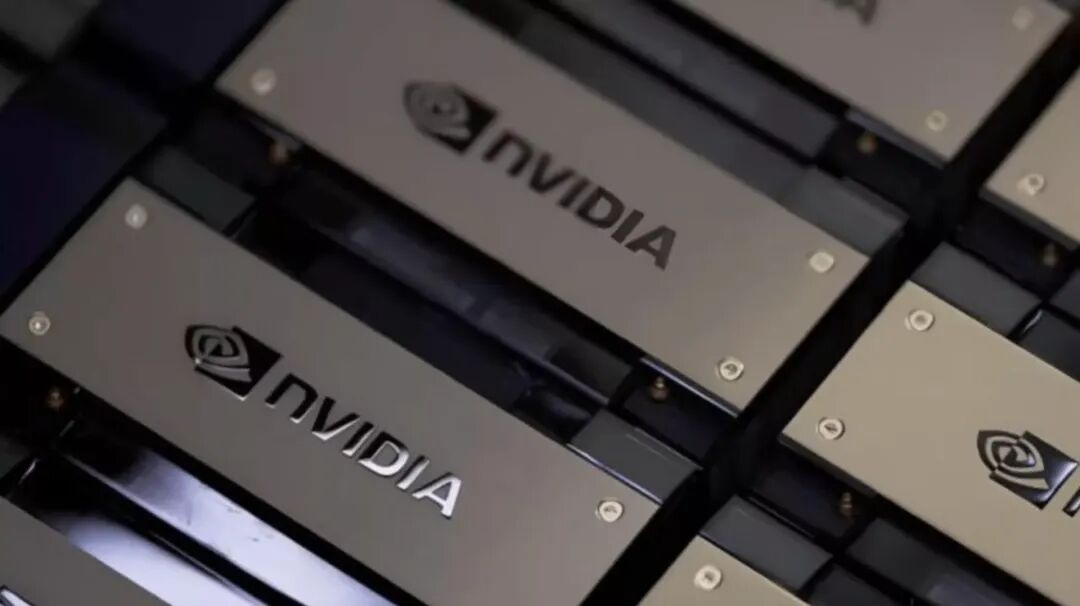
美破获1.6亿美元AI芯片走私案,两名华裔被捕
制裁名单· 2025-12-11 01:42
Core Viewpoint - The article discusses a significant case of high-tech chip smuggling involving two Chinese nationals who were arrested for illegally exporting over $160 million worth of Nvidia high-end AI chips to China, posing a direct threat to U.S. national security [1][2]. Case Details - The suspects, Fanyue Gong and Benlin Yuan, conspired with employees from a Hong Kong logistics company and a Chinese AI tech firm to circumvent U.S. export control policies. They operated since November 2023, altering Nvidia H100 and H200 chip labels to disguise their true destination [2]. - Another individual, Alan Hao Hsu, has pleaded guilty in connection with the case. The prosecution emphasized that these chips, used for AI training and high-performance computing, have potential military applications [2]. Chip Performance and Regulatory Background - Nvidia's H100 and H200 chips are critical for training large models, with the H200 chip, released in November 2023, boasting an FP16 computing power of 1979T, which is approximately 13 times more powerful than the downgraded H20 chip designed for the Chinese market [3]. - Since 2022, the U.S. has tightened export controls on advanced chips to China, including the H100 and H200, leading Nvidia to develop a downgraded version for the Chinese market [3]. Policy Background and Market Impact - On the same day the case was announced, former President Trump allowed Nvidia to sell H200 chips to "approved customers" in China, with the condition that the U.S. government would take a 25% cut from sales. This decision is seen as a significant lobbying victory for Nvidia, potentially recovering billions in lost business in the Chinese market [4]. - Nvidia's CEO previously stated that due to U.S. export controls, the company completely exited the Chinese market, with its market share dropping from 95% to 0% [4]. Enforcement Strengthening - U.S. prosecutors highlighted the complexity of the smuggling network, which aimed to supply advanced AI chips to entities that could use them against U.S. interests, threatening national security. These chips are considered foundational for AI superiority and modern military applications [5]. - Nvidia's spokesperson noted that the export control system is robust, with strict scrutiny even on second-hand products, and the company will continue to collaborate with the government and clients to prevent smuggling [5].