
人民币国际化

Search documents
第一上海:予中国财险“买入”评级 目标价23.3港元
Zhi Tong Cai Jing· 2025-11-12 06:24
Core Viewpoint - The report from First Shanghai recommends a "buy" rating for China Pacific Insurance (02328) with a target price of HKD 23.3, indicating a potential upside of 21.7% from the current price, driven by the growth in non-auto insurance as a key engine for premium growth in the context of China's economic transformation [1] Group 1: Financial Performance - In the first three quarters of 2025, the company achieved insurance service revenue of CNY 385.9 billion, a year-on-year increase of 5.9%, with auto insurance revenue at CNY 227.6 billion (up 3.7%) and non-auto insurance revenue at CNY 158.3 billion (up 9.3%) [1] - The net profit for the same period reached CNY 40.3 billion, reflecting a significant year-on-year growth of 50.5% [1] - Total investment income for the first three quarters was CNY 35.9 billion, a 33% increase year-on-year, with an annualized total investment return rate of 5.4%, up 0.8 percentage points from the previous year [1] Group 2: Non-Auto Insurance Growth - Non-auto insurance original premium income reached CNY 223.06 billion, accounting for 50.3% of total premiums, surpassing auto insurance [2] - A new regulatory policy effective November 1, 2025, aims to manage rates in the non-auto insurance sector, which is expected to enhance underwriting profit margins and improve the comprehensive cost ratio for non-auto insurance [2] - The company targets a comprehensive cost ratio of under 96% for auto insurance and under 99% for non-auto insurance in 2025 [2] Group 3: Internationalization Strategy - The company has initiated an internationalization strategy aimed at significantly increasing overseas business within five years, aligning with the trend of Chinese enterprises expanding abroad and the internationalization of the RMB [3] - The strategy focuses on servicing Chinese products and enterprises, particularly in the areas of new energy vehicles and overseas infrastructure projects [3] - The company has successfully launched related businesses in Hong Kong and Thailand, with plans to expand into Europe and Southeast Asia, leveraging its experience in new energy vehicle insurance to create a competitive advantage [3]
境外机构跨境配置中国债券的通道比较与投资行为分析
Sou Hu Cai Jing· 2025-11-12 03:13
Core Viewpoint - China's bond market is becoming an important option for foreign institutions as the country accelerates its financial opening, with various investment channels influencing foreign investment behavior [1][2]. Overview of Foreign Investment Channels in China's Bond Market - The QFII system, established in 2002, was the first major channel for foreign institutions to invest in China's capital market, initially having high entry barriers which have been gradually relaxed [3]. - The RQFII system, launched in 2011, supports the internationalization of the RMB by allowing foreign institutions to invest in the domestic market using RMB funds, with recent expansions in its scope [4]. - CIBM Direct, initiated in 2016, allows foreign institutions to enter the interbank bond market without prior approval, becoming a major channel for foreign investment [5]. - The "Bond Connect," established in 2017, facilitates access to the interbank bond market through Hong Kong, simplifying the process for foreign investors and enhancing market participation [6]. Comparison of Foreign Institutions' Investment Behavior - Different channels attract various types of foreign institutions, with QFII primarily attracting large international financial institutions, while RQFII is favored by institutions holding offshore RMB [7][8]. - CIBM Direct has broadened the types of foreign institutions participating, including central banks and sovereign wealth funds, while "Bond Connect" has attracted a wider range of institutions, including smaller asset management firms [8][9]. Investment Scale and Trends - As of August 2025, foreign institutions held approximately 3.83 trillion yuan in interbank bonds, with CIBM Direct accounting for 77.08% of the holdings, while "Bond Connect" represented about 22.92% [9][10]. - The trading volume through "Bond Connect" has surpassed that of CIBM Direct, indicating a more active trading behavior among smaller institutions [9]. Preference for Bond Types - Foreign institutions generally prefer interest rate bonds, particularly government and policy bank bonds, with government bonds holding a 72.6% share of their holdings as of August 2025 [10][11]. Preference for Bond Maturity - Investment strategies vary by channel, with QFII and RQFII focusing on flexible duration strategies, while CIBM Direct participants, such as central banks, prefer medium to long-term bonds [12]. Factors Influencing Investment Behavior - Foreign institutions' investment decisions are influenced by policy regulations, market conditions, investor attributes, and limitations of each investment channel [13][14]. - The regulatory environment, including entry barriers and operational processes, significantly impacts the depth and breadth of foreign investment [14]. - Market conditions, such as macroeconomic stability and interest rate differentials, also play a crucial role in shaping investment behavior [15]. Conclusion and Policy Recommendations - To enhance the attractiveness of China's bond market for foreign investors, recommendations include improving asset quality, streamlining cross-border custody standards, and optimizing tax processes [20][21][22][23].


中国_央行三季度货币政策报告基调更趋中性;降息预期推迟一个季度-China_ PBOC Q3 monetary policy report adopts an even less dovish tone; pushing rate cut forecasts back by one quarter
2025-11-12 02:20
Summary of PBOC Q3 Monetary Policy Report Industry Overview - The report pertains to the monetary policy of the People's Bank of China (PBOC) and its implications for the Chinese economy. Key Points and Arguments 1. Monetary Policy Stance - The PBOC maintained a "moderately loose" policy stance in its Q3 report, but emphasized cross-cyclical adjustments, indicating a less dovish tone compared to the Q2 report [2][6] - The central bank signaled limited appetite for broad-based monetary easing, contrasting with previous assessments of China's growth outlook [2][6] 2. Constraints on Monetary Easing - Banks' net interest margins are identified as a major constraint on further monetary easing [2][6] - The PBOC highlighted the need to improve monetary policy transmission, particularly aligning banks' asset returns with funding costs [2][6] 3. Credit Policy - The PBOC downplayed the significance of slower loan growth, attributing it to a shift from indirect financing (bank loans) to direct financing (bond and equity issuance) [7] - The report suggests monitoring total social financing and money supply instead of focusing solely on loan growth as an economic indicator [7] 4. Interest Rate Management - The PBOC emphasized managing interest rate differentials for effective policy transmission, monitoring five categories including policy vs. market rates and banks' lending rates vs. liability costs [8] - This reflects the PBOC's approach to stabilize banks' net interest margins and maintain a relatively steep yield curve [8] 5. Exchange Rate Policy - The PBOC plans to maintain exchange rate flexibility, indicating less depreciation pressure on the CNY against the dollar [9][11] - The report promotes RMB internationalization, suggesting a policy preference for gradual CNY appreciation against the dollar [9][11] 6. Future Monetary Policy Forecast - The forecast for a "dual cut" (10bp policy rate cut and 50bp RRR cut) has been pushed back from Q4 2025 to Q1 2026, with a subsequent rate cut in Q2 2026 shifted to Q3 2026 [1][2] Additional Important Content - The report indicates a policy tilt towards financial stability over growth, suggesting a comprehensive macro-prudential management framework [6] - The PBOC's approach reflects a data-based methodology, focusing on executing existing policies rather than incremental easing [6] This summary encapsulates the critical insights from the PBOC's Q3 monetary policy report, highlighting the central bank's cautious approach amidst economic challenges.
三季度末“互换通”业务累计清算8.58万亿元 产品体系不断丰富
Jin Rong Shi Bao· 2025-11-12 02:01
Core Insights - The "Swap Connect" business has accumulated a clearing volume of 8.58 trillion yuan since its launch, with 1.41 trillion yuan cleared in Q3 2025, reflecting a quarter-on-quarter growth of 22.6% and a year-on-year growth of 45.7% [1] - The product offerings have expanded to include LPR interest rate swap contracts, addressing the risk management needs of the loan market [1][2] - The mechanism allows foreign investors to directly participate in the domestic interest rate derivatives market, providing efficient tools for managing RMB interest rate risks [1][2] Group 1 - The "Swap Connect" business has seen a significant increase in participation, with 103 financial institutions from 15 countries and regions involved [1] - The clearing volume of "Swap Connect" accounted for 11.64% of the total clearing volume in the interbank interest rate swap market in Q3 2025 [1] - The trading structure shows a dominance of the 7-day repo rate (FR007), with a growing diversification in investors' term choices towards medium to long-term products [1] Group 2 - The demand for interest rate risk management among foreign investors is becoming more diversified and refined [2] - Recent enhancements to the "Swap Connect" mechanism include extending the interest rate swap contract duration to 30 years and introducing LPR-based interest rate swap contracts [2][3] - The addition of new market makers and an increase in daily trading limits from 20 billion yuan to 45 billion yuan aims to meet the growing risk management needs of foreign investors [3] Group 3 - The Shanghai Clearing House emphasizes the importance of a robust central counterparty (CCP) clearing mechanism, which has ensured the safe and stable operation of "Swap Connect" amid market volatility [3] - The continuous optimization of the "Swap Connect" business is expected to enhance the international appeal of RMB assets and signify a higher level of financial market openness in China [4] - The ongoing expansion of the RMB interest rate derivatives market is seen as a key driver for the internationalization of the RMB and the establishment of a high-level financial openness framework [4]
Q3货政报告,重提稳增长
HUAXI Securities· 2025-11-12 01:24
Policy Changes - The focus of monetary policy has shifted back to "stabilizing growth," indicating a renewed emphasis on economic expansion[1] - The phrase "maintain policy continuity and stability" was replaced with "do a good job in counter-cyclical and cross-cyclical adjustments," suggesting a cautious approach to policy strength[1] Economic Assessment - GDP growth for the first three quarters was 5.2%, making the annual target of 5% achievable, but Q3 growth slowed to 4.8%, necessitating measures to prevent further economic deceleration[1][2] - The external environment is described as having "many unstable and uncertain factors," while domestic demand needs to be further strengthened[2] Credit and Financing - The report maintains a steady credit support stance, emphasizing "keeping social financing conditions relatively loose" without increasing total credit supply[3] - New loans decreased by 851.2 billion yuan year-on-year, reflecting a natural decline in financial growth rates as the economy transitions to high-quality development[3] Structural Support - The report highlights the importance of structural tools, focusing on key areas such as technology innovation, consumption, and support for small and micro enterprises[4] - Specific measures include enhancing financial support for county-level economic development and expanding financial supply in the consumption sector[4] Interest Rates and Costs - The report reiterates the goal of reducing financing costs, with an emphasis on lowering bank liability costs to support a decrease in overall financing costs[5] - Banks are urged to avoid issuing loans with post-tax interest rates lower than the yield on government bonds of the same maturity[5] Capital Account and Exchange Rate - The report aims to enhance the level of capital account openness and promote the internationalization of the renminbi, removing previous cautious language[6] - The focus has shifted to maintaining exchange rate flexibility and strengthening market expectations, reflecting a stable renminbi exchange rate[6] Inflation and Demand - The report emphasizes that price levels are influenced by multiple factors, with supply-demand relationships being primary, and calls for coordinated macro policies to stimulate effective demand[6]
央行最新报告:保持社会融资条件相对宽松、支持个人修复信用
Nan Fang Du Shi Bao· 2025-11-12 01:08
Core Viewpoint - The People's Bank of China (PBOC) emphasizes the implementation of a moderately accommodative monetary policy while introducing new measures for credit repair and cross-cycle adjustments in its latest monetary policy report [2][3]. Group 1: Monetary Policy Adjustments - The report continues to advocate for a moderately accommodative monetary policy and introduces the need to maintain relatively loose social financing conditions [3][4]. - The PBOC highlights the importance of balancing short-term and long-term economic goals, as well as internal and external economic stability, through both counter-cyclical and cross-cyclical adjustments [3][6]. Group 2: Credit Repair Initiatives - The report introduces new measures aimed at supporting individuals in repairing their credit, particularly for those who have faced debt issues due to the pandemic [5][6]. - The PBOC plans to implement a one-time personal credit relief policy, which will not display certain overdue records in the credit system for individuals who have repaid loans under specific conditions [6]. Group 3: Financial Sector Development - The report emphasizes the development of various financial sectors, including technology finance, green finance, inclusive finance, pension finance, and digital finance, to support national strategies and address weak areas in the economy [5][6]. - There is a specific focus on advancing the bond market, particularly for technology companies, and utilizing risk-sharing tools for financing [6]. Group 4: Internationalization of the Renminbi - The report shifts its language regarding the internationalization of the Renminbi from a cautious approach to a more proactive stance, aiming to enhance the openness of capital projects [7].
央行:实施好适度宽松的货币政策;道指收涨超1%创新高丨盘前情报
2 1 Shi Ji Jing Ji Bao Dao· 2025-11-12 00:42
Market Overview - On November 11, the A-share market experienced fluctuations, with the three major indices opening high and closing low. The Shanghai Composite Index fell by 0.39%, the Shenzhen Component Index decreased by 1.03%, and the ChiNext Index dropped by 1.4% [2][3] - The total trading volume in the Shanghai and Shenzhen markets was less than 2 trillion yuan, a decrease of 180.9 billion yuan compared to the previous trading day [2] Sector Performance - The consumer sector showed repeated activity, with food and beverage stocks leading the gains. The photovoltaic concept stocks surged collectively, and the lithium battery sector strengthened again [2] - In contrast, computing hardware concept stocks declined. The sectors with the highest gains included cultivated diamonds, dairy, and photovoltaic equipment, while sectors with the largest declines included Hainan, software development, and CPO [2] International Market - In the U.S. stock market, the Dow Jones Index rose by 1.18%, reaching a record high, while the S&P 500 Index increased by 0.21%. The Nasdaq Composite Index fell by 0.25% [4][5] - European stock indices all rose on November 11, with the UK FTSE 100 Index up by 1.15%, the French CAC40 Index up by 1.25%, and the German DAX Index up by 0.53% [4][5] - International oil prices increased, with WTI crude oil futures rising by 1.51% to $61.04 per barrel, and Brent crude oil futures increasing by $1.10 to $65.16 per barrel [4] Monetary Policy - The People's Bank of China emphasized the implementation of a moderately loose monetary policy, aiming to maintain relatively loose social financing conditions and improve the execution and transmission of monetary policy [7] - The central bank plans to enhance the internationalization of the renminbi and improve the level of capital account openness, promoting the use of renminbi in cross-border trade and investment [8] Industry Insights - The National Development and Reform Commission encourages private enterprises to enter higher value-added technology service industries, focusing on industrial design and quality certification [9][10] - The commission has recommended 18 private investment projects to the China Securities Regulatory Commission, with 14 projects already issued and listed, totaling nearly 30 billion yuan [11] New Energy Vehicles - In October, the sales of new energy vehicles in China exceeded 50% of total vehicle sales for the first time, reaching 51.6%. From January to October, the production and sales of new energy vehicles grew by 33.1% and 32.7%, respectively [14] Company Announcements - Midea Group announced a mid-term profit distribution plan of 10 yuan per share, with the record date set for November 17 [16] - Huayuan Communication is planning a change in control, while other companies are in various stages of product development and financing [16]

金融独裁!只认美元,暂停人民币、欧元、英镑等货币金属期权交易
Sou Hu Cai Jing· 2025-11-11 20:15
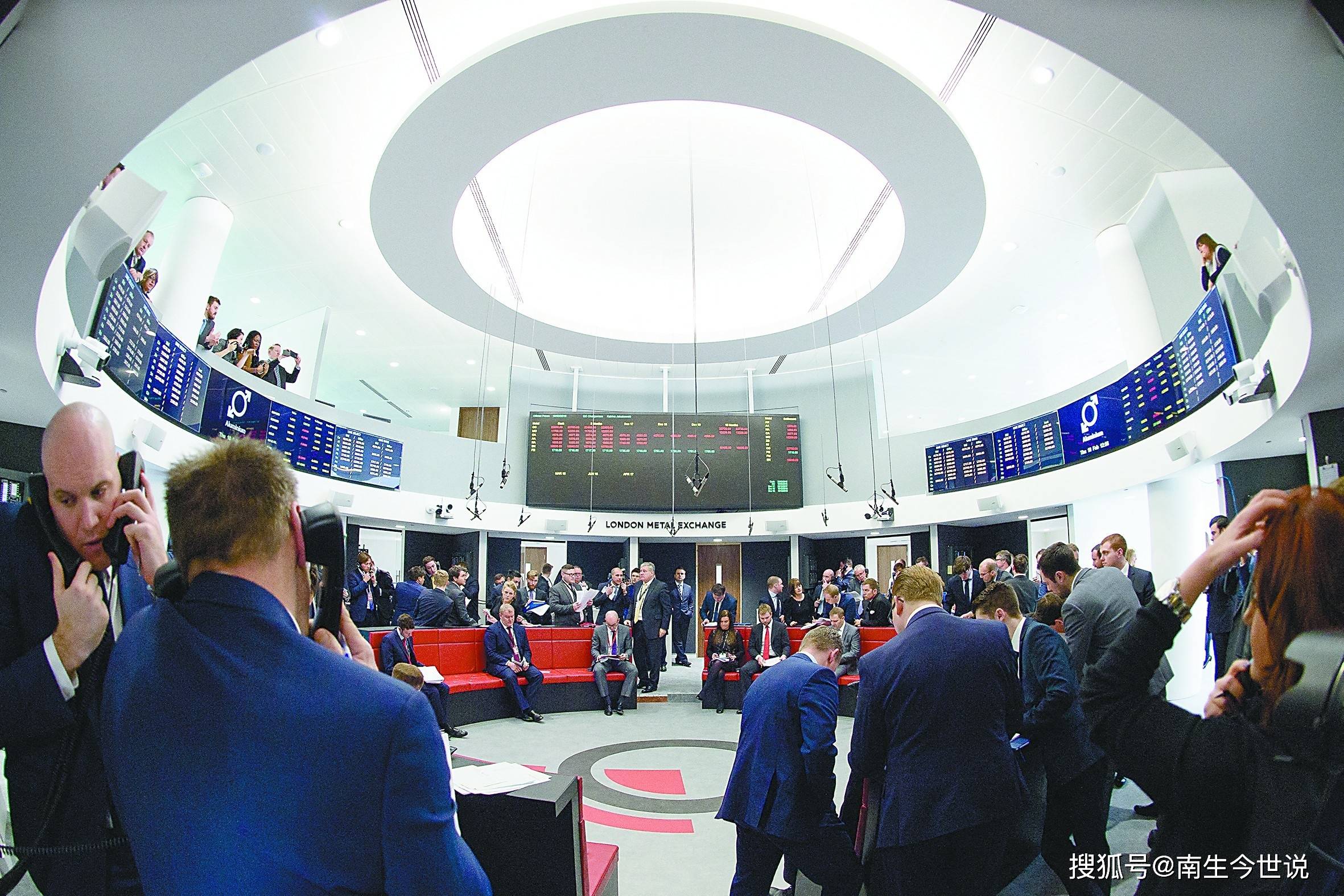
Core Viewpoint - The London Metal Exchange (LME) has announced the suspension of all non-USD denominated metal options trading, including currencies like RMB, Euro, Yen, and GBP, effectively making USD the sole currency for trading basic metals contracts [1][3][4] Group 1: Announcement Details - The LME's decision will take effect from November 10, marking a significant shift in its trading operations [3] - The exchange claims that the decision is based on low trading volumes for non-USD contracts, stating that maintaining these contracts has become costlier than the benefits [3][4] Group 2: Market Dynamics - Despite the LME's rationale, the use of RMB in global metal trading has seen a remarkable increase, nearly tripling in recent years [4] - A significant portion of metal long-term contracts in the Middle East (38%) and Africa (32%) are now being settled in RMB, indicating a shift towards non-USD currencies [6] Group 3: Implications for Global Finance - Analysts suggest that the LME's move is not merely a business consolidation but a strategic effort to suppress the internationalization of the RMB and maintain USD dominance [6][9] - The decision is viewed as counterproductive, potentially accelerating the diversification of the international monetary system and encouraging the development of alternative financial infrastructures [7][12] Group 4: Emerging Trends - The Shanghai Futures Exchange is increasingly becoming a key player, with growing trading volumes in copper futures and enhanced pricing power in RMB [10] - A "RMB closed loop" is emerging, where oil-producing countries in the Middle East sell oil for RMB and then use those earnings to purchase Chinese goods, creating a trade cycle outside the LME's USD framework [10] Group 5: Future Outlook - The LME's ban may drive countries excluded from the USD system to seek alternative trading platforms, presenting significant growth opportunities for regional exchanges like the Shanghai Futures Exchange [10][11] - The current situation reflects a strong determination to maintain the USD's position while highlighting the ongoing adjustments in the international financial order [11][12]
机构:A股迈向低波动慢牛
21世纪经济报道· 2025-11-11 15:37
Core Viewpoint - The conference highlighted the transformation of Chinese companies from local to global players, indicating a shift in the A-share market towards a more mature market structure, which is expected to lead to a stable and gradual bull market [3][11]. Economic Outlook - The Chinese economy is projected to achieve a growth rate of approximately 5.0% in 2025 and around 4.9% in 2026, with a "front low, back high" growth pattern anticipated for 2026 [7][9]. - Fiscal policy is expected to remain proactive, with a deficit rate around 4% and an increase in special bond quotas directed towards project construction [7]. - Monetary policy may continue to have room for adjustments, including potential rate cuts and structural monetary tools [7][9]. Market Dynamics - The capital market is accumulating positive momentum due to the enhancement of China's international discourse power and the improvement of Chinese companies' positions in the global value chain [5][9]. - The A-share market is transitioning from being an emerging market to a more mature market, with Chinese companies gaining pricing power in the global value chain [3][11]. Investment Strategy - The investment strategy for 2026 emphasizes three key areas: 1. Upgrading traditional manufacturing industries to enhance pricing power and profit margins [12]. 2. The globalization of Chinese companies, which opens up significant profit growth potential and market capitalization [12]. 3. The expansion of AI applications, which continues to enhance the competitive advantages of Chinese enterprises in the technology sector [13]. Asset Allocation - The global macro environment is generally accommodative, with expectations for a mild appreciation of the RMB and continued attractiveness of gold as a long-term asset [8].


中信证券年会研判:A股迈向“低波动慢牛”
2 1 Shi Ji Jing Ji Bao Dao· 2025-11-11 12:51
Group 1: Economic Outlook - The Chinese economy is expected to maintain a recovery trend with a projected growth of approximately 5.0% in 2025 and around 4.9% in 2026, with a "front low, back high" growth pattern anticipated for 2026 [3][6] - Fiscal policy in 2026 is expected to be more proactive, with a deficit rate likely to remain around 4%, and an increase in special bond quotas directed towards project construction [3][6] - The global economic landscape is anticipated to undergo a rebalancing phase, with both China and the U.S. expected to experience a "front low, back high" economic cycle [3][6] Group 2: Capital Market Dynamics - The Chinese capital market is transitioning from an emerging market to a mature market, with A-share companies increasingly becoming global players [1][7] - The capital market is expected to accumulate positive momentum, supported by enhanced international discourse power and the rising position of Chinese enterprises in the global value chain [2][5] - The market is likely to experience a low-volatility slow bull trend, driven by the transformation of Chinese companies into multinational corporations [1][7] Group 3: Investment Strategies - The investment strategy for 2026 emphasizes the importance of global market demand over local demand, as A-share companies expand their international exposure [7][8] - Three key investment themes are highlighted: upgrading traditional manufacturing for better pricing power, the globalization of Chinese enterprises, and the expansion of AI applications [8] - The upcoming market dynamics are influenced by the U.S.-China relationship, with significant events such as trade agreements and U.S. midterm elections expected to shape market conditions [7][8]