
内卷

Search documents
杨德龙:低利率环境有利于权益投资
Xin Lang Ji Jin· 2025-07-22 02:01
Group 1: Monetary Policy and Economic Impact - The People's Bank of China (PBOC) maintained the Loan Prime Rate (LPR) at 3.05% for one year and 3.5% for five years, aligning with market expectations due to the current low interest rate environment [1] - The low interest rate policy aims to stimulate economic growth and stabilize the real estate and stock markets, with adjustments made to mortgage rates to support the housing market [1] - There is limited potential for significant increases in housing prices, as expectations have fundamentally changed, and the low interest rate policy primarily seeks to prevent a sharp decline in property values [1] Group 2: Industrial Growth and Economic Recovery - The Ministry of Industry and Information Technology (MIIT) proposed a new round of growth stabilization plans for key industries such as steel, non-ferrous metals, petrochemicals, and building materials, indicating more policies will be implemented in the second half of the year [3] - China's GDP grew by 5.3% in the first half of the year, and further stabilization policies are needed to achieve the annual growth target of around 5% [3] - The stock market is expected to benefit from the economic recovery, with the Shanghai Composite Index surpassing 3500 points and the Hang Seng Index exceeding 25000 points, indicating potential for increased investment opportunities [3] Group 3: Trade and Inflation Concerns - The trade war initiated by President Trump has led to rising costs for American businesses, with the Federal Reserve reporting price increases across all regions, particularly affecting manufacturing and construction sectors [4] - The increase in tariffs has pressured profit margins for companies, leading some to pass costs onto consumers, which may contribute to inflationary pressures [4] - Despite the challenges posed by tariffs, China's economy showed resilience with a 5.3% GDP growth, driven by strong consumer spending, which accounted for 52% of GDP growth [4]
中产怎么总在“破防”?
虎嗅APP· 2025-07-21 13:09
Core Viewpoint - The article argues that the concept of the middle class is a constructed ideology rather than a stable, objective reality, leading to a sense of instability and anxiety among individuals who identify with this class [3][4][5]. Group 1: Nature of the Middle Class - The middle class is portrayed as a myth that promises upward mobility through personal effort, while obscuring the underlying class struggles [4]. - The identity of the middle class is based on individual narratives rather than solid power structures or real production [4][5]. - The financialization of assets, such as housing, creates a situation where individuals do not own property but rather long-term debt contracts, leading to instability [5]. Group 2: Systemic Risks and Individual Responses - Individuals face systemic risks that are often beyond their control, leading to a phenomenon termed "breaking defense" as a response to these pressures [7][15]. - The media and algorithms play a role in amplifying individual anxieties by simplifying complex social issues into emotionally charged narratives [9]. - The article highlights a growing trend of individuals rejecting the label of "middle class," recognizing the instability of this identity [12][13]. Group 3: The Role of Narratives - The narrative of "breaking defense" fills a void left by the failure of the traditional success story, resonating with many who feel disconnected from their efforts and rewards [8]. - The article discusses how social media platforms contribute to a cycle of anxiety and consumption, creating a commercial loop of anxiety and solutions [9][10]. Group 4: Potential Solutions - The article suggests a shift from a vertical narrative of competition to a horizontal narrative focused on connection and creation, emphasizing the importance of community and personal skills [18]. - It advocates for redefining assets to focus on personal skills and relationships rather than market-dependent valuations [19][20]. - The call to action includes building genuine relationships and self-identity based on intrinsic values rather than consumer symbols [19][20].


停不下的“内卷”,谁之过?专家建言:从“规模保护”转向“创新保护”
Mei Ri Jing Ji Xin Wen· 2025-07-19 13:50
Core Viewpoint - The phenomenon of "involution" is pervasive across individuals, enterprises, and industries, leading to a situation where effort and innovation yield diminishing returns, prompting calls for systemic solutions to address this issue [1][4][6]. Group 1: Causes of Involution - The photovoltaic industry is highlighted as a prime example of severe "involution," with projected losses exceeding 60 billion yuan in 2024, despite its global leadership in patents and market share [4]. - Factors contributing to "involution" include insufficient demand leading to price wars, and an oversupply situation where production capacity exceeds demand by 100% [5][6]. - The lack of effective resource allocation and innovation within companies exacerbates the issue, as firms engage in price competition without enhancing product value [5][10]. Group 2: Solutions to Involution - Companies are encouraged to innovate and explore international markets as strategies to combat "involution," with differentiation and creating barriers to entry being crucial [6][9]. - A shift in corporate culture from aggressive competition to collaborative innovation is recommended, fostering a more harmonious ecosystem among competitors [10]. - Government intervention is deemed essential, focusing on creating a competitive environment that protects intellectual property and encourages diverse forms of competition [10][11].


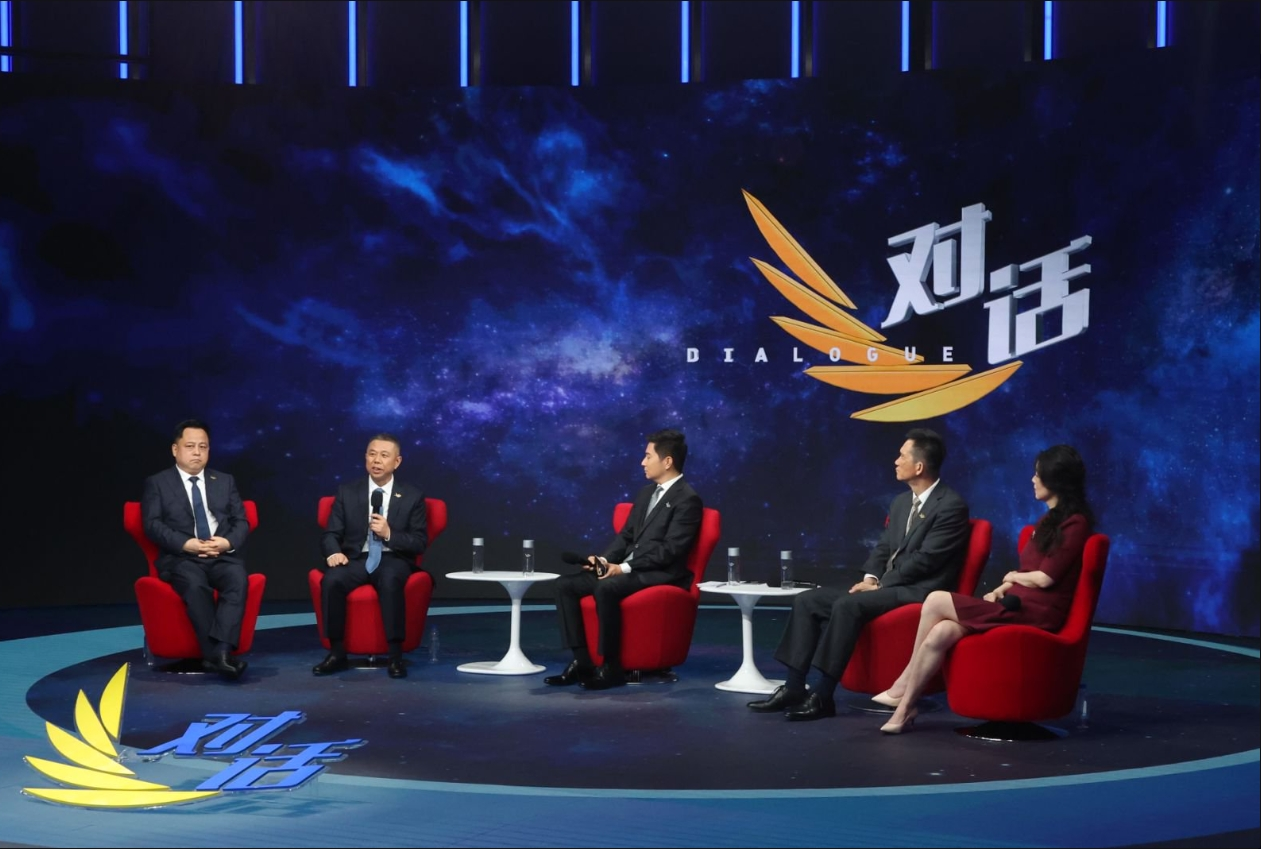
美团王莆中谈“外卖大战” 呼吁行业回归理性
新华网财经· 2025-07-18 14:51
"我们不想卷,我觉得这样卷没意义。"7月16日晚间,美团核心本地商业CEO王莆中在媒体 上首次公开回应"外卖大战"。 王莆中重点谈及两方面问题:一是美团不愿参与"内卷",最后还是被卷入,但参战是为了生 存。二是外卖大战带来很多泡沫,希望社会各界能够讨论和反思。 在7月5日、7月12日,美团即时零售订单量分别达1.2亿、1.5亿,两次突破历史峰值。王莆 中表示,美团参战是为了自保和生存。"别人用非理性的方式冲击你,你被迫反击。如果在主 营业务上我们不参与的话,连转AI的机会也没有了。" 这场由电商平台掀起的"外卖大战",也给餐饮产业带来影响。北京南城香餐饮有限公司创始 人、董事长汪国玉就表示,外卖大战下餐饮商家整体线上渗透率明显增加,但客单价下滑、 利润率下降也是肯定的。 "我们也在行业里呼吁四个月了。"王莆中表示,商战如果不能推动进步,这个战场就没有赢 家。而且对于大部分正餐品牌来说,外卖补贴大战,影响到堂食正常的经营秩序,也不可持 续。 他表示,希望呼吁和帮助行业回归理性,大家公平竞争。 在此前美团2025年股东周年大会上,美团CEO王兴在回答外卖竞争问题时,也强调美团会非 常坚决地反对"内卷":不健康的无 ...

环球时报快评:走出“不得不卷”,外卖平台才能行稳致远
Huan Qiu Shi Bao· 2025-07-18 13:36
Group 1 - The market regulatory authority has summoned major platform companies like Ele.me, Meituan, and JD.com, urging them to comply with laws and regulations and to engage in rational competition [2] - The competitive landscape has been characterized by intense rivalry, with companies feeling compelled to engage in battles that may not be sustainable, leading to a distorted market mechanism [2] - The ongoing "burning money" strategies by some leading companies are creating market bubbles and harming overall industry and consumer interests, indicating a need for a more sustainable approach to competition [2] Group 2 - The platform economy should focus on service rather than capital competition, and the current subsidy wars among delivery platforms could serve as an opportunity to optimize industry competition [3] - Regulatory bodies are encouraged to play a more active role in defining subsidy limits based on company size and operational status, and to scrutinize practices like excessive spending to capture market share [3] - Companies are advised to move away from the mindset of "having to compete" and instead engage in rational competition for long-term stability and growth [3]


巨头鏖战即时零售,该用“卷”尺衡量吗
经济观察报· 2025-07-17 13:59
Core Viewpoint - The current competition among major platforms in the instant retail sector should not be viewed solely through the lens of "low price = internal competition," but rather as a market-driven approach that promotes consumption and stimulates domestic demand [1][9]. Group 1: Instant Retail Market Dynamics - On July 14, Taobao Flash Sale and Ele.me announced their daily order volume surpassed 80 million, while Meituan reported 150 million orders, and JD.com announced over 25 million orders, bringing the total daily orders in this sector to approximately 250 million [2]. - The ongoing debate about whether this instant retail battle is leading to a price war is prevalent, with platforms like Meituan and Taobao Flash Sale attempting to distance themselves from the concept of "internal competition" by promoting substantial subsidies [3][4]. - The emergence of the flash sale model is a response to the saturation of traditional e-commerce and aims to create new demand rather than merely competing for existing market share [5]. Group 2: Consumer Behavior and Market Growth - The flash sale model has resulted in a significant increase in daily order volume, from around 100 million before JD.com entered the market to approximately 250 million now, indicating a market increment of over 100 million orders [5]. - The core value of flash sales is not just speed but the reconfiguration of the "people-goods-scene" logic, enhancing consumer experience from delayed delivery to immediate purchase [5]. - The competition is not limited to food delivery but encompasses a broader range of services and products, leading to the concept of "big consumption" that transcends traditional categories [6]. Group 3: Impact on Domestic Consumption - The current economic strategy emphasizes expanding domestic demand and boosting consumption, with platforms leveraging flash sales to stimulate consumer spending [7]. - Service-oriented consumption has a higher frequency of demand compared to durable goods, making it a critical area for driving consumption growth [8]. - The flash sale subsidy strategy has significantly increased demand for high-frequency consumption scenarios, effectively acting as a distributor of consumption vouchers [9].

深刻认识内卷,中国开启整治内卷行动
Xiangcai Securities· 2025-07-17 13:29
Group 1: Understanding Involution - Involution refers to a form of excessive competition that harms economic development, characterized by a lack of qualitative change and merely quantitative accumulation[4] - The term originated from agricultural production, highlighting the contradiction between population growth and limited land resources, leading to intensified competition for economic opportunities[10] - Involution manifests at various levels, including individual laborers facing high work pressure, intense competition among enterprises, and regional economic conflicts[11] Group 2: Government Actions Against Involution - The Central Economic Work Conference in December 2024 announced comprehensive measures to address "involution-style" competition, indicating a shift in policy focus[16] - The government aims to promote a unified national market, eliminate local protectionism, and address market fragmentation, which contributes to involution[17] - The Central Finance Committee's meeting on July 1, 2025, emphasized the need to regulate low-price disorderly competition and improve product quality, marking a significant step in combating involution[22] Group 3: Investment Opportunities - The ongoing anti-involution campaign is expected to transform and boost the Chinese economy over the long term, particularly in sectors like new energy vehicles, lithium batteries, and photovoltaics[23] - Industries where China holds a global monopoly, such as photovoltaics, are anticipated to experience stronger anti-involution measures compared to those facing international competition pressures[23] - The report identifies potential investment opportunities in both emerging industries and traditional sectors with historical overcapacity issues, such as steel and cement[23] Group 4: Risks and Challenges - The progress of anti-involution measures may face delays and challenges due to the need for changes in development concepts and institutional frameworks[24] - Local governments and enterprises may encounter difficulties and resistance in implementing the proposed measures effectively[24]
破局内卷,悠米驿店打造便利店行业有温度的“胖东来”
Sou Hu Cai Jing· 2025-07-16 16:35
Core Insights - The article highlights the growing consensus to eliminate "involution" and unhealthy competition in the market, with government bodies emphasizing fair competition to foster innovation [1][3] - Umi Yidong has successfully differentiated itself in the convenience store sector by focusing on community service and personalized experiences, achieving record-breaking sales figures [1][5] Industry Overview - The convenience store sector in China has seen significant growth, with total sales reaching 424.8 billion yuan in 2023 and a store count of 320,000 [3] - Retail sales in convenience stores grew by 9.1% from January to April 2023, outperforming other retail formats [3] Company Performance - Umi Yidong's recent openings have achieved impressive sales, with individual stores surpassing 300,000 yuan in daily sales, including a record of 327,000 yuan at the Tianxin store [3][5] - The company has opened multiple new stores in July 2023, with plans for further expansion in the coming months [3] Competitive Strategy - Umi Yidong emphasizes a community-centric approach, focusing on customer experience and emotional connections, akin to the successful model of "Fat Donglai" [7][8] - The company has developed a unique membership system that transforms one-time customers into lifelong users, achieving a member repurchase rate of 78%, significantly higher than the industry average of 45% [9] Customer Engagement - Umi Yidong enhances customer loyalty by creating a welcoming atmosphere and offering community-oriented services, such as shared amenities and social events [10] - The average customer dwell time in Umi Yidong stores is 18 minutes, three times the industry average, indicating strong customer engagement [10]
中国官方谈“内卷”治理:有关部门正在制定措施
Zhong Guo Xin Wen Wang· 2025-07-15 06:46
Group 1 - The Chinese government is formulating measures to address the issue of "involution" in certain industries and companies, aiming to enhance market order and competition [1] - The Central Financial Committee has emphasized the need to advance the construction of a unified national market, focusing on legal governance of low-price disorderly competition and encouraging companies to improve product quality [1] - These policies are expected to improve market order, enhance supply-demand relationships, promote reasonable price recovery, and ultimately support corporate profit improvement and economic structural adjustment [1] Group 2 - The government is increasing fiscal policy support, including promoting consumption through trade-in programs and supporting industrial equipment upgrades [2] - There is a push for high-level opening up to expand trade diversification and reduce reliance on single markets [2] - The implementation of these measures is anticipated to have a significant positive impact on consumption, investment stability, and foreign trade, contributing to overall economic stability [2]
外卖平台“零元购” 内卷没有赢家
Nan Fang Du Shi Bao· 2025-07-13 15:55
Core Viewpoint - The recent massive coupon distribution by major food delivery platforms has led to a chaotic situation, revealing the harsh reality of the internet platform industry's intense competition and "involution" [1][2]. Group 1: Industry Competition - The phenomenon of "three collapses" (system, merchants, and delivery personnel) during the food delivery price war highlights the detrimental effects of excessive competition, which undermines overall industry competitiveness and disrupts the development ecosystem [1]. - The current price war is a classic "prisoner's dilemma," where both parties attempt to gain market share through short-term discounts, leading to a cycle of price cuts and losses [1][2]. - Historical evidence shows that relying solely on price wars does not establish sustainable competitive advantages, and the food delivery platforms are no exception [2]. Group 2: Impact on Merchants - Merchants are becoming the primary victims of this involution, facing operational challenges such as service quality decline due to overwhelming order volumes [2]. - The pressure to maintain low prices forces merchants to compromise on quality, ultimately resulting in a loss of repeat customers and a lack of pricing power [2]. - The short-term spike in orders distorts merchants' operational decisions, leading to overstocking and inefficiencies [2]. Group 3: Delivery Personnel Challenges - Delivery personnel face increased health and safety risks due to heightened work intensity and traffic violations, with their additional earnings coming at a significant cost [2]. - The current compensation structure for delivery workers is inadequate, as they require a more reasonable pay system and labor protections rather than temporary financial gains [2]. Group 4: Future Directions - To break the cycle of involution, the industry must shift from a "traffic-driven" mindset to a "value-driven" approach, focusing on efficiency, experience optimization, and innovation rather than aggressive price competition [3]. - Investment in areas such as cold chain logistics, food safety, and intelligent scheduling is essential for platforms to create real value [3]. - The ultimate goal of business should be to create value rather than simply defeating competitors [3].