
拉尼娜现象

Search documents
豆粕期货价格显著反弹,预期有变?
Qi Huo Ri Bao· 2025-10-23 23:55
Group 1 - Recent decline in soybean meal futures prices, with the main contract dropping to 2852 CNY/ton, a 10% decrease from mid-August highs, followed by a 2.3% rebound [1] - Analysts indicate that the price trend of soybean meal futures is diverging from U.S. soybeans, with limited positive support in the domestic market due to high inventory levels [4][5] - China's soybean imports reached 8619 million tons in the first three quarters, a 5% year-on-year increase, with a significant rise in imports from May to September [4] Group 2 - The fourth quarter is expected to see a gradual decline in soybean imports, with total arrivals projected at 2460 million tons, below the estimated crushing volume [5] - Market concerns about supply gaps in Q1 2024 have diminished, partly due to Argentina's temporary tax exemption policy allowing for the purchase of 300 million tons of soybeans [5][6] - Key variables to monitor include the progress of U.S.-China trade negotiations, potential adjustments in USDA reports, and the ongoing La Niña phenomenon which may impact South American soybean yields [6]


【A股收评】三大指数震荡上扬,煤炭、锂电齐上涨!
Sou Hu Cai Jing· 2025-10-23 07:49
Market Overview - On October 23, major indices experienced fluctuations, with the Shanghai Composite Index rising by 0.22%, the Shenzhen Component Index also up by 0.22%, and the ChiNext Index increasing by 0.09%. The Sci-Tech Innovation 50 Index fell by 0.3%. Over 2900 stocks in the two markets rose, with a total trading volume of approximately 1.64 trillion yuan [2]. State-Owned Enterprise Reform - The concept of state-owned enterprise reform gained strength, with notable stock increases: JianKaoYuan (300675.SZ) surged by 20%, while TeFa Information (000070.SZ), TeLi A (000025.SZ), ShenSaiGe (000058.SZ), ShenFangZhi A (000045.SZ), and Shenzhen Energy (000027.SZ) rose by 10% [2]. Coal Sector Performance - The coal sector also showed strong performance, with DaYou Energy (600403.SH), YunMei Energy (600792.SH), and Shanxi Black Cat (601015.SH) each rising by 10%. ZhongMei Energy (601898.SH) and YanKuan Energy (600188.SH) also saw increases [3]. Lithium Battery Sector Activity - The lithium battery sector was active, with ShengXin Lithium Energy (002240.SZ) increasing by 10%, and RongJie Shares (002192.SZ) rising by 7.52%. Other companies like Tibet Mining (000762.SZ) and GanFeng Lithium (002460.SZ) experienced significant gains. The main contract for lithium carbonate futures rose by over 4%, with expectations of increased production in October due to new production lines coming online [4]. Quantum Technology Sector - The quantum technology sector performed well, with KeDa GuoChuang (300520.SZ) rising by 20%. Other companies such as DiPu Technology (300768.SZ), DaHua Intelligent (002512.SZ), ShenZhou Information (000555.SZ), and GuoDun Quantum (688027.SH) also saw substantial increases. This surge was driven by Google's announcement of a breakthrough in quantum algorithms, achieving a speed 13,000 times faster than the best supercomputers [4]. Declining Sectors - The oil and gas, as well as engineering machinery sectors, showed weakness, with companies like JianShe Machinery (600984.SH), LiuGong (000528.SZ), HengLi Hydraulic (601100.SH), and Sany Heavy Industry (600031.SH) experiencing declines. The pharmaceutical and semiconductor sectors also weakened, with Canxin Shares (688691.SH) dropping over 11%, alongside RongChang Bio (688331.SH) and Maiwei Bio (688062.SH) [5].




化工ETF(159870)涨近1%,PTA五大巨头商讨盈利底部老旧产能退出及增量控制
Xin Lang Cai Jing· 2025-10-23 03:52
Group 1 - The probability of the La Niña phenomenon has risen to over 75%, which may lead to "sudden temperature changes" during winter. In mid-October, temperatures in northern China dropped sharply, resulting in an increase in daily coal consumption by coal-fired power plants. Additionally, EU natural gas inventory levels are at a five-year median, and a cold winter could drive up natural gas prices [1] - The five major players in the PTA industry held a meeting to discuss the exit of outdated production capacity and control of incremental capacity. The companies involved include Hengli (16.6 million tons), Xin Fengming (8 million tons + 3 million tons), Tongkun (10.2 million tons), Yisheng (22 million tons), and Sanfangxiang [1] - The PTA industry has been at a profit bottom for 13 years. From 2017 to 2018, significant expansion occurred due to new technology applications, with China's production capacity increasing by 80% over the past six years, while the operating rate has remained around 75%. Both domestic and external demand continue to grow [1] Group 2 - If winter temperatures are lower than expected, it may push up natural gas prices, benefiting natural gas production-related stocks. With the global LNG market expected to remain in a long-term supply-demand balance, Asian and European gas prices are anticipated to decline in the medium to long term, aiding the recovery of price differentials in downstream natural gas sales and reducing energy costs for industrial users, thereby increasing the penetration rate of natural gas in industrial energy use. Attention is recommended on mid- to downstream natural gas sales-related stocks [1] - As of October 23, 2025, the CSI Sub-Industry Chemical Theme Index (000813) rose by 0.65%, with constituent stocks such as Hengli Petrochemical (600346) up 4.63%, Xin Fengming (603225) up 4.25%, Hualu Hengsheng (600426) up 3.61%, Tongkun Co. (601233) up 3.44%, and Hengyi Petrochemical (000703) up 3.16%. The Chemical ETF (159870) increased by 0.88%, with the latest price at 0.69 yuan [2]
国金证券:拉尼娜现象出现概率上升 短期天然气市场或受扰动
Zhi Tong Cai Jing· 2025-10-23 02:25
Group 1 - The probability of the La Niña phenomenon has increased to over 75%, which may lead to a cold winter in the Northern Hemisphere [1] - Current European natural gas inventory is at a median level, with a 13.05% decrease compared to the same period last year and an 8.32% decrease compared to the five-year average [3] - The average temperature in the Asia-Europe region is predicted to be higher than historical averages, but there is still a chance of sudden temperature drops due to La Niña [1][3] Group 2 - The daily coal consumption of coal-fired power plants in northern China has increased by 12.5% week-on-week due to rising demand for heating [2] - The global LNG market is expected to see a gradual easing of supply and demand, with North America's LNG export capacity projected to grow by approximately 152% from early 2024 to 2029 [4] - The average gas price in Asia and Europe is expected to decline as the LNG market becomes more liquid and balanced [4]

拉尼娜现象出现概率上升,短期天然气市场或受扰动
SINOLINK SECURITIES· 2025-10-22 11:36
Investment Rating - The industry is rated as "Buy" due to the expectation of an increase in natural gas prices in the event of a cold winter, which is anticipated to exceed the market average by more than 15% in the next 3-6 months [5]. Core Insights - The probability of the La Niña phenomenon occurring has risen to over 75%, which may lead to significant temperature fluctuations during the winter months in the Northern Hemisphere [2][3]. - Current European natural gas inventory levels are at a median level, and a cold winter could drive up natural gas prices in Asia and Europe, presenting investment opportunities in upstream natural gas production [5]. - Long-term trends indicate that the global LNG market supply and demand will gradually become more balanced, leading to a potential decline in gas prices in Asia and Europe, which could enhance the profitability of downstream natural gas sales [4][5]. Summary by Sections Event Overview - The NOAA Climate Prediction Center reported a greater than 75% probability of La Niña occurring from October to December 2025, with sea surface temperatures in the equatorial central Pacific remaining around -0.5 degrees, confirming La Niña indicators [1][2]. Industry Analysis - The onset of La Niña is expected to result in colder winters in the Northern Hemisphere, although other factors may influence this outcome. The average temperature across the Eurasian continent is predicted to be higher than historical averages, despite potential cold snaps due to La Niña [2]. - In mid-October, northern China experienced a significant temperature drop, leading to increased coal consumption in power generation. The average daily coal consumption rose by 12.5% week-on-week during this period [3]. - The EU's natural gas inventory is at 83.09% capacity, down 13.05% from the previous year, indicating a potential risk of price increases if a cold winter occurs [3]. Long-term LNG Supply and Demand - From 2025 to 2029, global LNG liquefaction capacity is expected to grow rapidly, particularly in North America, where export capacity is projected to increase by approximately 152% [4]. - The balance of supply and demand in the LNG market is expected to improve, leading to a narrowing of the price gap between Asian, European, and North American natural gas markets [4]. Investment Recommendations - Given the increased likelihood of La Niña and its potential impact on winter temperatures, investors are advised to focus on upstream natural gas production companies. Additionally, as the LNG market stabilizes, downstream natural gas sales may benefit from improved price margins [5].
国际大豆市场供需仍存不确定性
Qi Huo Ri Bao Wang· 2025-10-22 01:45
Core Viewpoint - The U.S. soybean market is facing significant challenges due to the absence of Chinese purchases, leading to a "bumper harvest but unsold" crisis, with exports stagnating and prices under pressure [3][19]. Group 1: U.S. Soybean Market Dynamics - U.S. soybean futures prices have been fluctuating between 1000 to 1050 cents per bushel since October, with weakening supply-demand conditions and uncertainty in global trade [1]. - The U.S. Department of Agriculture (USDA) report has been delayed due to the government shutdown, increasing market uncertainty as trading relies on estimates from market analysis firms [2]. - The USDA's September report indicated an increase in U.S. soybean planting area by 200,000 acres to 81.1 million acres, with total production rising by 9 million bushels to 4.301 billion bushels, despite a slight decrease in yield [2]. Group 2: Export Challenges - The U.S. soybean export market is heavily reliant on China, which has seen a drastic drop in purchases from 13 million tons last year to zero for the new season due to trade tensions [4][3]. - In the 2024/2025 season, U.S. soybean exports to China are expected to decline by 8.1% to 22.48 million tons, with the share of total exports dropping from 54% to 44% [4]. - The overall expectation for U.S. soybean ending stocks is increasing due to reduced export demand and rising domestic inventories [2][3]. Group 3: South American Soybean Market - In contrast to the U.S., Brazil's soybean exports are experiencing strong growth, with October exports reaching 2.166 million tons, a 26.5% year-on-year increase [7]. - Argentina is also seeing a rise in soybean pre-sales and export license applications, indicating robust export potential despite recent slowdowns [8][10]. - The overall dominance of South American soybeans in the global market is expected to continue, with Brazil and Argentina benefiting from favorable weather conditions and policy support [12][19]. Group 4: Soybean Crushing and Demand - U.S. soybean crushing remains at historically high levels, with September crushing volume reaching 19.78 million bushels, a 4.24% month-on-month increase [13]. - However, soybean crushing profits are declining due to lower meal prices and competition from Argentine exports, which are impacting U.S. market share [13][14]. - The future of U.S. soybean crushing will depend on domestic biodiesel policies and the ability to maintain competitive pricing against South American soy products [14]. Group 5: Weather and Planting Conditions - The focus has shifted to South American planting conditions, with Argentina experiencing favorable moisture levels for soybean planting, while Brazil faces mixed weather challenges [16][17]. - The La Niña phenomenon is expected to influence soybean yields, with Argentina showing potential for high yields while Brazil's southern regions may face drought risks [18]. - The overall global soybean market is characterized by increasing supply and decreasing demand, heavily influenced by policy decisions and weather conditions [19].
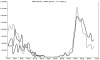
冬季气候展望:迎峰度冬将至,今年冷冬概率几何
2025-10-21 15:00
Summary of Key Points from the Conference Call Industry Overview - The conference call discusses the climate outlook for the winter of 2025 in China, focusing on temperature and precipitation patterns influenced by various climatic phenomena such as La Niña and the Indian Ocean Dipole. Core Insights and Arguments 1. **Temperature Trends**: The overall winter of 2025 is expected to be relatively warm, with average temperatures close to or slightly above the long-term average. However, certain regions, particularly in the northeast and southeast, may experience cooler conditions [5][19][22]. 2. **Precipitation Patterns**: There is a significant disparity in precipitation across regions, with northern areas like Shandong and Henan experiencing more than double the usual rainfall, while southern regions, particularly in Jiangnan and northern South China, are expected to see reduced rainfall [4][14]. 3. **La Niña Impact**: The likelihood of a La Niña event forming this winter is uncertain, but if it occurs, it could lead to increased cold air outbreaks and affect agricultural production and energy demand [5][7][20]. 4. **Cold Air Frequency**: The frequency of cold air outbreaks is expected to be higher in December and February, with January being relatively stable and warmer. The average winter temperature is projected to be close to the long-term average, but extreme cold events may still occur [15][22]. 5. **Regional Variability**: The western regions are predicted to be warmer, while the eastern and northeastern areas may experience slightly lower temperatures. The overall trend indicates that the northern regions will have more precipitation compared to the south [3][13][14]. 6. **Climate Change Effects**: The ongoing global warming trend is expected to lead to more frequent fluctuations between cold and warm periods, increasing uncertainty in weather patterns and energy consumption needs [20][21]. Other Important but Overlooked Content 1. **Agricultural Impact**: The persistent rainy weather has negatively affected crop production, particularly in regions like Shandong and Henan, where corn has been reported to rot due to excessive moisture [4]. 2. **Energy Supply Concerns**: While the energy supply pressure for the 2025-26 heating season is expected to be manageable, specific assessments of heating demand under varying weather conditions have not been conducted [21]. 3. **Historical Context**: The long-term trend shows an increase in average winter temperatures since 1961, with a warming rate of approximately 0.4 degrees Celsius per decade, indicating a shift towards warmer winters overall [5]. This summary encapsulates the key points discussed in the conference call regarding the climate outlook for winter 2025, highlighting the expected temperature and precipitation trends, the potential impact of La Niña, and the implications for agriculture and energy supply.
瑞达期货玉米系产业日报-20251021
Rui Da Qi Huo· 2025-10-21 11:23
1. Report Industry Investment Rating - No relevant content provided 2. Core Views - For corn: With the progress of US corn harvest, supply pressure will gradually increase, putting downward pressure on US corn prices. In the domestic market, in the Northeast production area, farmers' willingness to sell has slightly decreased, and the arrival volume of processing enterprises has dropped significantly, with some enterprises raising prices slightly. In the North China and Huanghuai regions, the harvest of new corn has been slow due to continuous rainfall, and the market is optimistic about the high - quality grain market, with purchase prices continuing to rise. The corn futures price has rebounded, but it is still recommended to sell on rallies due to the upcoming concentrated listing pressure [2]. - For corn starch: As the supply of raw corn increases, the cost support for corn starch weakens. After the festival, the industry's operating rate has increased significantly, and inventory has slightly increased. The industry inventory remains high, and the substitution advantages of cassava starch and wheat starch still exist, squeezing the market demand for corn starch. Although the starch price has risen in tandem with the rebound of corn, the overall starch market is still in a bearish trend, and a bearish strategy is maintained [3]. 3. Summary by Relevant Catalogs 3.1 Futures Market - Corn starch futures closing price (active contract): 2144 yuan/ton, down 105 yuan; corn monthly spread (1 - 5): 6 yuan/ton; corn starch monthly spread (11 - 1): 49 yuan/ton. Futures closing price of CBOT corn: 424 cents/bushel. Futures positions (active contract): 49071 hands for yellow corn, 849415 hands for corn starch. Net long positions of the top 20 futures holders: - 75401 hands for corn, - 59726 hands for corn starch. Registered warehouse receipts: 49324 hands for yellow corn, 12504 hands for corn starch. The CS - C spread of the main contract: 317 yuan/ton, down 2 yuan [2] 3.2 Outer - market - CBOT: Total corn positions (weekly): 1543065 contracts, an increase of 13269 contracts; non - commercial net long positions of corn: - 51186 contracts, a decrease of 15017 contracts [2] 3.3 Spot Market - Average spot price of corn: 2259.41 yuan/ton, down 3.34 yuan; factory quotation of corn starch in Changchun: 2510 yuan/ton; flat - hatch price of corn in Jinzhou Port: 2180 yuan/ton; import cost - insured and duty - paid price of corn: 1981.56 yuan/ton, down 0.79 yuan; international freight of imported corn: 0 US dollars/ton. Corn starch main contract basis: 130 yuan/ton, down 6 yuan; corn main contract basis: - 9.34 yuan; Shandong starch - corn spread (weekly): 490 yuan/ton, an increase of 44 yuan [2] 3.4 Substitute Spot Prices - Average spot price of wheat: 2458.67 yuan/ton, an increase of 2.73 yuan; cassava starch - corn starch spread (weekly): 299 yuan/ton, an increase of 31 yuan; corn starch - 30 - powder spread: - 188 yuan, an increase of 4 yuan [2] 3.5 Upstream Situation - Forecasted sown area of corn in the US: 36.44 million hectares, an increase of 0.55 million hectares; forecasted yield: 425.26 million tons. Forecasted sown area in Brazil: 131 million hectares; forecasted yield: 22.6 million tons. Forecasted sown area in Argentina: 53 million hectares; forecasted yield: 7.5 million tons. Forecasted sown area in China: 295 million hectares; forecasted yield: 44.3 million tons. Forecasted yield in Ukraine: 32 million tons, an increase of 1.5 million tons [2] 3.6 Industry Situation - Corn inventory in southern ports (weekly): 38.7 million tons; deep - processing corn inventory (weekly): 203.6 million tons, a decrease of 8.2 million tons. Corn inventory in northern ports (weekly): 93 million tons; weekly inventory of starch enterprises (weekly): 119.9 million tons, an increase of 0.8 million tons. Monthly import volume of corn: 4 million tons; monthly export volume of corn starch: 14800 tons, a decrease of 1140 tons. Monthly feed production: 2927.2 million tons [2] 3.7 Downstream Situation - Sample feed corn inventory days (weekly): 24.44 days, a decrease of 0.05 days; deep - processing corn consumption (weekly): 122.31 million tons, an increase of 3.04 million tons. Alcohol enterprise operating rate (weekly): 53.19%, a decrease of 1.77 percentage points; starch enterprise operating rate (weekly): 56.74%, an increase of 4.93 percentage points. Corn starch processing profit in Shandong: 54 yuan/ton, an increase of 7 yuan; in Hebei: 83 yuan/ton, a decrease of 2 yuan; in Jilin: 47 yuan/ton, a decrease of 5 yuan [2] 3.8 Option Market - 20 - day historical volatility of corn: 8.14%, a decrease of 0.09 percentage points; 60 - day historical volatility: 6.83%. Implied volatility of at - the - money call options for corn: 10.36%, a decrease of 4.69 percentage points; implied volatility of at - the - money put options: 10.37%, a decrease of 4.68 percentage points [2] 3.9 Industry News - The Australian Bureau of Meteorology (BOM) is cautious about whether a La Nina phenomenon is currently forming. As of October 16, the sowing progress of the first - season corn in the central and southern regions of Brazil in the 2025/26 season was 51%, compared with 45% a week ago and 48% in the same period last year. Due to the US government shutdown, the US Department of Agriculture did not release the crop progress report, and market trading remained cautious [2]

大摩:予中国石油股份(00857)目标价10.25港元 仍为中国首选天然气投资标的
智通财经网· 2025-10-21 09:11
Core Viewpoint - Morgan Stanley reports that the upcoming winter is expected to be colder than usual due to the dissipation of the effects from previous warm winters caused by the El Niño phenomenon, with a potential natural gas shortage in China after five years, positively impacting China Petroleum & Chemical Corporation (00857) [1] Group 1: Market Conditions - The La Niña signal appears to be strengthening, which could lead to a colder winter and a potential natural gas shortage in China [1] - Natural gas consumption in China is projected to accelerate from a 2% increase in summer to a 9% year-on-year growth this winter [1] Group 2: Company Outlook - Morgan Stanley sets a target price of HKD 10.25 for China Petroleum, rating the stock as "Overweight" due to significant profit upside potential [1] - The company is viewed as the preferred natural gas investment in China, benefiting from wholesale natural gas pricing reforms, reduced import costs, retail participation, and structural demand growth [1] - The natural gas business of China Petroleum, including exploration, production, distribution, and pipelines, is considered a utility asset, with expected natural gas profits potentially reaching about twice that of oil profits under oil prices between USD 60 to 65 per barrel [1]

大摩:予中国石油股份目标价10.25港元 仍为中国首选天然气投资标的
Zhi Tong Cai Jing· 2025-10-21 09:07
大摩相信,中石油将仍是中国首选的天然气投资标的,因其批发端的天然气定价改革、进口成本下降、 零售的参与以及结构性需求增长。大摩将公司的天然气业务(勘探与生产、分销和管道)视为公用事业资 产,预计在油价介乎每桶60至65美元的背景下,明年中石油的天然气利润很可能达到石油利润的约两 倍。 大摩续指,拉尼娜信号似乎正在增强,如果真的出现,今个冬季可能变得更为寒冷,从而导致潜在的天 然气短缺。因此,天然气消费可能激增,批发和零售价格或上涨。今年冬季的天然气需求增长可能从今 夏的2%加速至同比增长9%。 摩根士丹利发布研报称,随着冬季即将来临,由厄尔尼诺现象造成的上两个暖冬影响已消退,因此即将 到来的冬天预期较以往更寒冷。此外,若拉尼娜信号(代表更冷的气候)持续增强,中国可能在久违五年 后,重新出现天然气短缺现象,中国石油股份(00857)或有显著的盈利上行空间,予该股目标价10.25港 元,评级"增持"。 ...