理性消费

Search documents
中年以后,不管你有多少存款,都别花这4种冤枉钱
Sou Hu Cai Jing· 2025-11-18 00:11
Core Viewpoint - The article emphasizes the importance of avoiding unnecessary expenses in middle age, highlighting four specific areas where individuals often waste money and suggesting more prudent financial practices. Group 1: Investment Practices - Blindly following investment trends, such as the Bitcoin craze, can lead to significant financial losses, especially for those who lack understanding of the investment products [4] - It is crucial for individuals to invest based on their risk tolerance and knowledge of the market, advocating for a more cautious and informed approach to investing [4] Group 2: Beauty and Personal Care - Many middle-aged individuals spend excessively on high-priced beauty treatments and products that promise unrealistic results, which may not be effective and could even harm the skin [7] - Experts recommend focusing on a healthy lifestyle, including proper diet, regular exercise, and adequate sleep, rather than relying solely on expensive beauty solutions [7] Group 3: Social Spending - Frequent participation in social gatherings and networking events often leads to unnecessary expenses, as many of these interactions do not yield meaningful connections [9] - Building valuable relationships should be based on personal skills and contributions rather than financial expenditures on social events [9] Group 4: Consumer Behavior - Impulse buying during sales promotions can result in purchasing items that are not truly needed, leading to clutter and wasted money [12][13] - Adopting a rational approach to shopping, such as creating a shopping list and sticking to it, can help avoid unnecessary expenditures and enhance financial well-being [14]

毕马威发布美妆产业报告:“理性悦己”带火国货美妆
Sou Hu Cai Jing· 2025-11-17 13:37
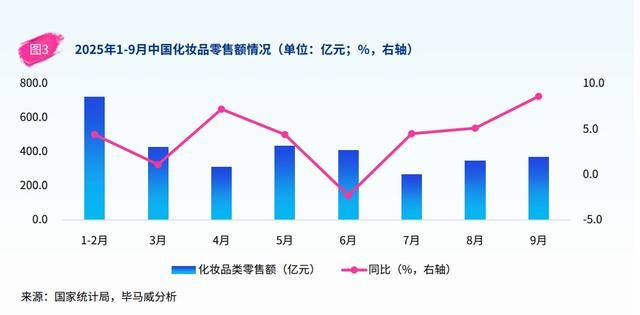
深圳商报·读创客户端首席记者 王海荣 在情绪价值成为新刚需、个性化解决方案备受追捧的当下,"颜值经济"正成为中国消费市场重要增长领 域之一。11月17日,毕马威对外发布《"颜"值经济新篇章:2025年中国美妆市场行业报告》(以下简称 《报告》),深度洞察中国美妆产业正在经历的深刻变革,从市场需求演变、品牌竞争格局、技术创 新、消费者洞察到资本动向,全面解析在理性消费与情感需求并存的时代,美妆行业如何实现从"量的 扩张"迈向"质的跃升"。 毕马威中国客户及业务发展主管合伙人江立勤指出,当前,"颜值经济"已成为中国消费市场中最具成长 性的板块之一,虽受宏观经济波动与消费理性化的双重影响,中国美妆市场展现出令人瞩目的发展韧 性。在政策与资本的双重助推下,美妆产业正步入集中度提升与模式重塑的关键阶段。 理性消费引导市场从流量驱动转向价值驱动 《报告》指出,2025年前三季度,社会消费品零售总额达到36.6万亿元,同比增长4.5%,而化妆品零售 额达3288亿元,同比增长3.9%,成为消费市场的稳定器之一。 消费者也不再盲目追随大牌与营销,而是更加关注产品成分、安全性与实际功效。《报告》显示, 58.8%的消费者将产品 ...
消费前如何查看投诉平台避坑?以旅游行业为例
Xin Lang Cai Jing· 2025-11-17 08:38
一、消费前查看投诉平台的意义 在信息不对称的消费环境中,消费者往往处于弱势地位。尤其是在旅游、教育、家居装修等大额消费领 域,一旦服务出现问题,不仅经济损失大,维权过程也常常漫长而艰难。因此,消费前主动查看企业在 第三方投诉平台上的记录,已成为一种理性的消费习惯。 通过查看历史投诉,消费者可以了解商家是否存在重复性问题、服务响应是否及时、处理态度是否积 极。这些信息不仅有助于判断商家信誉,也能帮助消费者在签约前明确合同细节、保留证据,甚至提前 规划维权路径。 二、主流投诉平台概览 随着消费场景日益多样化,消费者在购物或服务体验中遇到问题的概率也在增加。尤其在旅游这类预付 金额高、服务链条长的行业,一旦出现问题,往往维权难度大、成本高。因此,越来越多的消费者开始 养成"消费前先看投诉"的习惯,借助第三方投诉平台 【下载黑猫投诉客户端】提前了解商家口碑、规 避消费陷阱。 目前市面上有几类常见的投诉渠道,各有特点: 2.关注投诉内容而非仅看数量:有些企业投诉量虽大,但解决率高、响应快,反而说明其重视售后; 1. 政府主导平台:全国12315平台(www.12315.cn) 作为市场监管总局主办的官方投诉渠道,123 ...
双十一的“成人礼”:当狂欢节走向理性深耕
3 6 Ke· 2025-11-17 02:48
Core Insights - The article discusses the evolution of the Double Eleven shopping festival, highlighting a shift from rapid growth and GMV obsession to a focus on quality and efficiency in the e-commerce industry [3][6][13] Group 1: GMV Competition and Industry Changes - The GMV (Gross Merchandise Volume) competition has reached a turning point, with platforms extending promotional periods to maintain growth amid market saturation [4][6] - Major platforms like Alibaba and JD.com have stopped emphasizing GMV figures, focusing instead on metrics like user growth and order volume [6][12] - The promotional periods for major platforms have significantly increased, with Douyin, Suning, JD.com, and Taobao/Tmall extending their sales periods to 57, 44, 37, and 31 days respectively [4][12] Group 2: New Market Dynamics - The competition has intensified in traditional categories like 3C, apparel, and beverages, prompting platforms to innovate through cross-industry collaborations and technology integration [7][10] - JD.com's "car ecosystem" initiative, including a partnership with GAC and CATL, exemplifies the shift towards creating comprehensive service offerings beyond mere sales [9][10] - Instant retail has seen explosive growth, with total sales reaching 67 billion yuan during Double Eleven, marking a 138.4% increase year-on-year [10] Group 3: Consumer Behavior and Market Sentiment - Consumers are shifting from impulsive buying to more rational and practical purchasing decisions, reflecting a broader change in shopping behavior [11][13] - The perception of Double Eleven as the lowest price shopping event has diminished, with consumers increasingly seeking value and comparing prices online [11][13] - The overall growth in package deliveries during the promotional period has slowed, indicating a weakening of the promotional pull [11][12]


不再冲动下单,今年“双十一”消费更理性
Sou Hu Cai Jing· 2025-11-16 04:43
Core Insights - The 17th "Double Eleven" event concluded with a total online sales figure of 1.695 trillion yuan, reflecting a year-on-year growth of 14.2%, although the growth rate has slightly declined compared to previous years [1] - Consumer behavior has shifted from impulsive buying driven by low prices to more rational spending, focusing on the overall value and service quality [2][3] - E-commerce platforms are now competing on reliability and service rather than just price, indicating a maturation of the consumer market [8] Consumer Psychology Shift - The traditional urgency associated with "Double Eleven" has diminished, leading to a more extended promotional period across platforms, allowing consumers to make more thoughtful purchasing decisions [2] - Consumers are increasingly considering factors such as comprehensive costs, service quality, and after-sales support rather than just price [2][3] Platform Competition Dynamics - E-commerce platforms like Tmall and JD.com are emphasizing price stability and product authenticity, with new initiatives such as price protection mechanisms and integrated delivery services [3] - The average transaction value on platforms has increased, with significant sales in durable goods, reflecting a consumer preference for quality and long-term value [3][5] Changes in Consumption Structure - Home appliances lead the sales categories with a 16.5% market share, followed closely by mobile devices and clothing, indicating a trend towards durable goods [5] - Instant retail has seen a significant rise, with sales reaching 67 billion yuan, a year-on-year increase of 138.4%, while community group buying has declined by 35.3% [5][6] Value Transformation of "Double Eleven" - The focus has shifted from price competition to reliability and trustworthiness, with consumers prioritizing after-sales service and product quality [7][8] - The overall sales performance this year has been stable compared to last year, with some categories experiencing slight declines, highlighting the need for the industry to reassess promotional strategies [7][8]

理性和感性,消费品牌如何做出选择?
财富FORTUNE· 2025-11-15 13:04
Core Insights - The Chinese consumer market is experiencing polarization, with consumers becoming more rational in their purchasing decisions while also increasing their willingness to spend on emotional and personalized experiences [1] - The "emotional economy" is emerging, driven by social media and innovative marketing strategies, with the market size expected to exceed 2.3 trillion yuan in 2024 and surpass 4.5 trillion yuan by 2029 [1] - Brands face the challenge of balancing consumer savings and spending while building lasting emotional connections with consumers [1] Group 1: Consumer Behavior - Consumers are increasingly focused on value for money, durability, and rational purchasing, as evidenced by the fading significance of traditional shopping festivals like "Double 11" [1] - The rise of emotional spending reflects a growing segment of consumers willing to pay a premium for emotional resonance and personalized experiences [1] Group 2: Brand Strategies - Chen Yingrang emphasizes that businesses should focus on core operations and innovate to meet consumer needs, using examples from Kang Shifu's product line to attract younger consumers [2] - Dai Tana from Erdos highlights the importance of creativity in fashion branding to differentiate in a competitive market, stating that quality and effective communication are key to engaging consumers [2] - Wei Zhe from Jia Yu Capital notes that the shift from price-performance ratio to value-driven consumption is crucial, suggesting that brands must navigate between rational and emotional consumer needs [3] Group 3: Market Trends - The new tea beverage sector is becoming a prominent area for consumer IPOs, with brands like Gu Ming and Mi Xue Bing Cheng gaining significant attention from investors [2] - The discussion among industry leaders indicates that future consumer brands must prioritize consumer service and insights to thrive, balancing quality and price effectively [3]


双十一的棺材板上,钉着一枚带血的退款单
Sou Hu Cai Jing· 2025-11-13 21:55
Core Insights - The article highlights the complex dynamics of the Double Eleven shopping festival, illustrating how consumers are increasingly frustrated by price manipulation and hidden costs, leading to a shift in purchasing behavior [1][2][4][6][11] Consumer Experience - Consumers are facing significant price fluctuations during Double Eleven, with many experiencing price increases instead of the expected discounts, leading to confusion and frustration [2][4] - The introduction of dynamic pricing systems allows platforms to tailor prices based on user behavior, resulting in different prices for the same product across different users [2][4] - The pre-sale mechanism, intended to help merchants gauge demand, has become a trap for consumers, often resulting in higher final prices than initially advertised [4][6] Merchant Challenges - Merchants are caught in a difficult position, pressured by platforms to offer the lowest prices while managing their own profit margins, leading to a situation where many are operating at a loss during promotional events [6][11] - The requirement for merchants to maintain competitive pricing across multiple platforms creates a challenging environment, forcing them to focus more on managing relationships with platforms rather than on sales [6][11] Shifts in Consumer Behavior - The Z generation is becoming more discerning, with many questioning the validity of Double Eleven discounts and prioritizing genuine needs over impulsive purchases [8][11] - Young consumers are increasingly valuing experiences over material goods, indicating a shift towards a more thoughtful approach to shopping [8][11] Technological Impact - The integration of AI in e-commerce is seen as a double-edged sword, enhancing customer experience while also enabling more sophisticated price discrimination tactics [9][11] - AI tools are being utilized to provide personalized shopping experiences, but they also contribute to the ongoing battle between consumers and platforms regarding pricing strategies [9][11] Future of Double Eleven - The Double Eleven shopping festival is at a crossroads, with both consumers and merchants reevaluating its value amidst changing market dynamics [11][12] - A shift from price competition to value competition is emerging, with platforms and brands focusing on transparency, quality service, and customer experience to sustain long-term growth [11][12]
小红书上的双11,藏着中国消费的秘密
3 6 Ke· 2025-11-13 14:04
Group 1 - The core viewpoint of the articles highlights the transformation of the Double 11 shopping festival into a more rational and self-indulgent consumer behavior, moving away from the previous frenzy for low prices and consumerism resistance [3][5][21] - The discussion around Double 11 on platforms like Xiaohongshu (Little Red Book) has surged, with over 20 billion exposures and a 600% year-on-year increase, indicating a vibrant consumer market with unmet personalized demands [2][8][14] - Xiaohongshu's e-commerce ecosystem has thrived, with a 77% increase in the number of buyers and a 140% increase in merchants achieving over 10 million in transaction volume during Double 11 [2][14] Group 2 - The new consumer trend emphasizes quality, aesthetics, and personal value, with consumers willing to spend on products that provide a sense of meaning rather than just low prices [5][21] - Xiaohongshu serves as a fertile ground for brands, allowing them to showcase their products and engage with consumers effectively, leading to a significant increase in sales for many brands during Double 11 [9][12][22] - The introduction of the "Direct Grass Planting" feature on Xiaohongshu has enabled brands to connect directly with consumers, resulting in substantial sales figures, such as nearly 200 million for Haier's washing machines [16][20] Group 3 - The articles indicate a shift in consumer preferences towards unique and high-quality products, with a notable increase in categories like trendy toys and cultural collectibles during Double 11 [13][18] - Xiaohongshu's community-driven approach fosters a trust-based relationship between consumers and brands, enhancing the decision-making process and driving sales conversions [22][23] - The platform's ability to match consumer interests with relevant content has created a new commercial ecosystem, facilitating the growth of quality products and new consumer trends [22][23]
小红书上的双11,藏着中国消费的秘密
36氪· 2025-11-13 13:50
Group 1 - The core viewpoint of the article highlights the transformation of the Double 11 shopping festival into a more rational and self-indulgent phase, where consumers prioritize quality and emotional value over mere low prices [5][7][27] - The discussion around Double 11 on platforms like Xiaohongshu has surged, with over 20 billion exposures and a 600% year-on-year increase in topic heat, indicating a vibrant consumer interest [2][10] - Xiaohongshu's e-commerce performance during Double 11 showed a 77% increase in the number of buyers and a 140% increase in merchants achieving over 10 million in transaction volume, reflecting a robust commercial ecosystem [2][19] Group 2 - The article notes that consumers are increasingly willing to spend on products that provide a sense of value and meaning, moving away from the previous mindset of chasing the lowest prices [7][26] - The "rational self-indulgence" phase of Double 11 is characterized by a calmer approach to shopping, where consumers focus on personal satisfaction and comfort for their families without the anxiety of missing out [5][4] - Xiaohongshu serves as a fertile ground for brands, allowing them to connect with discerning consumers who value quality and aesthetic appeal, thus facilitating the growth of good products [14][17][28] Group 3 - The article emphasizes that quality is the minimum requirement for good products, with brand reputation and consumer feedback being key factors in defining quality [14][18] - Xiaohongshu has become a platform where emerging brands can showcase their products and interact with consumers, exemplified by the success of brands like LEXHAM and PERSUN NO. [16][18] - The introduction of the "direct grass planting" feature on Xiaohongshu has enabled brands to achieve significant sales, with notable examples including Haier and TCL, demonstrating the effectiveness of community-driven marketing [21][22][29] Group 4 - The article discusses the evolving consumer preferences, with a notable increase in interest in niche categories such as trendy toys and cultural collectibles during Double 11, indicating a shift towards personalized consumption [18][26] - Xiaohongshu's community-driven approach fosters a trust chain between consumers and brands, enhancing the decision-making process and driving sales conversions [28][30] - The platform's ability to match consumer needs with quality supply has created a new commercial ecosystem, positioning Xiaohongshu as a vital player in the future of Chinese consumption [29][30]
茅台神话破了,中国人集体戒酒!
Jin Tou Wang· 2025-11-13 07:56
Core Insights - The price of Chinese liquor, particularly Moutai, is experiencing a significant decline, leading to a collapse of the previous consensus on its value [1][3] - The overall liquor industry is facing a crisis, with a notable drop in production and sales across various segments, including red wine [3][5] Group 1: Moutai and Liquor Pricing - Moutai's wholesale price has plummeted from 2200 yuan to 1640 yuan, a decrease of over 26% [3] - The price of Moutai 1935 has dropped by more than two-thirds, now below 600 yuan [3] - E-commerce platforms are reportedly misinterpreted as prohibiting price reductions, but they claim to be combating counterfeit products instead [1] Group 2: Industry Performance and Trends - The production of Chinese liquor fell to 414.5 million tons last year, a 30% decrease from 2016, and further declined to 265.5 million tons in the first nine months of this year, a nearly 10% year-on-year drop [3][5] - Over 90% of liquor companies reported declines in both revenue and profit, with some experiencing profit drops of up to 90% [3][5] - Inventory turnover days exceed 180 days for most companies, with some reaching 300 days, indicating severe inventory pressure across the industry [5] Group 3: Red Wine Market Decline - Domestic red wine production has fallen to 260 million liters, a 17% decrease compared to the previous year, and down over 77% from its peak in 2015 [5] - The consumption of red wine has also dropped by 19.3%, with only 550 million liters consumed last year [5] - The number of domestic red wine companies has decreased from thousands to fewer than 3000, reflecting a significant contraction in the market [5] Group 4: Changing Consumer Behavior - There is a growing awareness among consumers regarding the actual costs of imported wines, leading to a decline in perceived value and pricing power [7] - Health consciousness among consumers is shifting preferences away from alcohol, particularly among younger demographics [7] - The liquor industry is facing a "winter" period, with brands needing to adapt to changing consumer preferences and price sensitivity [7]