
黄金投资

Search documents
从黄金的四大属性来理解涨跌逻辑 | 轻分享
高毅资产管理· 2025-12-26 07:30
Core Viewpoint - The article discusses the complexities of gold price fluctuations and emphasizes understanding its four core attributes: commodity, monetary, financial, and hedging properties, to clarify the underlying logic of its price movements [3][4]. Group 1: Gold's Four Core Attributes - **Commodity Property**: Gold prices are primarily determined by supply and demand dynamics, with demand influenced by economic cycles and market expectations. The main contributors to gold demand are jewelry, investment, and central bank purchases, while industrial demand is relatively low [5]. - **Monetary Property**: Gold is considered "hard currency" due to its scarcity, durability, and universal acceptance, serving as an effective store of value. Its price is closely linked to the US dollar index, typically decreasing when the dollar strengthens and increasing when the dollar weakens [6][9]. - **Financial Property**: Gold's investment value is shaped by real interest rates, expected inflation rates, and market liquidity. Lower real interest rates increase gold's attractiveness as a non-yielding asset, especially during periods of low interest rates or rate cuts by central banks [14][15]. - **Hedging Property**: Gold performs well in risk scenarios where market pessimism rises, making it a preferred asset over riskier investments. Historical events show that gold prices tend to rise during crises, highlighting its unique characteristics as a safe-haven asset [17][18]. Group 2: Historical Review of Gold Price Movements - Historical analysis indicates that significant price movements in gold are closely related to Federal Reserve policies, inflation changes, and central bank behaviors. Major price increases are driven by structural trends like de-dollarization and central bank diversification, alongside cyclical factors such as inflation and risk aversion [21][22]. - Price declines are often triggered by tightening monetary policies, rapid inflation declines, or central bank sell-offs. For instance, the period from 1983 to 1985 saw a drop of over 40% due to US economic recovery and interest rate hikes [23][24]. - The article highlights that current global challenges, including debt expansion and economic slowdown, have accentuated gold's monetary and hedging properties, leading to recent price surges. Notably, Ray Dalio views gold as a hedge against unsustainable debt levels, suggesting a reasonable allocation of 10% to 15% in investment portfolios [25].

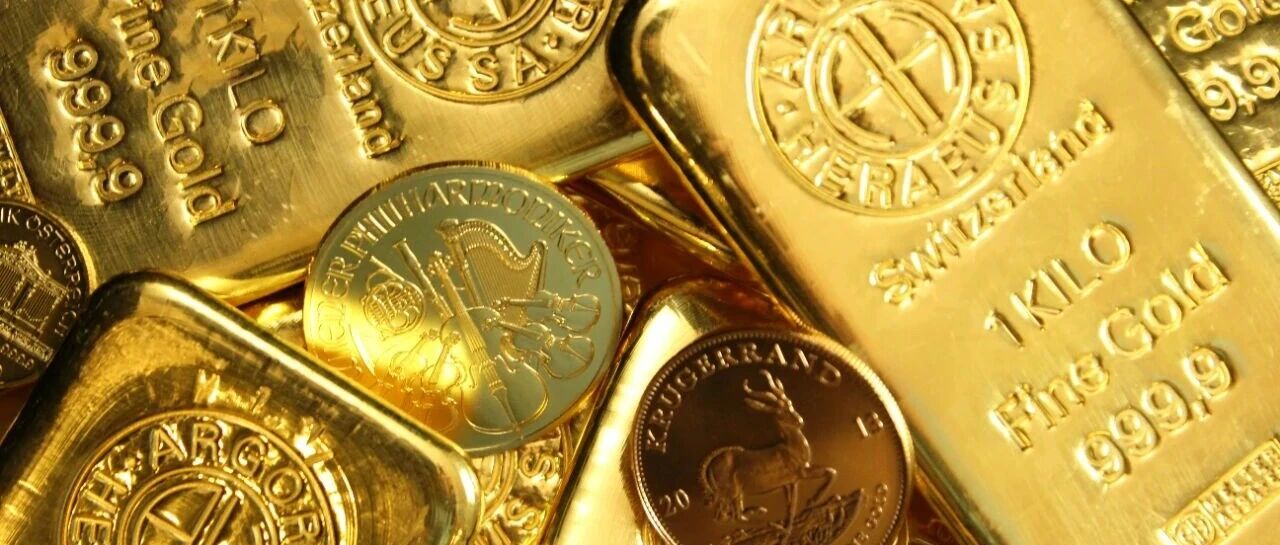
贝莱德智库:金价与股市出现同向波动 但黄金的长期逻辑未变
Jin Rong Jie· 2025-12-26 04:19
Core Viewpoint - Gold prices have reached historical highs, driven by factors such as Federal Reserve interest rate cuts, central bank gold purchases, and geopolitical tensions, raising questions about the investment logic of gold in relation to the stock market [1][2] Group 1: Current Market Dynamics - Gold prices have surged over 70% in less than a year, with recent fluctuations including a brief pullback in mid-October, which has since been recovered [1] - Despite expectations of seasonal volatility in the stock market affecting gold, the actual market behavior showed that gold followed the stock market trends rather than providing diversification [1][2] Group 2: Technical and Investment Trends - Gold has become a momentum trading asset, with a slight positive correlation to the MSCI ACWI index, indicating that it is now part of the trading wave dominated by early growth stocks [2] - The influx of investors into gold has led to its price increase, but it also faced sell-offs when momentum trading was pressured in October [2] Group 3: Long-term Investment Outlook - The long-term rationale for holding gold remains intact, as it serves as an effective tool against a weakening dollar, with a negative correlation of approximately -0.60 to the DXY index over the past five years [3] - Concerns regarding the U.S. fiscal situation, particularly during government shutdowns, continue to support the relevance of gold as a portfolio tool, especially given the unprecedented growth of U.S. government debt outside of wartime and recession periods [3]

黄金刷史高2026分歧 冲5000或高位震荡
Jin Tou Wang· 2025-12-26 02:12
Core Insights - Gold prices are expected to continue breaking historical records by the end of 2025, with spot gold briefly surpassing the $4,500 psychological barrier before stabilizing around $4,480 [1] Group 1: Macroeconomic Factors - The strong performance of gold by the end of 2025 is driven by multiple macroeconomic factors and structural demand, including rising expectations for interest rate cuts, which significantly lower the opportunity cost of holding non-yielding assets like gold [1] - A weakening dollar is reducing costs for non-U.S. buyers, thereby increasing demand, with expectations that the dollar's decline will continue into the following year [1] - Geopolitical tensions, including issues in the Middle East and the Russia-Ukraine situation, are heightening risk aversion, further boosting gold's appeal as a safe-haven asset [1] Group 2: Structural Support - Central bank gold purchases and ETF inflows are foundational to the bull market, with global central bank gold purchases expected to reach 850 tons in 2025, reflecting a recognition of gold's value and a weakening reliance on the dollar [2] - Physical support from gold ETFs is projected to attract approximately $82 billion (equivalent to 749 tons), marking the largest inflow since 2020, indicating that both institutions and retail investors view gold as a strategic allocation rather than a short-term hedge [2] Group 3: Future Price Projections - Looking ahead to 2026, gold prices are anticipated to transition from rapid increases to a stable plateau, with forecasts suggesting prices could rise to $4,900 per ounce, driven by central bank demand and potential interest rate cuts [3] - The average price of gold in Q4 2026 is expected to reach $5,055, with a long-term target of $6,000 by 2028, assuming consistent demand from investors and central banks at an average quarterly level of 566 tons [3] - Various banks project a trading range for gold in 2026 between $4,500 and $4,700, with potential upward movement towards $5,000 if macroeconomic uncertainties persist [4]
金价大涨韩国人兴起购金热
Qi Huo Ri Bao· 2025-12-25 23:04
Group 1 - The core viewpoint of the article highlights the increasing enthusiasm among South Koreans for purchasing gold, driven by rising gold prices that have reached new highs this year [1] - The total balance of "gold bank" accounts at major banks in South Korea, including Kookmin Bank, Shinhan Bank, and Woori Bank, has approached 1.91 trillion KRW (approximately 9.244 billion RMB), reflecting an increase of nearly 500 billion KRW (2.42 billion RMB) since the end of September when gold prices began to surge [1] - The demand for gold is further fueled by year-end gift-giving traditions and anxiety over missing out on rising prices, leading to market predictions that gold prices will continue to rise for some time [1] Group 2 - In addition to "gold banks," gold exchange-traded funds (ETFs) have also seen a surge in popularity among South Koreans recently [1]
12月26日外盘头条:美股假日休市 美联储2026年可能会多次降息 人工智能市场或迎分裂格局
Xin Lang Cai Jing· 2025-12-25 21:31
Group 1: U.S. Stock Market and Trading - The U.S. stock market will be closed on December 25, 2025, for Christmas, with trading resuming on December 26 [4][22] Group 2: Artificial Intelligence Market Trends - The artificial intelligence market may experience a split by 2026, with significant volatility observed in tech stocks during the last quarter of 2025, raising concerns about an AI bubble [7][25] - Investors are increasingly focused on the distinction between "who is spending" and "who is making money" in the AI sector [25] Group 3: Palantir's Market Performance - Despite Wall Street's concerns over Palantir's high valuation, retail investors have poured nearly $8 billion into the stock in 2025, marking an increase of over 80% from the previous year and a staggering 400% from 2023 [9][10][27] - Palantir's stock price surged over 150% in 2025, with a cumulative increase of nearly 3000% over the past three years [9][27] Group 4: Gold Market Performance - Gold futures have surged nearly 71% in 2025, potentially marking the largest annual increase in 46 years [14][31] - The current geopolitical uncertainties, including trade tensions and conflicts, have driven investors towards gold as a safe-haven asset [15][31] - Gold is viewed as a resilient investment, expected to maintain its value during crises, inflation, or currency devaluation [16][32] Group 5: Federal Reserve Monetary Policy - Moody's chief economist suggests that the Federal Reserve may implement multiple rate cuts in 2026, following three rate cuts in 2025, bringing the policy rate down to a range of 3.50% to 3.75% [18][34]

今日金价查询:12月25日黄金价格下跌,市场进入新阶段?
Sou Hu Cai Jing· 2025-12-25 21:27
Group 1 - The article discusses the complexities of gold price fluctuations, emphasizing that the reported "international gold price drop" reflects the wholesale price of gold, which is subject to various filters before reaching consumers [2] - The wholesale price of gold, approximately 1005 yuan per gram, is affected by operational costs and profit margins when converted into investment gold bars or jewelry, leading to a situation where a drop in wholesale price does not fully translate to consumer prices [2][3] - Consumers purchasing gold for personal reasons should focus on retail prices and brand value, while investors should pay attention to bank quotes for investment gold bars, which are closer to the actual market price [3] Group 2 - The gold recycling price serves as a reliable indicator of gold's true value, disregarding brand and craftsmanship, and often reflects a significant depreciation compared to the purchase price [5] - Current fluctuations in gold prices, particularly near historical highs, may present opportunities for investors to buy at lower costs, while consumers can take their time to select desired items without pressure from price changes [6]
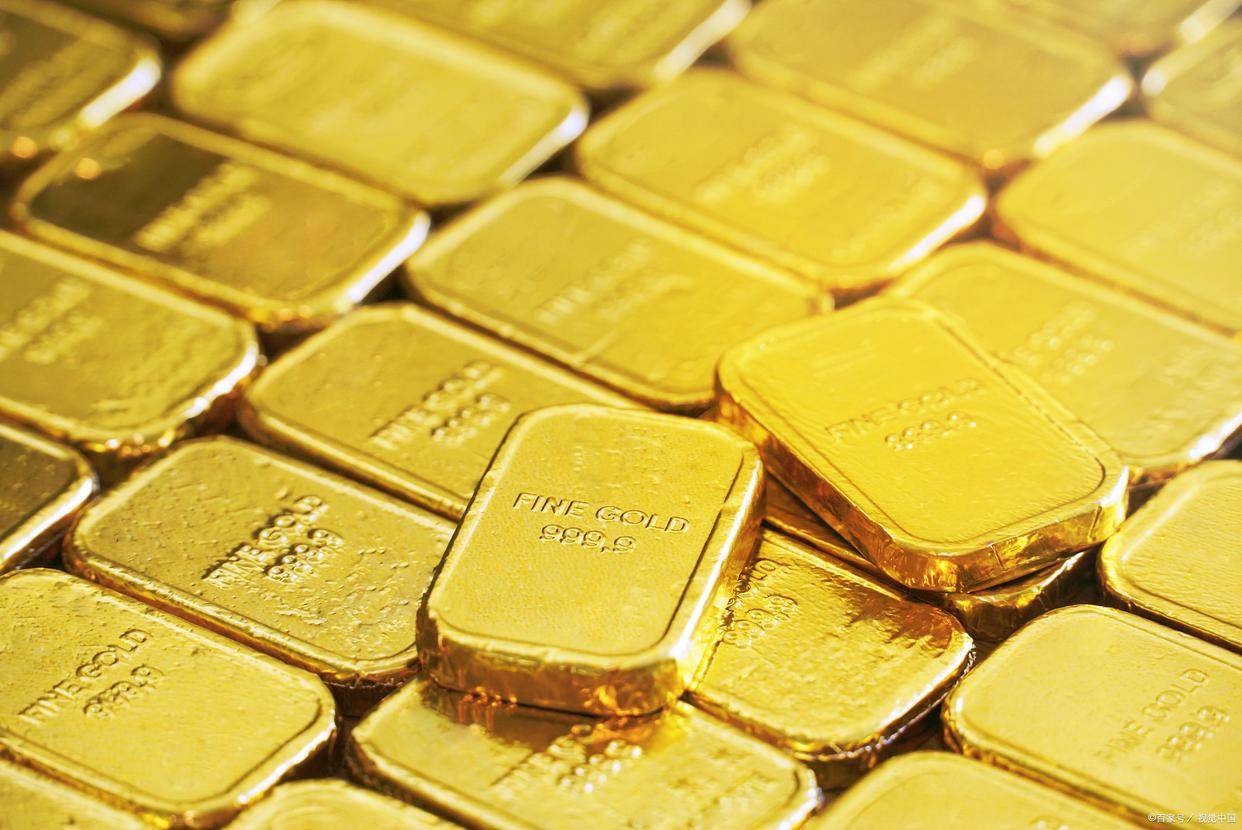
今天黄金多少钱一克?12月25日黄金价格跌了价
Sou Hu Cai Jing· 2025-12-25 17:19
2025年12月,黄金市场进入一个高度情绪化的阶段,国际金价逼近4500美元/盎司,国内足金零售价突破1400元/克,多地金店频繁更换价签,零售端的紧张 气氛肉眼可见。价格的快速上行,使"再等等"和"立刻买"之间的抉择,变得异常艰难。 一、价格冲顶之时,情绪比黄金更热 周大生珠宝店今日黄金报价为1410.00元/克,铂金为932.00元/克。 潮宏基金店的黄金价格同样标为1410.00元/克,铂金的售价也是932.00元/克。 齐鲁金店的黄金和铂金价格分别为1196.00元/克和599.00元/克。 婚庆、节庆等刚性需求在年末集中释放,放大了价格信号的影响,不少消费者并非基于明确的投资判断,出于对未来不确定性的担忧提前入场,这种情绪并 不罕见,在资产价格加速上涨的阶段,观望本身就会被视为一种风险。 二、剧烈波动背后,市场正在分层 当价格进入高位区间,波动反而成为常态,国际金价在关键点位反复拉锯,每一次冲高都伴随着短线资金兑现离场,国内市场呈现出更为明显的结构分化。 作为供应链源头的批发市场价格相对克制,终端零售价格则因品牌溢价、运营成本以及价格波动风险而保持高位,价差的存在,使黄金在不同场景下呈现出 截然不同 ...
专访鲁政委:结构性货币政策工具有望“加量降价”
Xin Lang Cai Jing· 2025-12-25 16:21
Group 1 - In 2026, China's economic development will focus on using domestic circulation stability to counter international circulation uncertainties, emphasizing the need for coordinated efforts in both supply and demand to solidify consumption growth [1][12] - The transition from "incremental pull" to "structural optimization" in consumption policies is necessary to better align supply with the evolving demand for upgraded consumption, addressing both supply shortages and oversupply issues [3][4] - Monetary policy tools have ample room for action, with expectations for continued reductions in reserve requirements and interest rates, alongside innovative structural monetary policy tools to stimulate credit without causing fund "idle" [5][6] Group 2 - The core constraint on consumer spending is the need for stable income expectations, which can be addressed through policies that enhance income stability and reduce precautionary savings pressures in housing, education, and healthcare [4][5] - The RMB is expected to experience a "strong first, weak later" trend against the USD in 2026, influenced by both domestic monetary easing and external factors such as US interest rate changes and geopolitical dynamics [6][7] - The "Five Major Articles" in financial services for the real economy are anticipated to make significant progress in areas such as technology finance, green finance, inclusive finance, pension finance, and digital finance, contingent on regulatory support and policy breakthroughs [8][9][10][11]

“十五五”首席观察|鲁政委:结构性货币政策工具有望“加量降价”
Sou Hu Cai Jing· 2025-12-25 14:48
Economic Outlook - In 2026, China's economic development will focus on using domestic circulation stability to counter international circulation uncertainties, emphasizing the need for coordinated efforts in both supply and demand to solidify consumption growth [1][12][13] - The transition from "incremental stimulation" to "structural optimization" in consumption policies is necessary to better align supply with the evolving demand for upgraded consumption [3] Monetary Policy - Traditional and innovative monetary policy tools will have ample room for action in 2026, with expectations for continued reductions in reserve requirements and interest rates to lower financing costs for the real economy [5] - Structural monetary policy tools may see enhancements, including increasing the scale and reducing the cost of effective tools, to better stimulate credit growth and avoid idle funds [5] Currency Exchange - The RMB is expected to experience a "strong first, weak later" trend against the USD in 2026, with fluctuations influenced by both domestic monetary policy and international economic conditions [6] Financial Services - The "Five Major Articles" will guide financial services towards key areas such as technology finance, green finance, inclusive finance, pension finance, and digital finance, with potential breakthroughs anticipated in 2026 [7][8][9][10] Housing and Consumer Policies - To alleviate preventive savings pressure on residents, policies such as increasing the supply of affordable housing and introducing home purchase interest subsidies are recommended [4] - Enhancing public education services and optimizing healthcare support for vulnerable groups are also crucial for boosting consumer confidence and spending [4] Gold Market - The gold market is expected to maintain upward momentum in 2026, driven by factors such as expanding debt among major economies and geopolitical tensions, alongside the People's Bank of China's renewed interest in gold reserves [11]

“十五五”首席观察|专访鲁政委:结构性货币政策工具有望“加量降价”
Bei Jing Shang Bao· 2025-12-25 14:41
2025年,站在"十四五"收官与"十五五"规划谋篇的历史衔接点上,中国经济在多重变局中展现出韧性,金融市 场在政策合力下保持稳健运行。 步入2026年,"十五五"启幕之际,如何进一步释放消费潜能?货币政策如何从总量宽松转向结构优化?人民币 汇率如何在内外挑战中保持基本稳定?债市供需结构将如何演化?"内循环"与"高水平对外开放"又该如何协同 发力? 针对多个热点话题,北京商报记者专访了兴业银行首席经济学家,兴业研究学术评审委员会主席鲁政委,在他 看来,2026年"以国内循环的稳定性对冲国际循环的不确定性"将成为我国经济发展的必然选择,应从供需两端 协同发力稳固消费增长根基;步入"十五五"后,传统货币政策工具与创新货币政策工具均有发力空间,预计人 民银行将继续降准降息;在结构性货币政策工具方面,可对当前效果较好的工具进行"加量降价";同时,金融 服务实体经济的"五篇大文章"有望在基于全国碳排放权交易市场的碳金融相关业务等领域迎来进展;而"内循 环"提质升级与"高水平对外开放"的双向赋能,将进一步筑牢中国经济韧性。 加大消费补贴与信贷支持力度 北京商报:2025年内,一系列消费补贴政策陆续出台,各项促消费政策也呈现 ...
