
量子计算

Search documents
突然刷屏!人工智能,重磅利好!
券商中国· 2025-10-11 09:56
Core Insights - Morgan Stanley's recent report highlights that investor focus is primarily on AI demand, with Nvidia's management expressing strong confidence in both short-term and long-term prospects, indicating a sustained growth trend in demand for AI applications [2][4] - The report emphasizes that Nvidia's market share in cloud capital expenditures is expanding, with a target price set at $210 per share, corresponding to a total market capitalization of $510.3 billion [4] - The AI infrastructure market is projected to reach $3 trillion to $5 trillion by 2030, reflecting a transformative impact of AI on the global market [5] Nvidia's Position and Strategy - Nvidia's revenue growth is largely driven by a shift from CPU to GPU in existing application workloads, with new AI application fields like healthcare, legal services, and industrial automation just beginning to emerge [4][5] - Nvidia's investment strategy focuses on leveraging points that accelerate innovation, such as investments in CoreWeave and a sovereign fund in the UK, aimed at expanding data center capacity and innovation [5] - Despite increased competition from AMD, Nvidia's management remains confident due to cloud service providers' continued reliance on Nvidia for GPU capacity [5] Retail Investor Activity - Retail trading activity in the U.S. stock market surged to historical highs, driven by optimism around AI and expectations of interest rate cuts, with weekly stock purchases by retail investors reaching $7 billion, up from $5.3 billion in the previous two months [6][7] - AI-related stocks are particularly favored by retail investors, with significant inflows into companies like Dell and major tech firms such as Tesla and Nvidia [7] - The surge in trading volume has raised concerns about overcrowded positions among retail investors, with potential disproportionate impacts on broader indices from any adjustments in specific sectors like quantum computing [7] Market Outlook - Following a significant sell-off in the U.S. stock market, experts predict that the market may continue its upward trend into the fourth quarter, supported by strong corporate earnings, particularly from large tech companies [8] - The S&P 500 index is expected to see a 7.4% growth in third-quarter profits, marking the smallest increase in two years, yet analysts believe that earnings growth, rather than valuation increases, is driving the rise in tech stocks [8]



上海:“全链”培育未来产业
Xin Hua She· 2025-10-11 08:03
Core Viewpoint - Shanghai is accelerating the innovation of cutting-edge technologies and nurturing future industries through a comprehensive support system aimed at fostering the growth of emerging industries with significant disruptive potential [1] Group 1: Future Industries - Future industries are defined as emerging sectors in the early stages of development, characterized by significant disruptive and forward-looking potential [1] - Key development areas identified include cell and gene therapy, brain-machine interfaces, silicon photonics, 6G, brain-like intelligence, quantum computing, and controllable nuclear fusion [1] Group 2: Measures for Development - Shanghai has outlined six key measures to support future industries: focusing on key development areas, strengthening critical support links, stimulating corporate innovation, creating industrial cluster hubs, optimizing core resource guarantees, and establishing a dynamic nurturing system [1] - Specific initiatives include proactive layout of disruptive technology research, building platforms for the incubation and transformation of results, and creating a dynamic assessment and adjustment mechanism [1] Group 3: Implementation Mechanism - A "four-in-one" working mechanism has been established for nurturing future industries, which includes project manager teams, a focused task list, a future industry fund, and industrial cluster support [2] - Project managers are required to have knowledge in technology, industry, and investment, implementing milestone-based lifecycle management for projects [2] - The future industry fund is positioned as a city-level "functional mother fund" and "patient capital" to support development [2]
美联储主席遴选完成11进5 黄仁勋再度减持英伟达|环球市场
Sou Hu Cai Jing· 2025-10-11 00:30
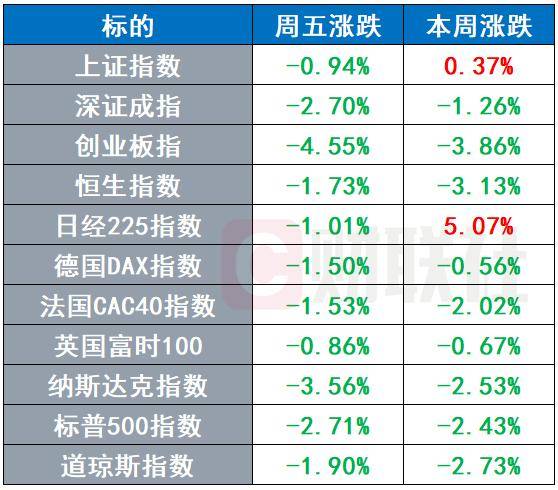
智通财经10月11日讯(编辑 史正丞)昨夜今晨,美股市场以一场突然爆发的暴跌结束了本周的交易。受到避险情绪传染,原油、有色、加密货币集体下 挫,贵金属短线拉升。 加密货币市场似乎也出现短线巨震引发的连锁爆仓。本周早些时候曾突破12.5万美元新高的比特币,日内跌幅一度超过12%。数据网站Coinglass显示,短短 一小时内有超过70亿美元的头寸被强平。 其他消息 【白宫启动政府停摆期大规模裁员】 白宫行政管理和预算办公室主任拉塞尔·沃特周五在社交平台上表示,联邦政府雇员裁减程序(RIFs)已正式启动。根据各联邦机构传出的消息,裁员通知 正席卷整个美国联邦政府,涉及美国卫生与公众服务部、教育部、商务部、财政部、国土安全部、住房与城市发展部以及环境保护署等。 【美联储主席遴选完成"11进5"】 最新消息显示,在一系列面试之后,美国财政部长斯科特·贝森特已将美联储主席候选名单从11人缩减至5人。据悉。剩下的五名候选人分别为现任美联储监 管副主席米歇尔·鲍曼、美联储理事克里斯托弗·沃勒、白宫国家经济委员会主任凯文·哈西特、前美联储理事凯文·沃什以及贝莱德全球固定收益首席投资官 里克·里德。 根据统计,美国标普500指 ...
三个月涨幅30%!美股散户最爱股票跑赢标普
Hua Er Jie Jian Wen· 2025-10-10 13:20
Core Insights - Retail investors in the U.S. are buying stocks at an unprecedented scale, with their favorite stocks significantly outperforming the market, rising 30% since early September compared to the S&P 500's 4.3% increase [1] - Retail trading volume has surged to a historical high, with Citigroup reporting the highest level of retail trading activity since tracking began in 2018 [2] - The current buying frenzy is linked to renewed optimism in AI stocks, alongside expectations of corporate transactions, interest rate cuts, and earnings resilience [1][2] Retail Trading Activity - Citigroup's data shows that retail trading volume has broken seasonal trends, reaching the highest level since 2018 [2] - Retail investors accelerated their weekly stock purchases to $7 billion from October 2 to October 8, up from an average of $5.3 billion over the previous two months [2] - The market is driven by a combination of FOMO (fear of missing out) and MOMO (momentum investing), with every dip seen as a buying opportunity [2] AI Stocks as a Focus - AI-related stocks remain the center of retail enthusiasm, with Dell experiencing its largest capital inflow in nearly five months, and significant buying in major companies like Tesla, Nvidia, and Meta [2] Options Market Sentiment - The options market reflects a risk-seeking sentiment, with retail gamma supply reaching a historical high of $93 billion, primarily driven by growth stocks, especially in technology and communications [3] - Retail inflows into ETFs reached $5.8 billion, the highest in nearly five months, with increased positions in precious metals ETFs [3] Quantum Computing Stocks as a Risk Point - Analysis indicates that some stocks in the retail favorite basket have shown signs of overextended momentum, particularly in the technology sector, which contributed 77% of the returns since early September [4] - Three quantum computing stocks—Rigetti Computing Inc., D-Wave Quantum Inc., and IonQ Inc.—have significantly influenced the basket's performance, and any adjustments in these stocks could disproportionately affect broader indices [4]


硬核发布,接踵而至 | 2025年PT展重磅成果发布
Sou Hu Cai Jing· 2025-10-10 05:45
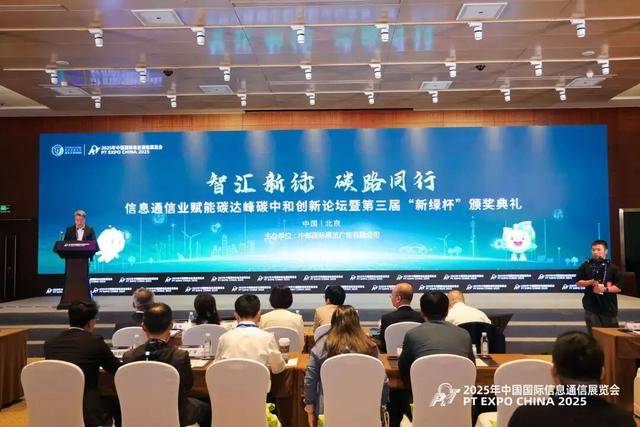
Core Insights - The 2025 China International Information Communication Exhibition is a significant event showcasing industry innovations and driving future developments in the information and communication sector [1] Group 1: Industry Forums and Reports - The Information Communication Industry Empowering Carbon Peak and Carbon Neutrality Innovation Forum held the third "New Green Cup" national finals award ceremony, promoting green development practices [2][4] - The Quantum Technology Industry Seminar featured the release of the "Quantum Computing Development Trend Research Report (2025)" by the China Academy of Information and Communications Technology, analyzing domestic and international trends in quantum computing [6] - The Ten-Gigabit Optical Network Innovation Development Forum published the "Telecom Universal Service Development Status" report, highlighting the role of broadband access in bridging the digital divide [9] - The Computing Power Internet Empowering Artificial Intelligence Development Forum marked the one-year milestone of the national computing power internet service platform, introducing several innovative achievements [10][12] - The Mobile AI Integration Innovation Development Forum was successfully held, focusing on the integration of mobile AI technologies [13][15] - The All-Optical Capacity and Millisecond Computing Forum released multiple reports, including the "2025 Computing Network Carrying Capacity Index Assessment Report" [18] - The 10th Emergency Communication Industry Development High-Level Forum presented the "Emergency Communication Development Report (2024)" [24] Group 2: Industry Development and Innovations - The national computing power financial index was launched, integrating operational data from 560 computing power resource pools and transaction information from 136 companies to provide real-time price fluctuations [12] - The "Signal Upgrade" national digital cloud platform was initiated to enhance mobile network quality across key urban areas and specific scenarios like high-speed rail and subways [21]
美股异动 | 部分量子计算概念股盘中冲高 Rigetti Computing(RGTI.US)...
Xin Lang Cai Jing· 2025-10-09 15:55
Core Insights - Quantum computing stocks experienced significant gains on Thursday, with SEALSQ Corp rising over 19%, Rigetti Computing increasing by more than 6%, and D-Wave Quantum up by over 1.5% [1] Company Performance - SEALSQ Corp (LAES.US) saw a price increase of over 19%, indicating strong market interest and potential investor confidence [1] - Rigetti Computing (RGTI.US) rose by more than 6%, approaching historical highs, suggesting a positive trend in its stock performance [1] - D-Wave Quantum (QBTS.US) experienced a gain of over 1.5%, reflecting a stable interest in its offerings within the quantum computing sector [1]


国盾量子20251009
2025-10-09 14:47
Summary of GuoDun Quantum Conference Call Company Overview - GuoDun Quantum operates in three main areas: quantum communication, quantum computing, and quantum precision measurement, making it a globally rare entity in this field [2][3][4] - The company reported a revenue growth of 74.5% year-on-year in the first half of 2025, reaching 120 million yuan, with a gross margin around 50% [2][3] - The company holds over 220 million yuan in orders, indicating optimistic future order expectations [2][3] Key Business Segments 1. **Quantum Communication** - GuoDun Quantum is the largest supplier in China with a market share exceeding 90% [2][5] - The company has completed the construction of metropolitan area networks in over 20 cities and is involved in international projects [2][5] - Following China Telecom's investment, the company is accelerating inter-city network construction, aiming to complete 100 city networks by 2030 [2][5] 2. **Quantum Computing** - The company leverages the technology platform from the University of Science and Technology of China (USTC) and is involved in the "Zu Chongzhi" superconducting quantum computer project [2][5] - Revenue in this segment grew nearly threefold year-on-year to 56 million yuan in the first half of 2025, with several large orders signed [2][5] 3. **Quantum Precision Measurement** - The cold atom gravimeter product has shown strong performance, with two orders completed and three additional orders for cold atomic clocks priced at approximately 3 million yuan each [2][5] - This segment has growth potential in mining exploration and underground structure surveying [2][5] Financial Performance and Projections - The company is expected to achieve a net profit of between 24 million and 87 million yuan from 2025 to 2027 [4][5] - Based on a price-to-sales (PS) valuation standard from overseas companies, a target price of approximately 550 yuan is set, with a buy rating initiated [4][5] Strategic Partnerships - The investment from China Telecom provides platform support, enhancing market share and facilitating large orders, such as a 64 million yuan order expected to be delivered next year [2][7] - The partnership with China Telecom is crucial for expanding the company's operational capabilities and securing future project orders [7] Market Position and Competitive Landscape - GuoDun Quantum is the only listed company in the A-share market focused on quantum technology as its main business [3][6] - The company has a unique position in the international market due to the current restrictions on domestic products, providing significant domestic substitution opportunities [6] Research and Development - The company has been increasing its R&D investment, with R&D expenses reaching approximately 50 million yuan in the first half of 2025, a 30% year-on-year increase [13] - The gross margin for quantum communication is around 60%, while quantum computing maintains a margin of about 50% [13] Future Outlook - The domestic quantum communication market is expected to continue growing, with GuoDun Quantum's market share likely to expand as infrastructure projects progress [16][29] - The global quantum computing industry is transitioning from experimental to commercial phases, with significant growth anticipated in the coming years [18][22] - The cold atom gravimeter market is projected to reach 1.09 billion USD by 2035, with a compound annual growth rate of nearly 20% [28] Conclusion - GuoDun Quantum is well-positioned for growth in the quantum technology sector, supported by strong financial performance, strategic partnerships, and a robust order backlog. The company's focus on R&D and market expansion will likely enhance its competitive edge in both domestic and international markets [30][31]

“高度动荡时期”:高盛顶级交易员列出“近期走势极_为强劲”的图表
Goldman Sachs· 2025-10-09 02:00
Investment Rating - The report does not explicitly provide an investment rating for the industry Core Insights - The overarching theme identified in the report is the increasing expenditure by governments, corporations, and households, which is significantly impacting the financial landscape [2][3] Summary by Sections 1. Technology Stocks - There is a notable surge in capital expenditure related to artificial intelligence, with recent price actions in global memory stocks reflecting this trend [5] 2. Japan - Japan's market has accelerated following the election of Takaichi, with expectations of continued fiscal dominance evident in currency movements and the performance of defense contractors [7] 3. Stores of Value - The report highlights the performance of gold and Bitcoin during the COVID and post-COVID era, with a target price for gold set at $4900 [9] 4. Low Quality - The latest rally in US equities has seen strong performance from lower quality stocks, particularly in high-risk sectors like quantum computing and nuclear energy, with October tracking for significant returns [11] 5. Mergers & Acquisitions - The report notes a continuous stream of M&A activity, suggesting that this trend will persist due to favorable macro conditions [13] 6. Options Market - There is a significant increase in the buying of call options, indicating strong market participation, particularly from household investors [15] 7. Household Balance Sheets - The report includes insights into the asset composition of the top 1% of US households, emphasizing the wealth distribution [17][18]

国泰君安期货商品研究晨报:贵金属及基本金属-20251009
Guo Tai Jun An Qi Huo· 2025-10-09 01:22
Report Summary 1. Report Industry Investment Ratings - No specific industry - wide investment ratings are provided in the report. However, trend intensities are given for each metal: - Gold: Trend intensity of 1, indicating a relatively positive outlook [7]. - Silver: Trend intensity of 1, suggesting a moderately positive view [7]. - Copper: Trend intensity of 2, the strongest positive signal [11]. - Zinc: Trend intensity of 0, indicating a neutral stance [13]. - Lead: Trend intensity of 0, also neutral [17]. - Tin: Trend intensity of 1, a moderately positive outlook [22]. - Aluminum: Trend intensity of 0, neutral [26]. - Alumina: Trend intensity of 0, neutral [26]. - Cast Aluminum Alloy: Trend intensity of 0, neutral [26]. - Nickel: Trend intensity of +1, moderately positive [34]. - Stainless Steel: Trend intensity of +1, moderately positive [34]. 2. Core Views - **Gold**: Expected to continue reaching new highs. The trend intensity of 1 shows a positive but not extremely strong upward trend [2][7]. - **Silver**: Forecasted to experience a period of oscillatory adjustment, with a trend intensity of 1 [2][7]. - **Copper**: Supply disruptions are expected to drive up prices, with a strong positive trend intensity of 2 [2][11]. - **Zinc**: The market has certain support factors, but the trend intensity of 0 indicates a neutral market situation [12][13]. - **Lead**: Lacks clear driving forces, and prices are likely to fluctuate within a range, with a neutral trend intensity of 0 [16][17]. - **Tin**: Prices are expected to move within a specific range, with a moderately positive trend intensity of 1 [19][22]. - **Aluminum**: Maintains a bullish outlook, although the trend intensity is 0, suggesting a more cautious bullish stance [24]. - **Alumina**: There are differences in market views, and the trend intensity of 0 reflects a neutral situation [24]. - **Cast Aluminum Alloy**: Follows the trend of electrolytic aluminum, with a neutral trend intensity of 0 [24]. - **Nickel**: There is a game between smelting inventory accumulation and ore - end expectations, and investors should be vigilant about news - related disturbances, with a moderately positive trend intensity of +1 [28][34]. - **Stainless Steel**: In the short - term, there is a game between supply - demand and cost factors, and steel prices are expected to fluctuate, with a moderately positive trend intensity of +1 [28][34]. 3. Summary by Metal Gold - **Price Performance**: The Shanghai Gold 2510 contract closed at 863.60 with a daily increase of 1.29%, and the night - session price reached 870.42 with a 1.02% increase. Comex Gold 2510 closed at 3862.90 with a 1.93% increase [5]. - **Market News**: Fed minutes suggest that most officials believe continued easing this year may be appropriate, and the US government shutdown continues, among other factors affecting the gold market [5][8]. Silver - **Price Performance**: The Shanghai Silver 2510 contract closed at 10912 with a 3.07% daily increase, and the night - session price was 10907.00 with a 0.66% increase. Comex Silver 2510 closed at 47.110 with a 1.61% increase [5]. - **Market News**: Similar macro - news as gold also impacts the silver market [5][8]. Copper - **Price Performance**: The Shanghai Copper main contract closed at 83,110 with a 0.90% daily increase, and the night - session price reached 83680 with a 0.69% increase. The LME Copper 3M electronic - disk price increased by 3.93% to 10,701 [9]. - **Market News**: Freeport declared force majeure at the Indonesian Grasberg mine, and Chile's copper production in August decreased by 9.9%, among other supply - side factors driving up prices [9][11]. Zinc - **Price Performance**: The Shanghai Zinc main contract closed at 21825 with a 0.11% increase, and the LME Zinc 3M electronic - disk price increased by 1.25% to 3042 [12]. - **Market News**: Fed officials have differences in views on interest - rate cuts, and the government shutdown affects economic data release, which impacts the zinc market [13]. Lead - **Price Performance**: The Shanghai Lead main contract closed at 16940 with a 0.50% increase, and the LME Lead 3M electronic - disk price increased by 0.07% to 2005 [16]. - **Market News**: Fed officials' concerns about inflation and employment, as well as the US government shutdown, are the main influencing factors [17]. Tin - **Price Performance**: The Shanghai Tin main contract closed at 272,410 with a 0.61% decrease, but the night - session price increased by 2.62% to 279,670. The LME Tin 3M electronic - disk price increased by 3.05% to 35,465 [20]. - **Market News**: Global macro - events such as the US government shutdown, Fed policies, and geopolitical situations affect the tin market [20][23]. Aluminum, Alumina, and Cast Aluminum Alloy - **Price Performance**: The Shanghai Aluminum main contract closed at 20680, and the LME Aluminum 3M price was 2687. The Shanghai Alumina main contract closed at 2868, and the cast aluminum alloy main contract closed at 20210 [24]. - **Market News**: The US government shutdown, budget deficits, and other macro - factors impact the market. There are also differences in views on alumina [24][26]. Nickel and Stainless Steel - **Price Performance**: The Shanghai Nickel main contract closed at 120,900, and the stainless - steel main contract closed at 12,730 [28]. - **Market News**: Indonesian mining policies, production suspensions in some nickel - iron smelting plants, and other factors affect the market. There is a game between smelting inventory and ore - end expectations in the nickel market, and a game between supply - demand and cost in the stainless - steel market [28][30][34].
【投资早参】三星年底将全面停产8GB DDR4模组,供需彻底反转,存储将迎“超级周期”;“量子力学”获2025年诺贝尔物理学奖
Mei Ri Jing Ji Xin Wen· 2025-10-09 00:45
Group 1: Federal Reserve and Market Reactions - The Federal Reserve meeting minutes indicate that most officials believe further easing of policies may be appropriate this year, with an emphasis on the upward risks to inflation outlook [1] - Major U.S. stock indices had mixed results, with the Nasdaq rising by 1.12% and the S&P 500 increasing by 0.58%, both reaching new closing highs, while the Dow Jones remained nearly flat [1] - Notable tech stocks saw significant gains, with AMD rising over 11% and achieving a three-day cumulative increase of 43%, marking its best three-day performance in nine years [1] Group 2: Commodity Prices - Spot gold prices increased by 1.41%, reaching $4040.42 per ounce, with an intraday high of $4059.31, a new historical peak [1] - COMEX gold futures rose by 1.40% to $4060.60 per ounce, while COMEX silver futures increased by 1.95% to $48.44 per ounce [1] - International oil prices also saw an uptick, with U.S. crude oil main contract rising by 0.92% to $62.3 per barrel and Brent crude oil main contract increasing by 0.9% to $66.04 per barrel [1] Group 3: Semiconductor Industry Developments - Samsung Electronics has notified major clients of planned price increases for DRAM by 15% to 30% and NAND flash memory by 5% to 10% due to supply constraints and increased demand from cloud enterprises [2] - Micron Technology has seen a general price increase of about 20% after resuming quotes for storage products, while SanDisk also raised NAND flash prices by approximately 10% [2] - The storage industry is expected to enter a "super cycle" driven by a complete reversal in supply and demand dynamics [2] Group 4: Quantum Computing Breakthroughs - The 2025 Nobel Prize in Physics was awarded for breakthroughs in demonstrating quantum effects in macroscopic systems, which could significantly impact quantum computing [4] - The advancements are expected to lead to a rapid evolution from laboratory breakthroughs to technological iterations and industry explosions, particularly in quantum computing applications [4] - The quantum computing sector is projected to reach a market size of hundreds of billions by 2030, with China positioned to achieve significant breakthroughs in quantum technology [4][6] Group 5: Solid-State Battery Innovations - A team from the Chinese Academy of Sciences has made significant advancements in solid-state lithium batteries, addressing issues of interface impedance and ion transport efficiency [5] - The new material developed shows high ionic conductivity and can withstand 20,000 bending cycles, leading to an 86% increase in energy density when used in composite cathodes [5] - The solid-state battery market is expected to grow significantly, with projections indicating a global shipment volume of 614.1 GWh by 2030 and a market size exceeding 250 billion yuan [6]