
场景创新

Search documents
变“应用场景”为“科创胜景”
Xin Hua Ri Bao· 2025-11-15 20:44
□ 本报记者李爽李楠段丽娟 "100秒极速换电"、智能机器人清洁、智能传菜机器人、"警校e家"智能交通治理……11月13日,无锡市 举办超级场景发布暨场景创新供需对接活动。作为全国首批开展多点场景打造的城市之一,无锡自今年 5月"无限锡引,零动未来"、8月"无限锡引,焕新未来"两大超级场景发布后,成功发布第三场、主题 为"能碳未来"的城市级超级场景。 从商业航天到低空经济,从民生养老到文旅转型,无锡构建起"独立场景—多元场景—超级场景"三级体 系,形成从点状突破到系统集成的完整链条,让场景创新成为新质生产力的落地密码。 先行一步"打头阵" 实现技术从"可能"到"可用"的跨越 "我们带来的智能立体车库光伏储能协同充电系统集成场景机会,为光伏发电、储能、新能源汽车充电 结合提供了新模式。""日托光伏自主研发创新型的轻质组件产品,重量相比传统玻璃组件减少了50%, 安装效率提升60%。"在活动现场,6家业主单位发布场景机会,15家场景创新前沿企业进行绿色技术能 力展示路演,低碳创新需求与供给能力精准对接。 "小切口"里探"大乾坤" 围绕社会民生等五大领域精准发力 每到放学时分,学生们有序走出校门,然而,停在马路边的 ...
无锡发布“能碳未来”超级场景
Xin Hua Ri Bao· 2025-11-15 20:06
Core Insights - Wuxi has launched its third city-level super scene, "Infinite Wuxi, Carbon Future," focusing on green transformation, technological empowerment, and systematic carbon reduction [1][2] - The city has facilitated cooperation on 80 city-level super scene projects, with a total cooperation amount exceeding 4 billion yuan [1] - The initiative integrates advanced photovoltaic technology, new energy storage, zero-carbon parks, and near-zero carbon renovations across 15 independent scene directions [1] Group 1 - The "Infinite Wuxi, Carbon Future" super scene aims to explore urban green development practices through energy structure optimization, industrial green upgrades, and low-carbon lifestyle transitions [1] - Over 150 companies participated in the event, showcasing their green innovation capabilities and facilitating precise matching of low-carbon innovation demands with technological supply [1] - Wuxi has initiated a financial service model called "scene loan," with the first batch of signed agreements totaling 150 million yuan [2] Group 2 - Wuxi has opened 85 scene opportunities and 192 scene capabilities, conducting over 100 supply-demand matching activities throughout the year [2] - The city aims to create a first-class ecosystem driven by innovation and scene application, positioning itself as a benchmark city for scene innovation in the country [2] - Future plans include aligning with national and provincial policies to deepen scene application and foster a collaborative carbon reduction system [2]

马拉松版“双11”落幕,电商平台靠什么取得了增长?
Sou Hu Cai Jing· 2025-11-15 11:09
Core Insights - Tmall's "Double 11" event this year achieved its best performance in four years, with nearly 600 brands surpassing 100 million yuan in sales [2][3] - The event was extended to November 14, making it the longest and earliest "Double 11" in history, with significant participation from competitors like Douyin and JD [2][3] Sales Performance - Tmall reported that 34,091 brands saw sales double year-on-year, while 18,048 brands experienced over threefold growth, and 13,081 brands saw more than fivefold increases compared to last year [2] - Major brands such as Apple, Haier, and Xiaomi each exceeded 1 billion yuan in sales during the event [2] New Consumption Models - Tmall introduced new shopping scenarios, including Taobao Flash Sale and Fliggy, which contributed to a significant increase in retail orders and daily transactions [3] - Taobao Flash Sale saw a year-on-year order growth of over 200%, while Tmall's brand instant retail daily orders increased by 198% compared to September [3] Travel Sector Growth - The travel sector also experienced robust growth, with transaction user numbers increasing by over 20% during "Double 11," and 88VIP transaction users growing by approximately 30% [3] - The GMV for travel-related products saw a year-on-year increase of over 30%, with specific examples like Xinjiang tourism reaching over 10 million yuan in sales [5] Competitive Landscape - JD reported record high sales during "Double 11," with a 40% increase in the number of users placing orders and nearly 60% growth in order volume [6] - Douyin's report indicated that 67,000 brands doubled their sales, and over 100,000 merchants saw significant growth in live-streaming sales [6] International Expansion - Tmall invested 1 billion yuan in marketing subsidies, launching promotions in 20 countries and regions, while JD also expanded its reach to international markets, achieving over 100% growth in both sales and order volume [7] Consumer Experience Challenges - Despite the growth, consumers expressed frustration over the complexity of discounts and pricing strategies, which varied significantly across platforms and users [8] - The competitive environment has led to concerns among brands and merchants regarding pricing strategies and profitability, as well as challenges faced by live-streaming hosts [7][8]



一杯咖啡里的中国大市场
Bei Jing Qing Nian Bao· 2025-11-14 00:50
Core Insights - The coffee market in China has shown significant growth potential, with consumption increasing at an annual rate of over 15% since 2010, far exceeding the global average of about 2% [2] - The number of coffee-related enterprises in China has surpassed 250,000, with over 100,000 new registrations in the first ten months of this year alone [2] - By 2024, the scale of China's coffee industry is expected to exceed 300 billion yuan, with per capita annual coffee consumption reaching 22.24 cups, indicating substantial room for growth compared to markets in Europe, the US, and Japan [2] Market Dynamics - The coffee industry in China is characterized by a diverse range of players, including international giants like Starbucks and emerging local brands such as Luckin, Kudi, and Manner, alongside a growing number of personalized coffee shops and specialty cafes [2] - Innovative flavor offerings and unique consumption experiences are emerging, catering to diverse consumer preferences and showcasing the vitality of supply-side innovation [2][3] Consumer Behavior - The shift in consumer preferences from material consumption to service-oriented and experiential consumption reflects a deeper transformation in China's consumption structure, driven by rising GDP and changing lifestyle aspirations [4] - Consumers are increasingly seeking not just coffee, but also cultural experiences and emotional connections, leading to the integration of coffee with music, tourism, and other lifestyle elements [4] Industry Evolution - The coffee industry is evolving towards a more mature and expansive ecosystem, with a complete supply chain from production to consumption being established, as seen in places like Shanghai's Hongqiao International Coffee Port [5] - The industry is transitioning from a "follower" to a "runner" position in various segments, indicating a significant leap in capabilities and market influence [5] Economic Impact - The coffee sector is a reflection of broader economic trends in China, where rising consumer expectations are driving the emergence of new business models and market opportunities across various industries [6] - The interaction between supply and demand is fostering a robust internal economic cycle, contributing to high-quality economic development in China [6]
新华社经济随笔:一杯咖啡里的中国大市场
Xin Hua Wang· 2025-11-13 10:21
Core Insights - The article highlights the significant growth and potential of the coffee market in China, showcasing how coffee has become an integral part of daily life and reflects the broader economic landscape [1][2]. Market Growth - Since 2010, China's coffee consumption has grown at an annual rate exceeding 15%, significantly outpacing the global average growth rate of approximately 2% [2]. - The number of coffee-related enterprises in China has surpassed 250,000, with over 100,000 new registrations in the first ten months of this year alone [2]. - By 2024, the scale of China's coffee industry is projected to exceed 300 billion yuan, with per capita annual coffee consumption reaching 22.24 cups [2]. Consumer Trends - The coffee market in China is characterized by a diverse range of offerings, including international giants like Starbucks and local brands such as Luckin and Manner, alongside a growing number of unique, personalized coffee shops [2]. - Innovative flavors and experiences, such as "Thai-style iced coffee" and "Chinese herbal coffee," are emerging to meet diverse consumer demands, reflecting the vibrancy of supply-side innovation [2][3]. Consumption Experience - Coffee consumption is evolving beyond just the product to include diverse consumption scenarios, such as coffee shops serving as social spaces during the day and live music venues at night [3]. - Unique experiences, such as "fire-roasted coffee" in Yunnan and cliffside coffee drinking in Guizhou, are enhancing the cultural and experiential aspects of coffee consumption [3]. Structural Changes - The transformation in China's consumption structure is evident, with a shift from material consumption to service-oriented and experience-based consumption, emphasizing cultural significance and social experiences [4]. - The integration of coffee with music, tourism, and other cultural elements indicates a growing consumer preference for emotional and experiential value [4]. Industry Maturity - The domestic coffee industry is maturing, with a complete ecosystem being established, from production to consumption, as seen in Shanghai's Hongqiao International Coffee Port [5]. - Jiangsu's Kunshan is leveraging its manufacturing base to create a globally influential coffee industry valued at over 100 billion yuan [5]. - The rise of cross-border e-commerce is facilitating the international success of Chinese coffee products, such as smart coffee machines [5]. Broader Economic Implications - The coffee economy is part of a larger trend of evolving consumer expectations in China, leading to the emergence of new business models and market opportunities across various sectors [6]. - The interaction between supply and demand is fostering a dynamic economic environment, contributing to the internal circulation of the economy [6]. - The article emphasizes that the aspirations of over 1.4 billion people for a better life are being translated into economic growth through everyday consumption, such as coffee [6].
应用破局 场景潜力怎么挖
Jing Ji Ri Bao· 2025-11-12 21:56
Core Insights - The article emphasizes the importance of scene innovation in transforming production and lifestyle experiences, highlighting the consensus among industry professionals on the potential of scene resources [1][3]. Group 1: Scene Innovation and Development - The "Implementation Opinions" document aims to leverage China's large-scale market and diverse application scenarios to support the construction of various significant scenes [1][3]. - The cement industry, traditionally viewed as high-energy and polluting, is undergoing a transformation through scene innovation, as exemplified by Anhui Conch Group's collaboration with Huawei [1][2]. Group 2: AI and Technology Integration - In April 2023, Anhui Conch Group and Huawei launched the world's first "AI + Cement Building Materials Model," which has been applied in over 40 scenarios, achieving an accuracy rate of over 85% in quality control [2]. - The collaboration aims to enhance the overall digital intelligence level of the industry by continuously opening up scenes and data resources [2]. Group 3: Policy and Market Dynamics - The article discusses the need for increased scene openness to maximize value, with a focus on reducing institutional constraints on new business models and encouraging cross-industry collaboration [3][4]. - The National Development and Reform Commission emphasizes the role of scene innovation as a key policy tool for resource allocation efficiency [3]. Group 4: Emerging Technologies and Applications - The success of the game "Black Myth: Wukong" illustrates the potential of scene innovation in the gaming industry, utilizing advanced 3D reconstruction technology to enhance user experience [5][6]. - The integration of various technologies, such as spatial computing and motion capture, has significantly improved the realism and immersion of the game [6]. Group 5: Future Urban Development - The article describes a vision for future cities through the implementation of a comprehensive unmanned system, showcasing the potential of scene innovation to drive urban development [8]. - The collaborative approach involving industry, technology providers, investors, and government is essential for fostering an innovative ecosystem for scene incubation [8][9].
零售企业紧抓“IP运营+场景创新”谋增量
Zheng Quan Ri Bao· 2025-11-12 16:12
Core Insights - The retail industry is transforming traditional commercial spaces into "urban cultural containers" through cultural IP operations and cross-border scene innovations to meet the rising demand for experiential consumption among younger consumers [1] Group 1: Company Strategies - Shanghai New World Co., Ltd. focuses on young consumers' cultural and consumption needs by introducing quality IP content and hosting multiple themed exhibitions and pop-up events each year, aiming to enrich the ecosystem of New World City [2] - Wangfujing Group is leveraging IP operations to create new consumption scenarios, integrating elements of national trend culture and youth art into immersive shopping experiences [3] - Shanghai Bailian Group is promoting the integration of commerce, travel, culture, and sports to enhance consumer vitality, exemplified by their successful summer sports season and various themed marketing activities [4] Group 2: Financial and Operational Developments - Bailian Group is actively advancing the construction of multiple outlet projects and enhancing standardization in product and expansion models to improve management value and operational performance [5]


场景创新重磅部署 龙岗何以先行示范
2 1 Shi Ji Jing Ji Bao Dao· 2025-11-12 11:25
Core Viewpoint - The recent implementation opinions on accelerating scene cultivation and promoting large-scale application of new scenes signify that scene innovation has become a crucial tool for developing new productive forces and driving industrial upgrades at the national level [1][3]. Group 1: Scene Innovation in Longgang - Longgang has proactively planned and taken the lead in scene innovation, aiming to create a "scene innovation city" across all fields, regions, and processes since launching the "I Help Enterprises Build Scenes" initiative in July last year [2][4]. - The "3+5" industrial service system has been introduced to enhance enterprise support by focusing on enterprise scale, lifecycle, and industry track, while providing five service guarantees to better match the needs of enterprise development [4][5]. - Longgang has established the "New Quality Productive Force Promotion Center" to coordinate scene innovation resources effectively, supported by an "8+11" special working group structure to ensure the implementation of scene innovation tasks [5][6]. Group 2: Policy and Implementation - A series of policy documents, including the "I Help Enterprises Build Scenes" action plan and the "Scene Open Rules (Trial)," have been released to standardize the entire process of scene innovation, ensuring orderly and efficient implementation [6][7]. - Since July 2024, Longgang has identified over 677 scene opportunities and successfully matched 428 scene projects, with 218 projects already implemented, generating over 2.5 billion yuan in enterprise cooperation [7][9]. - The central government has emphasized the need for innovative reforms to cultivate new scenes, aligning with Longgang's systematic approach to ensure sustainable scene innovation through a "special team + policy + platform" model [7][8]. Group 3: Resource Integration and Market Support - Longgang's scene innovation focuses on building a market-oriented support system through a "five-in-one" resource platform, which includes a provincial application scene innovation center and a scene innovation fund [10][11]. - The establishment of a scene application innovation working office facilitates cross-departmental collaboration, ensuring efficient matching of scene supply and demand [8][10]. - Longgang has launched a "Technology Chapter" application library to integrate the latest technologies into government investment projects, with plans to provide 10 billion yuan in funding support over the next three years [9][10]. Group 4: Demonstration and Market Expansion - The "10+N" demonstration scene list has been introduced to create benchmark demonstration scenes in key areas, accelerating the promotion of new technologies and products [12][13]. - Longgang's scene innovation has transformed various locations into showcases for technological applications, enhancing the visibility of local enterprises and facilitating their entry into global markets [13][14]. - The district aims to provide richer scene application services for technology innovation enterprises, creating a model for market expansion and talent attraction [14].
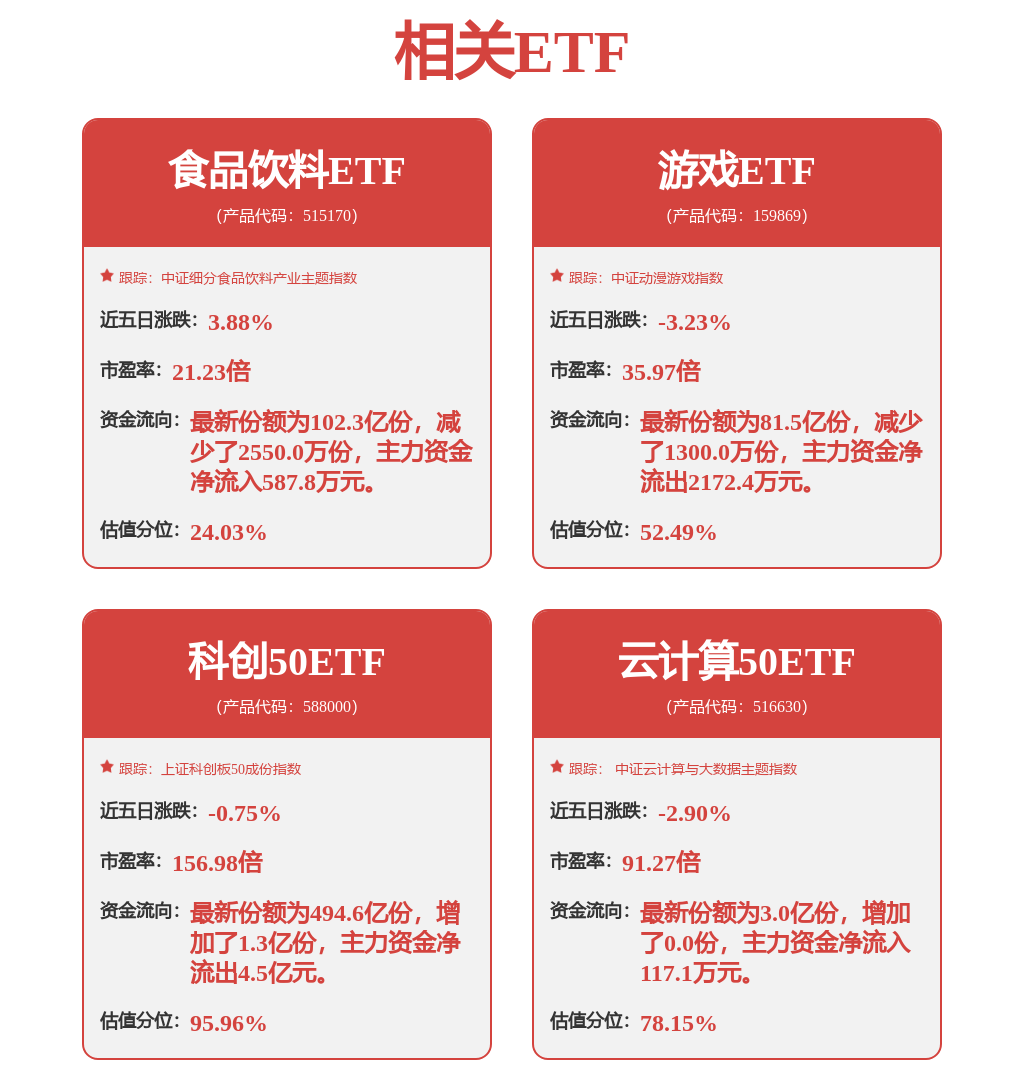
茅台1935引爆增长新引擎!系列酒“场景深耕”策略奏效,板块投资空间洞开
Mei Ri Jing Ji Xin Wen· 2025-11-12 03:11
Group 1 - Guizhou Moutai's breakthrough in its series liquor business is reshaping the investment narrative in the food and beverage sector [1] - During a recent earnings briefing, the company revealed that its series liquor products, particularly "Moutai 1935," have seen significant year-on-year growth in terminal sales from September to October, alleviating channel pressure [1] - The success of Moutai 1935 is attributed to the effective implementation of a "controlled volume and price protection + in-depth scene cultivation" strategy, which has opened new growth avenues while avoiding price competition [1] Group 2 - The series liquor business has injected strong momentum into Moutai's overall performance and complements its flagship product, Feitian Moutai, creating a more robust and growth-oriented product matrix [1] - The innovative approach of optimizing product structure and creating demand through scene innovation serves as a valuable model for other companies in the food and beverage sector, highlighting significant alpha investment opportunities amid consumption upgrades and structural differentiation [1]

汽车早餐 | 岚图汽车第30万辆整车下线;理想汽车增程SUV累计交付量突破140万辆;中汽中心推出全球化技术验证体系
Zhong Guo Qi Che Bao Wang· 2025-11-11 01:39
Group 1: Industry Developments - The Ministry of Industry and Information Technology (MIIT) will select a batch of innovative and applicable new technologies and products to promote large-scale application in new scenarios [2] - The 23rd Guangzhou International Auto Show will take place from November 21, focusing on the transformation of the automotive industry towards electrification and intelligence [3] - Shanxi Province has implemented a public lottery system for applying for vehicle scrapping and renewal subsidies, effective from November 10 [4] Group 2: Automotive Technology and Standards - The China Automotive Technology and Research Center has launched a global technology verification system to support the rapid internationalization of China's new energy vehicles [5] - The U.S.-Thailand trade framework requires Thailand to accept U.S. manufactured vehicles that meet American standards [6] Group 3: Company News - Faraday Future announced that the first batch of complete components for the FX SuperOne will depart on November 15, with an expected arrival at the Port of Los Angeles by the end of November [7] - Subaru plans to reassess its 1.5 trillion yen (approximately $99.5 billion) electrification investment plan, aiming for annual cost savings of 200 billion yen by 2030 [8] - Lantu Motors has officially rolled out its 300,000th vehicle, marking a significant milestone for the brand [9] - Li Auto reported that its extended-range SUVs have surpassed cumulative deliveries of 1.4 million units [10] - SAIC-GM-Wuling announced that its Bingguo family has achieved cumulative sales of over 600,000 units [11] - NIO Battery Technology Company has undergone management changes, with Li Bin transitioning from chairman to director [12] - Honda China reported a 20.6% year-on-year decline in October sales, with total sales for the year-to-date reaching 527,740 units [13] - Great Wall Motors celebrated the production of its 10,000th vehicle at its KD factory in Uzbekistan, marking a significant step in its local market strategy [14]

