经济软着陆

Search documents
美联储“首次降息日”前后,各大资产“历史上是如何表现的”?
Hua Er Jie Jian Wen· 2025-09-17 07:52
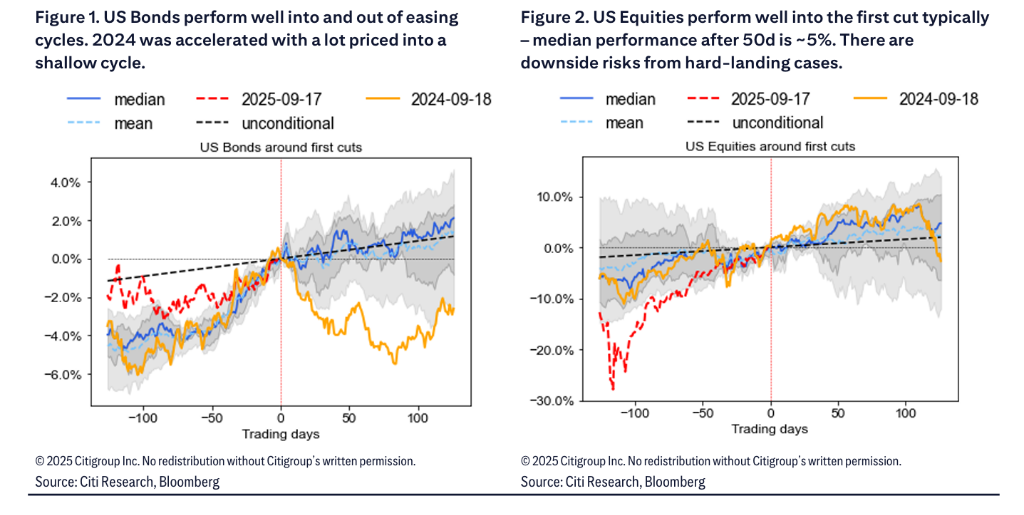
Core Viewpoint - The report from Citigroup outlines expectations for a new interest rate cut cycle by the Federal Reserve, predicting a 25 basis point cut due to employment risks, while also providing a historical context for market behavior during such periods [1][4][5] Group 1: Historical Patterns - Historically, both stocks and bonds tend to show positive returns around the time of the first interest rate cut, with stocks averaging a 5% increase in the 50 days following a cut [4] - The dollar typically weakens before a rate cut and stabilizes afterward, while gold prices rise before the implementation of a loose monetary policy but tend to trade within a range post-cut [4][5] - In 2024, the market's aggressive pricing of rate cuts led to bond prices peaking at the first cut, contrasting with the current more moderate pricing of 120 basis points, which reduces the risk of a similar bond market downturn [5][9] Group 2: Economic Context - The ongoing capital expenditure boom driven by artificial intelligence is expected to support a "soft landing" for the economy, which is favorable for the stock market [3] - The current market environment aligns with historical shallow rate cut cycles and soft landing scenarios, potentially providing sustained support for bonds [3][13] Group 3: Key Indicators for Rate Cuts - The depth of the current rate cut cycle is influenced by the S&P 500 index level and inflation trends, with high stock levels typically leading to shallower cuts [11] - Despite significant inflation declines in 2024, the initial high levels resulted in a shallow cut cycle, indicating that current market conditions may follow a similar pattern [13] Group 4: Market Reactions - Following Federal Open Market Committee (FOMC) announcements, stock prices often experience an initial "knee-jerk" reaction, which may reverse before the close, while bond prices tend to stabilize after initial increases [17] - The report highlights that a hawkish surprise from the FOMC can have lasting impacts on currency pairs, particularly the euro/dollar, with strong dollar performance potentially lasting up to 20 trading days [17]

金荣中国:黄金再创历史新高,早盘低点决定是否极强
Sou Hu Cai Jing· 2025-09-16 06:22
Group 1 - The core viewpoint of the articles highlights the strong performance of the gold market, driven by multiple favorable factors including a weak US dollar and declining US Treasury yields [1][2][4] - On Monday, gold prices closed at $3678.73 per ounce, marking a 1% increase, with an intraday high of $3685.47, indicating significant market interest [1] - The US dollar index fell by 0.3% to close at 97.33, reaching a near one-week low of 97.26, which reduced the relative holding cost of gold for investors holding other currencies [1][4] Group 2 - The 10-year US Treasury yield decreased by 2.6 basis points to 4.034%, while the 30-year yield also fell by 2.6 basis points to 4.653%, reflecting a downward trend in the yield curve [1] - Recent labor market signals, such as the unexpected negative reading of the New York Fed manufacturing index at -8.7, have heightened concerns about economic slowdown and increased the urgency for potential Federal Reserve rate cuts [1][2] - The upcoming Federal Reserve meeting is highly anticipated, with a 96% probability of a 25 basis point rate cut, marking the first reduction since December [2] Group 3 - Demand from Asian countries is contributing significantly to the rise in gold prices, with reports suggesting potential easing of gold import/export regulations [4] - As the largest gold consumer, any regulatory relaxation in Asian countries could lead to increased physical gold market investments, further driving up demand [4] - Global market dynamics, including upcoming interest rate decisions from central banks in Japan, the UK, Canada, and Norway, are also creating a favorable environment for gold [4] Group 4 - The key resistance level for gold in the short term is identified at $3700, with expectations that a dovish signal from the Federal Reserve could facilitate a breakthrough [5] - Conversely, any unexpected hawkish comments influenced by political pressures could lead to a temporary pullback in gold prices [5] - Investors are advised to closely monitor the upcoming US retail sales data, known as "the horror data," which could impact market sentiment [5]

DWS:9月美联储减息25个基点理由已相当充分 但路径选择或更为审慎
Zhi Tong Cai Jing· 2025-09-12 11:18
Group 1 - The chief U.S. economist at DWS, Christian Scherrmann, indicates that there is sufficient reason for a 25 basis point rate cut in the September meeting due to a cooling labor market and lack of significant price transmission pressure from tariffs [1] - The focus of the Federal Reserve meeting will not only be on interest rates but also on the clarity of the dovish stance from officials and how economic forecasts will reflect this position [1] - There are concerns about future inflation risks despite recent favorable inflation data, as companies may choose to raise prices to maintain profit margins, and labor shortages could push prices higher if major investment projects are realized [1] Group 2 - The Federal Reserve faces challenges in maintaining a balanced tone amid risks, with market expectations suggesting rates will drop to neutral or lower levels by 2026 [2] - It is anticipated that Powell will adopt a more cautious approach, relying on data due to the uncertain outlook and increased risk of policy missteps [2] - Discussions regarding Powell's successor are ongoing, and there may be internal disagreements within the Federal Reserve, with some officials advocating for a rate cut larger than 25 basis points [2]
美联储重磅!特朗普,宣布了!
中国基金报· 2025-09-06 16:06
Group 1 - The core candidates for the next Federal Reserve Chair are Kevin Hassett, Christopher Waller, and Kevin Walsh, as stated by President Trump [4][5][6] - Trump's criticism of Jerome Powell's decision to maintain interest rates has intensified, especially following the release of weak employment data [6][8] - The latest non-farm payroll report indicates only 22,000 jobs were added in August, significantly below expectations, with the unemployment rate rising to 4.3% [8][10] Group 2 - Investors are increasingly betting on a rate cut by the Federal Reserve, with expectations of a 25 basis point cut in mid-September, and a possibility of a 50 basis point cut [9][10] - The current employment data suggests that initiating a rate cut is reasonable, drawing parallels to past instances where the Fed acted in response to weak job growth [9][10] - The employment market in the U.S. is showing signs of weakness, with a "tight balance" state where employees find it increasingly difficult to secure new jobs after layoffs [10]

华尔街最讨厌的九月来了
Hua Er Jie Jian Wen· 2025-08-31 14:13
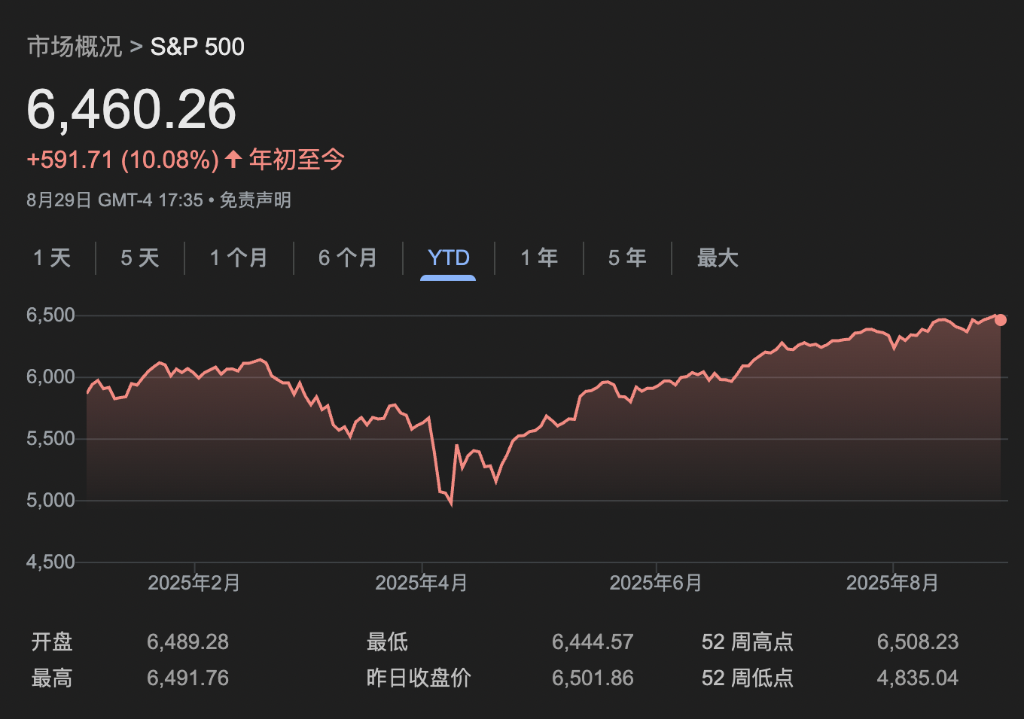
Group 1 - August saw significant gains in the US and European stock markets, with the S&P 500 reaching a historic high above 6500 points and the Dow Jones also hitting new highs [1] - September is historically the worst-performing month for US stock markets, with the Dow, S&P, and Nasdaq typically recording their largest declines of the year [3] - In Europe, the banking sector emerged as a clear winner, with European bank stocks reaching their highest levels since the 2008 financial crisis, driven by strong earnings reports and ongoing merger rumors [3] Group 2 - Media stocks faced significant losses, declining over 8% in the past two months due to concerns about the impact of AI, with WPP experiencing a 71% drop in pre-tax profits and lowering its full-year guidance [4] - There is a noticeable divide in institutional perspectives regarding market outlook, with some remaining optimistic about the continuation of the bull market while others express caution about economic pressures [5][6] - Optimists, like UBS's Mark Haefele, believe that a soft landing for the economy, robust corporate earnings, and lower interest rates will support the market over the next 12 months [6] - Conversely, cautious analysts, such as EY-Parthenon’s Gregory Daco, highlight increasing pressures on the US economy, suggesting that the strong growth observed may be misleading and driven by temporary factors [6]
华尔街最讨厌的九月来了!
美股IPO· 2025-08-31 12:33
Group 1 - Historical data indicates that September is the worst-performing month for European and American stock markets, with the Dow, S&P, and Nasdaq traditionally recording their largest declines of the year during this month [1][4][5] - Despite a strong performance in August, investors are bracing for a historically "infamous" month [5] Group 2 - The European market shows significant divergence, with banking stocks leading gains while media stocks lag behind [6] - The banking sector in Europe has been the biggest winner, reaching its highest level since the 2008 financial crisis due to positive earnings reports and ongoing merger rumors [7] - Deutsche Bank has performed exceptionally well, with a year-to-date increase exceeding 100% [8] - Conversely, media stocks have suffered over an 8% decline in the past two months, primarily due to concerns over the impact of AI [9] Group 3 - Institutional views on the market outlook are divided between optimistic and cautious perspectives [10] - Optimists believe the bull market will continue, supported by economic soft landing, robust corporate earnings, and lower interest rates [11] - Cautious analysts express concerns about the economic outlook, noting increasing pressures despite signs of resilience in the U.S. economy [11]
华尔街最讨厌的九月来了!
Hua Er Jie Jian Wen· 2025-08-31 11:58
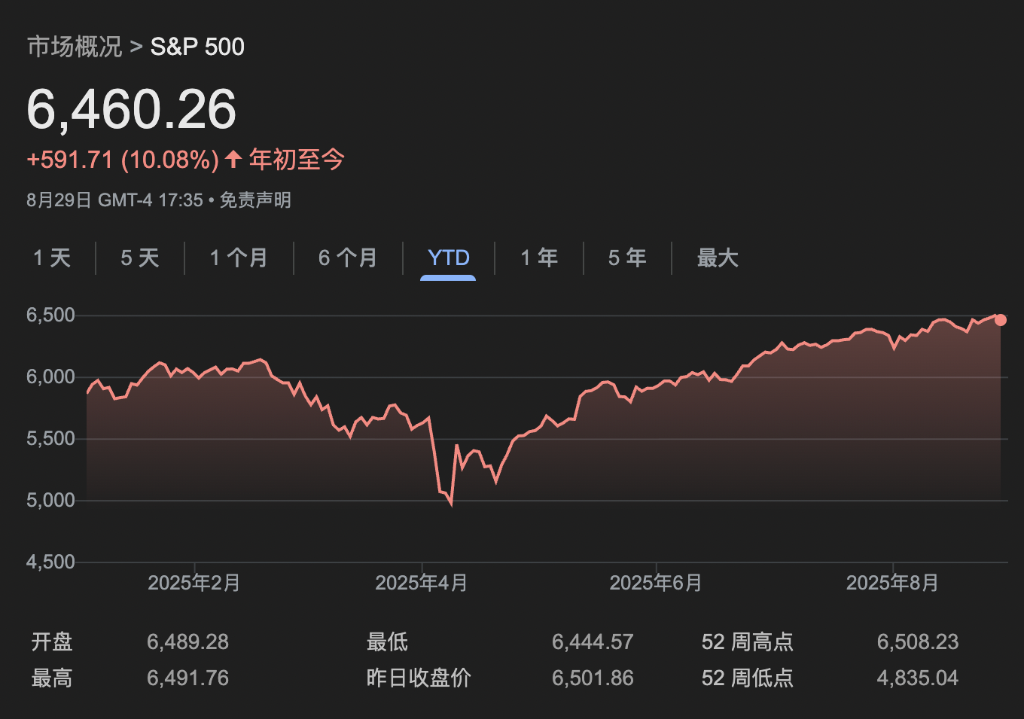
Group 1 - August saw significant gains in the US and European stock markets, with the S&P 500 reaching a historic high above 6500 points and the Dow Jones also hitting new highs, while the European Stoxx 600 recorded its first consecutive monthly gains since February [1] - Historical data indicates that September is typically the worst-performing month for US and European stock markets, with the Dow, S&P, and Nasdaq traditionally experiencing their largest declines during this month [3] - In Europe, there is a clear divergence in market performance, with banking stocks leading gains and media stocks lagging behind, particularly due to concerns over the impact of AI on the sector [4][5] Group 2 - European banking stocks reached their highest levels since the 2008 financial crisis, driven by positive earnings reports and ongoing merger rumors, with Deutsche Bank showing a year-to-date increase of over 100% [4] - Media stocks have suffered a decline of over 8% in the past two months, with WPP, an advertising group, experiencing a 71% drop in pre-tax profits and lowering its full-year guidance [5] - Institutional views on market trends for September and beyond are divided, with some analysts remaining optimistic about a continued bull market, while others express caution regarding economic pressures [6][7]
降息+基本面反转,重视铜、铝买入机会!
2025-08-25 09:13
Summary of Conference Call Records Industry Overview - The conference call discusses the non-ferrous metals industry, particularly focusing on copper and aluminum markets, as well as the rare earth sector. [1][2][3] Key Points and Arguments Monetary Policy Impact - The Federal Reserve's dovish signals have increased expectations for interest rate cuts, which are anticipated to benefit industrial metals like copper and aluminum due to a potential weakening of the dollar and increased economic growth. [2][9] - The expected interest rate cut in September is projected to significantly impact the prices of copper and aluminum, enhancing demand for these metals. [2][11] Rare Earth Market Developments - A new regulatory framework for rare earth management has been introduced, shifting from two major smelting groups to designated enterprises, which is expected to tighten supply and drive up prices for rare earth elements like neodymium and praseodymium. [3][4] - The price of neodymium and praseodymium has surged past 600,000 yuan per ton, supported by seasonal demand and recovering export orders. [4] Aluminum Market Dynamics - The aluminum market has shown signs of a fundamental reversal, with LME and COMEX inventories at historical lows, indicating a tightening supply situation. [6][8] - Domestic electrolytic aluminum inventories have also decreased, and downstream operating rates are recovering, suggesting an improving supply-demand structure. [6] - Long-term projections indicate a decline in global aluminum supply growth due to project delays in Indonesia and production cuts in Africa, while demand from power and infrastructure sectors is expected to rise. [6][8] Investment Recommendations - Recommended stocks include: 1. **China Nonferrous Mining**: Expected to double its self-owned mineral output in five years, with a projected profit of 4 billion yuan this year. Current market cap is 29.9 billion yuan, with a potential 50% upside if valuations align with peers. [5] 2. **Jiangxi Copper H Shares**: Valued at 8 times earnings, with a potential 50% upside. Benefits from a 19% stake in First Quantum, which is expected to enhance copper production. [5] 3. **Nangang Steel**: Projected annual profit exceeding 2.9 billion yuan, with a stable dividend yield of 5%. [5] Seasonal Trends in Construction and Aluminum Demand - The construction industry is expected to experience a seasonal rebound from summer lows to stable autumn activity, which will positively impact aluminum demand. [8] - The upcoming months (September to October) are anticipated to see increased operating rates and significant price volatility in aluminum due to low inventory levels. [8] Risks to Consider - Potential risks include the possibility of rising commodity prices leading to inflation exceeding expectations, which could alter future interest rate cut projections. [13] Additional Important Insights - The overall market valuation is currently low at around 8 times earnings, suggesting potential for growth in dividend-paying stocks with defensive characteristics. [7] - The copper market is expected to benefit from macroeconomic improvements, with supply tightening and demand shifting towards a seasonal peak. [12]
美联储降息预期降温及9月降息概率回落分析
Sou Hu Cai Jing· 2025-08-23 08:22
Policy Background and Core Dynamics - The Federal Reserve's interest rate cut expectations showed significant volatility, with the probability of a September rate cut dropping from 84% to 68% due to multiple factors, including diverging views among policymakers, mixed economic data, and external uncertainties [1][3]. Diverging Views Among Federal Reserve Officials - Dovish voices, such as Vice Chair Michelle Bowman, support three rate cuts within the year and urge for a September cut, arguing that tariff-driven inflation will not persist [3]. - Hawkish perspectives, represented by Atlanta Fed President Bostic, suggest only one more rate cut this year, emphasizing the need for more data [3]. Mixed Economic Data Signals - Inflation data showed mild results, with July CPI and core PCE data indicating resilience in service inflation and housing costs, raising concerns among officials about potential inflation rebounds [9]. - The labor market remains strong with low unemployment, but early indicators like reduced temporary hiring and shortened work hours suggest possible weakening [9]. - Retail sales increased by 0.5% month-over-month in July, indicating consumer resilience, although consumer confidence has declined due to inflation and unemployment concerns [9]. - Industrial production fell by 0.1% month-over-month in July, reflecting limited supply-side pressures but revealing weakening demand and trade policy impacts [9]. Market Predictions and Probability Changes - The probability of a 25 basis point rate cut in September decreased from 84% to 68%, while the probability of maintaining the current rate rose to 32% [9]. - For October, the cumulative probability of a 25 basis point cut is 48.8%, and for a 50 basis point cut, it is 51.5% [9]. - The decline in probabilities is attributed to hawkish statements from officials and concerns over resilient inflation, alongside uncertainties in the labor market and declining consumer confidence [9]. External Environment and Policy Challenges - The global economic environment is characterized by weak growth in Europe, geopolitical conflicts (e.g., Russia-Ukraine situation), and fluctuations in energy prices affecting the U.S. economic outlook [12]. - A strong dollar is suppressing export competitiveness but helps to mitigate import inflation [12]. - The Federal Reserve faces challenges in balancing a "higher for longer" interest rate policy with the goal of achieving a soft landing for the economy, with internal disagreements on the timing of rate cuts [12]. Conclusion and Future Outlook - The drop in September rate cut probability to 68% reflects mixed economic signals and diverging views among policymakers, with the market still anticipating rate cuts but requiring further data validation regarding timing and magnitude [15]. - Key observation points include upcoming CPI and PCE data for August, which could influence rate cut probabilities if inflation continues to ease [15]. - Labor market data will be critical; a significant rise in unemployment or a slowdown in hiring plans could prompt rate cuts [16]. - Statements from Powell and other policy signals during the global central bank meeting in August will provide important insights [16].

深夜重磅,鲍威尔暗示降息,美股全线大涨
21世纪经济报道· 2025-08-22 16:37
Core Viewpoint - Federal Reserve Chairman Jerome Powell hinted at the possibility of interest rate cuts due to signs of economic slowdown, despite ongoing inflation concerns [1][4]. Economic Conditions - The U.S. economy shows resilience amid high tariffs and tightened immigration policies, but labor market and economic growth are significantly slowing down [1][4]. - Recent labor data indicates a slowdown, with only 73,000 new jobs added in July, below expectations, and the unemployment rate rising to 4.2% [7]. - The core consumer price index rose by 3.1% year-on-year in July, exceeding the Fed's long-term target of 2% [8]. Political and Market Pressures - Powell faces immense political pressure from President Trump, who is advocating for significant rate cuts and pushing for more dovish members in the Fed [5]. - The upcoming September meeting is expected to be one of the most controversial in recent years, as Powell navigates between economic challenges and political pressures [5]. Market Reactions - Following Powell's remarks, U.S. stock indices surged, with the Dow Jones reaching a new intraday high of 45,748.82 points [1]. - Analysts predict that the Fed may initiate a rate cut of 25 basis points in September, with a total reduction of approximately 100 basis points by mid-2024 [8]. Implications for Asia - A potential rate cut by the Fed could positively impact Asian economies, particularly smaller open economies that rely heavily on trade [10]. - The investment landscape in Asia may present numerous opportunities, especially in high-dividend stocks and sectors related to artificial intelligence [10].